TOP 5 Tips for A Perfect Asphalt Driveway Or Parking Lot

We Love Paving services in Cupertino. Professional paving contractor serving Cupertino and South Bay areas.
Estimation Tools

Calculate costs in seconds

Fast, accurate estimates that help you close more jobs. Less guesswork, more profit.

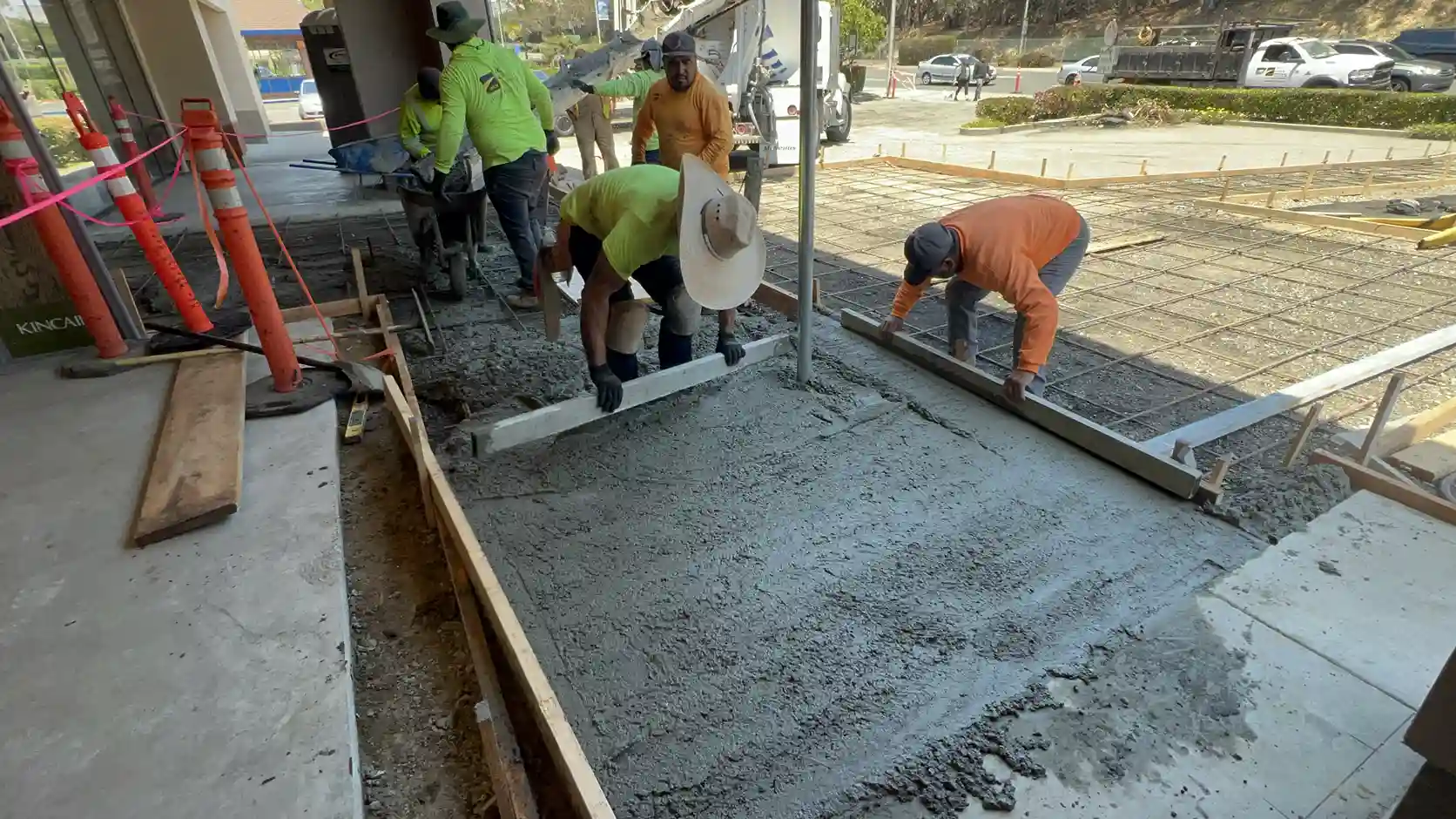
Unfortunately, driveways and parking lots are a lot like referees in a sports game: people usually only notice them when they make a mistake. A driveway full of potholes or a parking lot with faded lines can instantly hurt your property’s curb appeal.

At WeLovePaving, we believe a beautifully paved surface deserves the spotlight. Whether you’re a homeowner looking to upgrade your home’s entrance or a property manager planning a commercial lot, a flawless asphalt surface is a long-term investment.

Before we dive into the “how-to,” let’s look at what makes an asphalt surface truly perfect.

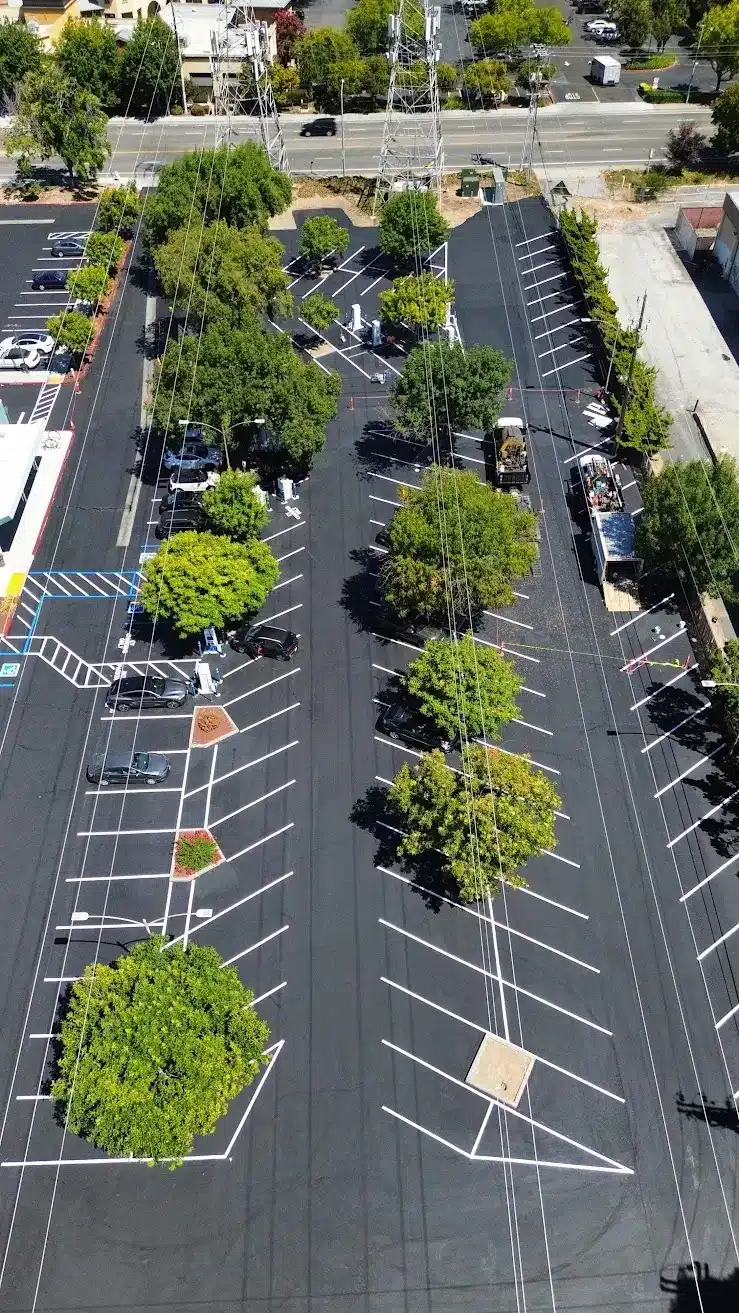
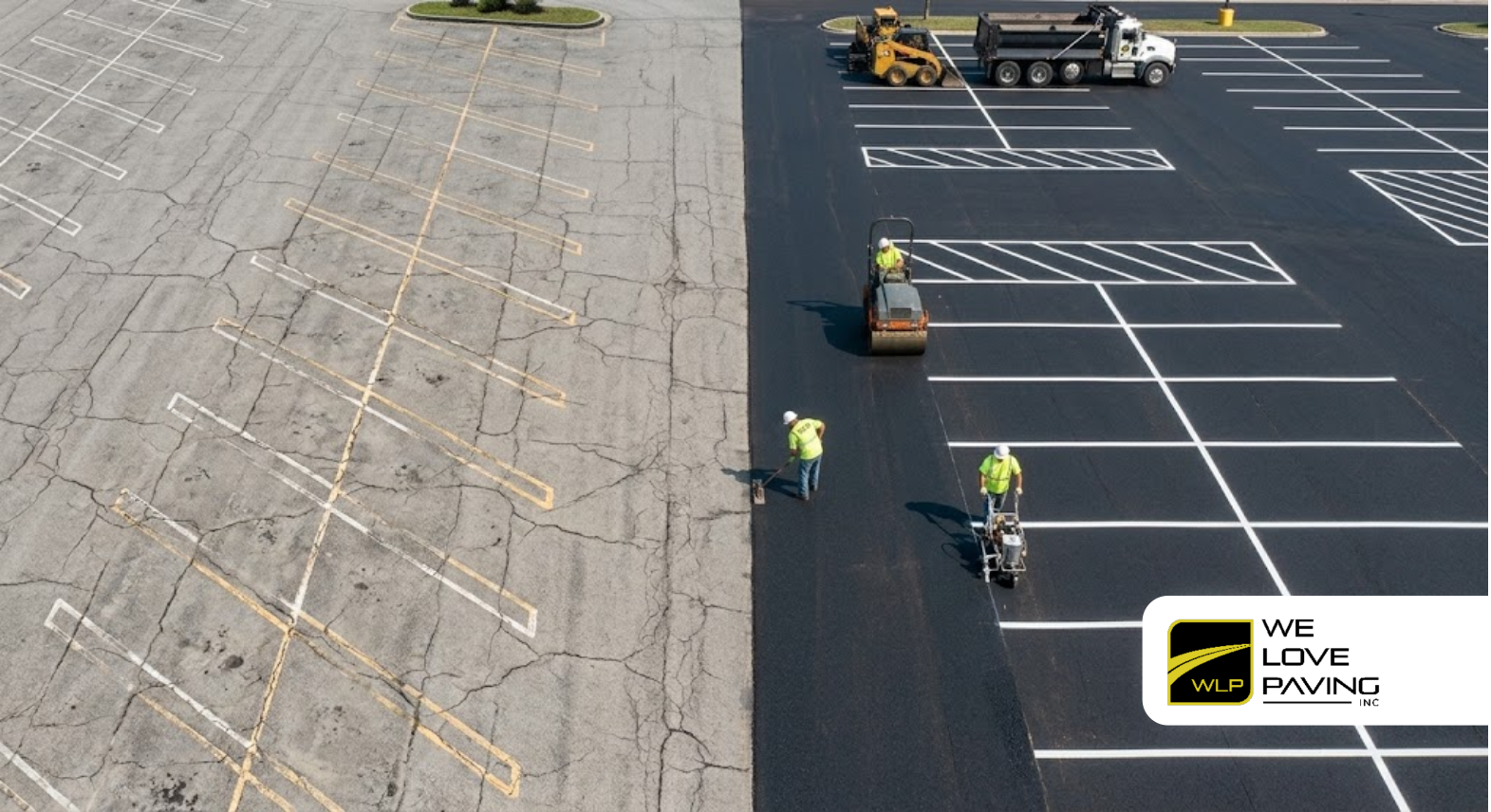
Characteristics of a Perfectly Paved Surface You’ll Want to Copy:

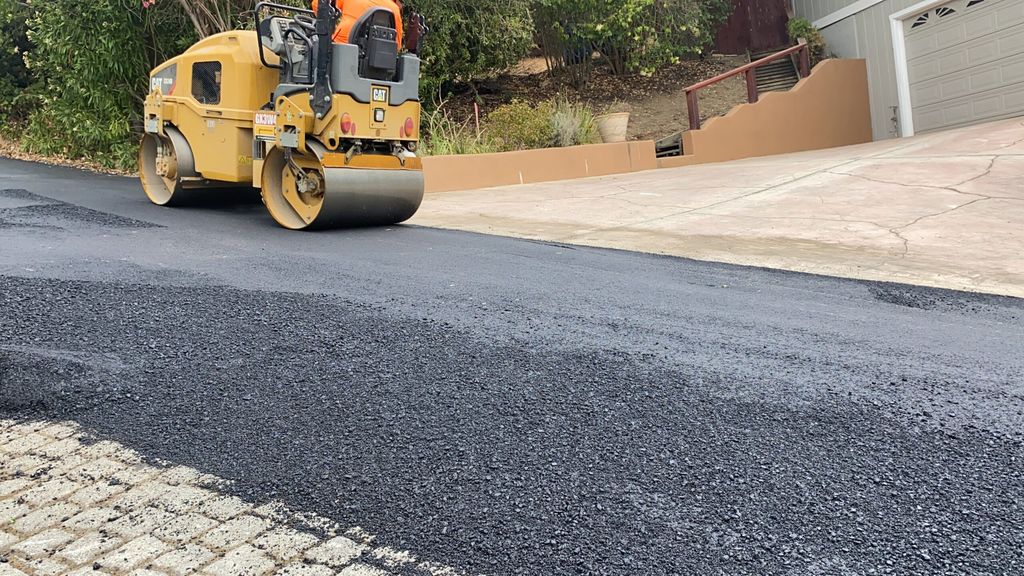
  1. Seamless Smoothness: A top-tier asphalt driveway has no bumps, rough seams, or uneven spots, providing a perfect driving surface.

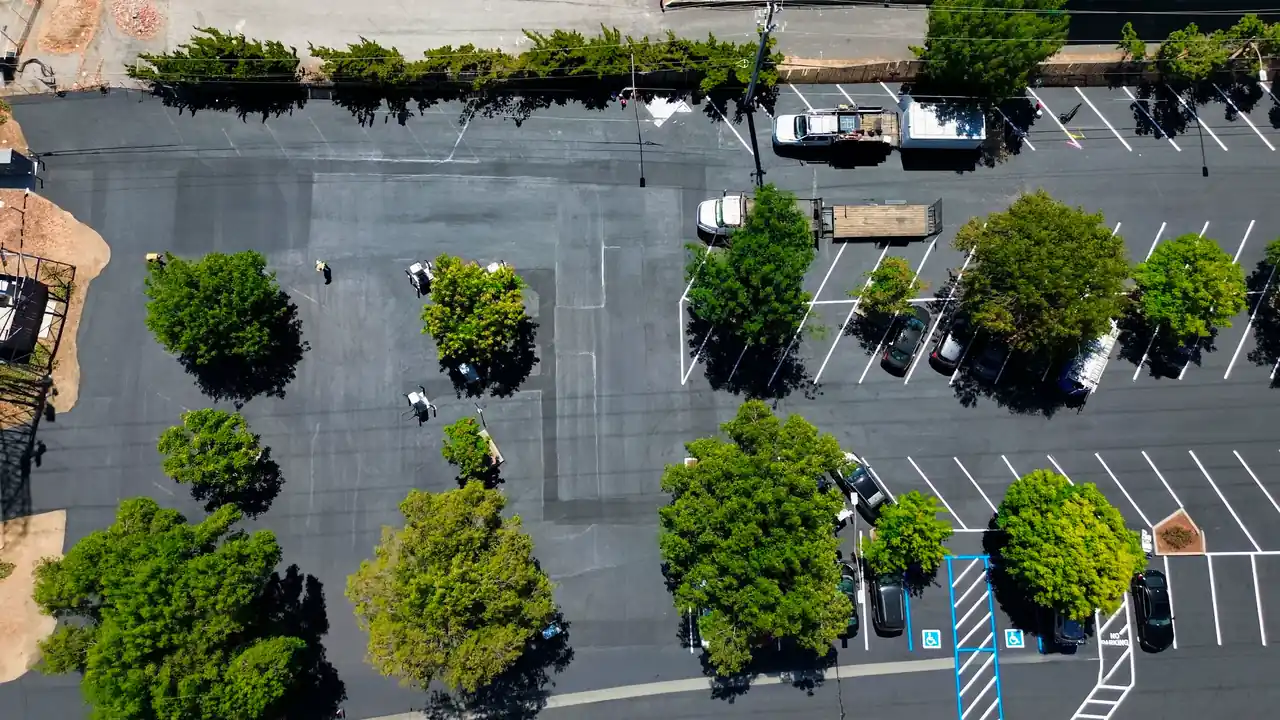
  2. Crisp, Vibrant Striping: For parking lots, the marking lines (including ADA-compliant blue lines) are bright, highly visible, and perfectly straight.

  3. Impeccable Drainage: A well-laid surface is subtly sloped so water runs off effortlessly, leaving zero puddles after a heavy rain.

  4. Clean Edges: The borders where the asphalt meets the landscaping or concrete sidewalks are sharp, clean, and visually pleasing.

Do you want your property to look this good? Here are our top 5 tips to achieve a flawless asphalt surface.

5 Tips to Make Your Asphalt Driveway or Parking Lot Perfect

1. Start with Accurate Measurements

This is the first and most crucial step to building a perfect pavement. Accurate measurements dictate your budget, material needs, and timeline.

  • Use a measuring tape or a laser measuring tool to get the length and width of your project area.

  • For irregular shapes, divide the area into smaller rectangles or triangles to calculate the total square footage.

  • Pro Tip: Don’t guess your materials! Use the WeLovePaving Free Asphalt Calculator to determine exactly how much asphalt you’ll need based on your specific measurements and desired thickness.

2. Choose the Right Thickness for Your Needs

Not all asphalt projects are created equal. The thickness of your asphalt layer depends entirely on the expected traffic:

  • Residential Driveways: 2-3 inches is typically perfect for standard vehicles. Residential Paving Services

  • Commercial Parking Lots (Light Traffic): 4-5 inches will handle daily customer flow.

  • Heavy-Duty Areas (e.g., delivery truck routes): 6-8 inches is required for maximum durability. Thicker asphalt provides greater strength, but the experts at WeLovePaving can help you balance the perfect thickness with your budget so you don’t overspend.

3. Prepare the Base Properly

A beautiful surface means nothing if the foundation is weak. A strong, stable base is the secret to an asphalt driveway that lasts for decades.

  • Excavation: The area must be excavated to the proper depth.

  • Compaction: A tightly compacted gravel sub-base must be laid down to support the asphalt and prevent shifting.

  • Drainage: Proper grading is required to avoid water pooling, which is asphalt’s worst enemy. By working with the WeLovePaving Commercial or Residential Paving Team, you ensure that potential issues like soil instability and poor drainage are solved before the first drop of asphalt is poured.

4. Use Only High-Quality Asphalt Mixes

To get that rich, dark, smooth finish, you need premium materials. Selecting a high-quality asphalt mix tailored to your specific climate and project ensures longevity.

  • Hot Mix Asphalt (HMA): The gold standard for driveways and parking lots due to its incredible strength and weather resistance.

  • Warm Mix Asphalt (WMA): A more environmentally friendly option that works exceptionally well in cooler temperatures.

5. Commit to Regular Maintenance

Even the most perfectly paved surfaces need a little TLC to stay looking brand new. Routine maintenance extends the lifespan of your asphalt, saving you thousands of dollars in premature repaving.

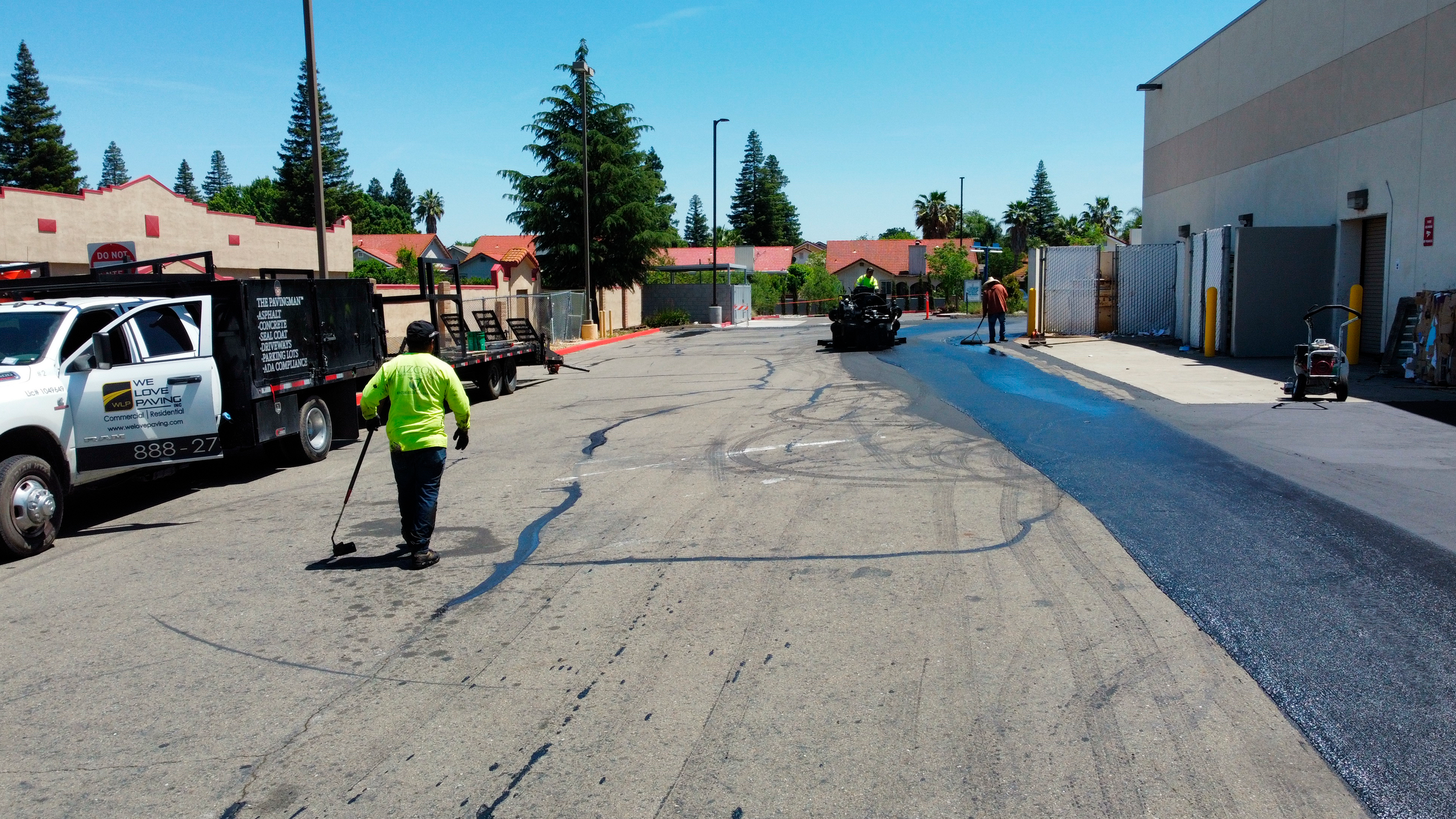
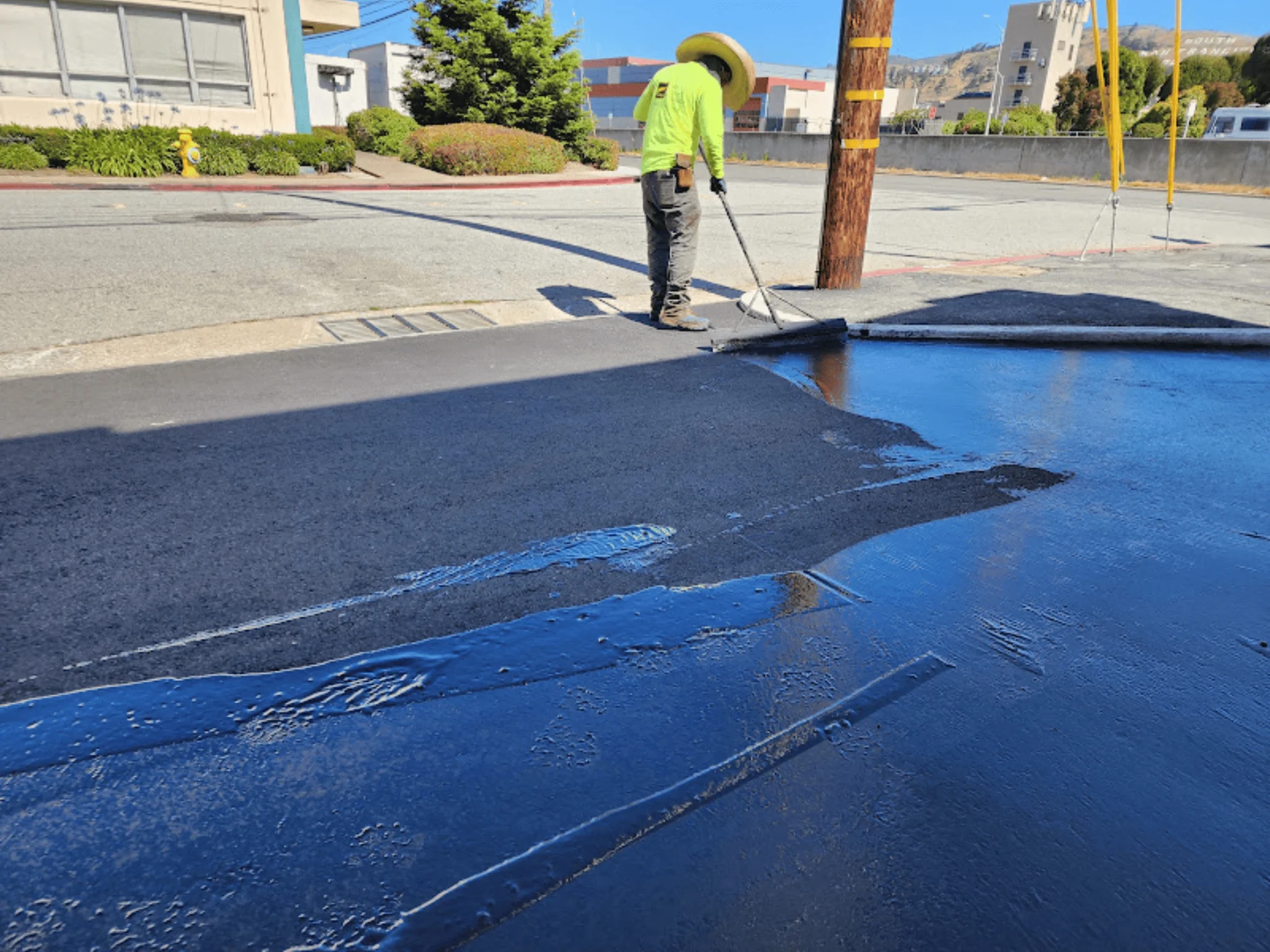
  • Sealcoating: Protects your asphalt from UV rays, water penetration, and chemical spills. We recommend applying it every 2-3 years. WeLovePaving Sealcoating Services

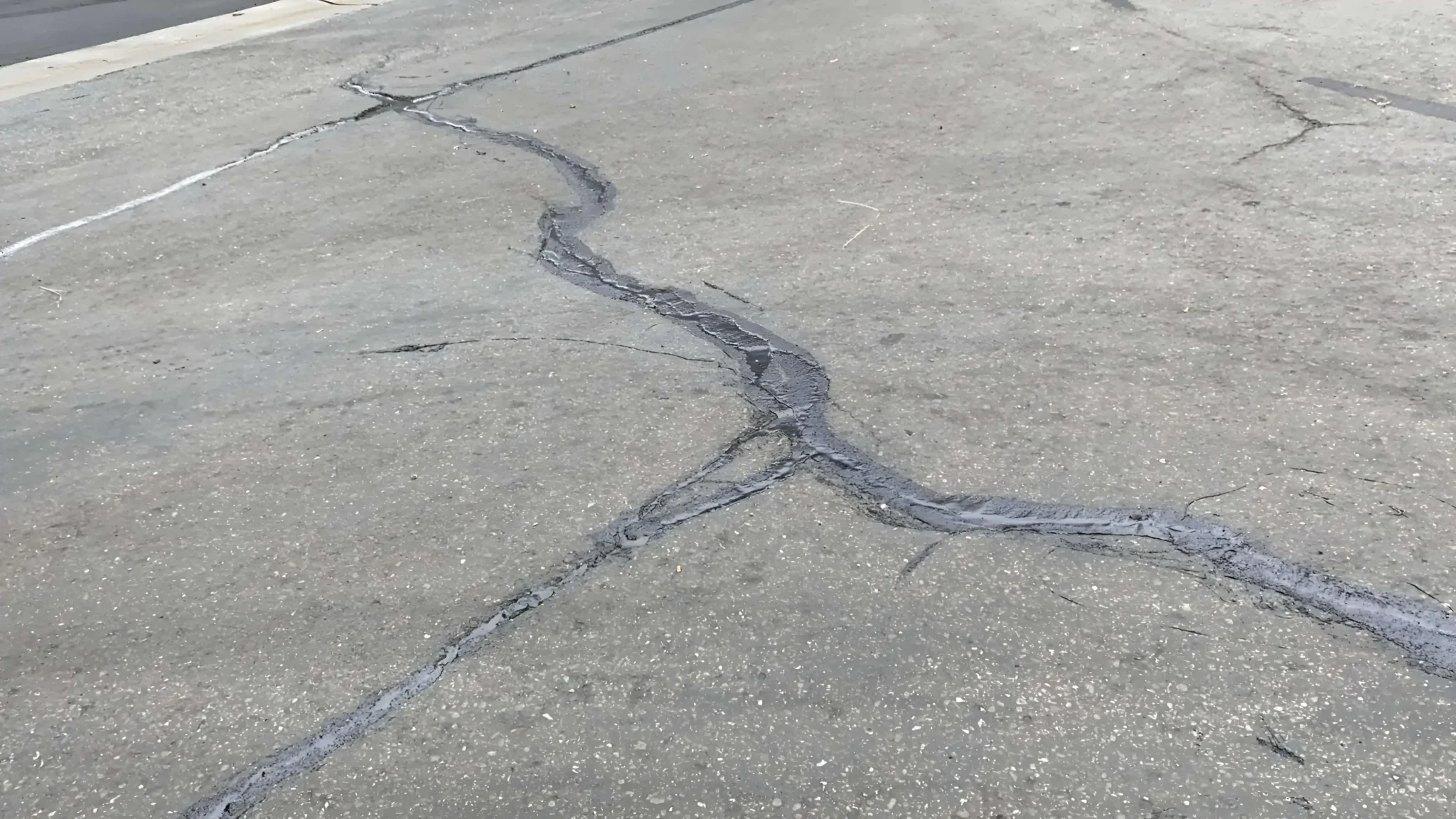
  • Crack Filling: Address small cracks immediately before moisture gets in and turns them into expensive potholes.  Asphalt Repair & Crack Filling Services

  • Sweeping: Keep the surface free of debris to maintain its pristine look and protect your drainage systems.

Plan Your Asphalt Project with Confidence

A professionally paved asphalt surface doesn’t just look great—it adds immense value to your property. By focusing on precision, quality materials, and expert base preparation, you can achieve the perfect driveway or parking lot.

Ready to get a surface that makes your neighbors or competitors jealous? Contact WeLovePaving today for expert paving services tailored to your needs, or try our free asphalt calculator to kickstart your project!

Need Immediate Help?

Let's Talk About Your Project

Don't wait until minor damage turns into major expenses. Our team of experts is ready to provide you with guaranteed solutions. Contact us now for direct advice from a professional.

Frequently Asked Questions (FAQ)

Got Questions? Find Your Answers Here!!

What asphalt thickness is required for residential driveways versus commercial parking lots?

For standard traffic residential driveways, an asphalt thickness of two to three inches is ideal. Commercial parking lots experiencing light traffic require four to five inches, whereas heavy-duty delivery truck areas demand six to eight inches to guarantee the maximum structural durability of the paved surface.

Why is base preparation fundamental before paving with asphalt?

A solid foundation prevents sinking and shifting of new asphalt. Proper preparation requires excavating to a specific depth, installing a tightly compacted gravel sub-base, and ensuring precise grading to avoid water pooling, thereby eliminating the primary factor contributing to long-term pavement deterioration and structural failure.

How and when should sealcoating be applied to an asphalt pavement?

Asphalt sealcoating should be applied every two to three years to protect the surface against ultraviolet rays, water penetration, and chemical spills. Maintaining a strict sealcoating schedule, combined with immediate crack filling, essentially doubles the pavement's lifespan and actively prevents the formation of expensive, damaging potholes.

What is the difference between Hot Mix Asphalt (HMA) and Warm Mix Asphalt (WMA)?

Hot Mix Asphalt provides extreme strength and durability against adverse weather conditions, making it the industry standard for driveways and parking lots. Conversely, Warm Mix Asphalt represents an eco-friendly alternative that significantly reduces carbon emissions and facilitates highly efficient paving applications during cooler ambient temperatures.

How do precise measurements determine the amount of material needed for a paving project?

Exact area dimensions, acquired using measuring tapes or laser tools, allow for the calculation of the project's total square footage. By combining this total area with the specific thickness requirement dictated by vehicular traffic volume, paving experts accurately calculate the precise asphalt tonnage needed to prevent material waste.

Professional customer review project by We Love Paving in Northern California, California. Verified local construction quality.

Fred / Founder

Fred, Founder and Regional Operations Manager at We Love Paving, comes from a family that values hard work and discipline. Growing up watching his parents work long hours with integrity and dedication, Fred learned early on that quality paving isn’t just about asphalt, it’s about consistency, accountability, and doing the job right.

Share

Posts That Might Interest You

The Great Debate: Is 2 Inches of Gravel Enough for a Driveway?

The Great Debate: Is 2 Inches of Gravel Enough for a Driveway?

May 16, 2026

When it comes to building a driveway, one of the key decisions homeowners face is determining the appropriate thickness of the gravel base layer. While some may argue that 2 inches of gravel is sufficient to support the weight of vehicles and provide a stable foundation, others advocate for thicker layers to ensure long-term durability

Why Is Parking So Expensive for Property Owners?

May 15, 2026

Many commercial property owners underestimate how expensive parking areas become once maintenance, accessibility, and pavement deterioration start overlapping at the same time. At first, parking lot costs usually appear manageable. Small cracks, faded striping, drainage problems, or isolated surface wear may not seem urgent while the property continues operating normally. Over time, however, those smaller

ADA Compliant Checklist for Parking Lots

ADA Compliant Checklist for Parking Lots

May 15, 2026

Many commercial properties develop accessibility problems gradually without property owners realizing how much conditions have changed over time. Parking lots, sidewalks, ramps, and pedestrian access routes constantly experience wear from traffic movement, weather exposure, drainage shifts, and surface aging. Because these changes happen slowly, accessibility concerns are often overlooked until inspections, complaints, or liability risks

Biggest Mistakes Made by a Landlord With Parking Lots

Biggest Mistakes Made by a Landlord With Parking Lots

May 15, 2026

Many property owners focus heavily on tenant spaces, landscaping, and building appearance while overlooking one of the most heavily used parts of the property: the parking lot. The problem is that pavement deterioration rarely stays cosmetic for long. Small surface issues gradually begin affecting traffic flow, drainage behavior, pedestrian safety, tenant perception, and operational costs

Next

Estimation Tools

Calculate costs in seconds

Fast, accurate estimates that help you close more jobs. Less guesswork, more profit.