In Sacramento, California, adhering to the guidelines set forth by the Americans with Disabilities Act (ADA) is essential for creating environments that are accessible to all individuals, including those with disabilities. This federal civil rights law, enacted in 1990, prohibits discrimination and ensures equal opportunities in public spaces, employment, and transportation.
For property owners and businesses in Sacramento, ADA compliance is not just a legal obligation—it is a commitment to inclusivity. However, maintaining a compliant facility involves more than just installing signs; it requires keeping physical surfaces, like parking lots and pathways, in optimal condition.
Importance of ADA Compliance
Compliance is crucial for several reasons:
- Legal Requirements: Non-compliance can result in federal penalties, fines, and lawsuits. In addition to federal law, California’s Title 24 building code sets even stricter accessibility standards.
- Inclusivity and Safety: Providing equal access ensures that everyone, regardless of mobility, can navigate your premises safely.
- Property Integrity: Regular upkeep of accessible features prevents accidents and long-term liability.
Key Components of ADA Compliance in Sacramento
1. Paths of Travel and Accessible Routes
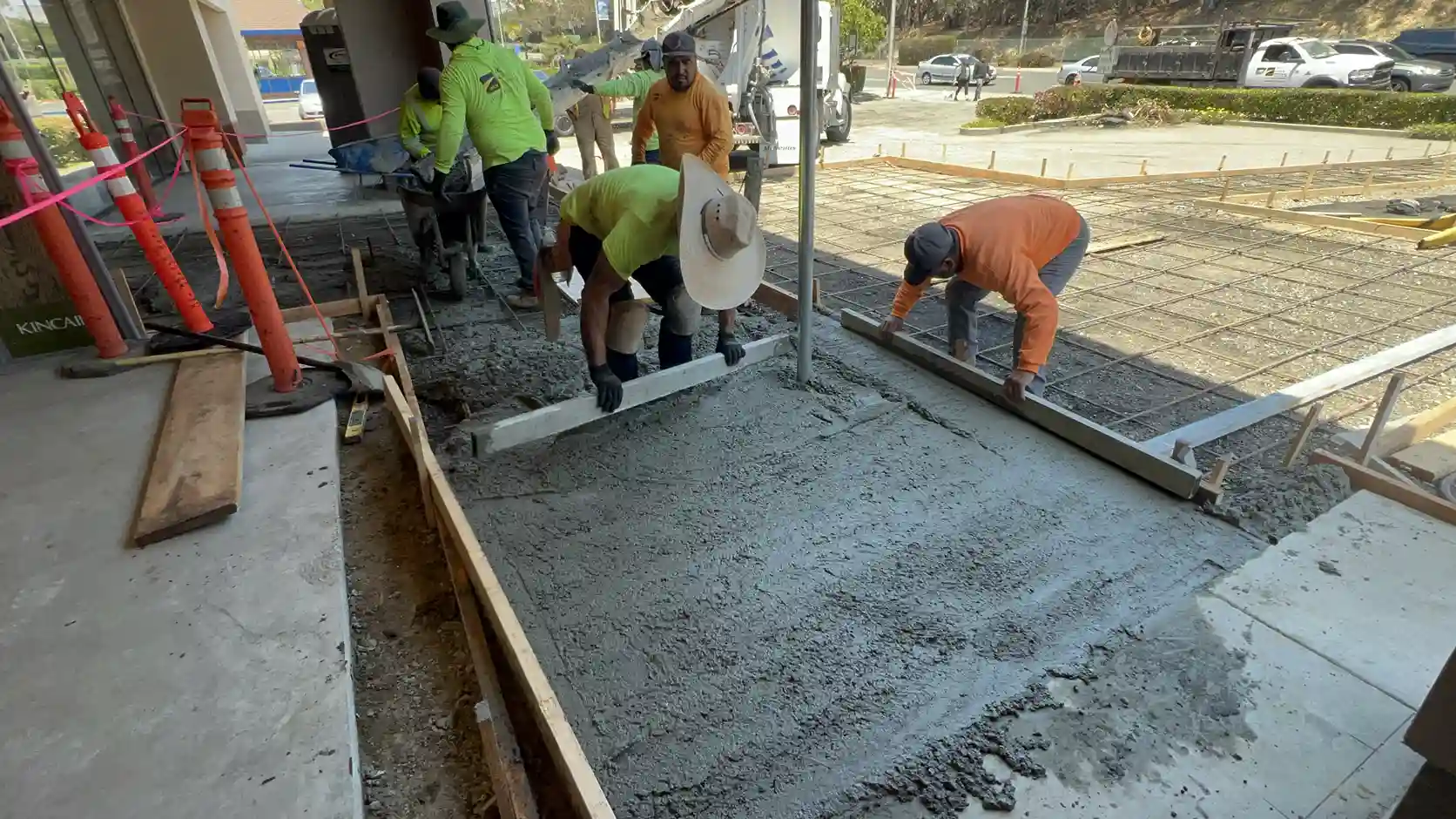
ADA standards require clear, accessible routes from parking areas and public sidewalks to the building entrance. These routes must be free of obstructions and have appropriate slopes.
2. Accessible Parking Spaces
Designated parking spaces must be available, featuring the correct width, proper signage, and proximity to the entrance. However, the surface of these spaces is just as important as their dimensions.
3. Surface Integrity: Why Asphalt Maintenance Matters for ADA
A major, often overlooked aspect of ADA compliance is the condition of the pavement. In Sacramento, the climate can be harsh on asphalt, leading to cracks and uneven surfaces that pose significant risks to individuals with disabilities.
Why does asphalt crack so easily in Sacramento? Understanding why your pavement deteriorates is key to maintaining compliance:
- Thermal Expansion and Contraction: Sacramento experiences hot summers and cool winters. This constant movement causes stress, leading to cracks that can trip pedestrians or catch wheelchair wheels.
- UV Radiation: Intense California sun breaks down the asphalt binder (oxidation), making it brittle and more likely to crumble, creating uneven slopes that violate ADA standards.
- Water Infiltration: Rainwater seeping into small cracks weakens the subgrade. In the winter, if this water freezes (freeze-thaw cycle), it expands and widens cracks, potentially turning a minor surface issue into a major accessibility barrier.
- Heavy Traffic Loads: Constant use by heavy vehicles can cause asphalt to flex and weaken, creating “alligator cracking” or potholes that make a path of travel non-compliant.
4. Accessible Entrances and Ramps
Entrances must have ramps or sloped surfaces with specific gradients to accommodate wheelchairs. If the asphalt at the base of a ramp begins to crack or sink due to improper installation or lack of maintenance, the slope may no longer meet legal requirements, creating a “lip” or obstacle.
How to Maintain a Compliant and Safe Property
To ensure your Sacramento property remains ADA-compliant and your asphalt stays in top shape:
- Conduct Regular Assessments: Periodically check your accessible routes for new cracks or settling.
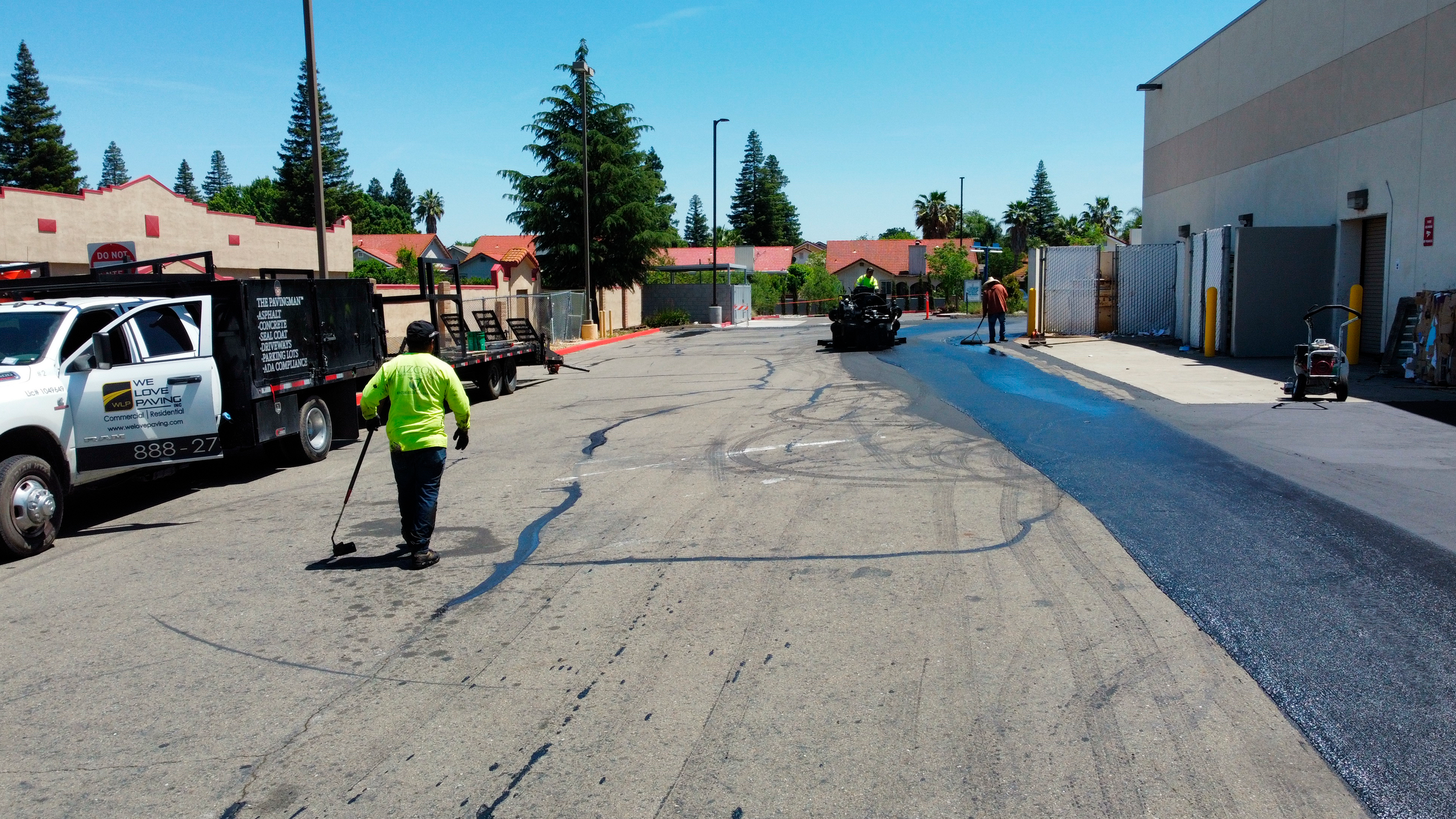
- Sealcoating and Crack Filling: Address small cracks promptly to prevent water infiltration and UV damage. This extends the life of your pavement and ensures a smooth, compliant surface.
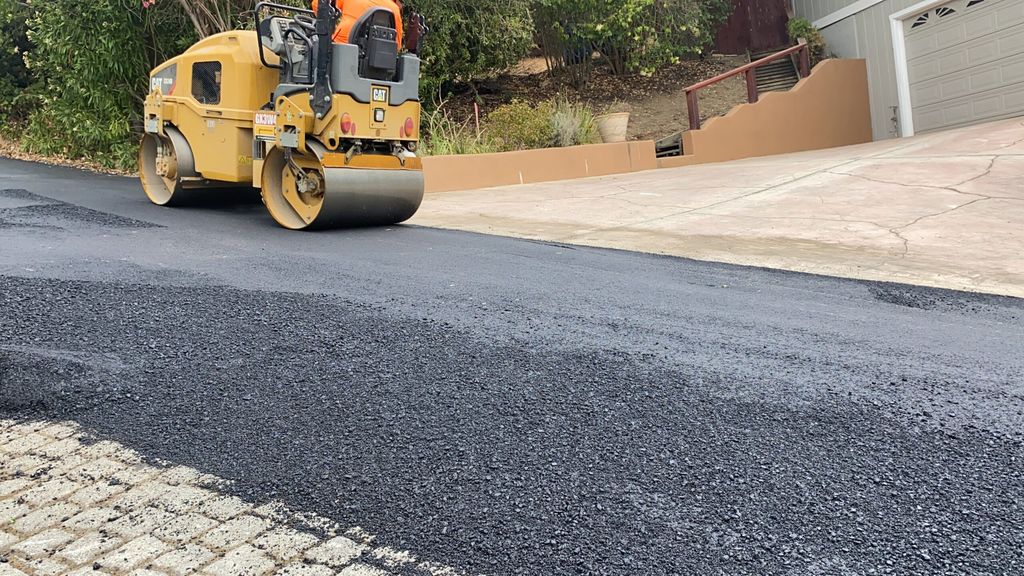
- Ensure Proper Base Preparation: When installing or repairing asphalt, a stable, well-compacted subgrade is essential to prevent future settling and cracking.
- Professional Maintenance: Work with experts who understand both the technical side of paving and the legal requirements of ADA standards in California.
Conclusion
ADA compliance in Sacramento is a continuous process of ensuring accessibility and safety. By understanding the factors that cause asphalt deterioration—such as Sacramento’s unique climate and traffic loads—and addressing them through proactive maintenance, you can protect your business from legal liabilities and provide a welcoming environment for all.