Most parking lots do not fail suddenly.
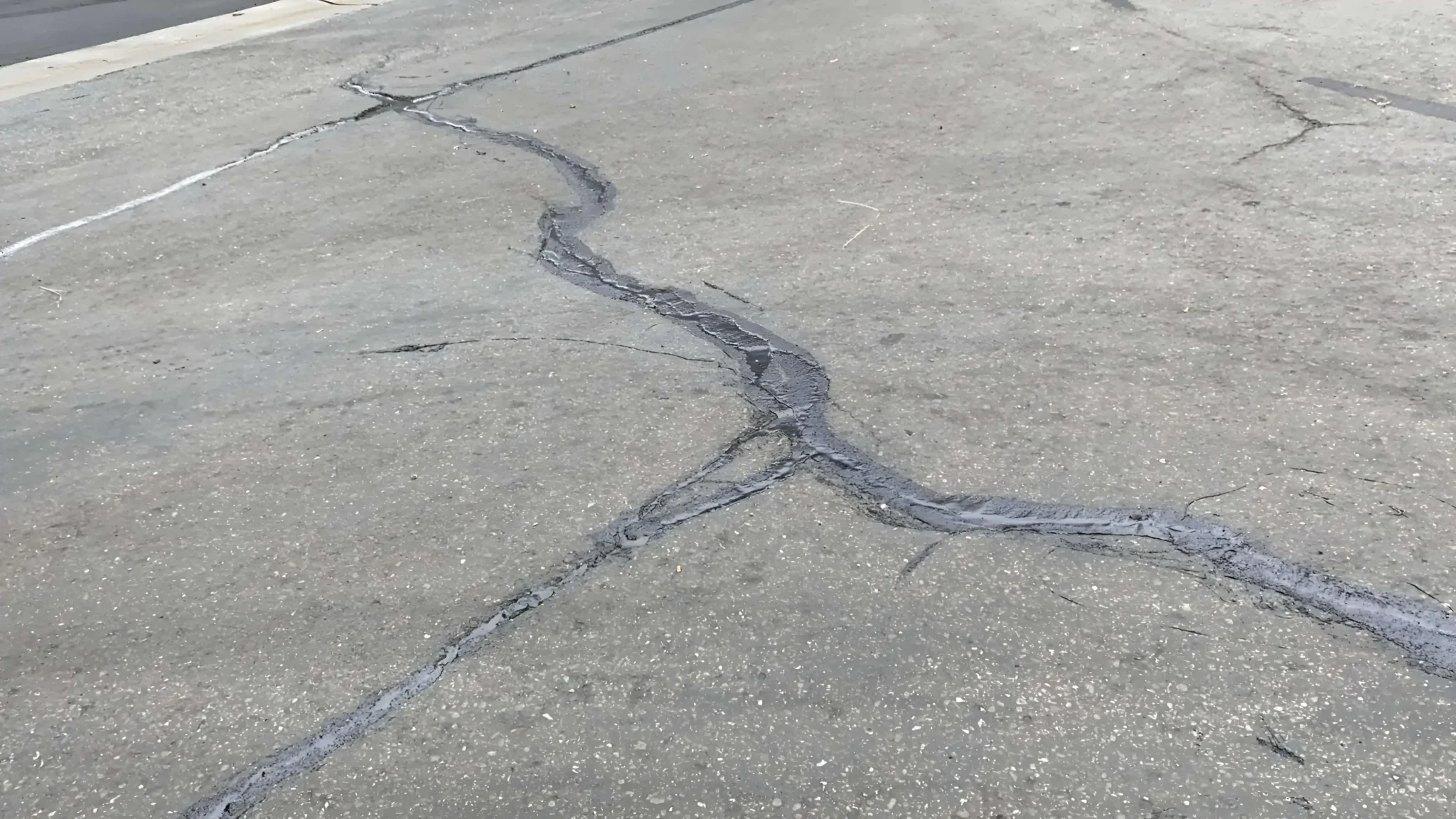
In commercial properties, pavement problems usually develop gradually through visible warning signs that property owners become accustomed to seeing every day. Cracks widen slowly, striping fades over time, puddles appear more frequently after storms, and rough driving areas become part of the normal experience around the property.
The problem is that parking lot deterioration rarely stabilizes on its own once those warning signs begin appearing consistently.
For retail centers, apartment communities, office properties, industrial sites, and HOAs, identifying parking lot warning signs early often determines whether repairs remain manageable or become significantly more disruptive later.

Potholes Usually Mean the Pavement Has Been Weakening for a While
Potholes are one of the clearest parking lot warning signs because they usually indicate that surface deterioration has already moved below the asphalt layer.
Many property owners assume potholes appear overnight after heavy rain or seasonal weather changes. In reality, the pavement underneath has often been weakening gradually for months through repeated traffic pressure and surface wear.
This becomes especially noticeable in:
delivery lanes,
entrances,
dumpster areas,
and high-turning sections where vehicles repeatedly place stress on the same pavement areas.
Once potholes begin affecting active traffic zones, deterioration tends to spread faster because surrounding pavement edges become weaker as vehicles continue driving over damaged sections.
For many commercial properties, recurring surface failure eventually becomes part of larger parking lot paving planning once isolated repairs stop improving pavement conditions effectively.
Fading Striping Often Signals Broader Surface Wear
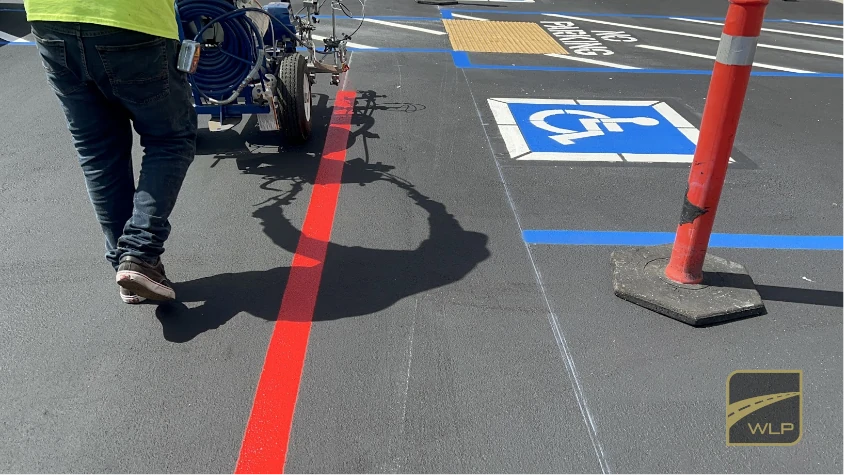
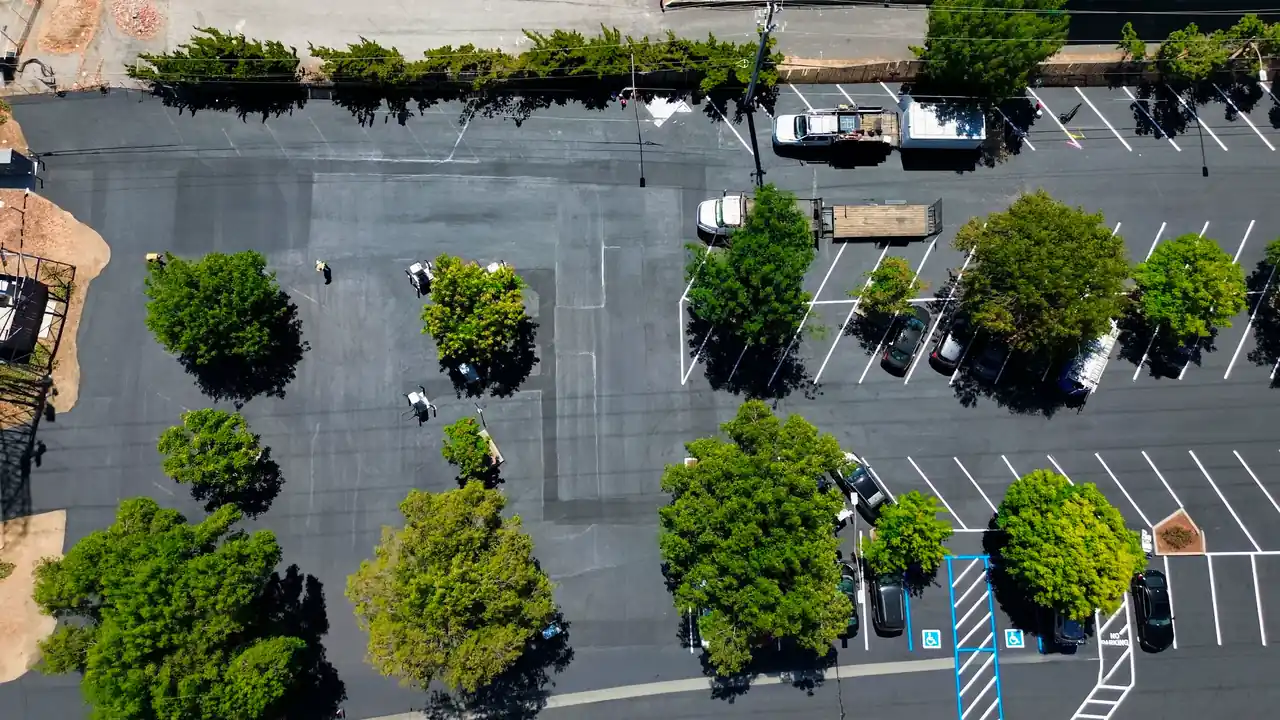
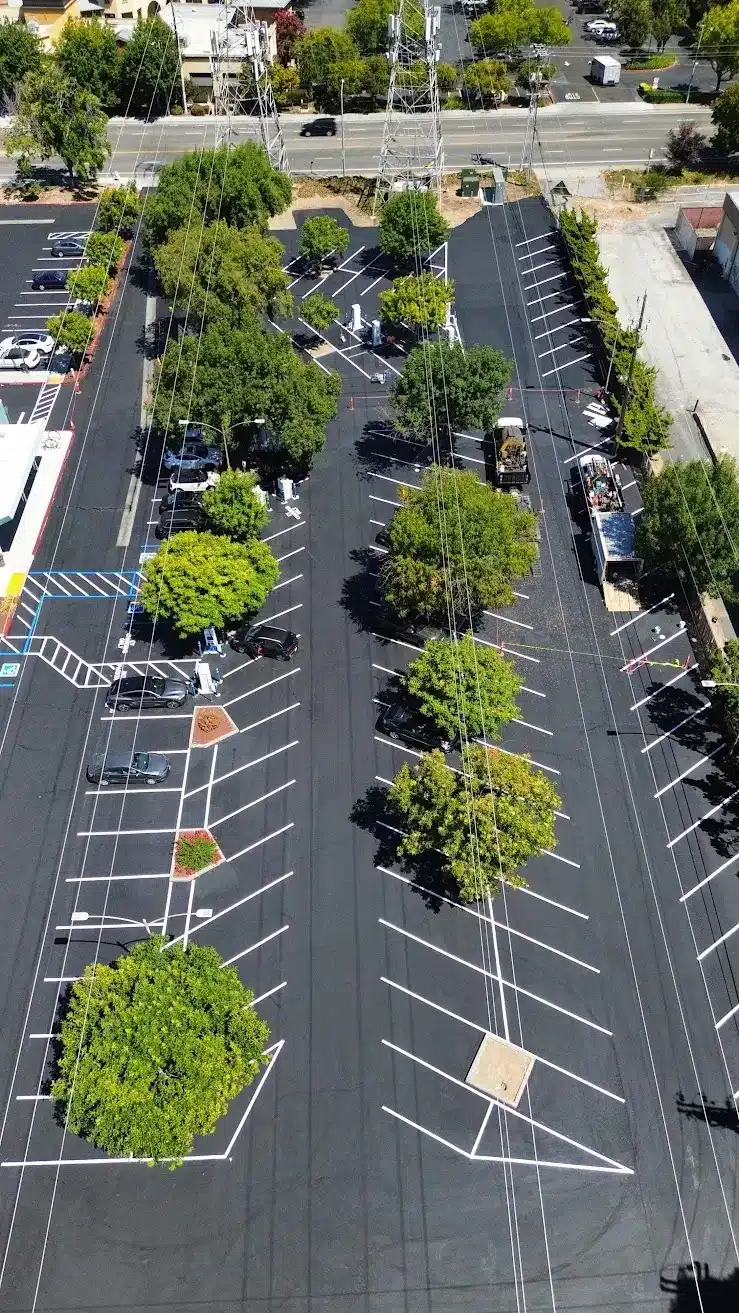
Parking lot striping fades naturally over time, but uneven or rapidly disappearing markings often point to larger pavement wear underneath.
Property managers frequently notice that striping near entrances, ADA spaces, pedestrian crossings, and traffic flow areas disappears first because those sections receive the highest daily movement.
This issue is not only cosmetic. Poor striping visibility can affect:
parking organization,
pedestrian safety,
traffic flow,
and accessibility clarity throughout the property.
Many commercial properties also begin experiencing confusion around parking layouts once markings become difficult to distinguish clearly.
Common parking lot warning signs include:
- faded ADA markings,
- unclear fire lanes,
- rough pavement around striping,
- inconsistent parking space visibility,
- and worn pedestrian crossing areas.
For many sites, recurring striping deterioration eventually overlaps with broader ADA inspections and long-term property maintenance planning.
Standing Water Usually Indicates Drainage Problems
One of the most overlooked parking lot warning signs is recurring standing water.
Many owners treat puddles as temporary inconveniences after storms instead of recognizing them as indicators that water is no longer draining correctly through the parking lot.
This often happens when pavement surfaces settle unevenly or low areas begin trapping moisture repeatedly.
| Parking Lot Warning Sign | Common Cause | Potential Long-Term Effect |
|---|---|---|
| Standing water | Drainage inconsistency | Surface weakening |
| Fading striping | Surface wear | Parking confusion |
| Uneven pavement | Settlement movement | Trip hazards |
| Loose asphalt | Traffic fatigue | Surface breakup |
| Repeated patching | Ongoing pavement instability | Larger repair costs |
Commercial properties with recurring standing water often begin noticing rough pavement, loose asphalt, and surface cracking developing in the same areas over time.
The issue becomes more noticeable in parking lots exposed to constant traffic because vehicles repeatedly push moisture deeper into weakened pavement sections.
For many commercial properties, recurring drainage-related wear eventually becomes part of broader paving maintenance planning before deterioration spreads across larger areas.
Uneven Pavement Starts Affecting Daily Property Use
Parking lots influence how commercial properties function every day.
Once pavement surfaces become rough, uneven, or unstable, the problems begin affecting more than appearance alone. Visitors notice uncomfortable driving conditions, pedestrians encounter unstable walking areas, and tenants begin recognizing maintenance issues more consistently throughout the property.
This becomes especially important near:
building entrances,
sidewalk connections,
ADA routes,
and pedestrian crossings where pavement consistency directly affects accessibility and safety.
Property managers often recognize that complaints increase once parking lot conditions begin interfering with:
traffic flow,
parking organization,
water drainage,
or pedestrian movement near active areas.
At that stage, parking lot deterioration is usually no longer isolated surface wear. It begins affecting overall property usability and maintenance planning more broadly.
Why Parking Lot Warning Signs Should Be Addressed Early
Most serious pavement failures begin with warning signs that originally appeared manageable.
Property owners often adapt visually to gradual pavement deterioration because the parking lot continues functioning temporarily despite visible wear. The challenge is that asphalt problems usually become more expensive once potholes, drainage issues, unstable pavement, and surface fatigue begin overlapping across active sections of the property.
For many commercial sites, identifying parking lot warning signs early helps reduce operational disruption while keeping the property safer, more organized, and easier to maintain over time.