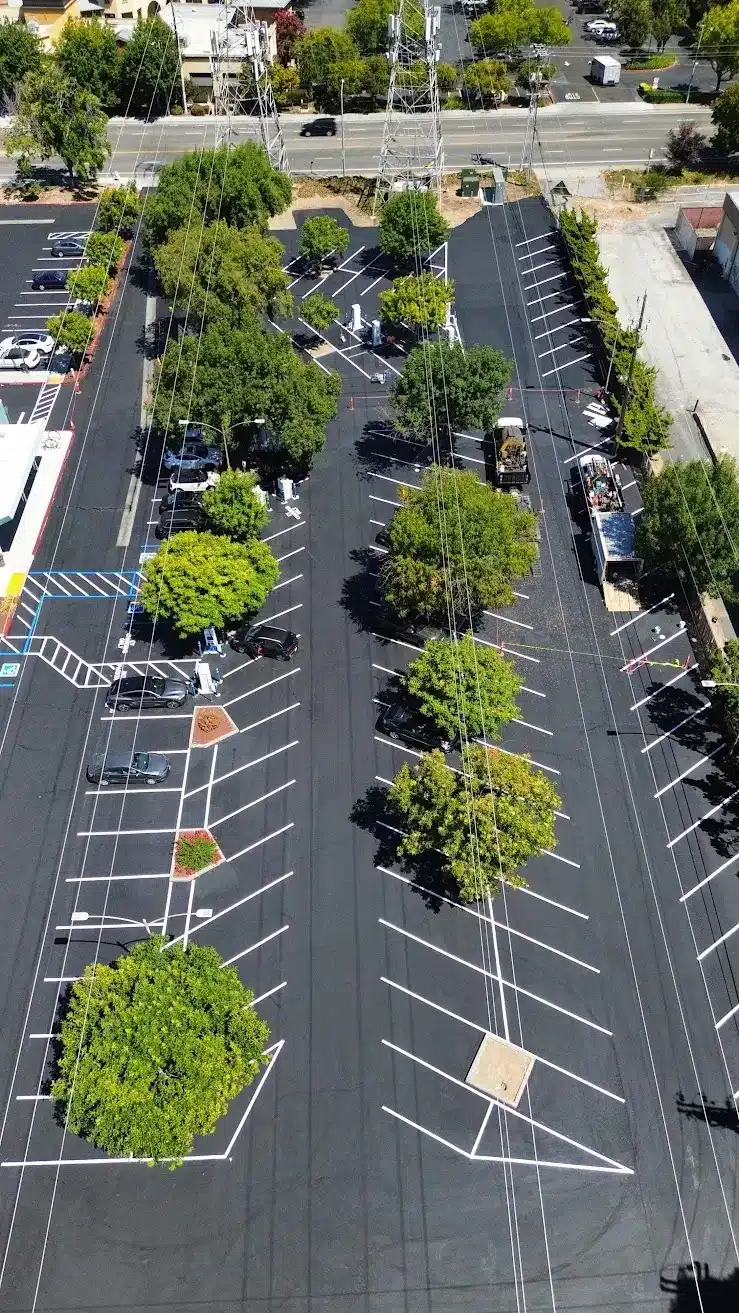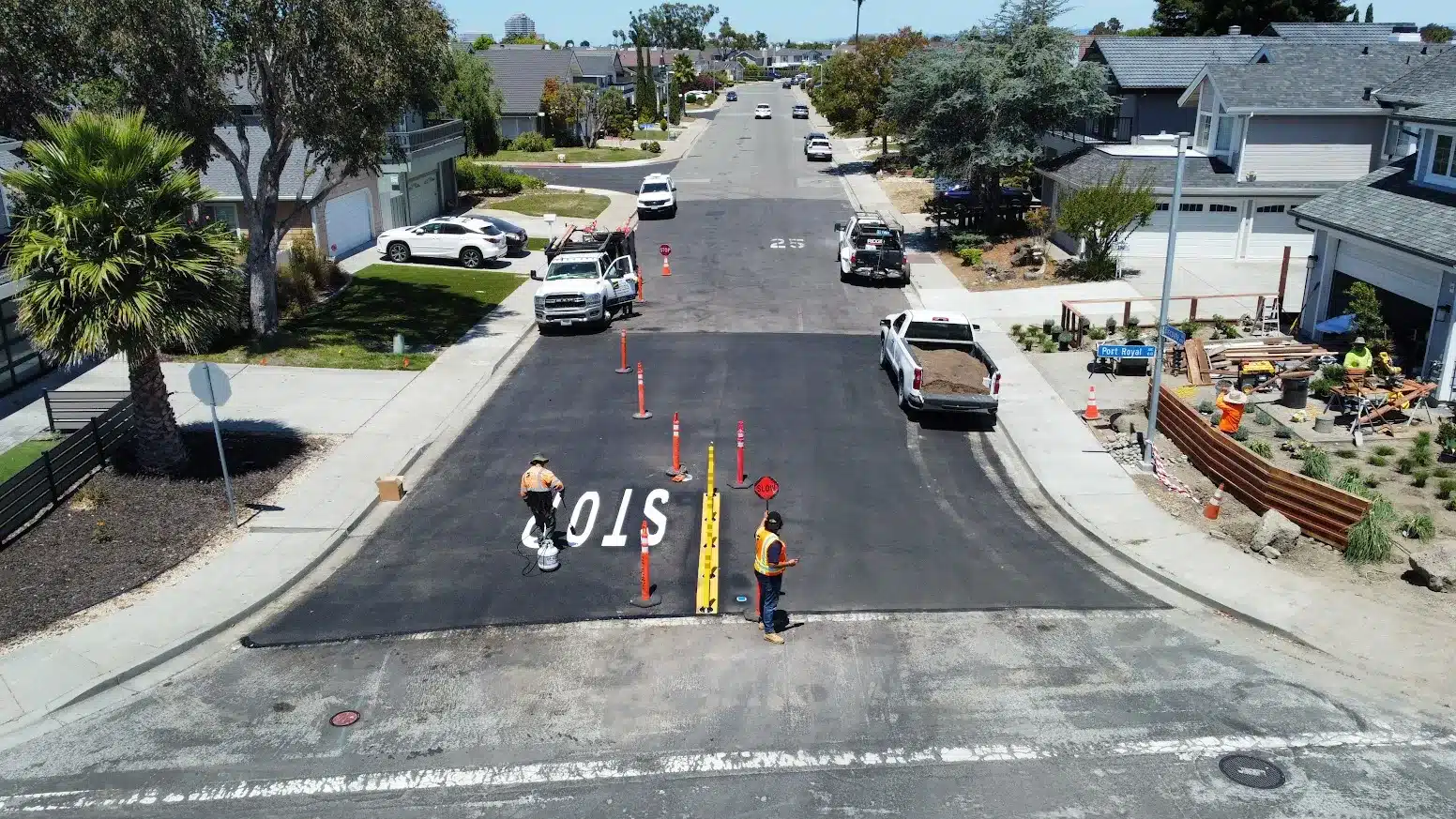
The biggest mistakes made by a landlord often start outside the building, in the parking lot.
They are not always dramatic. Most begin as small maintenance decisions that seem easy to postpone: a crack left open for another season, a pothole patched too late, faded striping ignored because tenants are still parking, or drainage problems dismissed because the water eventually dries.
That is weak property management logic.
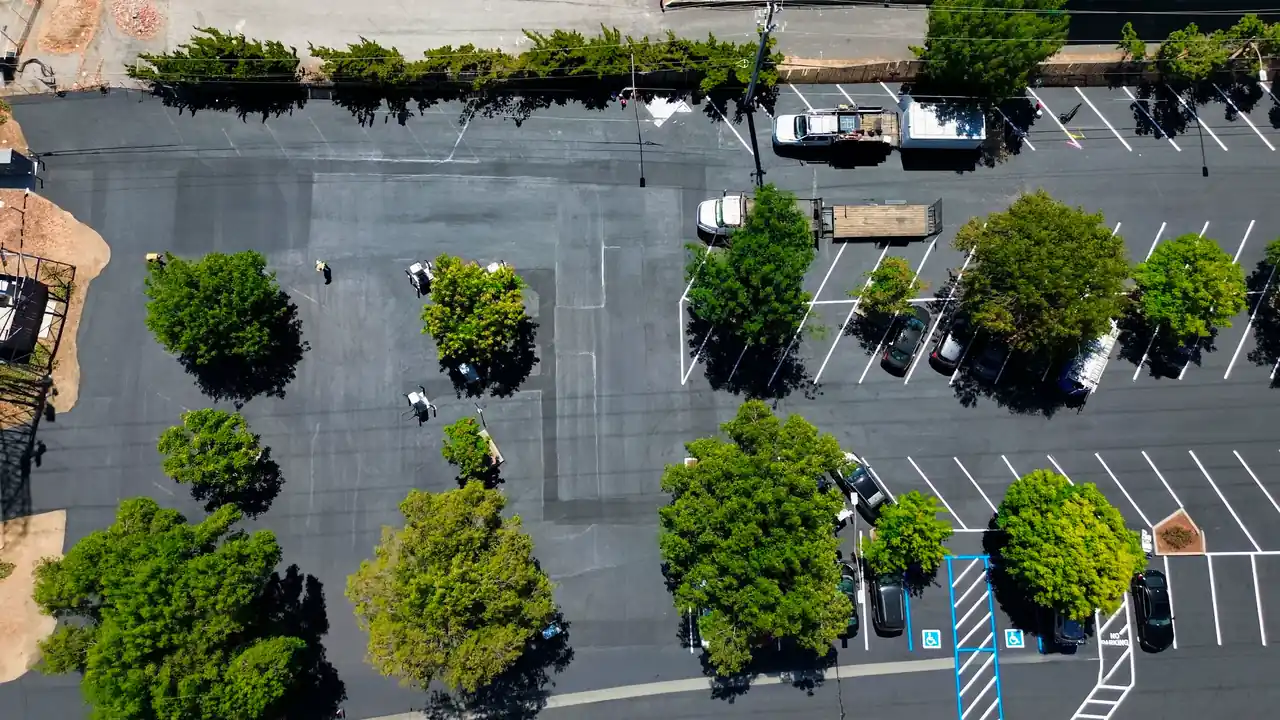
A parking lot is not separate from the rental asset. It affects tenant experience, curb appeal, leasing perception, daily access, maintenance exposure, and long-term property value. For landlords managing apartment buildings, retail spaces, small commercial properties, mixed-use sites, HOAs, or multi-tenant assets, the pavement is part of the property’s operating condition.
The expensive mistake is waiting until the lot becomes bad enough that tenants, visitors, buyers, or vendors start noticing.
By then, the landlord may no longer be choosing between simple maintenance options. The property may already be dealing with tenant complaints, potholes, standing water, broken edges, unclear markings, avoidable repair costs, or larger pavement work that could have been planned earlier.
Here are the five parking lot mistakes landlords make most often, and how to avoid letting ordinary pavement wear become a more expensive property problem.
Mistake 1: Treating Parking Lot Damage as Only Cosmetic
One of the biggest mistakes made by a landlord is assuming parking lot damage is only an appearance issue.
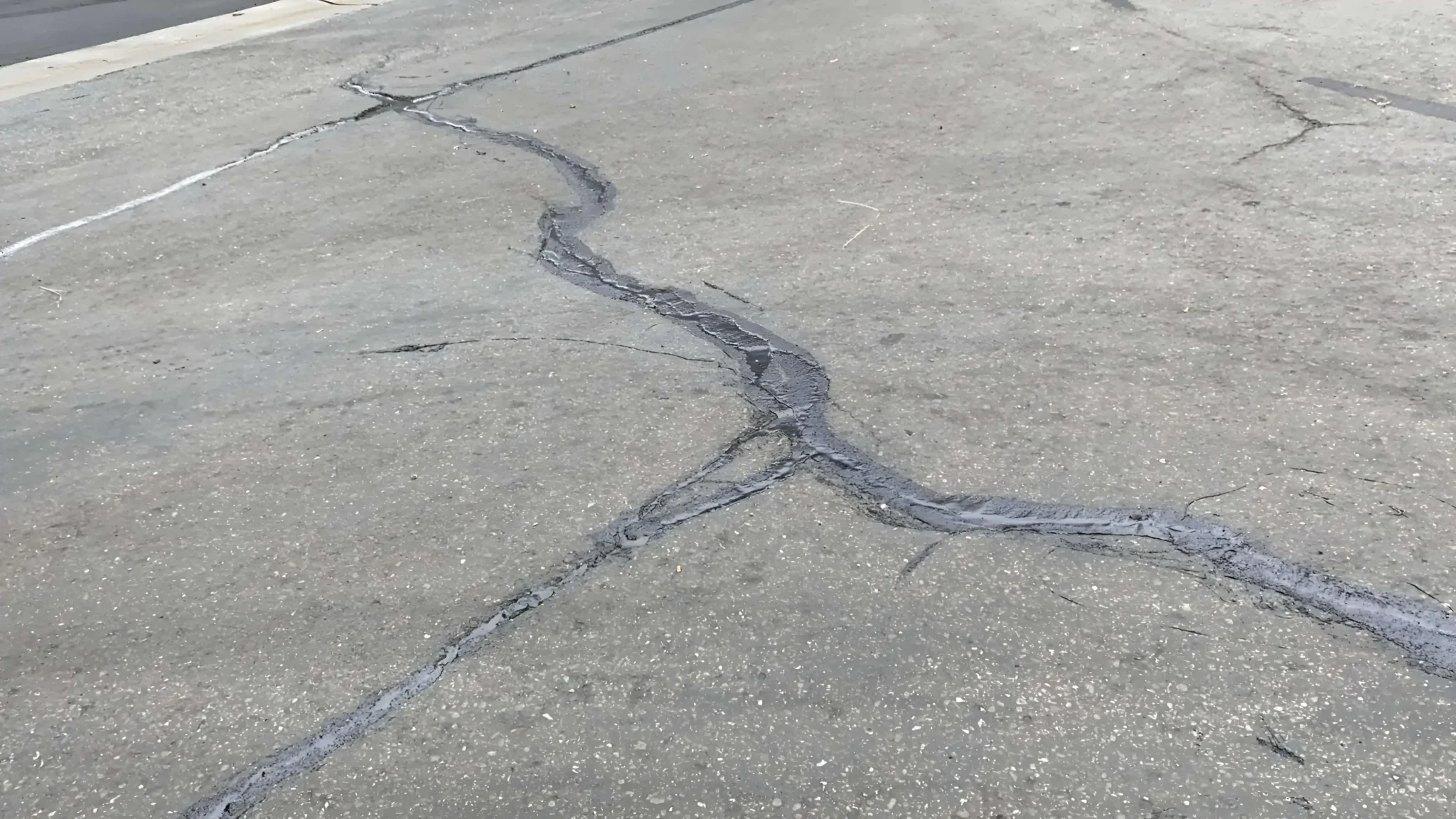
A small crack may look harmless. A faded surface may seem normal. A rough patch near the entrance may not feel urgent. But pavement damage rarely stays frozen in its first stage. Cracks allow water to enter. Weak edges break under repeated traffic. Potholes collect debris and moisture. Drainage issues keep the same areas under stress.
The problem is not only the defect itself. The problem is what the defect allows to happen next.
Landlords sometimes delay parking lot repairs because the building is leased, rent is coming in, and the lot is still usable. That is a narrow view. Tenants, residents, customers, and delivery drivers use the parking lot every day. If the pavement looks neglected, the property begins sending the wrong signal before anyone walks through the door.
This matters more for landlords than they often admit. A rental property is judged through its common areas. The parking lot is one of those common areas.
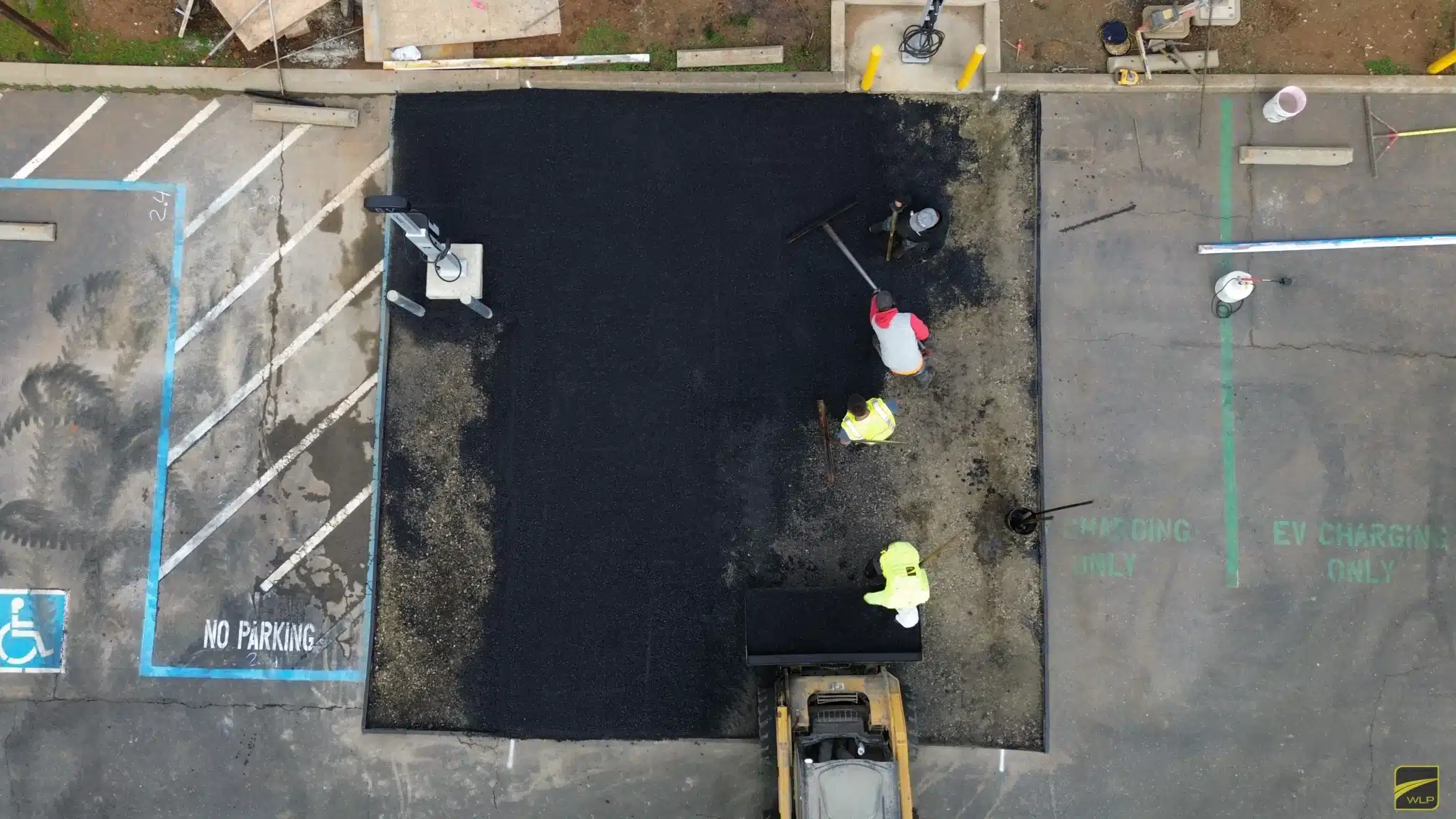
When cracks, potholes, or broken pavement are already visible, parking lot repair can help prevent small surface issues from becoming larger maintenance problems. The goal is not cosmetic perfection. The goal is to stop minor damage from controlling the repair schedule later.
Mistake 2: Waiting for Tenant Complaints Before Acting
Tenant complaints should not be the landlord’s first inspection system.
By the time tenants complain about potholes, confusing parking, standing water, or rough pavement, the issue has usually been visible for a while. The landlord has already lost the advantage of early action.
This is a common failure pattern: no one complains, so nothing gets done. That logic is lazy and expensive.
Tenants are useful observers, but they are not responsible for managing the property’s pavement lifecycle. A landlord should know the condition of the lot before complaints force the issue. Waiting for tenant frustration creates two risks. First, it makes the property look reactive. Second, it often means repairs are scheduled after the cheapest maintenance window has passed.
A stronger landlord habit is to inspect the parking lot at predictable moments:
- After heavy rain
- Before winter or wet seasons
- Before lease renewals or leasing campaigns
- Before property tours
- Before sealcoating or restriping
- After construction, utility work, or heavy truck activity
- During annual budget planning
The article on delaying parking lot maintenance addresses the financial side of waiting. For landlords, the operational issue is just as important: delayed action can turn a manageable pavement item into a tenant-facing problem.
The hard question is simple: are you inspecting the lot because you manage the property, or because tenants finally forced your attention?
Mistake 3: Ignoring Drainage Until It Starts Breaking the Pavement
Drainage is where many landlords underestimate risk.
Standing water near entrances, drive aisles, curb lines, low spots, parking stalls, or drains should not be brushed off just because it eventually disappears. Water that sits on the surface may also be entering cracks, weakening edges, carrying debris into drainage structures, or repeatedly stressing the same pavement areas.
The surface drying does not prove the problem is gone.
A landlord who ignores drainage usually ends up paying for symptoms later: potholes, recurring patches, raveling, soft areas, broken edges, or repeated deterioration in the same section of the lot. These repairs are often more expensive because the underlying water behavior was never addressed.
The most useful time to inspect a parking lot is after rain. Dry pavement hides evidence. Wet pavement shows where the property is weak.
Look for water that collects in the same area every time. Watch whether runoff crosses pedestrian routes or tenant entrances. Check whether drains are blocked by leaves, sediment, trash, or landscape debris. Notice whether cracks are forming around low areas. Repeated moisture and traffic stress are a bad combination.
For rental properties, small commercial buildings, multifamily lots, and mixed-use sites, paving maintenance should include drainage observation, not just surface appearance.
This is one of the clearest examples of a landlord mistake becoming expensive: ignoring water because it looks temporary while it is quietly accelerating pavement damage.
Mistake 4: Letting Striping Fade Until the Property Feels Unmanaged
Faded striping is not just a visual issue.
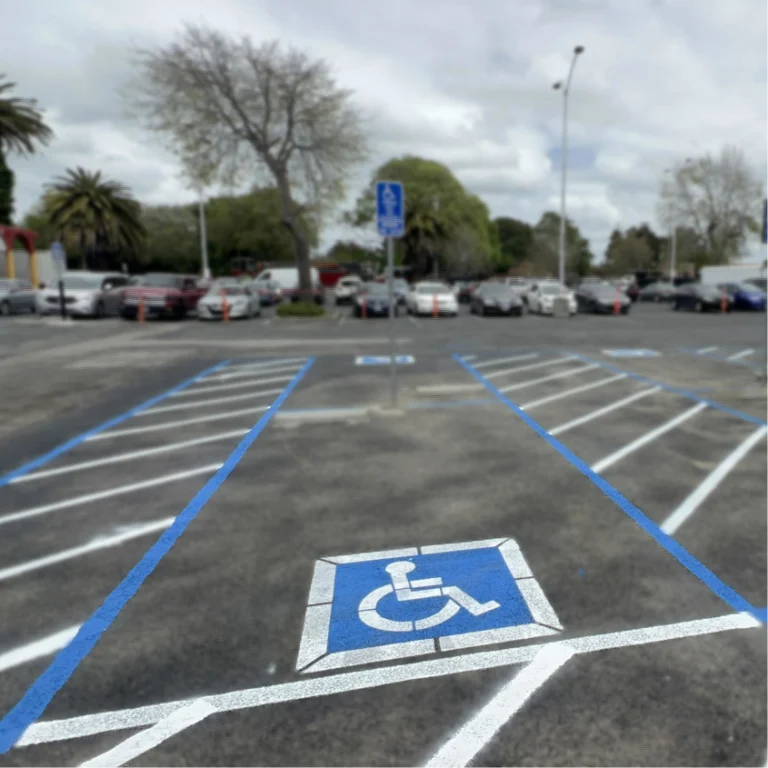
It affects how people use the property. Clear markings organize parking stalls, drive aisles, pedestrian crossings, fire lanes, loading areas, directional flow, and accessible parking areas. When striping fades, drivers improvise. Parking becomes less orderly. Pedestrian visibility can become weaker. The lot starts to feel less managed even if the asphalt itself is still serviceable.
For landlords, that perception matters.
Residents notice whether parking feels organized. Retail tenants notice whether customers can move through the lot easily. Office and medical tenants notice whether visitors understand where to park. Vendors notice whether loading areas are clear. Prospective tenants notice whether common areas look maintained.
The mistake is assuming striping can wait indefinitely because cars are still fitting into the lot.
That assumption ignores how parking behavior changes when visual guidance fades. A poorly marked lot can create daily friction even before the pavement needs major repair.
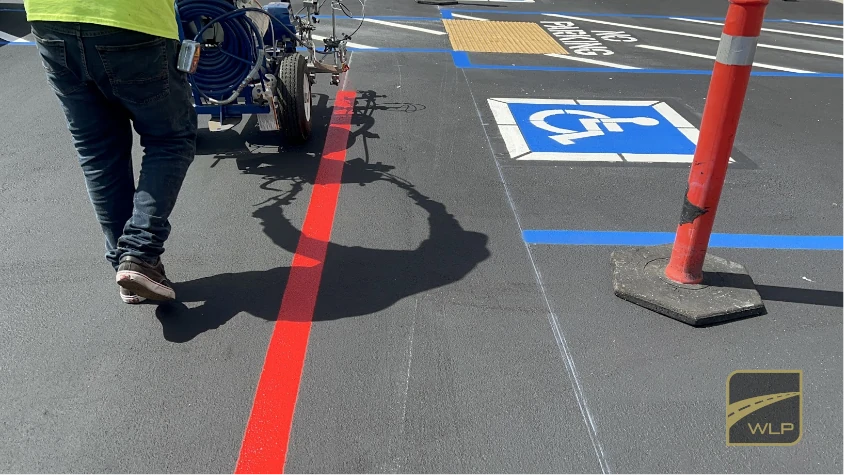
Where the asphalt surface is still stable but the site feels unclear or neglected, parking lot striping can help restore order without turning the project into a larger paving scope.
The article on commercial curb appeal focuses on first impressions. For landlords, striping is part of the same management signal: the property is either being actively maintained or visibly allowed to drift.
Mistake 5: Budgeting for Pavement Only After Failure
The most expensive landlord mistake is not one pothole. It is the budget mindset behind it.
Many landlords treat parking lot work as an emergency expense instead of a predictable part of property ownership. That is not strategic. Asphalt ages. Traffic wears it down. Water finds weak points. Markings fade. Edges break. Patches fail. Drainage patterns change. None of this should be surprising.
If a landlord owns pavement, the landlord owns pavement deterioration.
Ignoring that fact does not save money. It usually shifts the cost into a worse category: emergency repairs, larger restoration scopes, tenant frustration, reduced curb appeal, disruption to access, or weaker leverage during leasing and sale conversations.
A better approach is to build parking lot review into annual property planning.
| Landlord Mistake | What Usually Happens | Better Approach |
|---|---|---|
| Delaying small repairs | Cracks and potholes spread | Address defects before they expand |
| Ignoring water movement | Same areas fail repeatedly | Inspect drainage after rain |
| Waiting for complaints | Tenants define urgency | Use scheduled site walks |
| Letting striping fade | Parking feels disorganized | Restripe before confusion becomes normal |
| No pavement budget | Repairs become reactive | Plan work by condition and timing |
Not every year requires major paving work. But every year should include observation, documentation, prioritization, and budgeting. That is the difference between owning pavement passively and managing it as part of the asset.
For landlords managing larger properties or multiple rental sites, the asphalt maintenance playbook can support a more structured approach to inspection, timing, and maintenance planning.
How Landlords Can Avoid These Parking Lot Mistakes
Avoiding the biggest mistakes made by a landlord does not require overspending on pavement.
It requires discipline.
The landlord needs to know which parking lot issues are cosmetic, which are early warning signs, and which suggest deeper failure. Those categories should not be mixed together. A faded but stable lot may need cleaning, sealcoating, or striping. A lot with potholes, drainage problems, broken edges, and recurring cracks may need repair before surface improvements make sense.
A practical landlord framework looks like this:
- Inspect the lot before complaints start.
- Check water movement after rain.
- Address cracks and potholes before they spread.
- Keep striping visible and functional.
- Document pavement condition before budgeting.
- Match repair scope to the actual condition of the lot.
This framework is not complicated. The discipline is in doing it before the property forces the issue.
The landlord who waits until every issue is urgent has fewer options. The landlord who tracks conditions early can phase work, prioritize the worst areas, communicate with tenants, and avoid making parking lot decisions under pressure.
The Parking Lot Is Part of the Rental Asset
The biggest mistakes made by a landlord with parking lots all come from one flawed assumption: the pavement is separate from the property.
It is not.
The parking lot affects how tenants arrive, how visitors judge the site, how vendors access the property, how water moves, how common areas function, and how the asset is perceived. A neglected lot can weaken confidence even if the building itself is in decent condition. A well-maintained lot can support tenant satisfaction, curb appeal, and property management credibility.
The goal is not to make the parking lot perfect. The goal is control.
Control small defects before they spread. Control drainage before it weakens the asphalt. Control striping before the lot feels unmanaged. Control maintenance budgeting before repairs become emergencies. Control the property narrative before tenants or buyers define it for you.
At We Love Paving, we look at landlord parking lot maintenance through a practical ownership lens: how the pavement functions, what tenants and visitors experience, where deterioration is starting, and which maintenance decisions help protect the property before avoidable problems become expensive.