Asphalt surfaces endure a lot harsh weather, heavy traffic, and constant wear and tear. Over time, without proper maintenance, asphalt can crack, fade, and become susceptible to costly damage. Sealcoating is the most cost-effective way to protect and preserve your driveway, parking lot, or roadway while maintaining its appearance and functionality.
What Is Sealcoating?
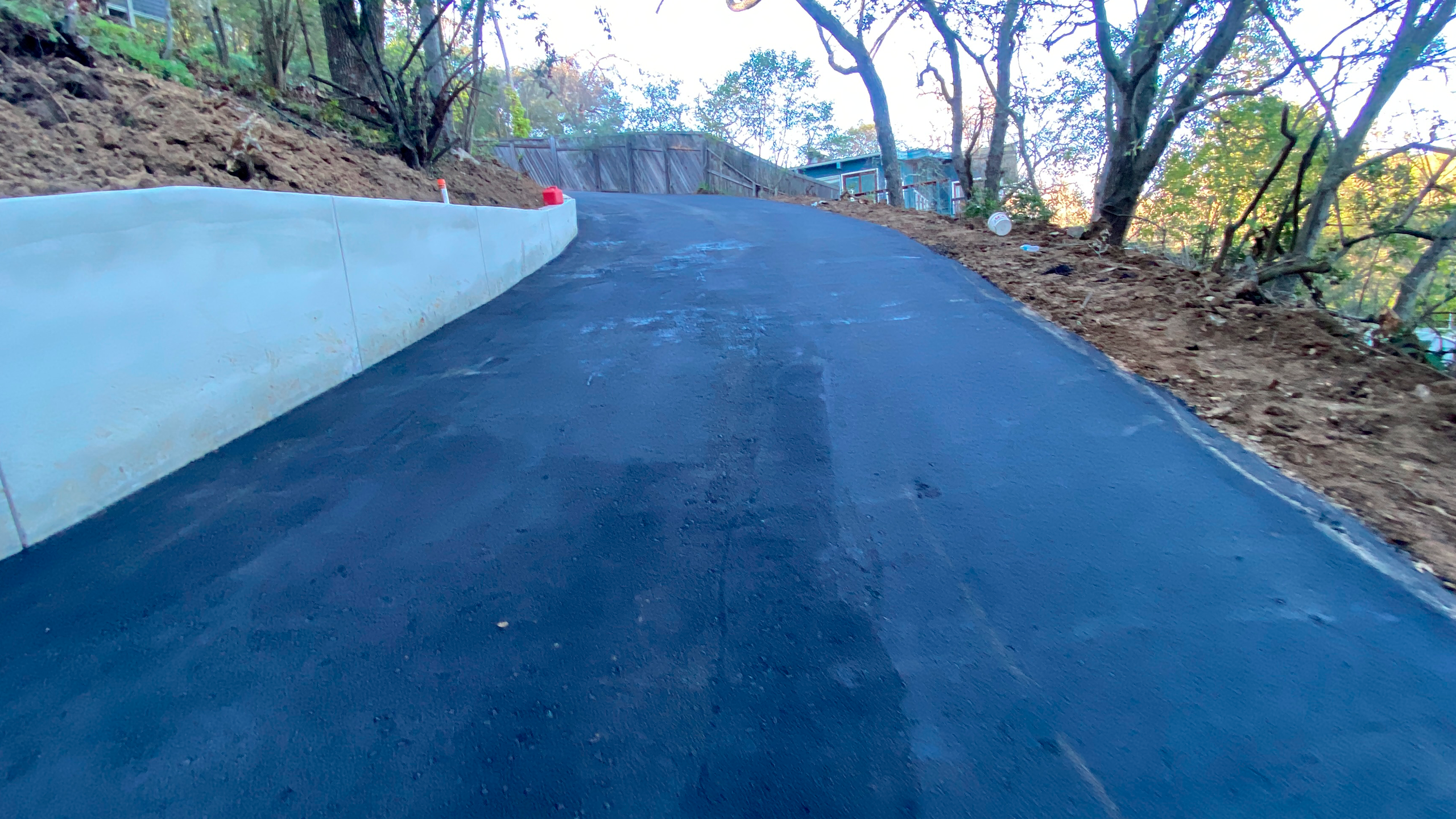
Sealcoating is the application of a specialized protective emulsion over an asphalt surface. This liquid barrier seals the porous top layer, shielding the underlying binder against UV oxidation and water penetration. In California climates with intense sun exposure and heavy winter rains, proper asphalt protection prevents premature binder embrittlement while restoring the pavement’s jet-black appearance.
Why Sealcoating Is Essential
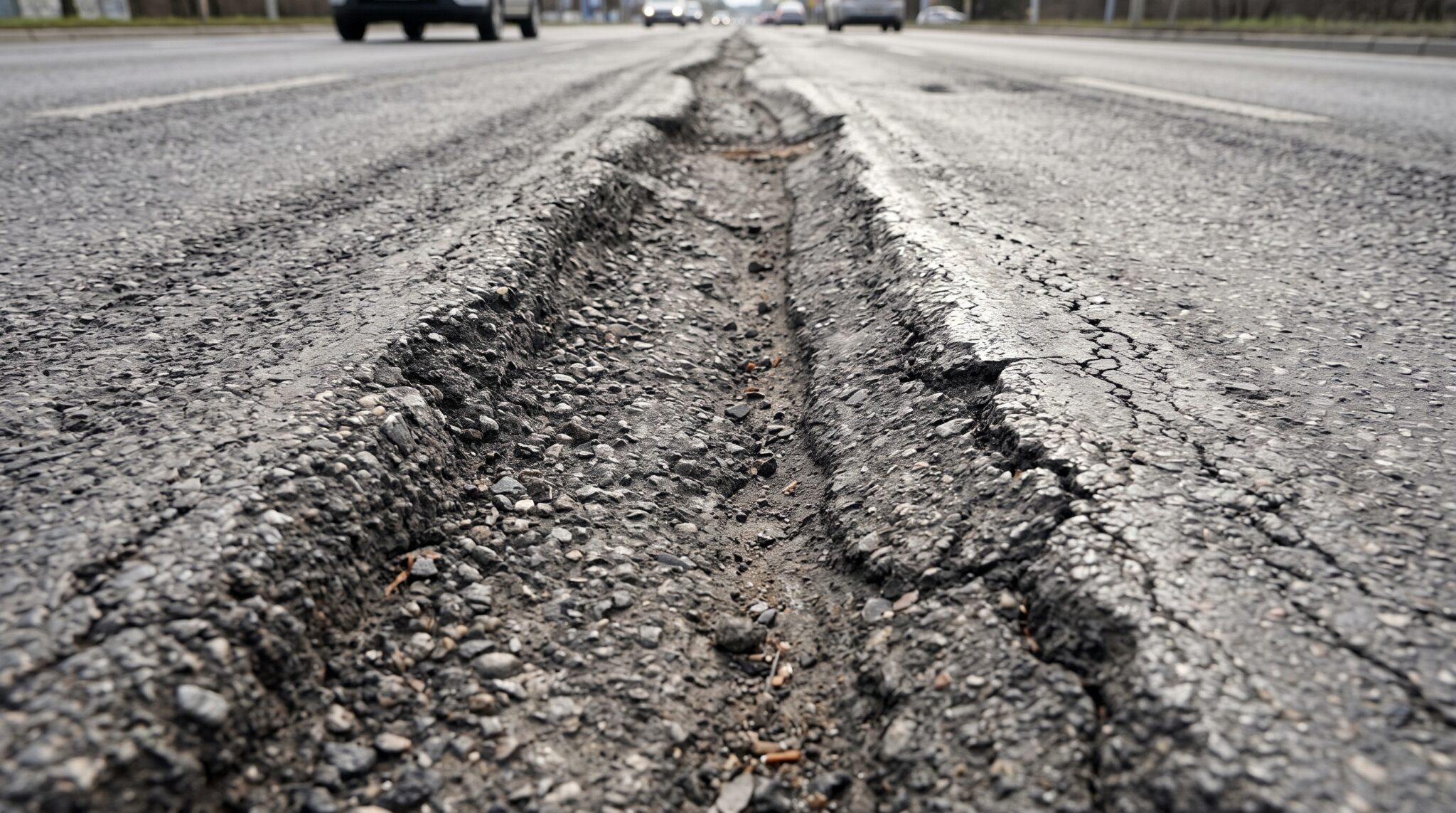
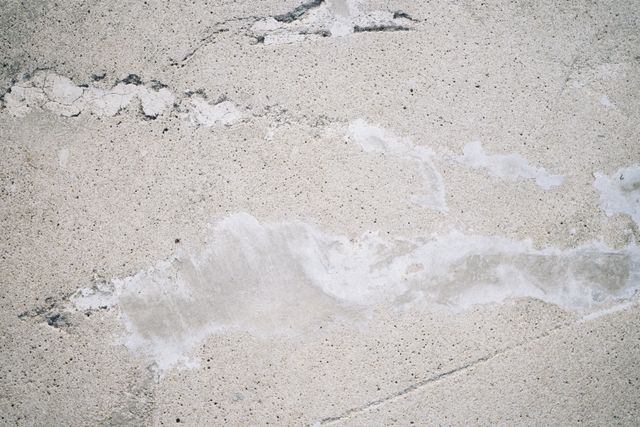
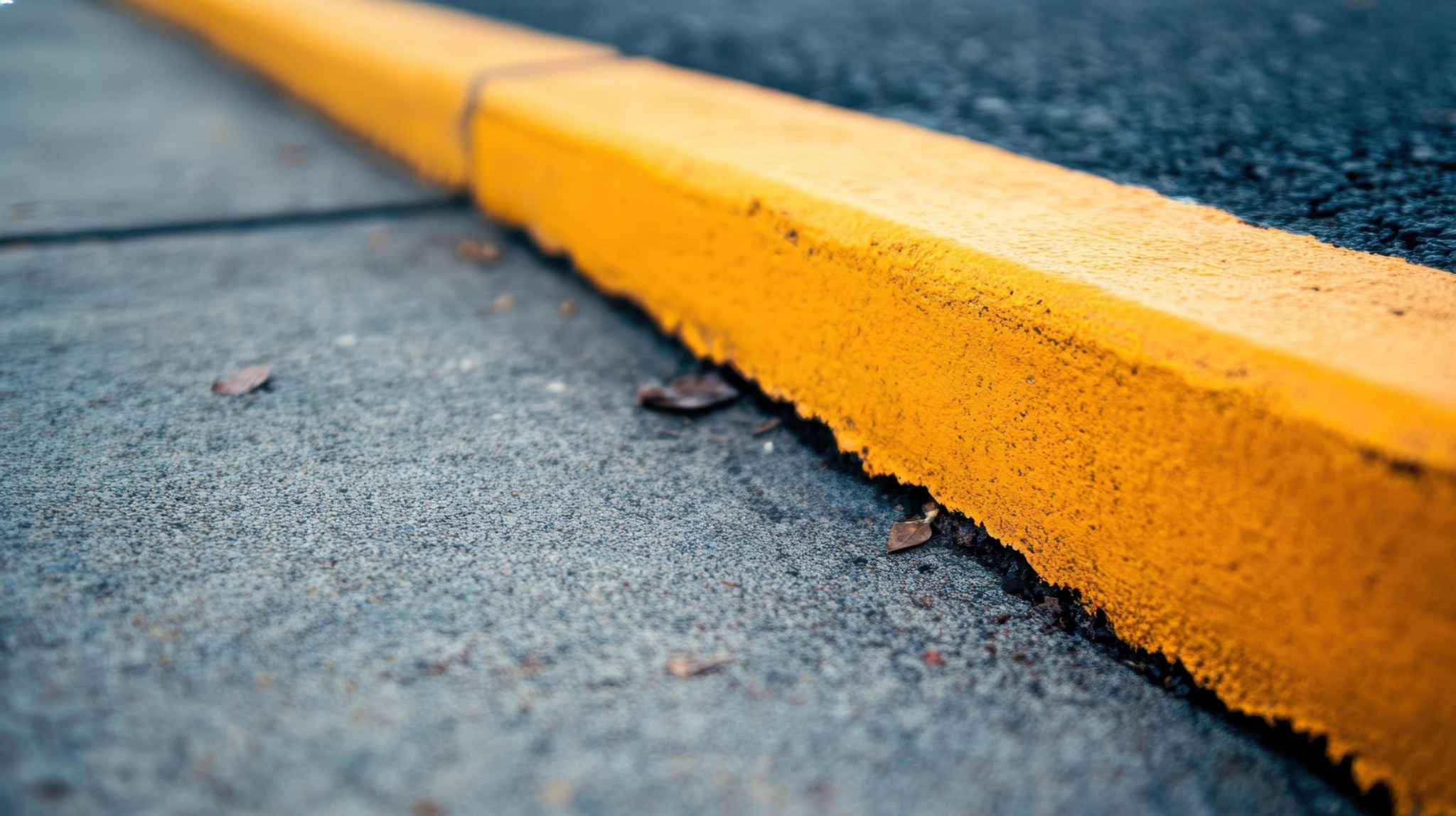
Asphalt surfaces deteriorate primarily from sun exposure and moisture. Intense UV rays dry out essential oils in the asphalt binder, causing the pavement to fade, become brittle, and form fine surface cracks. When rainwater penetrates these fissures, it softens the aggregate subbase, leading to structural failures like potholes and base displacement. Additionally, leaked engine fluids chemically dissolve the petroleum binder on contact. Applying a protective sealcoat creates a resilient barrier against automotive chemicals, halts water intrusion, and significantly reduces ongoing maintenance demands to determine if your asphalt is hard to manage over its life cycle.
The Real ROI: Sealcoating vs. Pavement Replacement
While the initial aesthetic benefits of sealcoating are obvious, the true value lies in the long-term return on investment (ROI). Asphalt pavement is a significant capital expense, and proactive maintenance is the only mathematically proven way to protect that investment.
Let’s look at the hard numbers. On average, professional sealcoating costs between $0.15 and $0.35 per square foot, depending on the current condition and size of your lot. If you maintain a strict schedule and sealcoat every 2 to 3 years, your total maintenance expenditure over a 20-year period will roughly equate to $0.75 to $1.75 per square foot.
Now, consider the alternative. Neglected asphalt typically fails structural integrity within 10 to 15 years due to oxidation, water penetration, and UV degradation. A complete asphalt removal and replacement will cost you anywhere from $3.00 to $7.00+ per square foot.
The Bottom Line:
- Proactive Sealcoating (20-Year Cost): ~$1.25 per sq. ft. average.
- Neglect & Replacement (20-Year Cost): ~$5.00 per sq. ft. average.
By implementing a routine sealcoating strategy, you are effectively saving 50% to 75% in lifecycle costs over a typical property ownership period. You aren’t just paying for a black surface; you are actively deferring massive capital expenditures, doubling or even tripling the lifespan of your pavement from 15 years to 30 or 40 years. For commercial property managers and homeowners alike, sealcoating is not an expense it is a financial shield.
When Should You Sealcoat
For newly installed asphalt, wait 6 to 12 months before applying the initial sealcoat layer. New pavement requires adequate time for light oils to evaporate and for the asphalt binder to fully cure. A simple water test where water sheets off without leaving an oily sheen confirms readiness. For established surfaces, schedule sealcoating every 2 to 3 years. High-traffic commercial parking lots or properties exposed to extreme sun in Northern California may benefit from a 2-year cycle, whereas low-traffic residential driveways often perform well on a 3-year timeline.
The Sealcoating Process
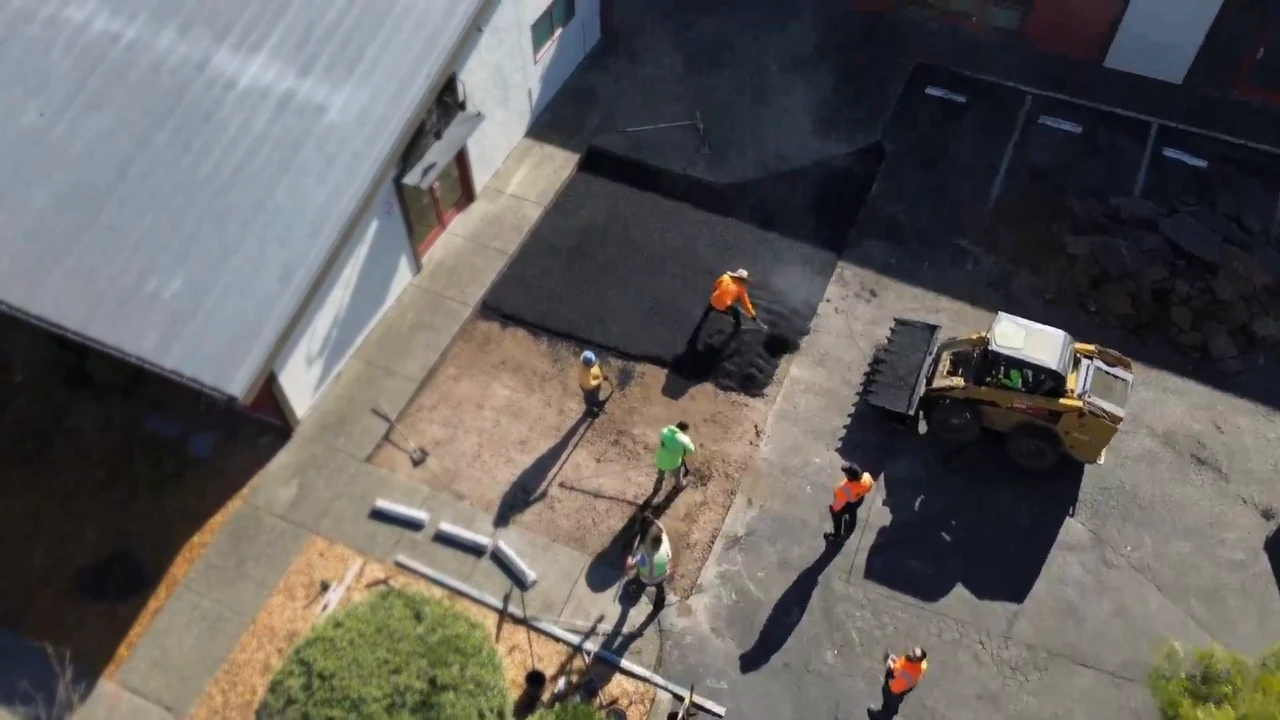
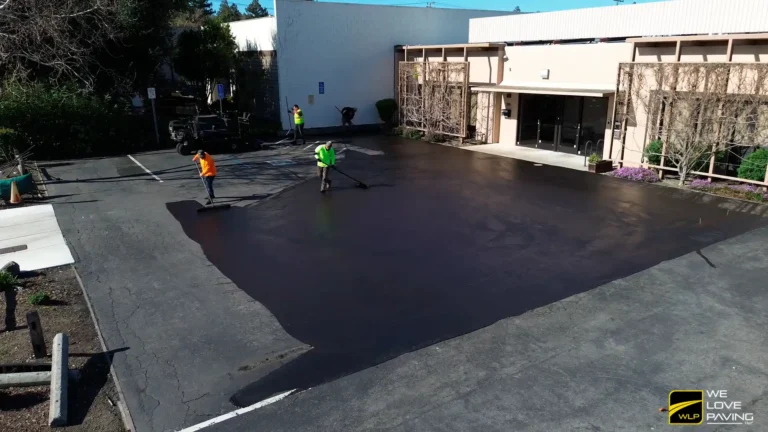
Professional sealcoating requires meticulous surface preparation. The area is pressure washed or power swept to clear dirt, vegetation, and loose debris. Oil spots are chemically primed to prevent stain bleed-through. Any cracks wider than a quarter-inch are filled with hot-applied rubberized sealant prior to application. Field crews then apply commercial-grade asphalt emulsion in two uniform coats using specialized spray rigs or squeegees. Once cured typically within 24 to 48 hours depending on ambient humidity and sun exposure layout lines and stalls are repainted to complete the project.
How We Can Help
At We Love Paving, we specialize in professional sealcoating services that protect and beautify your asphalt surfaces. Whether it’s a small driveway or a large commercial parking lot, our team uses high-quality materials and proven techniques to deliver long-lasting results.
Protect Your Investment Today
Don’t wait until cracks and damage become expensive problems. Sealcoating is a simple yet effective way to extend the life of your asphalt and keep it looking its best.
Contact We Love Paving today to schedule your free consultation and learn how sealcoating can save you time and money. Let us help you protect your asphalt investment with expert care and attention to detail!