Commercial asphalt rarely fails all at once. Most parking lots and drive lanes begin deteriorating gradually through oxidation, water intrusion, traffic stress, and surface wear that builds over time.
Sealcoating is one of the maintenance practices commonly used to help slow that process, especially when it is part of a broader Sealcoating & Maintenance strategy rather than an isolated treatment.
For many property owners and facility managers, the confusion starts because sealcoating is often treated as either a cosmetic upgrade or a universal fix. In reality, it sits somewhere in between. A properly timed sealcoat application may help protect asphalt surfaces from premature aging, but it does not replace structural repairs or solve deeper pavement problems.
Understanding what sealcoating actually does and when it makes sense helps property managers make better long-term maintenance decisions instead of reacting only when visible deterioration becomes severe.
What Sealcoating Actually Does to Asphalt Surfaces
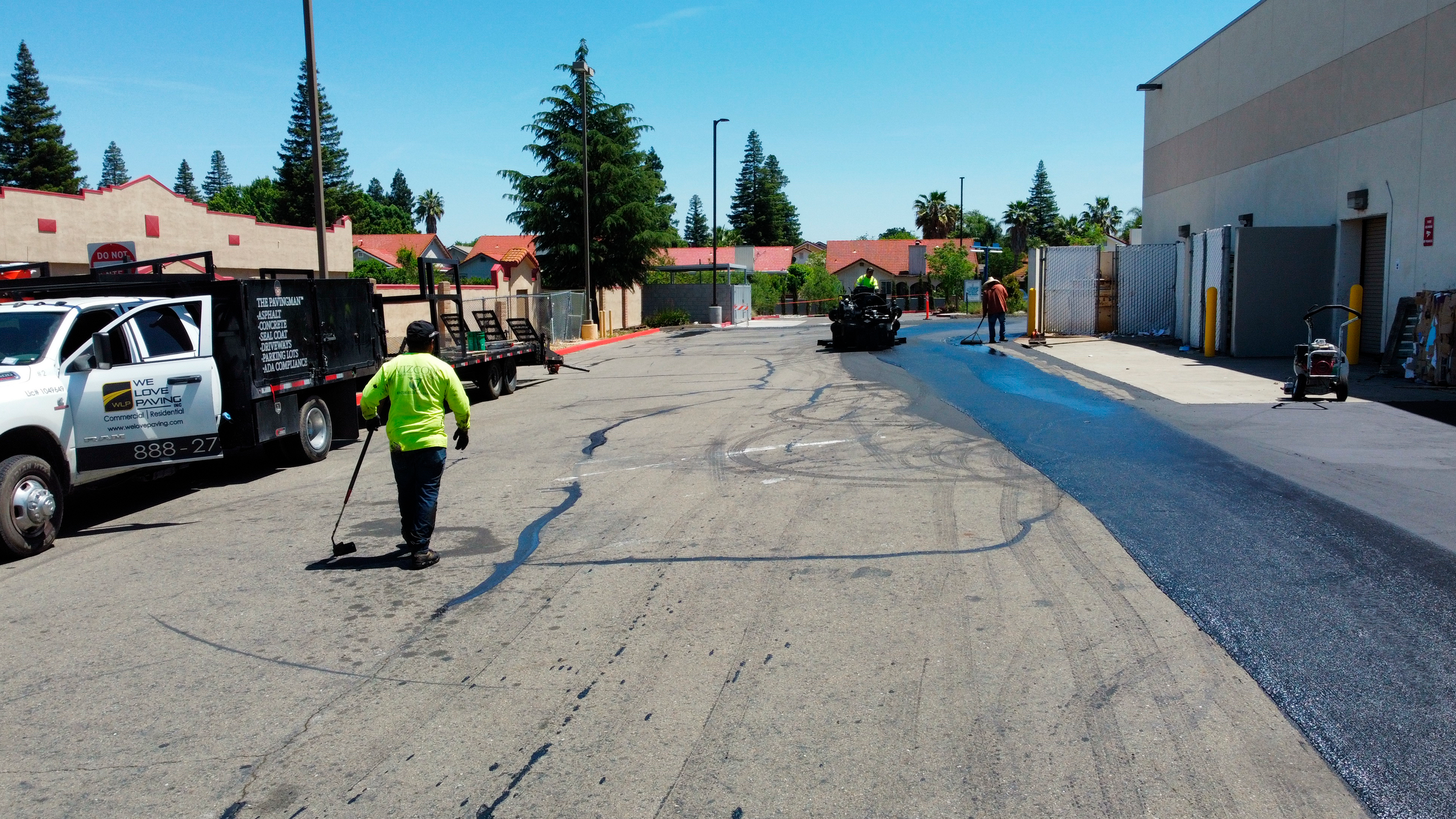
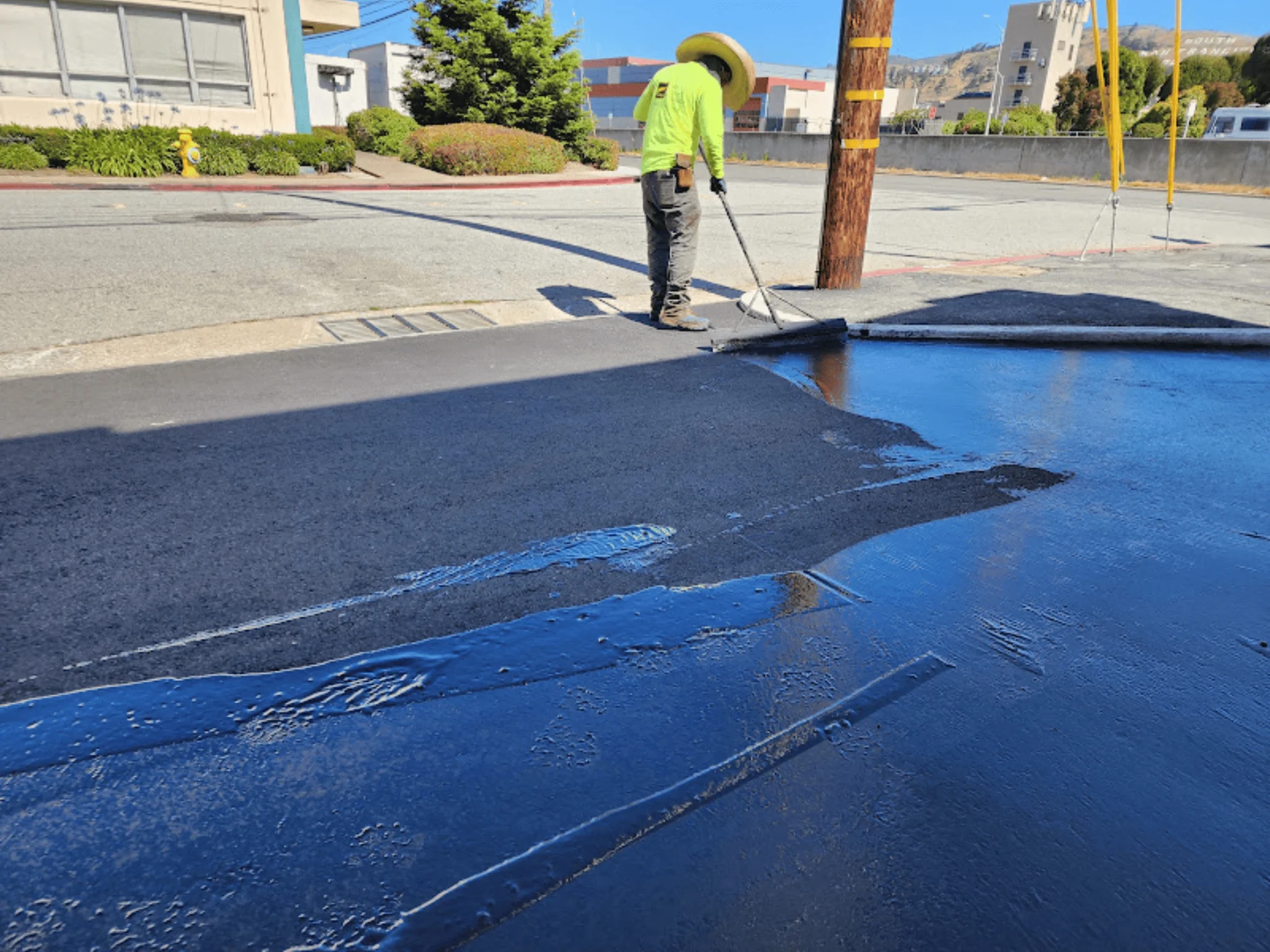
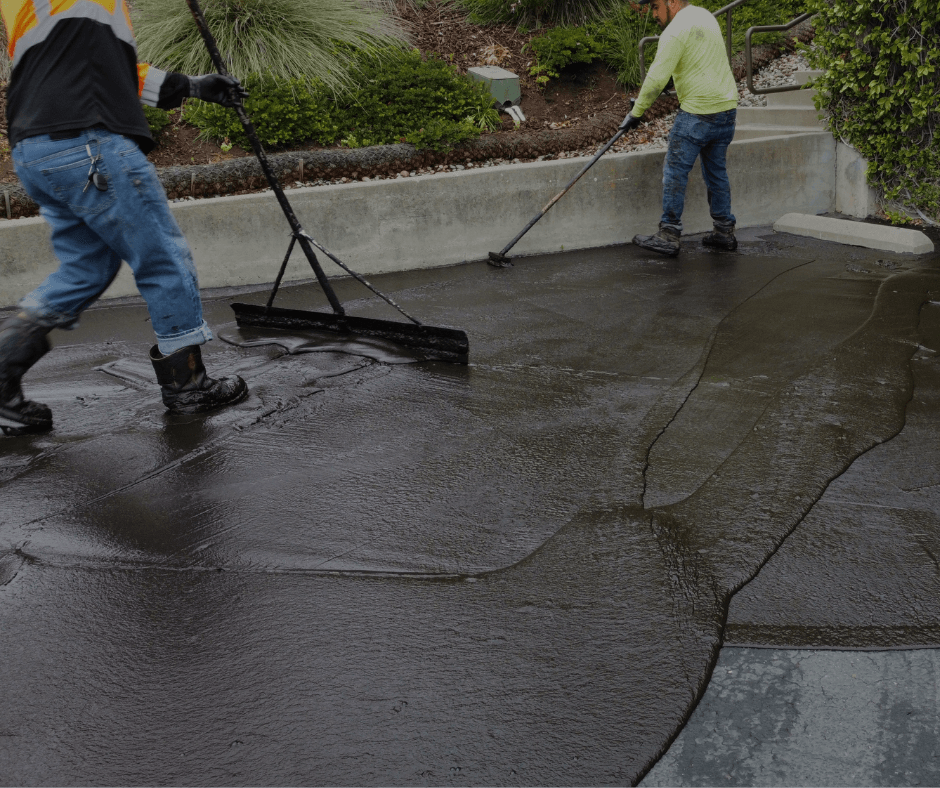
Sealcoating is a protective surface treatment applied over asphalt pavement. The coating is designed to help reduce direct exposure to sunlight, moisture, vehicle fluids, and oxidation that gradually dry out asphalt binders.
As asphalt ages, the surface typically becomes lighter in color, more brittle, and increasingly vulnerable to cracking. Areas exposed to heavy sunlight, frequent turning traffic, delivery vehicles, or poor drainage often show deterioration faster than lower-stress portions of the lot.
In commercial environments, this type of surface wear is usually evaluated alongside broader Parking Lot Maintenance & Repair planning, especially when multiple distress patterns begin appearing at once.
Sealcoating does not rebuild damaged asphalt. Instead, it functions more like a protective layer intended to slow surface aging under normal use conditions.
For properties where deterioration has already progressed beyond surface wear, more structural work such as Asphalt Paving may be required before any protection strategy makes sense.
Why Timing Matters More Than Many Owners Expect
One of the most common maintenance mistakes is waiting until pavement deterioration becomes visually severe before considering protection.
Sealcoating tends to work best as a preventative measure rather than a corrective one.
When asphalt still has structural integrity, sealing may help reduce additional surface exposure and slow oxidation. Once cracks widen, water begins penetrating the pavement system more aggressively, and maintenance decisions usually become more complex and expensive.
This is especially noticeable in commercial parking lots where traffic patterns are uneven. Entry lanes, loading areas, dumpster enclosures, and turning zones often deteriorate earlier than lower-traffic sections.
Property managers conducting routine evaluations often compare these conditions with broader lifecycle issues discussed in asphalt aging and surface wear, where oxidation and moisture intrusion gradually weaken pavement performance over time.
Sealcoating Is Not the Same as Asphalt Repair
A common misconception is that sealcoating fixes asphalt problems. It does not.
Sealcoating can improve surface appearance and may help slow future wear, but structural pavement issues usually require separate corrective work.
For example:
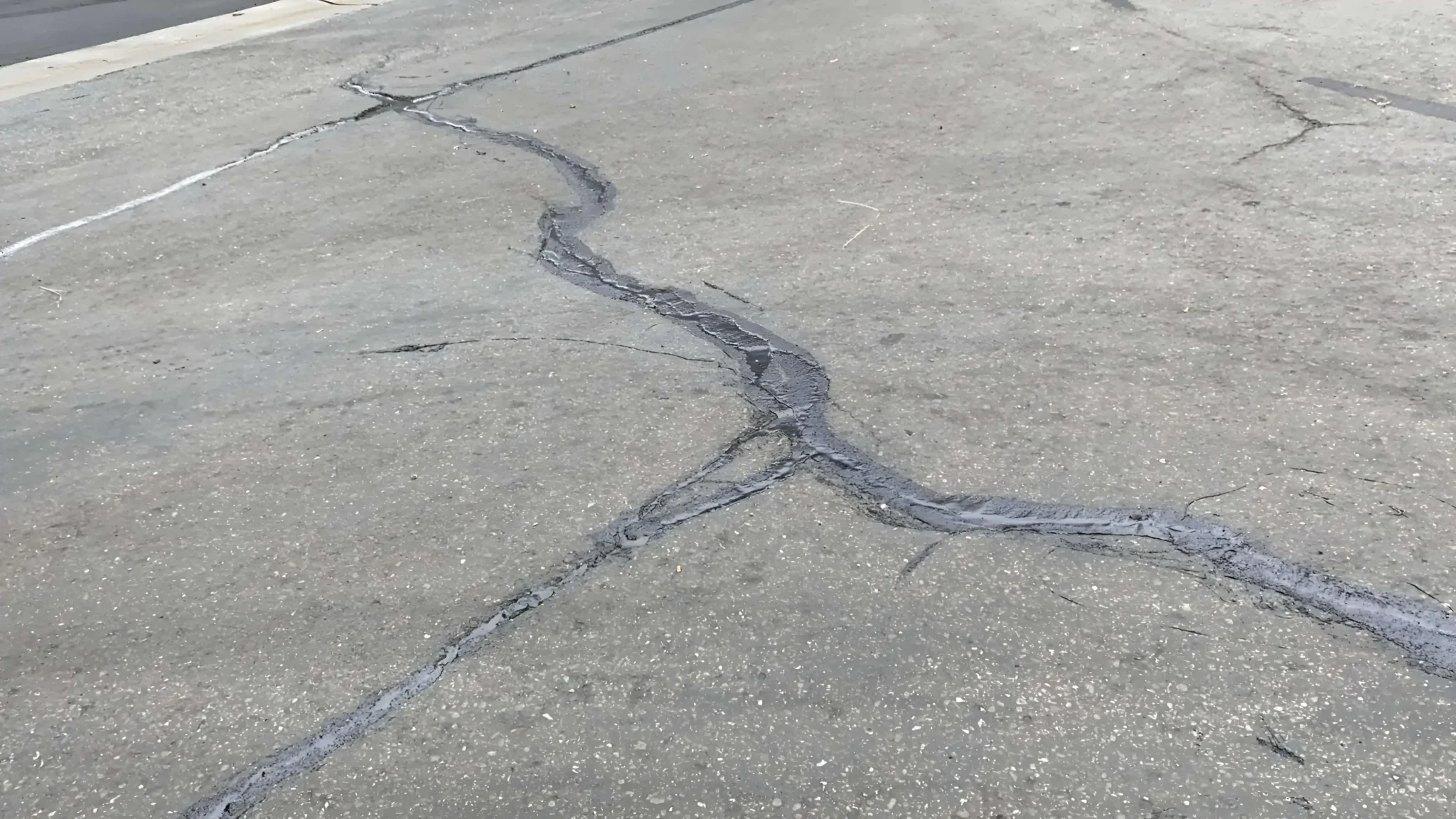
Cracks that continue reopening after seasonal changes may indicate movement beneath the surface.
Depressions that hold standing water can accelerate deterioration below the pavement layer.
Areas with loose aggregate or crumbling edges may already be experiencing binder failure.
Heavy truck traffic can place stress on asphalt beyond what surface coatings are intended to address.
That is why broader Parking Lot Maintenance & Repair planning usually evaluates the full pavement system rather than focusing only on surface appearance.
Surface Appearance Still Matters for Commercial Properties
Although sealcoating is not purely cosmetic, appearance still plays a real role in how commercial properties function.
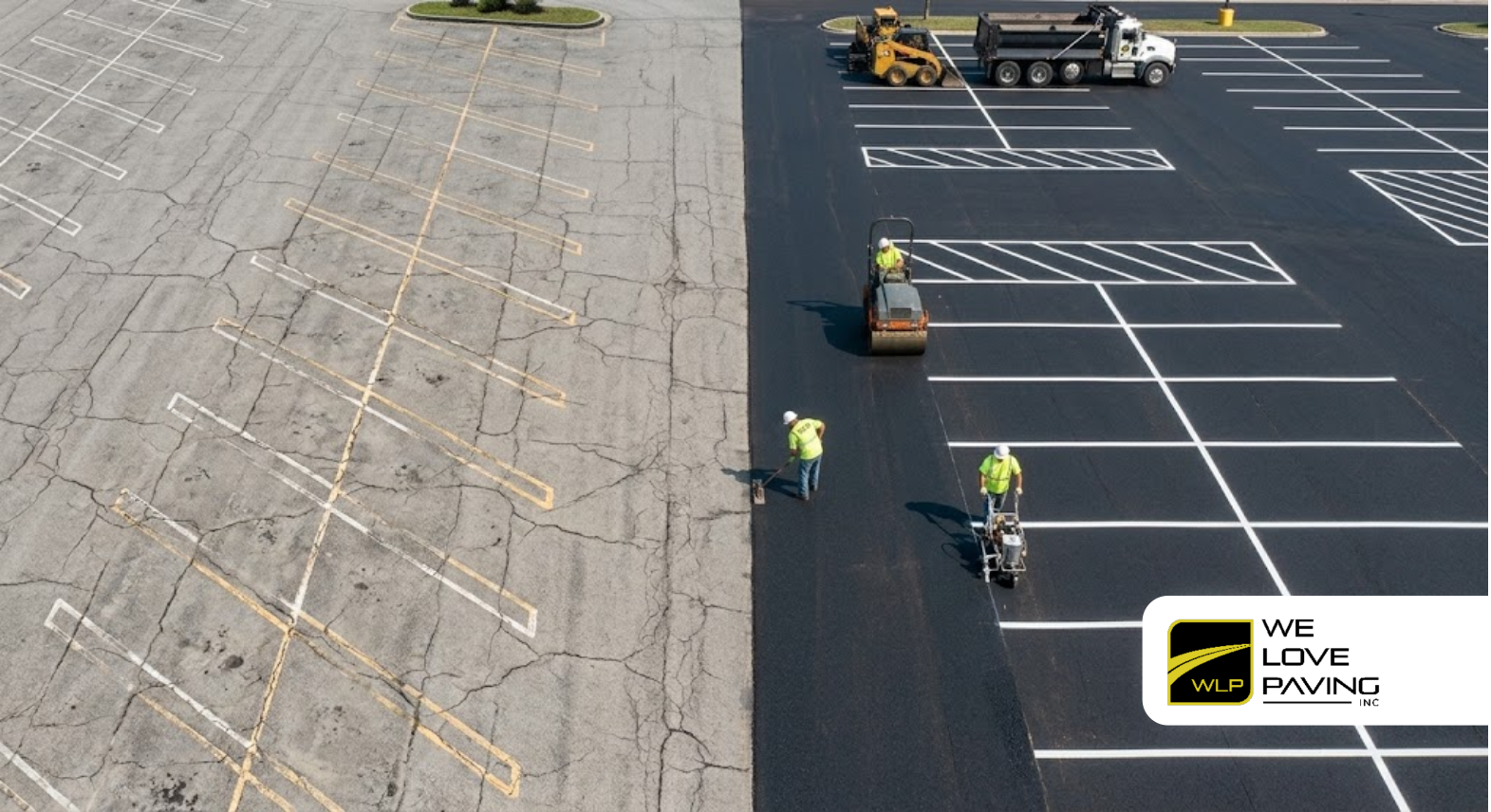
Faded asphalt reduces contrast, makes striping harder to see, and can create a sense of deferred maintenance even when structural conditions are still stable.
In those cases, Parking Lot Striping often becomes part of the same maintenance conversation, especially when visibility, traffic flow, and pedestrian pathways start blending into worn surfaces.
This visual degradation is often one of the earliest signals property managers notice before more serious pavement issues develop.
Environmental Exposure Plays a Larger Role Than Many Realize
Not all asphalt ages at the same rate.
Two parking lots installed at the same time can behave very differently depending on UV exposure, drainage, traffic load, and maintenance history.
Several factors accelerate surface aging:
- Intense UV exposure
- Oil and fuel contamination
- Standing water
- Heavy turning traffic
- Poor drainage flow
- Deferred crack sealing
- Frequent delivery routes
- Temperature fluctuations
These conditions often connect back to broader asphalt maintenance cycles, where oxidation and moisture gradually break down surface binders over time.
Sealcoating helps slow part of this process, but it is not a standalone solution for long-term pavement performance.
Understanding the Difference Between Preservation and Replacement
For commercial property owners, one of the most important distinctions is knowing when preservation still makes sense and when the pavement is already moving toward major rehabilitation.
Preventative maintenance is designed to extend usable life before structural failure develops.
In many cases, sealcoating supports that preservation phase. But once deterioration becomes structural, solutions shift toward repair, resurfacing, or full reconstruction.
That decision is usually based on field conditions, not appearance alone.
A dark surface can still hide underlying weakness, while a faded surface may still be structurally stable enough for continued maintenance.
Closing Perspective
Sealcoating sits in a practical middle space between appearance and protection. It is not a repair method, but it plays an important role in slowing surface aging when applied at the right time and under the right conditions.
At We Love Paving, we evaluate asphalt protection as part of a full pavement system—looking at drainage behavior, traffic stress points, and how different areas of a property wear over time. The goal is always to understand what the pavement is doing in real conditions before deciding what kind of maintenance actually makes sense.