Asphalt is a popular choice for driveways, parking lots, and roadways due to its durability and cost-effectiveness. However, over time, exposure to weather can take a toll on even the best-paved surfaces. Understanding how different weather conditions affect asphalt can help you better maintain your pavement and extend its lifespan. At We Love Paving, we’re here to break down the ways weather impacts asphalt and provide tips to protect it year-round.
1. Heat and Asphalt: Thermal Expansion and Oxidation
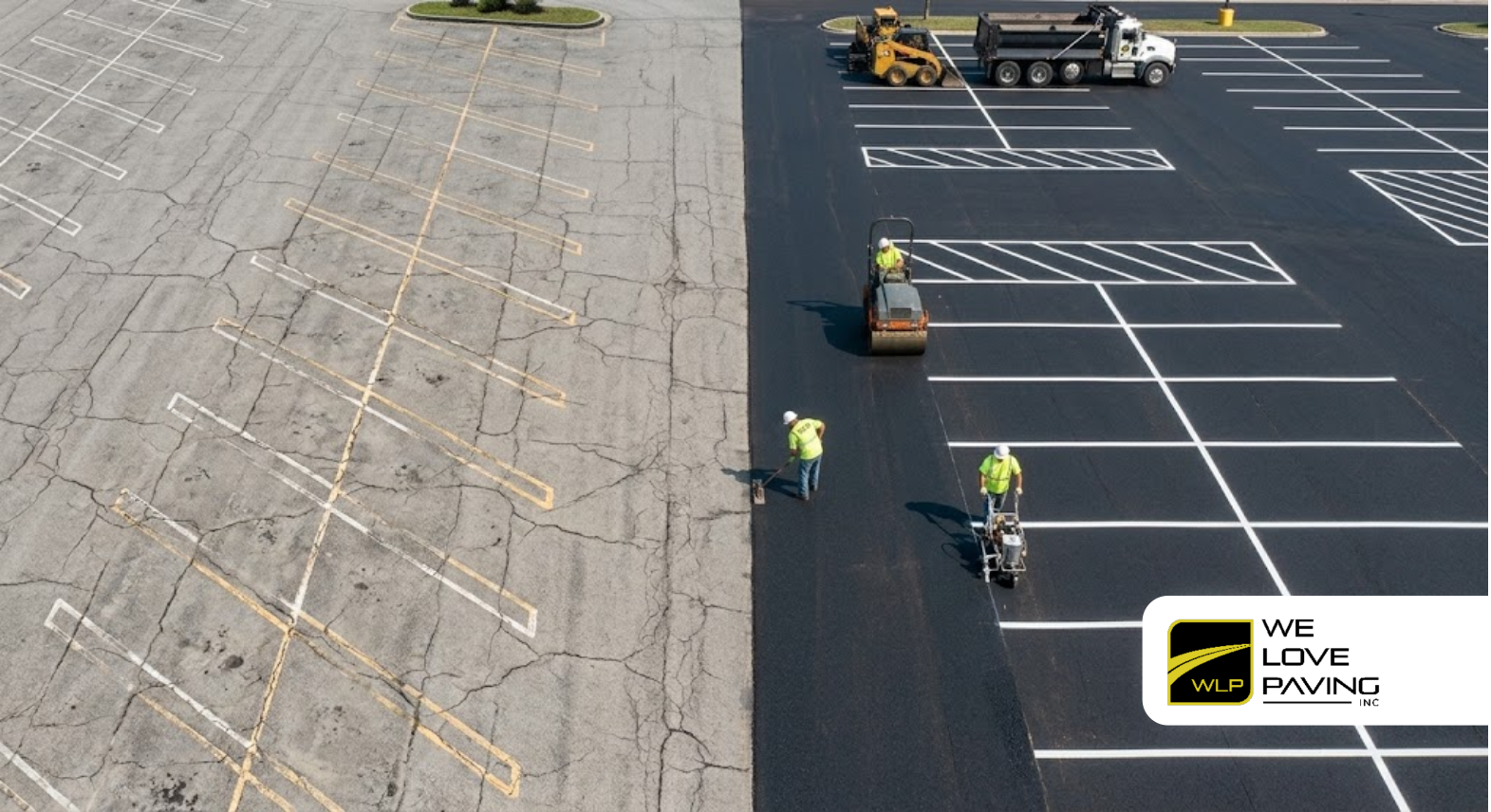
High ambient temperatures elevate surface pavement temperatures significantly above air levels. When surface conditions reach high thresholds, the asphalt binder softens, making heavily trafficked lanes susceptible to structural rutting and displacement. Prolonged solar exposure drives out essential volatile oils through oxidation, turning the flexible dark surface into a brittle grey matrixprone to hairline cracking. Applying sealcoating every three to four years restores lost surface oils and creates an impermeable barrier against destructive solar radiation.
2. Cold Temperatures: Tensile Stress and Subbase Freezing
Low temperatures force asphalt to contract, generating internal tensile stress that causes existing seams and joints to pull apart. In areas experiencing freezing conditions, moisture trapped within the aggregate base expands as it converts to ice. This internal expansion forces the pavement upward a condition known as frost heave disrupting the structural integrity of the subbase. Sealing surface cracks before low-temperature seasons arrive prevents water infiltration into the underlying subgrade.
3. Rain and Moisture: Subgrade Erosion and Pothole Formation
Standing water represents one of the primary catalysts for structural pavement failure. When rain collects on unsealed surfaces, water percolates through micro-cracks down to the crushed rock subbase, weakening the soil support beneath. Under heavy wheel loads, hydraulic pressure forces water and fine aggregates out of the base, creating subsurface voids that collapse into potholes. Distinguishing between heavy-duty commercial specifications and driveway asphalt helps ensure the original installation included sufficient slope and compaction to prevent standing water accumulation.
4. Snow, Ice, and Mechanical Scrape Damage
Accumulated snow and ice introduce chemical and mechanical risks to paved structures. Chemical de-icers can accelerate the breakdown of surface aggregates, while heavy snowplow blades operated without proper rubber guards can catch raised joints and strip away top asphalt layers. In high-impact drainage channels, integrating concrete paving solutions offers localized reinforcement against heavy mechanical scraping and standing slush.
5. Thermal Cycling and Freeze-Thaw Degradation
Repeated freeze-thaw cycling forces internal pavement structures through continuous expansion and contraction. Water infiltrating tiny fissures freezes and expands in volume, generating hydrostatic pressure that widens cracks. Subsequent thawing leaves enlarged voids, which collect larger volumes of water in the next rainfall. Timely hot-pour crack filling seals these entry points, stabilizing the pavement structure against progressive environmental degradation.
Pro Tip: Preventative maintenance, such as crack sealing, can minimize damage caused by freeze-thaw cycles.
| Variable | Compliance Factor | Technical Strategy | Field Data |
|---|---|---|---|
| Summer UV & Heat | Binder Oxidation & Rutting Risk | High-Performance Sealcoating Application | 3-4 Year Lifecycle Extended |
| Winter Rain Infiltration | Subgrade Erosion & Potholes | Hot-Pour Elastic Crack Sealing | 100% Moisture Intrusion Blocked |
| Freeze-Thaw Cycling | Pavement Heaving & Buckling | Perimeter Sealing & Subbase Drainage | Subsurface Voids Mitigated |
Preventative Year-Round Maintenance Strategies
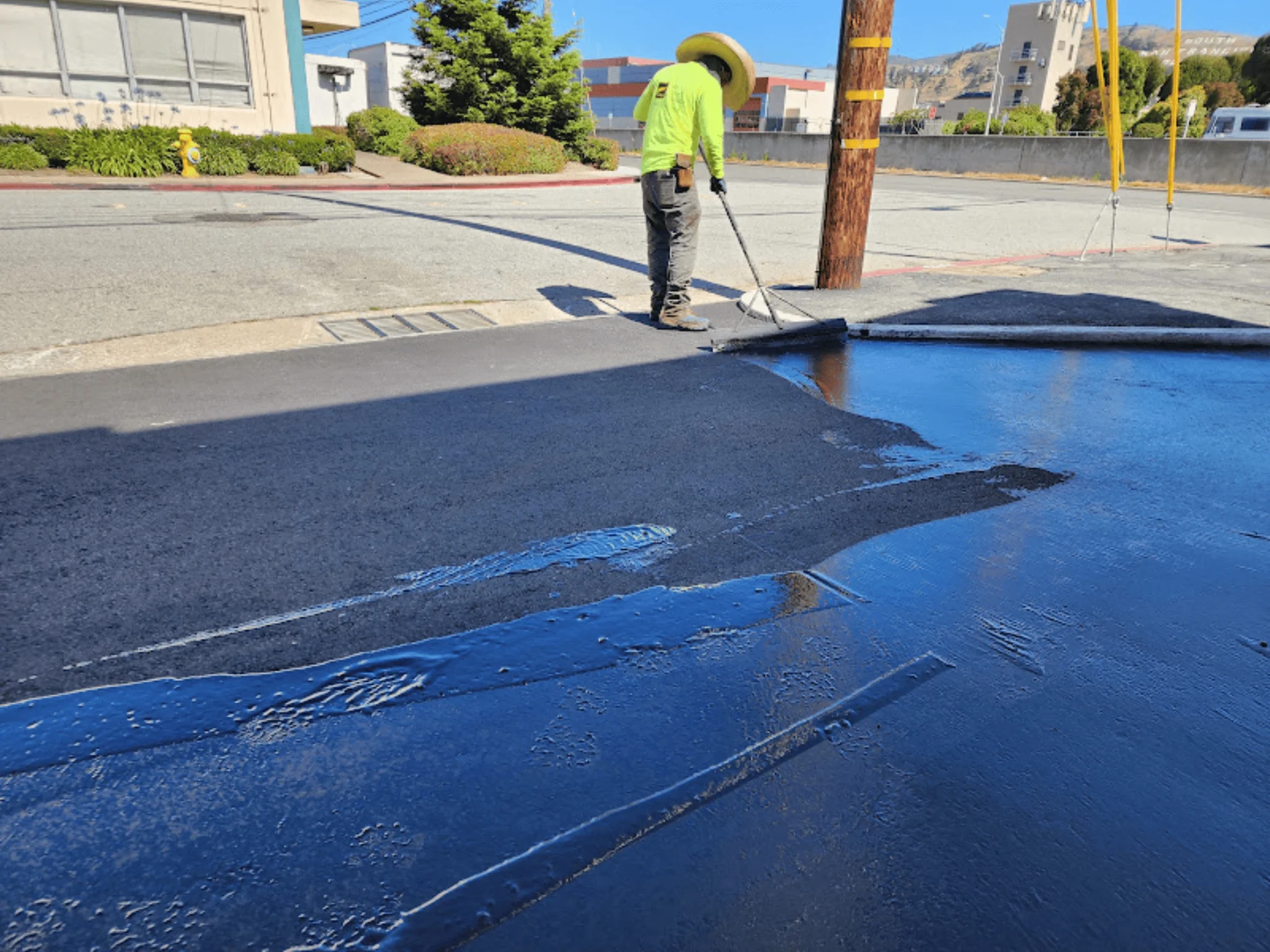
Protecting asphalt investments requires a multi-layered maintenance routine tailored to seasonal shifts. Applying high-performance sealcoat every three to four years shields the bituminous binder from UV oxidation and moisture intrusion. Routine hot-pour crack filling prevents surface water from reaching the base materials, while annual pavement evaluations identify subtle slope deficiencies or drainage blockages before structural settling occurs.
Get Your Asphalt Ready for Any Season!
Don’t let weather ruin your investment. Contact We Love Paving today for a free inspection and maintenance plan tailored to your needs. Let’s keep your asphalt strong, smooth, and ready to withstand the elements year-round!
The Impact of Weather on ADA Compliance and Liability Risks Asphalt deterioration caused by severe weather conditions is not solely an aesthetic or structural issue; it represents a critical legal and regulatory compliance risk for any business. When extreme temperature fluctuations and constant water intrusion lead to potholes, depressions, or expansive cracking, your commercial property’s surface can quickly fall out of compliance with the Americans with Disabilities Act (ADA) regulations.

Post-Weather Inspection Checklist for Property Managers
- Clear Standing Debris: Clear drainage inlets, catch basins, and gutters to evaluate surface runoff flow and reveal underlying asphalt conditions.
- Conduct Walkthrough After Rainfall: Inspect the surface immediately following a heavy storm to locate standing water accumulation remaining longer than 24 hours.
- Map Expanding Fissures: Measure and log new linear cracking or joint separations, marking any fractures wider than one-quarter inch for immediate repair.
- Inspect High-Traffic Stress Zones: Check entry aprons, delivery corridors, and turning radii where softened or water-damaged pavement degrades first.
- Document Subsurface Shifts: Identify depressed areas or pavement heaving that indicate subsoil erosion or base displacement requiring commercial stabilization.
It is vital to understand that a pavement shift or heaving of just one-quarter of an inch, frequently caused by subbase erosion after periods of heavy rainfall, is enough to create a trip hazard and constitute a direct violation of commercial accessibility codes. Ignoring these early signs of weather damage exposes property owners and facility managers to costly liability lawsuits, increased insurance premiums, and severe regulatory fines. Implementing a preventive and corrective maintenance program with commercial contractors ensures not only the maximum longevity of your investment but also the legal protection of your assets, keeping your facilities safe and strictly compliant.