Top 5 Benefits of ADA-Compliant Parking Lots The Ultimate Guide for Your Business

We Love Paving services in San Jose. Professional paving contractor serving San Jose and Stanford areas.
Estimation Tools

Calculate costs in seconds

Fast, accurate estimates that help you close more jobs. Less guesswork, more profit.

In today’s world, accessibility is more than just a legal obligation; it’s a way to show your customers and community that you care. An ADA-compliant parking lot is not just about avoiding lawsuits—it’s about creating an inclusive space where everyone feels welcome. At We Love Paving, we believe in the power of accessibility and the positive impact it can have on businesses. Here are five key benefits of having an ADA-compliant parking lot.


1. Avoid Costly Lawsuits

ADA (Americans with Disabilities Act) lawsuits are on the rise, and non-compliant parking lots are a common target. Simple oversights, like faded striping or incorrect signage, can lead to fines and legal fees that far outweigh the cost of compliance. Ensuring your parking lot meets ADA standards protects your business from these risks and gives you peace of mind.


2. Enhance Customer Experience

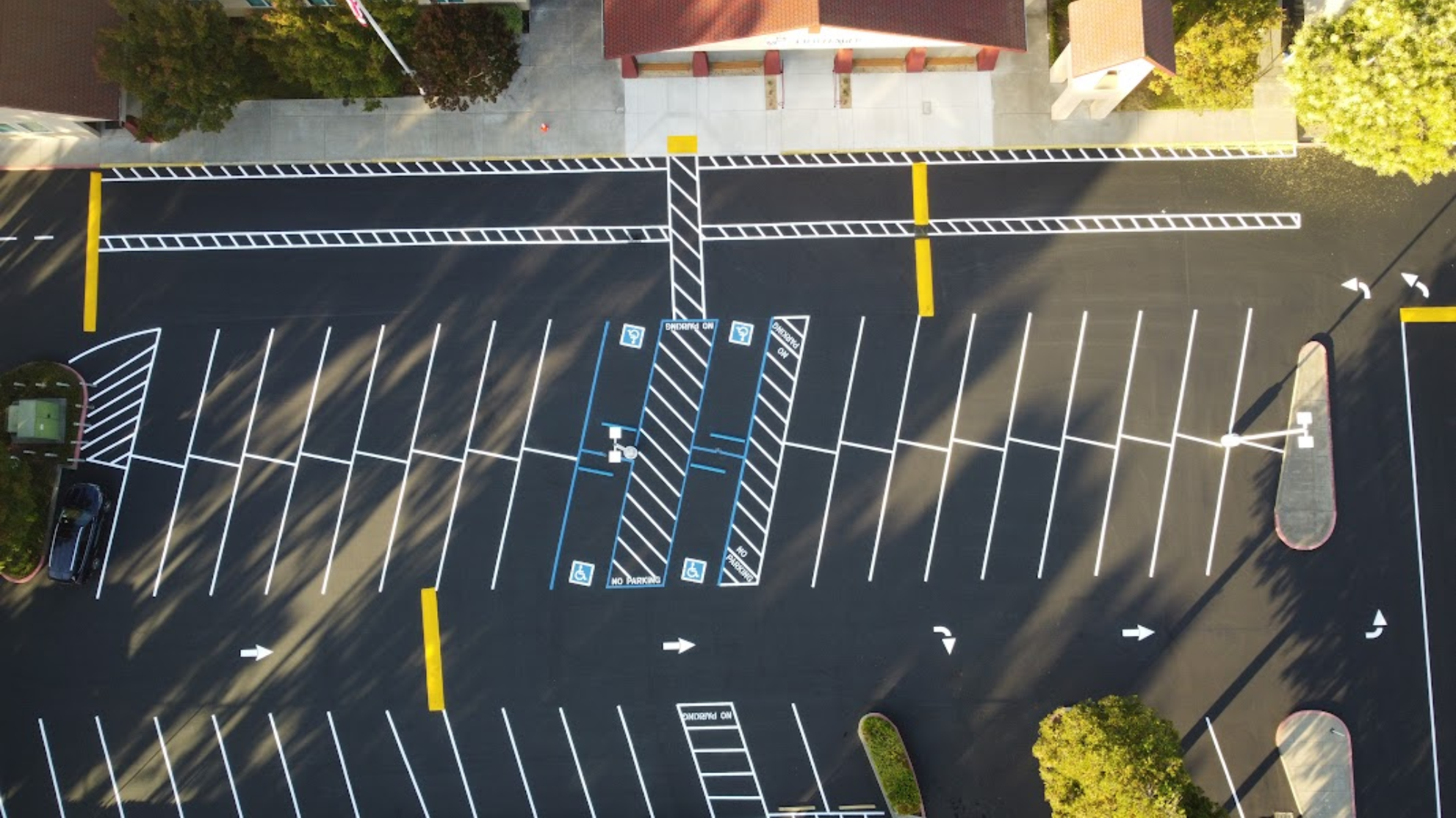
Customers with disabilities, as well as their families and caregivers, are more likely to frequent businesses that provide easy and accessible parking. Features like well-marked accessible spaces, smooth surfaces, and ramps make it easier for all customers to access your establishment. A positive first impression starts in the parking lot!


3. Expand Your Customer Base

Inclusivity attracts a broader audience. An ADA-compliant parking lot signals to potential customers that your business values diversity and accessibility. By catering to individuals with disabilities, you can increase foot traffic, improve customer loyalty, and boost your reputation in the community.


4. Meet Local and Federal Regulations

Compliance with ADA standards isn’t optional—it’s the law. For businesses in states like California, where accessibility requirements are stricter, meeting these regulations is crucial. A compliant parking lot demonstrates your commitment to following the law and staying ahead of enforcement trends.

Key ADA and Title 24 Specifications You Can’t Ignore

To truly comply with regulations and pass inspections, painting random lines is not enough; you need mathematical precision. If you operate in California, your parking lot must comply not only with the federal ADA law but also with the strict California Building Code (CBC Title 24). These are the non-negotiable dimensions that both search engines and inspectors are looking for:

  • Standard Spaces: Must measure a minimum of 9 feet wide by 18 feet long.
  • Van-Accessible Spaces: Require a minimum width of 12 feet, or 9 feet if they feature an adjacent 8-foot-wide access aisle on the passenger side.
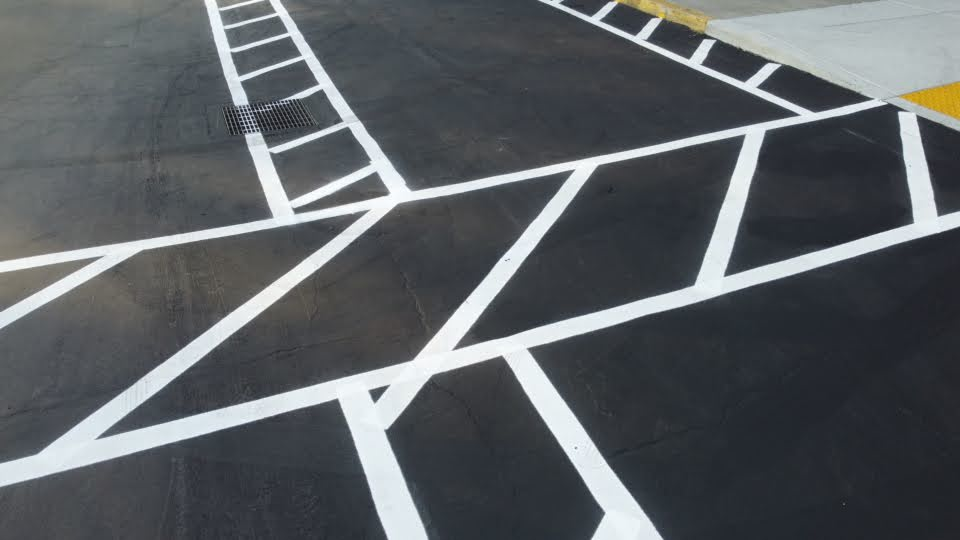
  • Access Aisles: The diagonal crosshatching lines must be spaced exactly 36 inches apart, utilizing high-contrast white or blue paint.
  • Signage and Pavement Markings: The International Symbol of Accessibility (ISA) painted on the surface must be 36×36 inches. Furthermore, vertical signs must be mounted at a minimum height of 60 inches from the ground (to ensure visibility over parked vehicles) and must include the mandatory “$250 Minimum Fine” warning.

Working with experienced paving contractors and relying on an evaluation by a Certified Access Specialist (CASp) ensures that every inch of your property meets these strict codes, bulletproofing your business against costly litigation.


5. Increase Property Value

Upgrades to your parking lot, such as clearly marked spaces, proper slopes, and smooth surfaces, improve the overall functionality and appearance of your property. These enhancements not only comply with ADA regulations but also increase the value of your business location, making it more attractive to potential buyers or tenants.


How We Love Paving Can Help

At We Love Paving, we specialize in creating ADA-compliant parking lots that meet all federal and local standards. Our team can help you with:

  • Assessing your current parking lot for compliance.
  • Re-striping and installing proper signage.
  • Ensuring ramps, slopes, and surfaces meet ADA guidelines.
  • Providing cost-effective solutions tailored to your needs.

Don’t Wait—Make Your Parking Lot Accessible Today!

Accessibility is not just about avoiding penalties—it’s about creating an environment where all customers feel valued. Let We Love Paving guide you through the process of upgrading your parking lot.

Contact us today for a free consultation and take the first step toward an ADA-compliant, customer-friendly parking lot!

Need Immediate Help?

Let's Talk About Your Project

Don't wait until minor damage turns into major expenses. Our team of experts is ready to provide you with guaranteed solutions. Contact us now for direct advice from a professional.

Frequently Asked Questions (FAQ)

Got Questions? Find Your Answers Here!!

When is it time to replace a parking lot?

It is time to replace a parking lot when damage goes beyond surface-level issues and affects structural integrity, such as widespread cracking, recurring potholes, or base failure. If 30–40% of the surface is damaged, replacement is usually more cost-effective than ongoing repairs that only delay inevitable failure.

What signs indicate a parking lot needs replacement instead of repair?

Key signs include interconnected cracks, frequent potholes, surface depressions, and poor drainage. These conditions suggest the damage has reached the structural base. When these issues become widespread, repairs stop being effective and the pavement begins to deteriorate at an accelerated rate.

Why does delaying replacement increase costs?

Delaying replacement increases costs because asphalt deterioration accelerates over time rather than progressing evenly. Small cracks allow water intrusion, weakening the base layer until full reconstruction is required. A minor repair costing hundreds can escalate into thousands or even tens of thousands if ignored.

How long does a parking lot last before replacement is needed?

A well-maintained parking lot can last between 15 and 30 years depending on traffic, climate, and maintenance practices. However, neglect significantly shortens its lifespan. Preventive services like sealcoating and repairs extend usability but cannot prevent replacement once structural failure occurs.

What is the difference between resurfacing and full replacement?

Resurfacing adds a new layer over the existing pavement and can extend lifespan by 10 to 15 years if the base remains intact. Full replacement involves removing the entire structure and rebuilding from the base, which is required when structural damage is severe.

Professional customer review project by We Love Paving in Northern California, California. Verified local construction quality.

Fred / Founder

Fred, Founder and Regional Operations Manager at We Love Paving, comes from a family that values hard work and discipline. Growing up watching his parents work long hours with integrity and dedication, Fred learned early on that quality paving isn’t just about asphalt, it’s about consistency, accountability, and doing the job right.

Share

Posts That Might Interest You

The Great Debate: Is 2 Inches of Gravel Enough for a Driveway?

The Great Debate: Is 2 Inches of Gravel Enough for a Driveway?

May 16, 2026

When it comes to building a driveway, one of the key decisions homeowners face is determining the appropriate thickness of the gravel base layer. While some may argue that 2 inches of gravel is sufficient to support the weight of vehicles and provide a stable foundation, others advocate for thicker layers to ensure long-term durability

Why Is Parking So Expensive for Property Owners?

May 15, 2026

Many commercial property owners underestimate how expensive parking areas become once maintenance, accessibility, and pavement deterioration start overlapping at the same time. At first, parking lot costs usually appear manageable. Small cracks, faded striping, drainage problems, or isolated surface wear may not seem urgent while the property continues operating normally. Over time, however, those smaller

ADA Compliant Checklist for Parking Lots

ADA Compliant Checklist for Parking Lots

May 15, 2026

Many commercial properties develop accessibility problems gradually without property owners realizing how much conditions have changed over time. Parking lots, sidewalks, ramps, and pedestrian access routes constantly experience wear from traffic movement, weather exposure, drainage shifts, and surface aging. Because these changes happen slowly, accessibility concerns are often overlooked until inspections, complaints, or liability risks

Biggest Mistakes Made by a Landlord With Parking Lots

Biggest Mistakes Made by a Landlord With Parking Lots

May 15, 2026

Many property owners focus heavily on tenant spaces, landscaping, and building appearance while overlooking one of the most heavily used parts of the property: the parking lot. The problem is that pavement deterioration rarely stays cosmetic for long. Small surface issues gradually begin affecting traffic flow, drainage behavior, pedestrian safety, tenant perception, and operational costs

Next

Estimation Tools

Calculate costs in seconds

Fast, accurate estimates that help you close more jobs. Less guesswork, more profit.