Environmental and Regulatory Factors
Building and maintaining roads in California requires a level of engineering and legal compliance far exceeding that of most states. Projects are strictly regulated by the California Department of Transportation (Caltrans) standards and must undergo rigorous assessments under the California Environmental Quality Act (CEQA). Navigating the CEQA framework is essential not only to mitigate impacts on protected habitats but also to avoid prolonged litigation that can halt construction. Compounding these legal requirements is the state’s extreme geography: from designing seismic-tolerant pavements to withstand tectonic fault activity, to constructing complex retaining walls and deep drainage systems on coastal and mountain roads highly vulnerable to seasonal mudslides. These high-endurance technical specifications significantly increase the initial investment, but they are absolutely mandatory to ensure public safety and prevent catastrophic reconstruction costs.
Factors That Impact the Construction of a Road in California
- Type of Road
- Residential Roads: Typically smaller and designed for light traffic.
- Highways: Require complex engineering, higher-quality materials, and significant labor due to heavy traffic and larger dimensions.
- Private Roads: Generally simpler, but costs depend on size and location.
- Materials Used
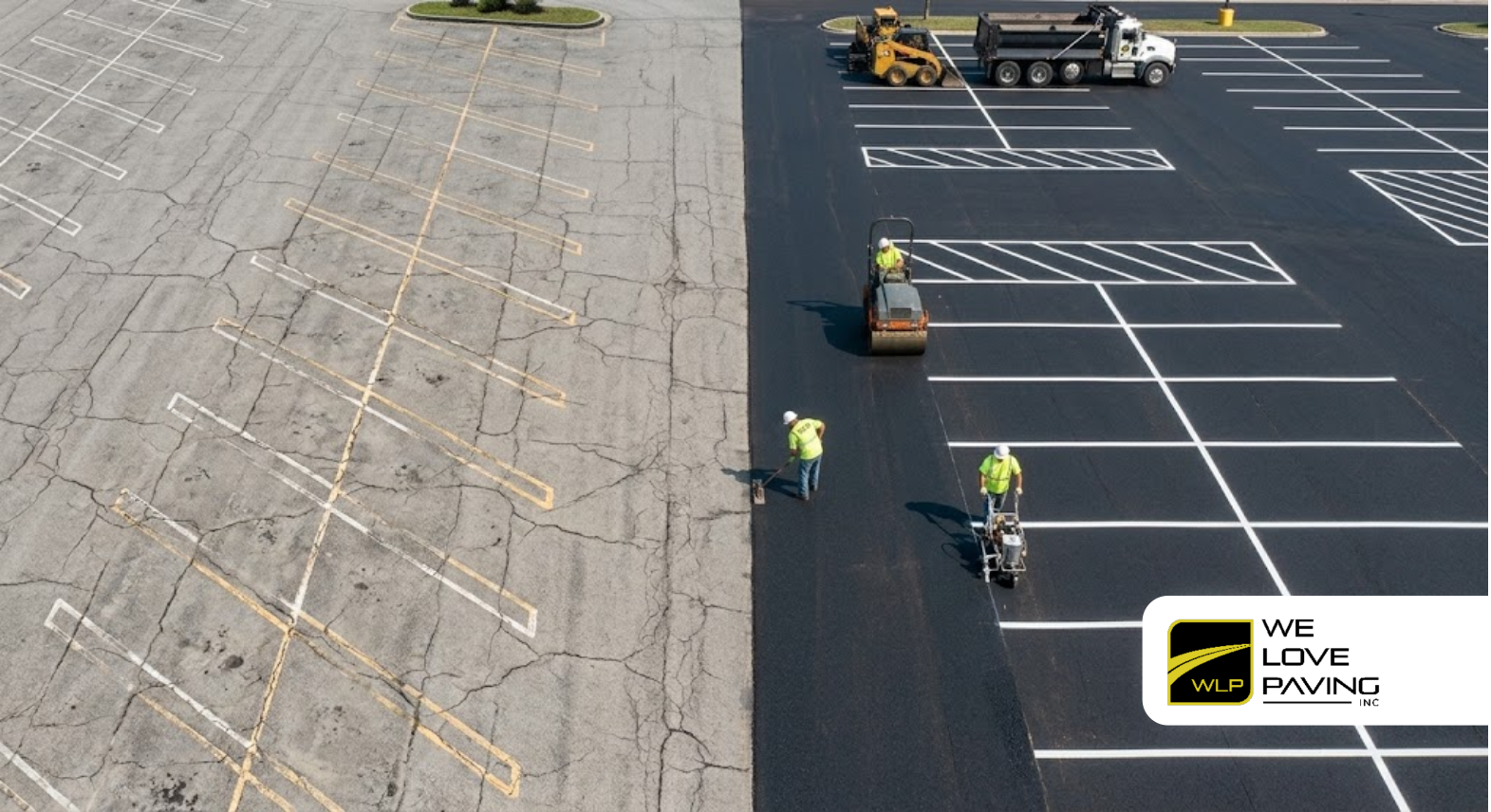
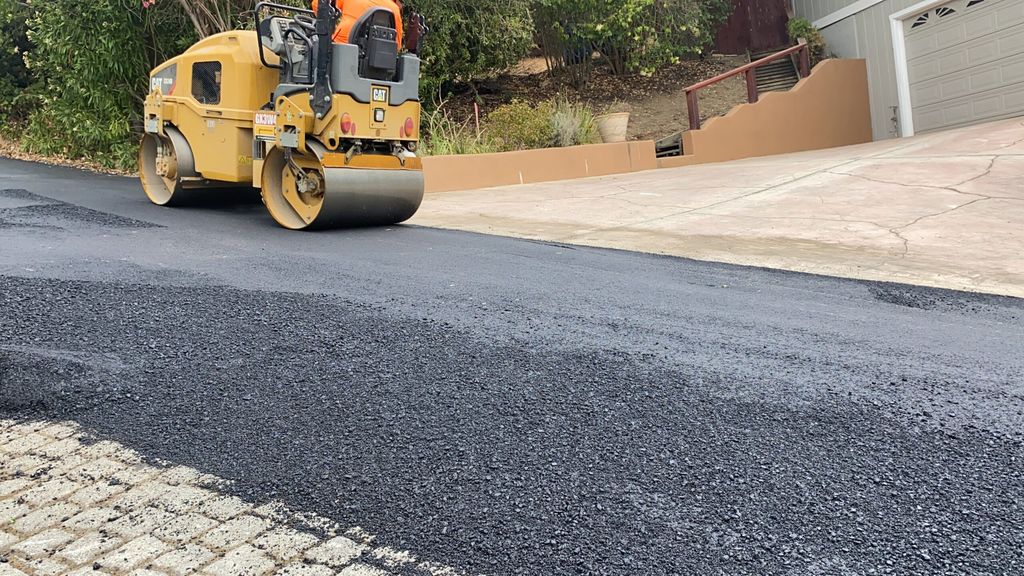
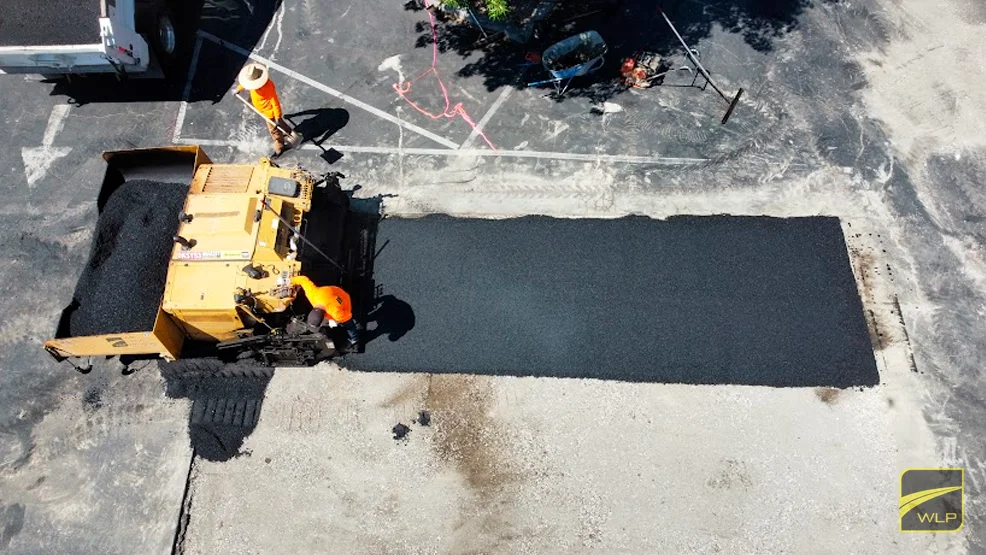
- Asphalt: Recognized for its cost-effectiveness and heavy-load durability. When planning a project, understanding the difference between road asphalt and driveway asphalt is crucial, as public or high-traffic private roads require a significantly thicker base and specific mix designs compared to residential surfaces.
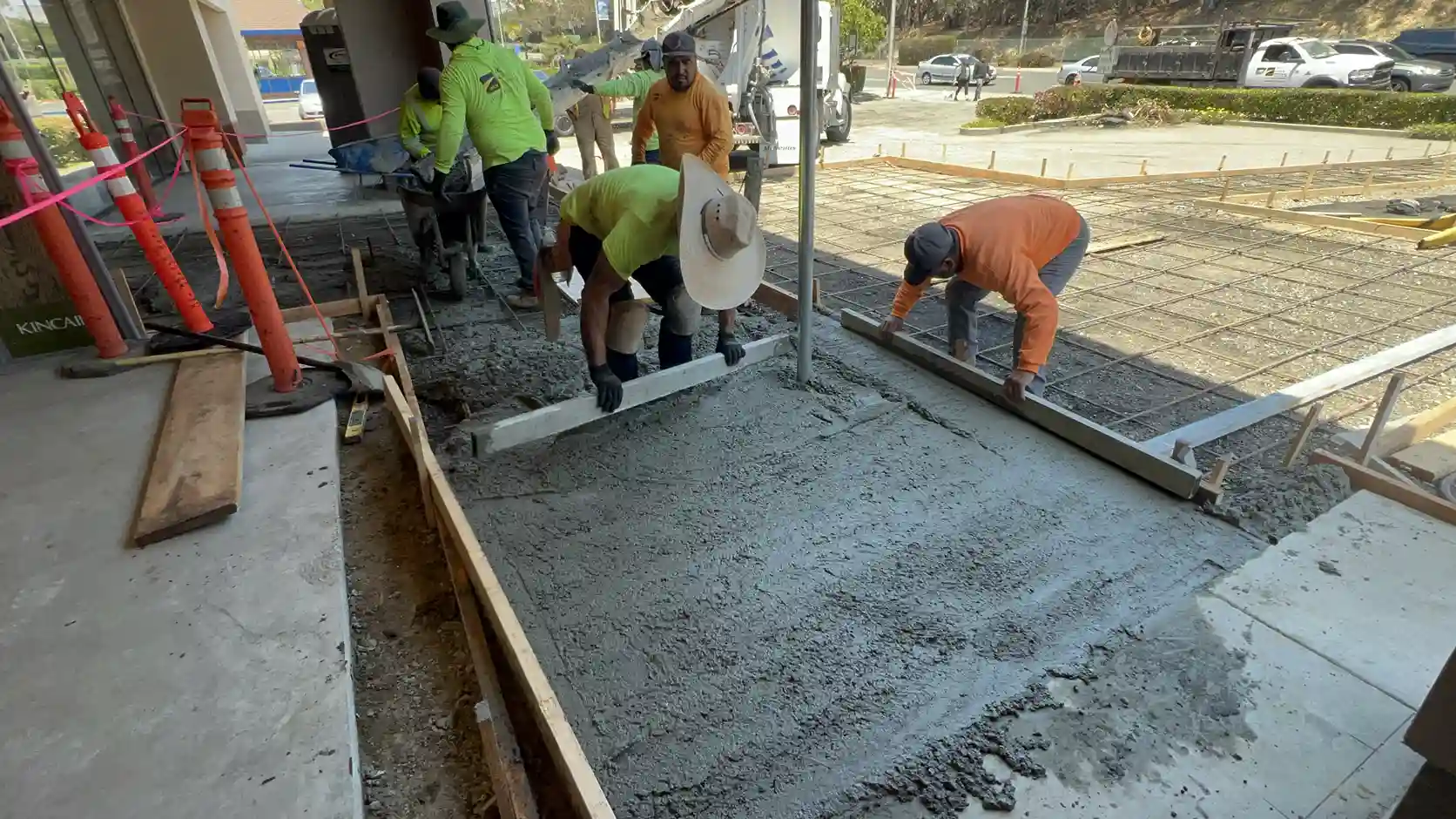
- Concrete: Requires a higher initial investment but offers superior longevity and resistance to wear, especially in commercial applications.
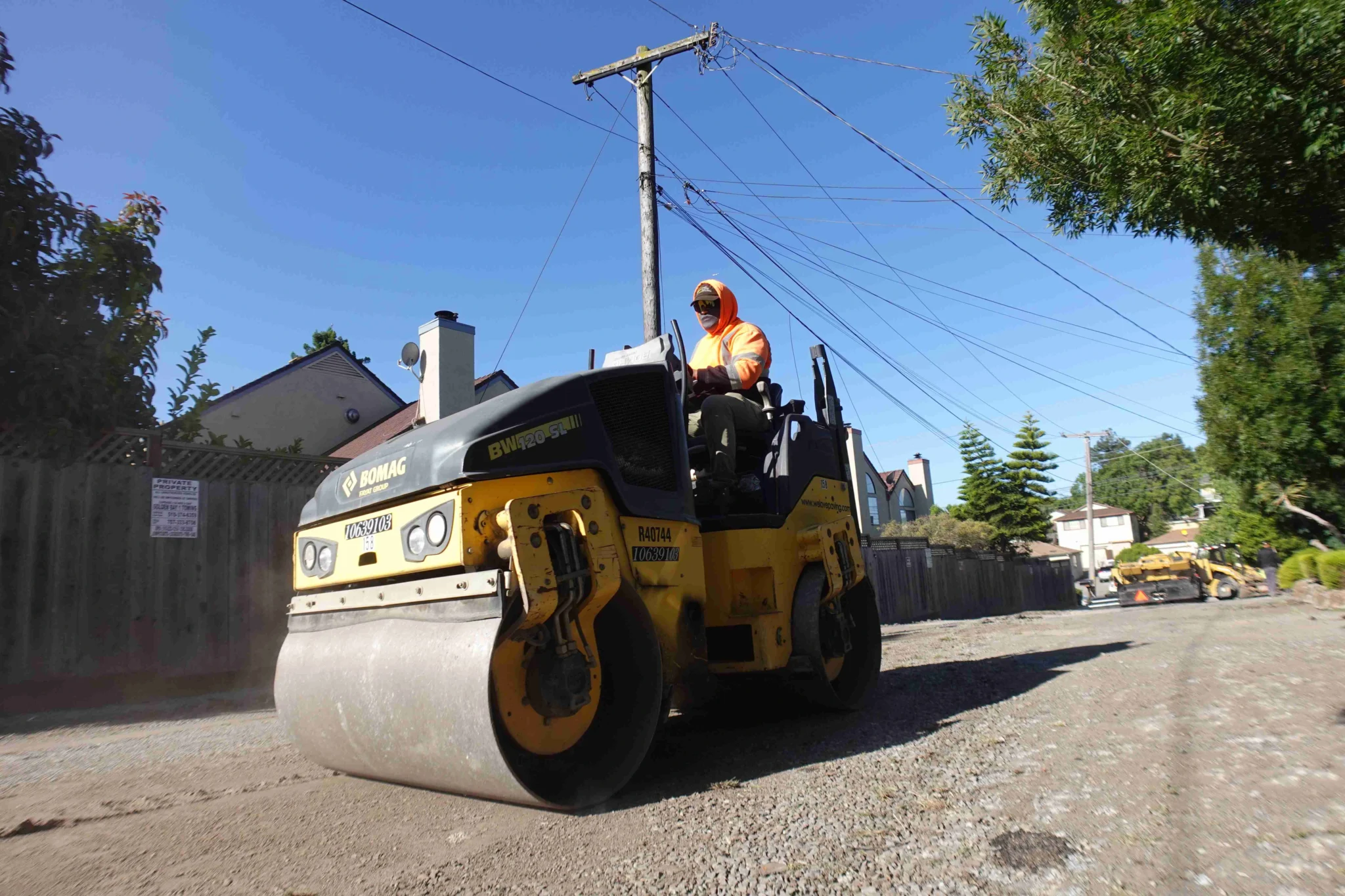
- Gravel: Common for rural or private roads; the cheapest option but requires frequent maintenance.
- Location and Terrain
- Roads built on flat land cost less than those requiring grading, excavation, or blasting through rocky terrain.
- Urban areas may have higher costs due to stricter regulations and utility relocation.
- Labor and Permits
- Labor costs vary by region and complexity of the project.
- Permits and environmental assessments can add to the total expense.
- Drainage and Features
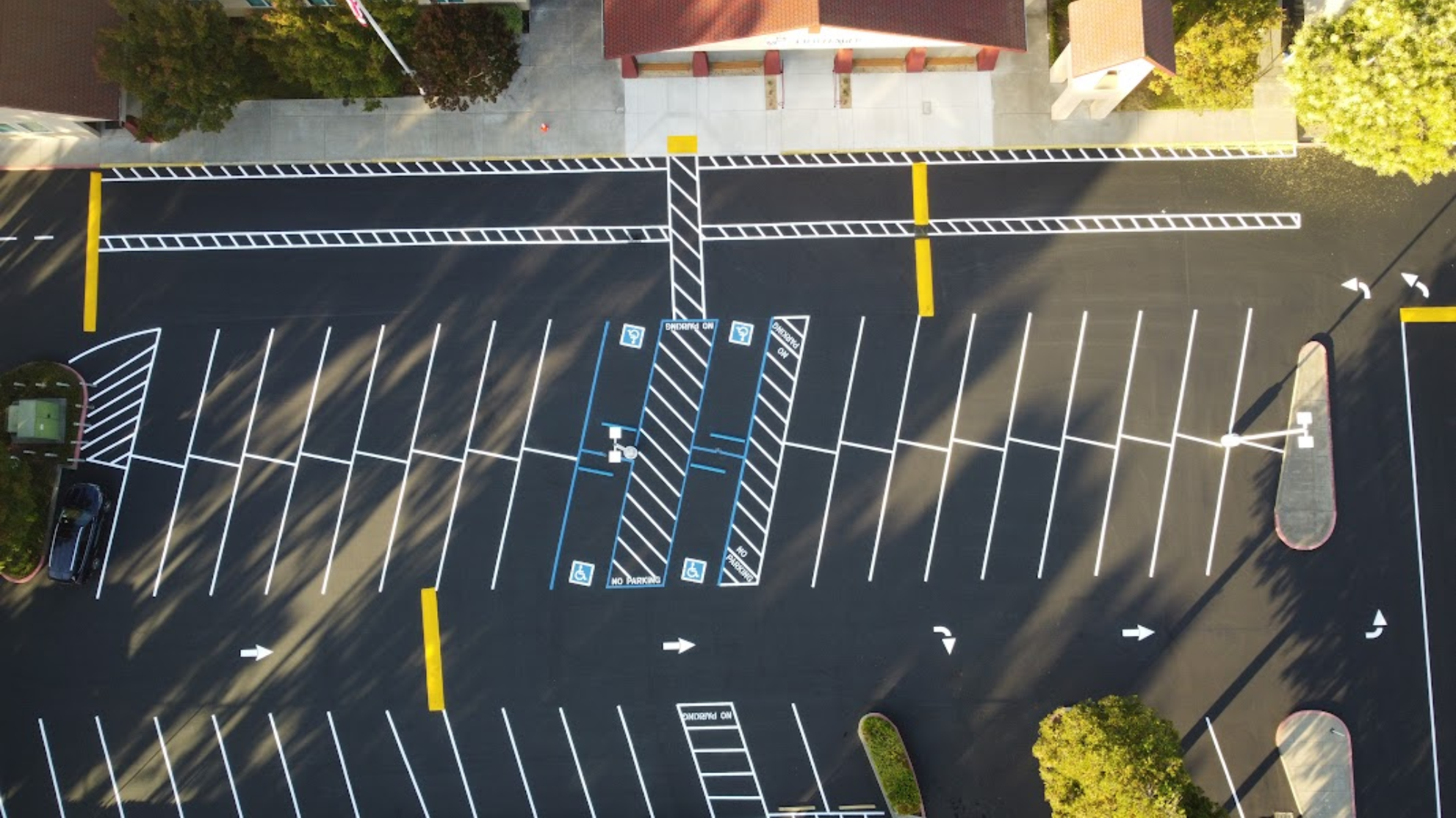
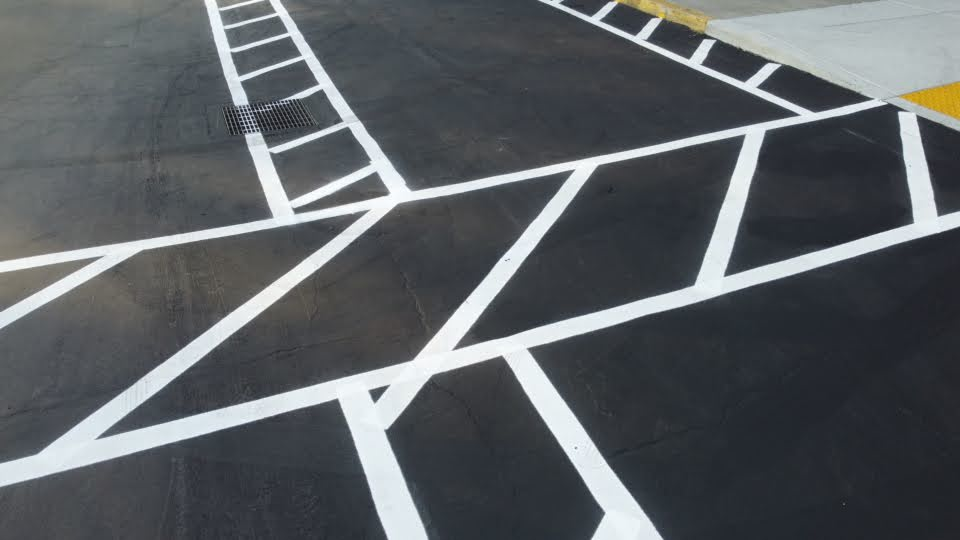
- Proper drainage systems, road markings, guardrails, and signage all contribute to the final cost
Average Costs of a Road in California
Based on recent field estimates from We Love Paving’s internal project data across Northern California, costs fluctuate based on site conditions, grading requirements, and material depth:
- Asphalt Roads: Historical project data indicates a range of $3–$15 per square foot. This variation depends heavily on the subgrade preparation and the asphalt mix required for specific traffic loads.
- Concrete Roads: Typically range from $4–$20 per square foot. The initial installation requires more capital, but the long-term maintenance cycle is generally less frequent.
- Gravel Roads: Generally range from $1–$5 per square foot, making it suitable strictly for rural, low-traffic agricultural zones.
When expanding these estimates to a per-mile basis for private or municipal paved roads, the figures scale dramatically. Standard asphalt roads can run between $500,000 to over $1,000,000 per mile, while highway-grade construction incorporating advanced drainage and seismic reinforcements easily exceeds multiple millions per mile.
- Gravel Road: $100,000–$300,000 per mile.
- Asphalt Road: $500,000–$1,000,000 per mile.
- Highway Construction: $5,000,000+ per mile, depending on features like interchanges and multiple lanes.
Planning Your Road Construction Project
- Assess the Purpose: Determine if the road will handle heavy traffic, light vehicles, or only occasional use.
- Get Professional Guidance: Engineers and paving experts can provide precise estimates and plans tailored to your needs.
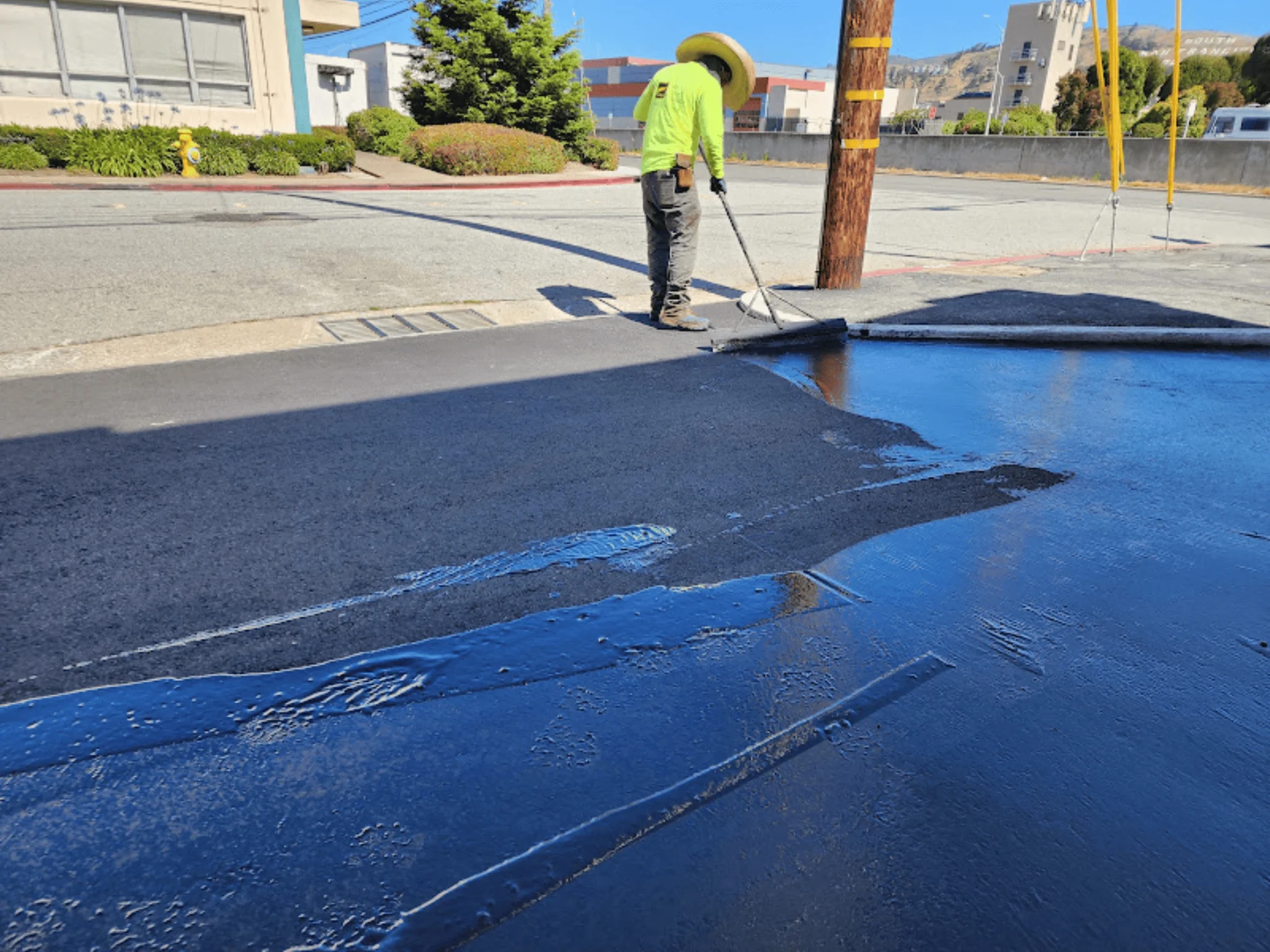
- Budget for Maintenance: Roads require ongoing care; plan for seal coating, crack repairs, and periodic resurfacing.
- Labor Expenses in California: California’s labor costs for road construction are among the highest in the nation, reflecting its competitive job market and prevailing wage laws. Despite the higher expense, skilled workers ensure that each road in California meets the state’s rigorous safety and durability standards, making the investment worthwhile.
The Hidden Costs of Poor Road Construction
While the initial estimates for California road construction might seem steep, cutting corners on the subbase preparation or asphalt thickness inevitably leads to severe financial consequences. In Northern California, where heavy winter rains and shifting soils are common, an inadequate road base quickly results in drainage failures, extensive pothole formation, and accelerated pavement deterioration. Municipal studies and industry data frequently highlight that underfunded or cheaply constructed roads end up costing property owners and drivers exponentially more in long-term repairs and daily vehicle wear-and-tear. Investing in a proper, Caltrans-compliant structural design from day one prevents the need for catastrophic full-depth reconstruction just a few years later. Quality paving is not merely about a smooth surface; it is an engineered defense against California’s demanding climate and traffic conditions.
Urban vs. Rural Road Costs
The cost of building a road in California varies based on location. Urban areas like Los Angeles require significant investment in traffic management, utilities relocation, and land acquisition, while rural roads may face challenges with rugged terrain and long-distance resource transportation. The True Urban Cost: Right-of-Way Acquisition Beyond traffic logistics and utility relocation, the single largest factor inflating budgets in metropolises like Los Angeles or the Bay Area is the cost of real estate. Land acquisition, or securing the “Right-of-Way,” often far exceeds the cost of physical materials (asphalt or concrete) and labor combined. In these high-density zones, purchasing the necessary land to expand lanes or improve intersections turns standard per-mile estimates into tens of millions of dollars. Therefore, accurate road planning in California requires not just paving experts, but strategists capable of optimizing designs within existing property lines to maximize the return on investment and keep projects strictly on budget
Technological Innovations
California is at the forefront of adopting innovative road construction techniques. Warm-mix asphalt, 3D grading technology, and the use of recycled materials are examples of how building a road in California is becoming more sustainable. These methods may initially increase costs but contribute to long-term savings by extending the life of the road.
Budgeting for Your Project
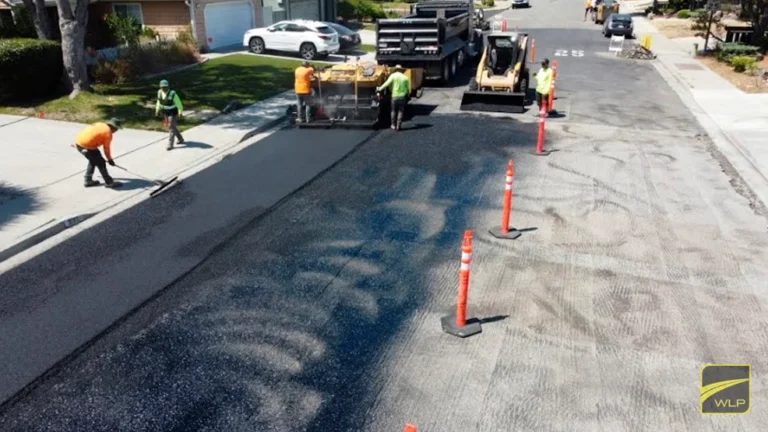
Navigating the strict regulations, topographic challenges, and material costs of California infrastructure requires experienced execution. The art and science of asphalt paving demand precise engineering to ensure the subbase and surface layers endure the region’s specific weather patterns and traffic loads. At We Love Paving, our field operations team holds the necessary certifications and local expertise to manage these exact requirements. We provide comprehensive paving solutions across Northern California, ensuring your next road construction or municipal pavement project meets structural standards while optimizing your overall budget.