In previous years, many paving “trends” amounted to little more than new marketing language. One season it was sustainability. The next, smart cities. Then everything became about automation.
Asphalt paving trends 2026, however, several shifts appear to be influencing how commercial property owners, facility managers, and developers plan pavement projects. The most significant changes are not necessarily flashy technologies. Instead, they revolve around making better decisions about materials, timing, infrastructure demands, and long-term asset management.
For property owners responsible for balancing budgets while keeping sites functional, understanding these trends can help separate practical improvements from industry hype.
Trend #1: Asset Preservation Is Becoming More Important Than Full Replacement
A decade ago, many owners viewed pavement as something that received attention only after noticeable deterioration occurred. Today, rising construction costs are changing that mindset.
More organizations are asking:
“How can we extend the life of what we already have?”
This renewed emphasis on preservation is evident in projects like the Newark sealcoating project, where extending service life became part of the broader maintenance strategy rather than simply reacting to deterioration.
Rather than waiting for widespread failure, maintenance planning increasingly focuses on preserving existing assets through proactive interventions.
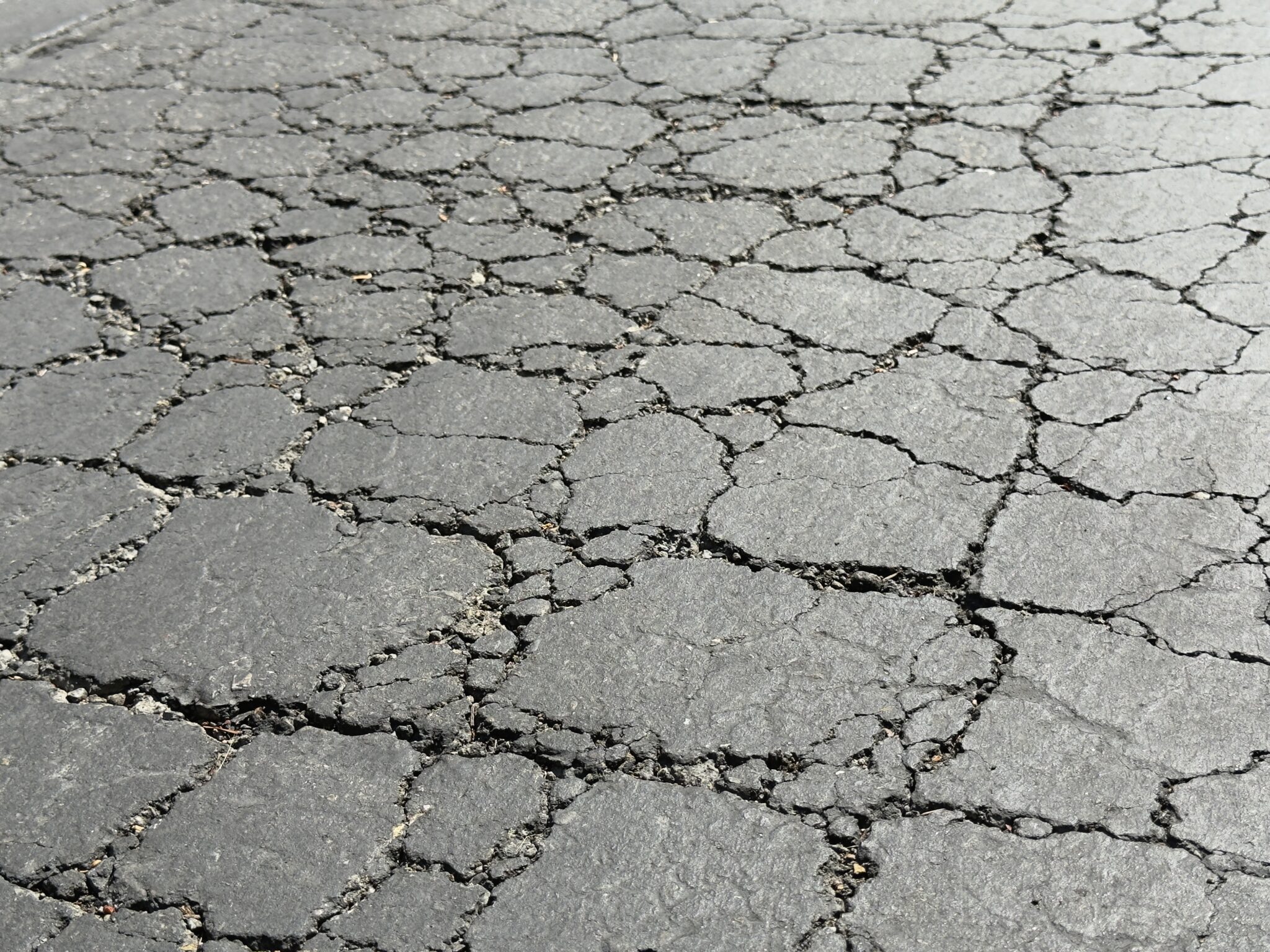
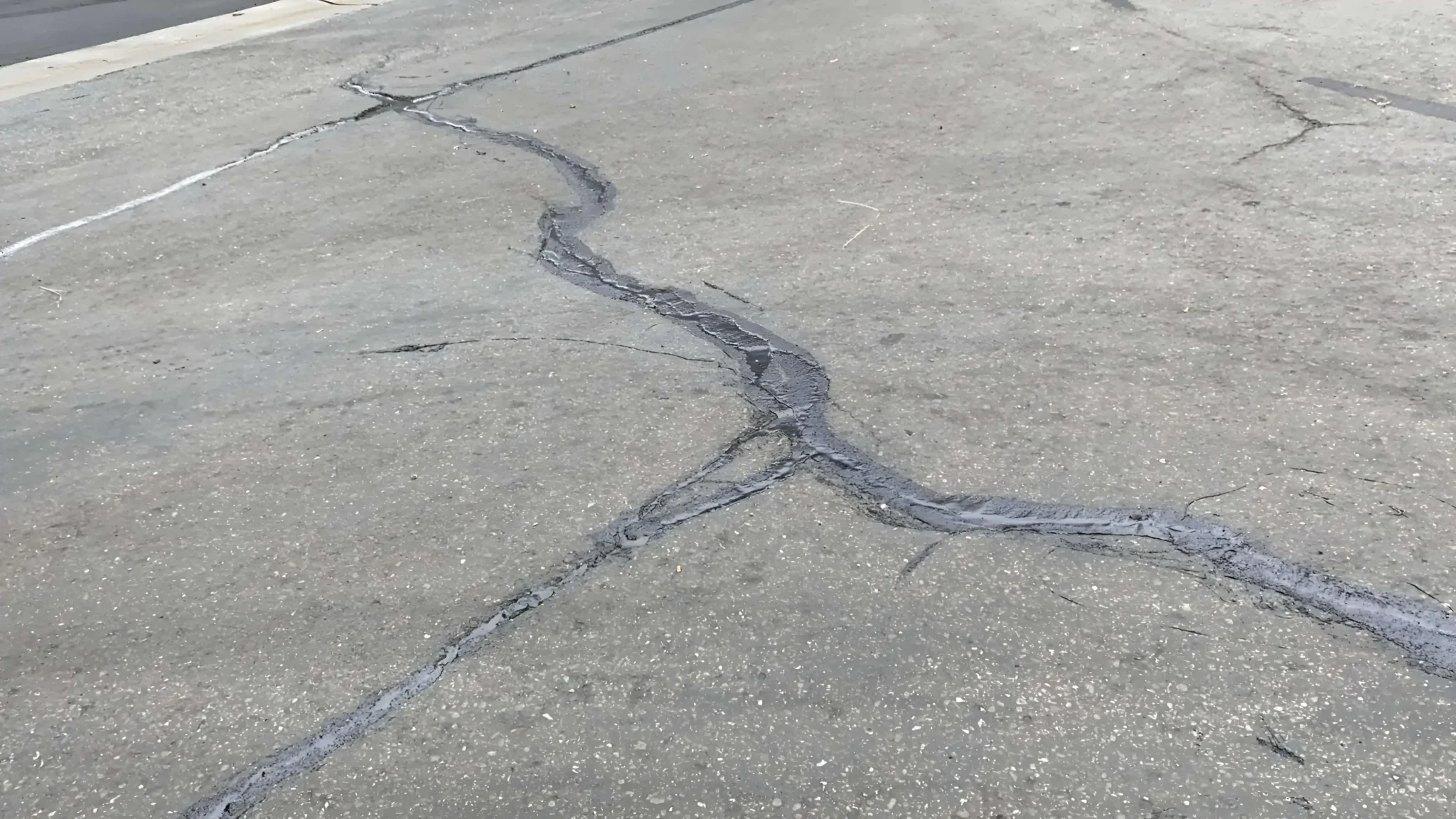
Field crews often notice early warning signs long before major failures develop:
- Fine raveling appearing near parking stalls exposed to full afternoon sun.
- Tire wear patterns emerging around tight turning areas.
- Small edge cracks forming where pavement transitions into landscaping without adequate support.
- Surface oxidation causing the pavement to lose its rich black appearance.
None of these conditions automatically indicate the need for reconstruction. However, they may influence maintenance schedules designed to maximize pavement life.
Trend #2: EV Infrastructure Is Influencing Pavement Planning
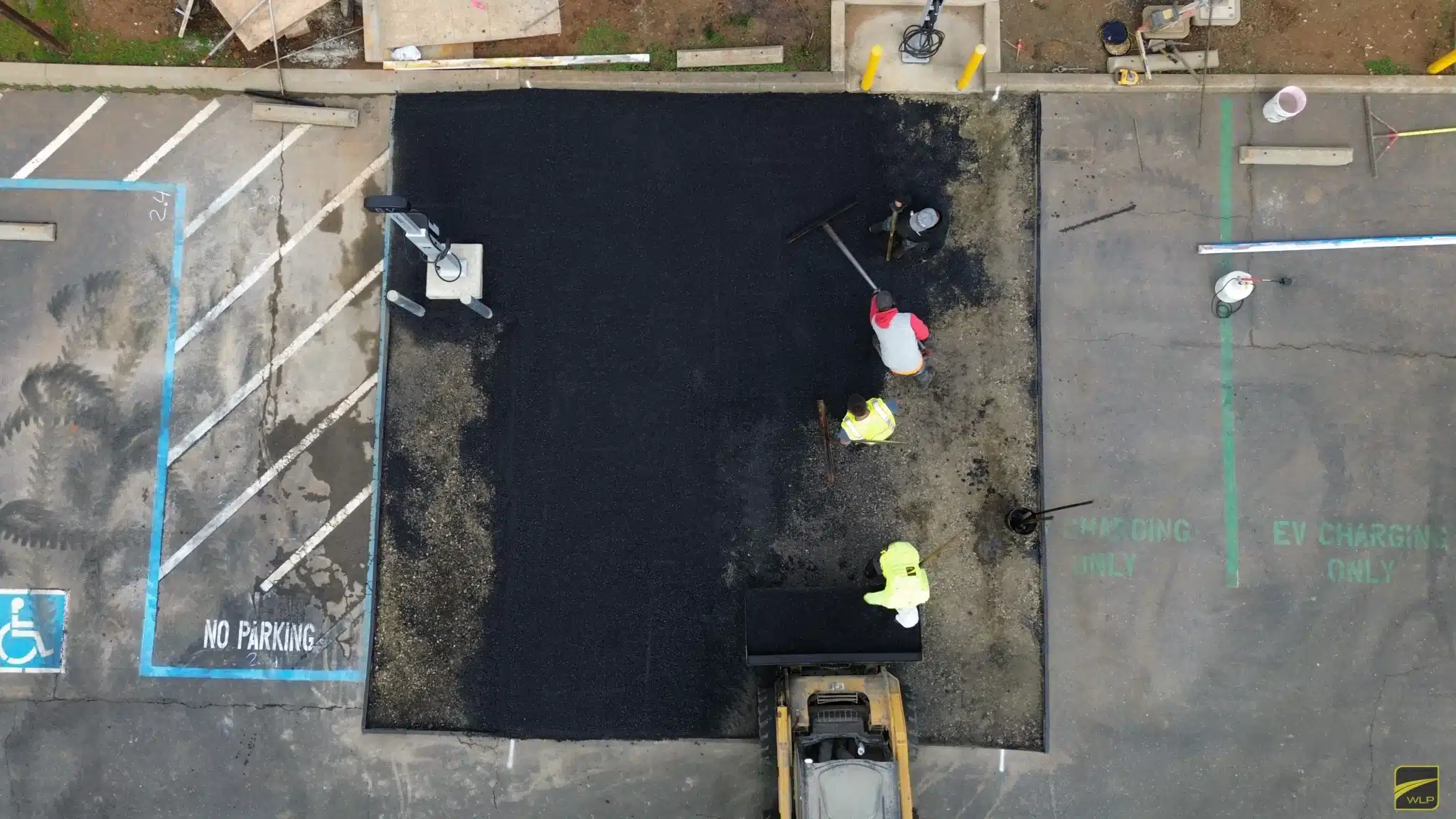
Properties installing charging stations are discovering that pavement planning increasingly overlaps with electrical infrastructure, accessibility considerations, and traffic flow adjustments.
Electric vehicle adoption is affecting more than parking stall layouts. A charging installation may involve:
- Saw cutting existing pavement,
- Trenching for conduit,
- Reconfiguring circulation patterns,
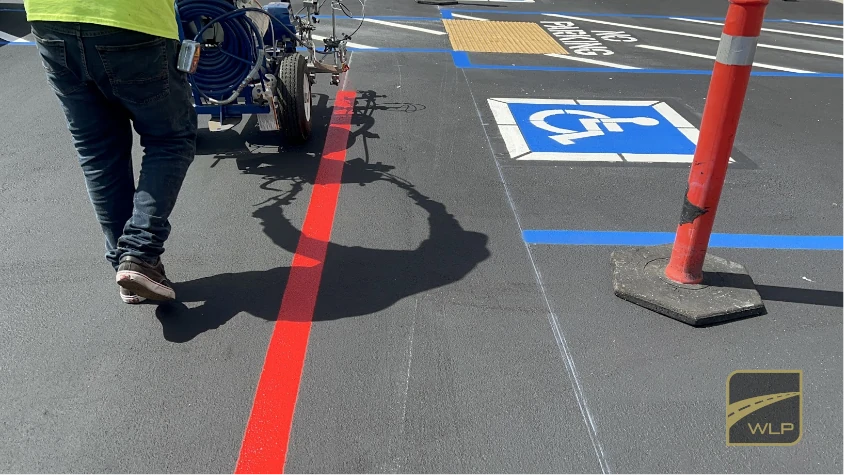
- Updating pedestrian access routes,
- Modifying stall layouts.
As a result, many owners now evaluate paving work alongside broader site improvements rather than treating asphalt as an isolated project.
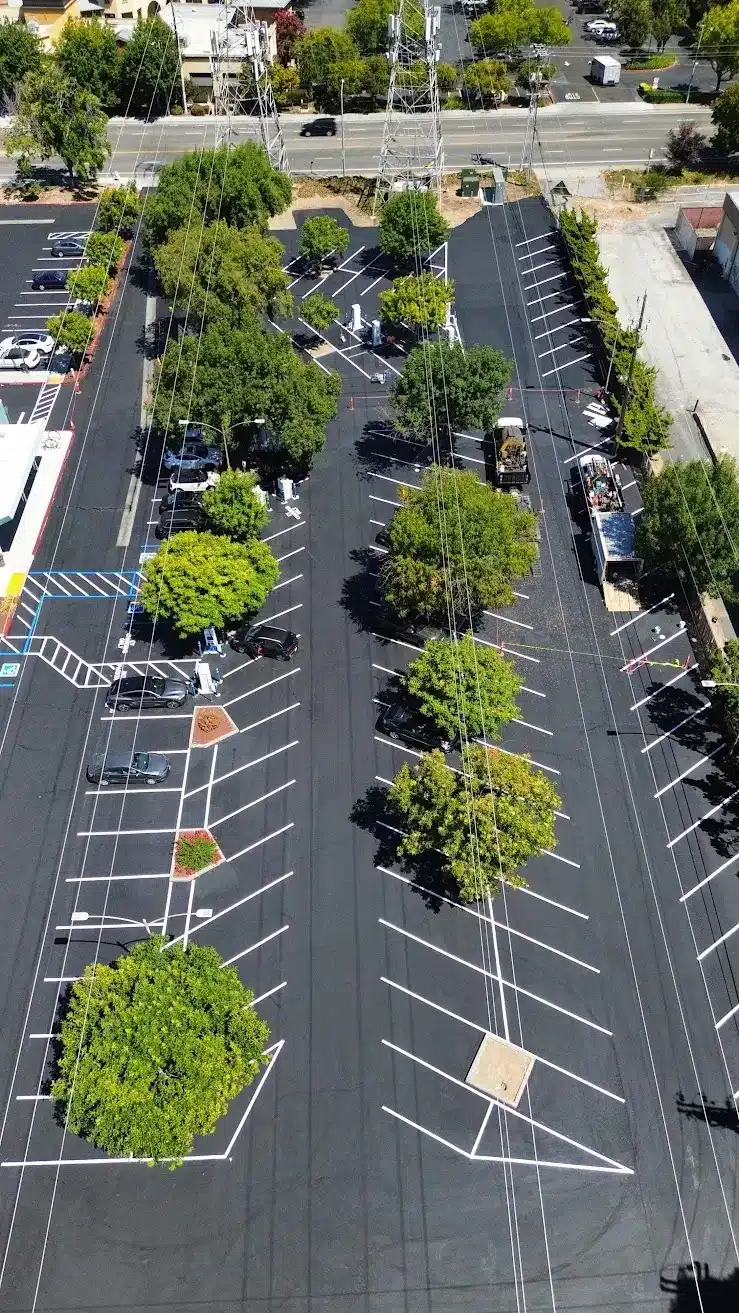
When future upgrades are anticipated, incorporating EV charging construction planning into long-term pavement strategies can reduce repeated disruptions and unnecessary restoration work.
The trend is less about electric vehicles themselves and more about designing pavement systems that can adapt to changing property needs.

Trend #3: Data Is Beginning to Shape Maintenance Decisions
Historically, maintenance decisions often relied on visible deterioration and available budgets. Yet many organizations are supplementing visual inspections with operational data:
- Areas receiving concentrated delivery traffic,
- Locations experiencing repeated patch failures,
- Sections requiring frequent service calls,
- Customer complaints linked to circulation bottlenecks.
For example, crews frequently observe depressions forming near loading zones long before cracking becomes severe. Sites with repeated turning movements may exhibit accelerated wear that traditional annual walkthroughs fail to prioritize appropriately.
The growing use of digital documentation and condition tracking does not replace field experience. Instead, it helps owners justify why one repair receives priority over another.
This evolution in decision-making reflects broader advances in paving technology, where information increasingly supports maintenance planning rather than relying solely on reactive repairs.
Trend #4: Sustainability Is Moving From Marketing to Procurement
“Sustainable paving” has been an industry talking point for years, but the conversation in 2026 is becoming more practical.
Property owners are no longer asking whether sustainability sounds appealing. They’re asking whether certain practices can support operational goals without compromising durability or budgets.
Questions now tend to focus on issues such as:
- Can recycled materials perform appropriately for the intended use?
- Will a maintenance-first approach reduce resource consumption?
- Can phased improvements minimize disruption and waste?
- Are there opportunities to coordinate multiple upgrades at once?
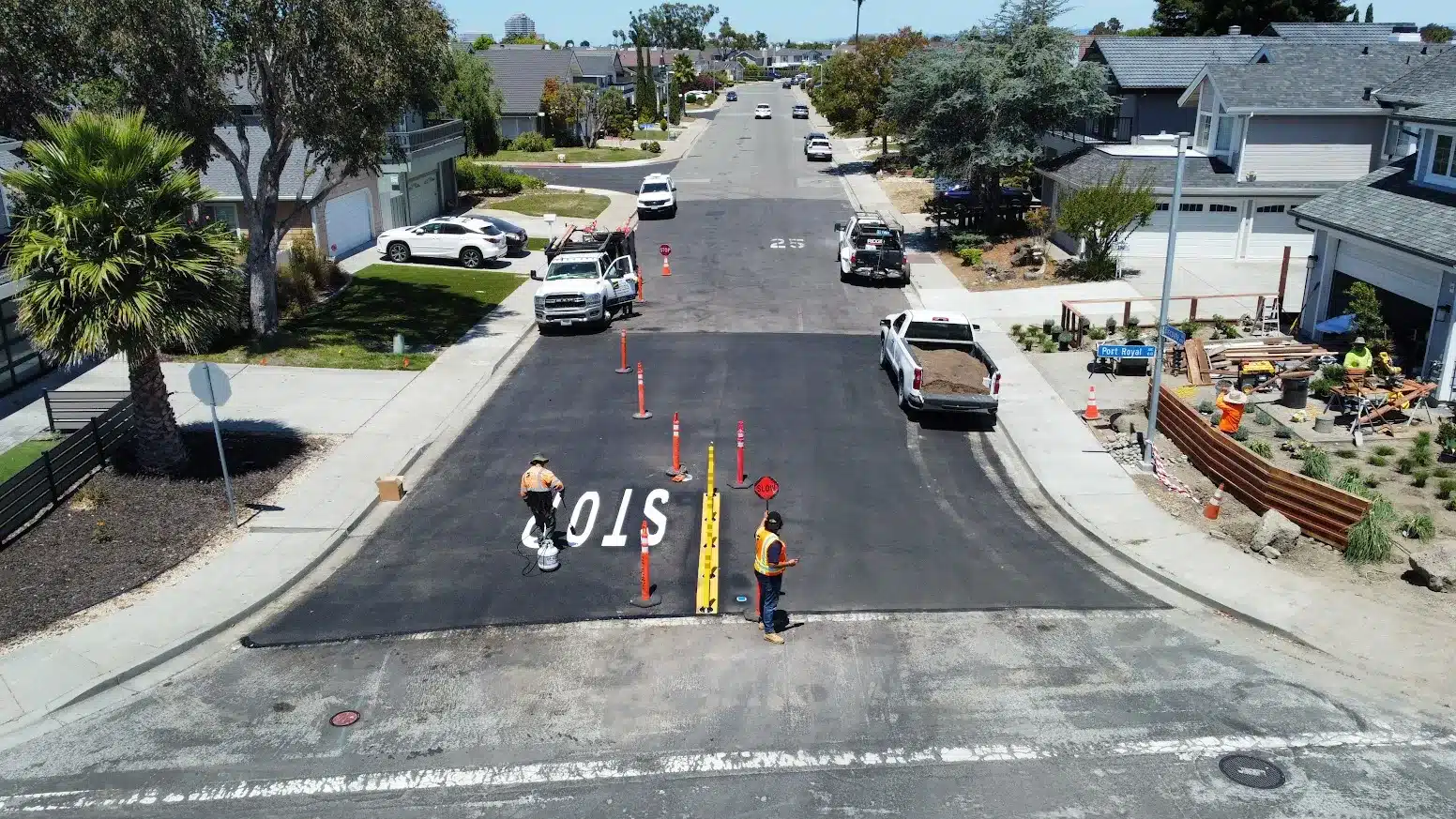
That same philosophy appears in real-world work like the Foster City project, where planning decisions reflected the needs of the site rather than a one-size-fits-all approach.
The answer depends heavily on site conditions and expected traffic demands. A retail center with frequent delivery trucks faces different performance requirements than a small office complex.
This shift toward practical evaluation is changing procurement conversations. Instead of pursuing trends simply because they are new, owners increasingly want evidence that a proposed solution aligns with how the property actually functions.
Trend #5: The “One Big Project” Mentality Is Fading
One of the most noticeable asphalt paving trends 2026 is how budgets are being structured. Rather than postponing improvements until a major capital project becomes unavoidable, many organizations are dividing pavement investments into stages.
This calendar-based approach allows teams to prioritize interventions according to operational impact.
| Planning Horizon | Typical Focus | Decision Goal |
|---|---|---|
| 0–12 months | Immediate repairs and high-use areas | Maintain usability |
| 1–3 years | Preventive treatments and resurfacing | Extend pavement life |
| 3–5 years | Infrastructure coordination and phased upgrades | Reduce future disruption |
| 5+ years | Major rehabilitation or replacement planning | Improve capital forecasting |
The trend isn’t necessarily spending more. It’s spending with greater intentionality.
For example, a facility manager might address isolated failures near loading docks this year while scheduling broader improvements later, particularly if future utility work is anticipated.
Similarly, recognizing early warning signs before deterioration accelerates often allows decision-makers to preserve flexibility rather than responding under emergency conditions.
What Trends Should Property Owners Be Skeptical About?
Not every innovation will transform the industry.
Property owners may benefit from asking a few practical questions whenever a new trend emerges:
- Does this solve a problem we actually have?
- Is there evidence of performance in similar environments?
- How does this affect long-term maintenance planning?
- Will this improve operations, or simply add complexity?
- Does the proposed benefit justify the investment?
A surface exposed to heavy turning movements, for instance, may require proven performance characteristics over experimental solutions. Likewise, a property preparing for future growth may prioritize adaptability rather than chasing the latest technology.
The most valuable trends are often the ones that make maintenance decisions clearer, not more complicated.
Looking Ahead Without Losing Sight of Fundamentals
Although the industry continues to evolve, the fundamentals of pavement stewardship remain remarkably consistent.
Water still finds weak points. Traffic still concentrates stress in predictable locations. Deferred maintenance still narrows future options.
What changes is the context surrounding those realities.
Properties now face shifting transportation demands, increasing pressure to maximize budgets, and greater expectations around operational efficiency. As a result, asphalt paving in 2026 appears less focused on reacting to failures and more focused on anticipating change.
At We Love Paving, many of the conversations we have with property teams center on sequencing decisions thoughtfully: understanding what deserves attention now, what can reasonably wait, and how today’s work influences tomorrow’s options. The future of paving may introduce new tools and processes, but successful outcomes still depend on practical planning grounded in how people actually use a site.