
EV Charging Station Construction in California
⭐️⭐️⭐️⭐️⭐️ 4.7 avg (67+ reviews)
Turnkey trenching and civil construction for EV charging station installations, engineered for durability and operational uptime.
Phased execution to keep access open
Color-coded sitemaps with clear scope
Video briefing + proposal walkthrough

🛡️ 15yr Pothole-Free Guarantee*
written warranty, terms apply
Calls may be monitored or recorded for quality assurance and training purposes.


EV Infrastructure Specialists
We Love Paving
Under CSLB License #1049649, we lead the civil engineering phase for EV charging station construction projects across California. Our team translates electrical layout plans into precise trench routing, reinforced concrete pad execution, and ADA-compliant surface restoration. We personally validate that every sub-base compaction test, asphalt lift specification, and conduit depth meets both NEC code requirements and the structural demands of modern EV equipment loads before a single charger is ever installed.
Trusted By Property Managers & National Brands





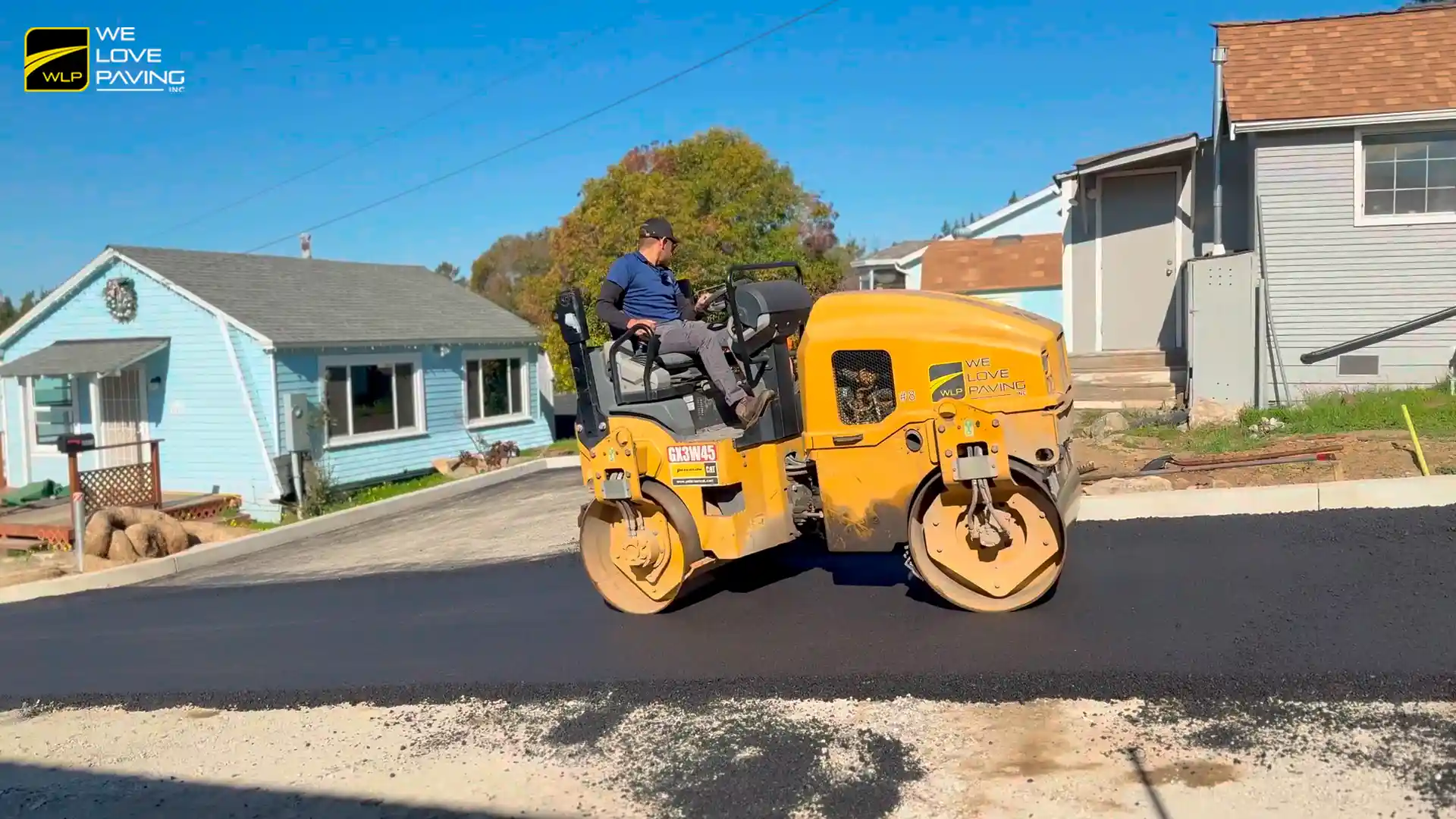
The Technical Foundation of Electric Mobility
EV charging station construction demands a structural foundation that goes far beyond equipment installation. Soil stability, trench integrity, and reinforced surface design are the variables that determine whether a charging site performs, or fails, under the static load of modern electric vehicles.
EV Project Execution
Seamless Charging Infrastructure We manage the critical EV charging station construction phase for EV charging implementation, ensuring that trenching and surface restoration meet the most stringent standards for durability and operational safety.
Request Technical Quote
Space Optimization and Precision Trenching
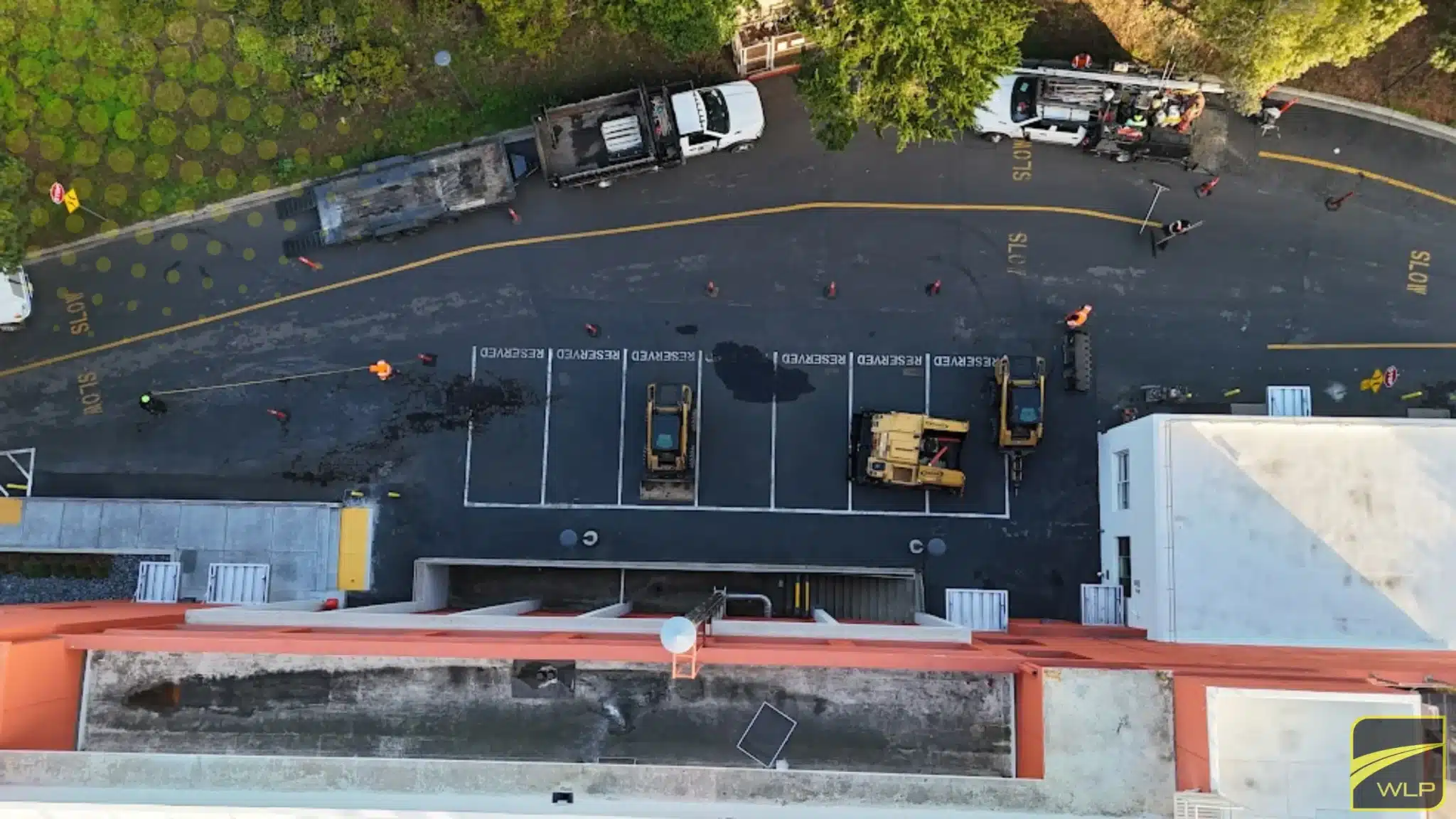
Designing an efficient charging network starts with site planning. Adhering to parking space dimensions is vital to ensure vehicle turning radii and pedestal placement do not compromise safety. We perform surgical asphalt cuts to minimize structural damage to adjacent areas during conduit laying.
Experienced Team
Safety First
No Work Stoppage
Guaranteed Results
Technical Implementation Process
Trusting We Love Paving for EV charging civil construction ensures a smooth transition between excavation and service opening.
- Geotechnical Assessment: Sub-base resiliency testing and soil bearing capacity evaluation before any excavation begins
- Mechanized Trenching: Surgical asphalt cuts for conduit pathway routing, sized to NEC 18–24″ depth requirements
- Reinforced Concrete Pads: 3,000–4,000 PSI poured pads for EVSE pedestals and transformer bases, engineered for static EV load
- High-Density Asphalt Repaving: Polymer-modified hot mix restoration with compaction verified at 95% relative density
- Striping & Protection: Thermoplastic EV bay marking and bollard installation for asset and vehicle protection
This Is What Our Clients Say About Our Work

Integration within Existing Infrastructure
Most EV charging station construction projects take place in active commercial environments, operational parking lots, retail centers, and logistics hubs that cannot afford downtime. Our San Ramon EV infrastructure projects demonstrate that phased trenching execution and asset protection protocols are as decisive as engineering specs in delivering a fully operational charging network on schedule.
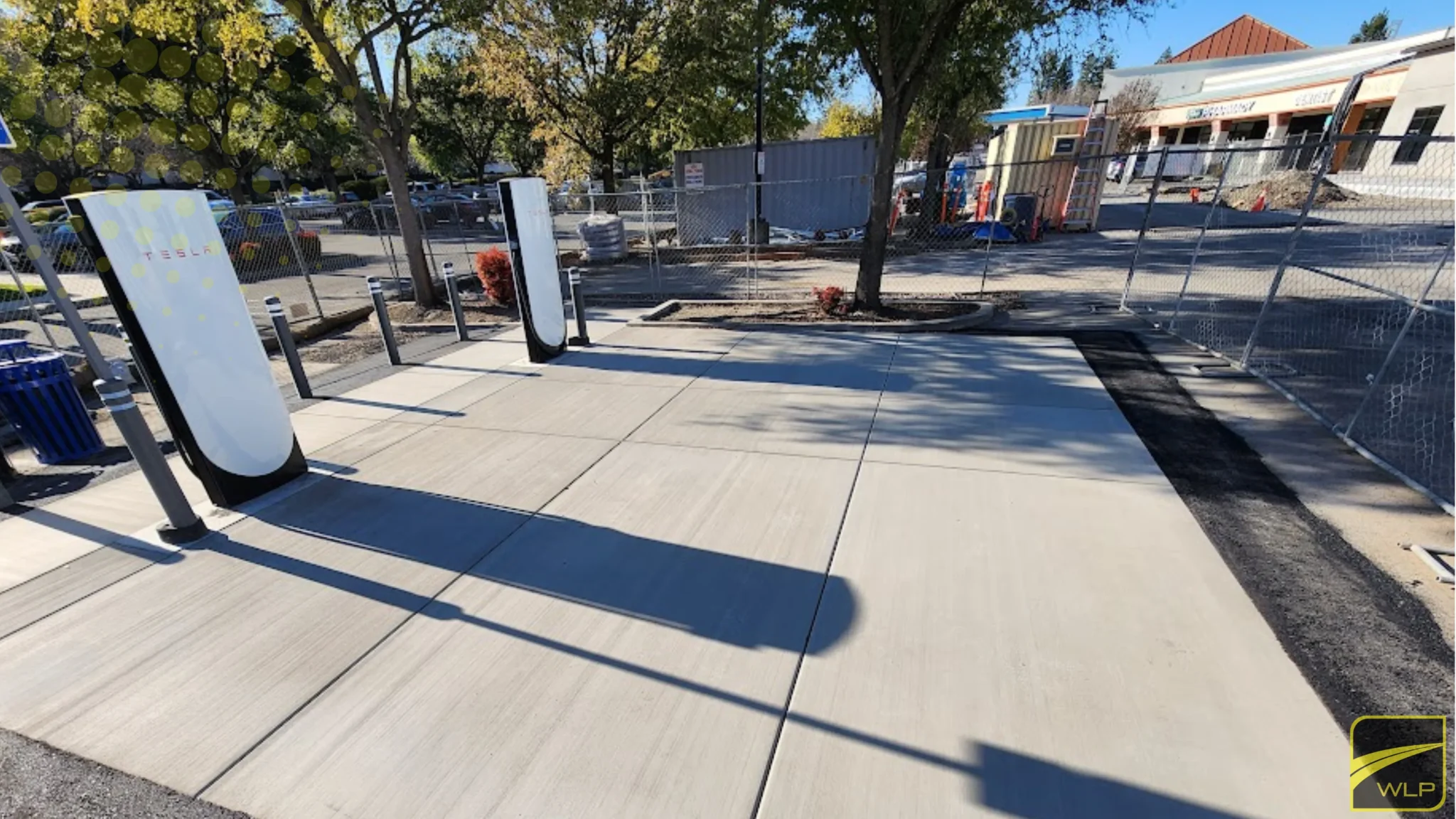
Pavement Longevity in Charging Zones
Modern electric vehicles weigh 20–30% more than their internal combustion equivalents a Ford F-150 Lightning tips the scale at nearly 6,000 lbs. In high-dwell charging bays where vehicles sit stationary for 30–90 minutes, standard asphalt deflects under that sustained load. We specify polymer-modified asphalt (PMA) binders engineered to resist shearing stress and static load deformation, keeping charging bay surfaces structurally sound for the long term.
How Does Professional EV Charging Station Construction Impact Long-Term ROI?
Expert civil engineering prevents subsurface shifting that leads to asphalt cracking and conduit failure. By using high-density compaction and reinforced concrete bases, maintenance costs are reduced by 40% over ten years. Proper surface integration ensures the station remains operational without recurring structural repairs, maximizing long-term charging revenue and safety.
| Variable | Technical Priority | Impact on EV Station | Field Standard |
|---|---|---|---|
| Trench Depth | NEC Electrical Code Compliance | Prevents conduit damage and future service interruptions | 18–24 Inches |
| Concrete Pad Strength | EV Charger Pedestal Stability | Resists equipment weight and vibration under continuous load | 3,000–4,000 PSI |
| Asphalt Lift Thickness | Compaction Quality in Charging Bays | Eliminates trench settling beneath EV parking surfaces | 3″ Type-B Mix |
| Sub-Base Compaction Rate | Long-Term Structural Integrity | Prevents pothole formation under heavy EV static loads | 95% Relative Density |
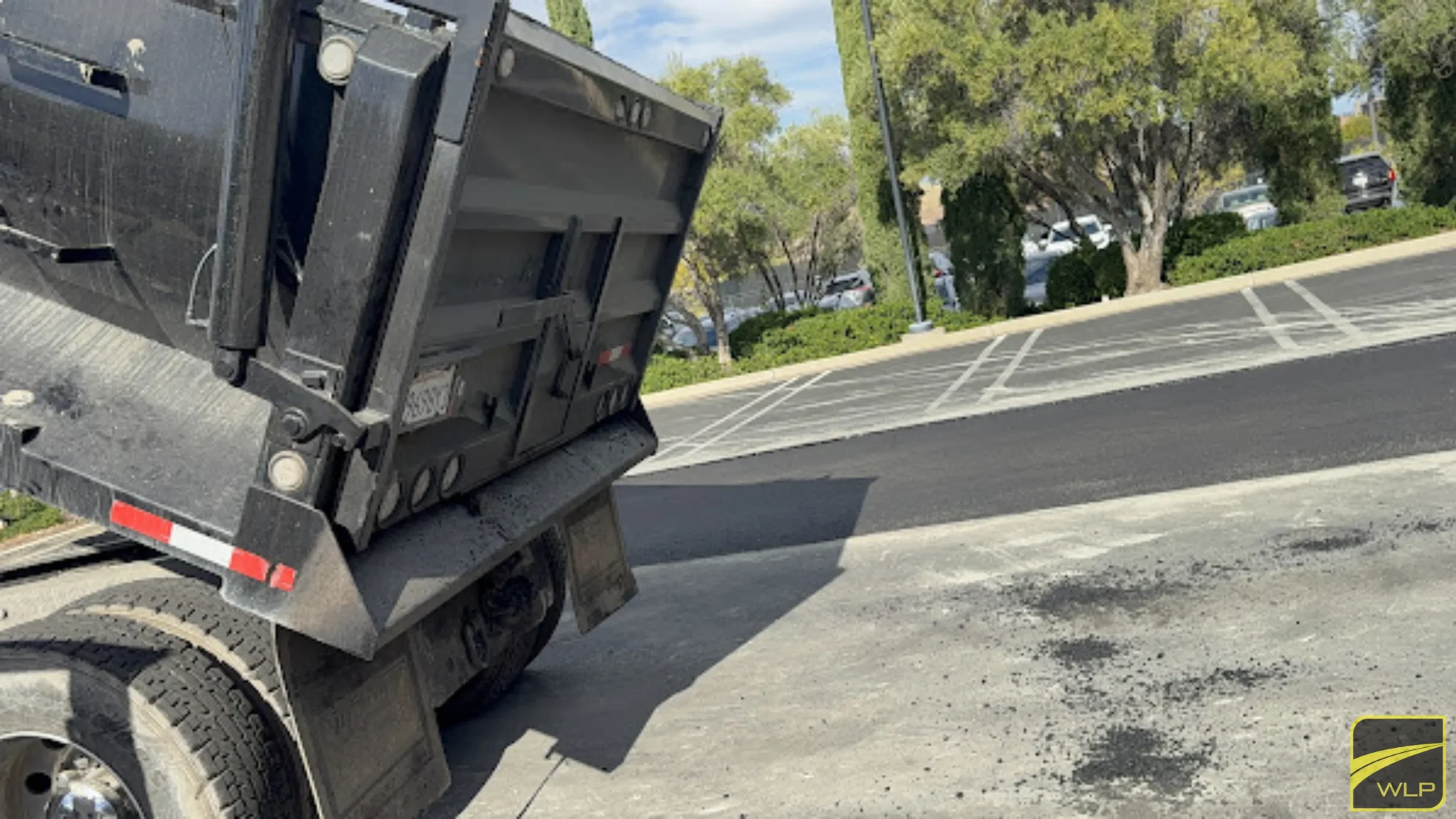
Engineering California’s Future with The Panda Pledge
At We Love Paving, we don’t just dig and pave; we build the platform for California’s future. Every charging station construction project is backed by The Panda Pledge, our industry-leading guarantee ensuring absolute transparency and technical excellence. Learn more about our guarantees and warranty and discover why we are the preferred partner for critical infrastructure in the region.
Frequently Asked Questions (FAQ)
Got Questions? Find Your Answers Here!!
Most civil construction phases for EV charging sites take between 5 to 10 business days, depending on the number of stations and trenching length required. The timeline is dictated by the complexity of the subsurface utility survey, trenching speed, and the curing time for concrete equipment pads.
EV charging bays require reinforced paving because electric vehicles weigh up to 30% more than gasoline cars, exerting significant static pressure. We utilize high-density asphalt mixes and enhanced sub-base compaction to ensure the pavement can withstand these unique load profiles without surface cracking.
We Love Paving specializes strictly in civil engineering and surface restoration. Our role is to provide a turnkey “ready-to-wire” infrastructure, including precision trenching, concrete foundations, and bollard installation, ensuring the chargers sit on a stable, ADA-compliant foundation.
We use high-precision diamond-cutting equipment to isolate the work area, preventing cracks from spreading during excavation. Structural integrity is maintained through the “clean-cut” technique followed by controlled backfill, ensuring a seamless transition between new and old asphalt.
Yes, compliance with the Americans with Disabilities Act (ADA) is mandatory. Our technical planning ensures that the repaved surface maintains a cross-slope of less than 2% and includes all necessary thermoplastic markings and signage to minimize legal risks, reduce compliance exposure, and prevent costly re-work after project completion.
Contact
Start Your Free Proposal
Start your free proposal today. Speak with a paving advisor and find out if your asphalt, concrete, or ADA compliance project qualifies for The Panda Pledge™ long-term protection.
Reply by Next Business Day