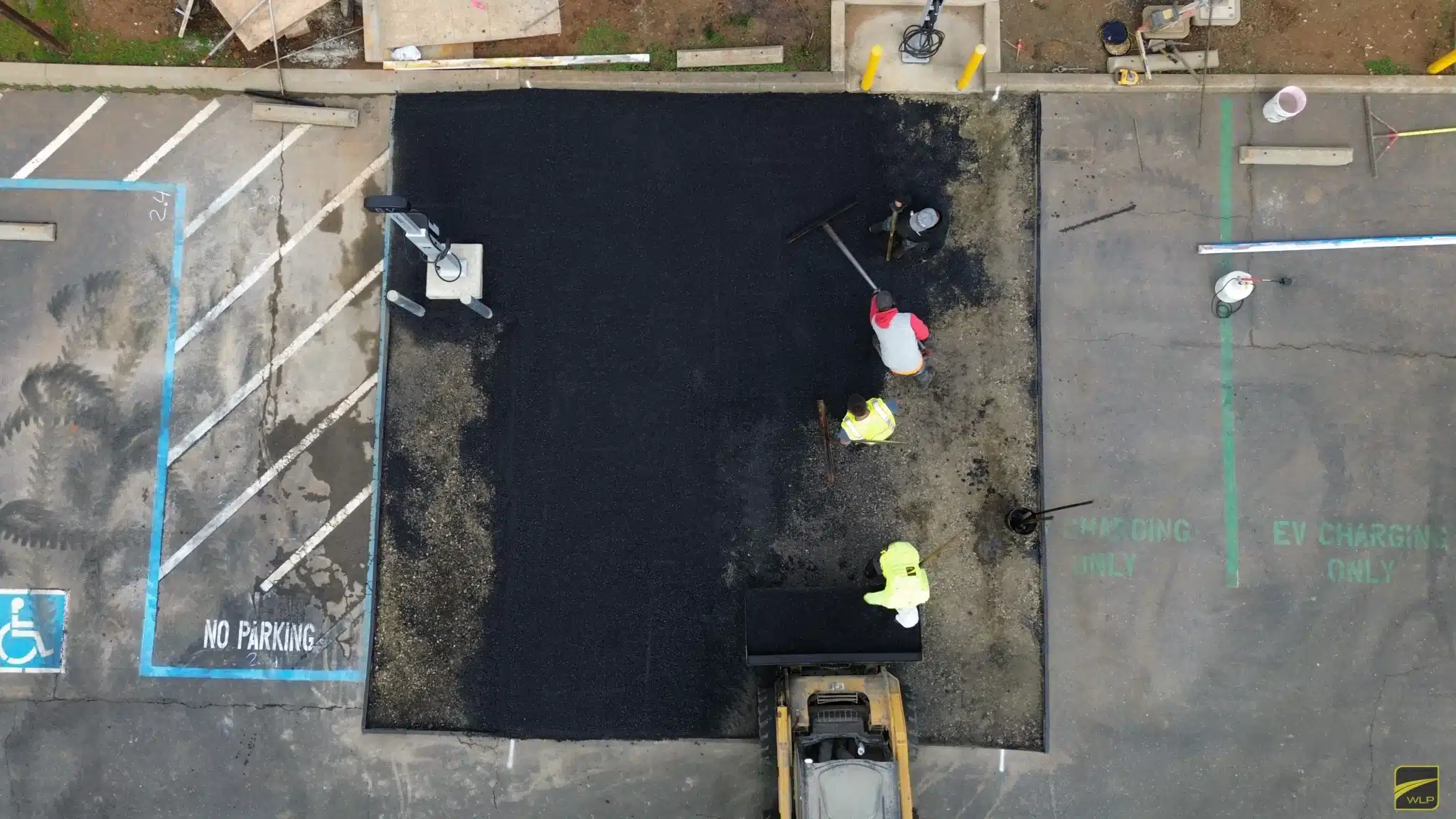
Planning a concrete project in Northern California requires careful consideration of local weather patterns, daily ambient temperatures, and subbase stability. Whether you are installing a residential driveway or managing a commercial flatwork layout, timing your pour determines the structural durability of the slab. Understanding how local seasonal swings impact setting times helps avoid premature cracking. For comprehensive structural options, reviewing what is a concrete service provides clear insights into professional site preparation standards.
Concrete Pouring Temperature Specifications & Curing Conditions
Ambient and subgrade temperatures directly influence the hydration reaction, setting time, and final compressive strength of poured concrete. According to Caltrans Section 90 guidelines and ACI 305/306 standards, planning site placement within optimal thermal windows ensures long-term structural integrity.
| Variable | Setting Speed | Structural Risk | Required Field Precautions |
|---|---|---|---|
| Below 40°F (< 4.4°C) | Very Slow / Suspended | Freezing, severe strength loss, matrix failure | Heated water, accelerators, blankets |
| 40°F – 50°F (4.4°C – 10°C) | Slow | Delayed strength gain, extended form removal time | Monitor temp, delay early loads |
| 50°F – 85°F (10°C – 29.4°C) | Optimal | Low (Ideal hydration rate) | Standard moist curing process |
| 85°F – 90°F (29.4°C – 32.2°C) | Fast | Moderate risk of plastic shrinkage cracks | Windbreakers, fog spraying, joint sawing |
| Above 90°F (> 32.2°C) | Very Fast | High risk of surface crusting & cracking | Early pours, retarders, moist curing |
Spring: A Decent Start with Some Challenges
Spring offers moderate curing temperatures across the Bay Area, but early season rain presents site risks. Moisture-saturated soil creates subbase instability, particularly in regional clay compositions. Pouring over mud or wet subgrades violates Caltrans Section 90 standards, which mandate a stable, properly compacted foundation before placement. Scheduling work for late spring minimizes rain delays while avoiding the rapid surface evaporation caused by mid-summer thermal spikes.
Summer: The Best Time for Concrete Projects
Summer provides consistent dry weather, making it a preferred window for major paving operations. However, high ambient temperatures above 90°F (32.2°C) cause mix water to evaporate rapidly, increasing the risk of plastic shrinkage cracking. Field crews mitigate this by scheduling early morning pours, using retarder admixtures, and applying continuous moisture curing. When planning residential projects during dry months, evaluating how close to property line can you pour concrete ensures full compliance with local municipal setback codes prior to site excavation.
Fall: A Great Alternative to Summer
Early to mid-autumn represents an ideal window for concrete placement in Northern California. Moderate ambient temperatures between 50°F and 70°F allow the hydration process to progress evenly, achieving optimal compressive strength without artificial thermal protection. If you are replacing an old surface, property owners often question whether to resurface or overlay; evaluating if you can I pour asphalt over concrete helps determine the right long-term structural strategy before autumn rain cycles begin.
Winter: The Least Favorable Time for Concrete Work
Winter is the most challenging period for concrete installations due to lower temperatures and frequent precipitation. Caltrans Section 90 guidelines prohibit concrete placement when ambient temperatures drop below 40°F (4.4°C), as freezing water within the unhardened paste destroys the internal matrix. When emergency winter work is unavoidable in regional commercial facilities, field crews must utilize heated mixing water, chemical accelerators, and insulated curing blankets to maintain internal slab hydration above critical thresholds.
Final Verdict: What’s the Best Season for Concrete Projects?
For optimal results, the best seasons to complete a concrete project are late spring, summer, and early fall. These times provide the right balance of warm temperatures, minimal rainfall, and contractor availability.
- Best choice: Summer & early fall (ideal curing conditions, less risk of rain delays)
- Good alternative: Late spring (moderate temperatures, but potential rain delays)
- Risky choice: Early spring & late fall (unpredictable weather and temperature swings)
- Least recommended: Winter (freezing temperatures negatively impact curing)
By scheduling your project at the right time of year, you can ensure durability, strength, and long-term performance for your concrete installation. If you’re ready to start your project, consult with a professional paving contractor to plan accordingly and achieve the best results!