Can I Pour Asphalt Over Concrete?

Paving Crew In South San Francisco, CA
Estimation Tools

Calculate costs in seconds

Fast, accurate estimates that help you close more jobs. Less guesswork, more profit.

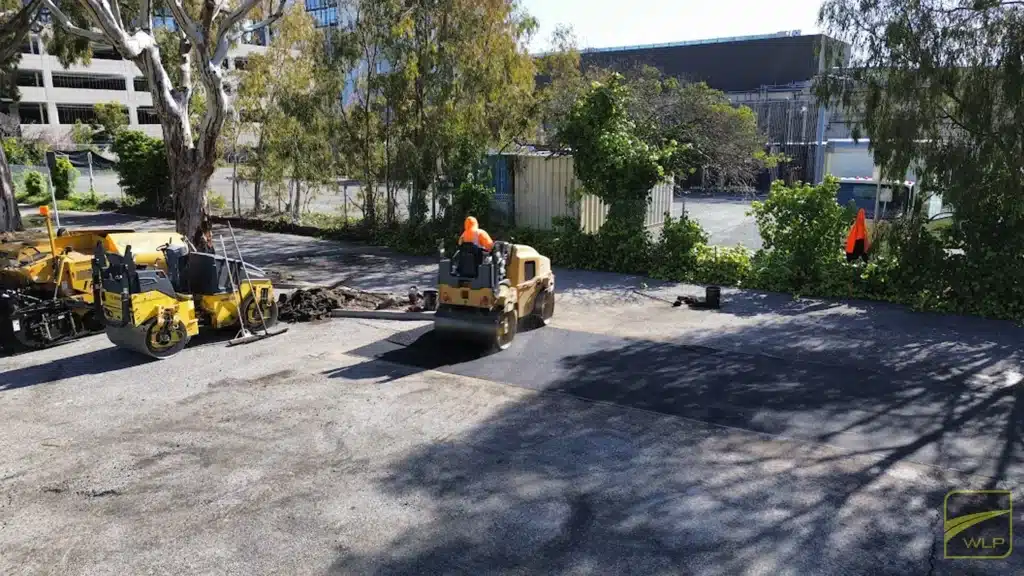
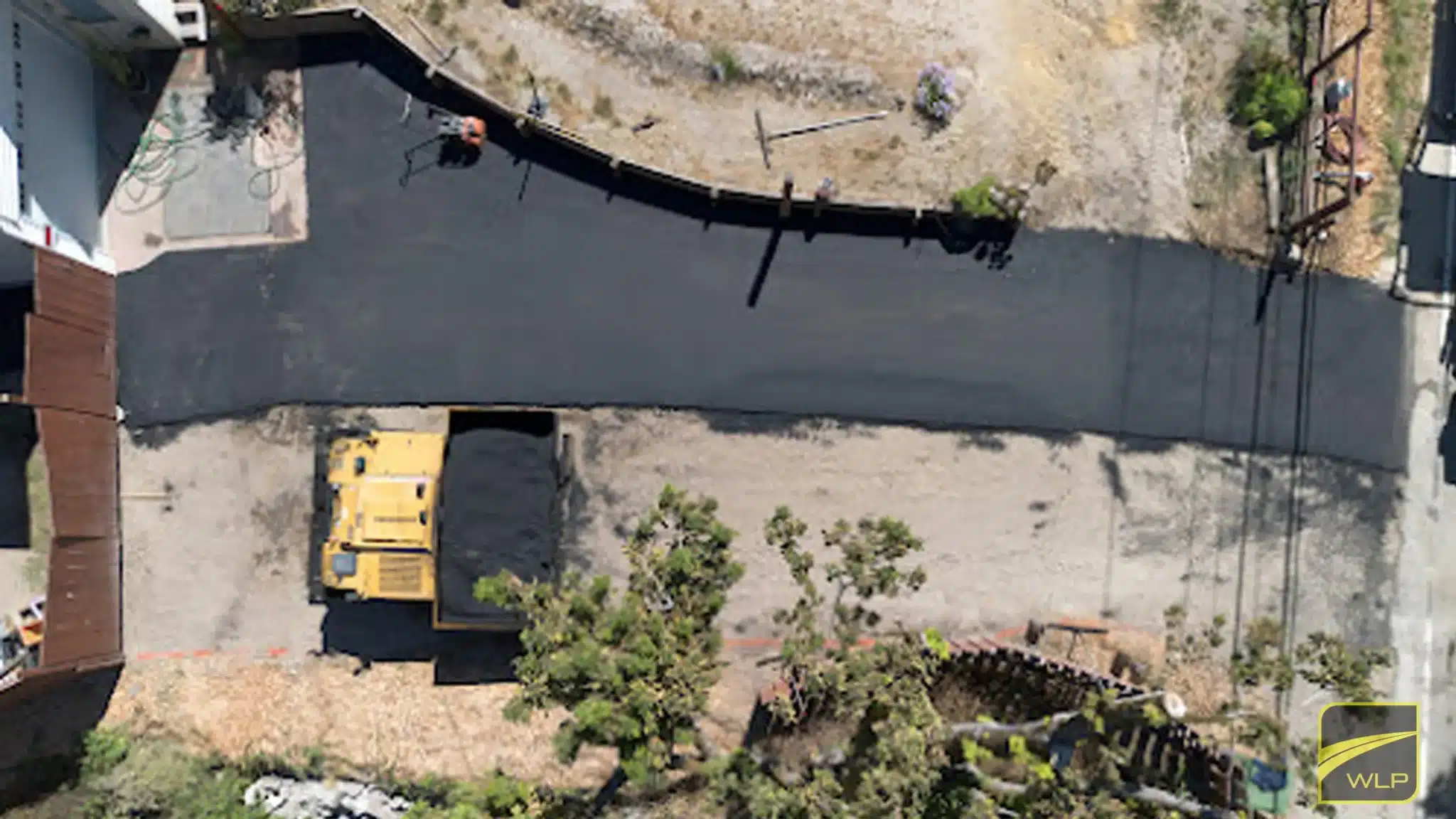
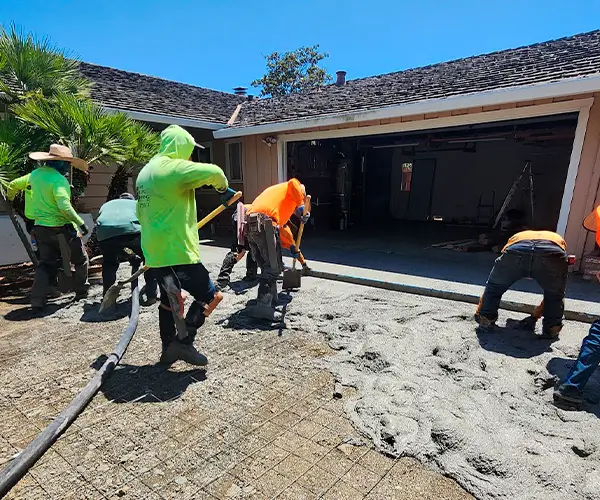
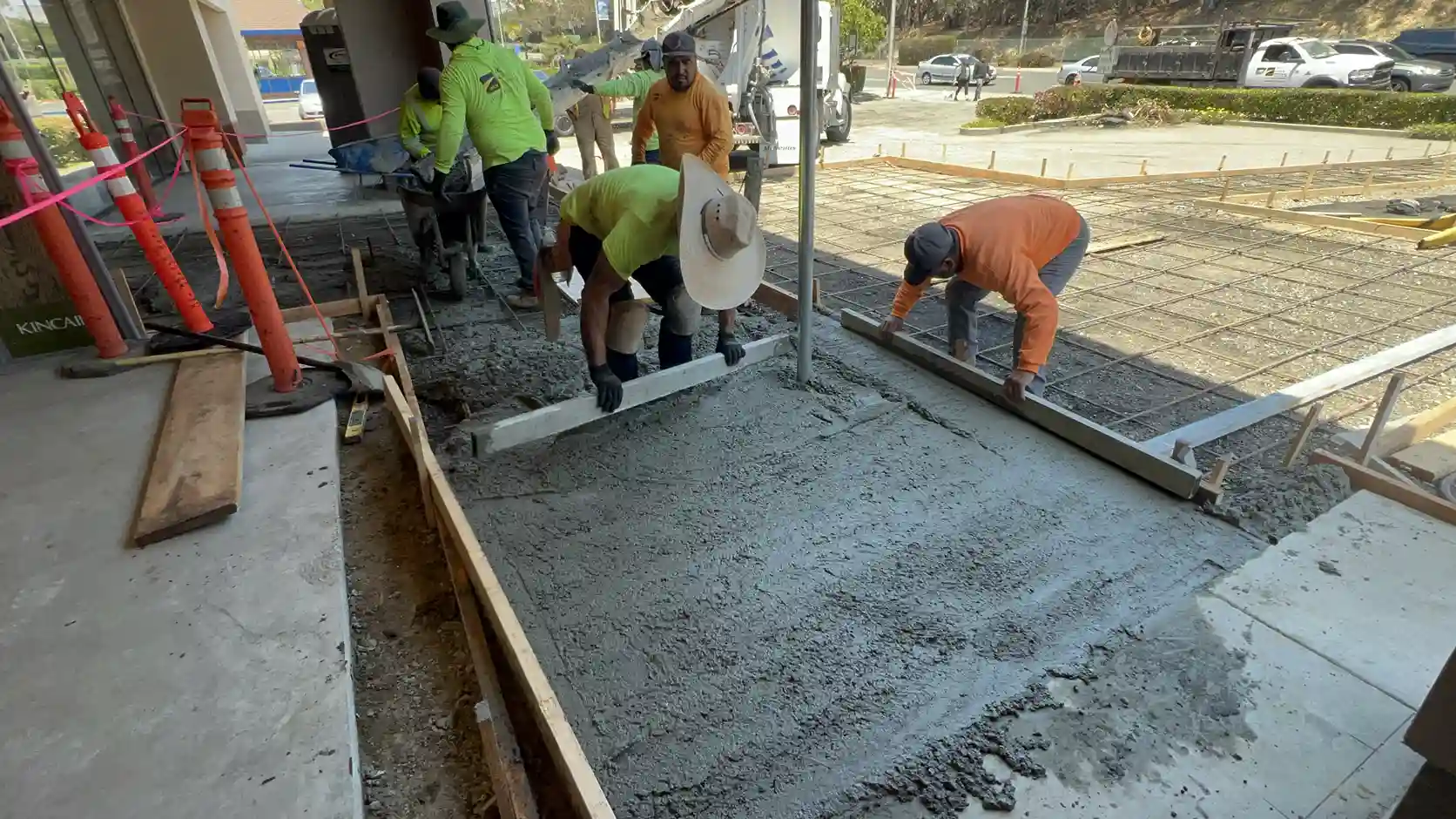
Asphalt and concrete are two of the most common materials used for paving surfaces like driveways, parking lots, and roadways. Property owners in San Francisco, California, may wonder if it’s possible to pour asphalt over an existing concrete surface and what factors need to be considered. This blog post will delve into the feasibility, benefits, and potential challenges of overlaying asphalt on concrete, with a special focus on the unique conditions in San Francisco.

Feasibility of Pouring Asphalt Over Concrete

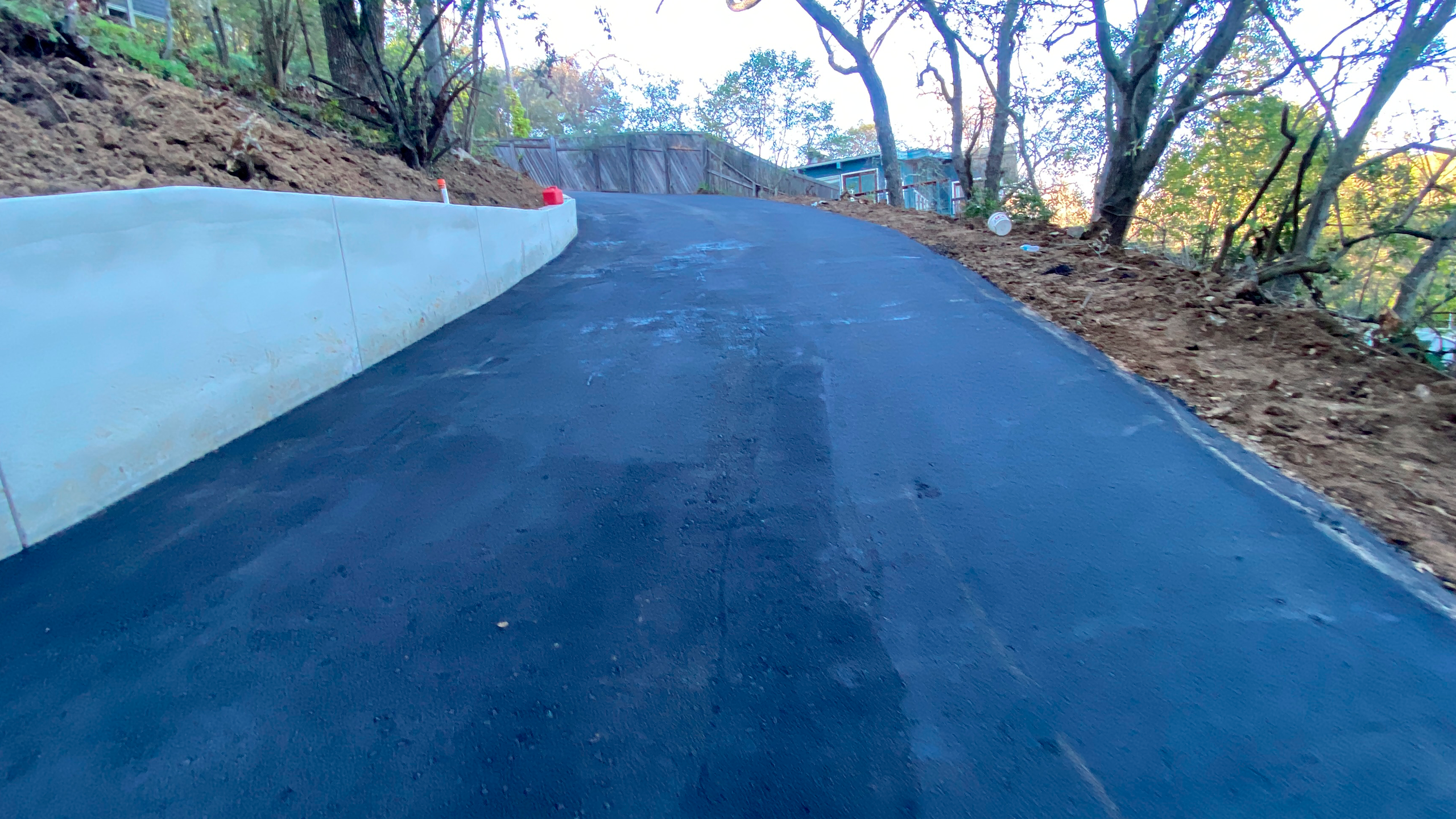
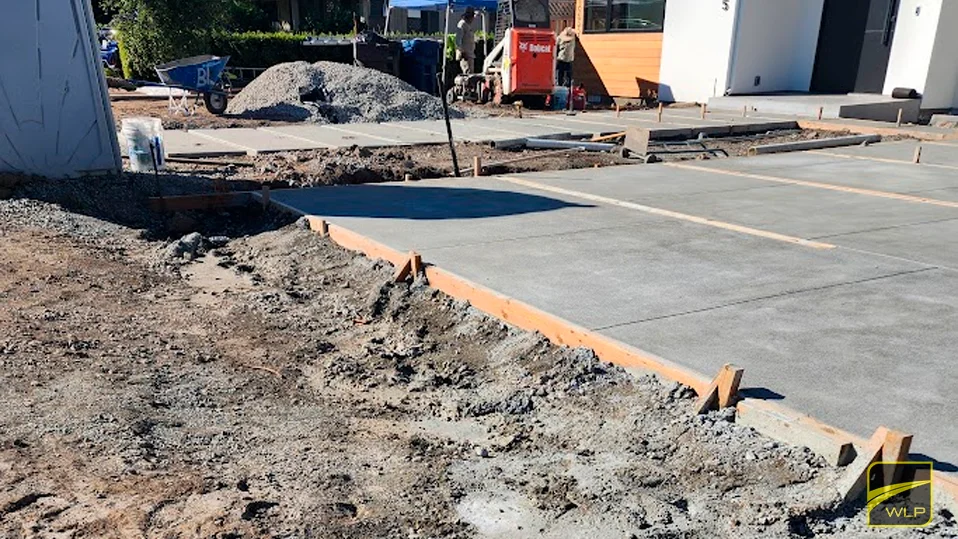
Pouring asphalt over an existing concrete surface is indeed possible and can be a cost-effective and efficient solution for many property owners. However, certain conditions and considerations must be met to ensure a successful and durable outcome.

1. Structural Integrity

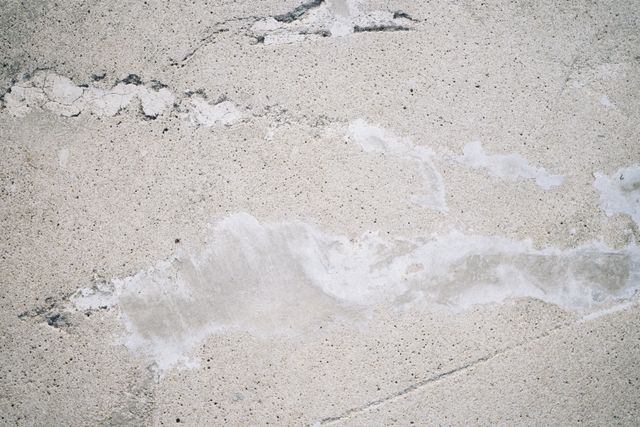
The underlying concrete must be in good condition. If the concrete is significantly cracked, uneven, or unstable, these issues can transfer to the new asphalt layer, leading to premature failure. Inspecting and repairing any major defects in the concrete before overlaying with asphalt is crucial.

2. Proper Preparation

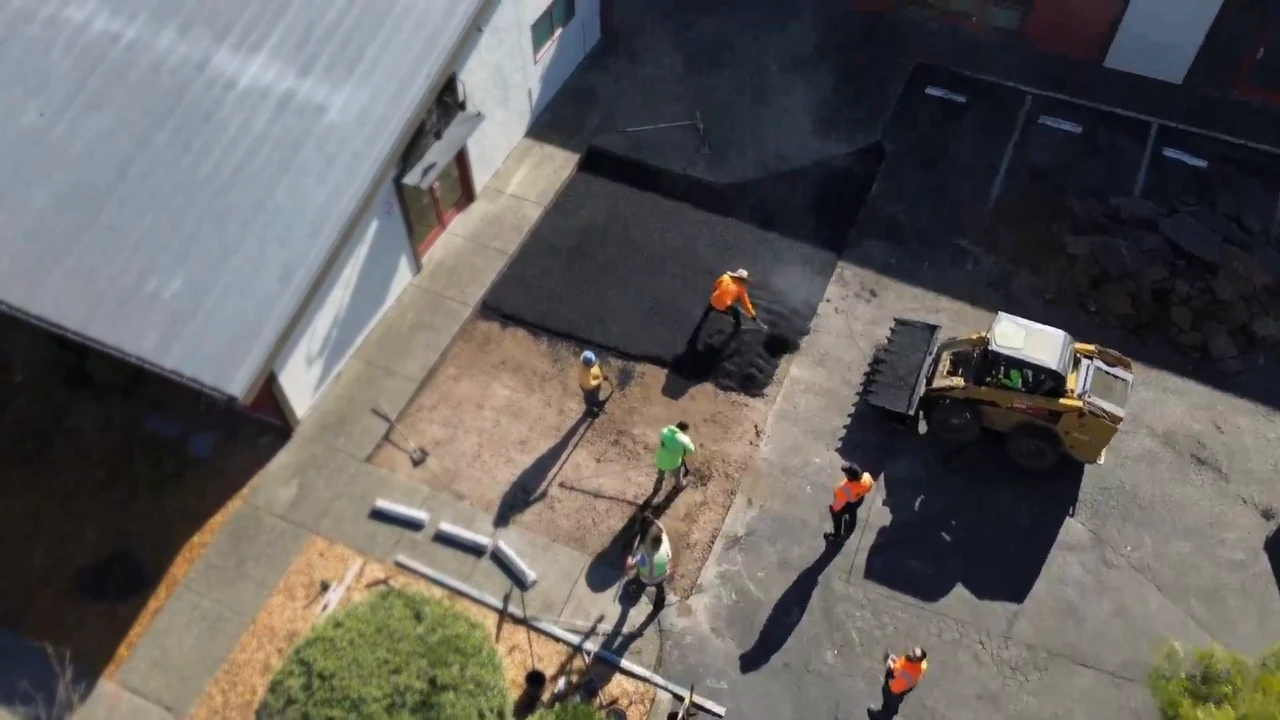
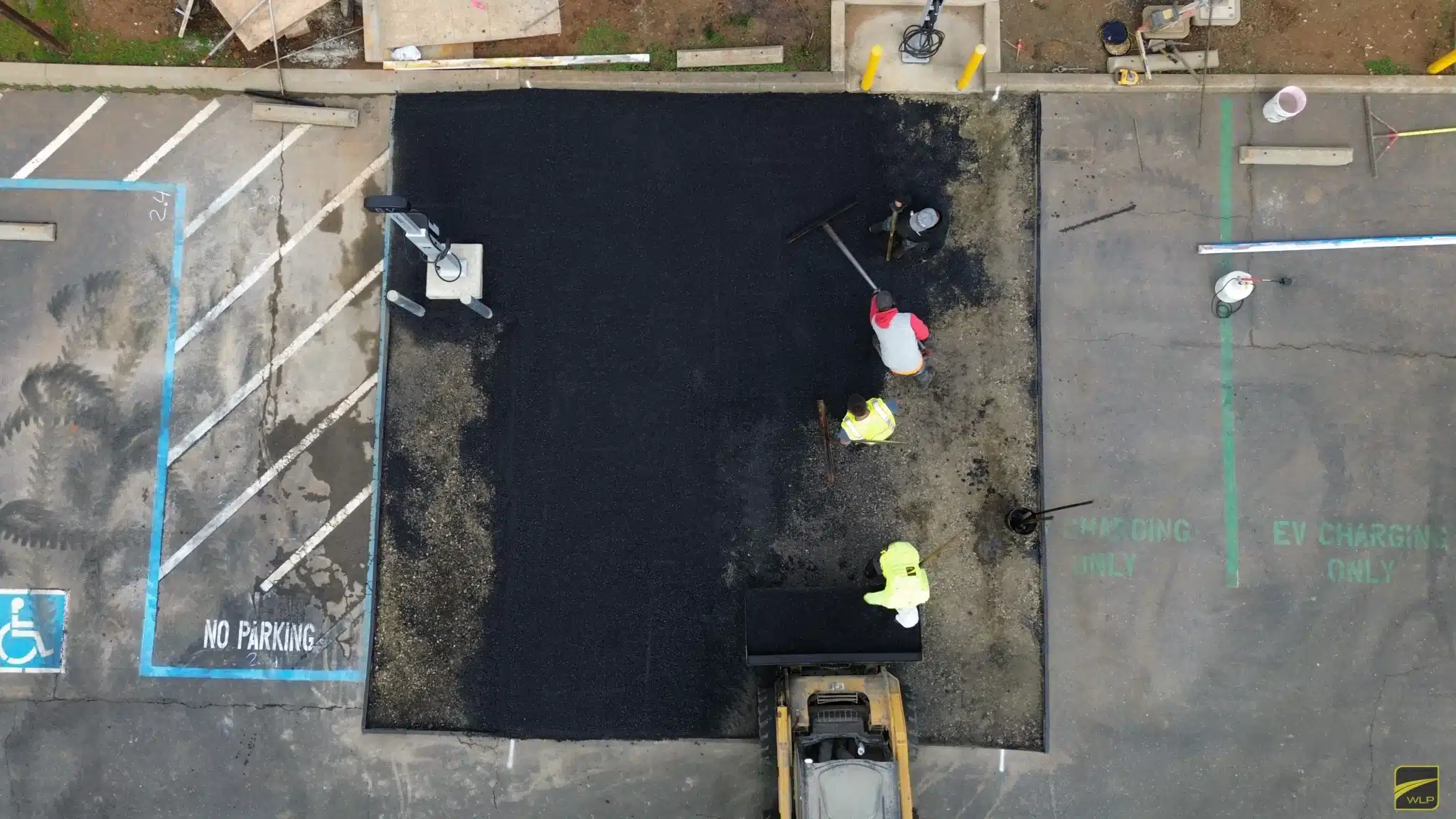
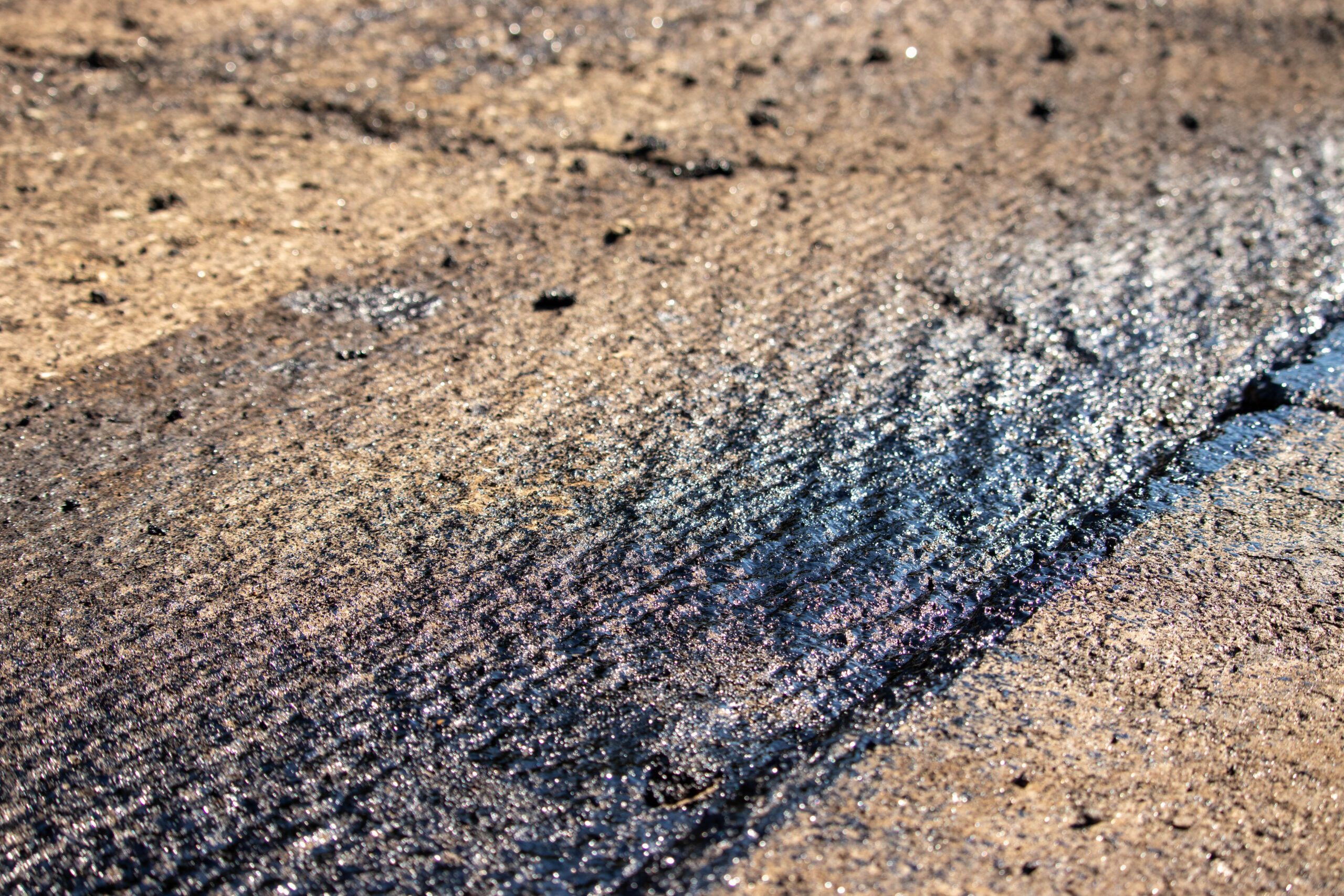
Proper surface preparation is key to a successful asphalt overlay. This includes cleaning the concrete surface, addressing any surface defects, and applying a tack coat to ensure proper adhesion between the concrete and the new asphalt layer.

3. Expansion Joints

Concrete surfaces typically have expansion joints to accommodate temperature-induced expansion and contraction. These joints can cause reflective cracking in the asphalt overlay if not properly managed. Installing a reinforcing grid or using a thicker asphalt layer can help mitigate this issue.

Benefits of Asphalt Over Concrete

Overlaying asphalt on concrete offers several benefits, particularly in a city like San Francisco, where climate and urban density present unique challenges.

1. Cost-Effectiveness

Pouring asphalt over existing concrete is generally more cost-effective than removing the old concrete and installing a new asphalt surface from scratch. This approach saves on labor, materials, and disposal costs.

2. Improved Aesthetics and Performance

Asphalt can provide a smoother and more uniform surface compared to aged and weathered concrete. It also offers better traction and can be easily resurfaced or repaired over time.

3. Faster Installation

Since the existing concrete serves as a stable base, the installation process for an asphalt overlay is typically quicker and less disruptive than a full reconstruction.

Challenges and Considerations in San Francisco

San Francisco’s unique climate and geographical features necessitate special considerations when overlaying asphalt on concrete.

1. Seismic Activity

San Francisco is located in an active seismic zone, which can impact the stability of both concrete and asphalt surfaces. Ensuring that the concrete base is structurally sound and reinforcing the asphalt overlay can help mitigate the risk of damage from seismic activity.

2. Temperature Fluctuations

While San Francisco enjoys a relatively mild climate, temperature fluctuations can still affect the performance of asphalt surfaces. Proper installation techniques and the use of high-quality materials can help ensure that the asphalt overlay withstands these conditions.

3. Drainage Considerations

Proper drainage is essential to prevent water from pooling on the surface and causing damage. The existing concrete surface should be assessed to ensure it has adequate drainage, and any necessary adjustments should be made before overlaying with asphalt.

Best Practices for Asphalt Overlays in San Francisco

To achieve the best results when pouring asphalt over concrete in San Francisco, consider the following best practices:

1. Thorough Inspection and Preparation

Conduct a thorough inspection of the existing concrete surface to identify any structural issues that need to be addressed. Properly clean and prepare the surface, and apply a tack coat to ensure good adhesion.

2. Use Quality Materials

Using high-quality asphalt and reinforcing materials can enhance the durability and longevity of the overlay. Consider using polymer-modified asphalt, which offers better performance and resistance to cracking.

3. Professional Installation

Hiring a professional paving contractor with experience in asphalt overlays and knowledge of local conditions can ensure a successful project. Professionals can provide the expertise and equipment needed to properly install the asphalt overlay and address any site-specific challenges.

4. Regular Maintenance

Even with a well-installed asphalt overlay, regular maintenance is essential to extend its lifespan. This includes periodic inspections, crack sealing, sealcoating, and addressing any drainage issues promptly.

Conclusion

Pouring asphalt over an existing concrete surface is a viable option for many property owners in San Francisco. While it offers numerous benefits, including cost savings and improved aesthetics, it also requires careful planning, proper preparation, and professional installation to ensure success. By understanding the unique challenges posed by San Francisco’s climate and geological conditions, property owners can make informed decisions and achieve a durable and long-lasting asphalt surface.

Need Immediate Help?

Let's Talk About Your Project

Don't wait until minor damage turns into major expenses. Our team of experts is ready to provide you with guaranteed solutions. Contact us now for direct advice from a professional.

Frequently Asked Questions (FAQ)

Got Questions? Find Your Answers Here!!

Can asphalt be installed over existing concrete?

Yes, asphalt can be installed over existing concrete if the slab maintains structural integrity, proper leveling, and stability. Concrete with structural cracks, pumping, or settlement transfers failure to the overlay. In commercial paving, pre-installation evaluations reduce early failures by up to 40% in poorly executed overlay projects.

How should concrete be prepared before installing asphalt on top?

Concrete must be mechanically cleaned, active cracks sealed, and a tack coat applied to ensure adhesion. Lack of priming reduces bonding strength by up to 50% according to ASTM testing. In parking lots, correcting uneven surfaces before overlay prevents water pooling and accelerated deterioration within less than two years.

Why do concrete joints affect new asphalt overlays?

Concrete joints create reflective cracking in asphalt due to concentrated thermal and structural movement. This issue typically appears between 6 and 18 months after installation. Using geotextiles or interlayers can delay crack propagation, but cannot completely eliminate the problem under standard traffic and environmental conditions.

What are the advantages of placing asphalt over concrete?

Placing asphalt over concrete reduces costs by 30% to 50% compared to full demolition and reconstruction while accelerating project timelines. The concrete acts as a rigid base, while asphalt improves ride quality. In commercial access areas, this approach minimizes operational disruption and simplifies future maintenance.

What factors determine the durability of asphalt over concrete?

Durability depends on the condition of the concrete base, proper drainage, and asphalt thickness design. Water infiltration and thermal cycling increase the risk of delamination. Polymer-modified asphalt mixes can extend service life by 20% to 35% under moderate traffic conditions when properly installed and maintained.

Professional customer review project by We Love Paving in Northern California, California. Verified local construction quality.

Fred / Founder

Fred, Founder and Regional Operations Manager at We Love Paving, comes from a family that values hard work and discipline. Growing up watching his parents work long hours with integrity and dedication, Fred learned early on that quality paving isn’t just about asphalt, it’s about consistency, accountability, and doing the job right.

Share

Posts That Might Interest You

Why Is Parking So Expensive for Property Owners?

May 15, 2026

Many commercial property owners underestimate how expensive parking areas become once maintenance, accessibility, and pavement deterioration start overlapping at the same time. At first, parking lot costs usually appear manageable. Small cracks, faded striping, drainage problems, or isolated surface wear may not seem urgent while the property continues operating normally. Over time, however, those smaller

ADA Compliant Checklist for Parking Lots

ADA Compliant Checklist for Parking Lots

May 15, 2026

Many commercial properties develop accessibility problems gradually without property owners realizing how much conditions have changed over time. Parking lots, sidewalks, ramps, and pedestrian access routes constantly experience wear from traffic movement, weather exposure, drainage shifts, and surface aging. Because these changes happen slowly, accessibility concerns are often overlooked until inspections, complaints, or liability risks

Biggest Mistakes Made by a Landlord With Parking Lots

Biggest Mistakes Made by a Landlord With Parking Lots

May 15, 2026

Many property owners focus heavily on tenant spaces, landscaping, and building appearance while overlooking one of the most heavily used parts of the property: the parking lot. The problem is that pavement deterioration rarely stays cosmetic for long. Small surface issues gradually begin affecting traffic flow, drainage behavior, pedestrian safety, tenant perception, and operational costs

Parking Lot Snow Removal and Winter Pavement Damage

Parking Lot Snow Removal and Winter Pavement Damage

May 15, 2026

Winter weather places commercial parking lots under far more stress than many property owners realize. Snow accumulation, freezing temperatures, ice formation, and repeated plowing activity gradually affect asphalt surfaces throughout the season. Even parking lots that appear stable during warmer months often begin developing new wear patterns once winter conditions repeatedly impact traffic areas, drainage

Next

Estimation Tools

Calculate costs in seconds

Fast, accurate estimates that help you close more jobs. Less guesswork, more profit.