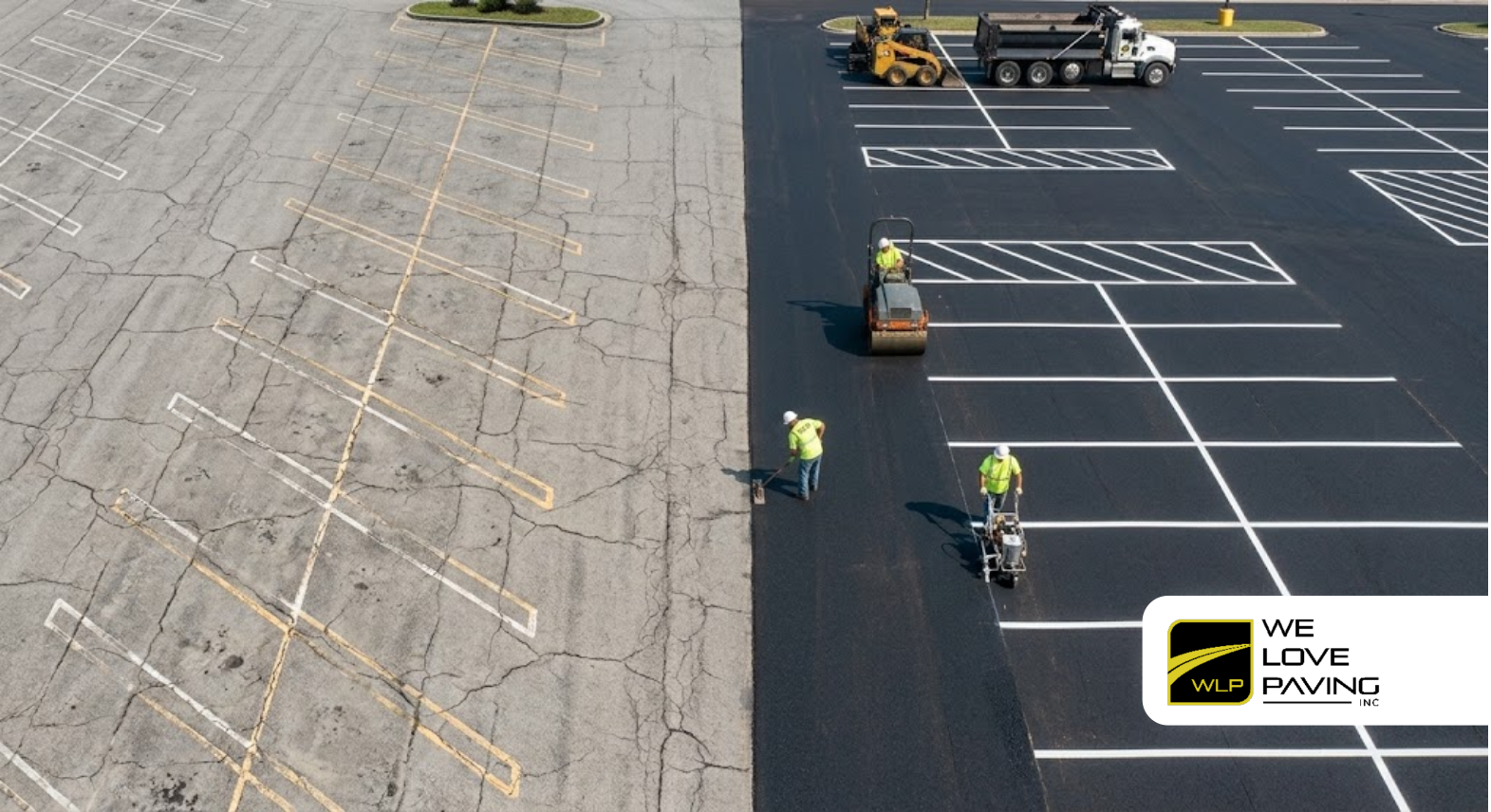
A commercial parking lot can look perfectly solid from the surface and still be headed toward premature failure. On the other hand, some pavements continue performing for years under heavy traffic despite showing minor cosmetic wear.
When people ask about the strongest in commercial paving, they often focus on the asphalt itself. In reality, long-lasting commercial pavement is the result of a system working together: the foundation, drainage, traffic patterns, design decisions, and maintenance timing all influence how much stress the surface can withstand.
For property owners, facility managers, and business operators, understanding what actually creates pavement strength can lead to better long-term decisions and fewer surprises in maintenance budgets.
Strength Starts Below the Surface
The strongest commercial pavement is rarely defined by what drivers see.
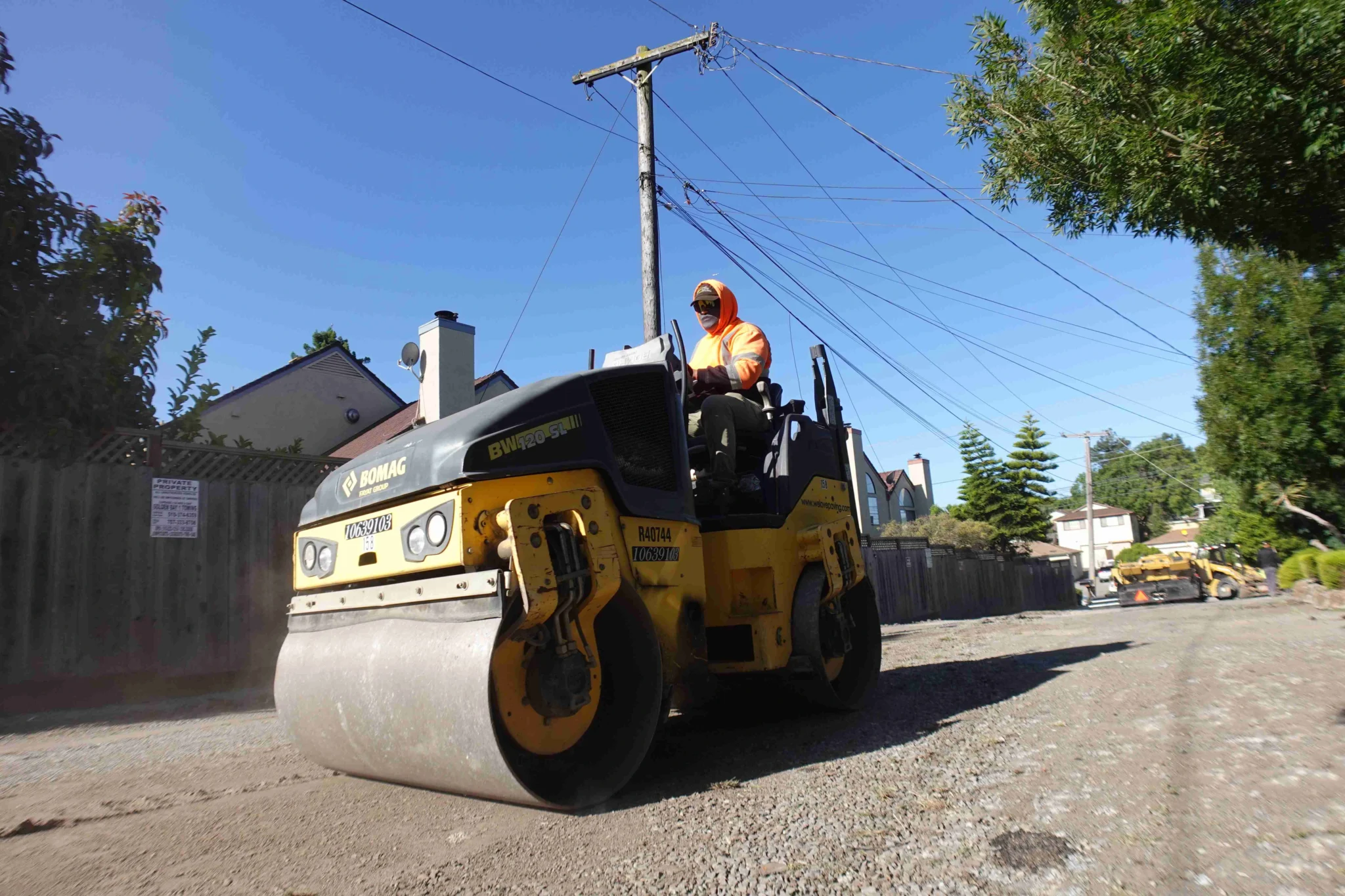
A parking lot carrying delivery trucks, service vehicles, and daily customer traffic depends heavily on the stability of the layers beneath the asphalt. When the supporting structure is weak, the surface begins revealing clues long before complete failure occurs.
Field crews often notice:
- Tire depressions developing near loading zones.
- Cracks forming repeatedly in previously repaired sections.
- Pavement edges breaking away where support has weakened.
- Low areas holding water after storms even though the surrounding surface appears intact.
These visible conditions frequently point to structural issues below the pavement rather than problems with the asphalt surface alone.
Traffic Type Matters More Than Traffic Volume
Many commercial properties assume that heavier traffic automatically requires thicker pavement. While volume is important, the type of traffic often has a greater impact.
A retail center may accommodate hundreds of passenger vehicles each day with relatively limited structural stress. Meanwhile, a smaller facility with regular box trucks, garbage trucks, or delivery fleets may experience concentrated loading that accelerates wear.
The table below illustrates how pavement stress varies based on vehicle use. For example, planning decisions made during an office park resurfacing project may focus on preserving appearance and daily usability, while industrial properties often prioritize load-bearing performance.
| Property Use | Typical Stress Pattern | Pavement Concern |
|---|---|---|
| Retail Centers | Distributed passenger traffic | Surface wear |
| Office Parks | Predictable traffic flow | Aging and oxidation |
| Industrial Facilities | Heavy vehicle loading | Structural fatigue |
| Distribution Sites | Repeated turning movements | Rutting and deformation |
| Healthcare Facilities | Constant access requirements | Surface stability and reliability |
This is one reason why pavement systems designed for industrial use often differ significantly from those serving office or retail properties.
The Hidden Role of Water
Water remains one of the most common contributors to commercial pavement deterioration. Properties reviewing broader maintenance priorities often benefit from understanding common pavement warning signs before larger failures develop.
The strongest pavement structures are designed to move water away from critical areas before it can weaken supporting materials.
During site evaluations, crews frequently identify warning signs such as water collecting near catch basins, damp areas that remain long after rainfall, or isolated depressions forming along driving lanes. These conditions can indicate that moisture is reaching underlying layers and reducing their ability to support loads.
Because deterioration often begins gradually, property managers who recognize these patterns early typically have more repair options available than those who wait until severe damage becomes visible.
Strength Requires Adaptation to Property Changes
Parking lots originally designed decades ago may now support different vehicle types, increased occupancy, ride-share traffic, delivery services, or electric vehicle infrastructure.
These changes can alter stress patterns in ways that were never considered during original construction.Similarly, pedestrian circulation can affect durability. Damaged walkways sometimes direct foot traffic into unintended areas, making sidewalk repair part of a broader site-use strategy rather than an isolated maintenance task.
For example, adding charging stations may require modifications to traffic flow, utility access, and pavement design. In these situations, EV charging construction often involves evaluating how the existing pavement system will perform under new conditions.
What Strong Commercial Pavement Looks Like Over Time
The strongest paving systems rarely remain flawless. Instead, they age predictably.
Instead, they age predictably. Modern materials and paving technology can support durability, but even advanced solutions perform best when paired with appropriate design, drainage management, and maintenance scheduling.
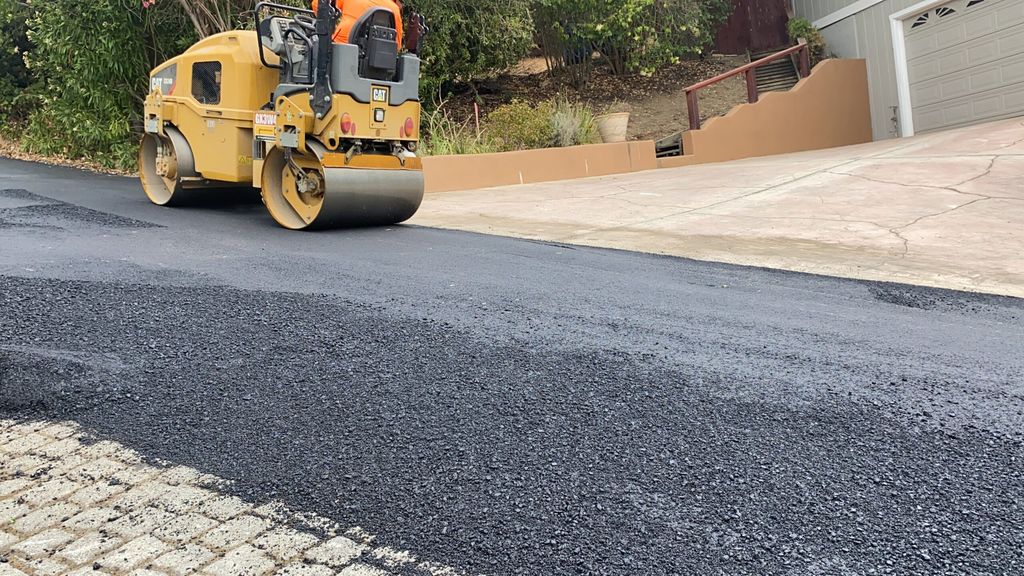
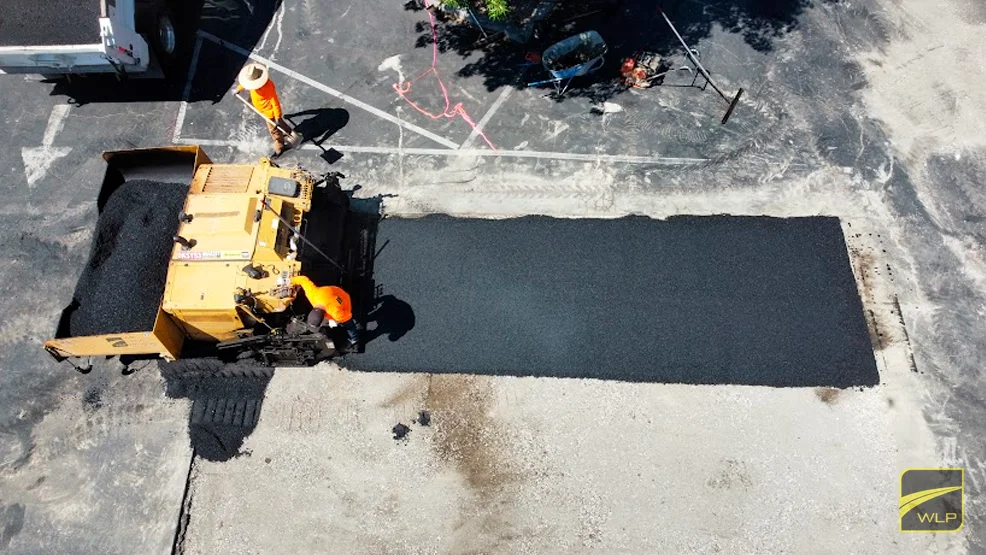
A useful example can be seen in projects such as this asphalt paving project, where long-term performance depends on construction quality and site-specific planning rather than surface appearance alone
Property managers often observe gradual surface wear without widespread structural movement. Minor maintenance activities remain effective because the pavement foundation continues performing as intended.
Looking Beyond Surface Appearance
When evaluating the strongest in commercial paving, the key question is not which pavement looks newest today. The more useful question is whether the pavement system can continue supporting the property’s operational demands years from now.
Commercial pavement strength comes from the interaction between structure, traffic, drainage, and maintenance decisions. A surface that appears ordinary may outperform a newer-looking lot if the underlying system remains stable and properly supported.
At We Love Paving, site evaluations often focus on how pavement is functioning within the property’s daily operations—not simply how it looks. Understanding those usage patterns helps owners plan maintenance, upgrades, and future investments with a clearer picture of long-term performance.