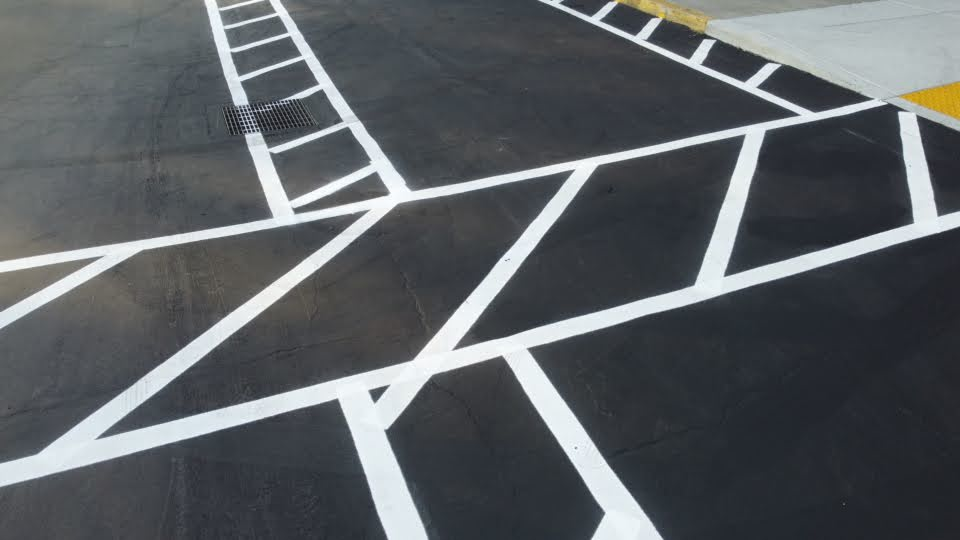
Understanding the Cost of Asphalt Paving: A Guide to Project Complexity and Material Pricing

We Love Paving services in Santa Clara. Professional paving contractor serving Santa Clara and East Bay areas.
Estimation Tools

Calculate costs in seconds

Fast, accurate estimates that help you close more jobs. Less guesswork, more profit.

When planning an asphalt paving project, one of the most challenging aspects is the cost per square foot. Unlike other straightforward purchases, the price of asphalt paving can fluctuate significantly based on various factors. These include the complexity of the project, the quality of materials, and the ever-changing prices of asphalt itself. Let’s investigate these factors to understand why a single price point is elusive.

Site Preparation and Size

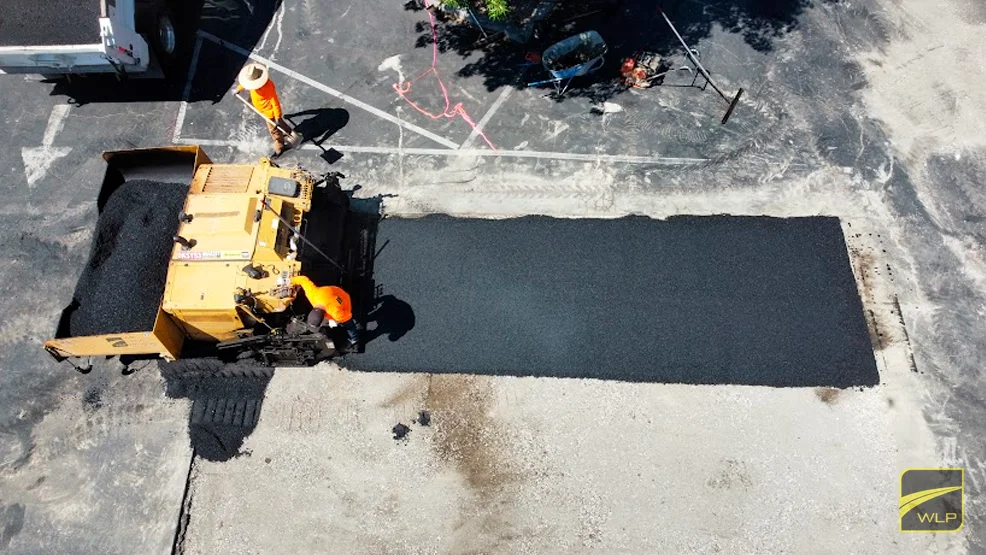
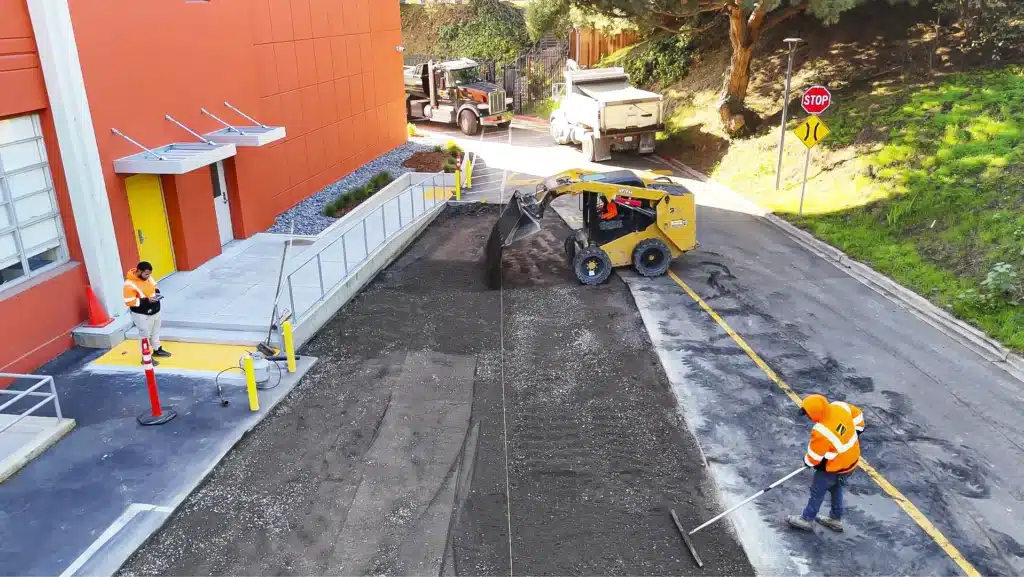
The complexity of an asphalt paving project often starts with site preparation. The size of the area to be paved, the existing conditions of the ground, and the amount of grading and leveling required can all impact the cost. Larger projects generally benefit from economies of scale, reducing the cost per square foot, whereas smaller projects may have higher per-unit costs due to fixed expenses.

Obstructions and Access

The presence of obstacles such as trees, utility lines, and existing structures can increase the labor and equipment needed. Additionally, ease of access to the site plays a crucial role. Projects in easily accessible areas will generally be less expensive than those requiring specialized machinery to reach difficult or remote locations.

Drainage and Base Layers:

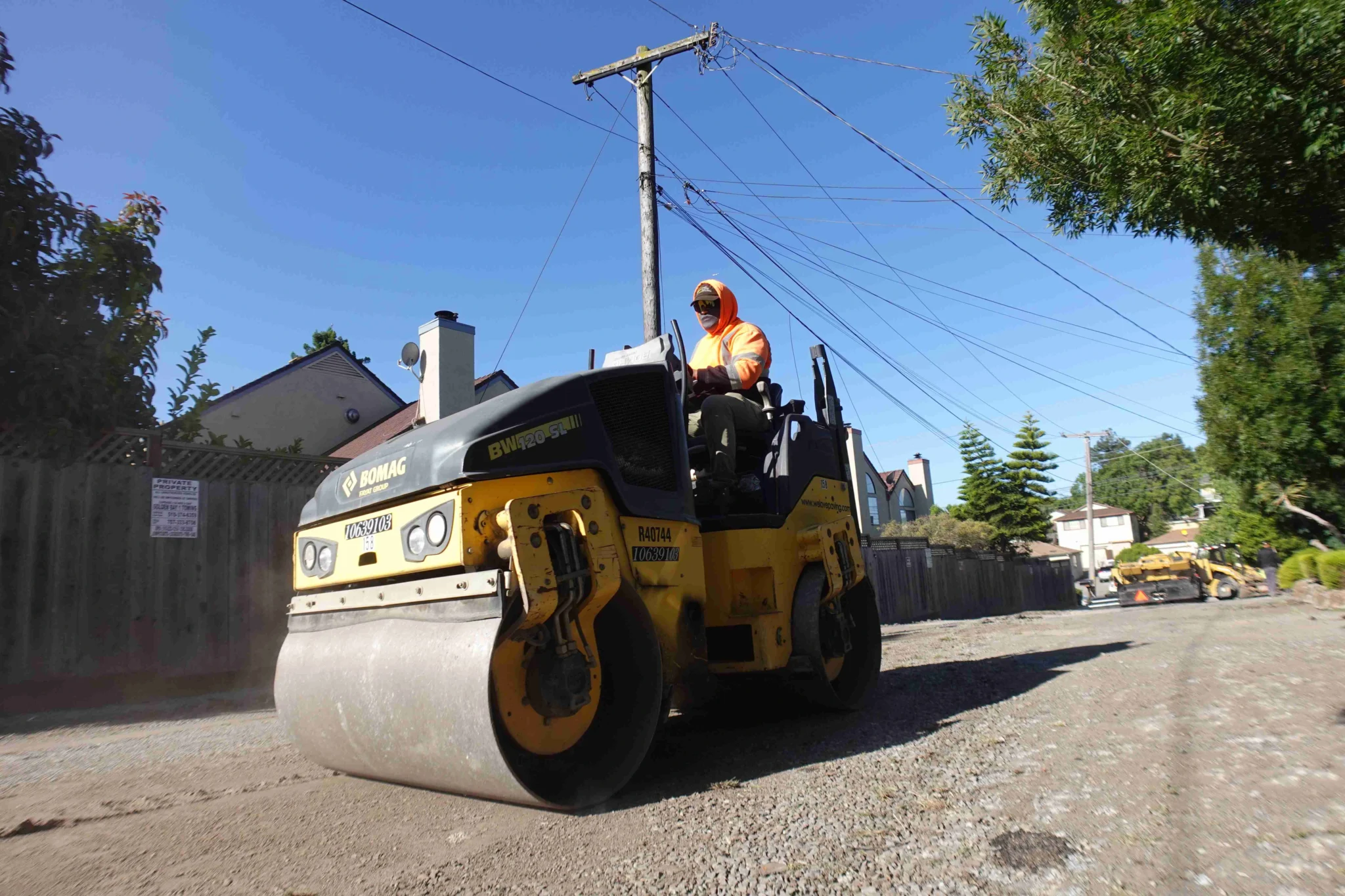
Proper drainage is crucial for the longevity of an asphalt surface. Designing and installing adequate drainage systems can add to the complexity and cost of the project. Similarly, the base layers beneath the asphalt must be stable and well-prepared. The soil type and the need for additional materials like gravel or sand to create a solid foundation can significantly influence pricing.

Asphalt Type

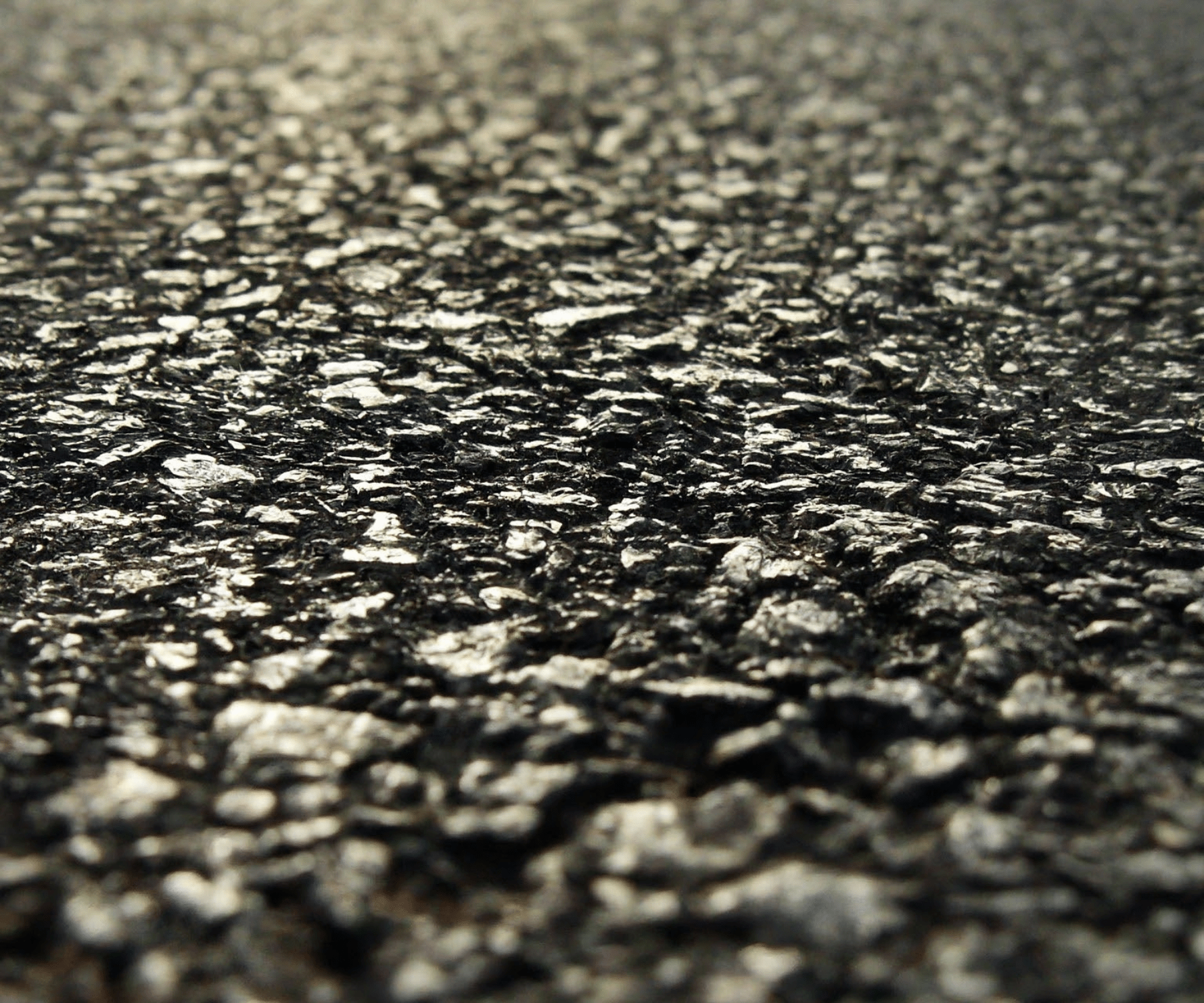
Not all asphalt is created equal. There are different grades and types of asphalt, each suited to various purposes and climates. Higher-quality asphalt mixes, designed for longevity and performance, will naturally come at a higher cost. Choosing the right type for your project can ensure better durability and performance, albeit at a premium price.

Thickness and Application

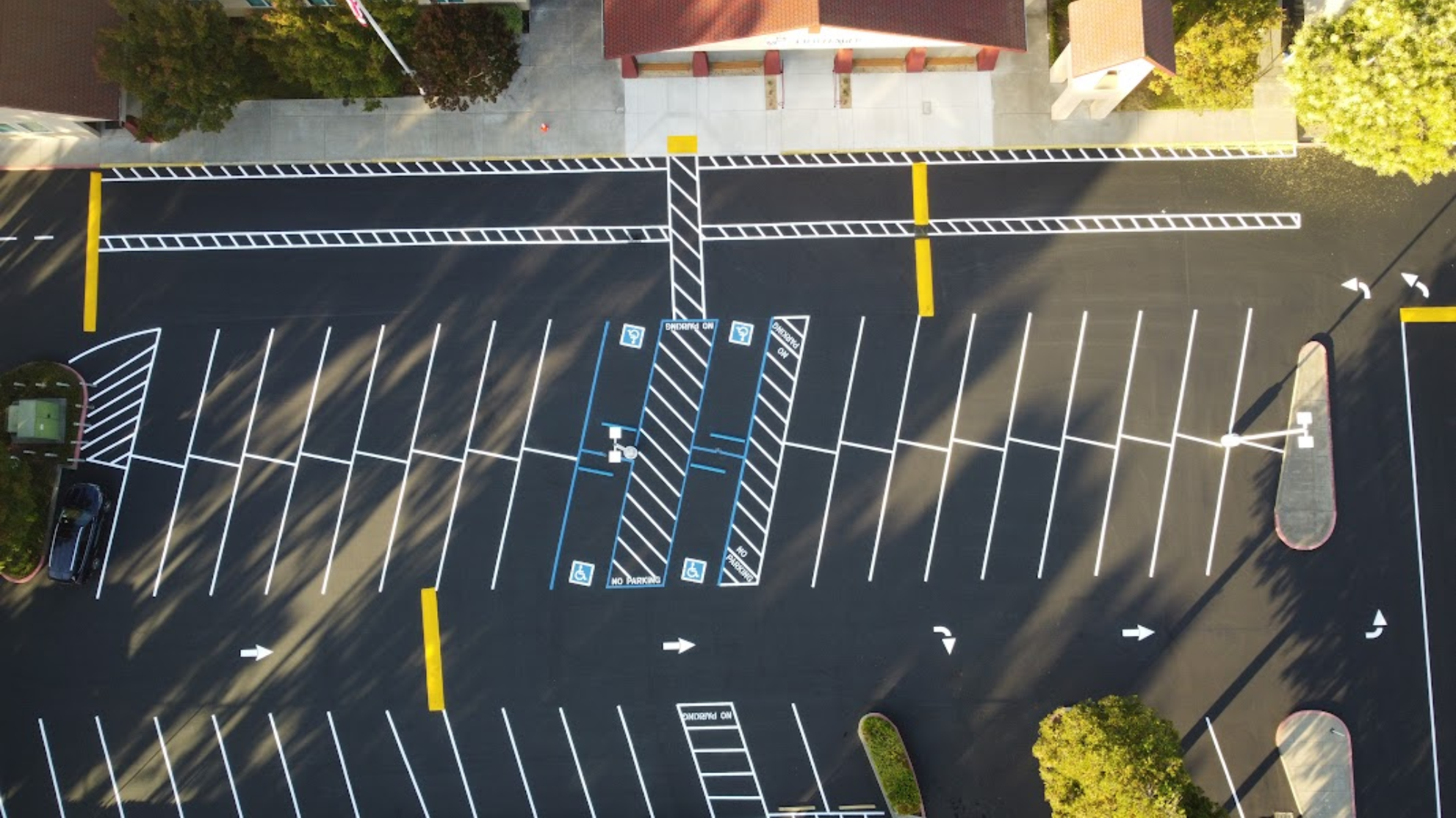
The required thickness of the asphalt layer also impacts the cost. Heavier traffic areas, such as commercial driveways and parking lots, require thicker asphalt layers to withstand the load, which increases the material cost. The application method, whether a single-layer or multi-layer process, also plays a role in determining the overall expense.

Asphalt and paving services demand is often seasonal, peaking during warmer months when construction activity is highest. This increased demand can lead to higher prices for both materials and labor. Planning projects during off-peak times may help mitigate some of these costs.

Factores Determinantes en el Costo del Asfalto

The cost per square foot for asphalt paving is influenced by numerous factors, making it challenging to provide a single, accurate figure without a detailed assessment of the project. Understanding the complexities involved, from site preparation and material quality to market variables, can help project planners budget more effectively and make informed decisions. Consulting with experienced paving professionals can provide valuable insights and more precise estimates tailored to the specific requirements of your project.

San Francisco University

Need Immediate Help?

Let's Talk About Your Project

Don't wait until minor damage turns into major expenses. Our team of experts is ready to provide you with guaranteed solutions. Contact us now for direct advice from a professional.

Frequently Asked Questions (FAQ)

Got Questions? Find Your Answers Here!!

What factors determine the cost per square foot for asphalt paving?

Asphalt paving costs in Santa Clara depend on site preparation, material grade, and project thickness. Accessibility and existing drainage systems significantly impact labor hours. Commercial parking lots typically require a four-inch base, increasing material volume compared to standard residential driveways, while complex site grading adds specialized equipment expenses for contractors.

Why do asphalt paving prices vary based on project size?

Paving prices fluctuate because material costs follow global crude markets and seasonal peak demand. In the East Bay, economies of scale reduce unit costs for large areas, whereas small residential repairs incur fixed mobilization fees for heavy machinery like pavers and rollers, resulting in higher square-foot pricing for homeowners.

How do drainage and base layers impact the total paving budget?

Stable base layers and professional drainage are essential for asphalt longevity, preventing cracks from soil expansion. Contractors typically install a six-to-eight-inch crushed rock sub-base to provide structural integrity. Proper grading ensures water runoff, preventing sub-base saturation, which is the primary cause of premature pavement failure and potholes.

What is the impact of asphalt thickness on the final investment?

Required thickness directly dictates material expenditures, as commercial entrances needing three or more inches use significantly more hot-mix asphalt than standard pathways. Thicker layers increase durability under heavy loads but require more cooling time and specialized compaction equipment, elevating the total labor investment and material overhead for project owners.

How should you choose the right asphalt type for the Santa Clara climate?

Selecting the correct asphalt grade involves balancing climatic performance with budget, as polymer-modified mixes offer superior durability at a premium price. In Santa Clara, choosing a mix tailored to local thermal swings ensures higher resistance to oxidation and rutting, providing a superior long-term return on investment for paving projects.

Professional customer review project by We Love Paving in Northern California, California. Verified local construction quality.

Fred / Founder

Fred, Founder and Regional Operations Manager at We Love Paving, comes from a family that values hard work and discipline. Growing up watching his parents work long hours with integrity and dedication, Fred learned early on that quality paving isn’t just about asphalt, it’s about consistency, accountability, and doing the job right.

Share

Posts That Might Interest You

The Cost of Asphalt Cutting Per Linear Foot: What to Expect

The Cost of Asphalt Cutting Per Linear Foot: What to Expect

May 28, 2026

When it comes to construction and repair projects, asphalt cutting is often a necessary task, whether for roadworks, driveways, or other paved surfaces. Understanding the cost involved in asphalt cutting per linear foot can help you budget more accurately for your project. This article will break down the factors affecting these costs and provide a

Parking Lot Maintenance Checklist by Season

Parking Lot Maintenance Checklist by Season

May 27, 2026

A checklist earns its place when it helps a manager make a decision later. For a Northern California retail center, that decision might come after the first winter storm, when water still sits along the curb near the front stalls. For an office property, it might come in late summer, when the exposed drive aisle

Does Asphalt Need to Be Sealed? Read the Surface Before You Decide

Does Asphalt Need to Be Sealed? Read the Surface Before You Decide

May 27, 2026

A parking lot can look ready for sealcoating from the sidewalk and still be a poor candidate up close. The color has faded. The asphalt has turned gray. The owner wants a cleaner surface before tenants complain or customers notice the lot looking tired. Then someone walks the drive aisle and finds a different story:

Pavement Asset Management for Property Managers

Pavement Asset Management for Property Managers

May 27, 2026

A parking lot budget usually becomes uncomfortable long before the asphalt fails completely. The entrance patch is still holding, but the edge is separating again. The back drive aisle looks rough, yet tenants rarely use it. The front visitor stalls are faded enough to draw complaints. A low area near the drain stayed wet after

Next

Estimation Tools

Calculate costs in seconds

Fast, accurate estimates that help you close more jobs. Less guesswork, more profit.