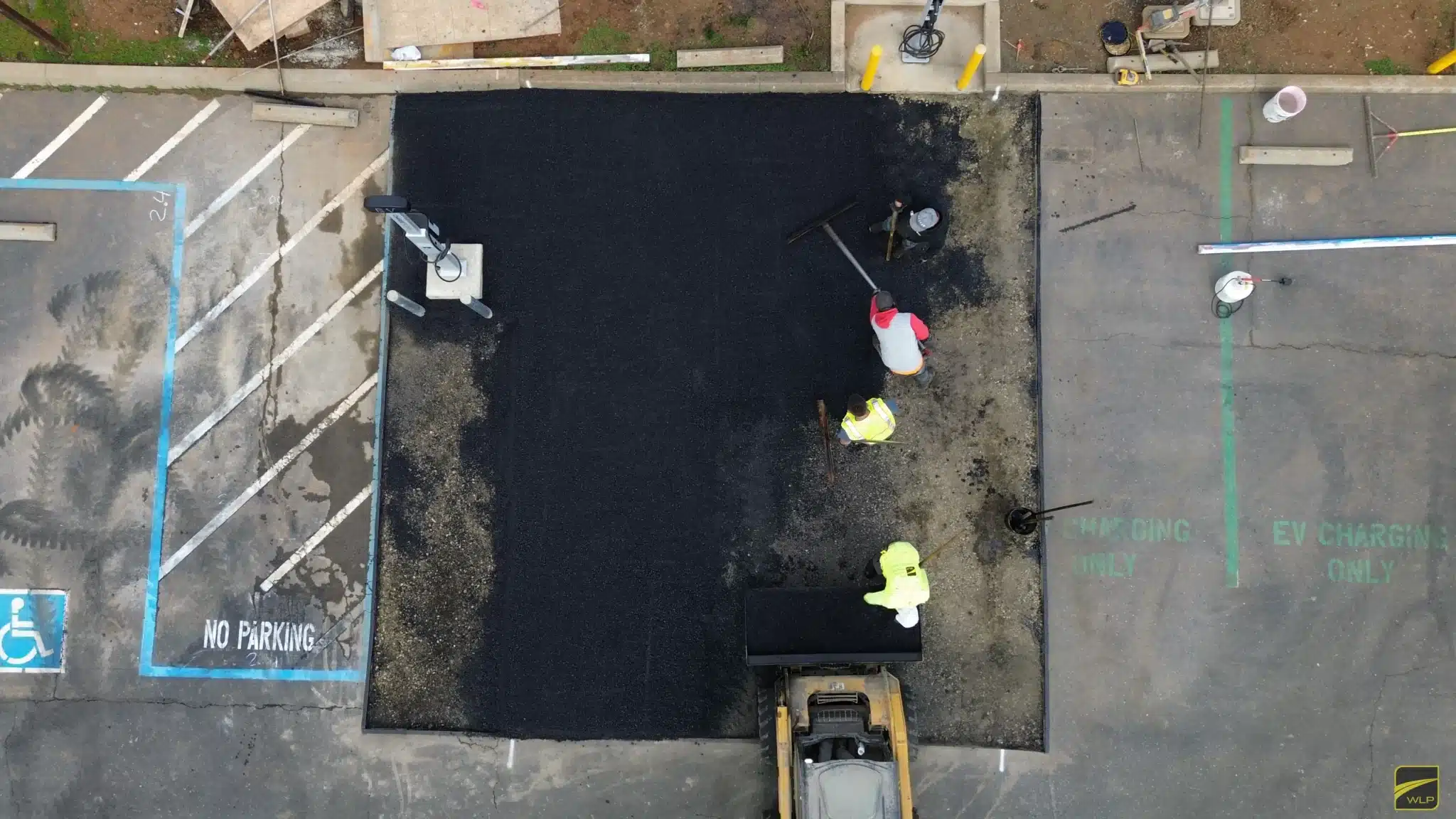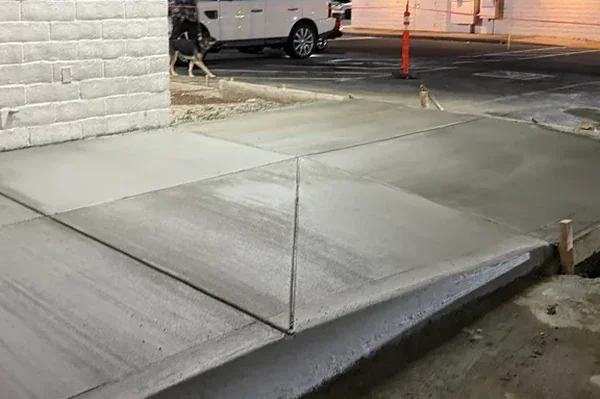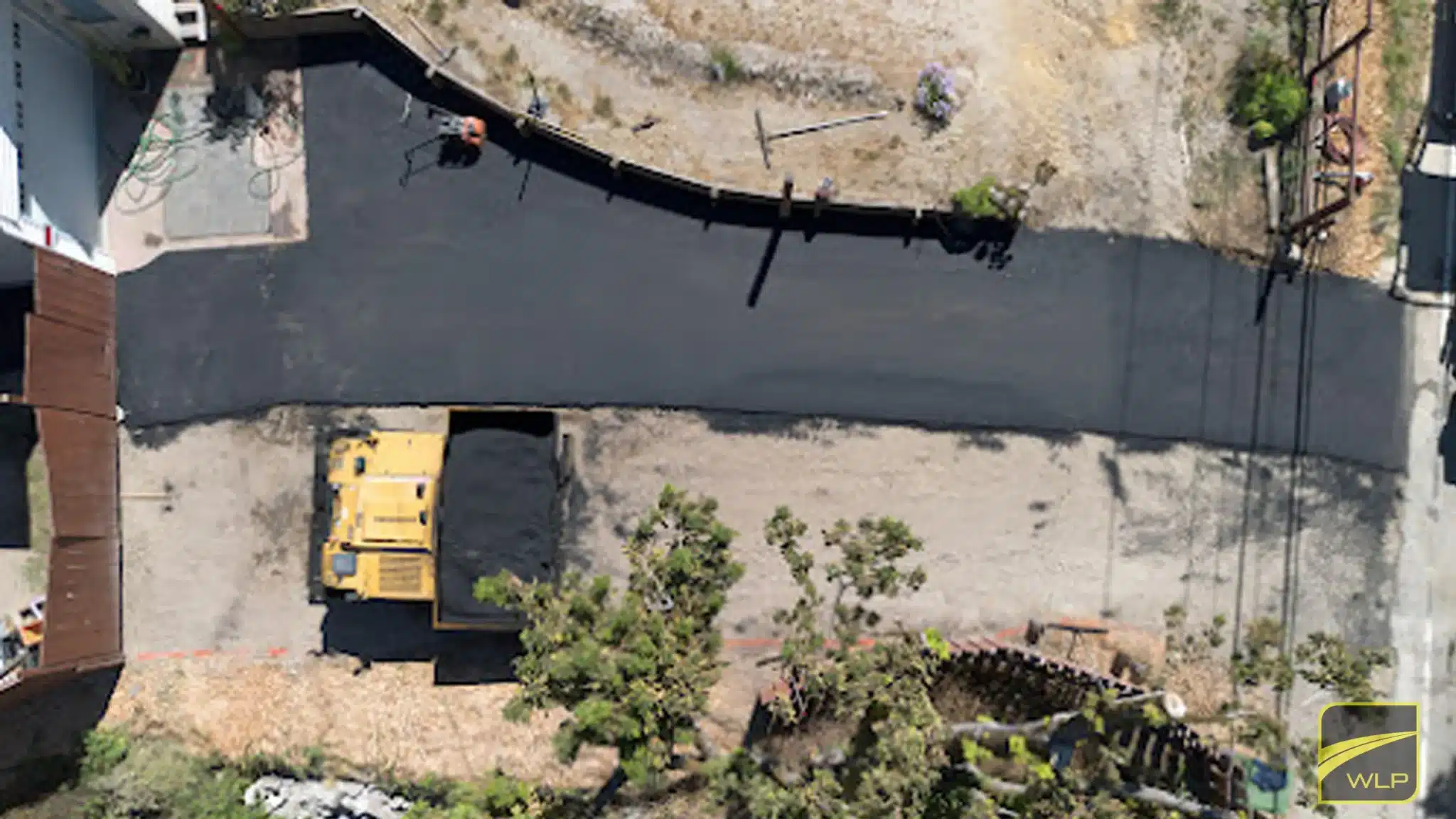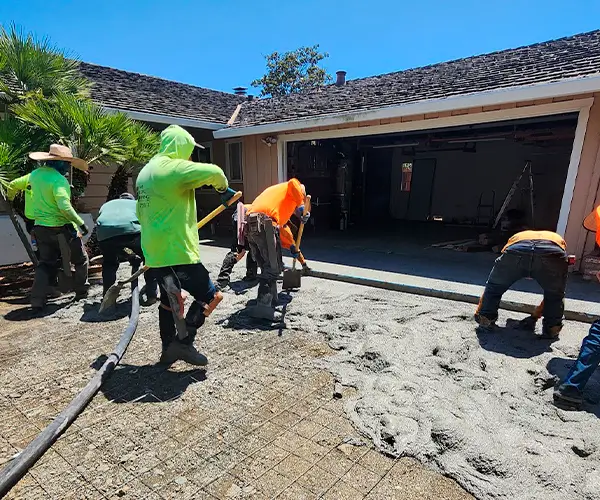
Selecting the best commercial paving company in California requires looking past surface-level marketing and evaluating objective engineering, legal, and operational benchmarks. Commercial pavements, unlike light residential driveways, endure continuous point loads from delivery fleets, garbage trucks, and daily customer traffic, making structural design and site drainage paramount to long-term asset value. Property managers, HOA board directors, and facility executives must ensure that any contracted partner possesses the formal state credentials, regional soil experience, and rigorous quality control protocols needed to deliver durable asphalt infrastructure.
A high-performing commercial contractor operates with systematic precision from preliminary site grading through final compaction. In California, meeting this tier of performance means mastering local climate variables, navigating strict state-mandated accessibility mandates, and applying mix designs capable of resisting premature deformation under heavy axle loads. This guide details the foundational criteria that define premier commercial paving contractors across the state, establishing a transparent framework to help commercial property owners protect capital investments and secure lasting pavement performance.
Active CSLB C-12 Licensing, Bonding, and Commercial Insurance
Legitimate commercial asphalt operations in California begin with active, verified licensing under the Contractors State License Board (CSLB), specifically the specialized Class C-12 Earthwork and Paving classification. While general building contractors or residential paving outfits frequently bid on commercial parcels, only a direct C-12 license guarantees that the contractor has been formally examined and vetted for site excavation, aggregate base stabilization, and hot-mix asphalt installation. Partnering directly with a properly licensed California asphalt paving contractor eliminates broker markups, establishes direct chain-of-command accountability on the job site, and guarantees that work complies with state labor and safety mandates.
Beyond the trade classification, comprehensive risk protection requires verified surety bonding and robust commercial insurance coverage. A qualified commercial contractor maintains an active contractor’s bond on file with the CSLB alongside substantial commercial general liability insurance, typically carrying minimum limits of $1,000,000 per occurrence and $2,000,000 general aggregate. Equally vital is full statutory workers’ compensation coverage for all on-site personnel; utilizing unlicensed sub-crews or uninsured day labor exposes commercial property owners and HOAs to severe financial liability, potential liens against the real property, and severe state administrative penalties.
Validating these credentials through the public CSLB registry before executing contracts ensures that your project remains fully protected from inception to completion. Reliable commercial paving companies maintain clear, unblemished records, present certificates of insurance naming the property owner as an additional insured without delay, and carry explicit bond protections that guarantee performance. This administrative transparency serves as the primary barrier preventing unqualified operators from endangering capital improvement budgets.
Code Compliance and California ADA / Title 24 Precision
Commercial parking lots in California face some of the nation’s most exacting regulatory frameworks regarding pedestrian access, grading tolerances, and parking configurations. The California Building Code (CBC) Chapter 11B, harmonized with Title 24 accessibility standards, mandates precise slope restrictions across all designated accessible parking stalls and path-of-travel routes. In accessible parking spaces and adjoining access aisles, the slope must not exceed 1:48 (about 2%) in any direction following final compaction, a threshold that demands laser-guided grading and meticulous screed management during asphalt placement.
Achieving this level of precision requires a contractor who approaches paving through the lens of civil compliance rather than rough surfacing. Minor surface settling, inaccurate subgrade prep, or careless rolling can quickly turn an intended 1.8% drainage slope into a non-compliant 2.3% cross-slope, exposing the commercial facility to costly civil lawsuits, code citations, and mandatory tear-outs. The best commercial paving companies conduct thorough pre-paving transit surveys, benchmark control points, and verify final slopes with digital smart levels across all disabled parking bays, ramp transitions, and pedestrian walkways prior to marking and striping.
Furthermore, integrating accessibility standards requires an understanding of municipal permitting processes and path-of-travel interconnectivity. Reliable commercial contractors work closely with certified access specialists (CASp) and city inspectors to guarantee that ramps, curb cuts, truncated domes, and signage seamlessly integrate with the newly surfaced asphalt. Executing pavement restoration that meets both structural engineering criteria and strict Title 24 parameters shields commercial enterprises from legal vulnerability while providing safe, unrestricted access for all patrons and visitors.
Engineered Specifications: Subbase, HMA Mix Design, and Compaction
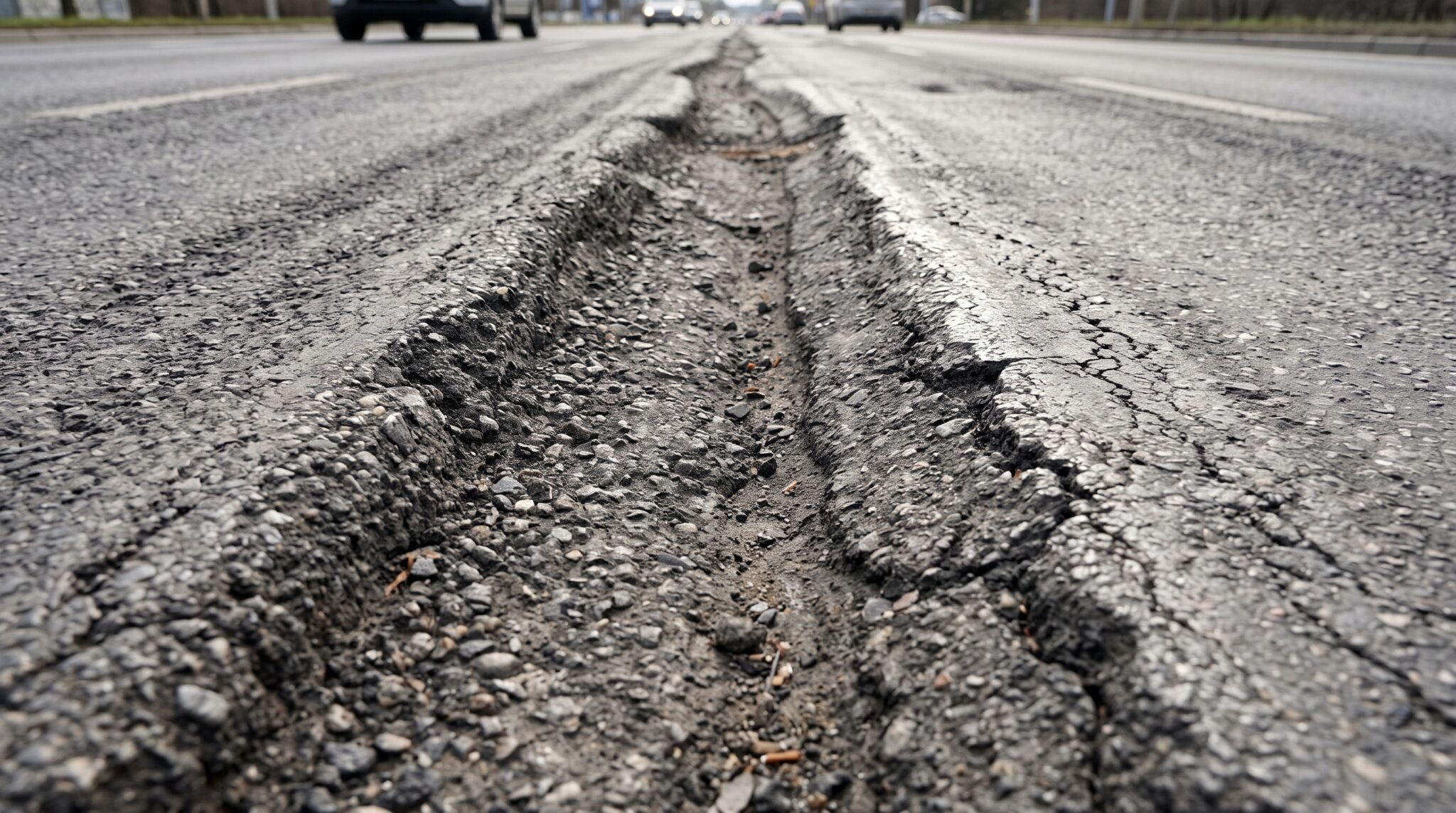
The structural longevity of any commercial asphalt surface is determined beneath the visible blacktop. Premier commercial paving operations adhere to stringent civil engineering principles, starting with the installation and stabilization of high-grade subbase material. Utilizing crushed Class 2 aggregate base, compacted rigorously to 95% relative density per ASTM D1557 specifications, provides the fundamental load-bearing platform necessary to distribute intense axle pressures without shearing. Skipping soil analysis or cutting corners on subbase thickness directly leads to premature base failures, deep rutting, and classic alligator fatigue cracking across heavily traveled lanes.
Above the stabilized subbase, the selection of the Hot Mix Asphalt (HMA) mix design must align precisely with the property’s anticipated traffic index and vehicle classifications. A reputable commercial contractor specifies professional-grade aggregate blends, incorporating clean, fractured aggregates and polymer-modified performance-graded (PG) asphalt binders engineered to resist regional temperature swings. Implementing appropriate lift thicknesses, differentiating between dense structural base courses and refined engineered asphalt paving surfaces, ensures that the finished mat maintains long-term elasticity without succumbing to surface shoving or environmental oxidation.
Final pavement durability relies on uncompromising field compaction metrics governed by Caltrans Section 39 and ASTM D2950 standards. Top-tier commercial crews deploy heavy, double-drum vibratory rollers and pneumatic-tire rollers beginning breakdown rolling while the mat is still between 275°F and 300°F and completing all compaction before it cools below roughly 175°F, to achieve in-place densities ranging between 92% to 96% of the theoretical maximum density. Verifying field compaction with non-destructive nuclear density gauges ensures air voids are suppressed below 8%, sealing the mat against moisture penetration and fulfilling the true structural standards for commercial paving.
Clear Written Warranties and Project Accountability
A commercial paving contractor’s willingness to stand behind their craftsmanship in writing is an unmistakable indicator of quality and operational integrity. Reputable commercial outfits provide comprehensive, transparent warranties unmistakable indicator of quality and operational integrity. Reputable commercial outfits provide comprehensive, transparent warranties that explicitly outline coverage parameters for structural integrity, surface raveling, base settling, and ponding water issues. Ambiguous, verbal promises or one-paragraph generic disclaimers have no place in institutional contracting; professional agreements detail warranty timelines, defined response windows for warranty evaluations, and exact remedial obligations in plain, unambiguous contractual language.
Distinguishing between workmanship guarantees and product manufacturer warranties is essential when evaluating contractor accountability. While asphalt refineries warrant the physical properties of the binder and raw aggregate supply, the commercial contractor must guarantee the actual installation, subbase compaction, seam fusion, and surface drainage execution. High-caliber contractors back their work with multi-year warranties that reflect their confidence in their crews, compaction methods, and engineering standards, establishing a binding accountability mechanism that safeguards property investments long after the heavy equipment departs.
In addition to written warranty documents, dedicated commercial partners supply comprehensive close-out packages upon project completion. These packages should include as-built grade documentation, aggregate delivery tickets confirming total material tonnage installed, mix design verification sheets from local batch plants, and tailored preventative maintenance recommendations. By establishing complete traceability and clear contractual recourse, premier contractors provide commercial clients with total transparency and long-term asset confidence.
Proven Commercial Track Record: Parking Lots, HOAs, and Industrial Facilities
Executing large-scale asphalt installations requires logistical capabilities and project management skills that simply do not exist in the residential paving sector. A premier commercial contractor brings a documented portfolio of successfully delivered commercial centers, multi-phase HOA developments, distribution hubs, and high-traffic retail parks. These complex environments present demanding operational constraints, including heavy vehicle loading docks, tight turnaround circles, high pedestrian density, and the requirement to keep tenants open and fully accessible throughout construction.
Phased execution and logistics management represent the hallmarks of seasoned commercial teams delivering commercial asphalt paving solutions. Rather than shutting down an entire facility, expert contractors engineer comprehensive traffic control plans, executing work in strategic sections with clear directional signage, temporary pedestrian walkways, and coordinated tenant notices. Managing night work or staged weekend mobilizations ensures asphalt is placed and compacted efficiently without crippling customer access or impeding commercial distribution schedules.
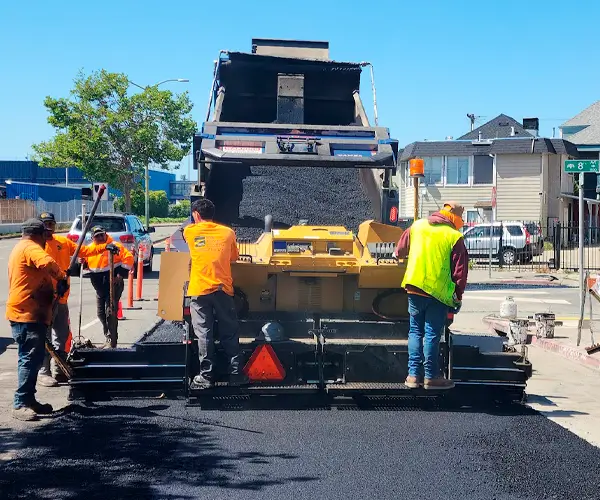
Furthermore, commercial experience is reflected in the equipment fleet and manpower deployed to the site. Top-tier contractors utilize high-capacity asphalt pavers equipped with electronic grade controls, automated screed extenders, and dual material transfer devices that ensure continuous, uninterrupted paving runs. Eliminating cold longitudinal seams through synchronized multiple-paver operations or hot-joint rolling techniques creates a continuous structural mat, dramatically reducing water infiltration points and preventing future raveling in demanding commercial corridors.
Local Responsibility and Engineering for Northern California and the Bay Area
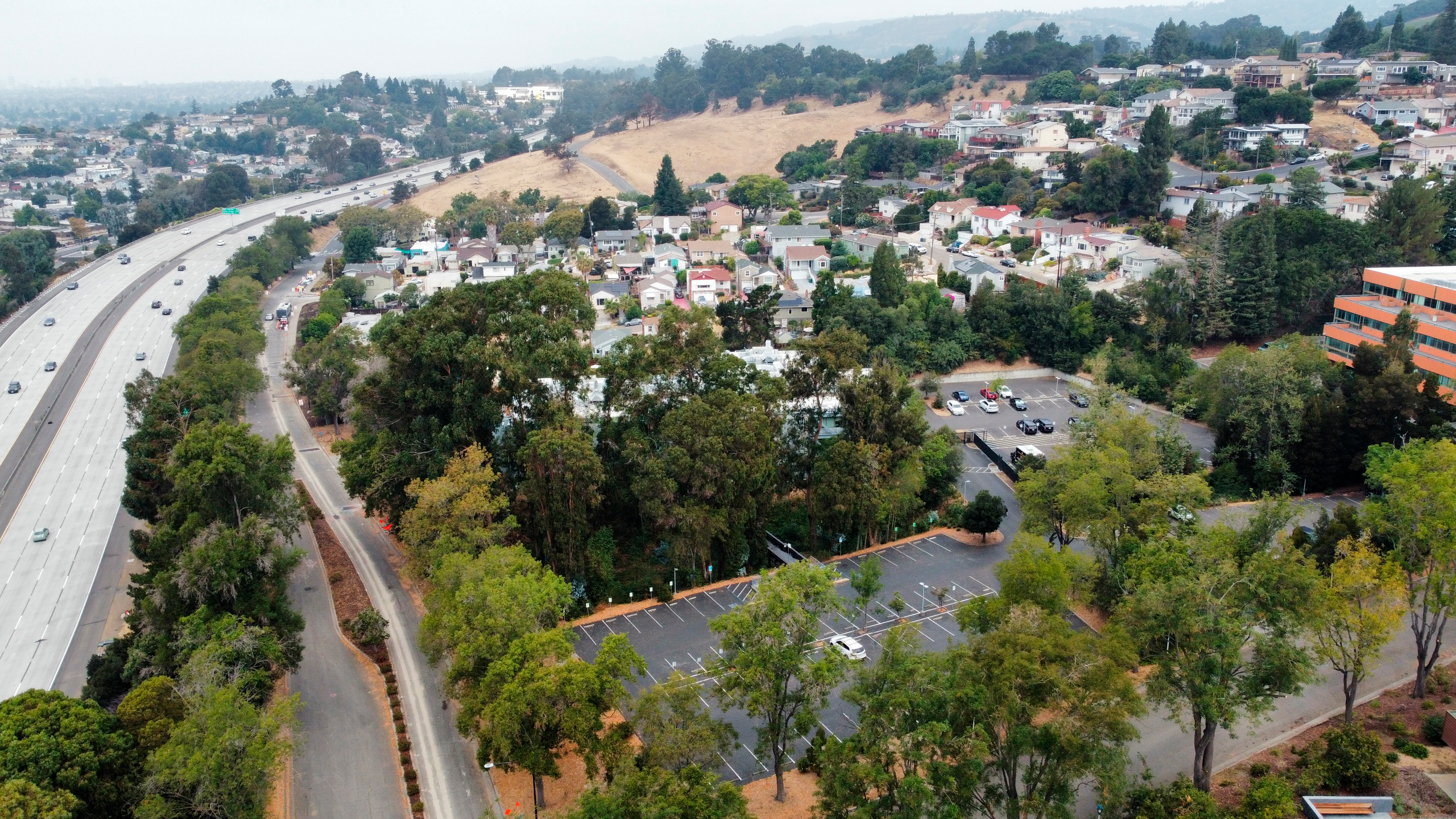
Pavement engineering is inherently localized, shaped by regional geotechnics, native soil classifications, and microclimatic environments. Across Northern California and the San Francisco Bay Area, commercial pavements regularly encounter highly expansive native clay subgrades that swell during wet winter periods and shrink during dry summer months. Top commercial contractors operating locally understand the critical need for subgrade lime or cement stabilization, moisture conditioning, and geogrid reinforcement layers to isolate the asphalt structure from seasonal subgrade movement and prevent premature reflective cracking.
Proximity to regional asphalt manufacturing facilities is another vital operational factor determining pavement longevity. Hot-mix asphalt must arrive at the job site at strictly controlled placement temperatures, typically between 285°F to 320°F depending on the binder grade. Established Bay Area commercial contractors maintain entrenched relationships with regional batch plants across Alameda, Santa Clara, Contra Costa, and surrounding counties. This local network ensures delivery trucks arrive in steady rotation without extended transport delays that cause temperature crusting, segregation, and sub-optimal density during placement.
Finally, selecting a locally headquartered commercial paving firm establishes long-term accountability and responsive ongoing support. Local contractors hold deep-rooted community reputations and possess direct working familiarity with local municipal public works departments and storm water pollution prevention plans (SWPPP). When seasonal preventative maintenance, slurry seal treatments, or warranty evaluations are required, a dedicated local organization responds swiftly with their own personnel and fleet, protecting your pavement infrastructure through every stage of its lifecycle.
Commercial Paving Contractor Scorecard
Check each standard your contractor can prove in writing. Score any company before you sign.
Evaluating commercial paving contractors against strict engineering benchmarks, CSLB Class C-12 licensing, and verified Title 24 compliance ensures your property’s pavement asset is built to endure decades of commercial loading. When your commercial development, retail complex, or HOA property demands comprehensive engineering and execution, partnering with a fully licensed and insured regional specialist protects your budget from expensive rework. We invite you to contact the engineering and project management team at We Love Paving to review your property’s specifications, assess site elevations, and secure a comprehensive, itemized proposal for your next commercial infrastructure project.