How Often Should You Re-Stripe Your Parking Lot (and Why It Matters)

Estimation Tools

Calculate costs in seconds

Fast, accurate estimates that help you close more jobs. Less guesswork, more profit.

By We Love Paving | California’s Trusted Striping & ADA Experts

When was the last time you looked — really looked — at your parking lot lines?

If your striping is faded, patchy, or barely visible… it’s not just a cosmetic issue. It’s a safety concern, a compliance risk, and a missed opportunity to make a great first impression.

At We Love Paving, we work with property owners, HOAs, and businesses across California to keep their lots looking sharp, safe, and fully up to code. Here’s what you need to know about re-striping — and why it’s more important than you might think.


🚘 Why Striping Isn’t Just Paint

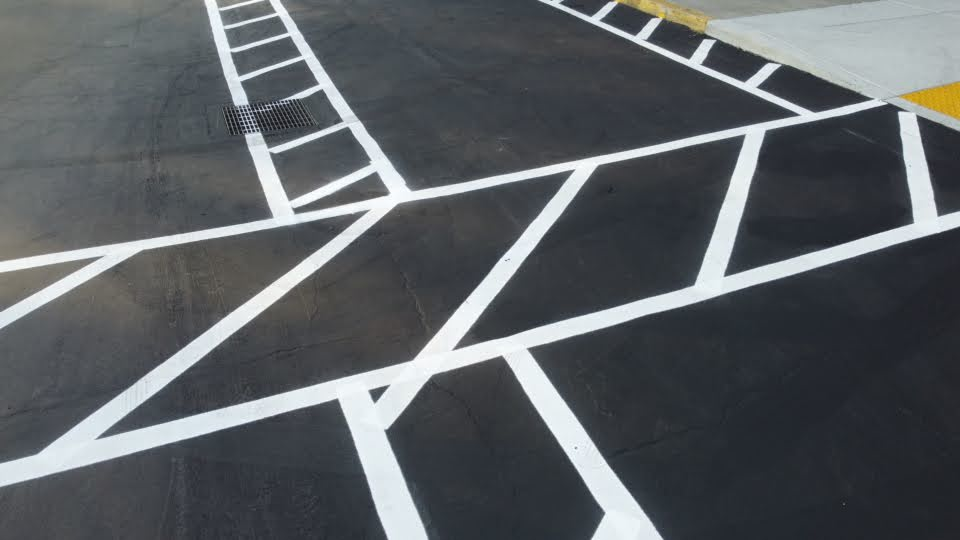
Striping is what organizes your lot — it directs traffic, keeps drivers safe, and provides proper access to pedestrians and people with disabilities.

When striping fades, it leads to:

  • Confusion in traffic flow

  • Improper parking or blocked aisles

  • ADA violations (especially if accessible stalls and access aisles aren’t clearly marked)

  • Increased liability in the event of an accident

Faded paint can open you up to complaints, fines, or even lawsuits. That’s why we say: clear lines = clear safety.


🧱 So, How Often Should You Re-Stripe?

While it depends on traffic, weather, and lot size — here’s a general guideline:

Type of Property Re-Striping Frequency
High-traffic commercial lots Every 12–18 months
Retail centers / shopping plazas Annually
Office or low-traffic lots Every 18–24 months
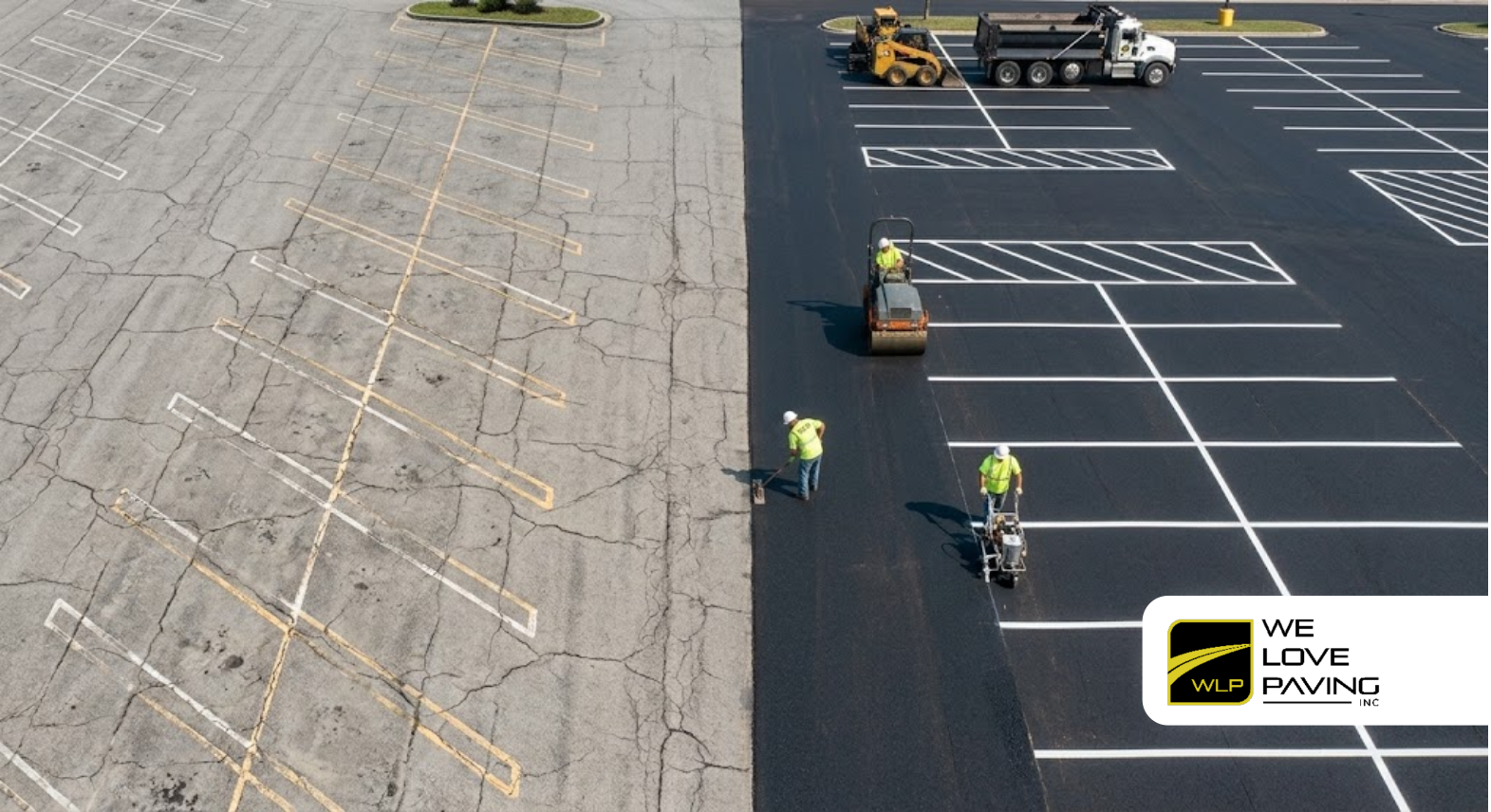
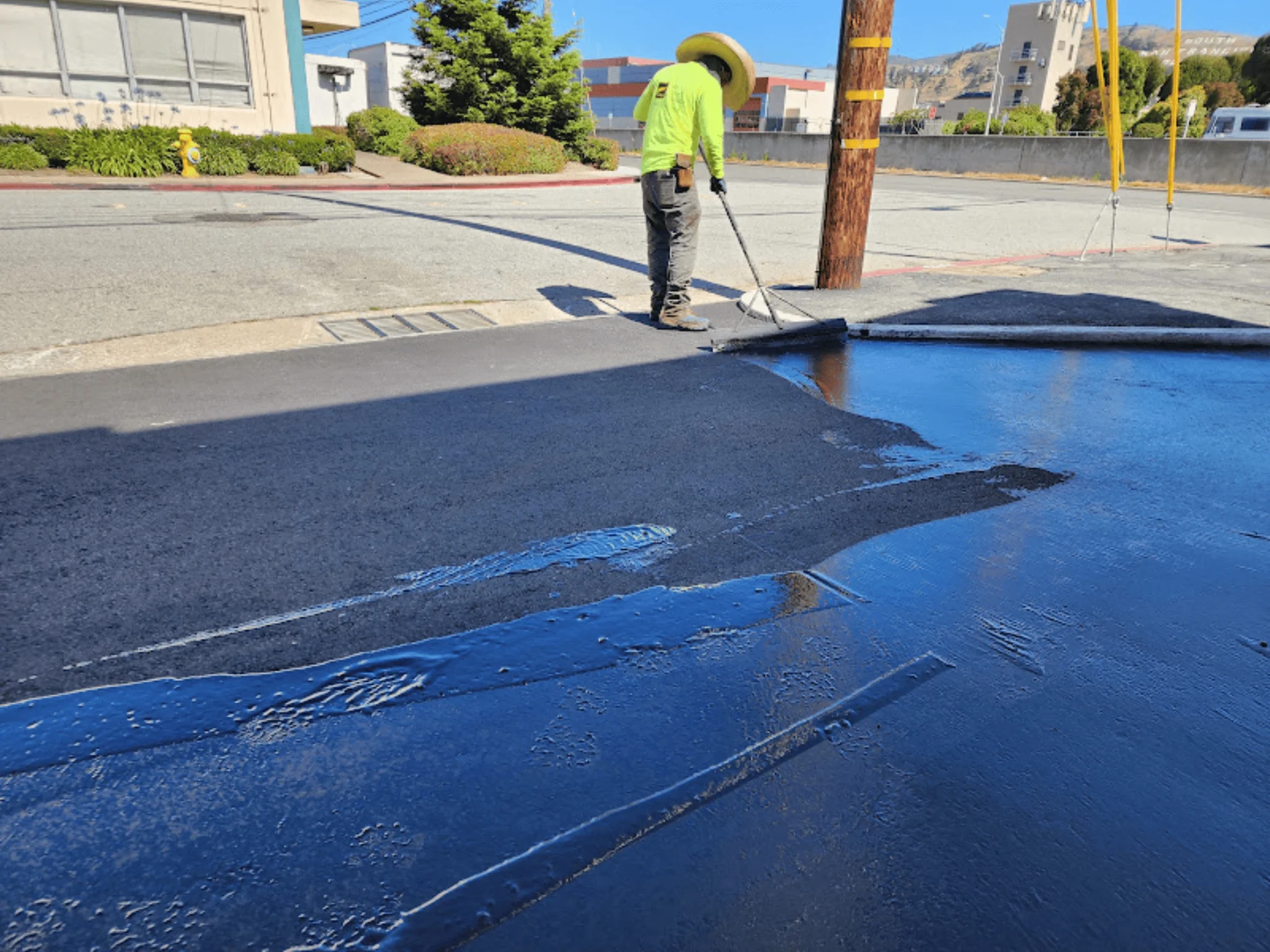
After seal coating or resurfacing Immediately
When lines are no longer clearly visible ASAP

🛠️ Signs It’s Time to Re-Stripe Now

  • Lines are visibly faded or missing

  • ADA symbols are cracked or illegible

  • Vehicles park inconsistently or block entrances

  • Fire lanes are faded or non-compliant

  • You’ve recently seal coated or patched areas


♿ Re-Striping = ADA Compliance

Don’t forget — every lot open to the public must include:

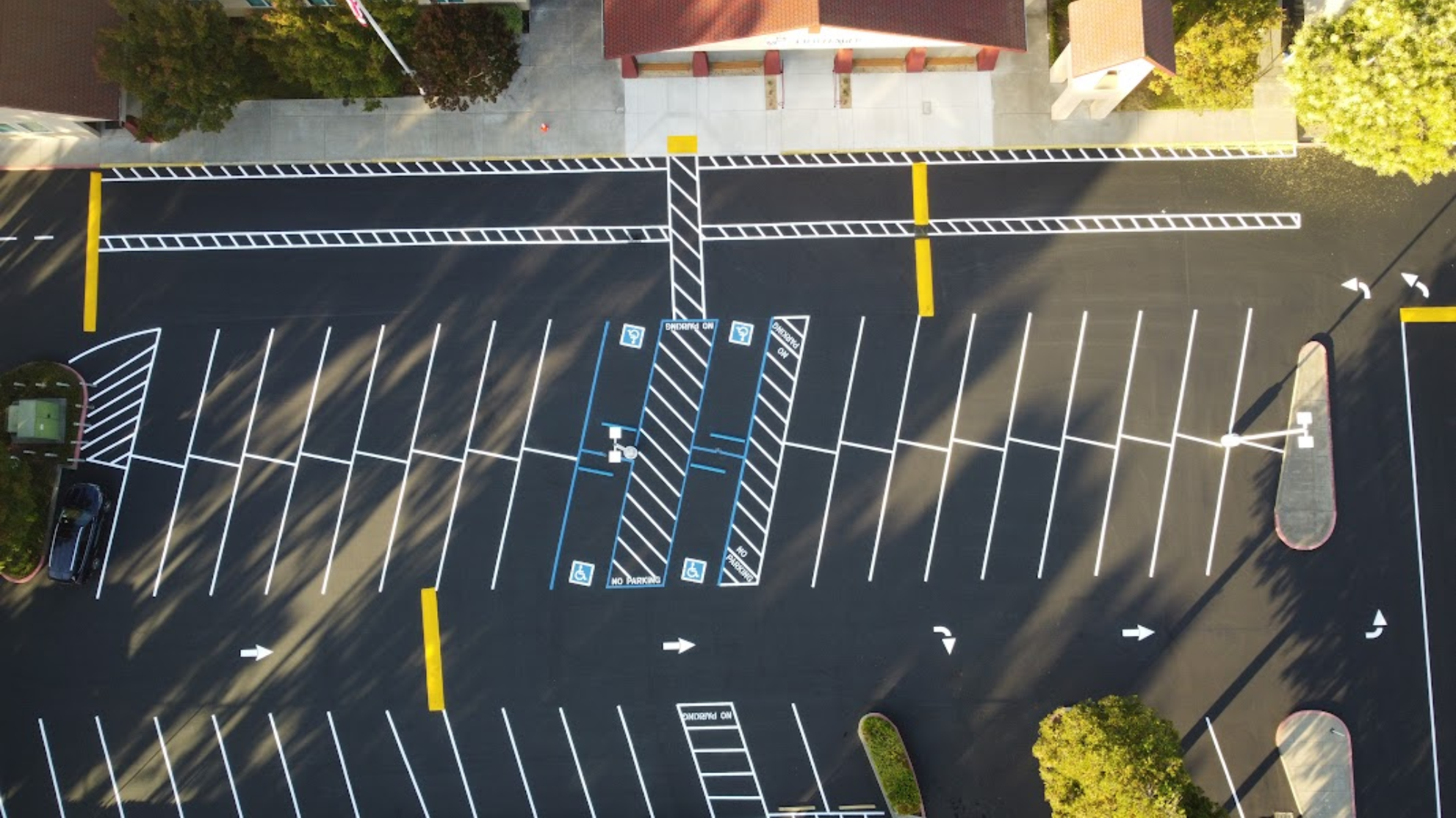
✅ Clearly marked ADA-accessible stalls
✅ Properly sized access aisles
✅ “No Parking” zones with diagonal striping
✅ Post-mounted ADA signs
✅ Van-accessible space(s)

At We Love Paving, we don’t just stripe — we bring your lot up to code with precision and paint that lasts.


📍 California Striping Experts You Can Count On

From the Bay Area to the Central Valley, We Love Paving has helped:

  • Commercial centers

  • Churches and schools

  • HOA communities

  • Apartment complexes

  • Government and municipal facilities

We use high-visibility, DOT-approved paint, deliver ADA compliance, and get in and out with minimal disruption to your business or residents.


📞 Don’t Let Faded Lines Cost You

Let us give your lot the clean, professional finish it deserves.
We’ll walk your site, create a layout plan, and re-stripe it right — the first time.

👉 Contact We Love Paving today for a free striping quote
📍 Serving all of California with pride and precision

Need Immediate Help?

Let's Talk About Your Project

Don't wait until minor damage turns into major expenses. Our team of experts is ready to provide you with guaranteed solutions. Contact us now for direct advice from a professional.

Frequently Asked Questions (FAQ)

Got Questions? Find Your Answers Here!!

How often should you re-stripe a parking lot in California?

Standard re-striping frequency typically ranges between 12 and 24 months based on vehicle volume. High-traffic retail centers require annual maintenance to ensure visibility, while low-traffic office lots can extend to 24 months. Professional striping is also mandatory immediately following any seal coating or asphalt resurfacing to restore navigational safety and compliance.

What are the legal risks of faded parking lot lines?

Faded lines create significant liability, primarily through non-compliance with ADA (Americans with Disabilities Act) standards, leading to heavy fines or lawsuits. Poorly marked fire lanes and handicap stalls can invalidate property insurance claims and result in municipal citations for failing to provide safe, accessible routes for pedestrians and emergency vehicles.

What specific markings are required for ADA parking compliance?

To meet ADA mandates, parking lots must feature clearly marked accessible stalls, specific access aisles with diagonal "No Parking" cross-hatching, and van-accessible designations. Compliance also requires high-visibility paint approved by the Department of Transportation (DOT) and the installation of post-mounted signs to ensure spaces remain identifiable regardless of surface wear.

How does degraded parking lot striping impact traffic safety?

Clear striping organizes vehicular flow by defining travel lanes, pedestrian crossings, and entry points to prevent aisle blockages. When lines degrade, driver confusion increases, leading to inconsistent parking patterns that obstruct emergency fire lanes and increase the statistical probability of low-speed collisions and pedestrian-related accidents within the property boundaries.

Why is DOT-approved paint necessary for commercial re-striping?

Using DOT-approved high-visibility paint ensures superior adhesion and retroreflectivity, which is essential for nighttime safety and driver navigation. These technical-grade coatings resist tire abrasion and UV degradation significantly better than standard latex paints, extending the functional lifespan of the markings by up to 30% in high-heat California environments.

Professional customer review project by We Love Paving in Northern California, California. Verified local construction quality.

Fred / Founder

Fred, Founder and Regional Operations Manager at We Love Paving, comes from a family that values hard work and discipline. Growing up watching his parents work long hours with integrity and dedication, Fred learned early on that quality paving isn’t just about asphalt, it’s about consistency, accountability, and doing the job right.

Share

Posts That Might Interest You

Why Is Parking So Expensive for Property Owners?

May 15, 2026

Many commercial property owners underestimate how expensive parking areas become once maintenance, accessibility, and pavement deterioration start overlapping at the same time. At first, parking lot costs usually appear manageable. Small cracks, faded striping, drainage problems, or isolated surface wear may not seem urgent while the property continues operating normally. Over time, however, those smaller

ADA Compliant Checklist for Parking Lots

ADA Compliant Checklist for Parking Lots

May 15, 2026

Many commercial properties develop accessibility problems gradually without property owners realizing how much conditions have changed over time. Parking lots, sidewalks, ramps, and pedestrian access routes constantly experience wear from traffic movement, weather exposure, drainage shifts, and surface aging. Because these changes happen slowly, accessibility concerns are often overlooked until inspections, complaints, or liability risks

Biggest Mistakes Made by a Landlord With Parking Lots

Biggest Mistakes Made by a Landlord With Parking Lots

May 15, 2026

Many property owners focus heavily on tenant spaces, landscaping, and building appearance while overlooking one of the most heavily used parts of the property: the parking lot. The problem is that pavement deterioration rarely stays cosmetic for long. Small surface issues gradually begin affecting traffic flow, drainage behavior, pedestrian safety, tenant perception, and operational costs

Parking Lot Snow Removal and Winter Pavement Damage

Parking Lot Snow Removal and Winter Pavement Damage

May 15, 2026

Winter weather places commercial parking lots under far more stress than many property owners realize. Snow accumulation, freezing temperatures, ice formation, and repeated plowing activity gradually affect asphalt surfaces throughout the season. Even parking lots that appear stable during warmer months often begin developing new wear patterns once winter conditions repeatedly impact traffic areas, drainage

Next

Estimation Tools

Calculate costs in seconds

Fast, accurate estimates that help you close more jobs. Less guesswork, more profit.