How to Budget for Asphalt Maintenance Over Time (And Save Thousands)

Estimation Tools

Calculate costs in seconds

Fast, accurate estimates that help you close more jobs. Less guesswork, more profit.

Seal coating is one of the most affordable and effective ways to extend the life of your asphalt. But over the years, we’ve seen some persistent myths that stop property owners from taking action — and unfortunately, those myths lead to bigger repair bills down the road.

At We Love Paving, we’re here to set the record straight and help you make smart, long-term decisions for your pavement.


💣 Myth #1: “Seal Coating Is Just for Looks”

Yes, seal coating gives your asphalt a rich black finish that makes any property look clean and cared for. But it’s not just cosmetic.

👉 The real benefit? It protects the surface from:

  • UV rays (which dry out and crack asphalt)

  • Water intrusion (which erodes the base)

  • Oil, gas, and chemical stains

  • Oxidation and surface wear

Think of it like sunscreen for your parking lot — seal coating protects what’s underneath.


💸 Myth #2: “It’s Cheaper to Wait Until There’s Damage”

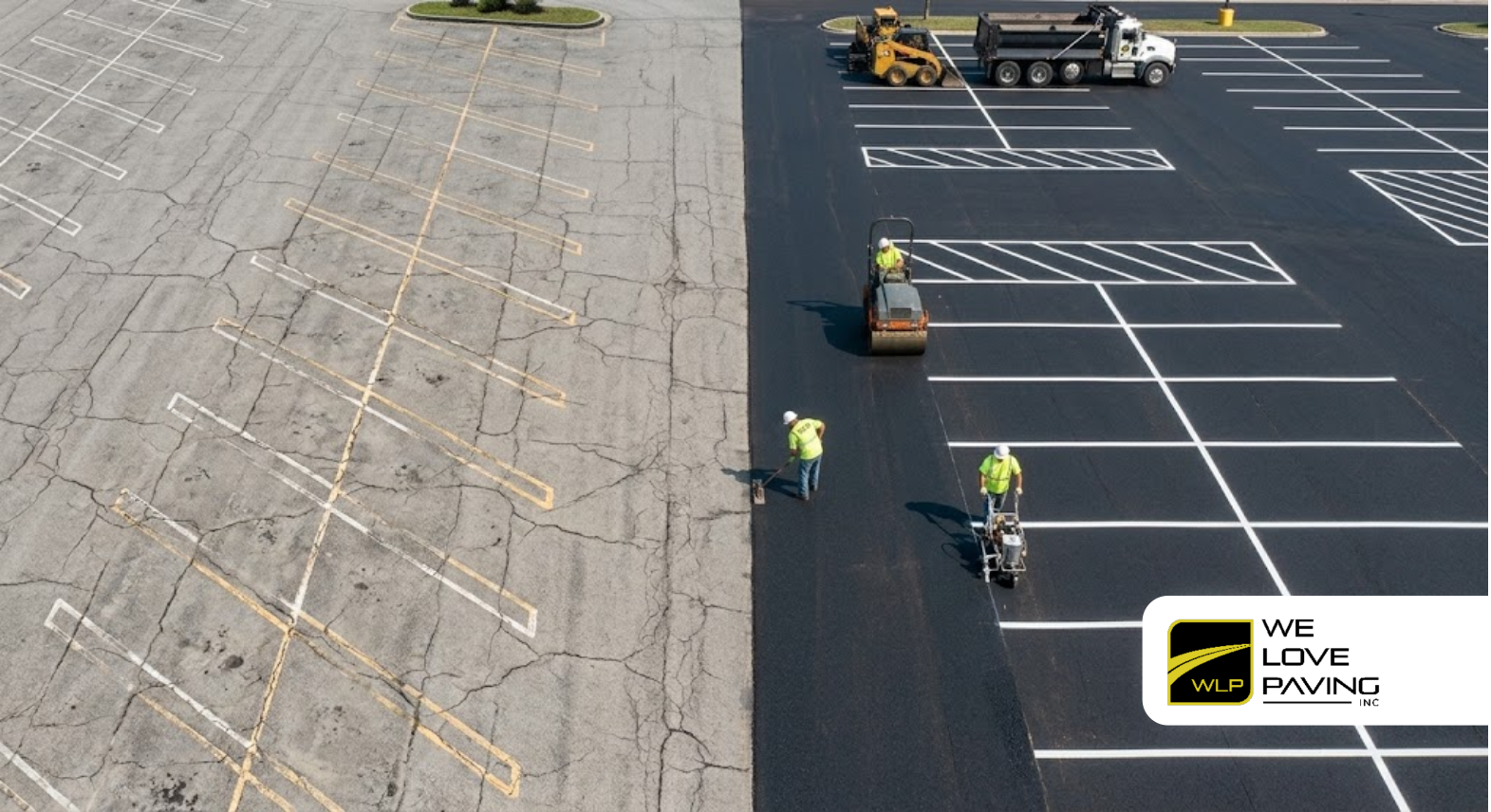
Waiting until there are cracks, potholes, or surface damage doesn’t save you money — it costs you more.

Seal coating is preventative. It keeps damage from happening in the first place.

✅ Average seal coat cost: $0.20 – $0.40/sq ft
❌ Average asphalt replacement cost: $3.00 – $6.00/sq ft

Seal coating every 2–3 years can double the lifespan of your pavement — and drastically reduce long-term costs.


📆 Myth #3: “I Don’t Need to Seal Coat New Asphalt”

We hear this one often:

“I just had it paved — I don’t need to do anything yet.”

Actually, new asphalt should be seal coated within 6 to 12 months of installation. That first layer locks in oils, adds weather resistance, and keeps your surface flexible.

Waiting too long allows oxidation to begin — and that leads to brittleness and early cracks.


🧱 Myth #4: “All Seal Coating Is the Same”

Not true. Like any trade, seal coating quality depends on:

  • The product used (coal tar vs. asphalt emulsion)

  • The prep work (cleaning, edge trimming, patching)

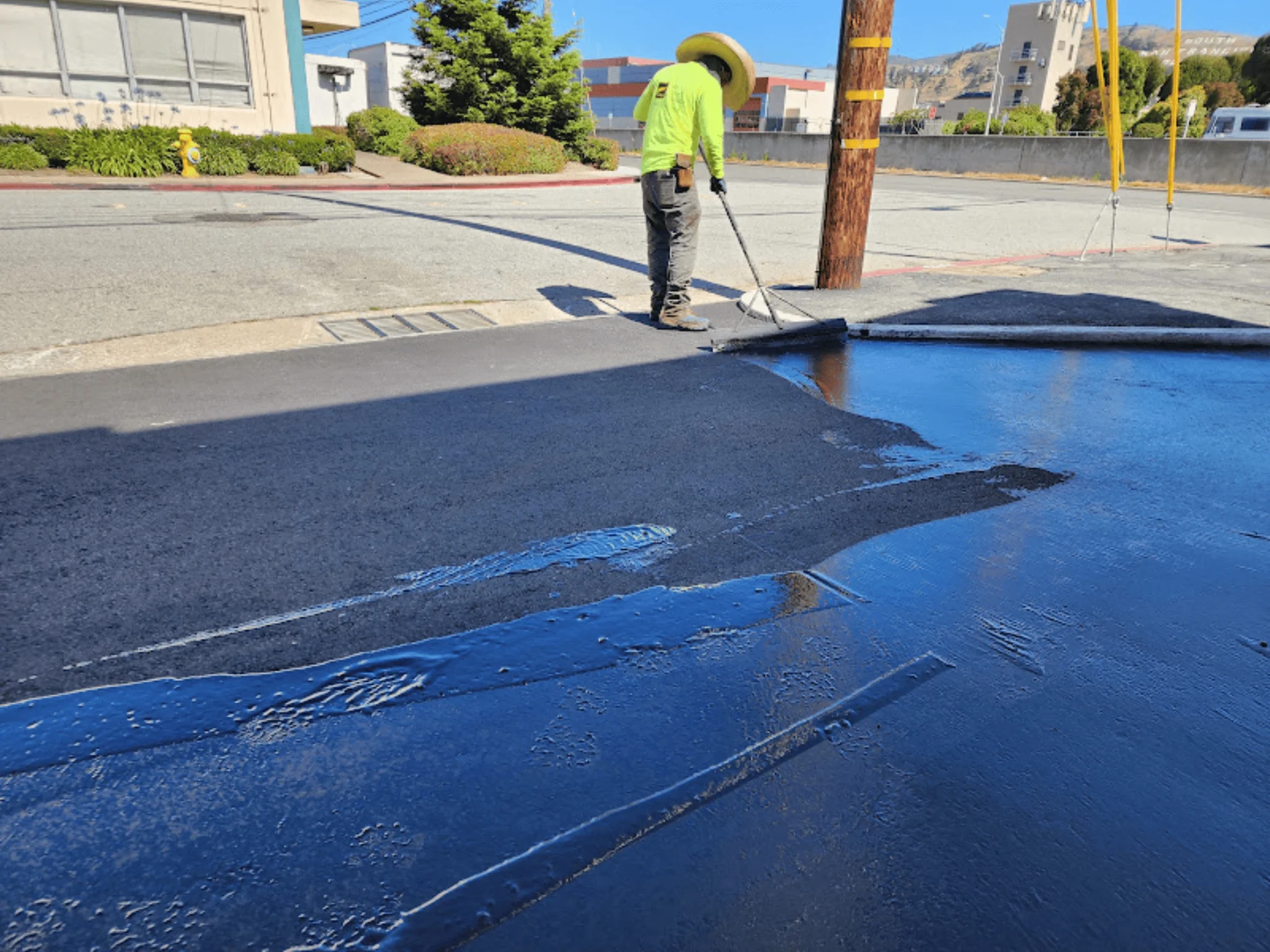
  • The application method (spray vs. squeegee)

  • The weather conditions on install day

At We Love Paving, we use high-quality, commercial-grade materials and follow a proven multi-step process. That means no shortcuts — just performance.


🛑 Myth #5: “Seal Coating Fixes Structural Issues”

Seal coating is a protective surface treatment — not a structural repair. It won’t fix:

  • Potholes

  • Base failure

  • Major drainage issues

  • Severe cracking

If your asphalt has these issues, you may need patching, resurfacing, or full replacement first — and seal coat after.

That’s why we always start with a site evaluation, so you get the right service at the right time.


🛠️ Bottom Line: Seal Coating = Smart Maintenance

Here’s what smart property owners and managers do:

✔️ Seal coat every 2–3 years
✔️ Combine it with routine crack sealing & striping
✔️ Use it as part of a long-term pavement maintenance plan

It’s the simplest way to avoid costly repairs — and keep your pavement looking brand new.


📞 Protect Your Investment with We Love Paving

From shopping centers to schools, HOAs to industrial yards — We Love Paving delivers clean, efficient seal coating services that extend pavement life and boost curb appeal.

📍 Serving all of California
📞 Contact us today for a free seal coat evaluation & quote!

Need Immediate Help?

Let's Talk About Your Project

Don't wait until minor damage turns into major expenses. Our team of experts is ready to provide you with guaranteed solutions. Contact us now for direct advice from a professional.

Frequently Asked Questions (FAQ)

Got Questions? Find Your Answers Here!!

How much can you save with preventative asphalt maintenance?

Preventative seal coating costs between $0.20 and $0.40 per square foot, while full asphalt replacement averages $3.00 to $6.00 per square foot. Applying a professional seal coat every two to three years effectively doubles the pavement's lifespan, preventing massive capital expenditures on structural failure and oxidation-driven repairs.

When is the best time to seal coat new asphalt?

New asphalt must receive its initial seal coat application within 6 to 12 months of installation. This specific timeframe allows essential pavement oils to cure while locking in flexibility before UV rays and oxidation cause the surface to become brittle, lead to early cracking, and compromise the structural base.

Does seal coating fix structural asphalt damage?

Seal coating is a protective surface treatment that does not repair structural failures such as deep potholes, base failures, severe drainage issues, or alligator cracking. These conditions require professional patching or resurfacing before application, as the sealant acts strictly as a protective barrier rather than a structural load-bearing reinforcement.

Why is seal coating essential for long-term pavement durability?

Seal coating protects the asphalt binder from water intrusion, UV degradation, and chemical spills like oil or gasoline that erode the foundation. By maintaining a waterproof seal and UV shield, it prevents the asphalt from losing its flexibility, which is the primary cause of surface wear and progressive cracking.

What factors distinguish high-quality seal coating services?

Seal coating quality is determined by the specific material used, such as commercial-grade asphalt emulsion, and the application technique, whether spray or squeegee. Professional execution includes rigorous prep work like edge trimming and deep cleaning, ensuring a high-performance bond that resists heavy traffic wear without premature peeling.

Professional customer review project by We Love Paving in Northern California, California. Verified local construction quality.

Fred / Founder

Fred, Founder and Regional Operations Manager at We Love Paving, comes from a family that values hard work and discipline. Growing up watching his parents work long hours with integrity and dedication, Fred learned early on that quality paving isn’t just about asphalt, it’s about consistency, accountability, and doing the job right.

Share

Posts That Might Interest You

Why Is Parking So Expensive for Property Owners?

May 15, 2026

Many commercial property owners underestimate how expensive parking areas become once maintenance, accessibility, and pavement deterioration start overlapping at the same time. At first, parking lot costs usually appear manageable. Small cracks, faded striping, drainage problems, or isolated surface wear may not seem urgent while the property continues operating normally. Over time, however, those smaller

ADA Compliant Checklist for Parking Lots

ADA Compliant Checklist for Parking Lots

May 15, 2026

Many commercial properties develop accessibility problems gradually without property owners realizing how much conditions have changed over time. Parking lots, sidewalks, ramps, and pedestrian access routes constantly experience wear from traffic movement, weather exposure, drainage shifts, and surface aging. Because these changes happen slowly, accessibility concerns are often overlooked until inspections, complaints, or liability risks

Biggest Mistakes Made by a Landlord With Parking Lots

Biggest Mistakes Made by a Landlord With Parking Lots

May 15, 2026

Many property owners focus heavily on tenant spaces, landscaping, and building appearance while overlooking one of the most heavily used parts of the property: the parking lot. The problem is that pavement deterioration rarely stays cosmetic for long. Small surface issues gradually begin affecting traffic flow, drainage behavior, pedestrian safety, tenant perception, and operational costs

Parking Lot Snow Removal and Winter Pavement Damage

Parking Lot Snow Removal and Winter Pavement Damage

May 15, 2026

Winter weather places commercial parking lots under far more stress than many property owners realize. Snow accumulation, freezing temperatures, ice formation, and repeated plowing activity gradually affect asphalt surfaces throughout the season. Even parking lots that appear stable during warmer months often begin developing new wear patterns once winter conditions repeatedly impact traffic areas, drainage

Next

Estimation Tools

Calculate costs in seconds

Fast, accurate estimates that help you close more jobs. Less guesswork, more profit.