Paving for HOAs: What Every Community Should Know

Estimation Tools

Calculate costs in seconds

Fast, accurate estimates that help you close more jobs. Less guesswork, more profit.

When you live in or manage a community governed by a Homeowners Association (HOA), keeping the property safe, functional, and visually appealing is a top priority. One area that’s often overlooked — but makes a big impact — is your asphalt and concrete paving.

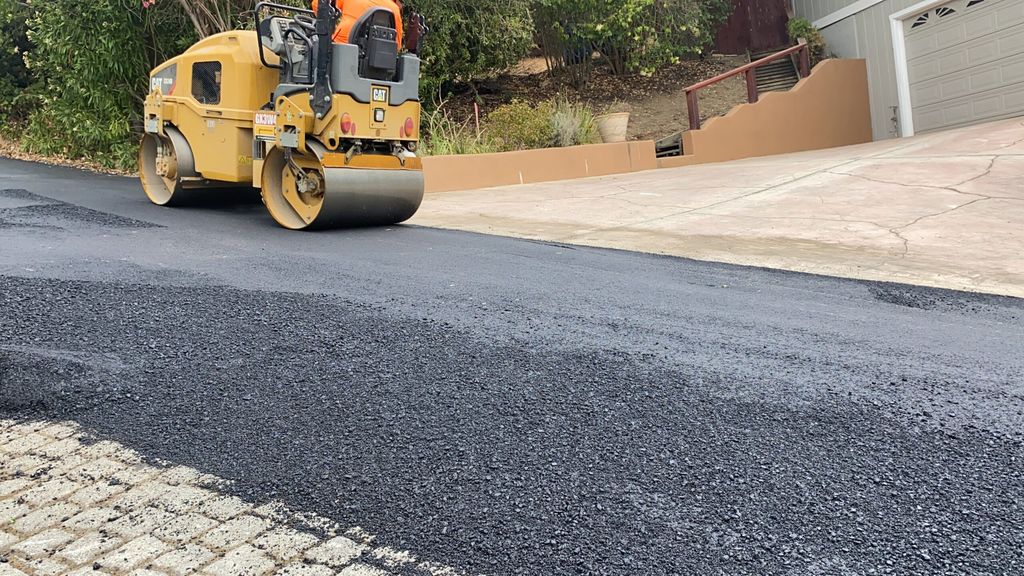
At We Love Paving, we specialize in working with HOAs across California, helping them maintain roads, driveways, parking areas, and walkways with professional, durable solutions.


🛣️ Why Paving Matters for Your Community

Your streets and sidewalks are more than just pathways — they’re part of your residents’ everyday experience. Cracked pavement, faded striping, or uneven surfaces don’t just look bad… they’re a liability risk and a red flag to potential buyers.

Common HOA paving areas:

  • Private roads and entrances

  • Shared driveways

  • Community parking lots

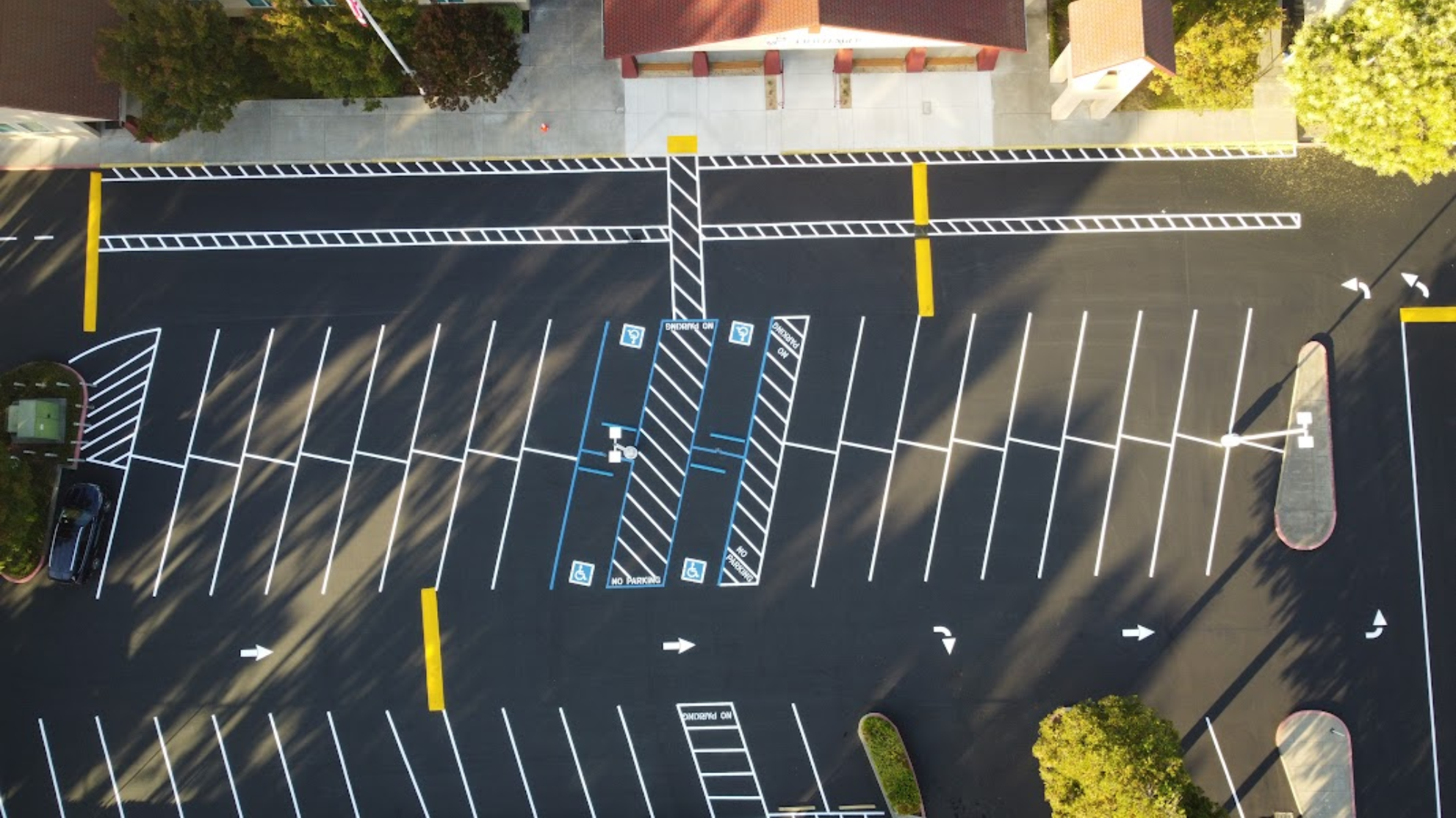
  • Walking paths and ADA access ramps

  • Fire lanes and red zones


🧾 Budgeting for Paving: What to Expect

Many HOAs plan major projects years in advance. That’s why we provide:

✅ Clear, detailed estimates
✅ Phased work plans (to avoid disrupting residents)
✅ Long-term maintenance schedules
✅ Material recommendations based on usage & budget

Whether your HOA needs full resurfacing, patch repairs, or seal coating, we’ll help you maximize lifespan and stay within budget.


♿ ADA Compliance: Don’t Get Caught Off Guard

HOAs must comply with ADA standards in all shared areas, especially in:

  • Parking lots

  • Clubhouse walkways

  • Ramps and access paths

Our team ensures your community is fully up to code — protecting you from costly lawsuits or retroactive fixes.


🛠️ Services We Offer to HOAs

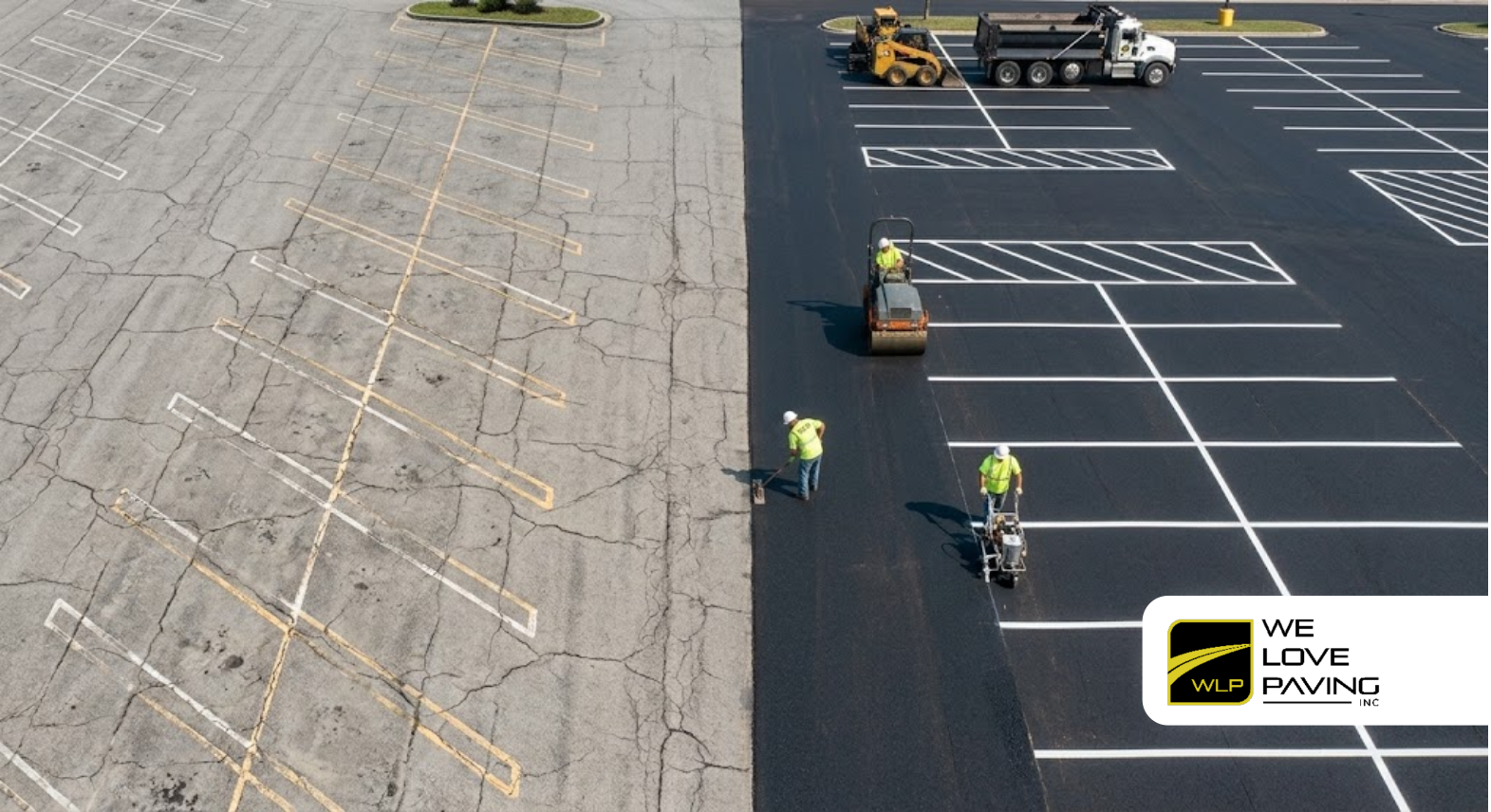
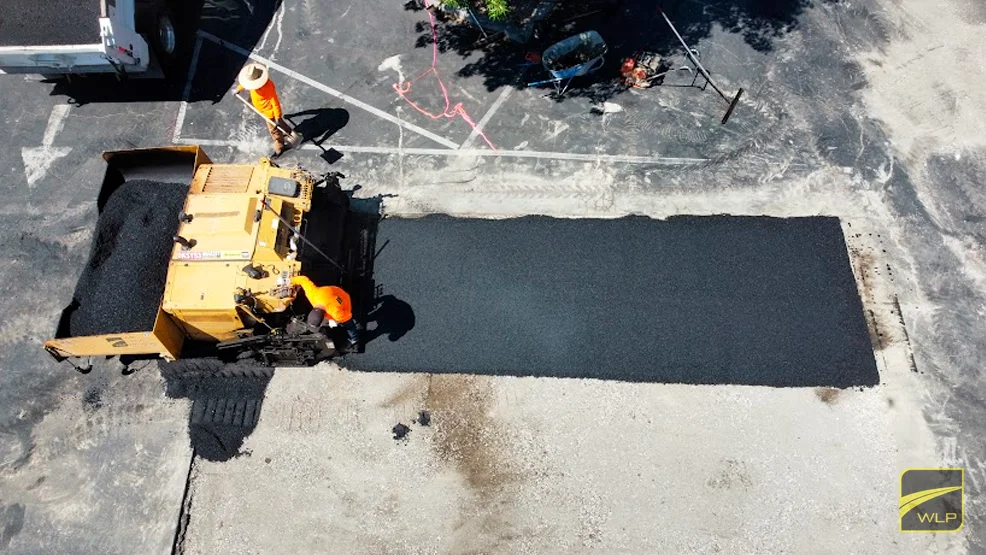
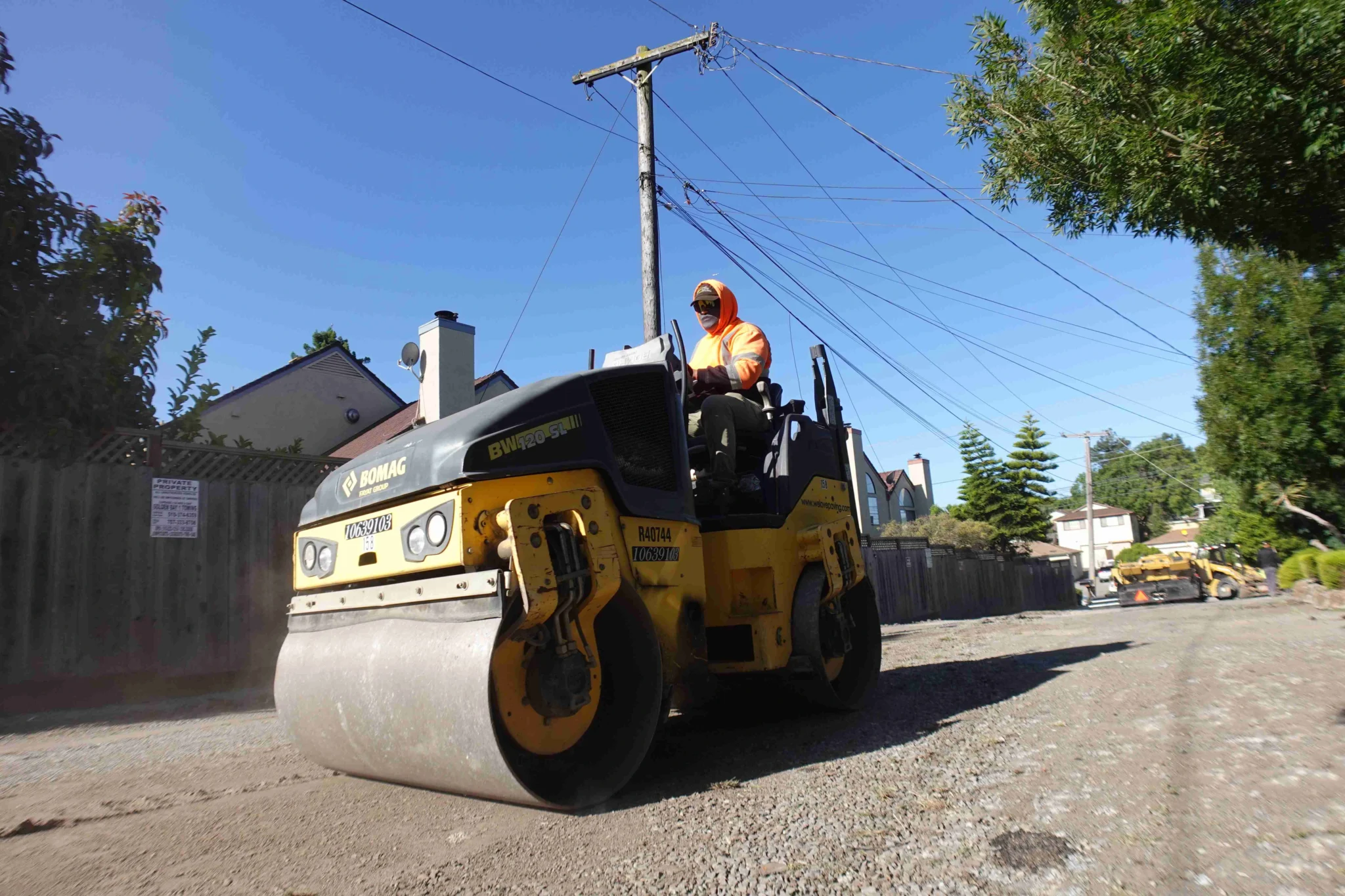
  • Asphalt paving and resurfacing

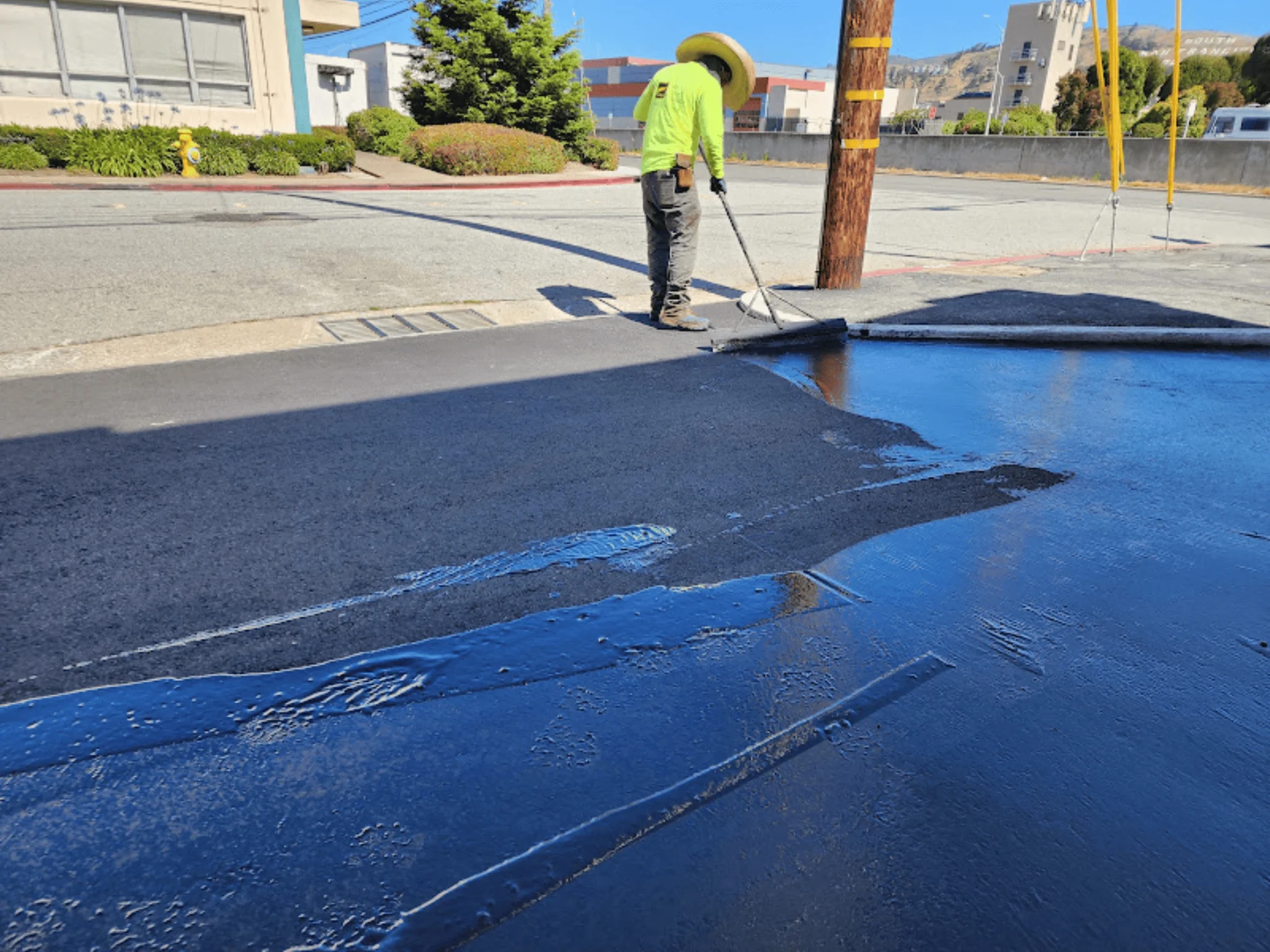
  • Seal coating & crack sealing

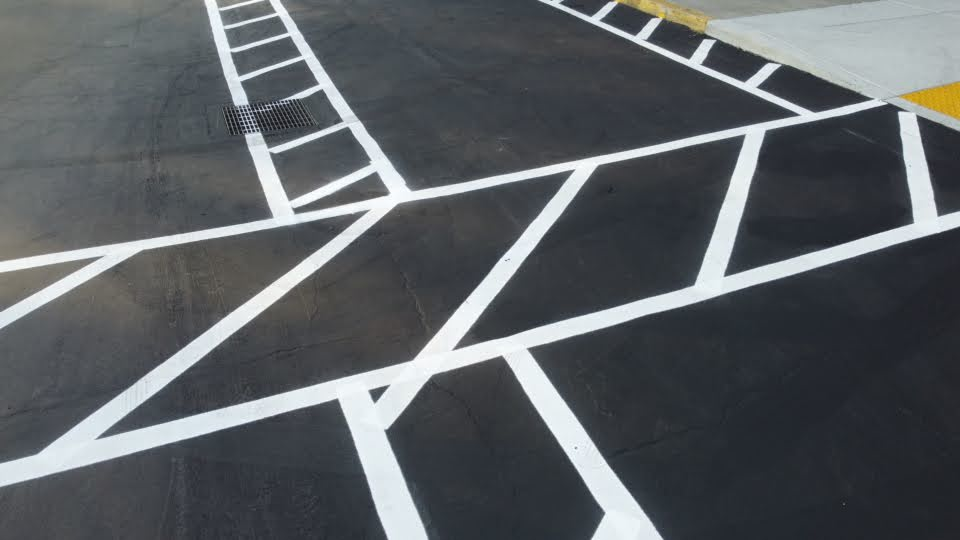
  • Striping and curb painting

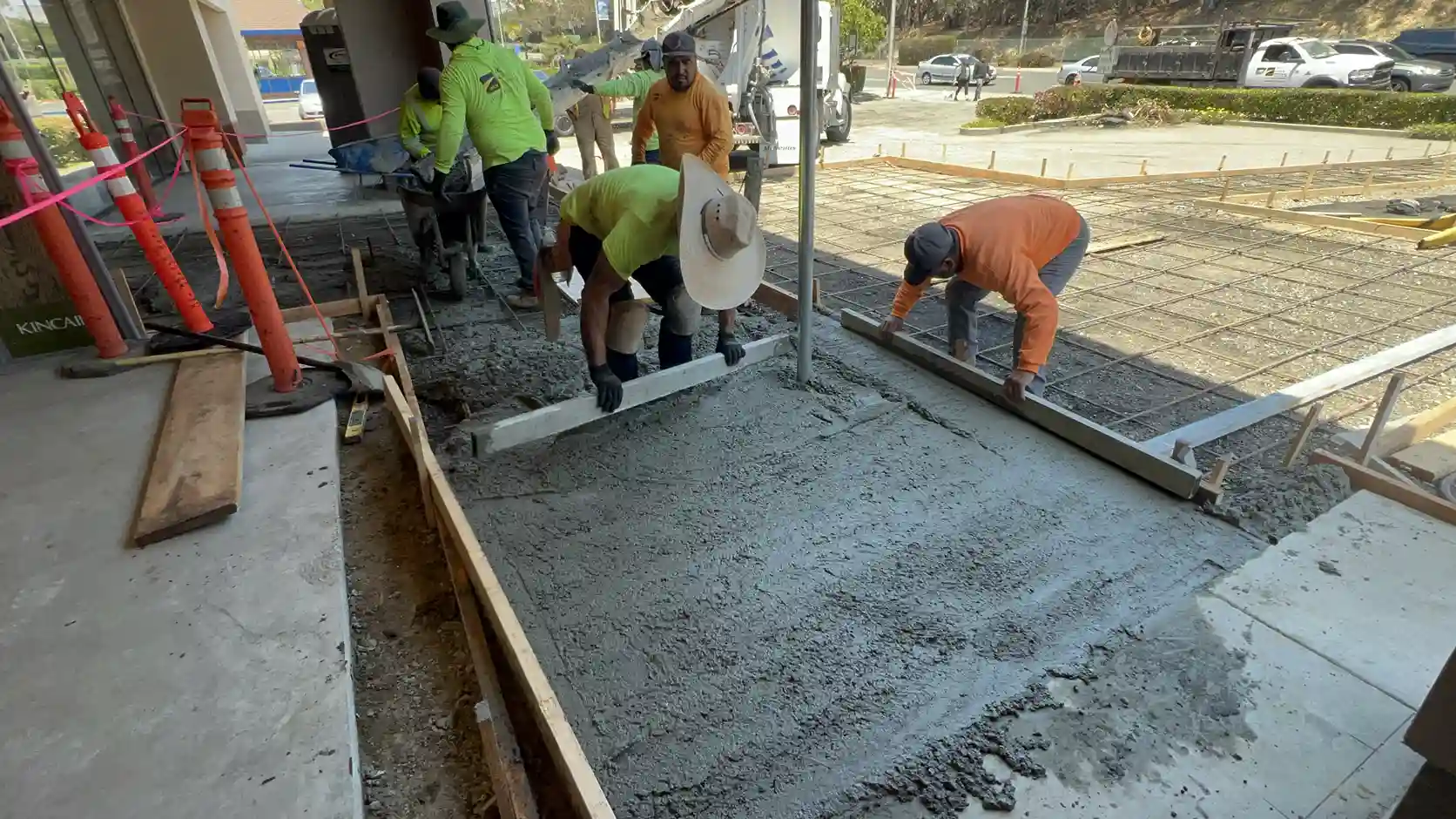
  • Concrete repair and ADA ramp installation

  • Drainage corrections & grading

We handle everything — start to finish — with minimal disruption to residents.


🤝 Why HOAs Choose We Love Paving

  • Over 20 years of paving experience in California

  • Dedicated HOA team that understands board processes

  • Clear communication, flexible scheduling, and fast turnarounds

  • Fully licensed, insured, and ADA-savvy

We don’t just pave. We partner with you to make your community safer, cleaner, and more welcoming.


📞 Ready to Pave the Way for a Better Community?

Let’s walk your property together and build a paving plan your board can feel confident in.

👉 Contact We Love Paving for a FREE HOA site assessment today.

Need Immediate Help?

Let's Talk About Your Project

Don't wait until minor damage turns into major expenses. Our team of experts is ready to provide you with guaranteed solutions. Contact us now for direct advice from a professional.

Frequently Asked Questions (FAQ)

Got Questions? Find Your Answers Here!!

What are the specific ADA compliance requirements for HOA common areas?

To maintain ADA compliance in California, Homeowners Associations must ensure that access routes, clubhouse ramps, and parking lot slopes do not exceed a 2% cross-slope gradient. Failure to meet these precise technical measurements in shared spaces creates significant liability risks and potential lawsuits under the California Building Code and federal accessibility standards.

How often should an HOA perform seal coating on its private roads?

An HOA should apply asphalt seal coating every three to five years to prevent binder oxidation caused by California’s high UV exposure. This preventive maintenance technique effectively doubles the pavement's lifespan by preventing water infiltration from eroding the structural base, which would otherwise necessitate a much more expensive full-depth reclamation.

How can an HOA budget for major repaving without special assessments?

Communities should integrate a phased work plan and a long-term maintenance schedule into their annual reserve study calculations. By breaking down large-scale projects into manageable sections and selecting materials based on specific traffic loads, the HOA optimizes its cash flow and avoids the need for sudden, unpopular resident levies.

Why is the maintenance of fire lanes and red zones critical for HOAs?

Maintaining fire lanes and red curb striping is essential for legal compliance and emergency safety, ensuring that first responder access is highly visible and unobstructed. Faded markings or deteriorated pavement in these zones can lead to municipal fines and critically delay response times during life-threatening emergencies within the community.

What concrete repair services are essential to reduce HOA liability?

Essential services include drainage corrections, sidewalk leveling, and ADA ramp installations to eliminate trip-and-fall hazards for residents. In California, concrete slab lifting caused by tree roots is a frequent issue; therefore, installing root barriers and performing joint grinding are necessary technical interventions to ensure safe, walkable pedestrian pathways.

Professional customer review project by We Love Paving in Northern California, California. Verified local construction quality.

Fred / Founder

Fred, Founder and Regional Operations Manager at We Love Paving, comes from a family that values hard work and discipline. Growing up watching his parents work long hours with integrity and dedication, Fred learned early on that quality paving isn’t just about asphalt, it’s about consistency, accountability, and doing the job right.

Share

Posts That Might Interest You

Why Is Parking So Expensive for Property Owners?

May 15, 2026

Many commercial property owners underestimate how expensive parking areas become once maintenance, accessibility, and pavement deterioration start overlapping at the same time. At first, parking lot costs usually appear manageable. Small cracks, faded striping, drainage problems, or isolated surface wear may not seem urgent while the property continues operating normally. Over time, however, those smaller

ADA Compliant Checklist for Parking Lots

ADA Compliant Checklist for Parking Lots

May 15, 2026

Many commercial properties develop accessibility problems gradually without property owners realizing how much conditions have changed over time. Parking lots, sidewalks, ramps, and pedestrian access routes constantly experience wear from traffic movement, weather exposure, drainage shifts, and surface aging. Because these changes happen slowly, accessibility concerns are often overlooked until inspections, complaints, or liability risks

Biggest Mistakes Made by a Landlord With Parking Lots

Biggest Mistakes Made by a Landlord With Parking Lots

May 15, 2026

Many property owners focus heavily on tenant spaces, landscaping, and building appearance while overlooking one of the most heavily used parts of the property: the parking lot. The problem is that pavement deterioration rarely stays cosmetic for long. Small surface issues gradually begin affecting traffic flow, drainage behavior, pedestrian safety, tenant perception, and operational costs

Parking Lot Snow Removal and Winter Pavement Damage

Parking Lot Snow Removal and Winter Pavement Damage

May 15, 2026

Winter weather places commercial parking lots under far more stress than many property owners realize. Snow accumulation, freezing temperatures, ice formation, and repeated plowing activity gradually affect asphalt surfaces throughout the season. Even parking lots that appear stable during warmer months often begin developing new wear patterns once winter conditions repeatedly impact traffic areas, drainage

Next

Estimation Tools

Calculate costs in seconds

Fast, accurate estimates that help you close more jobs. Less guesswork, more profit.