Redoing a driveway is one of the most effective ways to improve curb appeal and property usability, but navigating California permit requirements often causes confusion for property owners. Whether a project requires a city permit depends directly on the scope of work, structural alterations, and proximity to public infrastructure. Minor surface maintenance usually bypasses municipal review, while full tear-outs and footprint expansions trigger strict building and engineering oversight across the state.
California Driveway Regulations: Repairs vs. Full Replacement
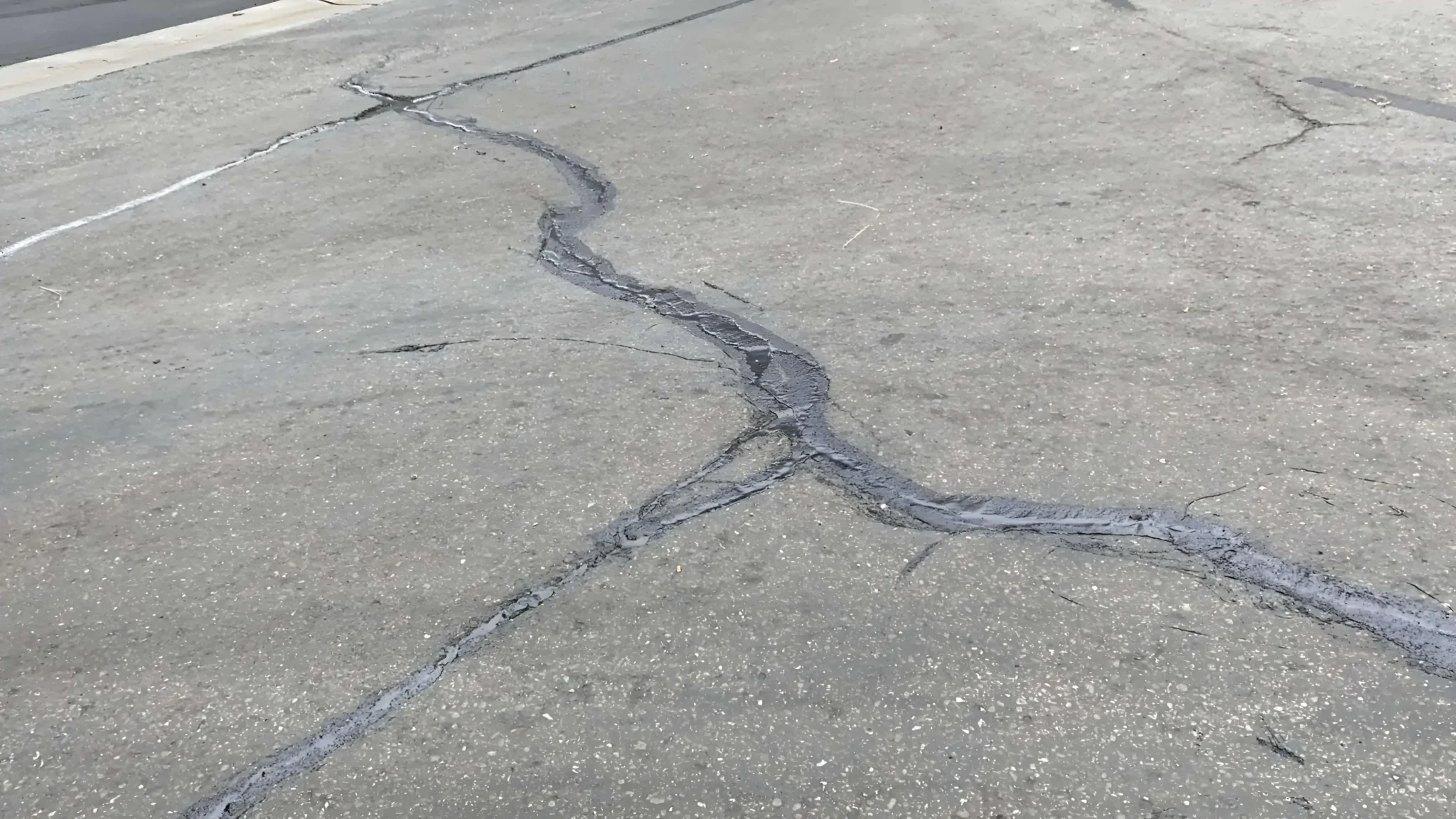
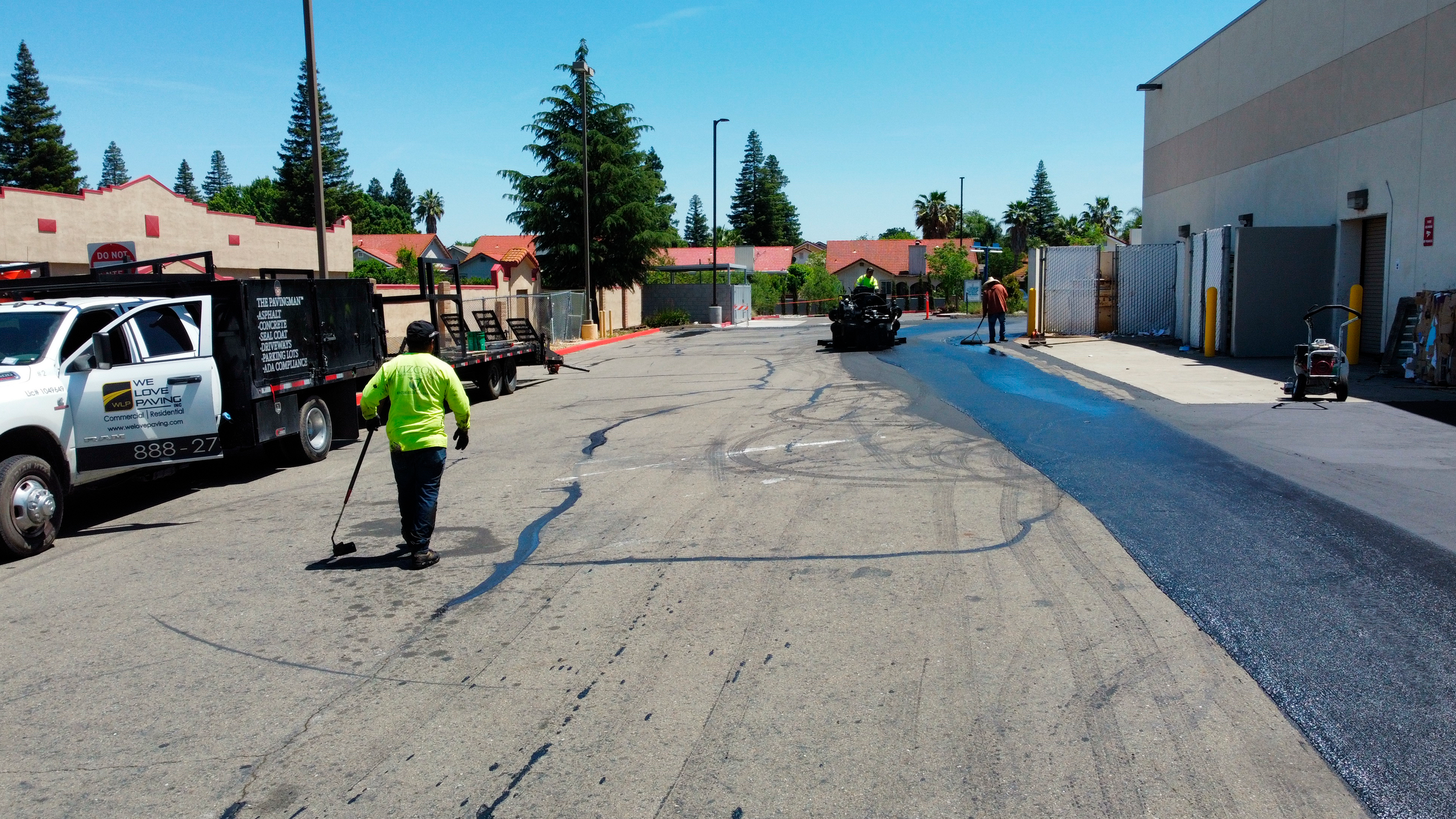
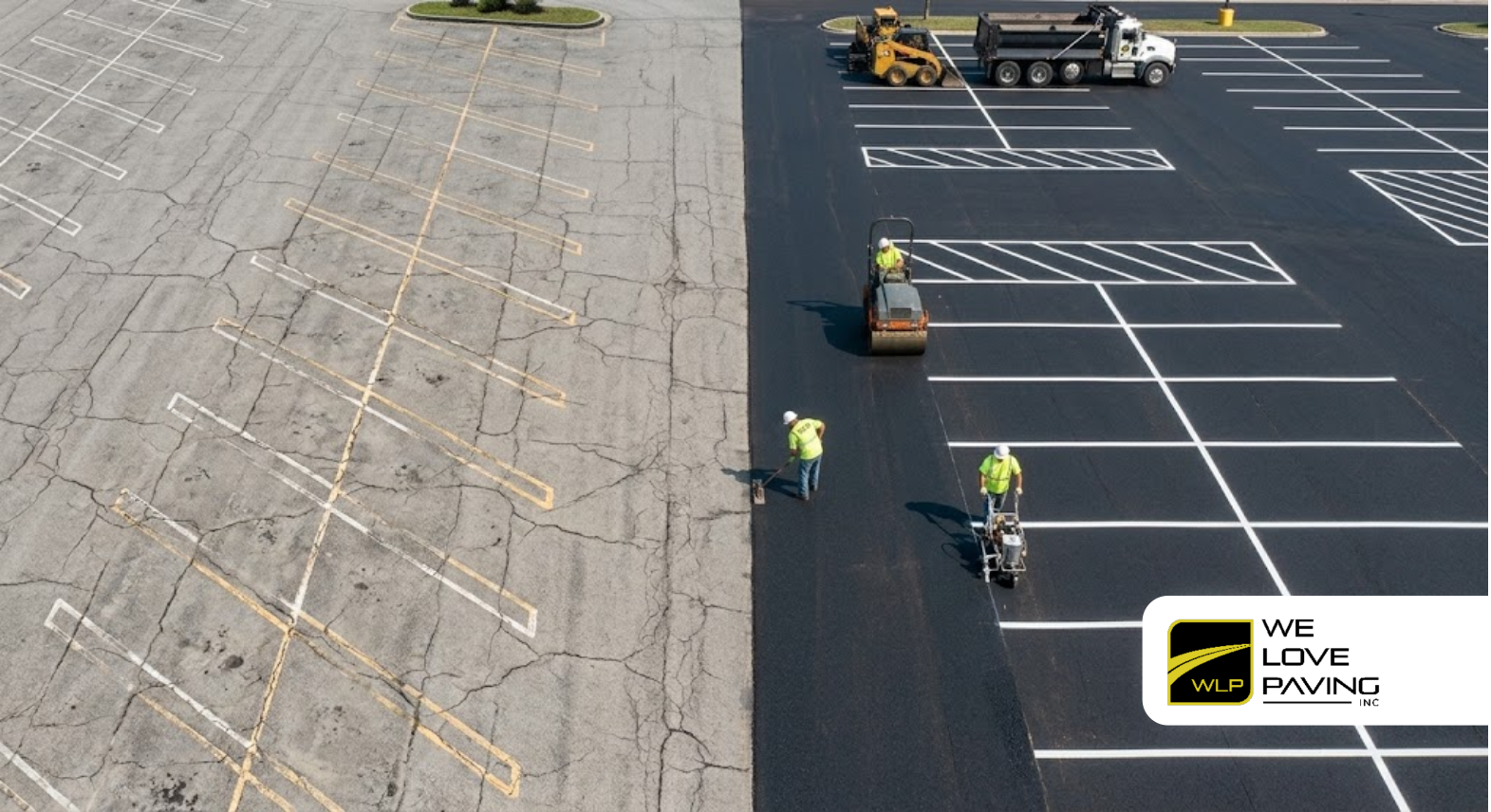
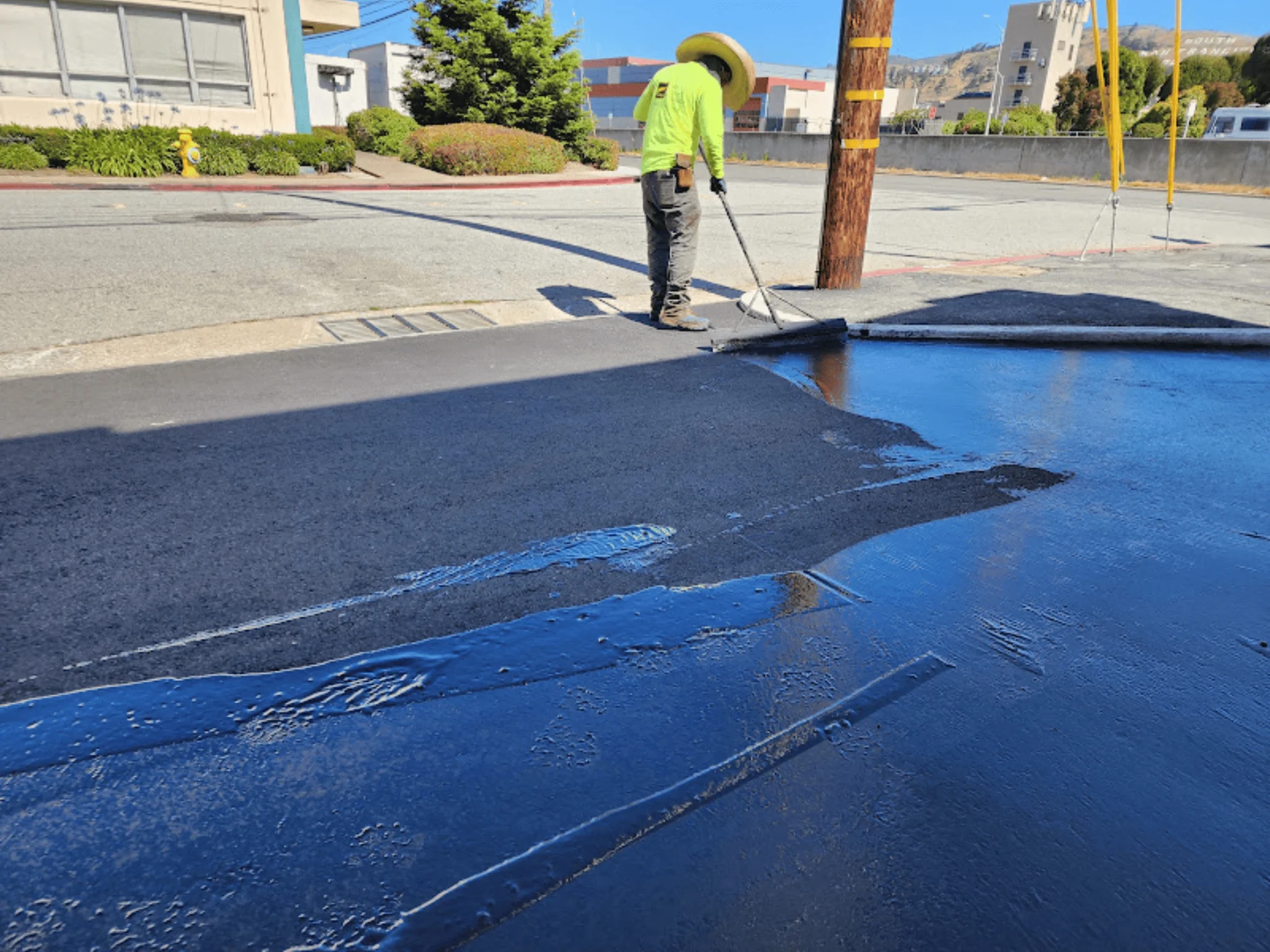
In California, surface maintenance such as sealcoating, filling localized cracks, or applying a thin asphalt overlay on private property does not require a building permit. Municipalities class these activities as routine maintenance because they do not alter the existing grade, drainage patterns, or structural subbase. However, a full driveway replacement which involves excavating the old surface, re-grading the aggregate base, and pouring new concrete or laying fresh asphalt frequently requires a building or grading permit from your local building department.
The underlying distinction comes down to structural integrity and site water runoff. When a contractor alters the depth or grading of a paved surface, local building codes mandate review to prevent improper drainage onto neighboring properties or public roadways. According to guidelines established by local public works departments throughout Northern California, any project that changes the established elevation or modifies the soil base requires technical evaluation before installation begins. Understanding these boundaries ensures your investment aligns with local building standards from day one.
The Public Right-of-Way: Working on the Driveway Apron
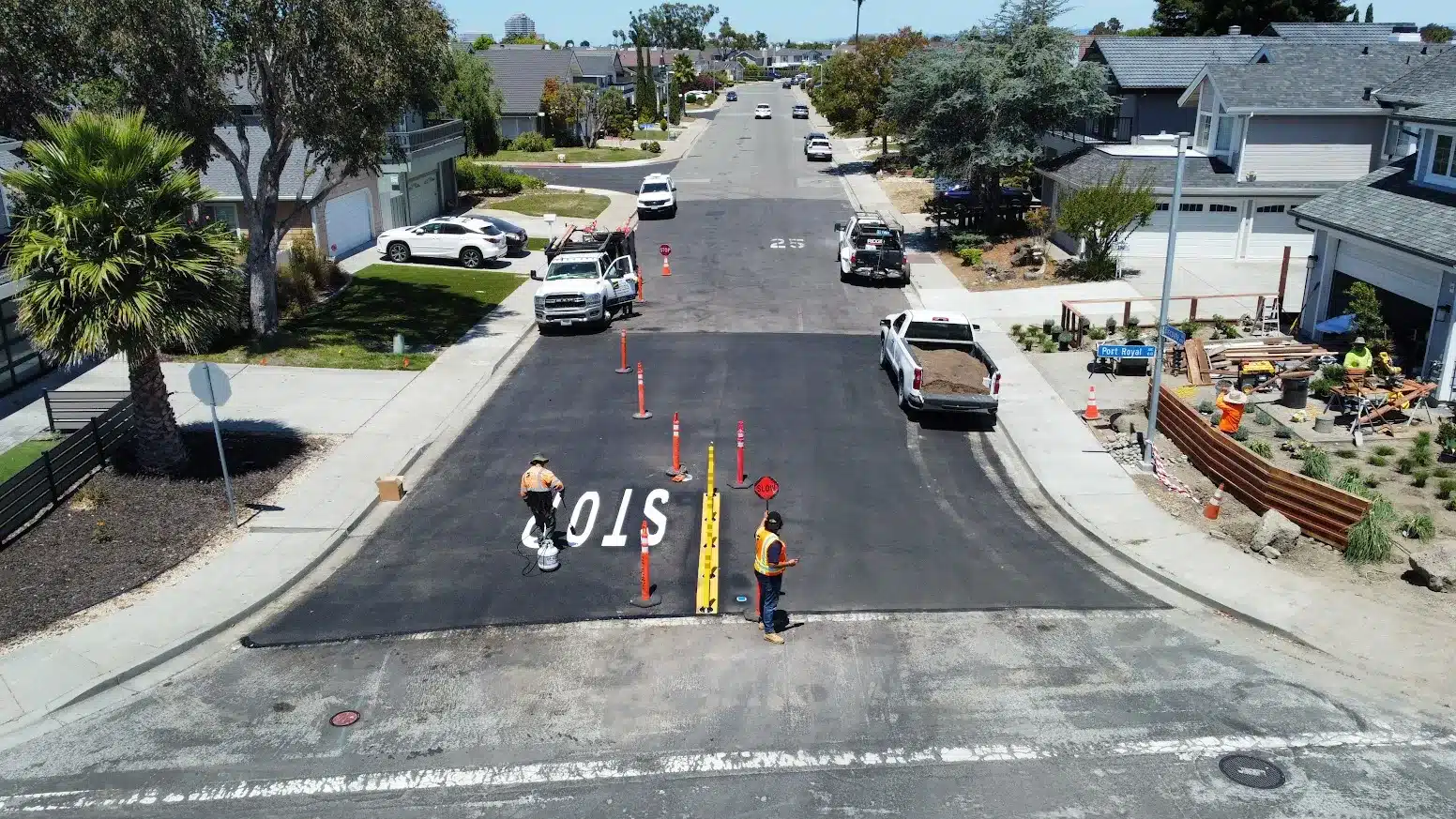
Even if your city does not require a permit for repaving the private section of your driveway, modifying the driveway apron almost always requires an Encroachment Permit from the local Public Works department. The apron the section of paved surface between your front property line, across the sidewalk, and connecting to the street curb lies within the public right-of-way. Because this zone houses municipal utilities, pedestrian walkways, and storm gutters, cities enforce rigorous control over how it is constructed, modified, or repaired.
Working within the public right-of-way requires adherence to strict engineering standards regarding concrete thickness, curb cut slope, and ADA pedestrian accessibility. For example, standard residential aprons in California typically mandate a minimum concrete thickness of 6 inches over compacted aggregate base to handle vehicle loads without cracking public sidewalk slabs. An experienced licensed paving contractor coordinates directly with municipal inspectors to secure the necessary encroachment permits, schedule required pre-pour inspections, and ensure the finished curb transition meets city engineering specifications.
Driveway Expansions: Property Setbacks and Permeability Rules in CA
Expanding the total surface area of your driveway requires plan approval from local planning and zoning departments to ensure compliance with property setbacks and lot coverage limits. California zoning codes restrict how much of a front yard can be covered with impervious surfaces to maintain neighborhood aesthetics and control municipal stormwater runoff. Adding an extra parking pad, widening a entrance, or extending paving toward a side boundary wall almost always triggers a formal review process before work can legally begin.
Stormwater management regulations under California National Pollutant Discharge Elimination System (NPDES) standards also dictate how expanded paved areas handle rainfall. Increasing non-permeable surface area forces water into municipal storm drains rather than allowing natural soil absorption, increasing local flood risks during winter rainstorms. In many California jurisdictions, expanding a hardscape footprint beyond established square footage thresholds mandates installing permeable pavers, retention basins, or specific slope grading to direct runoff safely into designated vegetated areas.
Consequences of Redoing a Driveway Without a Permit in California
Executing a driveway replacement or expansion without obtaining required permits exposes property owners to severe legal, financial, and operational penalties from city code enforcement officers. When an unpermitted paving project is identified, municipal inspectors issue a Stop Work Order immediately, accompanied by penalty fees that often double or triple the original permit cost. In severe cases where the construction interferes with street drainage or utility lines within the apron, the city can compel the owner to remove the newly installed pavement at their own expense.
Beyond immediate municipal fines, unpermitted driveway work creates significant complications during real estate transactions and home refinancing processes. Title companies and buyers’ inspectors routinely cross-reference property modification records with municipal permit archives; unpermitted expansions can stall sales until retroactively permitted or restored to original conditions. Learning how to pave a driveway properly includes integrating local permitting into the early project timeline, avoiding costly corrective action after installation.

Material Selection and Planning a Code-Compliant Project
Choosing between structural paving materials impacts both your upfront permit requirements and the long-term engineering demands of the project. Evaluating a concrete vs asphalt driveway requires reviewing local soil expansion characteristics, heavy vehicle loading requirements, and regional climate conditions across California. Asphalt provides flexible load distribution and rapid installation for large residential driveways, whereas concrete delivers higher rigid strength, which is frequently required by municipal engineering codes for the public apron section.
Partnering with an experienced field team ensures every technical parameter from aggregate base compaction to slope drainage meets California building codes and local public works guidelines. We Love Paving’s field operations team (CSLB Licensed #1049649, C12 Earthwork and Paving) manages site assessments, structural grading, and permit coordination for residential and commercial properties throughout Northern California. If you are planning a driveway replacement, expansion, or major reconstruction project, contact our team to ensure your design is fully engineered and code-compliant from start to finish.