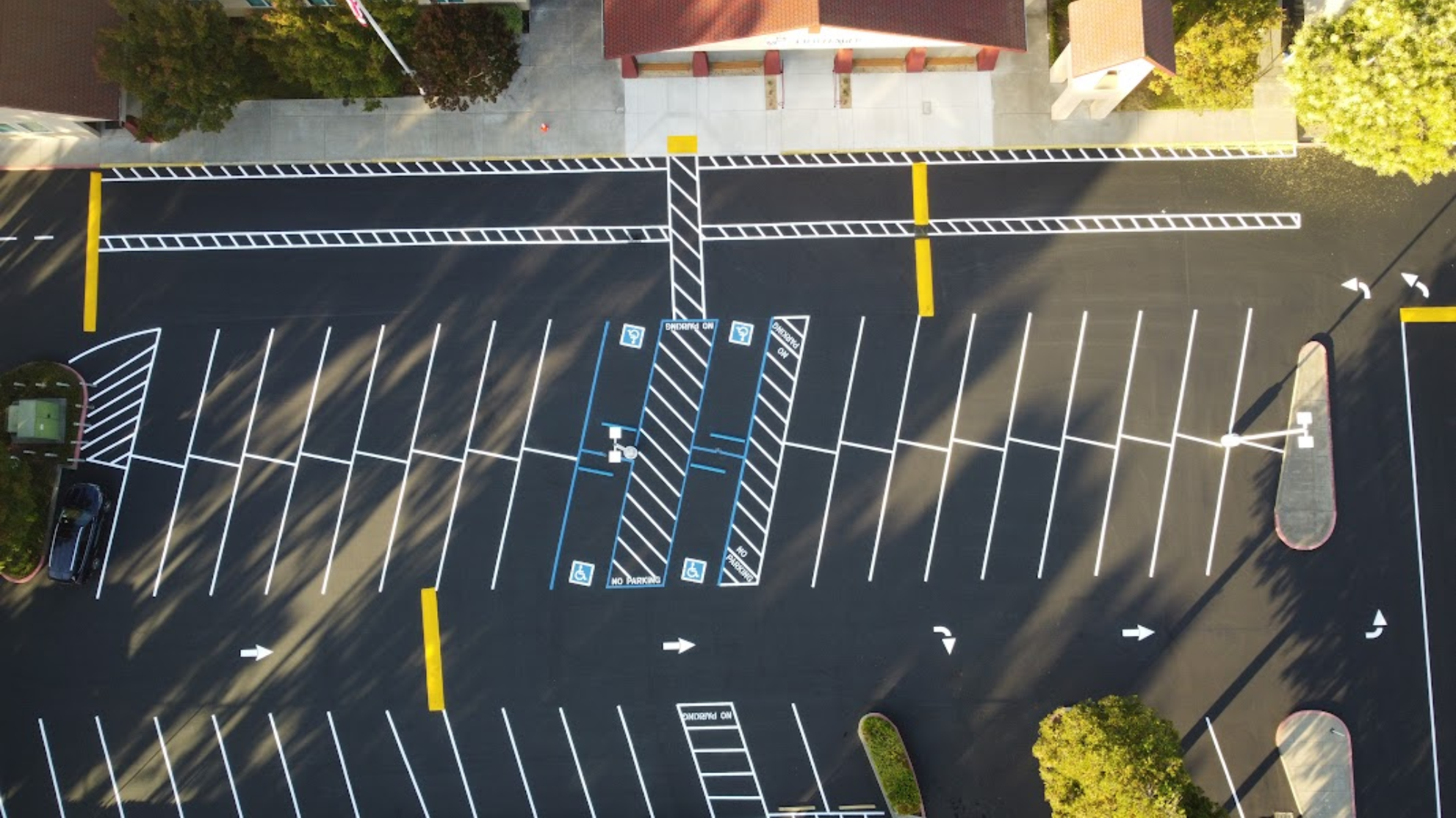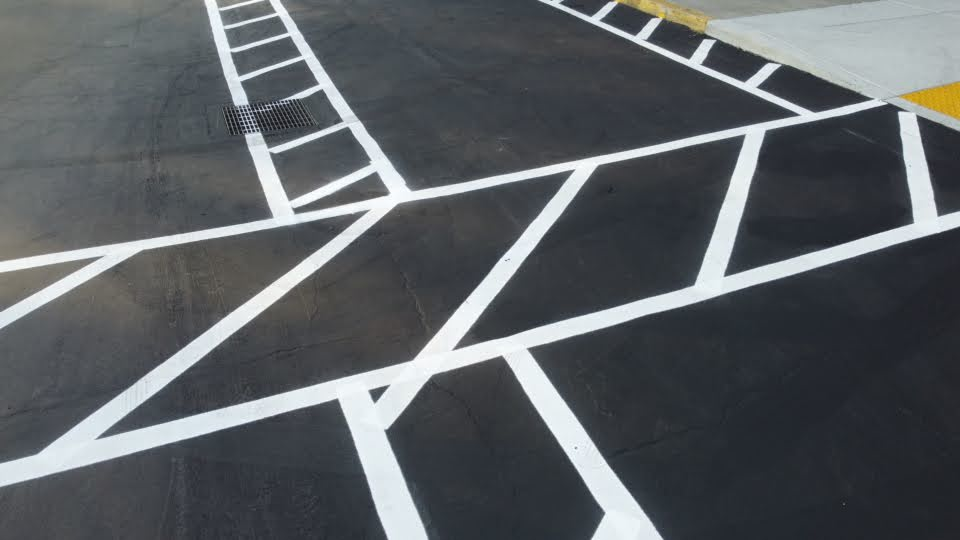
Selecting among driveway surface options requires evaluating local soil stability, drainage requirements, and long-term performance in Northern California. While asphalt and concrete remain the most common selections across Santa Clara County, understanding how material flexibility, sub-base preparation, and surface wear interact with Bay Area weather patterns ensures an investment that lasts for decades.
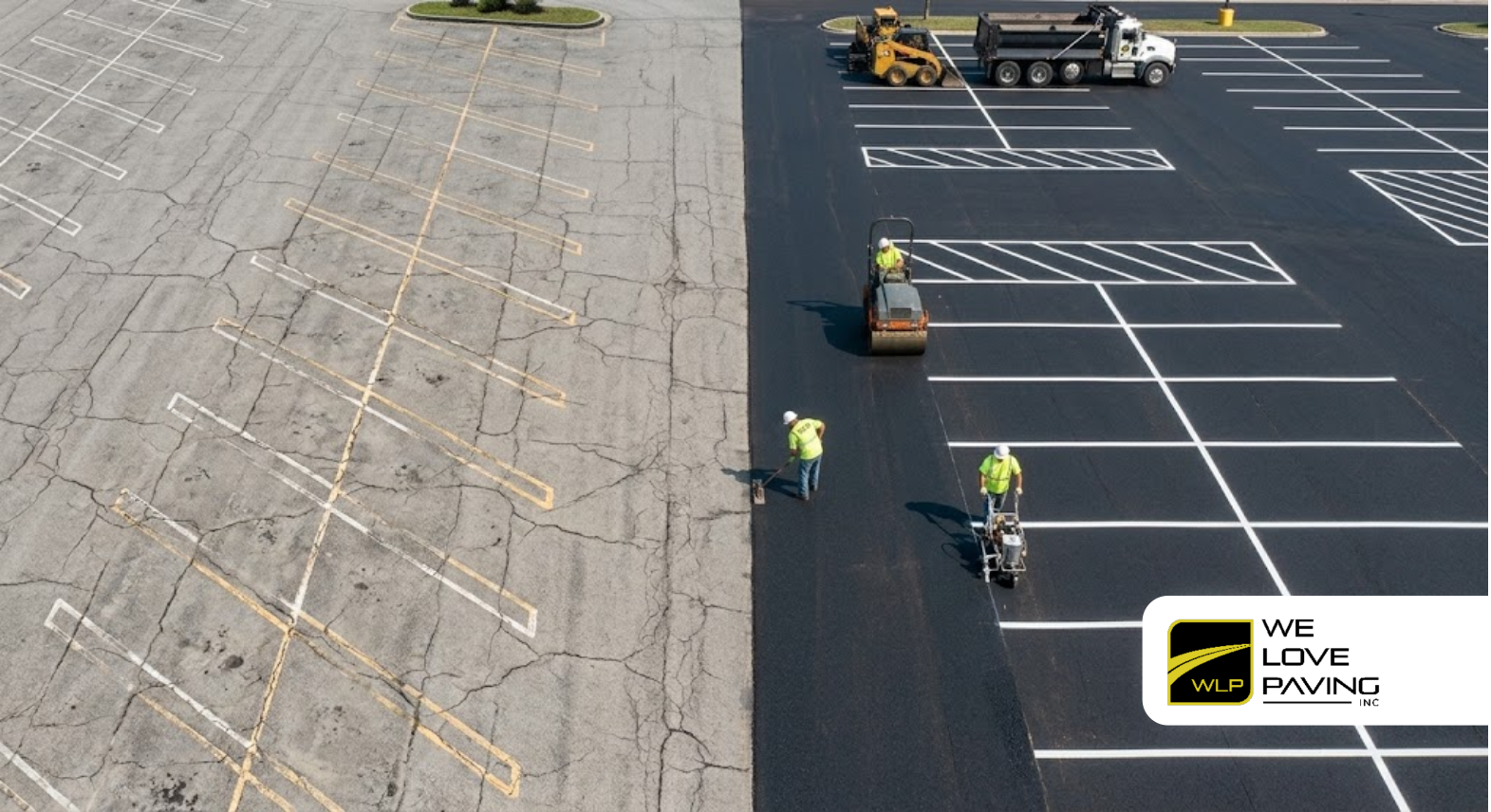
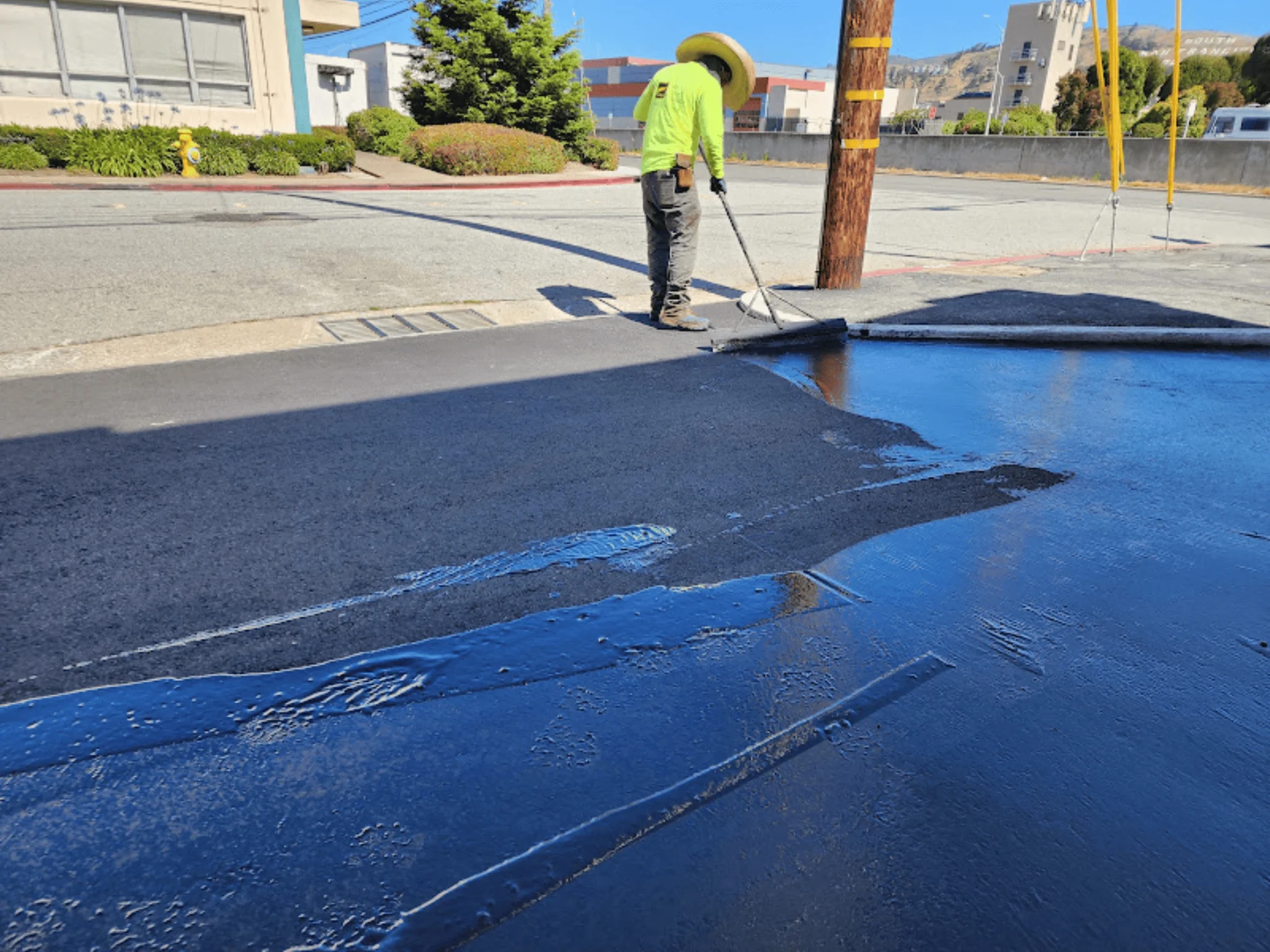
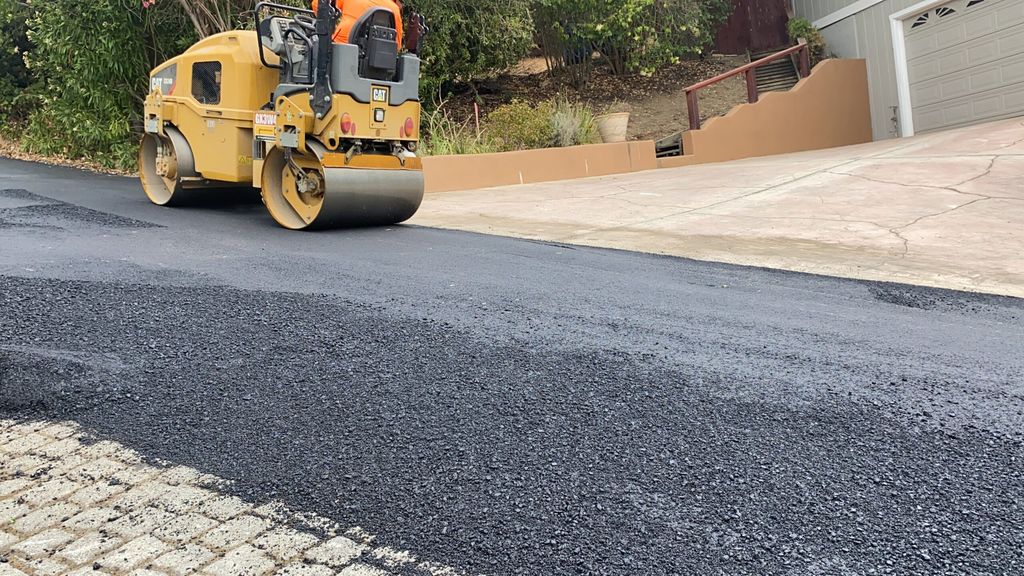
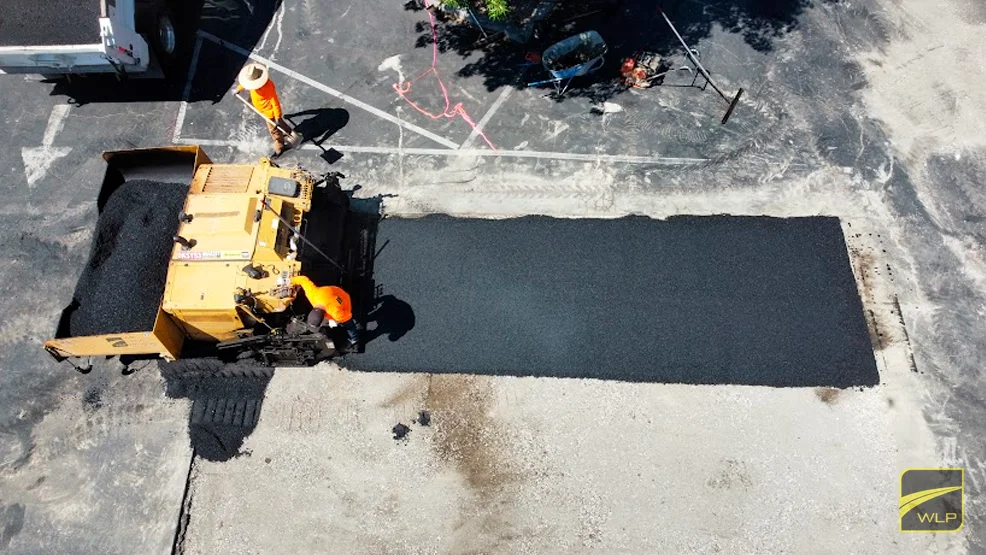
Asphalt provides a flexible, cost-effective surface composed of crushed aggregate bound by petroleum bitumen. In areas subject to moderate ground movement, its natural elasticity allows the pavement to yield under pressure without immediate structural failure. When proper care is taken during driveway asphalt installation, minor surface distress can be addressed through local patching or joint sealing rather than complete slab reconstruction.
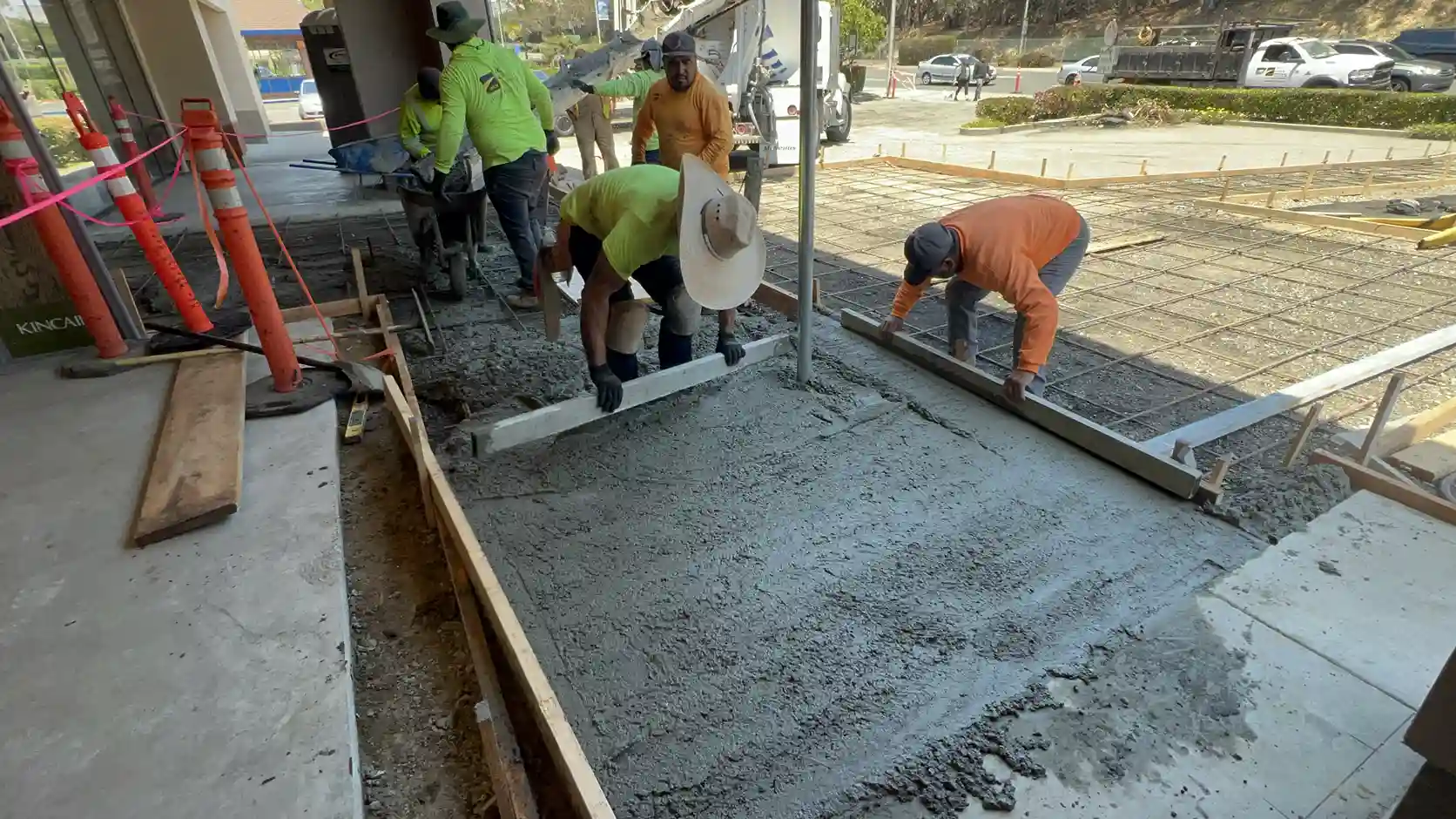
On the other hand, concrete driveways stand out for their durability and sleek appearance. Composed of cement, sand, and gravel, concrete offers a polished, modern look that can increase property value. It is more resistant to heavy loads and typically lasts longer than asphalt often up to 30 years or more with proper maintenance. Additionally, concrete requires less frequent maintenance, which can be an appealing factor for homeowners seeking a low-maintenance solution.
Each material presents distinct trade-offs. Asphalt requires preventative maintenance, including sealcoating every few years, to prevent oxidation from ultraviolet exposure. Concrete carries higher initial installation costs and is susceptible to surface cracking if sub-base soil expands. Planning project timelines around seasonal moisture, especially when considering winter driveway paving, is essential to prevent early curing defects in both options.
Understanding the nuances of concrete and asphalt allows homeowners to make a better decision. Whether prioritizing cost, longevity, or aesthetics, this guide will help you weigh the pros and cons of each material, ensuring your driveway is better for your home.
1.-Better Cost Comparison
Concrete driveways tend to have a higher upfront cost, but they often last longer. Asphalt, on the other hand, is more affordable initially, making it a better choice for budget-conscious homeowners.
Choosing the right driveway surface requires evaluating installation expenses against long-term durability. The table below compares performance parameters for primary surface options in Northern California.
| Surface Material | Average Cost (sq. ft.) | Expected Lifespan | Maintenance Need | Permeability & Drainage |
|---|---|---|---|---|
| Hot Mix Asphalt | $3 – $5 ¹ | 20 – 30 years | Moderate (Sealcoating every 3–5 yrs) | Low (Requires 2% slope or permeable mix) |
| Standard Concrete | $4 – $8 ¹ | 30 – 40 years | Low (Occasional joint sealing) | Low (Requires dedicated runoff planning) |
| Interlocking Concrete Pavers | $10 – $20+ ¹ | 40+ years | Low-Moderate (Joint sand replenishment) | High (Meets Bay Area C.3 mandates) |
| Crushed Stone / Gravel | $1 – $3 ¹ | Variable | High (Frequent regrading & weed control) | Very High (100% natural infiltration) |
¹ Cost estimates represent regional material and labor averages for Santa Clara County residential projects.
2.-Sub-Base Engineering and Structural Lifespan
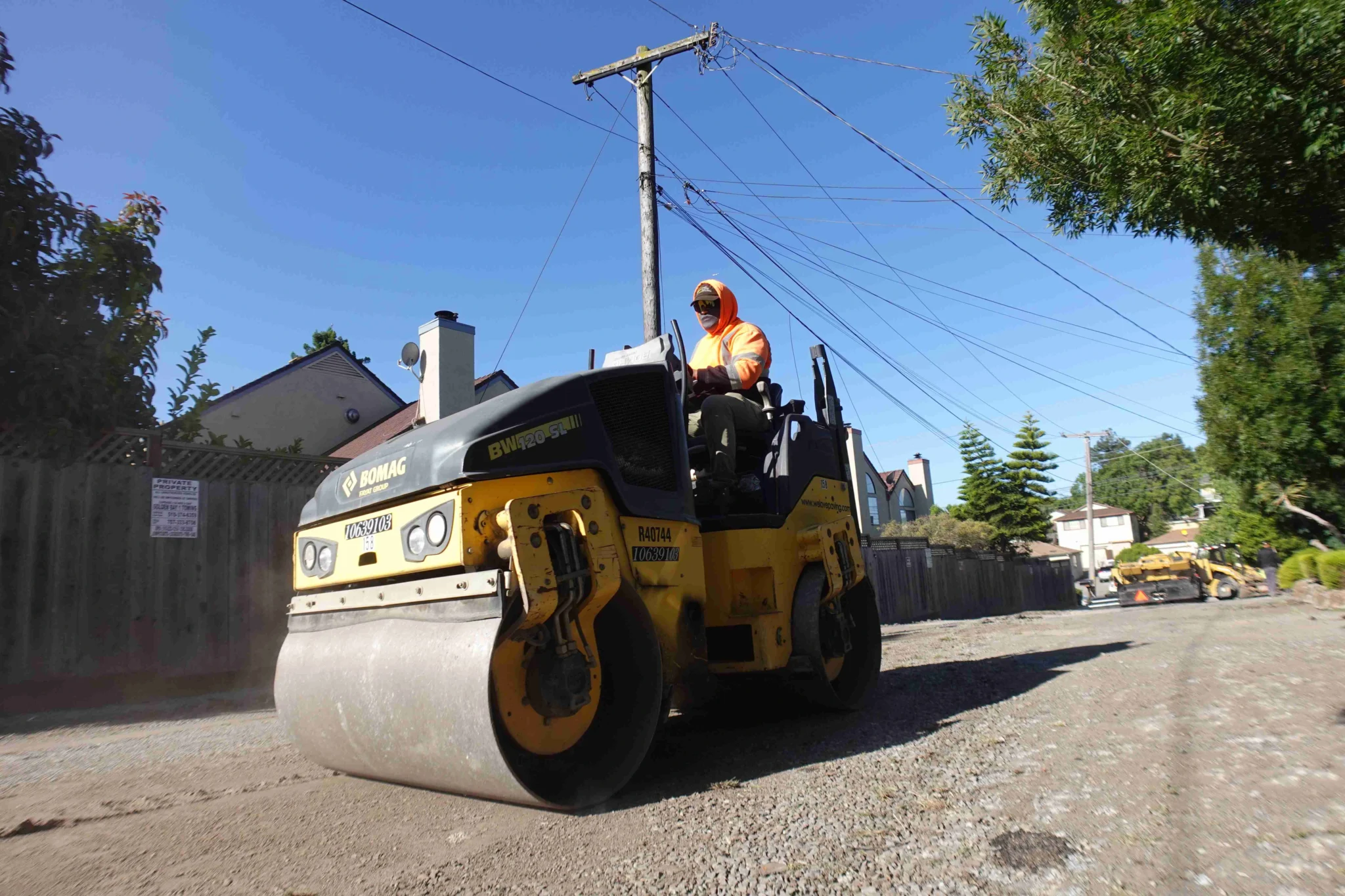
Long-term performance across all driveway surface options depends directly on sub-base compaction. For residential applications in Northern California clay soils, standard civil specifications require a minimum of 4 to 6 inches of compacted Caltrans Class 2 aggregate base under any rigid or flexible pavement.
- Concrete Specifications: Requires a engineered mix achieving at least 3,000 PSI compressive strength (per ASTM C39 standards), supported by control joints every 8 to 10 feet to manage thermal expansion. Proper surface slope design is critical, particularly when evaluating asphalt driveway grade limitations or concrete drainage slopes. Expect a structural lifespan of 30 to 40 years under normal residential loading.
- Asphalt Specifications: Consists of a 2 to 3-inch compacted Hot Mix Asphalt (HMA) surface layer placed over a thoroughly compacted aggregate sub-base. Adhering to a maintenance routine every 3 to 5 years protects the asphalt binder from UV degradation, delivering an effective service life of 20 to 30 years.
3. Maintenance Needs
Maintenance requirements are key when deciding between these two materials.
- Asphalt: Requires regular seal coating every 3–5 years to protect against cracks and UV damage.
- Concrete: Requires occasional sealing, but less frequently than asphalt. It’s prone to staining from oil or other substances.
4.-Climate Considerations
In different climates there are some things to consider wich is better
- Hot Climates: Asphalt can become soft and sticky in high temperatures.
- Cold Climates: Concrete is susceptible to cracking from freeze-thaw cycles, while asphalt performs better in these conditions.
5.-Aesthetic Appeal
Concrete offers greater versatility in terms of finishes and colors, allowing for stamped or stained designs. Asphalt, however, provides a smooth and uniform black surface that many find appealing for a classic driveway look.
6.-Environmental Impact
Asphalt is recyclable and can be repurposed, making it an eco-friendly choice. Concrete, while durable, requires energy-intensive production processes, contributing to a larger carbon footprint.
7. Other Surface Options and Local Regulations to Consider
While asphalt and concrete dominate the market, a comprehensive evaluation for your home should include other premium and eco-friendly alternatives. Interlocking pavers, for instance, offer an unmatched high-end aesthetic, are highly resistant to freeze-thaw cycles, and allow for targeted repairs by simply replacing individual damaged stones. Another excellent modern choice is permeable asphalt or concrete, specifically designed to allow rainwater to filter through the surface, significantly reducing water runoff.
Beyond the material itself, it is crucial to consider local bureaucracy. Depending on your municipality and your Homeowners Association (HOA) rules, you may require specific building permits, face restrictions on the maximum allowable impervious surface area on your lot, or need to comply with strict street drainage management regulations. Working with an experienced local contractor ensures your project is fully compliant with municipal codes from day one, helping you avoid costly fines or mandatory rebuilds.
Making the Right Choice for Your Property
Selecting the optimal driveway surface comes down to balancing long-term performance against upfront investment. Asphalt remains the most cost-effective solution for large surface areas and performs exceptionally well under ground movement and seasonal moisture shifts. Concrete offers a higher-end, customizable finish that enhances curb appeal and stands up to decades of heavy daily vehicle traffic.
Need expert guidance on your Bay Area driveway project? Contact the team at We Love Paving to evaluate your property’s sub-base, discuss drainage options, and receive a detailed engineering estimate tailored to your local municipal codes.