Why Parking Lots Fail Faster Than Property Owners Expect

We Love Paving services in Concord. Professional paving contractor serving Concord and Downtown San Jose areas.
Estimation Tools

Calculate costs in seconds

Fast, accurate estimates that help you close more jobs. Less guesswork, more profit.

Many property owners are surprised when a parking lot begins to deteriorate sooner than expected.

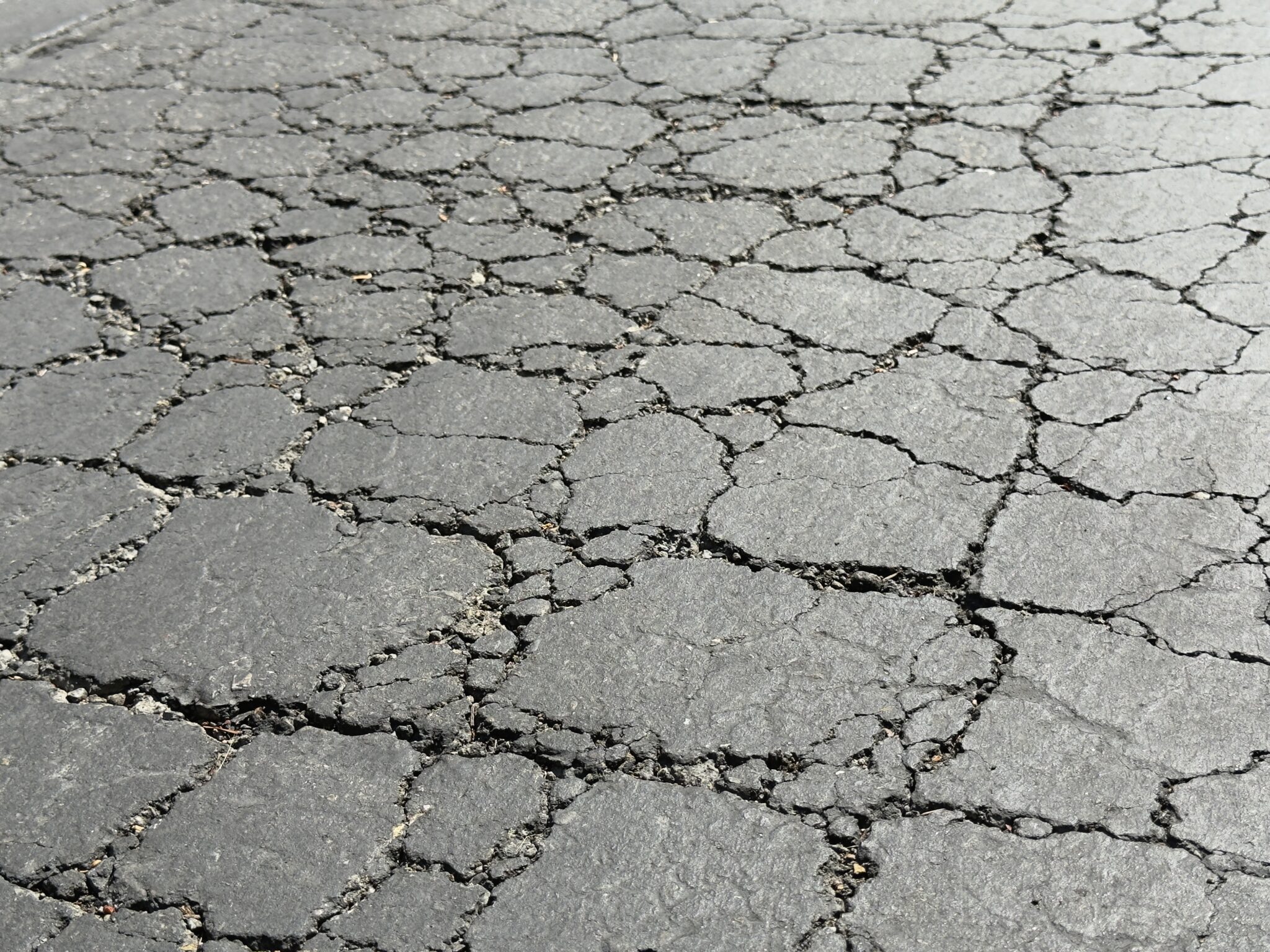
From the surface, the pavement may still look acceptable. Striping may be visible. There may be no major cracks or potholes. Yet underneath, deterioration is already in progress.

Parking lots often fail earlier than owners anticipate not because they were poorly built — but because pavement is commonly misunderstood.


Parking Lots Are Structural Assets, Not Cosmetic Features

A parking lot is not just a finished surface.

It is a layered system designed to handle:

  • Constant vehicle loads

  • Repeated turning stress

  • Water exposure

  • Temperature changes

  • Public accessibility requirements

Even when the surface looks intact, stress is being transferred through the pavement structure every day.

Unlike interior assets, parking lots are exposed continuously — and deterioration begins long before visual damage appears.


Traffic Load Accelerates Wear More Than Age

Many owners assume pavement lifespan is tied mainly to time.

In reality, traffic patterns matter more than age.

High-stress areas degrade first:

  • Drive lanes with constant turning

  • Trash enclosures

  • Fire lanes

  • Delivery and loading zones

  • Accessible parking areas

Turning movements and heavy loads create shear stress that weakens pavement faster than straight-line traffic. These areas often fail years before the rest of the lot.


Water Is the Primary Driver of Pavement Failure

Water is the most common and most underestimated cause of early pavement failure.

Once water penetrates the surface, it:

  • Weakens the base layer

  • Creates uneven settlement

  • Accelerates cracking

  • Alters surface slopes

Drainage issues do not always look severe. Shallow pooling or recurring damp spots are often early indicators of deeper structural problems.

Over time, water-related issues compound quietly — until repairs become unavoidable.


Deferred Maintenance Speeds Up Deterioration

Small issues are often postponed because they do not seem urgent.

Examples include:

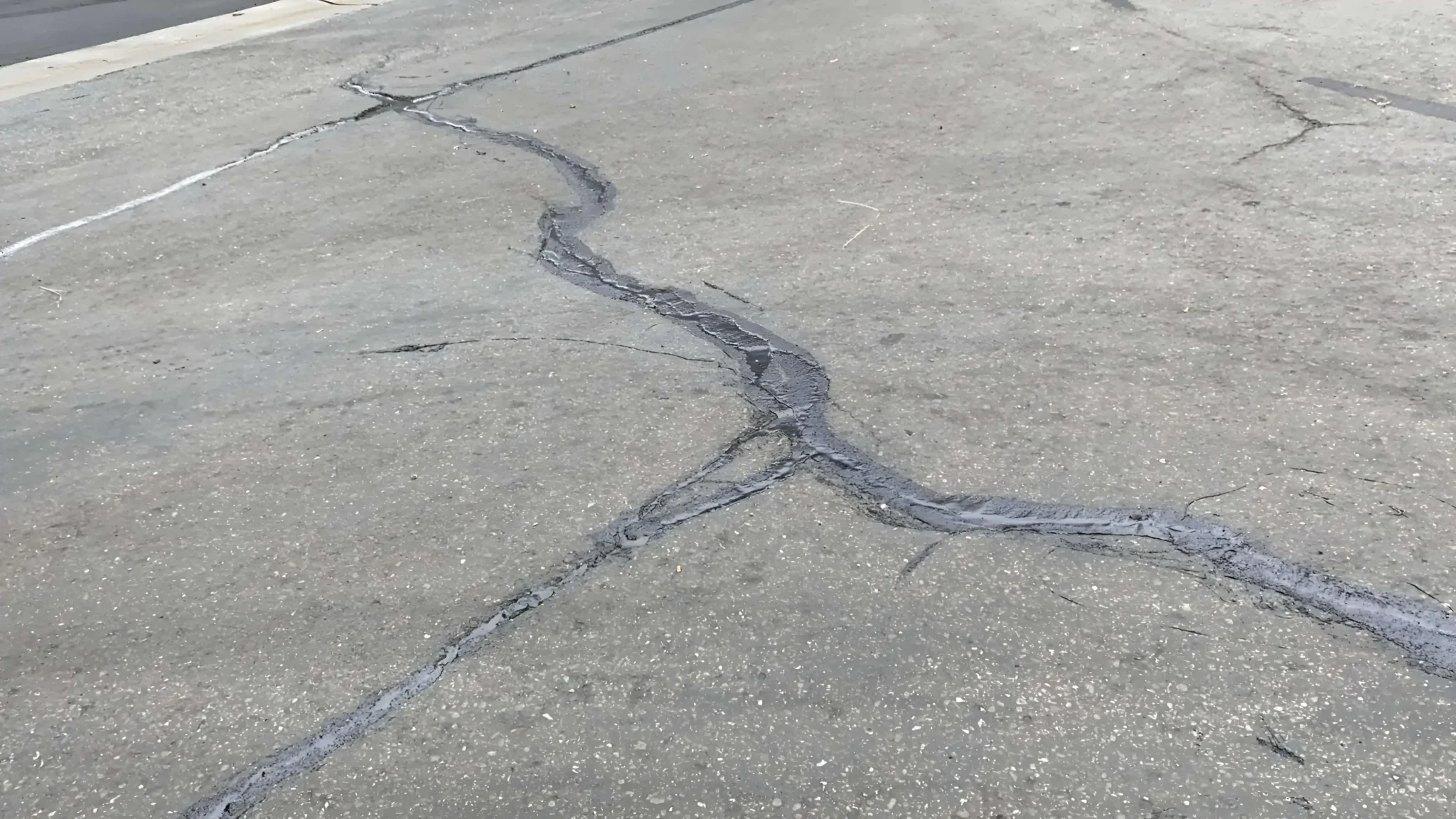
  • Hairline cracking

  • Minor settlement

  • Fading striping

  • Subtle drainage problems

When maintenance is delayed, these minor issues allow water intrusion and structural movement to continue unchecked.

What could have been addressed through preventive maintenance often escalates into full-depth repairs or premature replacement.


Appearance Is a Poor Indicator of Pavement Health

One of the most common misconceptions is that a parking lot is performing well because it looks fine.

Visual condition alone does not reveal:

  • Subsurface movement

  • Slope deviations

  • Drainage failures

  • Base layer degradation

By the time damage becomes obvious, deterioration has usually been occurring for years.


Why Early Failure Often Feels “Unexpected”

From an owner’s perspective, early pavement failure can feel sudden.

In reality, failure is usually gradual and predictable — it simply goes unnoticed until visible signs appear.

This gap between actual pavement condition and perceived condition is why many parking lots fail sooner than expected.


A Maintenance-First Approach Extends Pavement Life

Parking lots last longer when they are managed as long-term assets, not reactive repairs.

This includes:

  • Routine inspections

  • Monitoring high-stress areas

  • Addressing drainage early

  • Sealing and repairing at the right time

  • Planning maintenance instead of reacting to damage

Preventive maintenance does not eliminate deterioration — but it slows it significantly and preserves value.


The We Love Paving Perspective

At We Love Paving, parking lots are approached as infrastructure systems, not cosmetic surfaces.

Understanding how and why pavement deteriorates allows property owners to:

  • Avoid premature failure

  • Reduce long-term costs

  • Minimize operational disruption

  • Protect property value

Pavement rarely fails suddenly.
It fails quietly — until it can no longer be ignored.

Need Immediate Help?

Let's Talk About Your Project

Don't wait until minor damage turns into major expenses. Our team of experts is ready to provide you with guaranteed solutions. Contact us now for direct advice from a professional.

Frequently Asked Questions (FAQ)

Got Questions? Find Your Answers Here!!

Why do parking lots fail faster than property owners expect?

Parking lots fail sooner than expected because deterioration is gradual and often invisible. There is a gap between actual condition and perceived condition: while the surface appears stable, issues like water infiltration and base weakening are already progressing, making failure seem sudden when it has been developing over time.

Why does traffic matter more than pavement age?

Traffic matters more than age because wear concentrates in high-stress areas such as entrances, turning zones, and loading areas. These sections can fail years earlier due to repeated stress and friction, proving that usage patterns are more predictive of lifespan than simple age.

Why is water the leading cause of early pavement failure?

Water is the leading cause because it penetrates asphalt and weakens the structural base, leading to settlement, cracking, and slope changes. Even minor signs like damp areas or shallow pooling often indicate deeper structural problems that worsen over time.

Why can pavement appearance be misleading?

Pavement appearance is misleading because it does not reflect structural integrity. Subsurface issues such as base movement, drainage failure, and load imbalance can exist even when the surface looks intact, meaning visible damage often appears only after significant deterioration has already occurred.

How does deferred maintenance accelerate pavement failure?

Deferred maintenance accelerates failure because minor issues like hairline cracks and slight settlement are left unresolved. These allow water intrusion and structural movement to continue, turning small defects into major repairs or full replacement much faster than expected.

Professional customer review project by We Love Paving in Northern California, California. Verified local construction quality.

Fred / Founder

Fred, Founder and Regional Operations Manager at We Love Paving, comes from a family that values hard work and discipline. Growing up watching his parents work long hours with integrity and dedication, Fred learned early on that quality paving isn’t just about asphalt, it’s about consistency, accountability, and doing the job right.

Share

Posts That Might Interest You

Sacramento Paving Solutions: Can You Put Asphalt Over Dirt?

Sacramento Paving Solutions: Can You Put Asphalt Over Dirt?

May 21, 2026

In Sacramento, California, where the weather is mostly warm and the urban landscape is continually evolving, maintaining durable and attractive driveways, pathways, and parking areas is essential. One common question that homeowners and property managers often ask is whether it’s possible to put asphalt directly over dirt. This comprehensive guide will explore the feasibility, benefits,

Is Asphalt Hard to Maintain?

Is Asphalt Hard to Maintain?

May 20, 2026

Asphalt is a popular material for driveways, parking lots, and roadways due to its durability, cost-effectiveness, and ease of installation. However, like any material, it requires maintenance to ensure longevity and optimal performance. In this blog post, we will explore the challenges and best practices of asphalt maintenance to determine whether it is indeed hard

Signs Your Parking Lot Needs Maintenance Before Small Problems Spread

Signs Your Parking Lot Needs Maintenance Before Small Problems Spread

May 18, 2026

The signs your parking Lot needs maintenance rarely appear all at once. A parking lot usually warns you in stages. First, the striping fades. Then small cracks appear. Water starts sitting in the same low area after rain. A pothole forms near the entrance. The surface looks dry, gray, and brittle. Tenants, customers, residents, or

Pavement vs Concrete: Which Is Better for Your Commercial Property?

Pavement vs Concrete: Which Is Better for Your Commercial Property?

May 18, 2026

“Pavement vs concrete” is a common comparison, but it starts with a technical problem. Concrete is pavement too. A commercial parking lot, driveway, loading area, or access road can be paved with asphalt, concrete, pavers, or other hard-surface materials. So the real question is not pavement vs concrete. The useful question is asphalt pavement vs

Next

Estimation Tools

Calculate costs in seconds

Fast, accurate estimates that help you close more jobs. Less guesswork, more profit.