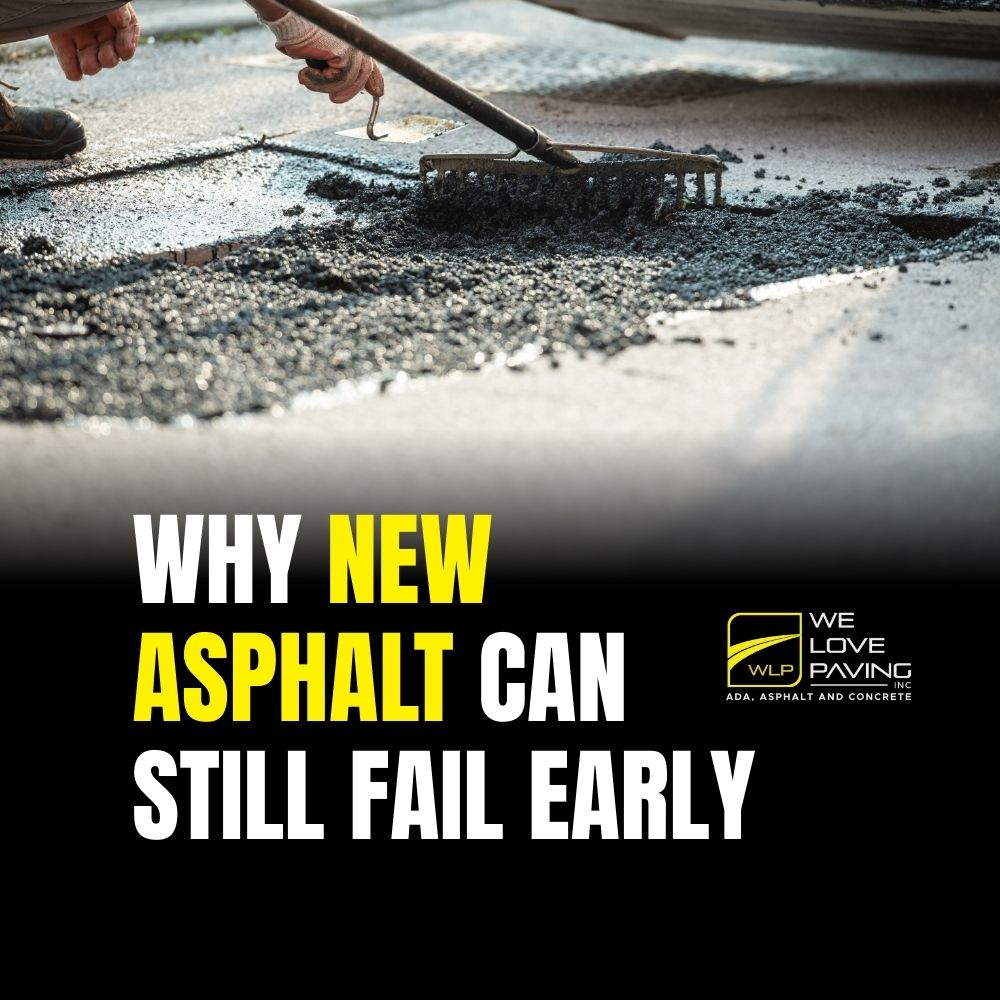
Why New Asphalt Can Still Fail Early

We Love Paving services in Palo Alto. Professional paving contractor serving Palo Alto and Tech Corridor areas.
Estimation Tools

Calculate costs in seconds

Fast, accurate estimates that help you close more jobs. Less guesswork, more profit.

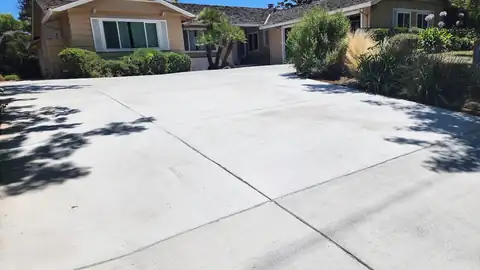
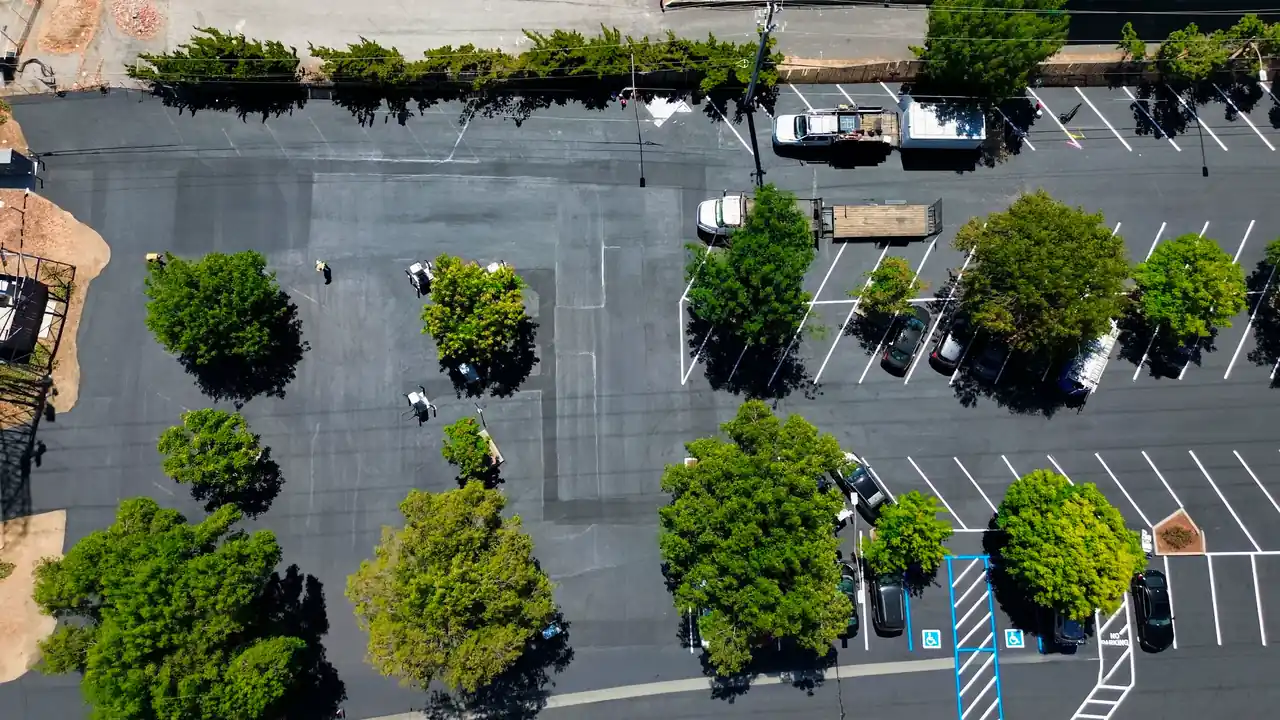
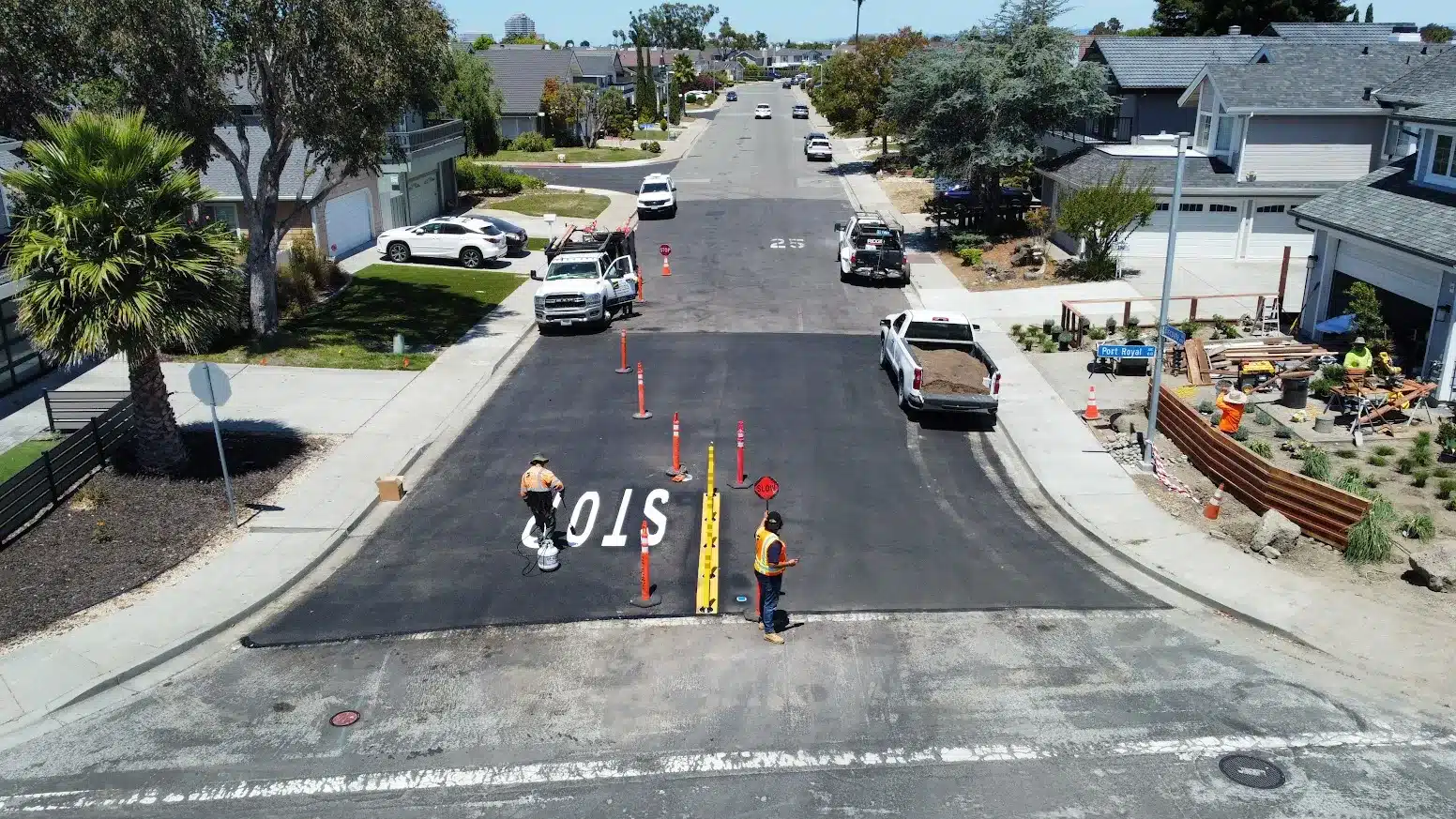
common assumption among property owners is that new asphalt automatically means long-term performance.

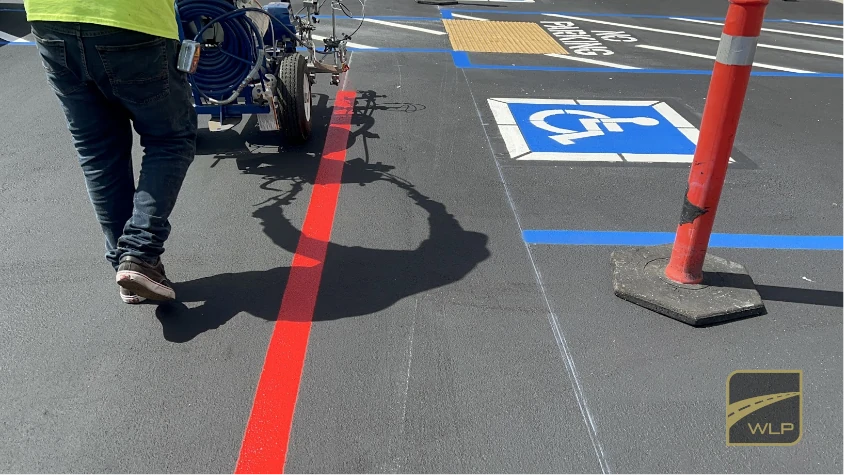
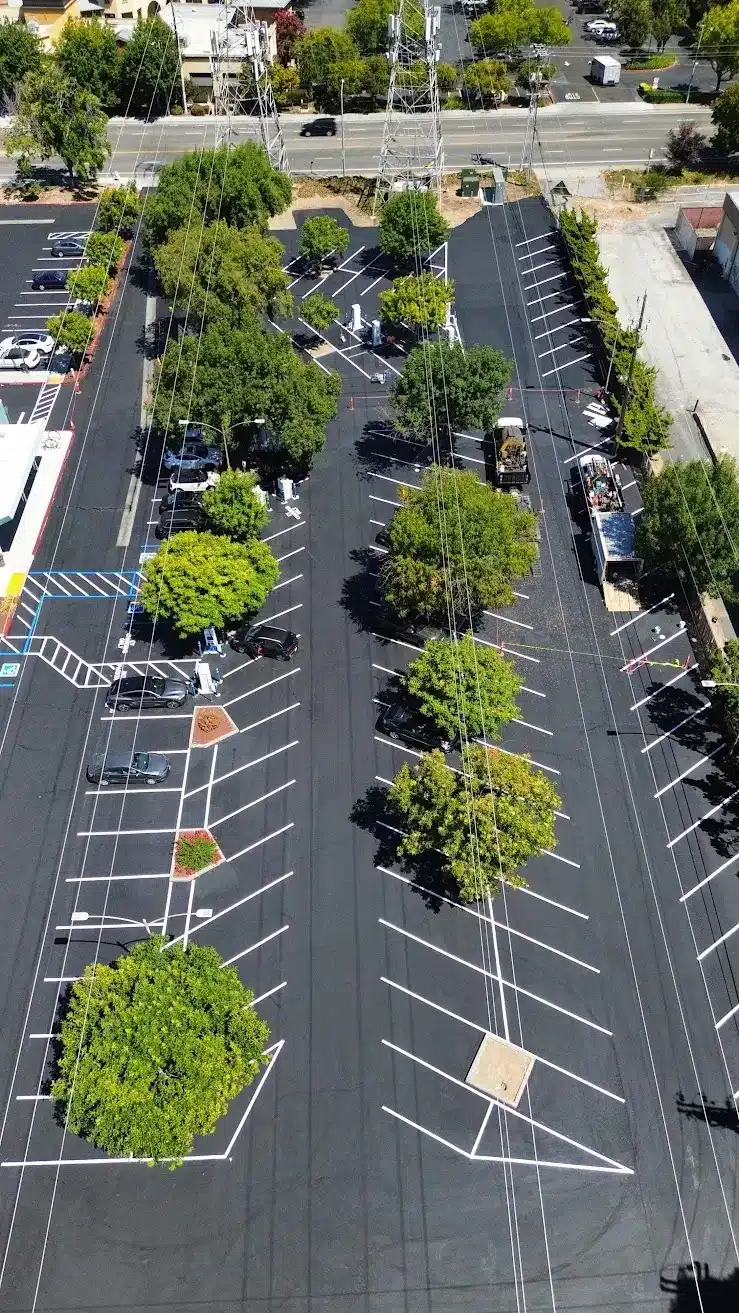
The surface looks smooth. Striping is crisp. There are no cracks, no potholes, no visible issues. Yet in many cases, signs of failure begin appearing far sooner than expected.

Early asphalt failure is rarely caused by a single mistake. More often, it is the result of underlying conditions that are invisible at the surface.


New Asphalt Does Not Eliminate Structural Variables

Fresh asphalt is only the top layer of a pavement system.

Below the surface are:

  • The base layer

  • The sub-base

  • The soil conditions beneath

If these layers are compromised, even brand-new asphalt will reflect those weaknesses over time.

New pavement does not correct poor drainage, unstable subgrades, or long-standing settlement patterns. It simply covers them.


Base and Sub-Base Conditions Matter More Than Surface Age

One of the most common causes of early failure is inadequate base preparation.

If the base layer:

  • Is not properly compacted

  • Contains moisture

  • Was built over unstable soils

The asphalt above it will move, settle, and crack regardless of how new it is.

Surface appearance may remain acceptable for months or even years, but structural movement continues underneath.


Water Exposure Begins Immediately

Water is the single most damaging factor for asphalt performance.

Even new asphalt is vulnerable to:

  • Poor drainage design

  • Low spots that allow water to pool

  • Inadequate slope control

  • Water intrusion at edges and joints

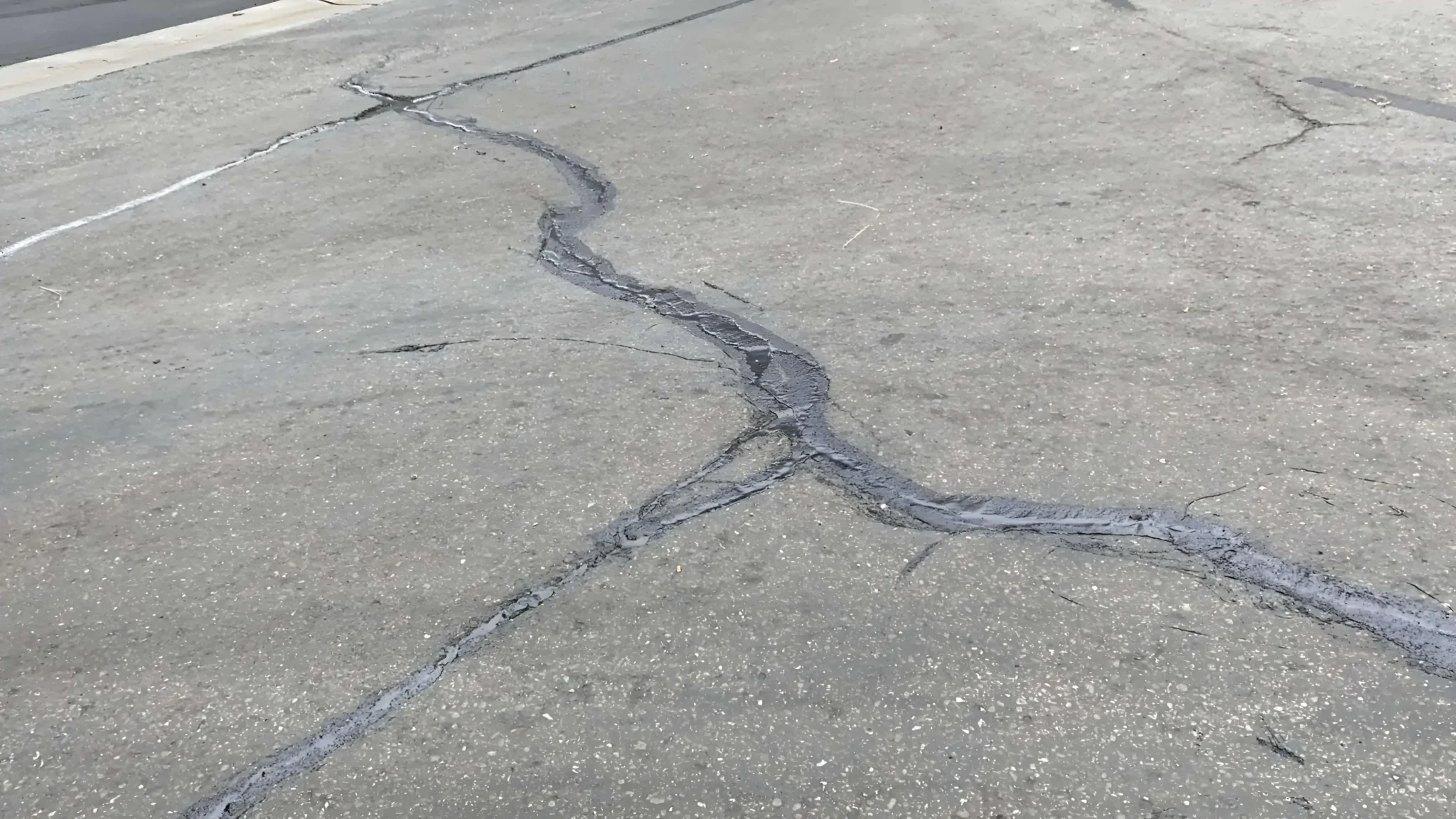
Once water penetrates the pavement system, it weakens the base and accelerates deterioration. This process often starts long before visible damage appears.


Traffic Stress Is Often Underestimated

Many parking lots are designed based on average traffic assumptions.

In reality, stress is concentrated in specific areas:

  • Drive lanes with turning movements

  • Fire lanes

  • Trash enclosures

  • Delivery and loading zones

These areas experience higher shear forces and repeated stress, causing early wear even when the asphalt itself is new.

Without reinforcement or targeted design considerations, early distress is likely.


New Asphalt Can Mask Existing Problems

Overlay projects are especially prone to early failure.

When new asphalt is placed over an existing surface without addressing underlying issues, it can temporarily improve appearance while hiding:

  • Drainage deficiencies

  • Slope deviations

  • Settlement zones

The result is a lot that looks new but continues to behave like an old pavement system.


Early Visual Condition Can Be Misleading

New asphalt often gives a false sense of security.

Because the surface looks intact, owners may delay inspections or maintenance. Meanwhile, small issues develop unnoticed:

  • Subtle settlement

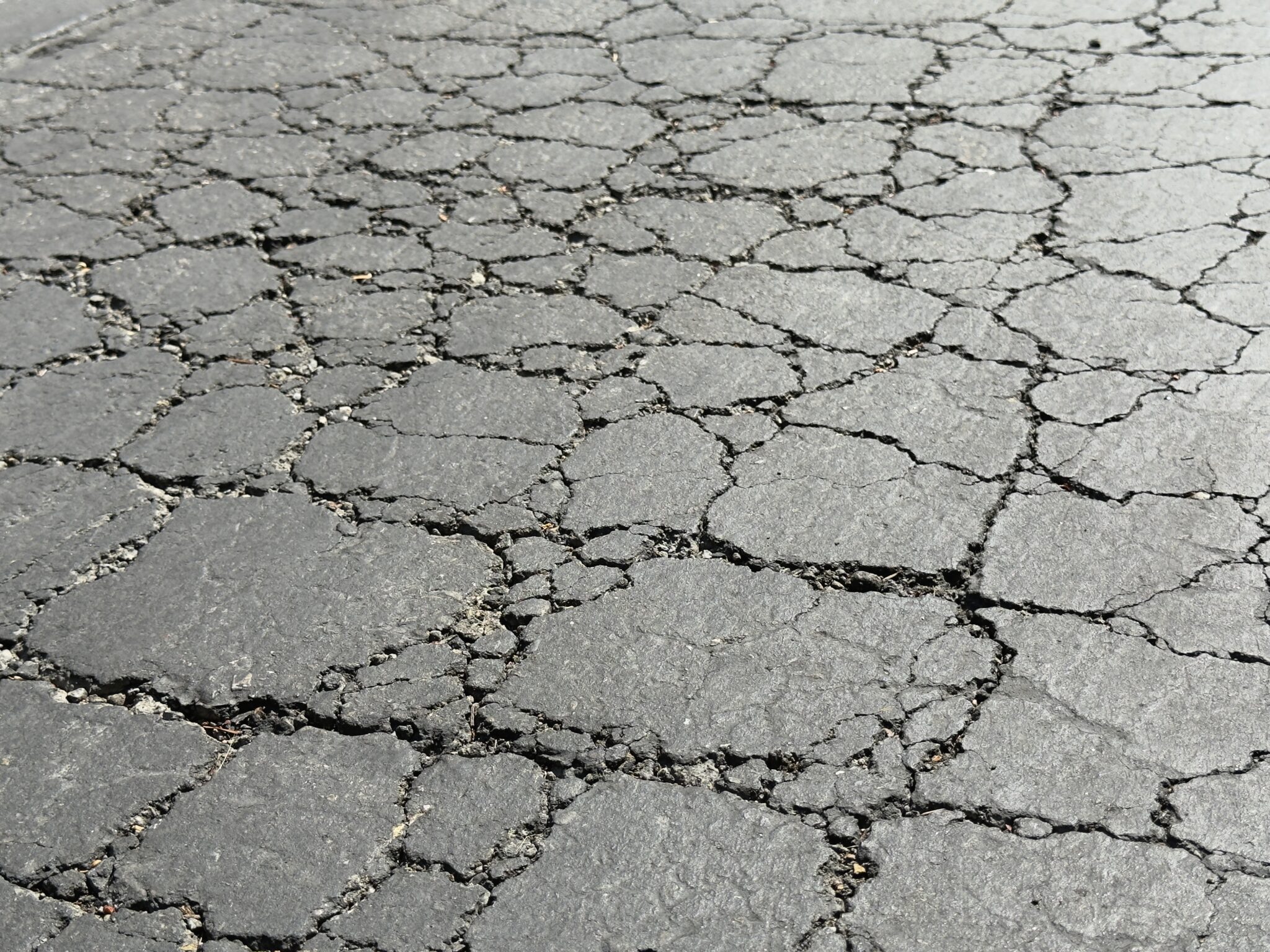
  • Minor cracking

  • Early water intrusion

By the time damage becomes visible, corrective options are more limited and more costly.


Early Maintenance Still Matters on New Asphalt

One of the most overlooked factors in early failure is delayed maintenance.

New asphalt still requires:

  • Timely sealing

  • Monitoring of high-stress areas

  • Drainage observation

  • Early crack repair

Waiting too long allows small issues to grow into structural problems.


Why Early Failure Often Comes as a Surprise

From a property owner’s perspective, early failure feels sudden.

In reality, the conditions that caused it were present from the beginning — just not visible.

This disconnect between appearance and performance is why new asphalt can still fail far earlier than expected.


The We Love Paving Perspective

At We Love Paving, asphalt performance is evaluated as a system — not a surface.

Understanding what lies beneath the pavement allows property owners to:

  • Set realistic lifespan expectations

  • Protect new investments

  • Reduce premature repairs

  • Plan maintenance strategically

New asphalt is an improvement, not a guarantee.

Long-term performance depends on what supports it.

Need Immediate Help?

Let's Talk About Your Project

Don't wait until minor damage turns into major expenses. Our team of experts is ready to provide you with guaranteed solutions. Contact us now for direct advice from a professional.

Frequently Asked Questions (FAQ)

Got Questions? Find Your Answers Here!!

Why can new asphalt fail early?

New asphalt can fail early because pavement is a system, not just a surface layer. If the base, sub-base, or soil conditions are unstable, the asphalt only hides the issue. Even when it looks perfect, structural movement continues underneath until cracks and failures appear.

How does base preparation impact early asphalt failure?

Base preparation is the most critical factor: if it is poorly compacted, contains moisture, or sits on unstable soil, the pavement will settle and crack. Research shows compaction below 95% significantly reduces structural capacity and accelerates premature failure.

Why does water damage new asphalt so quickly?

Water begins damaging asphalt immediately when drainage is poor or slopes are incorrect. It infiltrates the structure, weakens the base, and accelerates internal deterioration before visible signs appear, turning minor issues into structural failures quickly.

How does traffic contribute to early failure in new asphalt?

Traffic accelerates failure when actual loads exceed design assumptions, especially in turning zones, loading areas, and braking points. Stress concentrates in these areas, causing premature wear even if the rest of the pavement appears in good condition.

Why do new asphalt overlays fail quickly?

Overlays fail quickly because they do not fix underlying structural problems. Adding a new asphalt layer over a compromised base only improves appearance temporarily, while issues like drainage defects and settlement continue and reappear as cracks or deformation.

Professional customer review project by We Love Paving in Northern California, California. Verified local construction quality.

Fred / Founder

Fred, Founder and Regional Operations Manager at We Love Paving, comes from a family that values hard work and discipline. Growing up watching his parents work long hours with integrity and dedication, Fred learned early on that quality paving isn’t just about asphalt, it’s about consistency, accountability, and doing the job right.

Share

Posts That Might Interest You

What is Driveway Resurfacing? Expert Technical Guide to Asphalt Overlay and When to Use It

What is Driveway Resurfacing? Expert Technical Guide to Asphalt Overlay and When to Use It

April 15, 2026

THE BENEFITS OF RESURFACING In the world of driveway maintenance and improvement, asphalt resurfacing has emerged as a popular and effective solution. As time passes, even the most durable asphalt driveways can succumb to wear and tear, displaying cracks, potholes, and a worn-out appearance. However, instead of tearing up the entire driveway and starting from

Paving Technical Audit: Cost of Driveway Analysis

Paving Technical Audit: Cost of Driveway Analysis

April 14, 2026

A Comprehensive Guide For Homeowners Paving a driveway is a substantial undertaking for any homeowner. Beyond just enhancing curb appeal, it adds value and utility to the property. However, before diving into such a project, it’s crucial to grasp the diverse factors influencing the overall cost. This guide explores these elements, offering insights to empower

Why is Asphalt So Expensive? A 2026 Audit of Paving Costs and Market Dynamics

Why is Asphalt So Expensive? A 2026 Audit of Paving Costs and Market Dynamics

April 2, 2026

Paving costs have experienced a significant upward trend in recent years, leaving property owners questioning the reasons behind this surge. In this detailed exploration, we delve into the multifaceted factors contributing to the escalating costs of paving in 2026 and beyond. Material Costs and Market Dynamics The cornerstone of any paving project lies in its

What is the Square Foot Price for Asphalt?

What is the Square Foot Price for Asphalt?

April 2, 2026

Asphalt is a popular paving material used for driveways, parking lots, and roads due to its durability, affordability, and ease of installation. However, the cost of asphalt can vary significantly depending on several factors. In this blog post, we will explore the factors that influence the square foot price of asphalt, typical price ranges, and

Next

Estimation Tools

Calculate costs in seconds

Fast, accurate estimates that help you close more jobs. Less guesswork, more profit.