Why Standing Water Shortens Parking Lot Lifespan

We Love Paving services in San Ramon. Professional paving contractor serving San Ramon and Bay Area areas.
Estimation Tools

Calculate costs in seconds

Fast, accurate estimates that help you close more jobs. Less guesswork, more profit.

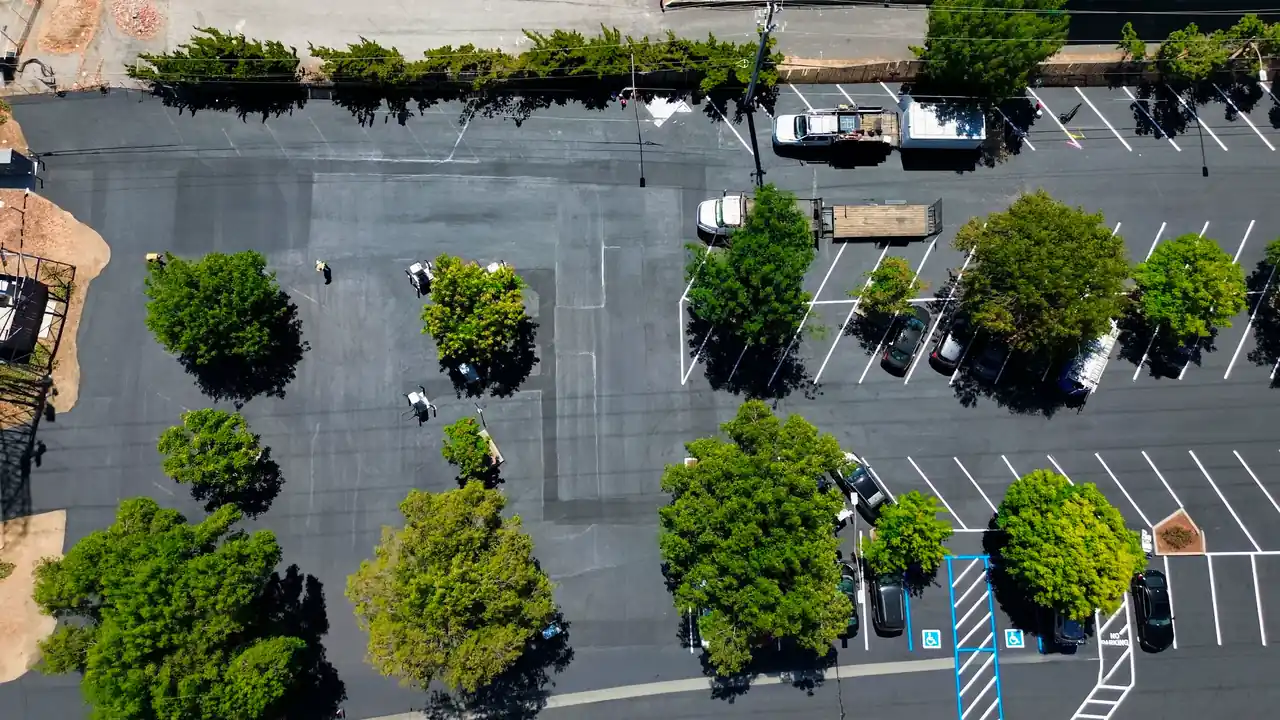
Standing water is often treated as a minor inconvenience.

If the pooling is shallow or disappears after a few hours, it is easy to assume it is harmless. In reality, standing water is one of the most reliable indicators that a parking lot is already under stress.

Water does not need to look severe to cause damage. Even small, recurring pooling can significantly shorten pavement lifespan.


Water Is the Primary Enemy of Asphalt

Asphalt is designed to shed water, not hold it.

When water remains on the surface, it eventually finds a way into the pavement structure through:

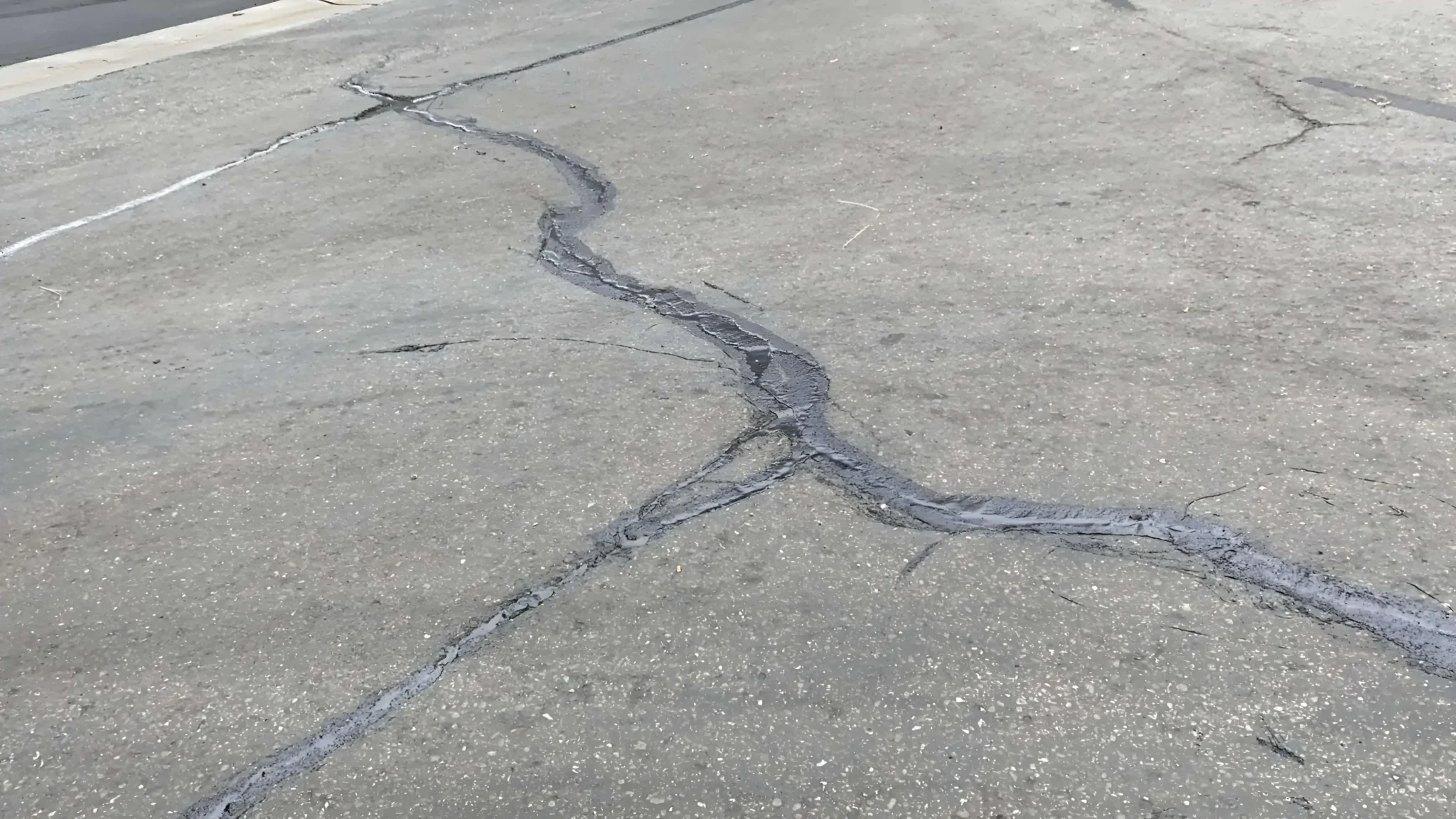
  • Microcracks

  • Joints and edges

  • Surface imperfections

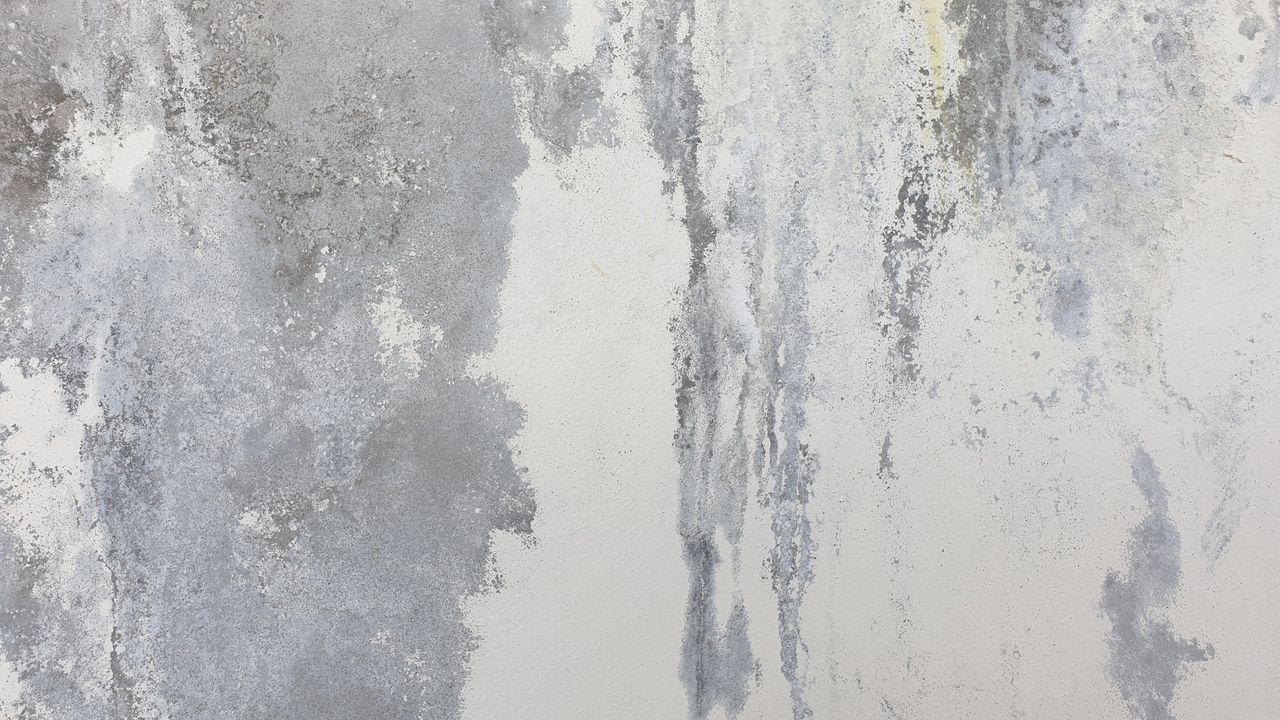
Once water penetrates the pavement, it begins weakening the layers below. This process starts quietly and accelerates over time.


Standing Water Signals Drainage or Slope Problems

Pooling water usually points to underlying issues, such as:

  • Improper surface slopes

  • Low spots caused by settlement

  • Inadequate drainage design

  • Degraded base materials

Even when the asphalt surface looks intact, standing water often means the pavement is no longer draining as designed.


Water Weakens the Base Layer First

The most critical damage caused by standing water occurs below the surface.

When the base layer becomes saturated:

  • It loses load-bearing strength

  • Pavement begins to flex under traffic

  • Settlement becomes more likely

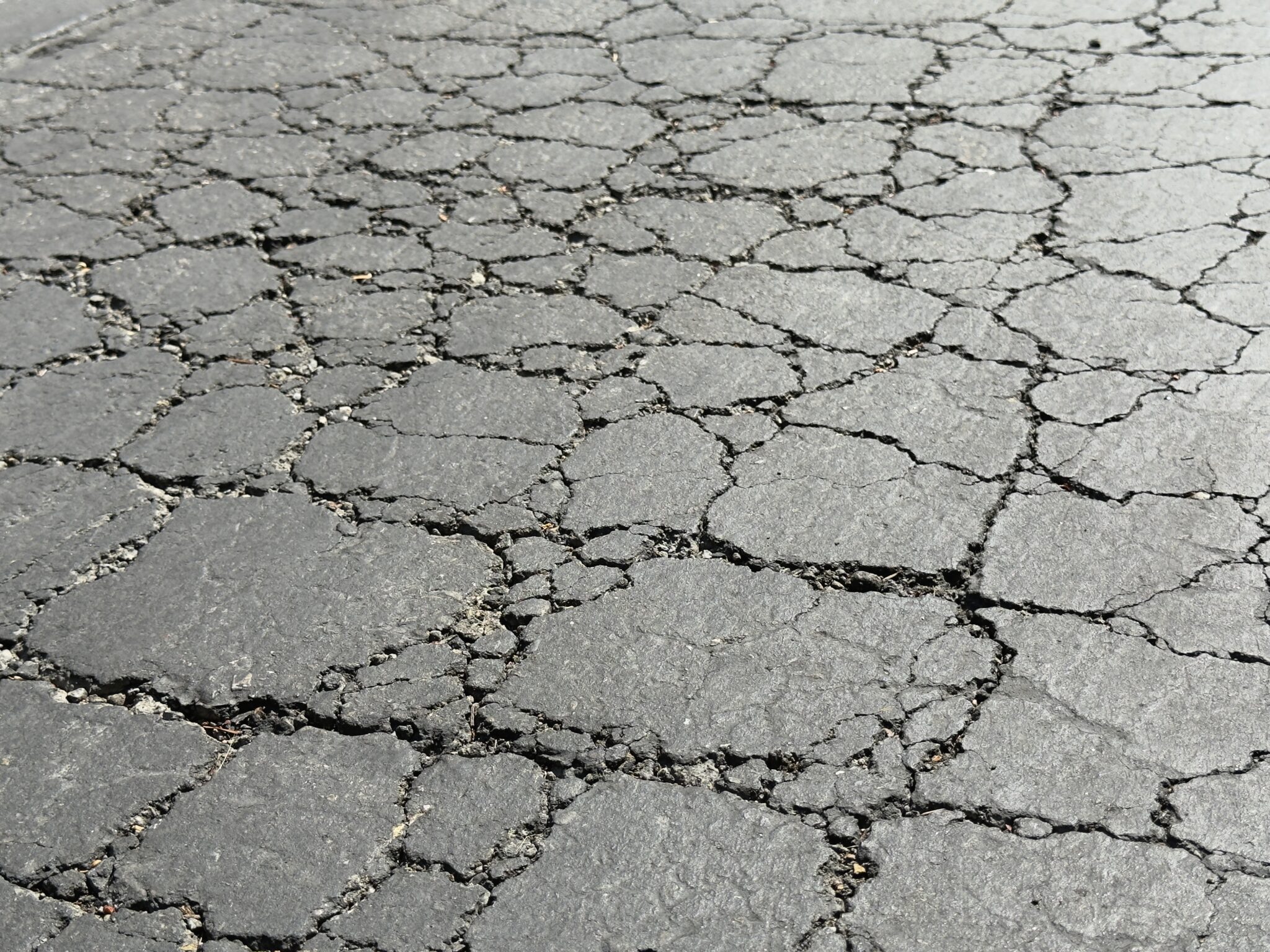
This movement creates stress in the asphalt above, leading to cracking and deformation.

By the time surface damage becomes visible, base failure is often already underway.


Repeated Traffic Accelerates Damage in Wet Areas

Areas with standing water are subjected to repeated stress.

Each vehicle passing through a pooled area applies pressure that forces water deeper into the pavement structure. Over time, this repeated loading:

  • Enlarges existing weaknesses

  • Expands low spots

  • Increases surface deformation

High-traffic areas with standing water deteriorate significantly faster than dry sections of the same lot.


Standing Water Creates Safety and Compliance Risk

Beyond structural damage, standing water increases risk.

In accessible areas, pooling water can:

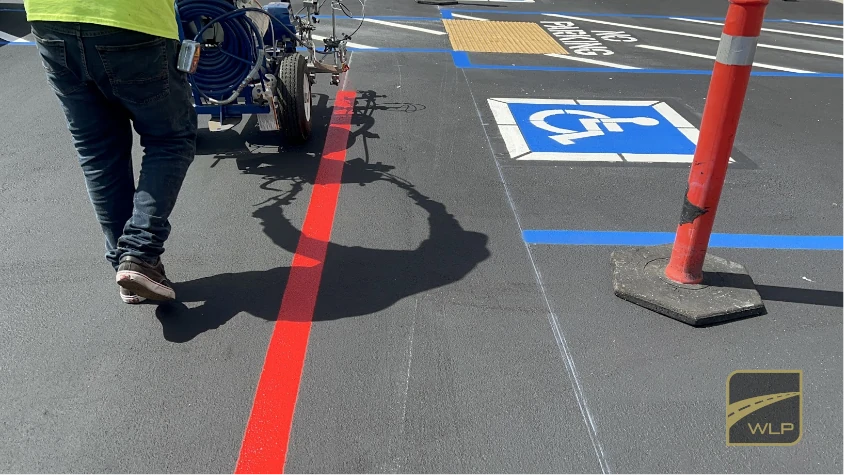
  • Obstruct accessible routes

  • Create slip hazards

  • Contribute to ADA compliance issues

Even shallow pooling can become enforceable when it interferes with access or proper drainage.


Drainage Issues Rarely Resolve on Their Own

Standing water is not a cosmetic issue that improves with time.

Without intervention, pooling areas tend to:

  • Grow larger

  • Appear more frequently

  • Lead to deeper settlement

What starts as a minor drainage issue often evolves into a structural repair if ignored.


Early Identification Prevents Accelerated Failure

Addressing standing water early allows for:

  • Localized drainage corrections

  • Minor surface adjustments

  • Prevention of base saturation

Early action is far less disruptive and far less costly than waiting for visible pavement failure.


The We Love Paving Perspective

At We Love Paving, standing water is treated as a diagnostic signal — not a surface flaw.

Identifying why water remains on a parking lot allows property owners to:

  • Protect pavement structure

  • Extend service life

  • Reduce long-term repair costs

  • Maintain safer, compliant surfaces

Parking lots rarely fail because of age alone.
They fail because water is allowed to stay where it shouldn’t.

Need Immediate Help?

Let's Talk About Your Project

Don't wait until minor damage turns into major expenses. Our team of experts is ready to provide you with guaranteed solutions. Contact us now for direct advice from a professional.

Frequently Asked Questions (FAQ)

Got Questions? Find Your Answers Here!!

Why does standing water shorten parking lot lifespan?

Standing water shortens lifespan because it does not stay on the surface; it infiltrates through microcracks and weakens underlying layers. This reduces structural strength and accelerates deterioration, turning what appears to be a surface issue into a deeper structural problem over time.

What does standing water indicate in a parking lot?

Standing water indicates drainage failure, improper slopes, or base settlement. Even if the surface looks intact, the pavement is no longer shedding water as designed, meaning the structural system underneath is already beginning to degrade.

How does standing water affect the pavement base?

Standing water saturates the base and reduces its load-bearing capacity, causing the pavement to flex under traffic. This loss of support leads to cracking, deformation, and settlement, often before visible surface damage appears.

Why does traffic accelerate damage in wet areas?

Traffic accelerates damage because each passing vehicle forces water deeper into the pavement structure, expanding weak zones. This repeated stress increases deformation, enlarges low spots, and speeds up structural failure in affected areas.

What additional risks does standing water create beyond structural damage?

Standing water creates safety and compliance risks by forming slippery surfaces, hiding defects, and blocking accessible routes. Even shallow pooling can lead to liability issues if it interferes with safe access or proper drainage performance.

Professional customer review project by We Love Paving in Northern California, California. Verified local construction quality.

Fred / Founder

Fred, Founder and Regional Operations Manager at We Love Paving, comes from a family that values hard work and discipline. Growing up watching his parents work long hours with integrity and dedication, Fred learned early on that quality paving isn’t just about asphalt, it’s about consistency, accountability, and doing the job right.

Share

Posts That Might Interest You

Sealcoating: Because Roads Need Sunscreen Too

May 7, 2026

Imagine you’re out on a sunny day, soaking up the rays, thinking you’re invincible. But after a few hours, you’re feeling the burn—red, irritated, and regretting not applying sunscreen. Now, picture that same sun beating down on your driveway or parking lot. Without sealcoating, your asphalt is going to feel that same burn. Just like

Understanding Concrete Contractors

Understanding Concrete Contractors

May 2, 2026

Concrete is the cornerstone of modern construction, known for its strength, durability, and versatility. When it comes to working with this essential building material, the expertise of a concrete contractor is invaluable. But what exactly is a concrete contractor, and what role do they play in construction projects? In this comprehensive guide, we’ll explore the

Expert Paving Company Near You: Authority in Asphalt and Infrastructure Solutions

Expert Paving Company Near You: Authority in Asphalt and Infrastructure Solutions

May 2, 2026

When it comes to paving companies, there are a lot of options out there. But if you’re looking for a company that truly stands out from the crowd, look no further than We Love Paving. Here are just a few reasons why we believe our company is superior to our competition. Expertise and Experience At

The Paving Verdict: Pavers vs Concrete in Northern California

The Paving Verdict: Pavers vs Concrete in Northern California

May 1, 2026

Choosing between pavers and concrete depends on prioritizing initial cost versus long-term value. In Northern California, pavers outperform concrete in structural durability and load-bearing capacity, while concrete offers faster installation at a lower entry price point. However, factors such as seismic activity and Sacramento’s expansive clay soils make the modular flexibility of pavers the technically

Next

Estimation Tools

Calculate costs in seconds

Fast, accurate estimates that help you close more jobs. Less guesswork, more profit.