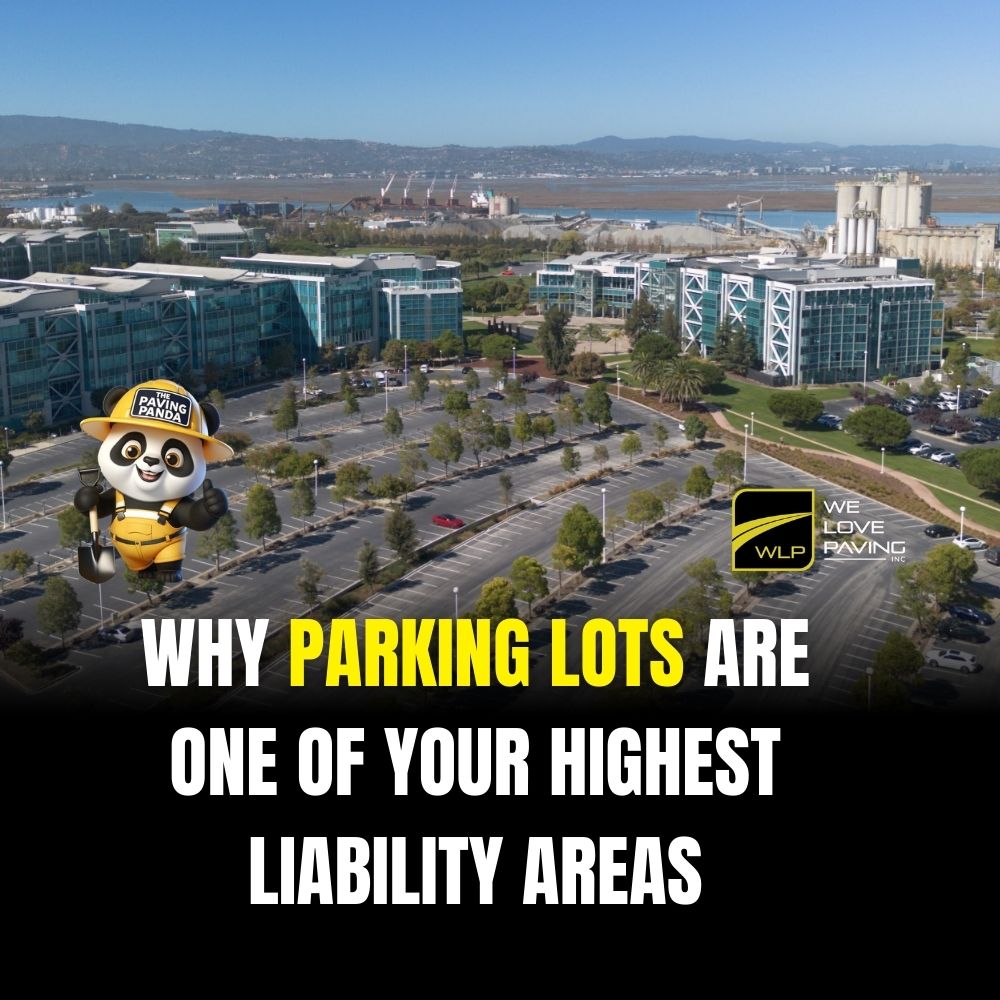
Why Parking Lots Are One of Your Highest Liability Areas

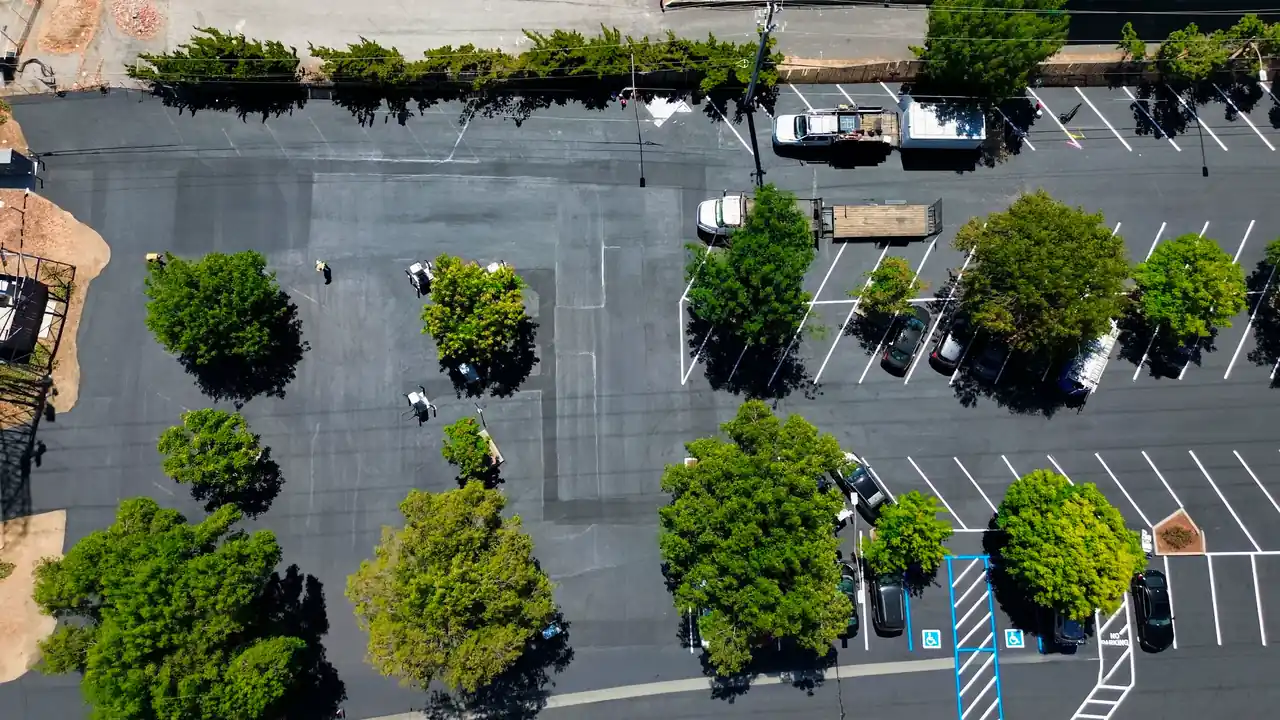
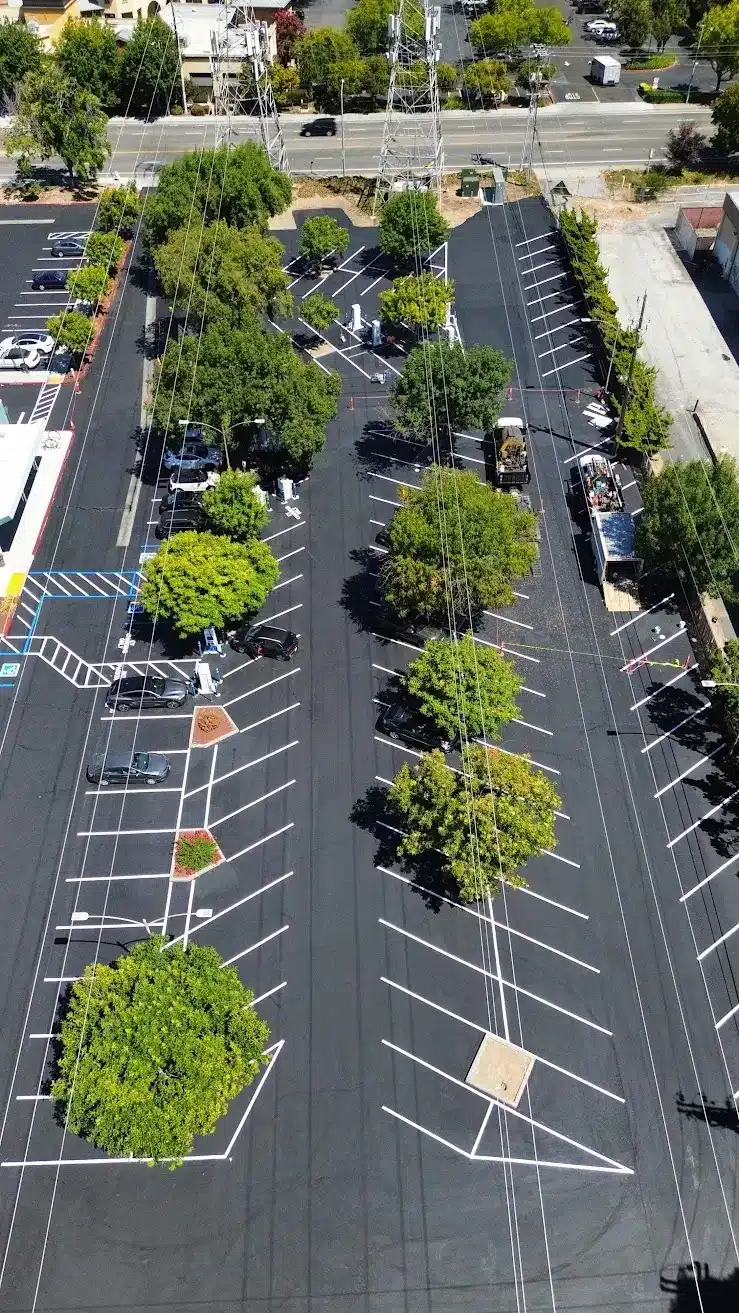
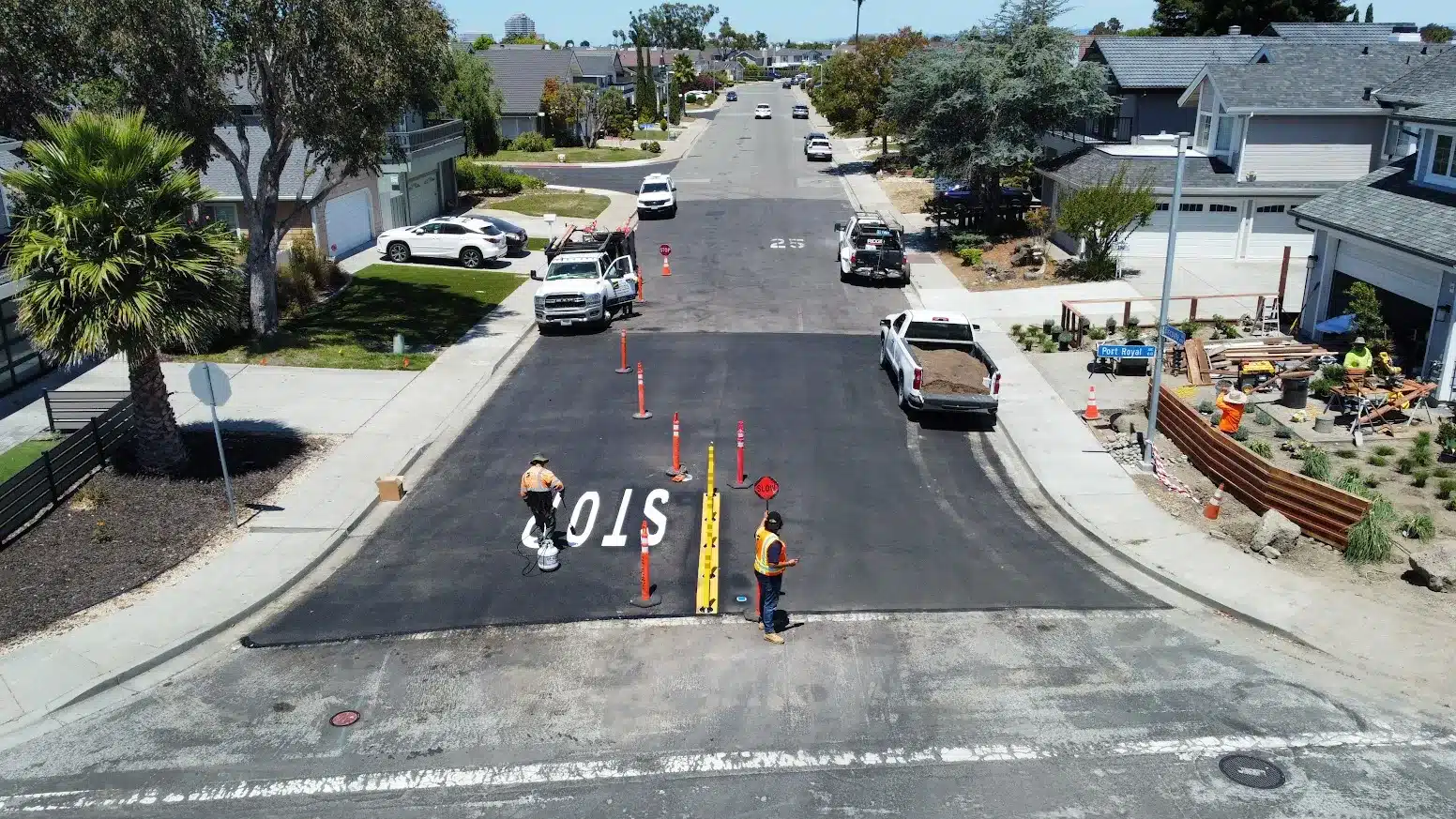
Parking lot paving and striping in Oakland, California. ADA-compliant parking lot services by We Love Paving in Oakland.
Estimation Tools

Calculate costs in seconds

Fast, accurate estimates that help you close more jobs. Less guesswork, more profit.

When property managers think about liability, attention usually goes to interior spaces — lobbies, hallways, elevators, restrooms.

But in reality, some of the highest legal and safety exposure starts outside.

Parking lots are one of the most common sources of:

  • ADA complaints

  • Slip-and-fall claims

  • Injury incidents

  • Costly reactive repairs

And most of the risk builds quietly, long before anyone files a complaint.


Parking Lots Are Public, High-Exposure Areas

Unlike interior spaces, parking lots are:

  • Open to the public

  • Used by vehicles and pedestrians simultaneously

  • Exposed to weather year-round

  • Governed by strict, measurable regulations

Every visitor, tenant, delivery driver, or inspector must pass through the parking lot first.

That makes it a high-visibility, high-liability zone.


ADA Compliance Is Measurement-Based, Not Opinion-Based

One of the biggest reasons parking lots create liability is ADA enforcement.

ADA compliance in parking areas is based on:

  • Slopes

  • Dimensions

  • Surface conditions

  • Striping visibility

  • Clear access routes

These are objective measurements, not subjective opinions.

Even small deviations — such as a slope drifting above 2% or a faded access aisle — can become enforceable violations.

And because asphalt naturally moves over time, lots that were once compliant can quietly fall out of tolerance.


Surface Conditions Create Hidden Risk

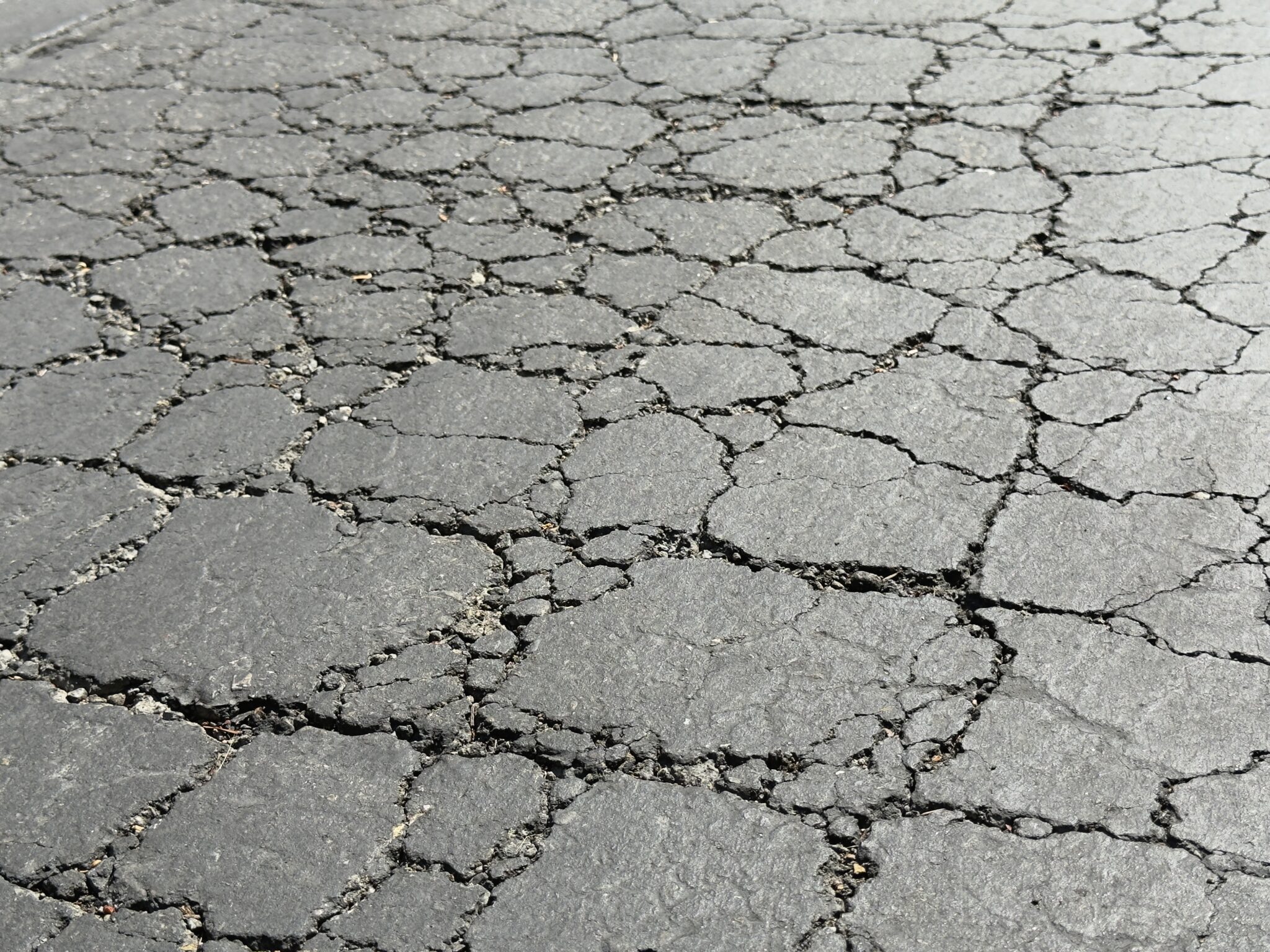
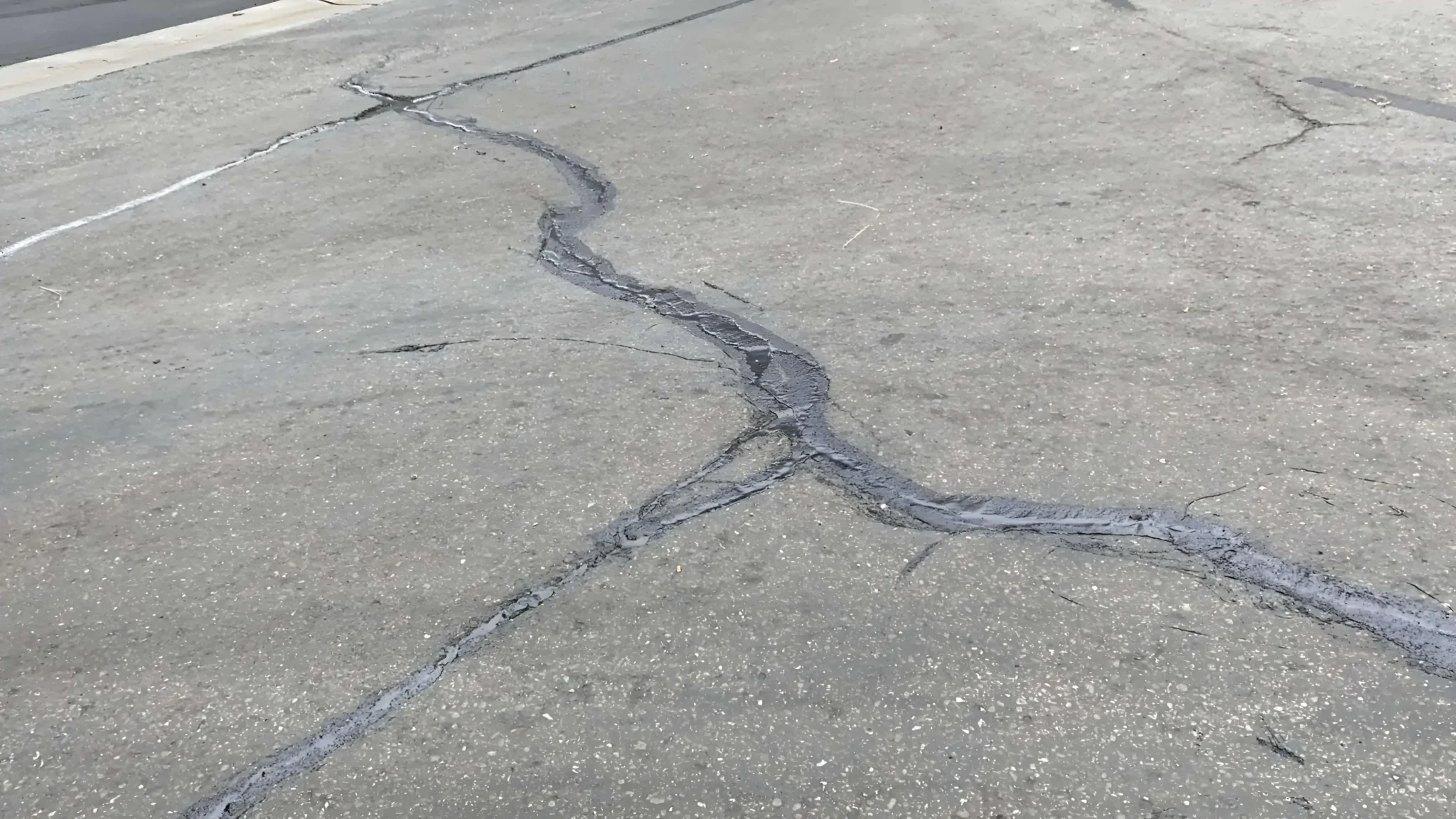
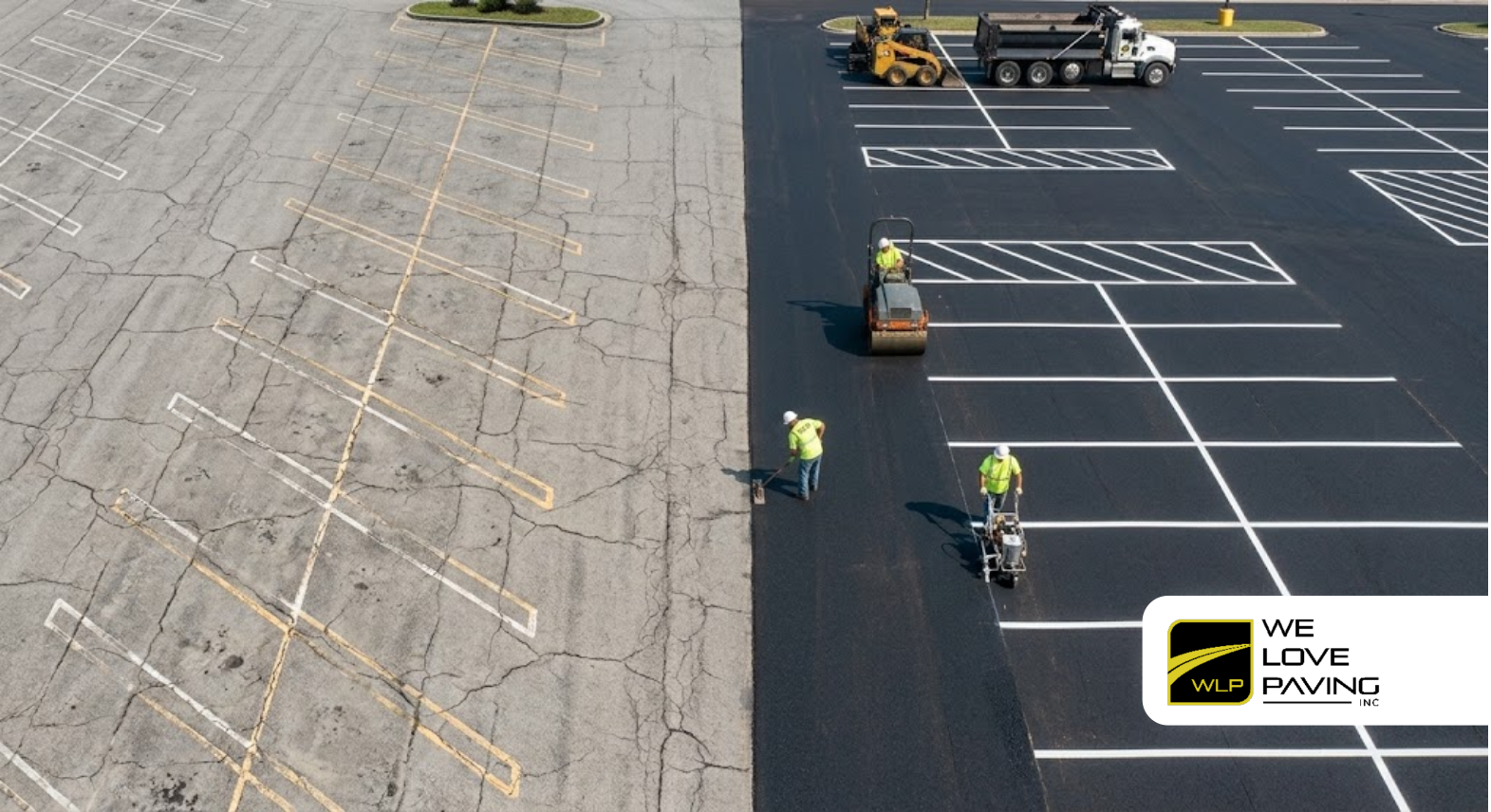
Cracks, uneven pavement, poor patch transitions, and raveling are more than maintenance issues.

In parking lots, they can:

  • Create trip hazards

  • Compromise accessible routes

  • Increase slip-and-fall exposure

  • Trigger ADA complaints

The challenge is that many of these issues don’t look dramatic.

A surface may appear “good enough” while still failing accessibility or safety standards.


Drainage Problems Multiply Liability

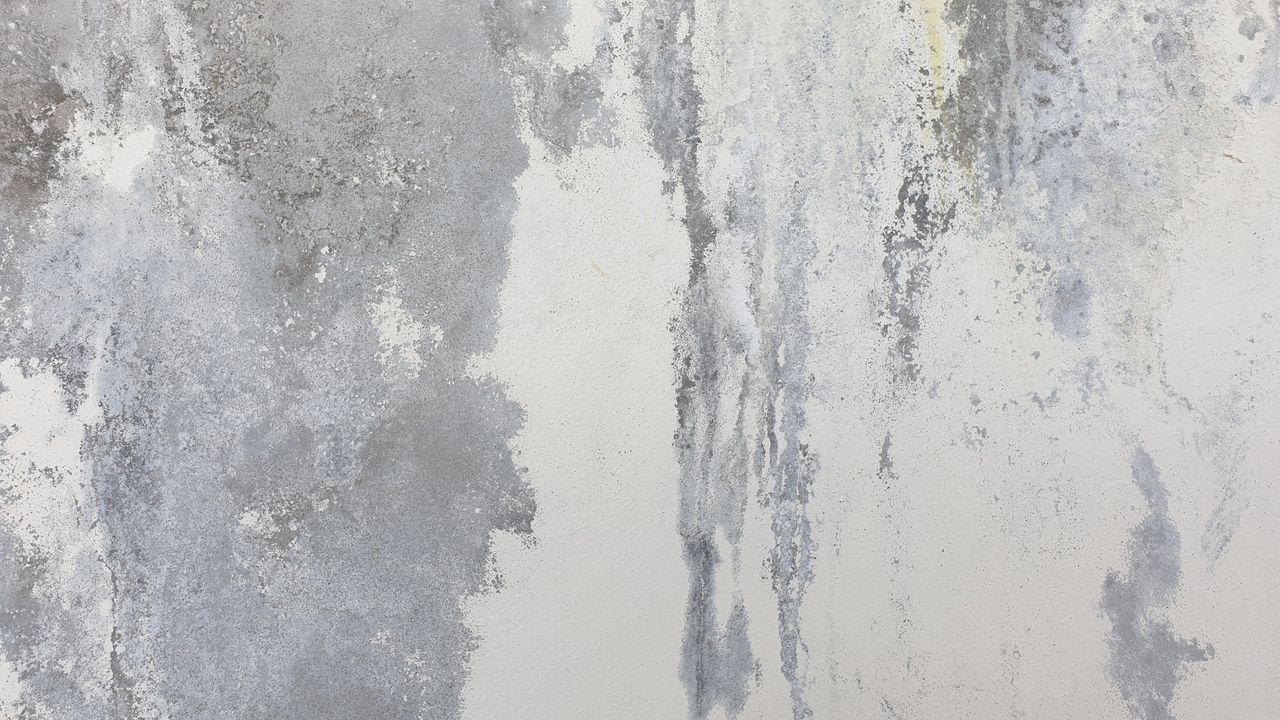
Standing water in parking lots is never just cosmetic.

Poor drainage can:

  • Obstruct accessible parking stalls and routes

  • Increase slip risk

  • Accelerate pavement deterioration

  • Hide underlying surface defects

If water remains after rainfall, it often signals slope or structural issues — both of which carry compliance and safety implications.


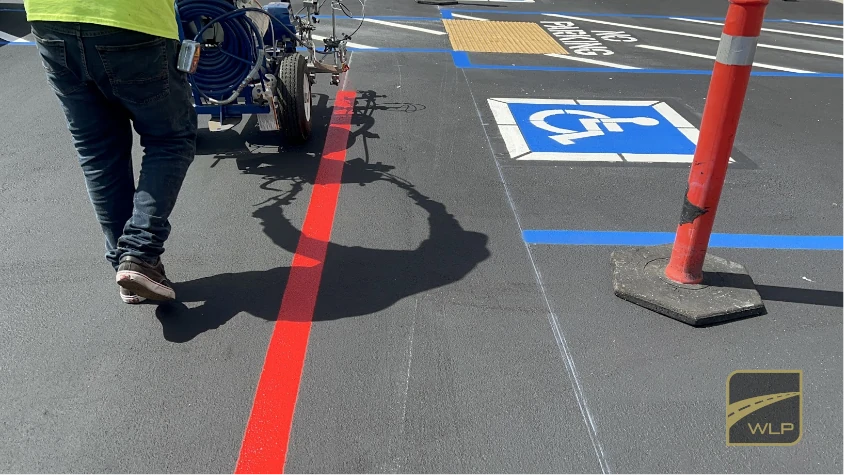
Striping Is Enforceable, Not Decorative

Faded or incorrect striping is one of the most commonly cited ADA issues.

Accessible stalls, access aisles, fire lanes, and loading zones must be:

  • Clearly visible

  • Correctly sized

  • Properly marked

When markings fade or become inconsistent, the property becomes vulnerable — even if the pavement itself appears intact.


Deferred Maintenance Increases Legal Exposure

One of the most common liability patterns we see is deferred maintenance.

When small issues are postponed because the lot “still works,” damage compounds.

Deferred maintenance often leads to:

  • Larger repair scopes

  • Fewer corrective options

  • Higher emergency costs

  • Increased legal exposure

Waiting rarely saves money — and it rarely reduces risk.


Why Parking Lot Issues Are Often Missed

Parking lots tend to be overlooked because:

  • Problems develop gradually

  • Damage often starts below the surface

  • Compliance issues aren’t always visually obvious

  • Inspections are irregular or reactive

By the time issues are addressed, exposure has already increased.


The We Love Paving Perspective

At We Love Paving, we view parking lots as critical risk-management assets, not just surfaces.

Our evaluations focus on:

  • ADA-related measurements

  • Surface and base condition

  • Drainage patterns

  • Traffic and load stress

  • Past repair impact

  • Preventive maintenance planning

Our goal is to identify risks early — before they become legal, safety, or budget problems.


Clarifying One Thing: This Is Preventable

Most parking lot-related liability issues are:

  • Predictable

  • Measurable

  • Preventable

With routine inspections and proactive maintenance, properties can significantly reduce exposure while extending pavement life.


Stay Ahead of Risk

If your parking lot hasn’t been evaluated recently, now is the right time.

A brief assessment can:

  • Identify early compliance issues

  • Prevent emergency repairs

  • Reduce liability exposure

  • Protect long-term budgets

📩 Contact We Love Paving to schedule a parking lot assessment and ensure your pavement supports safety, accessibility, and compliance — not risk.

Need Immediate Help?

Let's Talk About Your Project

Don't wait until minor damage turns into major expenses. Our team of experts is ready to provide you with guaranteed solutions. Contact us now for direct advice from a professional.

Frequently Asked Questions (FAQ)

Got Questions? Find Your Answers Here!!

Why are parking lots one of the highest liability areas?

Parking lots carry high liability because they combine vehicle traffic, pedestrian movement, and constant public exposure under strict regulations. They are mandatory entry points for visitors and inspectors, making them high-visibility zones where small defects can quickly lead to accidents, claims, or lawsuits.

What types of legal risks originate in parking lots?

Common risks include ADA lawsuits, slip-and-fall claims, injuries, and vehicle damage caused by poor surface conditions or unclear markings. Even minor issues like cracks or faded striping can escalate into legal claims when they impact safety or accessibility.

Why does ADA compliance create significant liability risk in parking lots?

ADA compliance creates risk because it is based on precise measurements such as slopes ≤2%, dimensions, and accessible routes. Even small deviations that are not visually obvious can result in violations, triggering inspections, fines, and potential lawsuits.

How do pavement conditions contribute to liability exposure?

Pavement conditions like cracks, uneven surfaces, and raveling create direct trip hazards and safety risks. The key issue is that surfaces may appear acceptable while still failing safety or accessibility standards, increasing exposure to legal claims

Why is poor drainage a major liability factor?

Poor drainage increases liability because standing water creates slip hazards, hides surface defects, and accelerates pavement deterioration. It can also block accessible routes, leading to ADA violations and compounding both safety and legal risks for property owners.

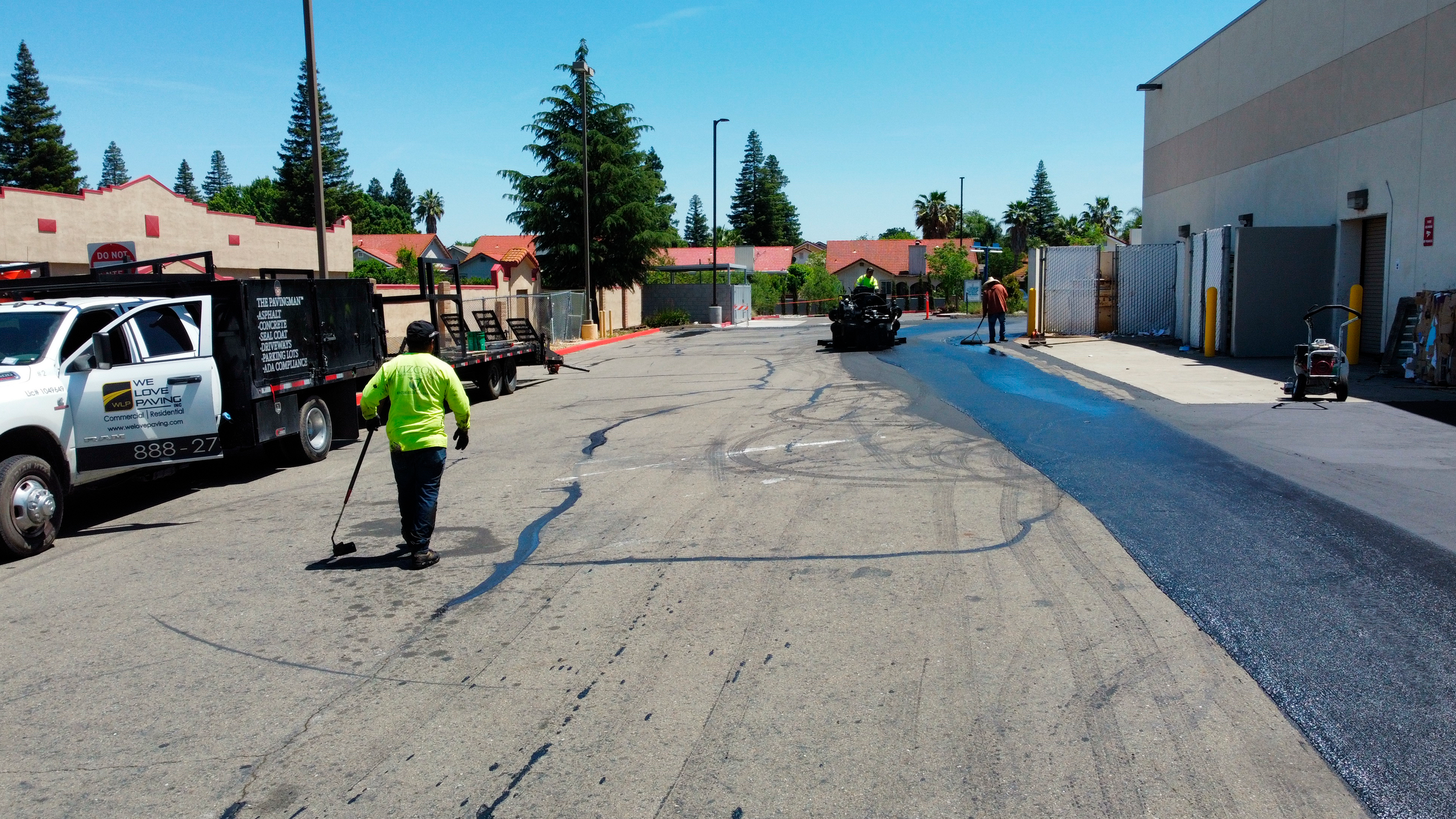
Professional customer review project by We Love Paving in Northern California, California. Verified local construction quality.

Fred / Founder

Fred, Founder and Regional Operations Manager at We Love Paving, comes from a family that values hard work and discipline. Growing up watching his parents work long hours with integrity and dedication, Fred learned early on that quality paving isn’t just about asphalt, it’s about consistency, accountability, and doing the job right.

Share

Posts That Might Interest You

What is Driveway Resurfacing? Expert Technical Guide to Asphalt Overlay and When to Use It

What is Driveway Resurfacing? Expert Technical Guide to Asphalt Overlay and When to Use It

April 15, 2026

THE BENEFITS OF RESURFACING In the world of driveway maintenance and improvement, asphalt resurfacing has emerged as a popular and effective solution. As time passes, even the most durable asphalt driveways can succumb to wear and tear, displaying cracks, potholes, and a worn-out appearance. However, instead of tearing up the entire driveway and starting from

Paving Technical Audit: Cost of Driveway Analysis

Paving Technical Audit: Cost of Driveway Analysis

April 14, 2026

A COMPREHENSIVE GUIDE FOR HOMEOWNERS Paving a driveway is a substantial undertaking for any homeowner. Beyond just enhancing curb appeal, it adds value and utility to the property. However, before diving into such a project, it’s crucial to grasp the diverse factors influencing the overall cost. This guide explores these elements, offering insights to empower

Why is Asphalt So Expensive? A 2026 Audit of Paving Costs and Market Dynamics

Why is Asphalt So Expensive? A 2026 Audit of Paving Costs and Market Dynamics

April 2, 2026

Paving costs have experienced a significant upward trend in recent years, leaving property owners questioning the reasons behind this surge. In this detailed exploration, we delve into the multifaceted factors contributing to the escalating costs of paving in 2026 and beyond. Material Costs and Market Dynamics The cornerstone of any paving project lies in its

What is the Square Foot Price for Asphalt?

What is the Square Foot Price for Asphalt?

April 2, 2026

Asphalt is a popular paving material used for driveways, parking lots, and roads due to its durability, affordability, and ease of installation. However, the cost of asphalt can vary significantly depending on several factors. In this blog post, we will explore the factors that influence the square foot price of asphalt, typical price ranges, and

Next

Estimation Tools

Calculate costs in seconds

Fast, accurate estimates that help you close more jobs. Less guesswork, more profit.