How Traffic Load Affects Parking Lot Lifespan

We Love Paving services in Concord. Professional paving contractor serving Concord and Tech Corridor areas.
Estimation Tools

Calculate costs in seconds

Fast, accurate estimates that help you close more jobs. Less guesswork, more profit.

Not all parking lots wear out the same way.

Two properties can be the same age, built with similar materials — yet one requires major repairs years earlier than the other.
The difference is often traffic load, not time.

Understanding how traffic load affects pavement lifespan helps property managers make smarter maintenance decisions, prevent premature failure, and control long-term costs.


What “Traffic Load” Really Means

Traffic load is not just the number of vehicles using a parking lot.

It includes:

  • Vehicle weight

  • Frequency of use

  • Turning and braking patterns

  • Concentration of stress in specific areas

A parking lot used by light passenger vehicles ages very differently than one exposed to delivery trucks, service vehicles, or repeated stop-and-go traffic.


Heavy Vehicles Accelerate Structural Stress

Asphalt pavement is flexible, but it has limits.

Heavier vehicles apply significantly more stress to:

  • The surface layer

  • The base

  • The subgrade beneath

Delivery trucks, trash trucks, fire apparatus, and service vehicles can cause disproportionate damage, even if they only access certain areas.

Common high-stress zones include:

  • Loading areas

  • Fire lanes

  • Dumpster enclosures

  • Service corridors

These areas often fail first — even when the rest of the lot appears acceptable.


Turning, Braking, and Idle Zones Wear Faster

Traffic movement matters as much as traffic weight.

Areas where vehicles:

  • Turn sharply

  • Brake repeatedly

  • Idle for extended periods

Experience accelerated wear.

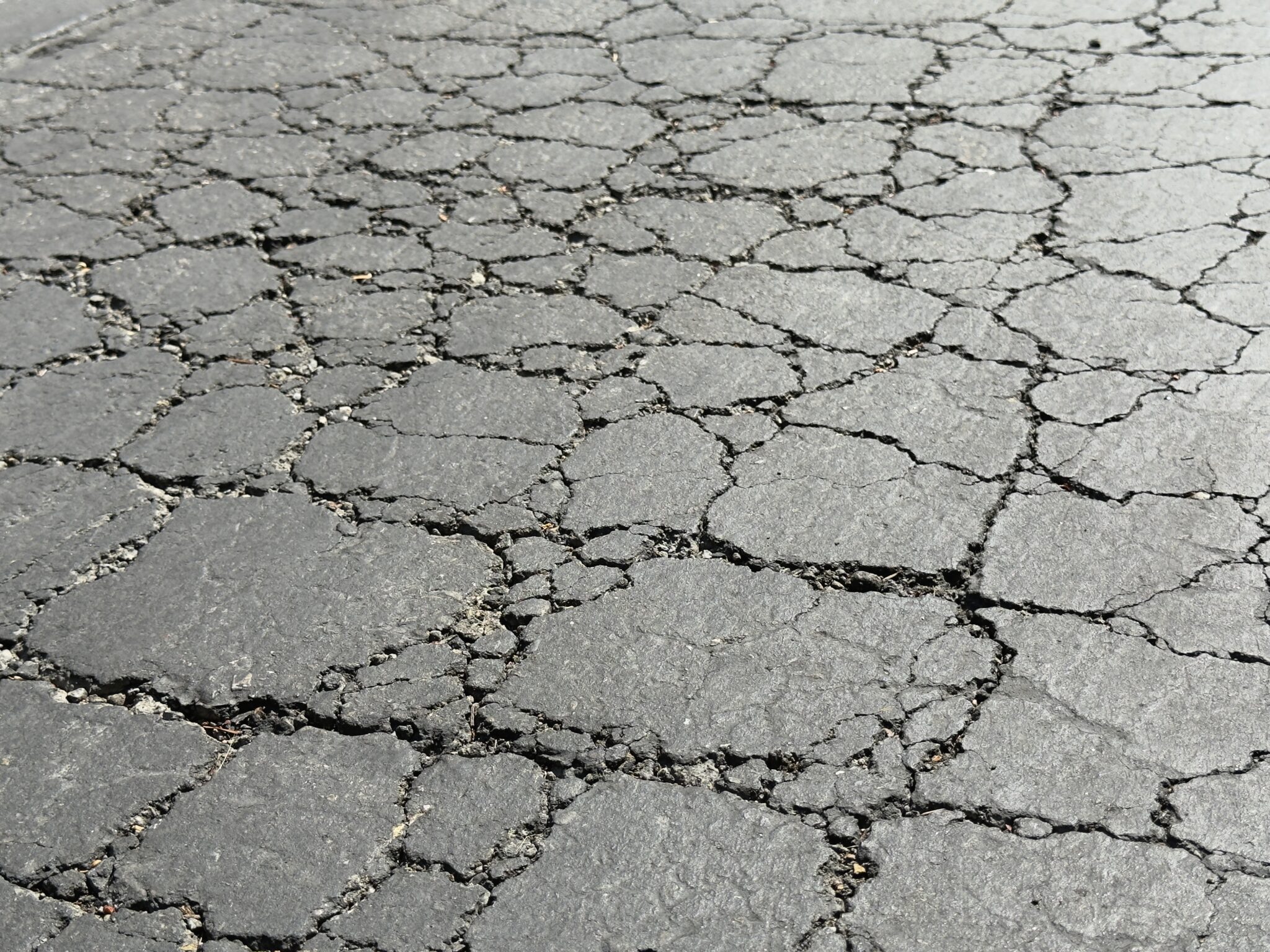
This is why you often see early cracking, rutting, or surface breakdown at:

  • Drive lanes

  • Entrances and exits

  • Intersections within the lot

  • Drop-off zones

Straight-line parking stalls typically age more slowly than high-movement zones.


Traffic Concentration Creates Uneven Aging

Many parking lots don’t fail uniformly.

Instead, deterioration concentrates in predictable locations:

  • Main access routes

  • Delivery paths

  • Fire lanes

  • Trash pickup areas

When maintenance plans treat the entire lot the same, these high-load areas are often underprotected — leading to early failures and reactive repairs.

Targeted maintenance is usually more effective than blanket solutions.


Load Stress Impacts Drainage and Slopes

Traffic load doesn’t just damage surfaces.

Over time, repeated stress can:

  • Compress the base

  • Alter slopes

  • Create low spots

  • Disrupt drainage patterns

This has downstream effects on:

  • Water pooling

  • ADA slope compliance

  • Slip-and-fall risk

  • Long-term structural integrity

Even small slope changes can have compliance implications in accessible areas.


Why Time-Based Maintenance Alone Falls Short

Many maintenance decisions are based solely on age:

  • “The lot is 8 years old.”

  • “We sealed it three years ago.”

  • “It was paved recently.”

Age matters — but usage matters more.

A lightly used lot may last decades with proper maintenance.
A heavily loaded lot can show structural distress in a fraction of that time.

Ignoring traffic load leads to:

  • Wrong repair selection

  • Shortened lifespan

  • Higher lifecycle costs


How Traffic Load Should Shape Maintenance Strategy

Effective pavement planning accounts for:

  • Vehicle types

  • Usage patterns

  • High-stress zones

  • Load concentration areas

This often means:

  • Reinforcing specific zones

  • Prioritizing preventive maintenance where stress is highest

  • Designing repairs around function, not appearance

Not every area needs the same solution.


The We Love Paving Perspective

At We Love Paving, traffic load analysis is a core part of how we evaluate parking lots.

We look at:

  • Vehicle mix and access patterns

  • Stress concentration zones

  • Past repair performance

  • Surface vs structural wear

  • Drainage and slope impact

This allows us to recommend maintenance strategies that:

  • Address real causes of deterioration

  • Extend pavement lifespan

  • Reduce reactive repairs

  • Protect long-term budgets


The Key Takeaway

Parking lots don’t fail evenly — they fail where stress is highest.

Traffic load is one of the most overlooked factors affecting pavement lifespan, yet one of the most predictable.

When maintenance plans reflect how a property is actually used, pavement lasts longer and costs less over time.


Plan for How Your Lot Is Used — Not Just How It Looks

If your parking lot hasn’t been evaluated with traffic load in mind, you may be missing early warning signs.

A focused assessment can:

  • Identify high-stress zones

  • Prevent premature failure

  • Improve maintenance ROI

  • Reduce liability exposure

📩 Contact We Love Paving to schedule a pavement evaluation designed around real-world usage, not assumptions.

Need Immediate Help?

Let's Talk About Your Project

Don't wait until minor damage turns into major expenses. Our team of experts is ready to provide you with guaranteed solutions. Contact us now for direct advice from a professional.

Frequently Asked Questions (FAQ)

Got Questions? Find Your Answers Here!!

How does traffic load affect parking lot lifespan?

Traffic load shortens lifespan because each vehicle pass creates cumulative structural fatigue in asphalt. The key factor is weight, not just volume: heavier loads accelerate deterioration and can cut pavement life by more than 50% if the structure was not designed for that usage.

Why do trucks cause much more damage than cars?

Trucks cause more damage because axle load impact follows an exponential relationship known as the “fourth power law,” where doubling axle weight can increase damage up to 16 times. This means a small number of heavy vehicles can consume a large portion of pavement lifespan.

What types of damage does heavy traffic cause to asphalt?

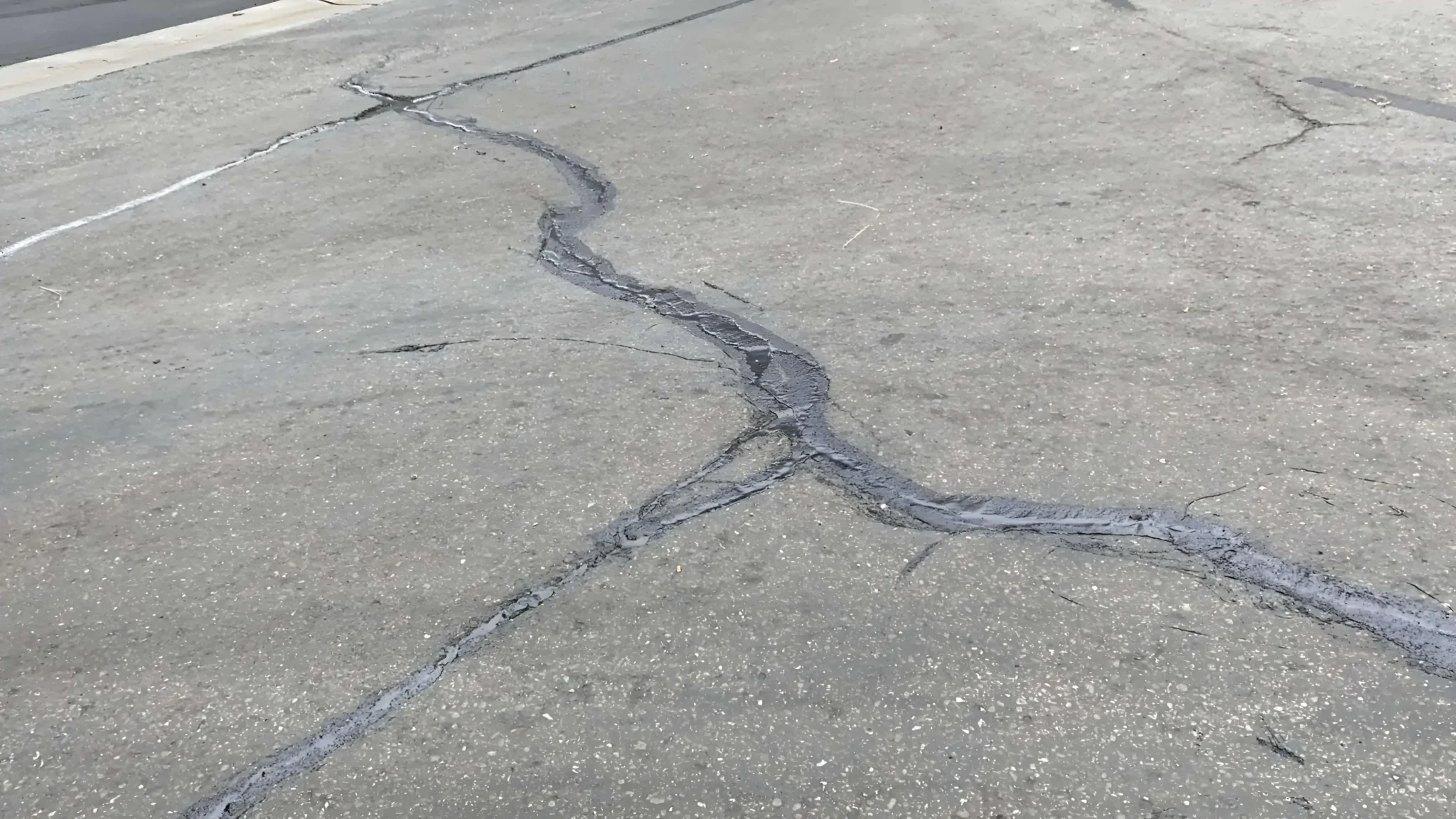
Heavy traffic causes rutting, alligator cracking, and structural instability. Repeated loads create internal fatigue that begins as microcracks and evolves into potholes and base failure, especially in loading zones and turning areas where stress concentrates.

Why do parking lots deteriorate faster than roads?

Parking lots deteriorate faster because they combine heavy loads with low-speed or stationary traffic, increasing load duration on the surface. This type of loading produces more permanent deformation than continuous high-speed traffic found on roads.

How can a parking lot be designed to handle heavy loads?

To handle heavy loads, asphalt thickness must be increased, the base reinforced, and high-stress zones engineered separately. Research shows pavements under heavier loads require significantly thicker structural layers to maintain expected lifespan and prevent premature failure.

Professional customer review project by We Love Paving in Northern California, California. Verified local construction quality.

Fred / Founder

Fred, Founder and Regional Operations Manager at We Love Paving, comes from a family that values hard work and discipline. Growing up watching his parents work long hours with integrity and dedication, Fred learned early on that quality paving isn’t just about asphalt, it’s about consistency, accountability, and doing the job right.

Share

Posts That Might Interest You

Sealcoating: Because Roads Need Sunscreen Too

May 7, 2026

Imagine you’re out on a sunny day, soaking up the rays, thinking you’re invincible. But after a few hours, you’re feeling the burn—red, irritated, and regretting not applying sunscreen. Now, picture that same sun beating down on your driveway or parking lot. Without sealcoating, your asphalt is going to feel that same burn. Just like

Understanding Concrete Contractors

Understanding Concrete Contractors

May 2, 2026

Concrete is the cornerstone of modern construction, known for its strength, durability, and versatility. When it comes to working with this essential building material, the expertise of a concrete contractor is invaluable. But what exactly is a concrete contractor, and what role do they play in construction projects? In this comprehensive guide, we’ll explore the

Expert Paving Company Near You: Authority in Asphalt and Infrastructure Solutions

Expert Paving Company Near You: Authority in Asphalt and Infrastructure Solutions

May 2, 2026

When it comes to paving companies, there are a lot of options out there. But if you’re looking for a company that truly stands out from the crowd, look no further than We Love Paving. Here are just a few reasons why we believe our company is superior to our competition. Expertise and Experience At

The Paving Verdict: Pavers vs Concrete in Northern California

The Paving Verdict: Pavers vs Concrete in Northern California

May 1, 2026

Choosing between pavers and concrete depends on prioritizing initial cost versus long-term value. In Northern California, pavers outperform concrete in structural durability and load-bearing capacity, while concrete offers faster installation at a lower entry price point. However, factors such as seismic activity and Sacramento’s expansive clay soils make the modular flexibility of pavers the technically

Next

Estimation Tools

Calculate costs in seconds

Fast, accurate estimates that help you close more jobs. Less guesswork, more profit.