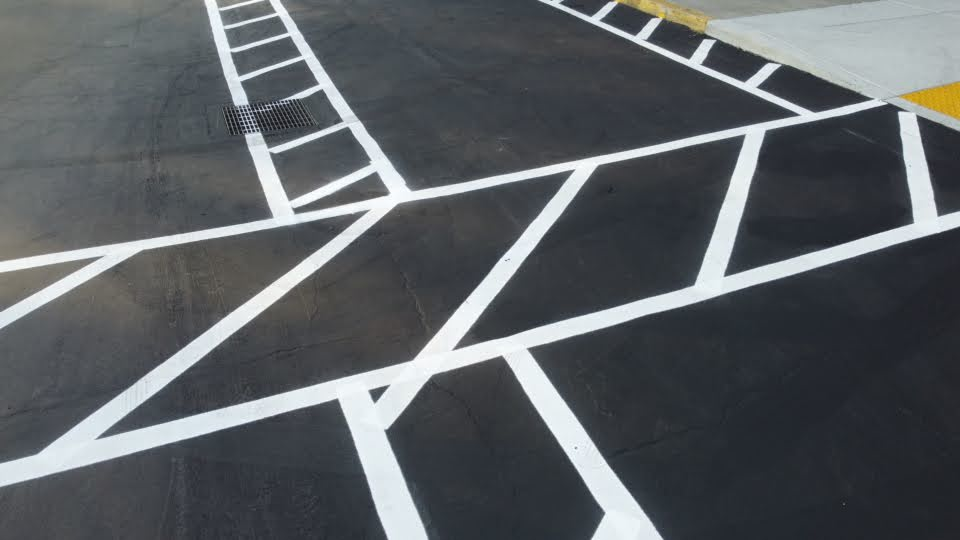
Why Curb Ramps Are Essential for Modern Infrastructure

We Love Paving services in San Jose. Professional paving contractor serving San Jose and Tech Corridor areas.
Estimation Tools

Calculate costs in seconds

Fast, accurate estimates that help you close more jobs. Less guesswork, more profit.

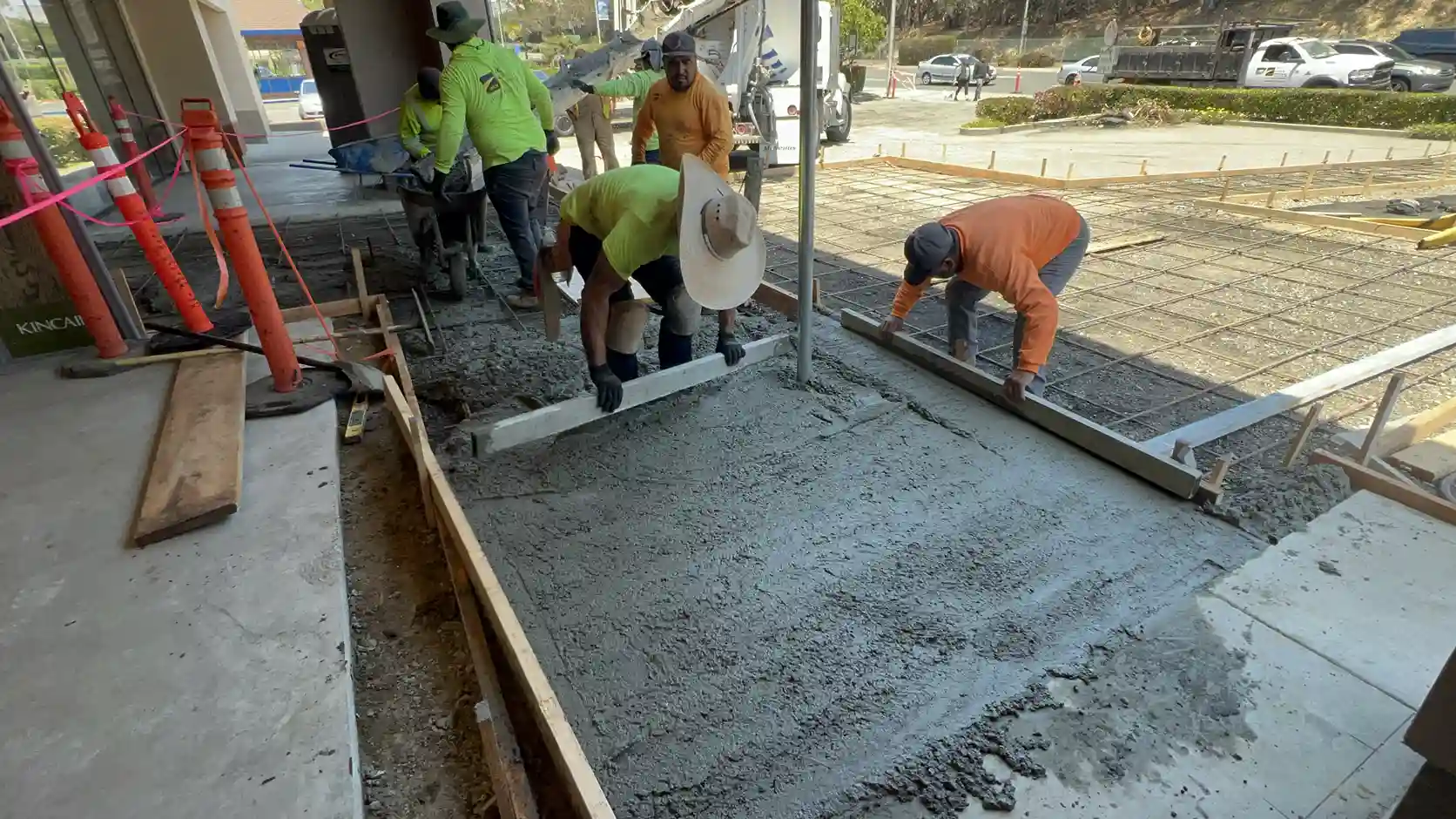
Curb ramps may seem like small additions to sidewalks and roads, but they play a crucial role in making our communities accessible and inclusive. At WELOVEPAVING, we specialize in creating high-quality curb ramps that meet ADA (Americans with Disabilities Act) standards and enhance usability for all. Here’s why curb ramps are indispensable for modern infrastructure.

1. Accessibility for Everyone

Curb ramps ensure that individuals with mobility challenges, such as those using wheelchairs, walkers, or crutches, can move freely between sidewalks and roads. These ramps provide a seamless transition, removing barriers that prevent equal access to public spaces.

2. Compliance with ADA Requirements

The ADA mandates that public spaces be accessible to individuals with disabilities. Non-compliance can lead to legal repercussions and fines for businesses and municipalities. Installing ADA-compliant curb ramps is a proactive way to meet these requirements and avoid potential lawsuits.

3. Enhanced Safety

Curb ramps improve safety for everyone, not just individuals with disabilities. Parents pushing strollers, delivery workers using carts, and pedestrians carrying heavy loads all benefit from the ease of navigating curbs without stepping down onto uneven surfaces.

4. Improved Traffic Flow

Curb ramps help streamline pedestrian traffic by providing clear, designated pathways. This is especially important in busy urban areas where effective pedestrian flow reduces congestion and minimizes accidents.

5. Community Inclusivity

Installing curb ramps signals that a community values inclusivity and equal opportunities for all its residents. It fosters a welcoming environment and encourages people of all abilities to engage with local businesses and public spaces.

6. Increased Property Value

For commercial properties, curb ramps are a smart investment. They not only ensure compliance with accessibility laws but also make the property more appealing to a wider range of customers. Improved accessibility can lead to increased foot traffic and revenue.

Key Features of ADA-Compliant Curb Ramps

To be effective and compliant, curb ramps must meet specific design criteria, including:

  • Slope and Gradient: The slope should be gentle, with a maximum grade of 1:12 to ensure safety and ease of use.
  • Width: Ramps should be wide enough to accommodate wheelchairs and other mobility devices, typically at least 36 inches.
  • Detectable Warnings: Textured surfaces or tactile indicators must be present to alert visually impaired individuals of the transition between the sidewalk and the road.
  • Smooth Transitions: Edges must be flush with the road and sidewalk to avoid tripping hazards.

Why Choose WELOVEPAVING for Your Curb Ramp Needs?

At WELOVEPAVING, we’re experts in designing and constructing curb ramps that meet all ADA guidelines while blending seamlessly with existing infrastructure. Our team ensures that every ramp is durable, safe, and built to last. Whether it’s a new installation or an upgrade to existing curbs, we’re here to help.

Take the Next Step Towards Accessibility

Ready to make your property or community more accessible? Contact WELOVEPAVING today to learn more about our curb ramp solutions. Together, we can create spaces that everyone can enjoy.

Need Immediate Help?

Let's Talk About Your Project

Don't wait until minor damage turns into major expenses. Our team of experts is ready to provide you with guaranteed solutions. Contact us now for direct advice from a professional.

Frequently Asked Questions (FAQ)

Got Questions? Find Your Answers Here!!

Why are curb ramps essential for business accessibility?

Curb ramps are essential because they ensure compliance with the Americans with Disabilities Act (ADA) for commercial properties. Beyond legal mandates, these ramps facilitate access for individuals using wheelchairs, strollers, and delivery carts, significantly reducing liability risks from trip-and-fall accidents while expanding a business's potential customer base to include everyone.

What are the ADA technical requirements for commercial curb ramps?

ADA technical requirements for commercial curb ramps mandate a maximum slope of 1:12, which equals an 8.33% grade. These ramps must also feature detectable warnings, such as truncated domes with high color contrast, and a minimum landing width of 36 inches to allow safe maneuvering for users with visual or mobility impairments.

How do curb ramps reduce a business's legal liability?

Business owners reduce legal liability by installing curb ramps that eliminate vertical barriers and uneven pavement transitions. Non-compliance with ADA standards can result in private lawsuits and federal fines exceeding $75,000 for a first violation. A professional installation provides a "safe harbor" defense by documenting that the property meets all federal accessibility regulations.

What commercial benefits does installing curb ramps provide?

Curb ramps provide significant business benefits by making storefronts accessible to the 13% of adults with mobility-related disabilities. In addition to improving inclusivity, professional ramps streamline logistics for delivery personnel and enhance overall curb appeal. High-quality concrete installations also prevent premature asphalt degradation at the transition points between the parking lot and sidewalk.

How often should commercial curb ramps be inspected?

Property managers should conduct annual inspections of curb ramps to identify cracks, settling, or worn-down tactile warnings that compromise ADA compliance. Soil movement often shifts slopes beyond the 1:12 limit over time. Regular maintenance ensures that entrances remain safe for all patrons and helps businesses avoid costly emergency repairs or potential accessibility-related litigation.

Professional customer review project by We Love Paving in Northern California, California. Verified local construction quality.

Fred / Founder

Fred, Founder and Regional Operations Manager at We Love Paving, comes from a family that values hard work and discipline. Growing up watching his parents work long hours with integrity and dedication, Fred learned early on that quality paving isn’t just about asphalt, it’s about consistency, accountability, and doing the job right.

Share

Posts That Might Interest You

Is Asphalt Hard to Maintain?

Is Asphalt Hard to Maintain?

May 20, 2026

Asphalt is a popular material for driveways, parking lots, and roadways due to its durability, cost-effectiveness, and ease of installation. However, like any material, it requires maintenance to ensure longevity and optimal performance. In this blog post, we will explore the challenges and best practices of asphalt maintenance to determine whether it is indeed hard

Signs Your Parking Lot Needs Maintenance Fast

Signs Your Parking Lot Needs Maintenance Fast

May 18, 2026

A parking lot usually tells you when something is starting to go wrong. The problem is that many property owners get used to seeing gradual deterioration and stop noticing the warning signs until the damage becomes expensive. In commercial properties, pavement rarely collapses overnight. What usually happens is slower and less dramatic at first. A

Pavement vs Concrete for Commercial Properties

Pavement vs Concrete for Commercial Properties

May 18, 2026

Choosing between asphalt pavement and concrete is not always straightforward for commercial property owners. Both materials can work well, but the right choice usually depends on how the property operates on a daily basis and how much long-term maintenance the owner is realistically prepared to manage. A busy retail center with constant vehicle turnover will

The Great Debate: Is 2 Inches of Gravel Enough for a Driveway?

The Great Debate: Is 2 Inches of Gravel Enough for a Driveway?

May 16, 2026

When it comes to building a driveway, one of the key decisions homeowners face is determining the appropriate thickness of the gravel base layer. While some may argue that 2 inches of gravel is sufficient to support the weight of vehicles and provide a stable foundation, others advocate for thicker layers to ensure long-term durability

Next

Estimation Tools

Calculate costs in seconds

Fast, accurate estimates that help you close more jobs. Less guesswork, more profit.