HOA and ADA Compliance: Navigating FHA and Public Access Standards 

We Love Paving services in Fremont. Professional paving contractor serving Fremont and Tech Corridor areas.
Estimation Tools

Calculate costs in seconds

Fast, accurate estimates that help you close more jobs. Less guesswork, more profit.

Navigating ADA compliance can feel like a maze for business owners and property managers. A single oversight in your parking lot or entrance could lead to hefty fines, lawsuits, or even harm your reputation. At We Love Paving, we’ve helped hundreds of businesses transform their properties into safe, accessible spaces. In this guide, we’ll uncover the top ADA compliance mistakes and how to fix them for good.

Mistake #1: Ignoring Slope Ratios

The Problem:
A slope steeper than 1:12 (8.33%) isn’t just unsafe it’s illegal. Non-compliant ramps risk fines of up to $75,000 and put wheelchair users in danger.

The Fix:
Our team uses laser-guided tools to design ramps with perfect 1:12 slopes, ensuring safety and compliance.

ADA vs. FHA: The Legal Framework for Homeowners Associations (HOAs)

For HOAs, compliance is not one-size-fits-all. While the Fair Housing Act (FHA) governs accessibility in private common areas and residential units, the Americans with Disabilities Act (ADA) specifically Title III triggers the moment an HOA opens its facilities to the general public. If your community rents out clubhouses for external events, sells pool memberships to non-residents, or maintains a leasing office open to the public, those specific areas must strictly adhere to ADA standards. The distinction is critical: the FHA requires allowing “reasonable modifications,” whereas the ADA mandates the proactive removal of architectural barriers. Ignoring this duality is a major legal liability; a professional audit determines where privacy ends and public responsibility begins, ensuring your budget is allocated to the zones of highest legal exposure 

New concrete accessibility ramp with black metal handrails leading to a commercial building entrance. Project by We Love Paving in Northern California, CA.

The California Factor: Going Beyond ADA with Title 24

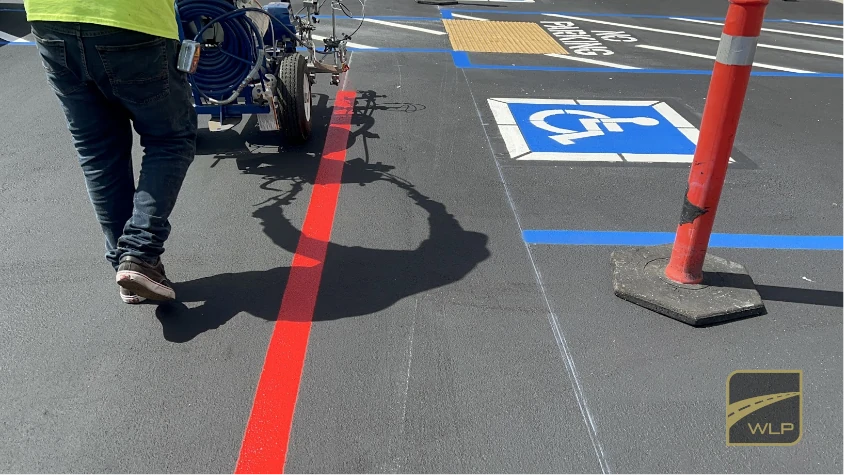
In Fremont and the Tech Corridor, federal ADA compliance is merely the baseline. California’s Title 24 (Building Standards Code) imposes more rigorous requirements than federal law. For instance, while the ADA allows for certain tolerances, Title 24 mandates exact specifications for signage (reflectivity and specific “Prohibitory” blue) and access aisle (loading zone) dimensions of 5 or 8 feet depending on the configuration. At We Love Paving, we integrate these state-specific metrics into every grading project, ensuring your HOA clears both local building inspections and federal accessibility audits with zero discrepancies. 


Mistake #2: Faded or Missing Signage

The Problem:
Outdated signs without the International Symbol of Accessibility or “Van Accessible” labels are easy targets for lawsuits.

The Fix:
We install bold, weather-resistant signage at the required 60-inch height, so your property stays compliant rain or shine.


Mistake #3: Overlooking Parking Lot Drainage

The Problem:
Pooling water isn’t just ugly it’s a slip hazard and violates ADA drainage requirements.

The Fix:
Our precision grading and permeable paving solutions keep lots puddle-free and ADA-approved.


Mistake #4: Skipping Handrails on Ramps

The Problem:
Ramps longer than 6 feet require handrails. Missing them? That’s a $55,000 mistake waiting to happen.

The Fix:
We install durable, code-compliant handrails that blend safety with aesthetics.


Mistake #5: DIY Repairs

The Problem:
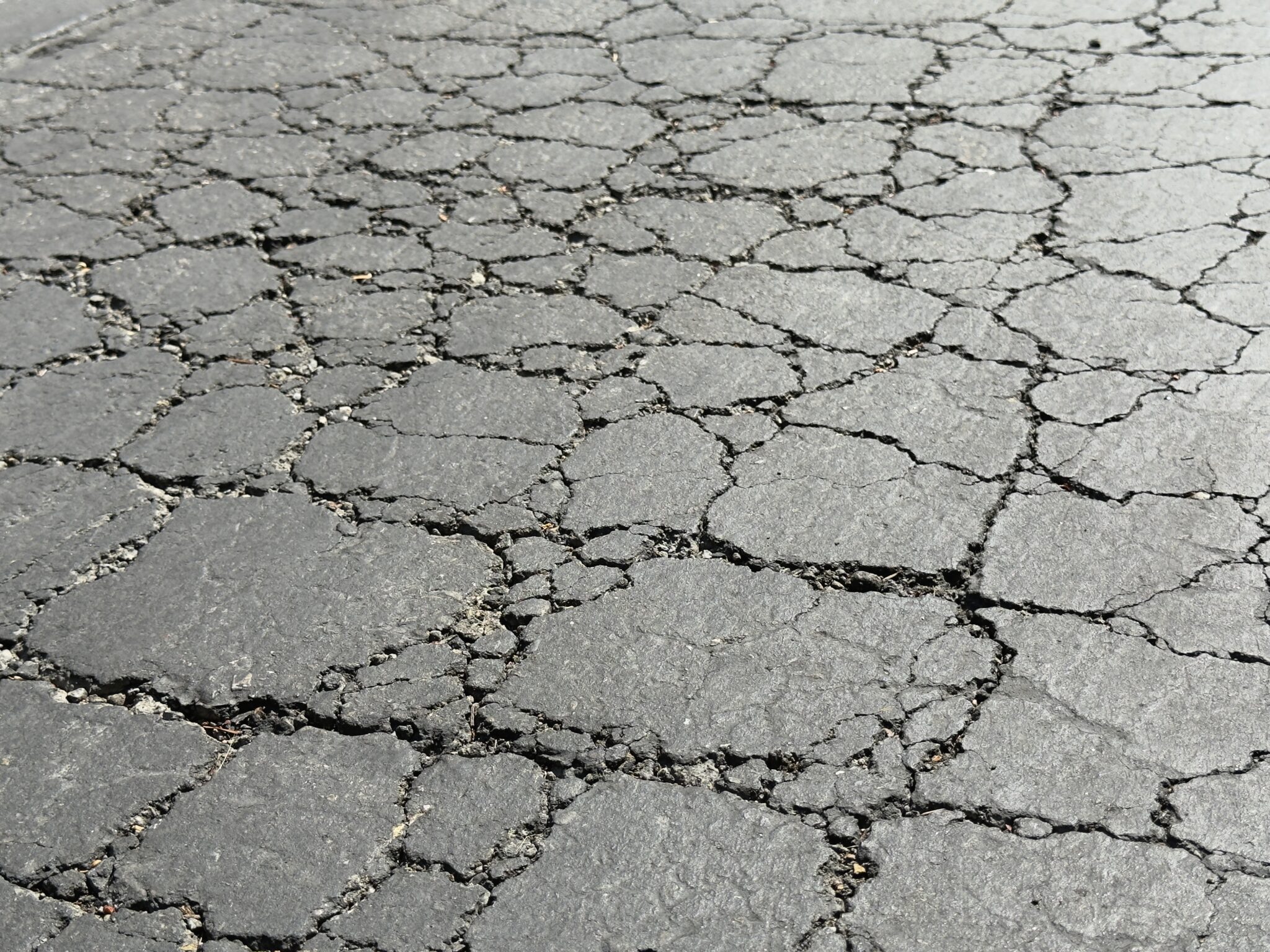
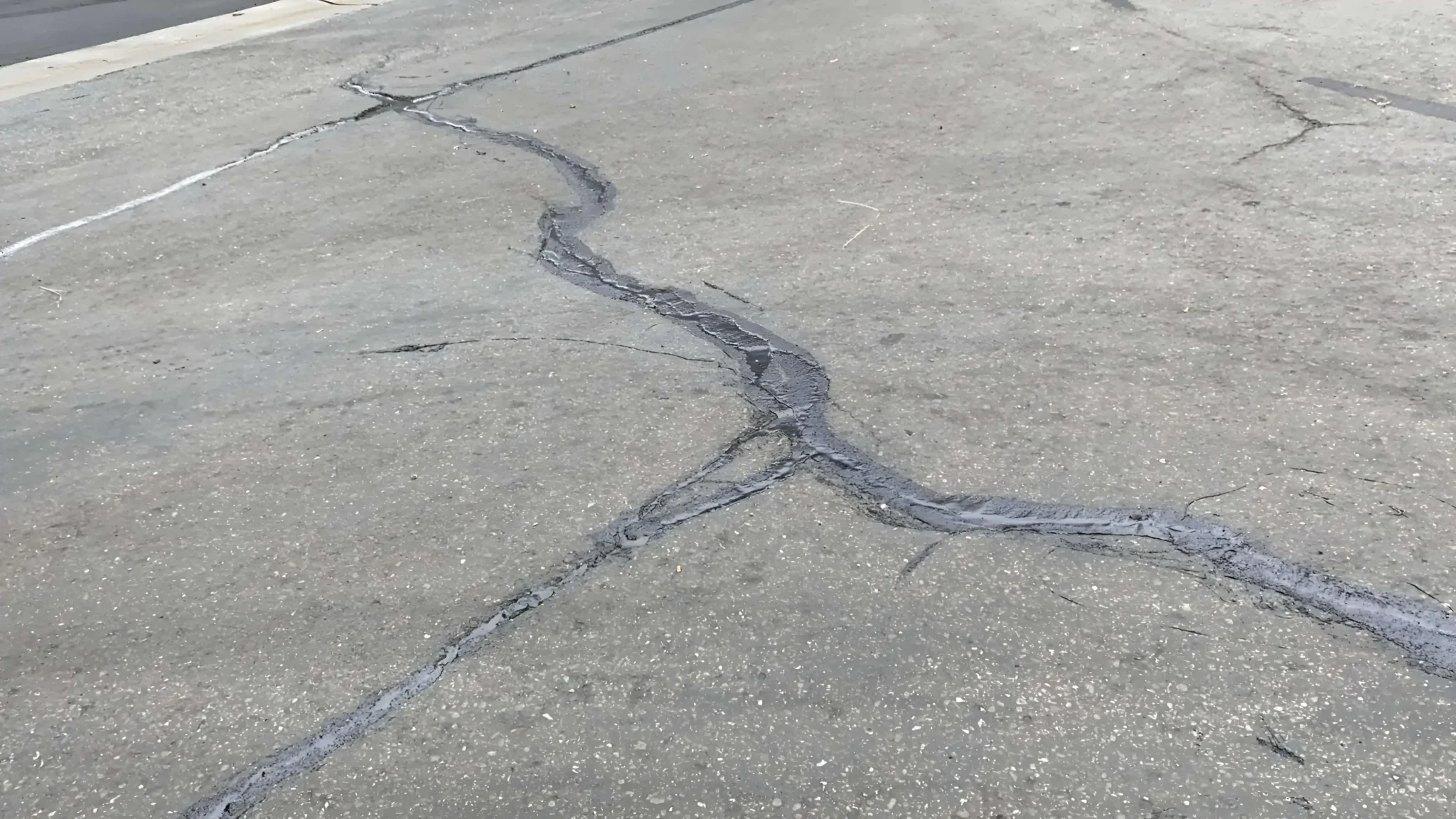
Patchy asphalt or uneven surfaces might seem like a quick fix, but they often worsen compliance issues.

The Fix:
Our long-lasting paving solutions eliminate tripping hazards and extend your pavement’s lifespan by 10+ years.


Case Study: How We Saved $90k in Fines

Challenge: Cracked ramps and missing signage put this café at risk.
Solution: We redesigned their entrance with ADA-compliant slopes and installed high-visibility signs.
Result: Zero violations and a 20% boost in customer satisfaction!


Free ADA Compliance Audit: Protect Your Investment Today

At We Love Paving, we don’t just lay asphalt; we build safe, legally fortified infrastructure. We know how strict regulations are within the Tech Corridor, and we don’t want your HOA to become another statistic for avoidable fines. That’s why we’re putting our specialists at your disposal for a complimentary parking lot audit. We will analyze every slope, sign, and access point under both Title 24 and ADA standards. Don’t gamble with legal penalties or costly emergency repairs; get a customized compliance plan and secure your community’s peace of mind. Claim your free audit now, and let’s pave the way toward total accessibility. 

Need Immediate Help?

Let's Talk About Your Project

Don't wait until minor damage turns into major expenses. Our team of experts is ready to provide you with guaranteed solutions. Contact us now for direct advice from a professional.

Frequently Asked Questions (FAQ)

Got Questions? Find Your Answers Here!!

How long does asphalt paving take to dry?

Asphalt typically requires 24 to 48 hours before it can handle vehicle traffic, though it continues to cure for several months. We recommend keeping cars off the surface for at least two full days to ensure the binder sets properly without leaving tire marks or ruts. Fresh asphalt remains pliable in high temperatures; cooling the surface with water during extreme heat can help stabilize the pavement faster during the initial curing phase.

What is the best way to maintain a parking lot?

Regular sealcoating every 3 to 5 years and immediate crack filling are the most effective strategies for extending the lifespan of your pavement. These preventive measures block water from penetrating the sub-base, which is the primary cause of structural failure and costly potholes. Following a proactive maintenance schedule can reduce long-term repair costs by up to 60% compared to waiting for visible damage to occur.

How often should you sealcoat your driveway?

We suggest sealcoating your driveway every 2 to 4 years depending on local weather conditions and the amount of daily traffic. Applying a sealcoat acts as a sacrificial layer that protects the underlying asphalt from UV oxidation and chemical spills like oil or gasoline. Properties using our "Panda Pledge" system benefit from an engineered approach that ensures the sealant bonds perfectly to the existing surface for maximum durability.

Is asphalt or concrete better for a commercial lot?

Asphalt is generally preferred for large commercial lots due to its lower initial cost, faster installation time, and ease of repair. While concrete offers a longer total lifespan, asphalt provides a flexible surface that handles heavy loads and thermal expansion more effectively in Northern California’s climate. Properly installed asphalt using the WLP ClearScope method can last over 20 years with consistent maintenance and drainage management.

What are the signs that I need to repave my lot?

You should consider repaving if you notice widespread "alligator" cracking, deep standing water, or if more than 25% of the surface requires patching. These signs indicate that the sub-grade has failed and simple surface repairs will no longer provide a lasting solution. Upgrading to a modern installation often includes bringing your property up to current ADA compliance standards, which protects you from potential legal liabilities.

Professional customer review project by We Love Paving in Northern California, California. Verified local construction quality.

Fred / Founder

Fred, Founder and Regional Operations Manager at We Love Paving, comes from a family that values hard work and discipline. Growing up watching his parents work long hours with integrity and dedication, Fred learned early on that quality paving isn’t just about asphalt, it’s about consistency, accountability, and doing the job right.

Share

Posts That Might Interest You

The Cost of Asphalt Cutting Per Linear Foot: What to Expect

The Cost of Asphalt Cutting Per Linear Foot: What to Expect

May 28, 2026

When it comes to construction and repair projects, asphalt cutting is often a necessary task, whether for roadworks, driveways, or other paved surfaces. Understanding the cost involved in asphalt cutting per linear foot can help you budget more accurately for your project. This article will break down the factors affecting these costs and provide a

Parking Lot Maintenance Checklist by Season

Parking Lot Maintenance Checklist by Season

May 27, 2026

A checklist earns its place when it helps a manager make a decision later. For a Northern California retail center, that decision might come after the first winter storm, when water still sits along the curb near the front stalls. For an office property, it might come in late summer, when the exposed drive aisle

Does Asphalt Need to Be Sealed? Read the Surface Before You Decide

Does Asphalt Need to Be Sealed? Read the Surface Before You Decide

May 27, 2026

A parking lot can look ready for sealcoating from the sidewalk and still be a poor candidate up close. The color has faded. The asphalt has turned gray. The owner wants a cleaner surface before tenants complain or customers notice the lot looking tired. Then someone walks the drive aisle and finds a different story:

Pavement Asset Management for Property Managers

Pavement Asset Management for Property Managers

May 27, 2026

A parking lot budget usually becomes uncomfortable long before the asphalt fails completely. The entrance patch is still holding, but the edge is separating again. The back drive aisle looks rough, yet tenants rarely use it. The front visitor stalls are faded enough to draw complaints. A low area near the drain stayed wet after

Next

Estimation Tools

Calculate costs in seconds

Fast, accurate estimates that help you close more jobs. Less guesswork, more profit.