When a Small Crack Becomes a $50,000 Problem

We Love Paving services in San Mateo County. Professional paving contractor serving San Mateo County and Bay Area areas.
Estimation Tools

Calculate costs in seconds

Fast, accurate estimates that help you close more jobs. Less guesswork, more profit.

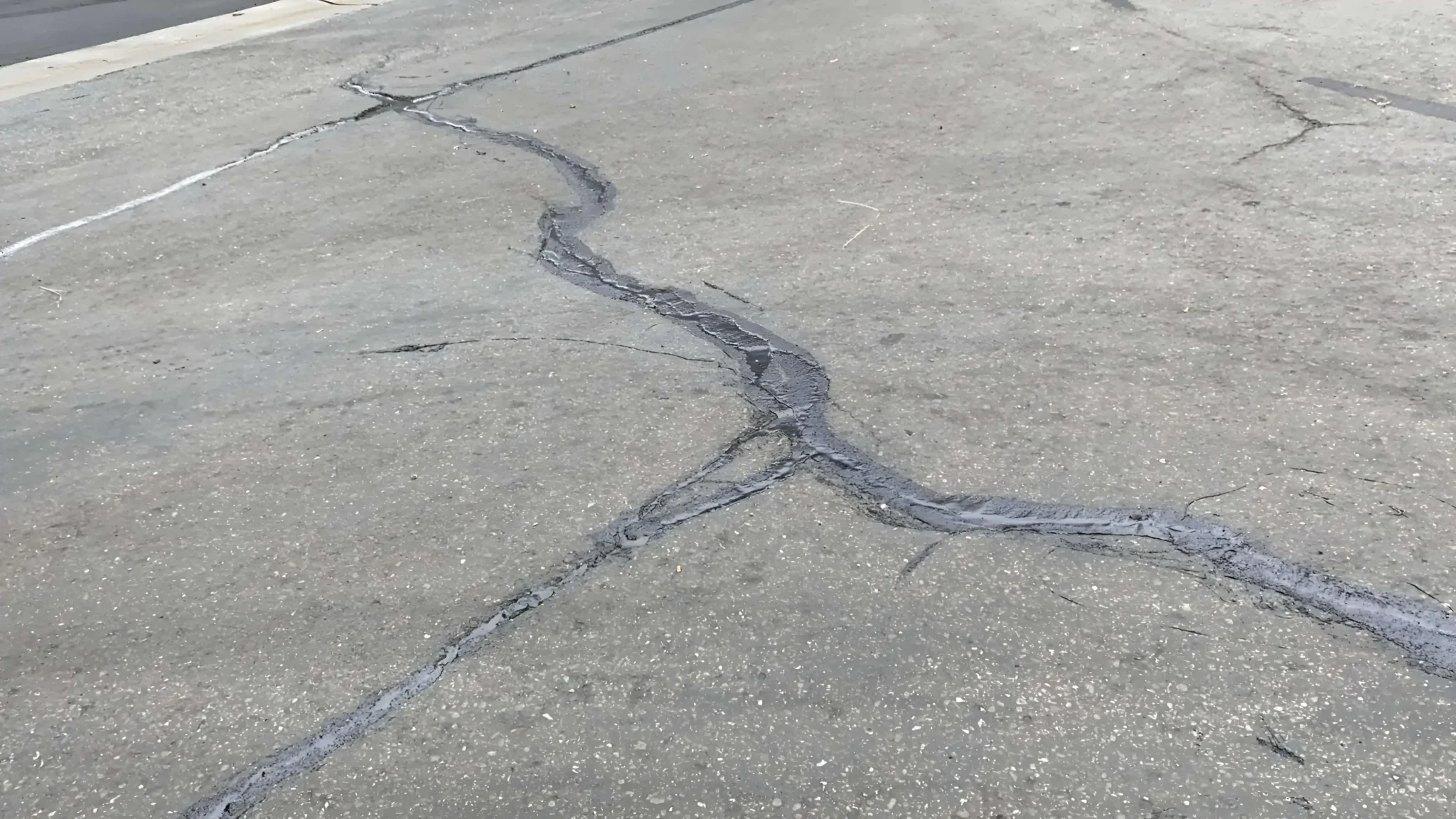
It starts as a thin line across your parking lot. Barely noticeable — until it rains, freezes, and months later, your entire pavement starts to crumble.

Most property managers think of crack filling as cosmetic maintenance. In reality, it’s the first line of defense against structural failure that can turn a $300 fix into a $50,000 replacement.


The Real Cost of Ignoring Cracks

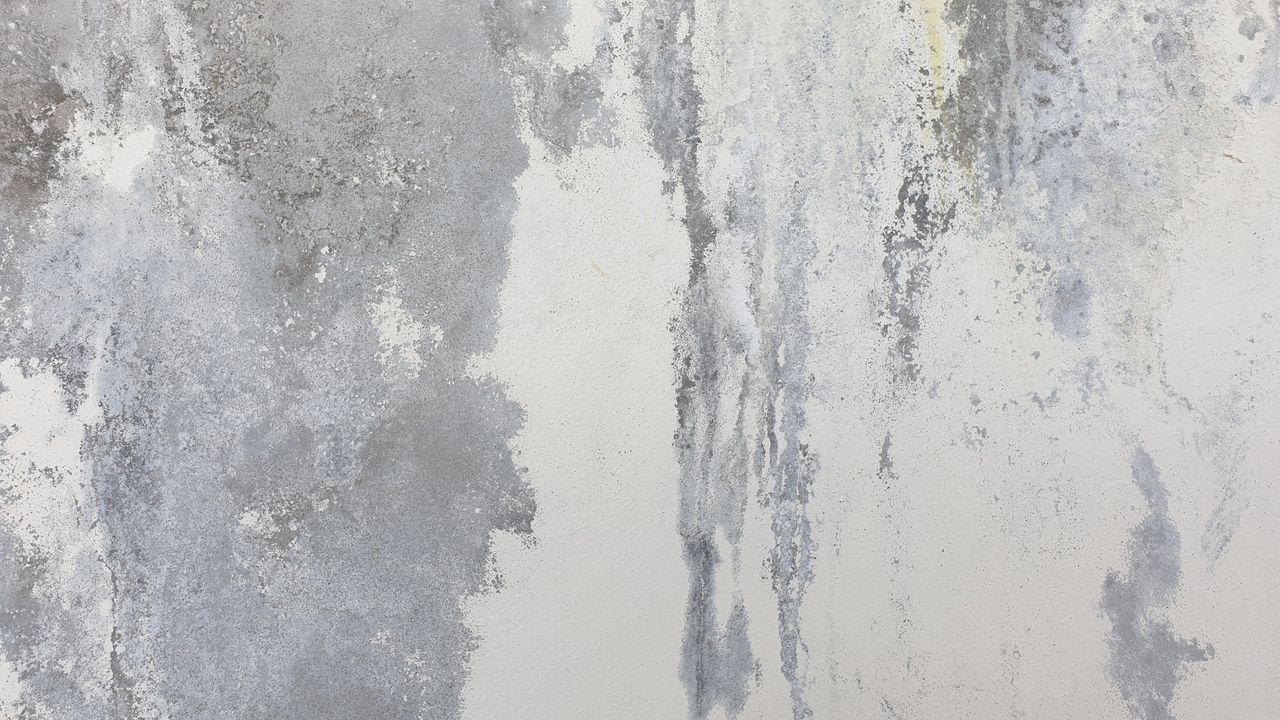
Water is pavement’s worst enemy. Once it seeps into small surface cracks, it weakens the layers underneath — the base and sub-base that keep your pavement stable.

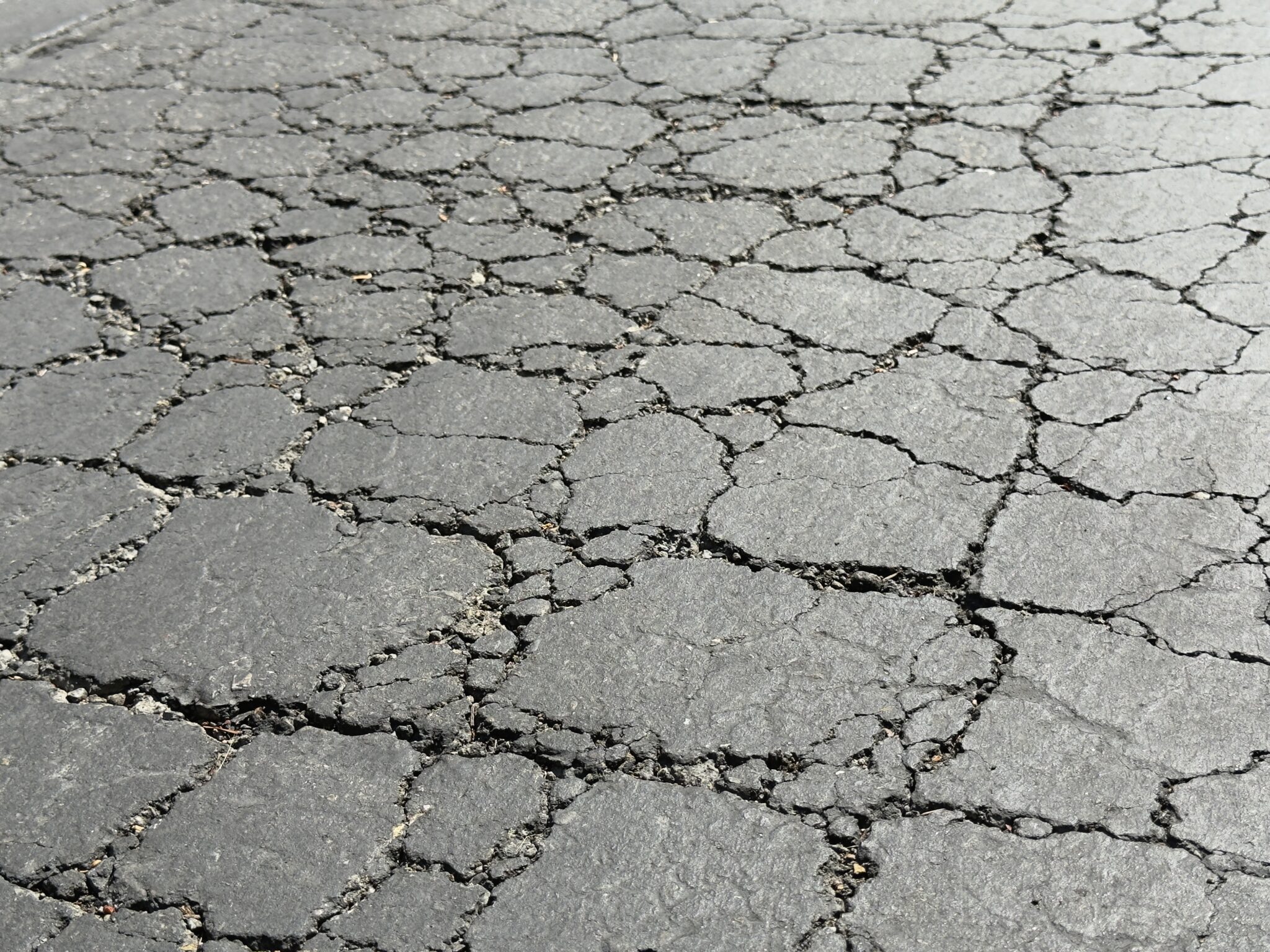
As temperatures change, cracks expand and contract, allowing even more moisture to penetrate. Over time, what began as a hairline fracture evolves into alligator cracking, potholes, and full-depth failure.

Reactive repairs cost 10–20 times more than preventive crack filling. What could’ve been a simple maintenance task becomes a full reconstruction project.


Crack Filling Is Structural, Not Cosmetic

Crack filling restores the pavement’s structural integrity, not just its appearance. By sealing the openings, you prevent water, oil, and debris from infiltrating and compromising the base.

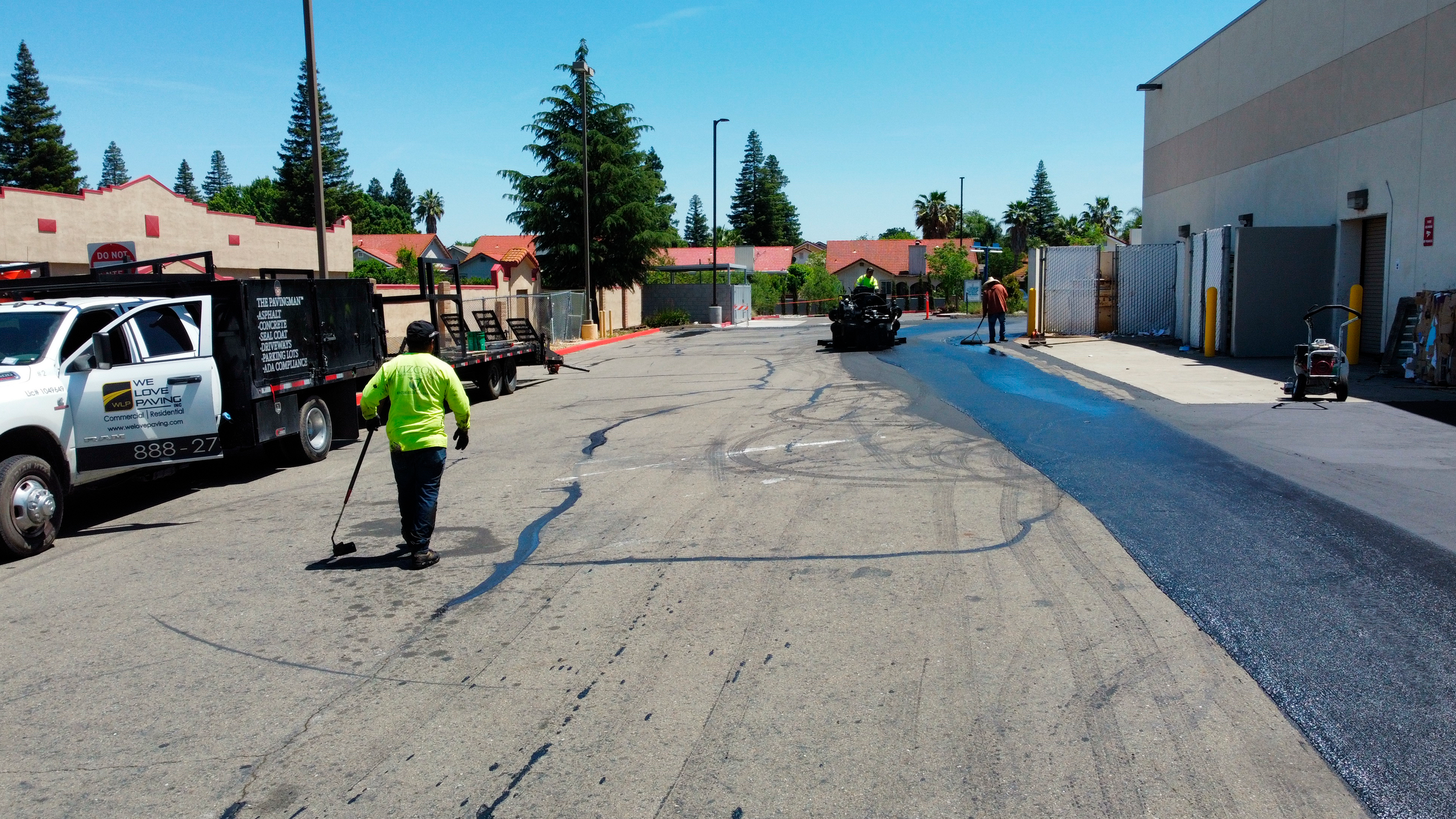
Professional crack filling involves:

  • Cleaning the cracks thoroughly to remove dirt and vegetation.

  • Routing to create uniform edges for better bonding.

  • Applying hot-pour sealant designed to expand and contract with temperature changes.

This process ensures flexibility and durability — keeping your surface sealed and strong year-round.


How Often Should You Fill Cracks?

Preventive maintenance is all about timing.

  • Inspect your pavement once a year, ideally in spring or fall.

  • Crack filling works best when temperatures are between 40°F and 75°F.

  • Pair it with sealcoating every 2–3 years to maximize pavement life.

Regular maintenance can double your pavement’s lifespan — from 8–10 years to as much as 20.


Real-World Math: The $50,000 Lesson

A 50,000-square-foot commercial parking lot in California skipped crack filling for three consecutive years. What started as minor surface cracking evolved into widespread base erosion and structural failure.

The result? Full milling and asphalt overlay were required.
Total cost: $48,700.
Estimated cost of annual crack filling: ~$600/year.

A small oversight turned into a massive repair bill.


How to Stay Ahead

Here’s a simple checklist to protect your pavement investment:

  • Inspect at the beginning and end of each season.

  • Fill cracks larger than ¼ inch immediately.

  • Hire licensed professionals — not general handymen.

  • Keep photo records and maintenance logs.

Being proactive today prevents massive reconstruction tomorrow.


Don’t Let a Small Crack Become Your Biggest Expense

At We Love Paving, we don’t just patch problems — we prevent them.
Our crack filling services are designed to stop damage before it spreads, protecting your property and your budget.

👉 Schedule your free crack inspection today and keep small problems from becoming $50,000 headaches.

Need Immediate Help?

Let's Talk About Your Project

Don't wait until minor damage turns into major expenses. Our team of experts is ready to provide you with guaranteed solutions. Contact us now for direct advice from a professional.

Frequently Asked Questions (FAQ)

Got Questions? Find Your Answers Here!!

How can a small crack turn into a $50,000 problem?

A small crack allows water to penetrate the pavement and weaken the base layers. What starts as a $300 repair can escalate into a $50,000 reconstruction if ignored, due to progressive structural deterioration beneath the surface.

What is the process that turns a crack into structural failure?

The process begins with a surface crack, followed by water infiltration that weakens the base and reduces load capacity. Over time, cracks interconnect, potholes form, and the pavement ultimately fails, requiring full-depth replacement instead of minor repairs.

Why is water the most dangerous factor in pavement damage?

Water is the most damaging factor because it erodes the subbase and destabilizes the structure. As moisture accumulates, it causes expansion, contraction, and loss of support, accelerating deterioration until small cracks become irreversible structural failures

How much more expensive is delayed repair compared to early action?

Delayed repair can cost 10 to 20 times more than preventive maintenance. A crack that costs a few hundred dollars to fix can escalate into tens of thousands once the damage reaches the base and requires full reconstruction.

How can you prevent a crack from becoming a major issue?

Prevention requires regular inspections and sealing cracks larger than ¼ inch immediately. Annual maintenance and sealcoating every 2–3 years can double pavement lifespan and prevent costly structural damage.

Professional customer review project by We Love Paving in Northern California, California. Verified local construction quality.

Fred / Founder

Fred, Founder and Regional Operations Manager at We Love Paving, comes from a family that values hard work and discipline. Growing up watching his parents work long hours with integrity and dedication, Fred learned early on that quality paving isn’t just about asphalt, it’s about consistency, accountability, and doing the job right.

Share

Posts That Might Interest You

What is Driveway Resurfacing? Expert Technical Guide to Asphalt Overlay and When to Use It

What is Driveway Resurfacing? Expert Technical Guide to Asphalt Overlay and When to Use It

April 15, 2026

THE BENEFITS OF RESURFACING In the world of driveway maintenance and improvement, asphalt resurfacing has emerged as a popular and effective solution. As time passes, even the most durable asphalt driveways can succumb to wear and tear, displaying cracks, potholes, and a worn-out appearance. However, instead of tearing up the entire driveway and starting from

Paving Technical Audit: Cost of Driveway Analysis

Paving Technical Audit: Cost of Driveway Analysis

April 14, 2026

A COMPREHENSIVE GUIDE FOR HOMEOWNERS Paving a driveway is a substantial undertaking for any homeowner. Beyond just enhancing curb appeal, it adds value and utility to the property. However, before diving into such a project, it’s crucial to grasp the diverse factors influencing the overall cost. This guide explores these elements, offering insights to empower

Why is Asphalt So Expensive? A 2026 Audit of Paving Costs and Market Dynamics

Why is Asphalt So Expensive? A 2026 Audit of Paving Costs and Market Dynamics

April 2, 2026

Paving costs have experienced a significant upward trend in recent years, leaving property owners questioning the reasons behind this surge. In this detailed exploration, we delve into the multifaceted factors contributing to the escalating costs of paving in 2026 and beyond. Material Costs and Market Dynamics The cornerstone of any paving project lies in its

What is the Square Foot Price for Asphalt?

What is the Square Foot Price for Asphalt?

April 2, 2026

Asphalt is a popular paving material used for driveways, parking lots, and roads due to its durability, affordability, and ease of installation. However, the cost of asphalt can vary significantly depending on several factors. In this blog post, we will explore the factors that influence the square foot price of asphalt, typical price ranges, and

Next

Estimation Tools

Calculate costs in seconds

Fast, accurate estimates that help you close more jobs. Less guesswork, more profit.