We Love Paving project
We Love Paving · Northern California

Asphalt Paving

15-Year Written guarantee available on qualifying projects
24H Proposal turnaround after project review
    Prefer to talk?
    Call (888) 273-0077
    No commitment. Request a clear project review, scope guidance, and next-step recommendation before making a decision.

    Preventive vs. Reactive: The Two Types of Property Managers (Which One Are You?)

    We Love Paving services in San Mateo County. Professional paving contractor serving San Mateo County and Stanford areas.
    Estimation Tools

    Calculate costs in seconds

    Fast, accurate estimates that help you close more jobs. Less guesswork, more profit.

    There are two types of property managers in the world: Those who stay ahead of pavement problems — and those who chase them.

    The difference between the two?
    One saves thousands in maintenance and keeps tenants happy.
    The other deals with angry calls, emergency repairs, and unexpected invoices.

    Which one are you?


    The Preventive Property Manager

    Preventive property managers treat pavement like an asset — not an afterthought.
    They know that asphalt, like any structure, has a life cycle that can be extended dramatically with regular care.

    Here’s what preventive managers do differently:

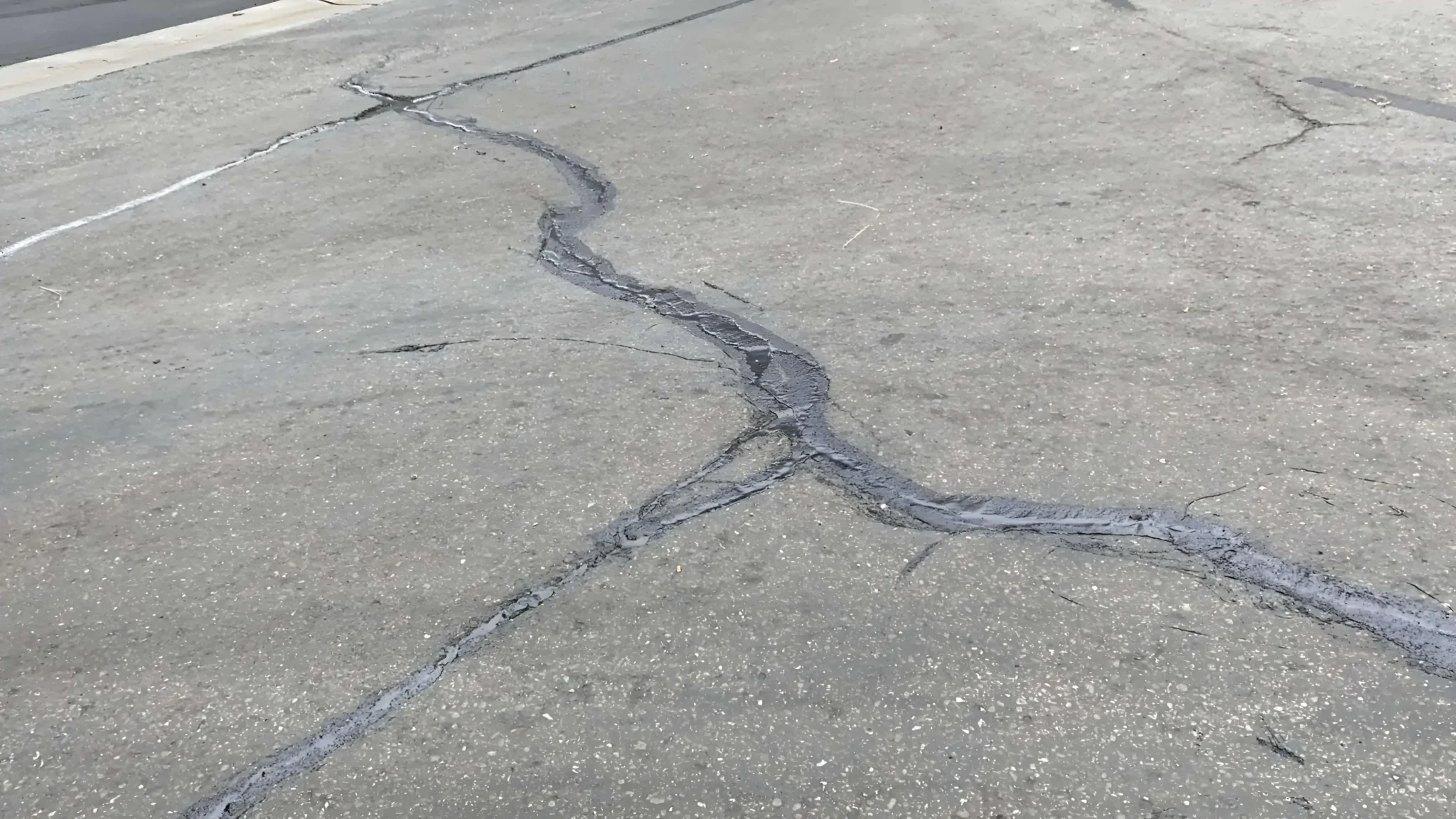
    • Schedule annual inspections to catch small cracks before they spread.

    • Sealcoat every 2–3 years to protect against water, sun, and oxidation.

    • Fix drainage issues early before they erode the base layer.

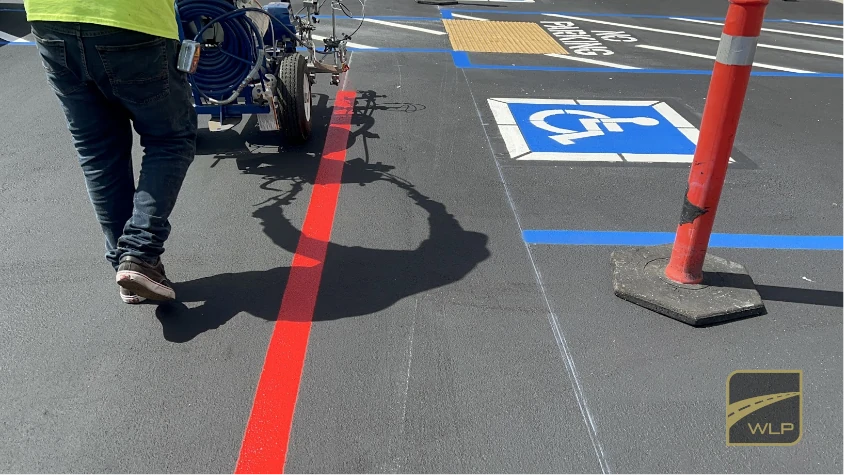
    • Stripe regularly to keep traffic flow organized and ADA compliant.

    • Keep maintenance logs for budgeting and accountability.

    These managers understand that a $500 crack repair today prevents a $20,000 resurfacing tomorrow.

    Prevention isn’t an expense — it’s insurance for your property’s lifespan.


    The Reactive Property Manager

    Reactive property managers have good intentions — but they wait until something looks “bad enough” to fix.
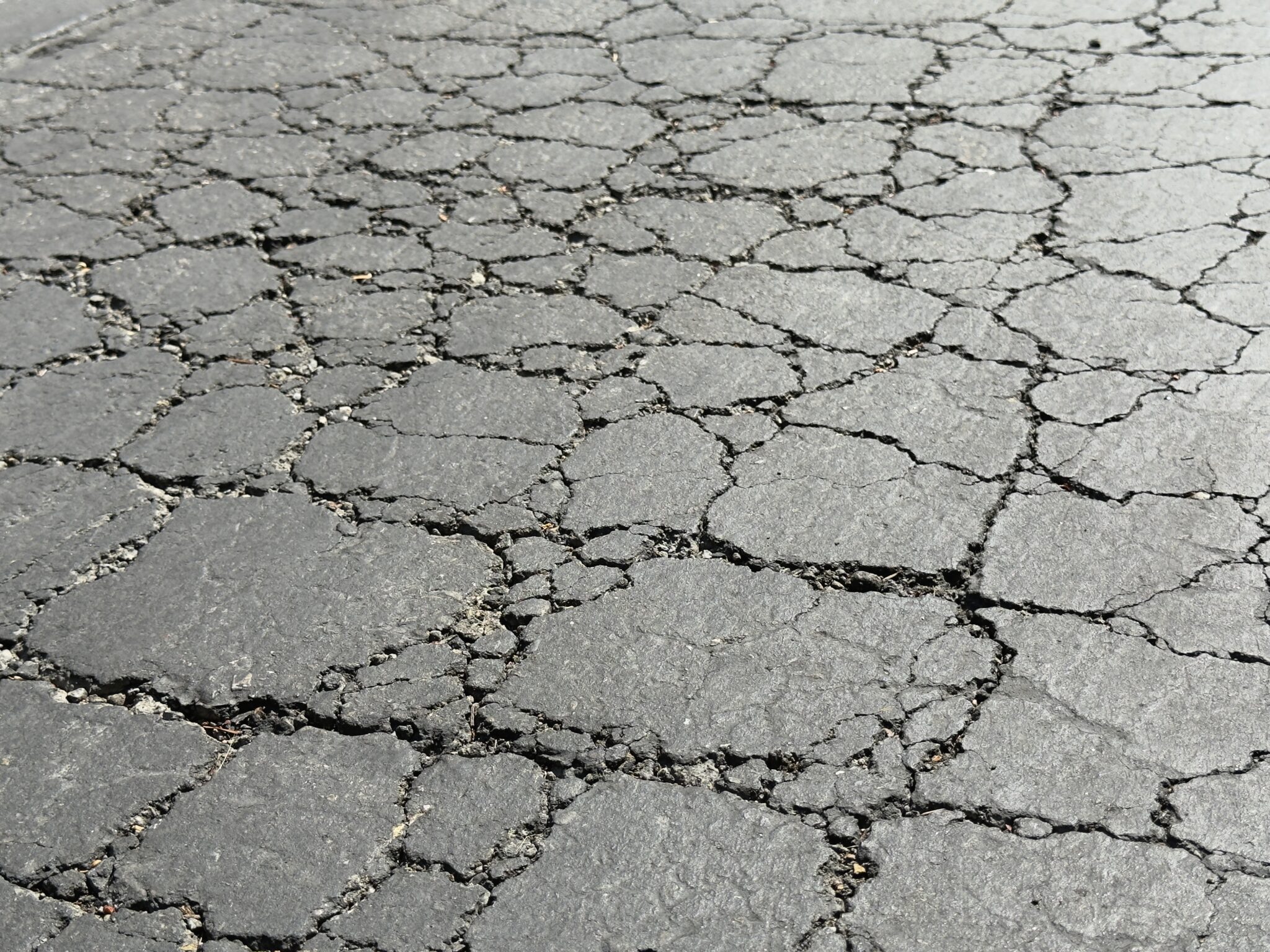
    The problem is, by the time pavement looks bad, it’s usually too late.

    Cracks have already allowed water to weaken the sub-base.
    Potholes are forming. Lines are fading. Liability risks are increasing.

    Reactive managers end up paying for:

    • Emergency asphalt repairs.

    • Trip-and-fall claims.

    • Customer complaints and lost trust.

    • Costly replacements instead of affordable maintenance.

    A reactive approach always costs more — in money, time, and reputation.


    The ROI of Preventive Maintenance

    Let’s break it down with real numbers:

    Type of Work Timing Average Cost Long-Term Impact
    Crack Filling Every year $0.50–$1.00 per linear ft. Prevents base damage
    Sealcoating Every 2–3 years $0.15–$0.25 per sq. ft. Doubles pavement lifespan
    Pothole Patching Reactive $4.00–$5.00 per sq. ft. Short-term fix only
    Full Replacement Reactive $6.00–$8.00 per sq. ft. 100% cost reset

    A preventive plan typically costs 70% less over a 10-year period compared to reactive repairs.


    Beyond Cost — The Reputation Factor

    It’s not just about the numbers.
    A well-maintained parking lot tells visitors and tenants:

    “This property is safe, professional, and cared for.”

    Faded lines, standing water, and cracks send the opposite message — even before someone steps inside the building.

    Your pavement is your first impression. Don’t let it say “we don’t care.”


    Which Type Are You?

    If you’re reading this, you’re already thinking like a preventive manager — someone who wants to protect their investment, reputation, and tenants.

    At We Love Paving, we help property managers move from reactive to preventive with tailored maintenance plans that fit your budget and goals.

    👉 Schedule your free pavement assessment today
    and discover how much you could save by planning ahead.

    Need Immediate Help?

    Let's Talk About Your Project

    Don't wait until minor damage turns into major expenses. Our team of experts is ready to provide you with guaranteed solutions. Contact us now for direct advice from a professional.

    Frequently Asked Questions (FAQ)

    Got Questions? Find Your Answers Here!!

    What is the difference between a preventive and reactive property manager?

    A preventive property manager plans maintenance before problems appear, while a reactive manager waits until visible damage occurs. This difference directly impacts costs: prevention involves controlled spending, while reactive approaches lead to emergencies, disruptions, and significantly higher repair expenses.

    Why does a reactive approach always cost more?

    A reactive approach costs more because once damage is visible, structural layers are already compromised. Simple fixes are no longer effective, and major repairs are required. For example, a $500 crack repair can escalate into a $20,000 resurfacing if ignored.

    What does a preventive property manager do differently?

    A preventive property manager conducts annual inspections, applies sealcoating every 2–3 years, fixes drainage issues early, and tracks maintenance history. These actions detect problems early, prevent structural deterioration, and keep long-term costs predictable.

    What is the real financial impact between both approaches?

    The financial difference is substantial: a preventive strategy can cost up to 70% less over a 10-year period compared to reactive repairs. Early interventions are significantly cheaper than emergency fixes or full reconstruction projects.

    What additional risks does a reactive property manager face?

    A reactive approach increases not only costs but also operational and legal risks. Issues like potholes, cracks, and faded striping raise the likelihood of accidents, tenant complaints, and potential lawsuits, while also damaging property reputation.

    Professional customer review project by We Love Paving in Northern California, California. Verified local construction quality.

    Fred / Founder

    Fred, Founder and Regional Operations Manager at We Love Paving, comes from a family that values hard work and discipline. Growing up watching his parents work long hours with integrity and dedication, Fred learned early on that quality paving isn’t just about asphalt, it’s about consistency, accountability, and doing the job right.

    Share

    Posts That Might Interest You

    What Is Parking Lot Striping? Why Sealcoating Is Not Enough

    What Is Parking Lot Striping? Why Sealcoating Is Not Enough

    May 27, 2026

    A newly sealcoated parking lot can look finished before it is actually ready to function. The asphalt is darker. The surface looks cleaner. Old oxidation is less visible. From the road, the property may appear refreshed. Then traffic returns. Drivers slow down at wide drive aisles because arrows are missing. Customers park slightly over old

    Pavement Asset Management for Property Managers

    Pavement Asset Management for Property Managers

    May 27, 2026

    A parking lot budget usually becomes uncomfortable long before the asphalt fails completely. The entrance patch is still holding, but the edge is separating again. The back drive aisle looks rough, yet tenants rarely use it. The front visitor stalls are faded enough to draw complaints. A low area near the drain stayed wet after

    Parking Lot Size Standards: How to Design Safe and Efficient Lots That Meet Code

    Parking Lot Size Standards: How to Design Safe and Efficient Lots That Meet Code

    May 26, 2026

    Parking lots might look simple just stripes and asphalt but strong parking lot design depends on precise size standards, circulation planning, and code aware layout decisions. If you’re planning to build, expand, or re-stripe a lot, knowing these dimensions helps you avoid code violations, improve traffic flow, and maximize usable space. Let’s break it down. 📏 1.

    Sacramento Paving Solutions: Can You Put Asphalt Over Dirt?

    Sacramento Paving Solutions: Can You Put Asphalt Over Dirt?

    May 21, 2026

    In Sacramento, California, where the weather is mostly warm and the urban landscape is continually evolving, maintaining durable and attractive driveways, pathways, and parking areas is essential. One common question that homeowners and property managers often ask is whether it’s possible to put asphalt directly over dirt. This comprehensive guide will explore the feasibility, benefits,

    Next

    Estimation Tools

    Calculate costs in seconds

    Fast, accurate estimates that help you close more jobs. Less guesswork, more profit.