A checklist earns its place when it helps a manager make a decision later.
For a Northern California retail center, that decision might come after the first winter storm, when water still sits along the curb near the front stalls. For an office property, it might come in late summer, when the exposed drive aisle has turned pale and the striping near visitor parking is barely readable. For an HOA guest lot, it might come from the same small pothole returning near an irrigation-fed edge.
A useful parking lot maintenance checklist should capture those patterns. It should not flatten every property into the same quarterly task list. The point is to know which areas are stable, which areas are changing, and which observations belong in the next repair conversation.
Walk the Lot When Conditions Are Telling the Truth
A clean, dry afternoon can hide too much. The pavement may look acceptable once water has evaporated, traffic has slowed, and shadows are off the surface.
A stronger inspection uses timing. Walk after rain to see where drainage is weak. Walk during a busy period to see how cars move through the lot. Walk during dry heat to see where the surface is fading, loosening, or becoming brittle. Each pass reveals a different version of the same property.
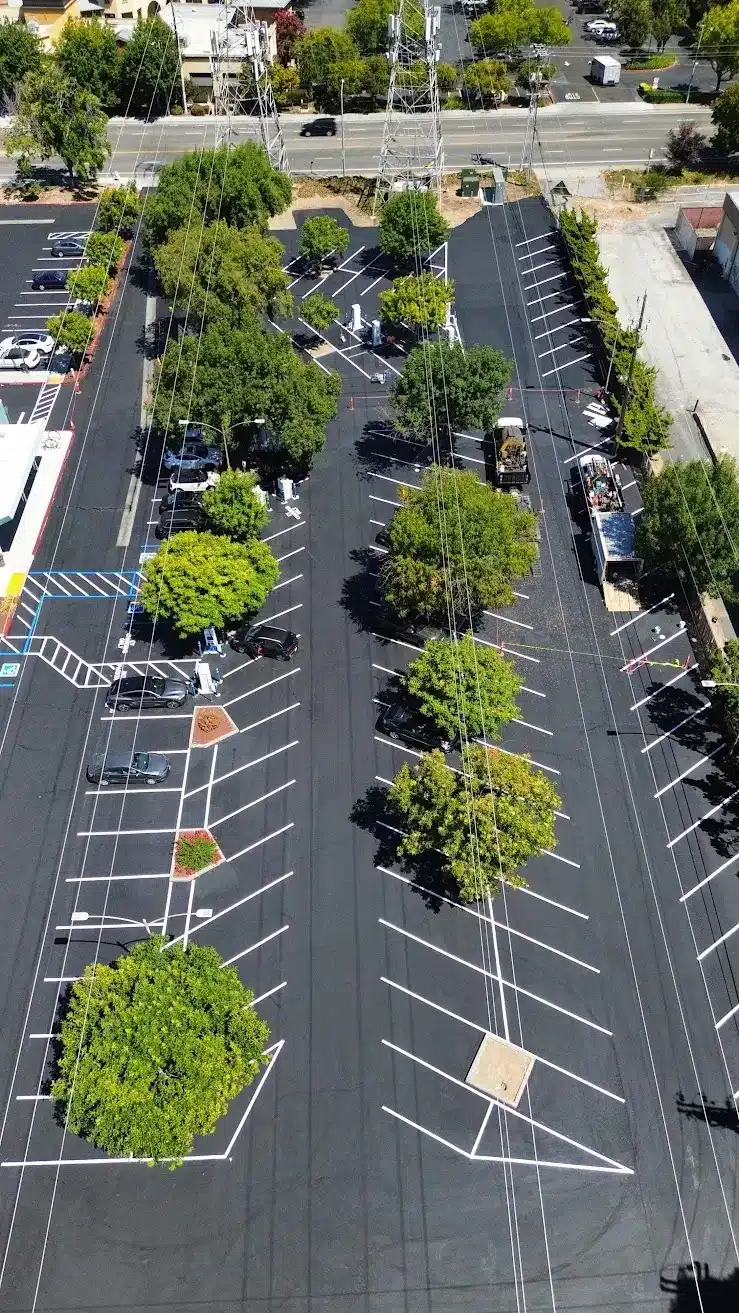
For retail and mixed-use lots, the front row deserves close attention. High-turnover stalls often show oil marks, worn striping, scuffed wheel paths, and small surface failures earlier than the back rows. A checklist that treats every row equally misses the areas tenants and customers use most.
The inspection record should be short enough to repeat. Date the visit, name the zone, take photos from consistent angles, and note whether the condition is new, recurring, or worse than the last review.
Use Zones Instead of One Long Task List
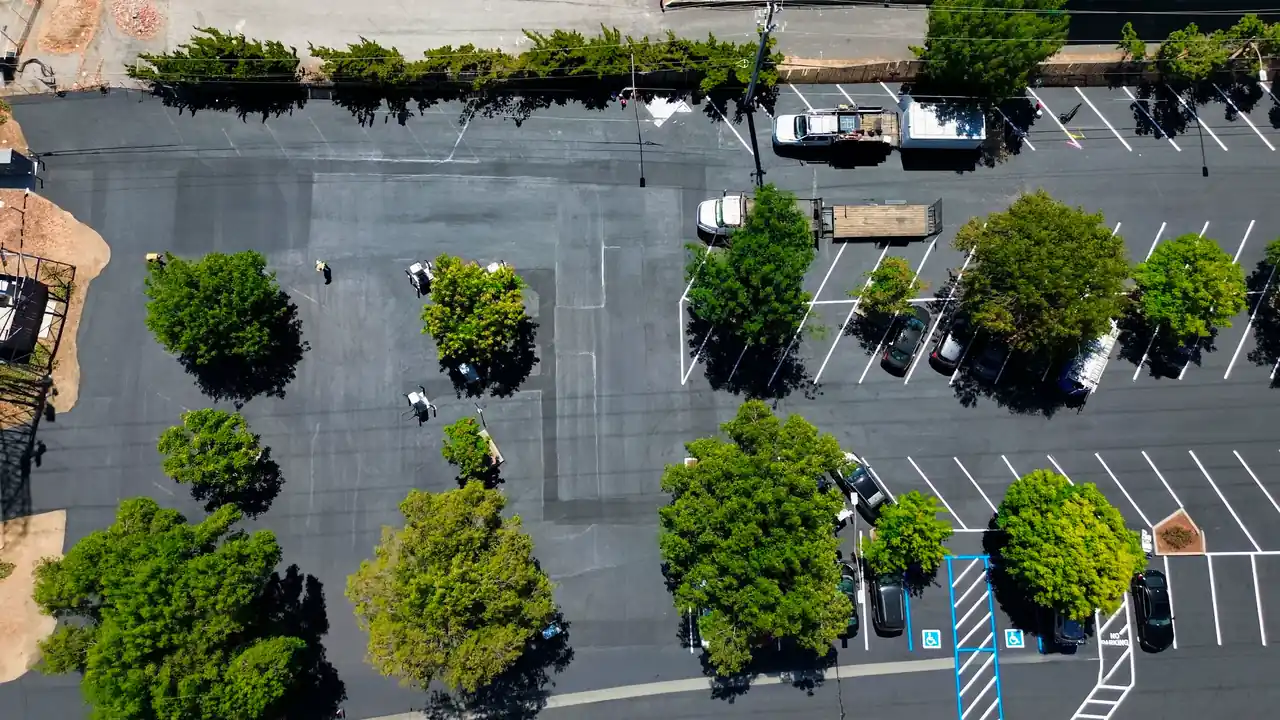
A parking lot is easier to manage when it is divided into zones with different jobs. The entrance, visitor parking, service route, drainage edge, pedestrian path, and back row do not carry the same risk.
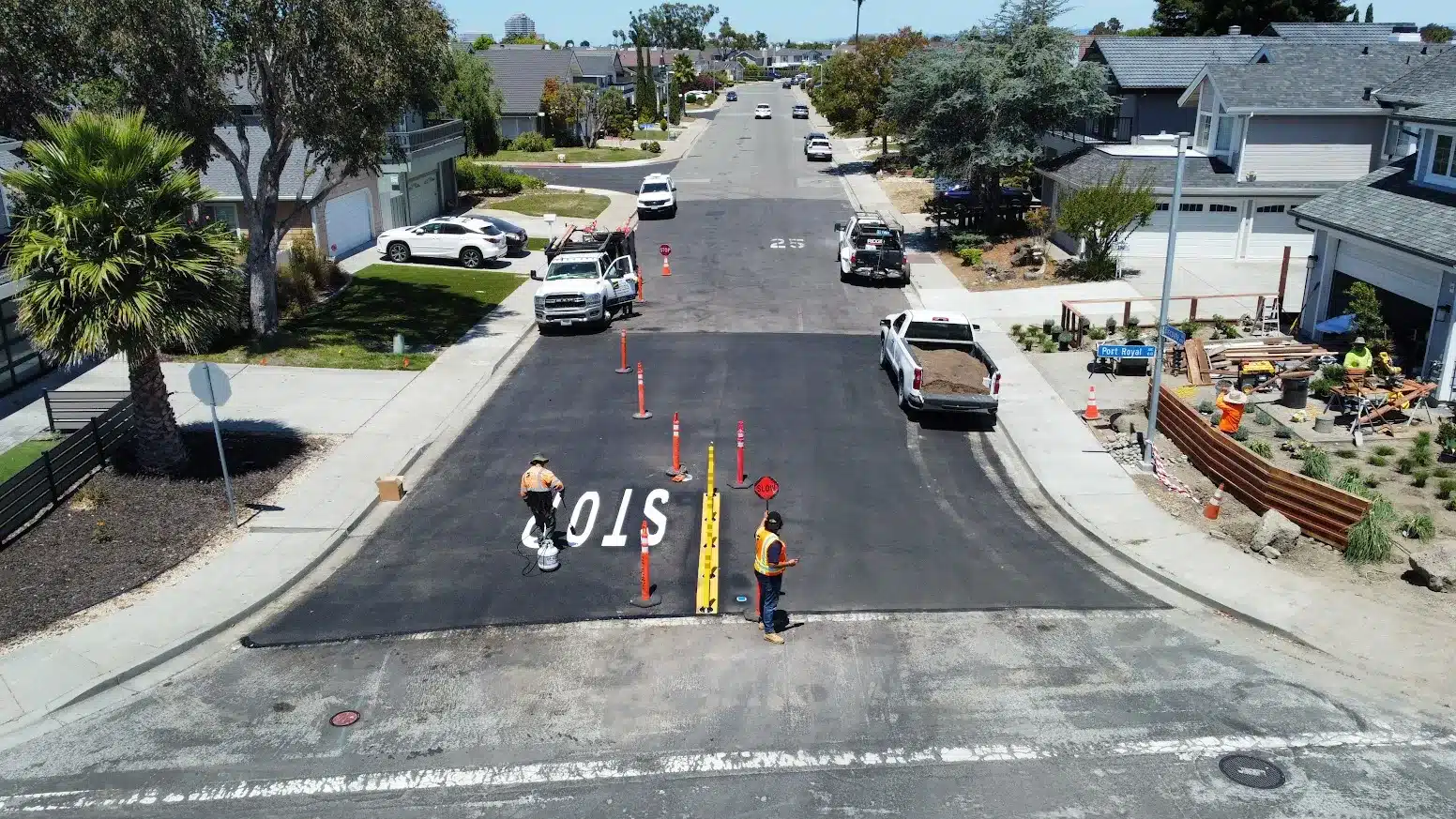
A driveway entrance takes braking and turning stress. A loading route may show raveling where delivery trucks twist across the surface. A low edge near landscaping may stay damp after irrigation. A pedestrian crossing may look minor on a site map but matter every morning to tenants, staff, and visitors.
Good paving maintenance starts with this separation. A stable back row can wait while a smaller entrance defect deserves action. A faded marking near a storage area carries a different priority than a faded stop bar at the exit.
| Zone to inspect | What to watch closely | What the note should clarify |
|---|---|---|
| Main entrance | Broken edges, tire scuffing, shallow potholes, rough transitions | Whether arrival or access is affected |
| Front parking row | Faded lines, oil spots, small depressions, patch contrast | Whether customer-facing areas are changing |
| Drainage points | Sediment rings, damp seams, cracking near basins | Whether water is feeding the damage |
| Service route | Raveling, rutting, edge breaks, repeated patch failure | Whether vehicle load is driving the wear |
| Pedestrian path | Uneven transitions, worn crossings, surface breakup | Whether movement across the lot feels predictable |
The table is not meant to replace judgment. It keeps the inspection from becoming a random walk with photos.
Separate Watch Items From Repair Items
Every mark in the pavement does not deserve the same response. Some conditions should be tracked. Others should move into repair planning.
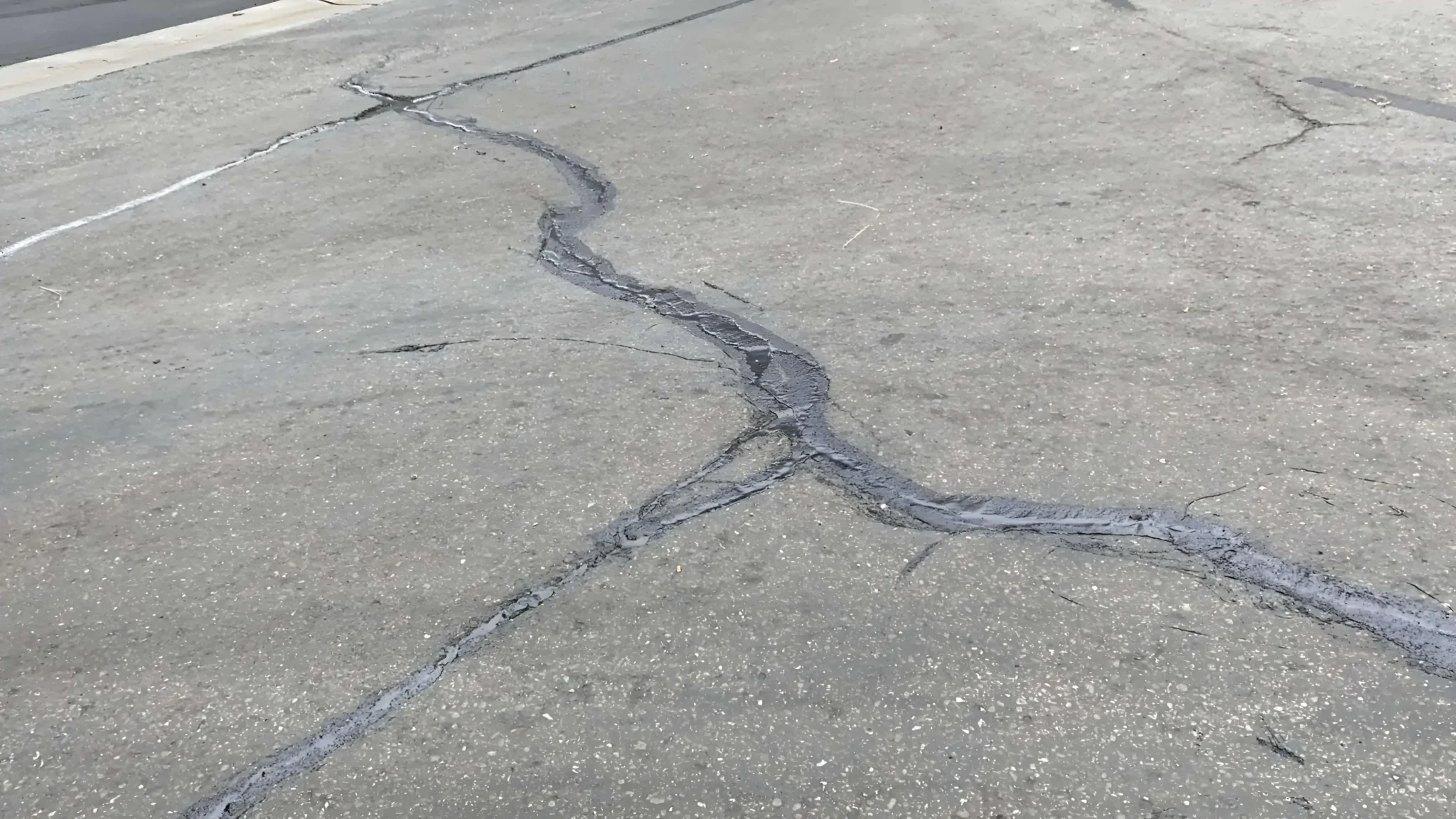
A hairline crack in a quiet stall row can be documented and watched. A crack cluster near a catch basin after wet weather deserves closer attention. A small surface stain may stay in the maintenance file. Loose aggregate in a delivery turn should be reviewed sooner because traffic is already grinding the surface apart.
The checklist should create two categories: items to monitor and items to price. Mixing them together leads to weak budgeting.
Conditions that usually deserve earlier review include:
- potholes near entrances, exits, pedestrian routes, or accessible parking;
- cracks that follow drains, curbs, trench lines, or landscaped edges;
- patch seams that reopen after rain or heavy traffic;
- raveling where delivery vehicles turn repeatedly;
- markings that no longer guide drivers cleanly.
The list is intentionally limited. A manager needs clarity, not fifty boxes that all feel equal.
When a condition moves from observation to scope, parking lot repair should address the reason the area keeps showing up in the notes. Repeating the same small repair without reviewing water, load, edge support, or surface preparation usually leaves the manager with the same line item later.
Drainage Notes Belong Near the Top of the File
Water changes the value of a checklist.
After rain, look for the last places to dry. Those locations often explain recurring cracks, patch separation, loose edges, and sediment buildup. A manager should pay attention to water near catch basins, curb lines, old utility cuts, and the transition between asphalt and concrete.
Northern California wet seasons make those notes more useful than a dry-weather photo alone. A lot that looks serviceable in July may show its real weak spots in February. A low area near the entrance can carry more operational weight than a larger crack in a remote corner because every user crosses that location.
This is also where delaying maintenance becomes a planning issue. A single damp seam may be monitored. The same damp seam widening across two wet seasons deserves a different conversation before it turns into a larger repair window.
Striping Should Be Checked by Behavior
Paint color is only one part of striping inspection. Driver behavior often gives the better answer.
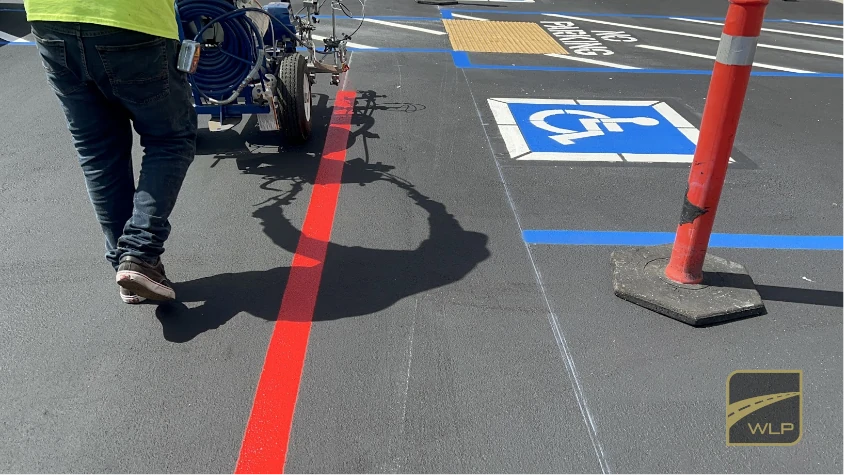
If cars still park evenly, directional arrows are readable, and pedestrians follow the marked crossing, the striping may still be functioning. If cars drift across stall lines, visitors hesitate at the entrance, or vehicles stop in areas intended to stay clear, the markings are losing authority.
A commercial lot can look acceptable in photos while functioning poorly in motion. Front-row striping may fade faster than the rest of the property because customers turn over all day. Loading zones may lose clarity where delivery vehicles cross the same path. Accessible parking areas should be reviewed carefully when markings fade, since usability can be affected and technical questions may require professional evaluation.
The article on restriping timing fits this part of the record. The checklist should note where behavior has already changed, not only where paint has lost brightness.
Keep the Checklist Useful for Owners and Vendors
Inspection notes should help other people understand the property quickly. A future vendor, board member, asset manager, or replacement staff member should be able to read the file and know what changed.
Avoid vague notes like “bad asphalt near front.” A stronger note says “north entrance, right edge near curb, patch seam opening after rain, photo taken from driveway.” That sentence gives the next person a location, condition, timing, and reference point.
A property manager also needs the checklist to support communication. Tenant complaints, owner approvals, vendor scopes, and budget timing all become easier when the record is tied to actual pavement zones.
Recurring warning signs should be marked separately from ordinary wear. The same broken edge, the same drainage mark, or the same failing patch should not be rediscovered every season as if it were new.
Turn the Checklist Into a Maintenance Rhythm
A parking lot maintenance checklist should make timing easier. It should show what to watch after rain, what to review before summer heat, what to price before budget season, and what to confirm after work is completed.
For Northern California commercial properties, the strongest rhythm is seasonal rather than rigid. Wet months reveal drainage behavior. Dry months reveal surface aging. Busy tenant periods reveal circulation issues. Completed repairs reveal whether the chosen scope held up.
We Love Paving helps commercial owners and managers turn those observations into practical maintenance planning. On retail, office, HOA, and mixed-use lots, the checklist should support decisions about monitoring, repair timing, striping, surface work, and future budgeting without treating every visible mark as the same level of concern.