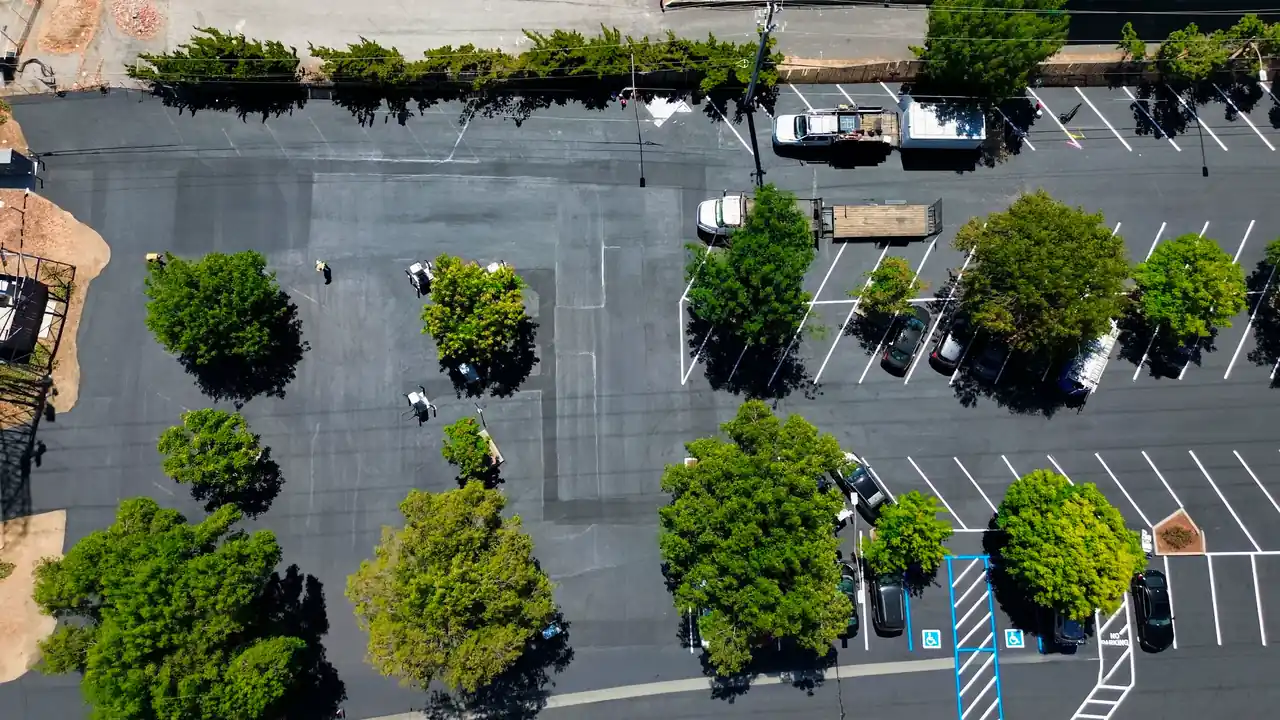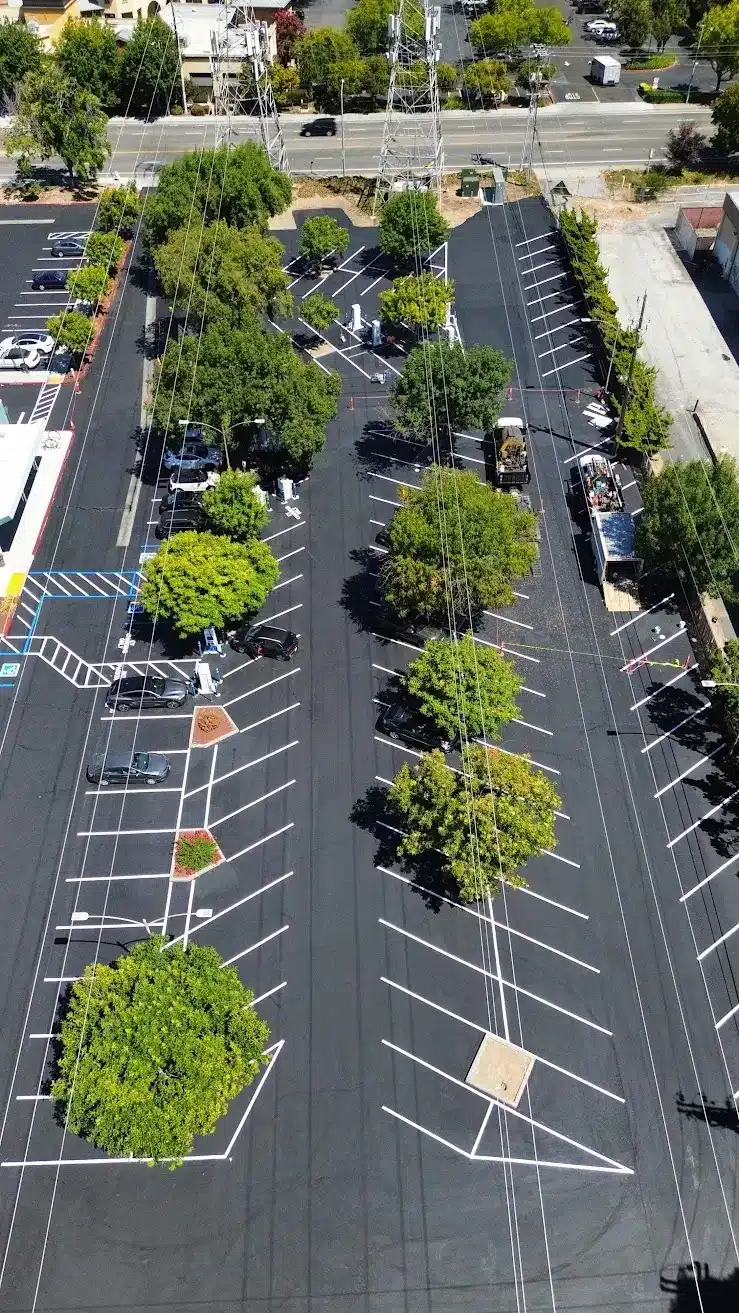
A parking lot can look ready for sealcoating from the sidewalk and still be a poor candidate up close.
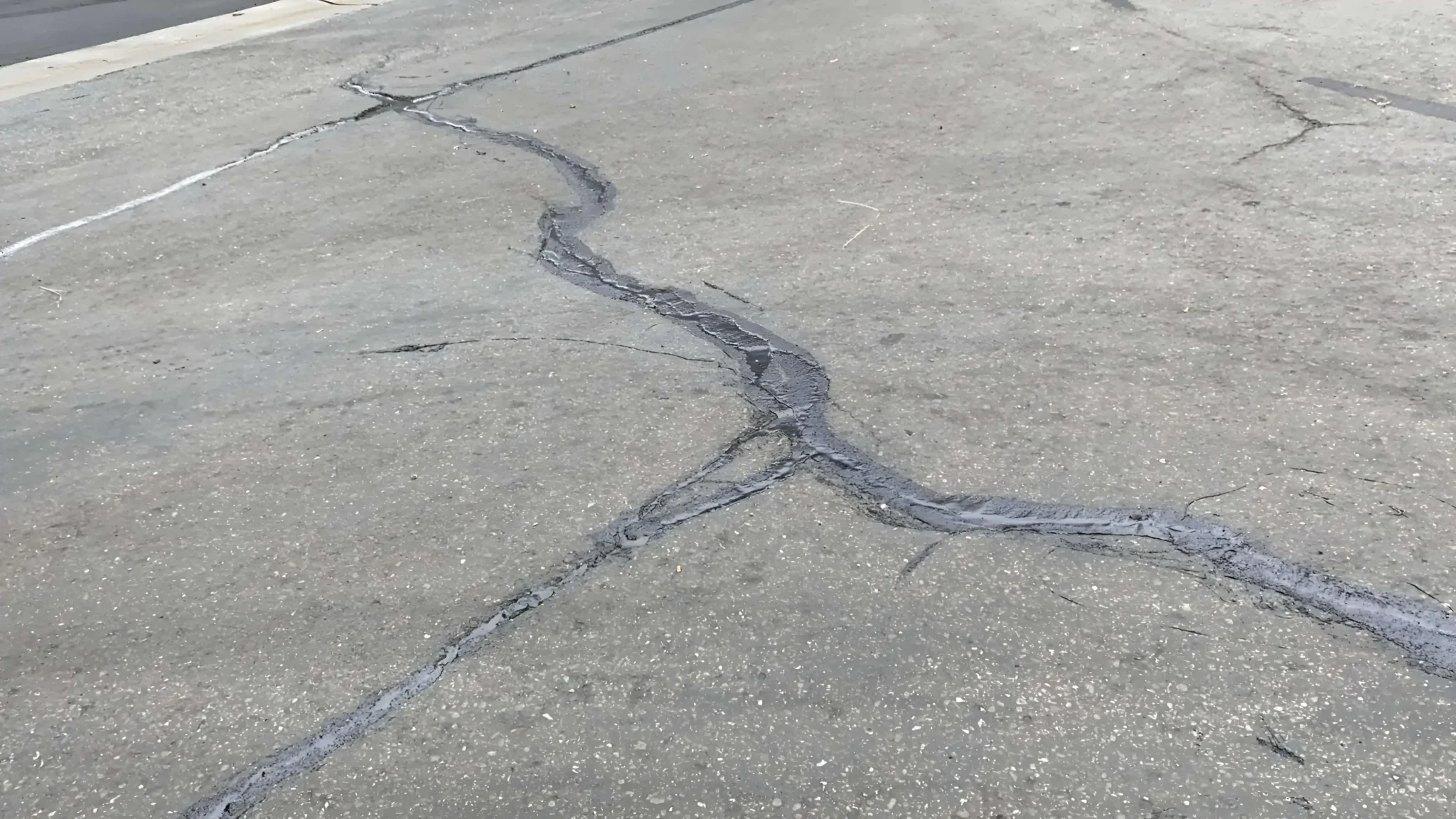
The color has faded. The asphalt has turned gray. The owner wants a cleaner surface before tenants complain or customers notice the lot looking tired. Then someone walks the drive aisle and finds a different story: cracks opening near the drain, loose aggregate where vehicles turn, oil staining in the front row, and a patched trench that has started to sink again.
That is where the question does asphalt need to be sealed becomes too broad. Some asphalt benefits from sealcoating. Some asphalt needs repair first. Some pavement is already past the point where a surface coating can do much more than improve appearance for a short time.
For commercial properties in Northern California, sealcoating decisions should account for sun exposure, winter rain, traffic pressure, drainage patterns, and the condition of the surface underneath. A dark finish is useful only if the pavement is ready to receive it.
Sealcoating Helps When the Surface Is Still Stable
Sealcoating is a preservation tool. It works best when the asphalt surface is worn, oxidized, or weathered but still structurally sound.
A stable lot may show faded color, light surface dryness, minor hairline cracking, or general wear from daily traffic. In that case, commercial sealcoating can help refresh the surface appearance and support routine maintenance planning.
The better candidates usually have a few things in common. The pavement still drains reasonably well. The surface is not breaking apart under tire movement. Patches are holding. Cracks are limited and can be treated before coating. The lot may look aged, but it does not feel unstable.
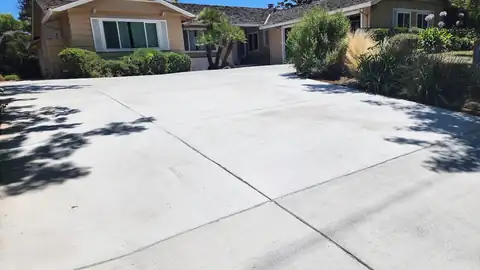
Northern California lots often reach this point after dry summers. Open drive aisles and exposed parking fields can turn pale before the pavement has failed. In those cases, sealcoating may be a practical maintenance step if preparation is handled correctly.
The trap is approving sealcoating because the lot looks old, without asking whether it is still sound.

Surface Prep Decides Whether Sealcoating Makes Sense
Sealcoating is not magic paint. The coating depends on the pavement beneath it.
If the surface has loose aggregate, open cracks, oil-saturated stalls, potholes, soft patch edges, or ponding water, those conditions will not become stable because they are covered. They may look quieter for a while. The weakness remains.
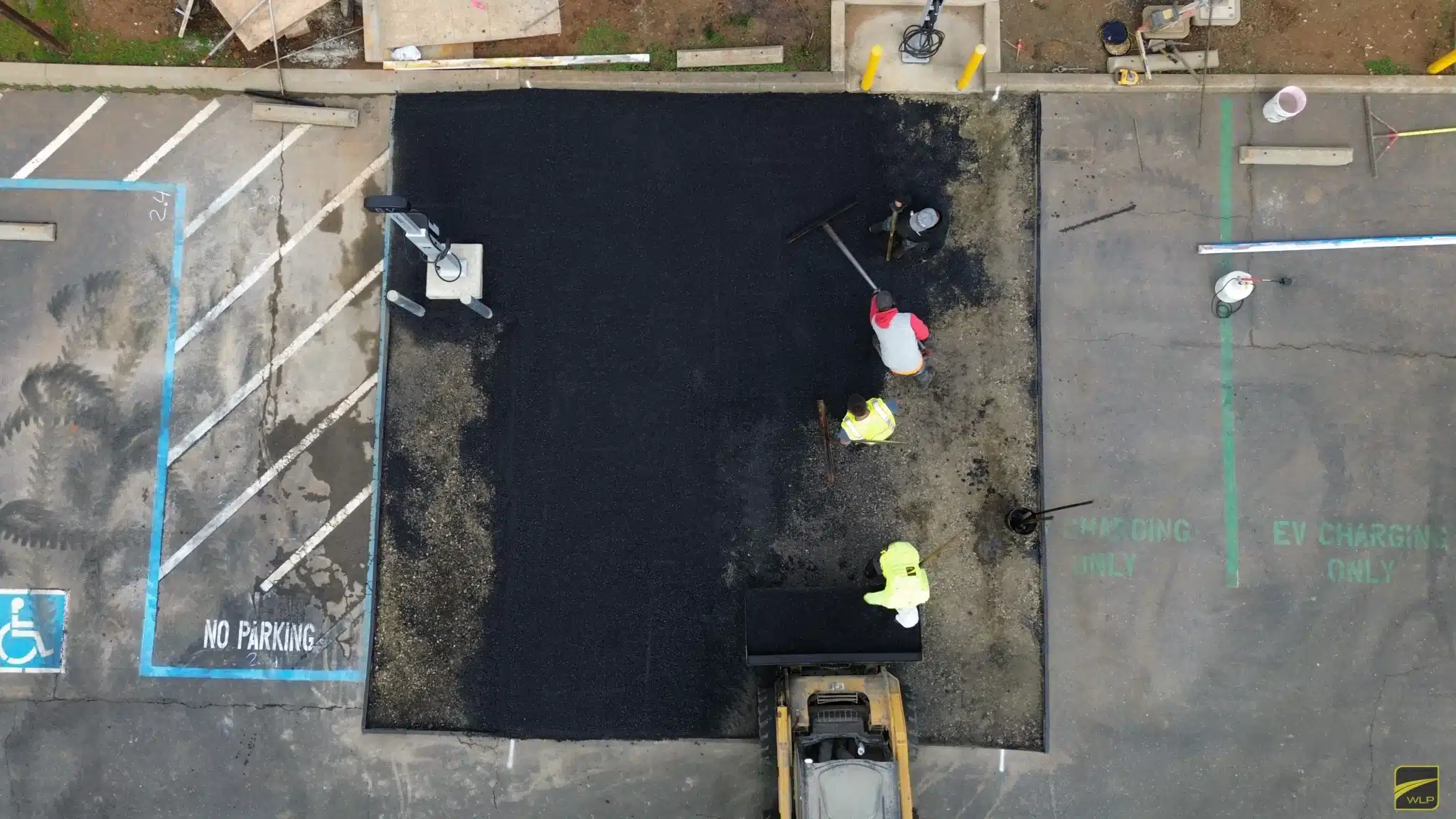
Before sealcoating, the site should be read at walking speed. A front parking row with oil spots may need cleaning or treatment. A drive aisle with raveling may need repair where tires grind the surface. A low edge beside a curb may need drainage attention if water keeps sitting there after rain.
| Surface condition | What it suggests | Sealcoating decision |
|---|---|---|
| Gray, dry surface with limited cracking | Weathering and oxidation | Sealcoating may be appropriate after cleaning and prep |
| Open cracks near drains | Water movement or edge weakness | Treat cracks and review drainage before coating |
| Loose aggregate in turning lanes | Surface raveling under tire stress | Repair or stabilize the area first |
| Potholes or failed patches | Localized pavement failure | Complete repair before sealcoating |
| Standing water after rain | Drainage or grade issue | Review cause before surface work |
| Heavy oil staining in stalls | Bonding problem for coating | Clean or treat before coating |
A proposal that skips preparation is not automatically cheaper. It may be moving the cost into the next maintenance cycle.
Repair Comes First When the Pavement Is Already Moving
Some lots ask for sealcoating when they are actually asking for repair.
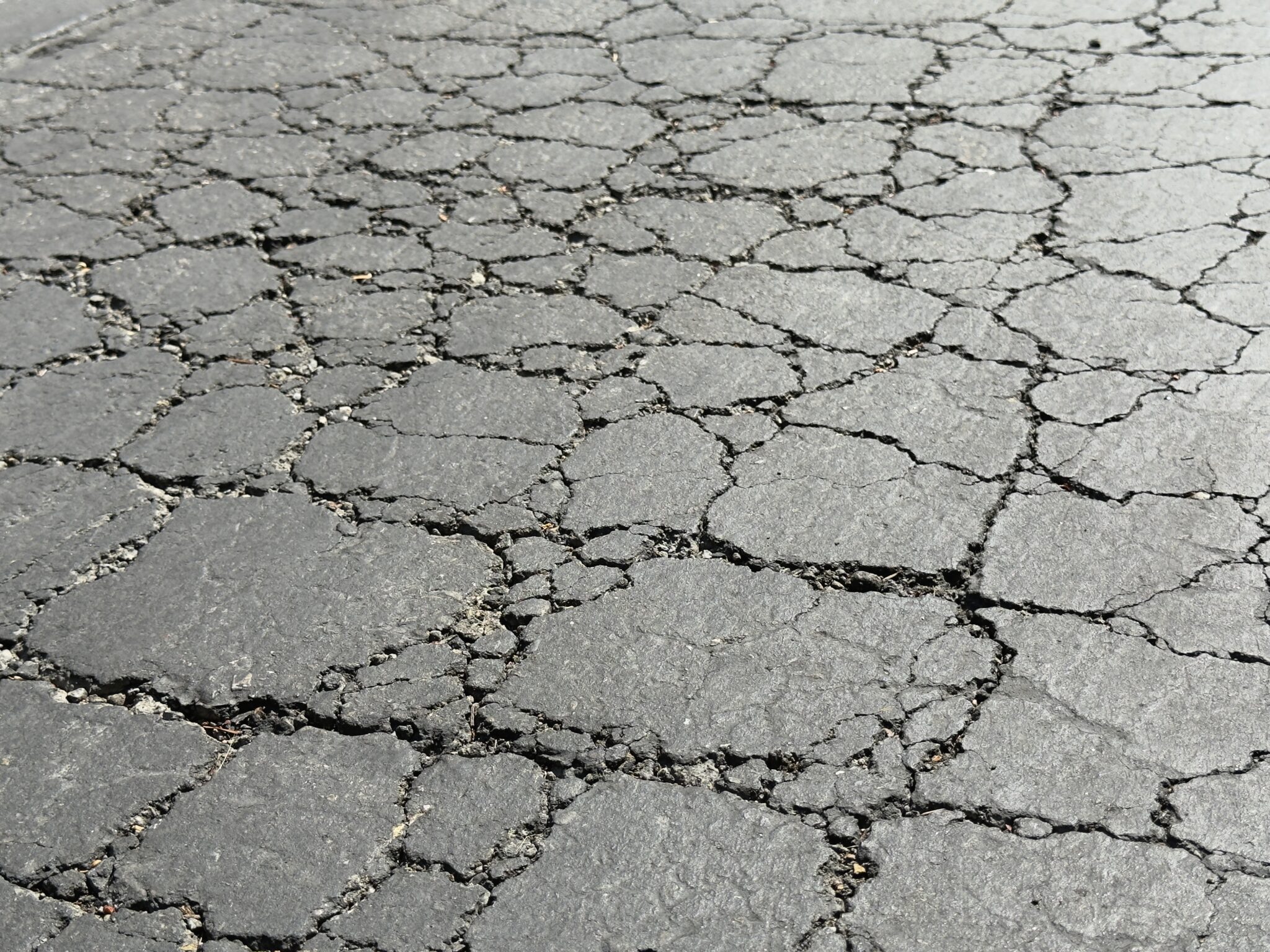
A pothole near the entrance, a depression along a utility trench, or cracking that spreads outward from a patch is not a coating issue. Sealcoating can darken the surface around it, but it cannot rebuild missing support or make failed pavement reliable.
That is when parking lot repair belongs ahead of coating. Repair may include removing failed material, addressing unstable edges, treating cracks, correcting localized defects, or preparing the surface so a later sealcoat has a better chance to perform.
The location of the defect matters. A small crack in a low-use stall row may be treated differently from a crack cluster near the only entrance. Loose aggregate in a remote corner does not carry the same urgency as raveling where delivery trucks turn every day. A low spot that holds water near a pedestrian route may deserve more review than surface wear in a back parking row.
A commercial owner should avoid treating sealcoating as a cover for every visible problem. The coating should finish a maintenance sequence, not hide the work that was skipped.
Timing Should Follow Weather and Use
The calendar helps, but the lot gives better information.
Northern California properties often show different symptoms by season. After wet weather, low spots and drainage paths become obvious. Water marks gather near curbs. Cracks around catch basins may look wider. Patch edges may stay damp longer than the surrounding pavement. During dry months, the surface may look pale, brittle, or dusty where sun and traffic are strongest.
Those seasonal clues affect timing.
A property manager should not wait until the entire lot looks uniformly worn. Sealcoating works best before the surface breaks down too far. Waiting too long can push the property from preservation into repair. That is where delaying maintenance becomes expensive: the owner loses the chance to protect stable pavement and has to fund corrective work instead.
A short review before approving sealcoating should answer these questions:
- Are cracks limited enough to be treated before coating?
- Are patches holding, or are the edges opening again?
- Does water leave the lot cleanly after rain?
- Are high-turn areas raveling under traffic?
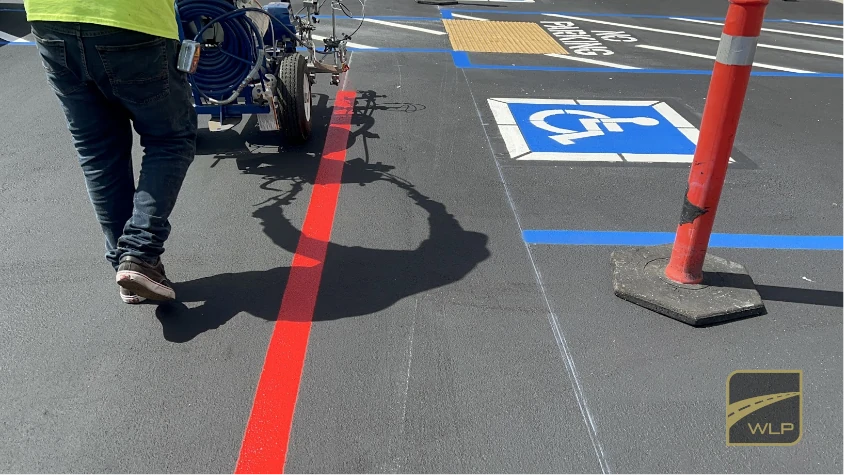
- Will striping, access, and tenant movement need to be coordinated after the coating cures?
Those answers keep sealcoating tied to real conditions instead of appearance alone.
Sealcoating Is Not the Same Decision as Repaving
A worn surface does not always need repaving. A damaged surface does not always qualify for sealcoating. The difficulty is knowing which side of the line the lot is on.
A comparison like sealcoating vs repaving becomes useful when the pavement shows mixed signals. A lot may have broad oxidation and a few repairable defects, which points toward repair plus sealcoating. Another lot may have widespread alligator cracking, recurring potholes, settlement, and drainage stress, which calls for a deeper evaluation.
The owner should be especially careful when the pavement looks old everywhere but fails in only a few specific places. That often suggests a blended scope: repair the weak zones, prepare the surface, sealcoat stable areas, and restripe after the surface work is complete.
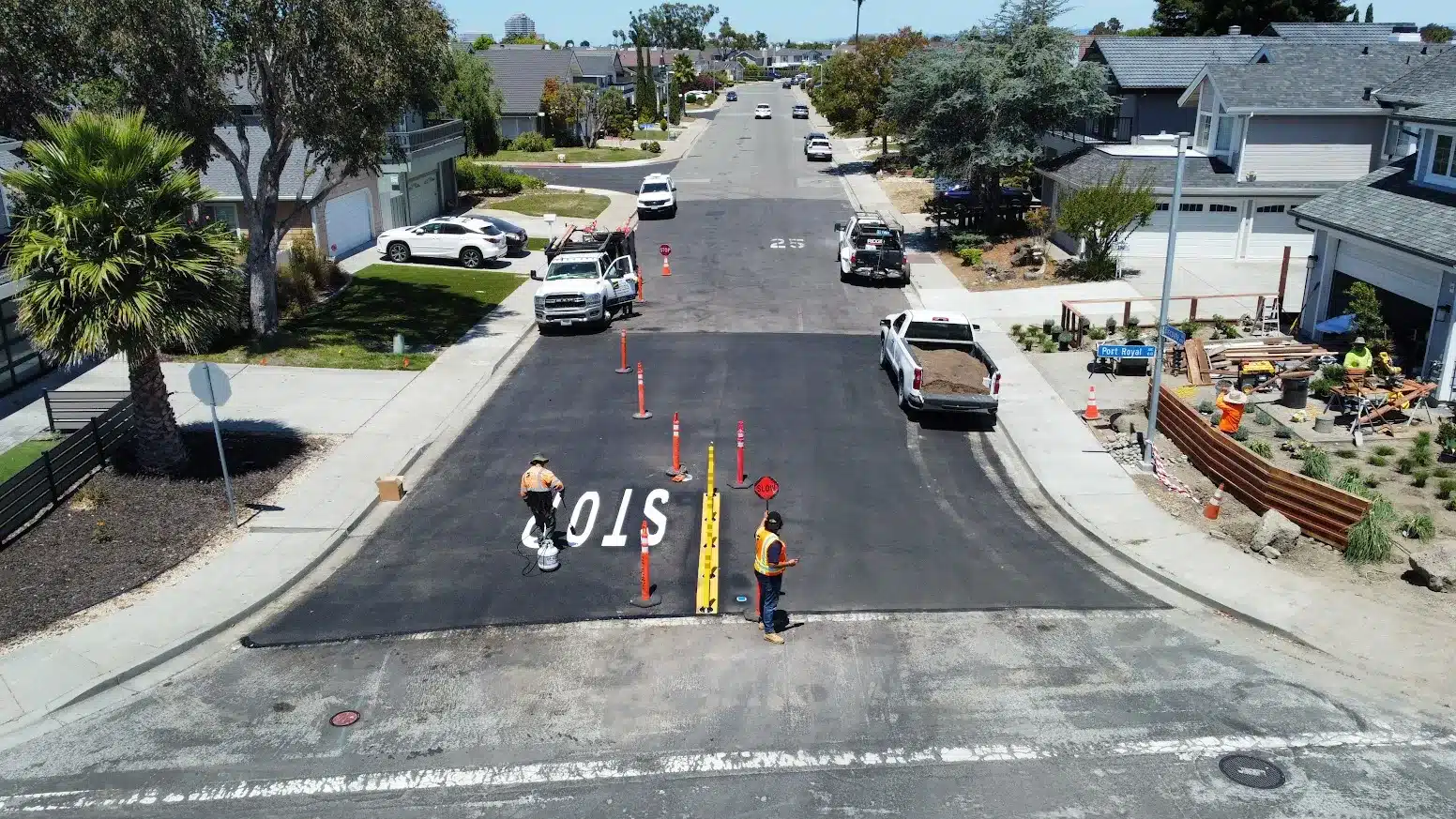
Commercial settings make this more important. A retail center may need work phased around customer access. An HOA may need resident notice and parking coordination. A hospitality property may care about presentation windows; a Napa sealcoating project shows why timing and appearance matter in customer-facing environments. A smaller Newark sealcoating project can carry a different access and staging profile.
The same material decision can have different operational consequences depending on the property.
The Right Answer Is Usually Conditional
So, does asphalt need to be sealed? Sometimes, yes. But the stronger answer is conditional.
Sealcoating can be a smart maintenance step when the pavement is stable, the surface has been prepared, cracks and defects are addressed, and the lot is still in a preservation window. It is weaker logic when the pavement has active failures, poor drainage, unstable patches, or damage that needs repair first.
We Love Paving evaluates sealcoating as part of a larger commercial pavement sequence in Northern California: condition review, preparation, repairs where needed, surface protection, and layout restoration after the work. For property managers, the best decision is not whether the lot can be made darker. It is whether the asphalt is ready to be sealed in a way that supports the next stage of use.