A parking lot budget usually becomes uncomfortable long before the asphalt fails completely.
The entrance patch is still holding, but the edge is separating again. The back drive aisle looks rough, yet tenants rarely use it. The front visitor stalls are faded enough to draw complaints. A low area near the drain stayed wet after the last storm, and the same corner has already been repaired twice.
Those conditions should not sit in separate emails, old invoices, and someone’s memory. A parking lot budget usually becomes uncomfortable long before the asphalt fails completely.
The entrance patch is still holding, but the edge is separating again. The back drive aisle looks rough, yet tenants rarely use it. The front visitor stalls are faded enough to draw complaints. A low area near the drain stayed wet after the last storm, and the same corner has already been repaired twice.
Those conditions should not sit in separate emails, old invoices, and someone’s memory.
Pavement asset management is the process of tracking pavement condition, use, repair history, and budget timing so a property manager can make decisions before the lot becomes a last-minute problem. It treats asphalt, striping, drainage-sensitive areas, loading routes, pedestrian paths, and repair zones as parts of the property’s operating system.
That does not mean every crack becomes a capital project. It means every visible change gets placed in context: where it is, how the area is used, whether the problem has appeared before, and what decision it may force later.

Manage the Lot by Zones, Not by Complaints
A complaint-driven pavement plan is always late. By the time a tenant reports a pothole, the site has usually been showing smaller signs for months.
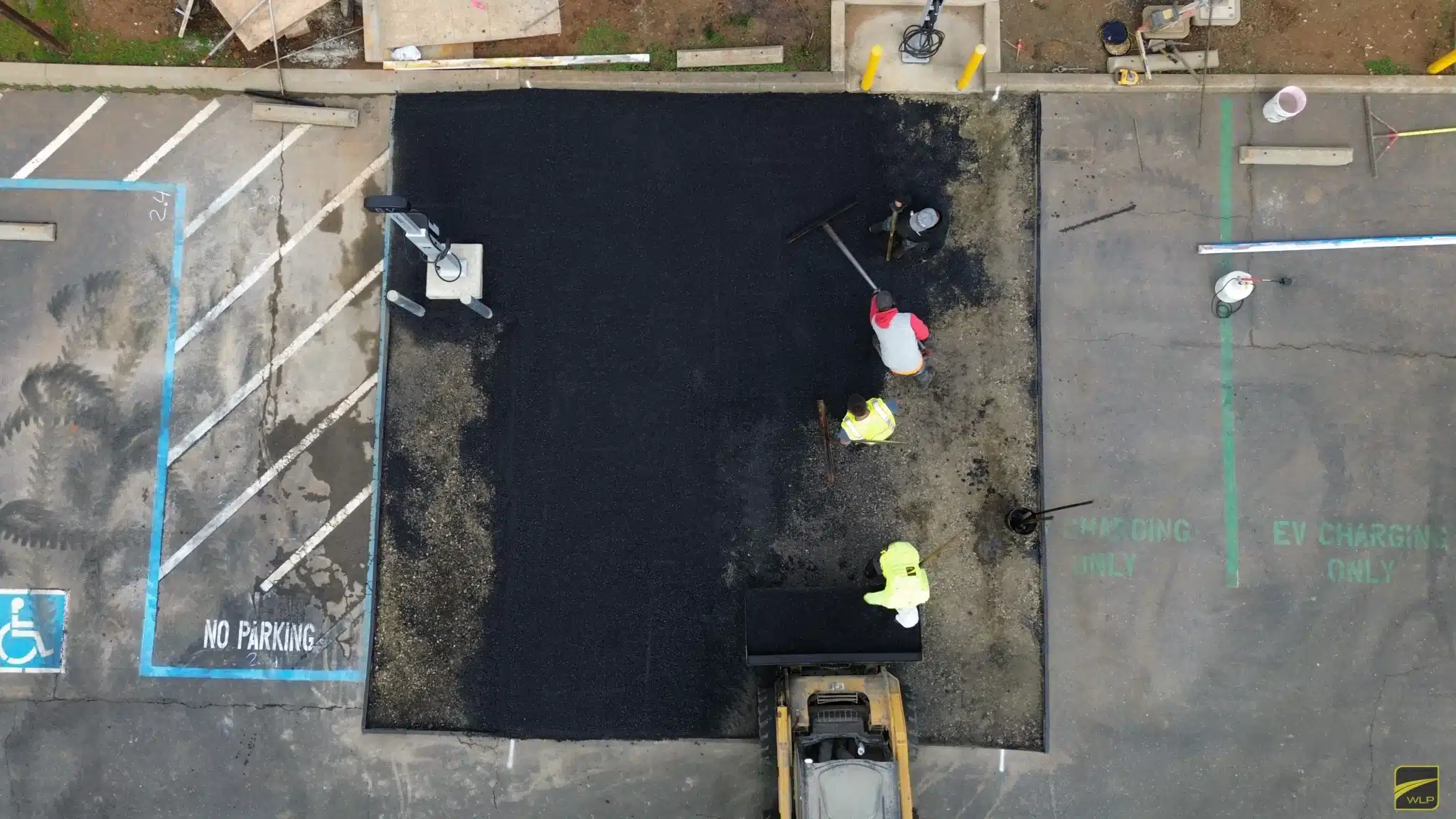
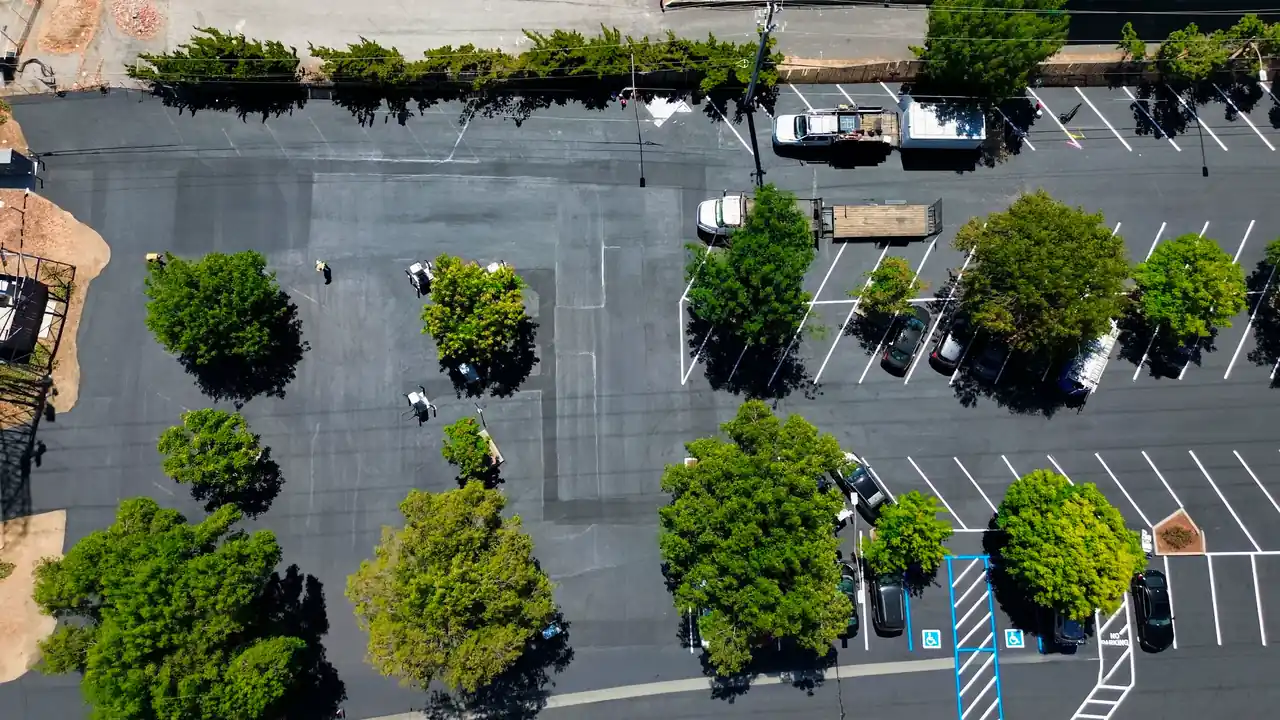
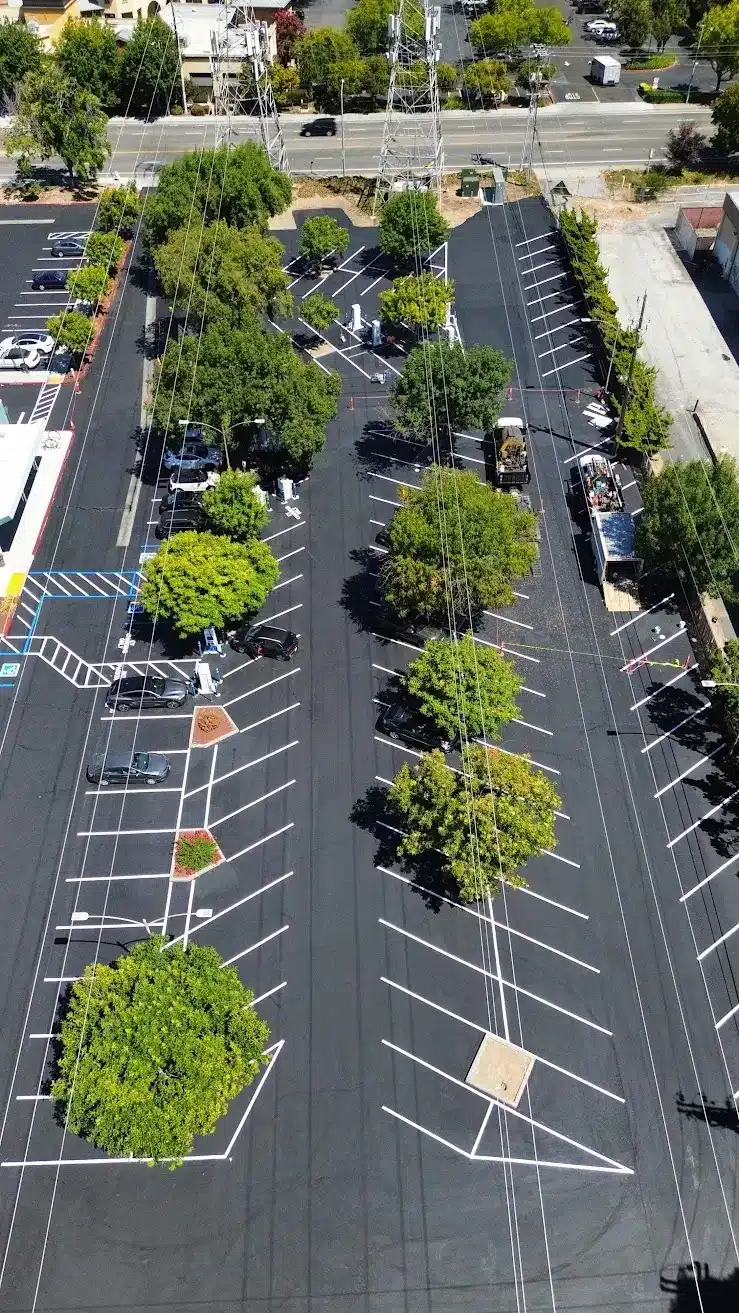
A better approach starts by dividing the property into zones that behave differently. The main entrance has braking and turning stress. Visitor parking carries appearance pressure. Loading areas receive concentrated wheel loads. Trash enclosure routes often show edge damage. Drainage points reveal water behavior after storms. Pedestrian crossings affect daily movement even when the pavement defect looks small.
Northern California properties make this especially important because the same lot can experience several stress patterns. Winter rain may expose weak drainage near a catch basin. Dry summer heat may make open drive aisles look pale and brittle. Older utility cuts may settle at a different rate from untouched pavement. A shaded side of the lot may stay damp long after the rest of the surface dries.
A property manager needs a way to separate those conditions instead of treating the entire parking lot as one line item.
The useful question is not whether the lot looks good or bad. It is which zone is changing, how fast it is changing, and whether that zone affects access, tenants, operations, or future capital planning.
Keep a Record That Can Survive Staff Changes
Pavement history often disappears when staff changes. A new manager sees a patch but not the reason it was done. A board sees a repair invoice but not the photos that justified it. Ownership remembers approving work but not which areas were deferred.
That is how the same defects keep returning as surprises.
A usable pavement record does not need special software. It can begin with a site map, dated photos, repair notes, and a short status for each zone. The key is consistency. Photos should be taken from the same angles. Repair notes should identify exact locations. Drainage observations should be recorded after rain, not guessed during dry weather. Tenant complaints should be tied to the pavement area they reference.
| Pavement zone | What to record | Why it helps management |
|---|---|---|
| Main entrance | Edge breaks, patch history, tire scuffing, ponding after rain | Shows whether arrival issues are cosmetic, operational, or structural |
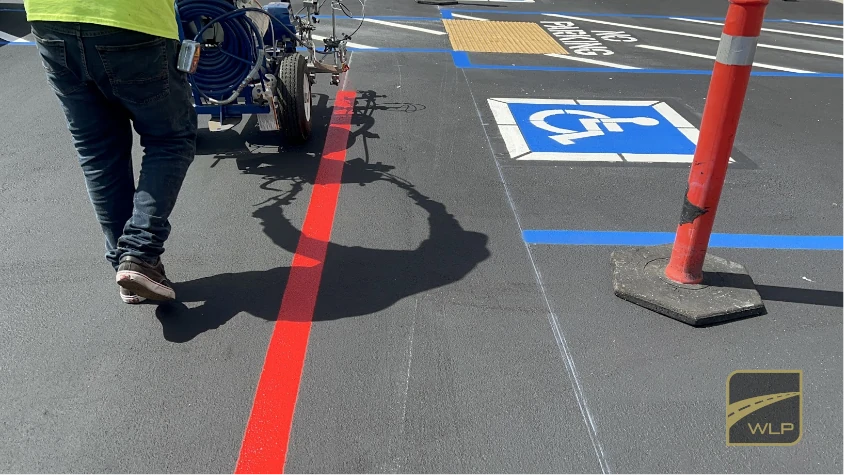
| Visitor parking | Striping visibility, surface wear, oil staining, stall complaints | Helps prioritize tenant-facing improvements |
| Loading route | Rutting, raveling, turning marks, repeated patch failure | Connects damage to vehicle load and delivery patterns |
| Drainage area | Slow-drying seams, cracks near basins, sediment lines | Shows whether water is influencing repair timing |
| Pedestrian path | Uneven transitions, cracks near crossings, surface breakup | Supports access and usability review without making legal assumptions |
The record should not try to prove perfection. Its job is to show attention. A manager who can say “this drain-side crack has widened across two wet seasons” is in a stronger position than a manager who says “the lot is getting worse.”
That discipline also helps when comparing repair options. Paving maintenance protects stable pavement better when the manager knows which areas are actually stable.
Budget Timing Should Follow Use, Not Habit
Annual pavement budgeting often becomes a ritual. Last year’s number gets adjusted. A few complaints are added. The most visible defect gets attention. Everything else moves to next year.
That is not asset management. That is accounting around symptoms.
Budget timing should reflect how each zone is used. A cracked but low-use back row may be monitored while a smaller defect near the entrance moves higher. A loading route that ruts under delivery trucks may need earlier planning than a faded remote stall row. A recurring patch near a catch basin may deserve drainage review before another surface repair is approved.
This kind of prioritization is especially valuable for commercial properties with active tenants. A property manager may need to explain why the front drive aisle is scheduled before a larger but less disruptive area. The explanation becomes easier when the record shows traffic, tenant exposure, repair history, and likely budget impact.
The cost of delaying maintenance is not only a larger future invoice. It can also mean losing control over timing. Emergency pavement work rarely arrives at a convenient moment. It competes with tenant operations, lease activity, budget approvals, and weather windows.
A simple seasonal review can keep the budget grounded:
- after winter rain, note standing water, soft edges, and cracks around drains;
- before summer heat, review oxidation, raveling, and surface brittleness;
- before budget planning, compare old photos with current conditions;
- after any repair, record what was fixed and what was intentionally deferred.
That list is not a substitute for professional review. It keeps the property team from budgeting blind.
Know When Maintenance Has Stopped Carrying the Asset
Maintenance has limits. It can preserve stable pavement, slow surface wear, refresh markings, and address localized damage. It cannot make an unstable base reliable, correct active settlement, or make repeated drainage-related failures disappear.
A property manager should watch for areas that keep asking for the same money.
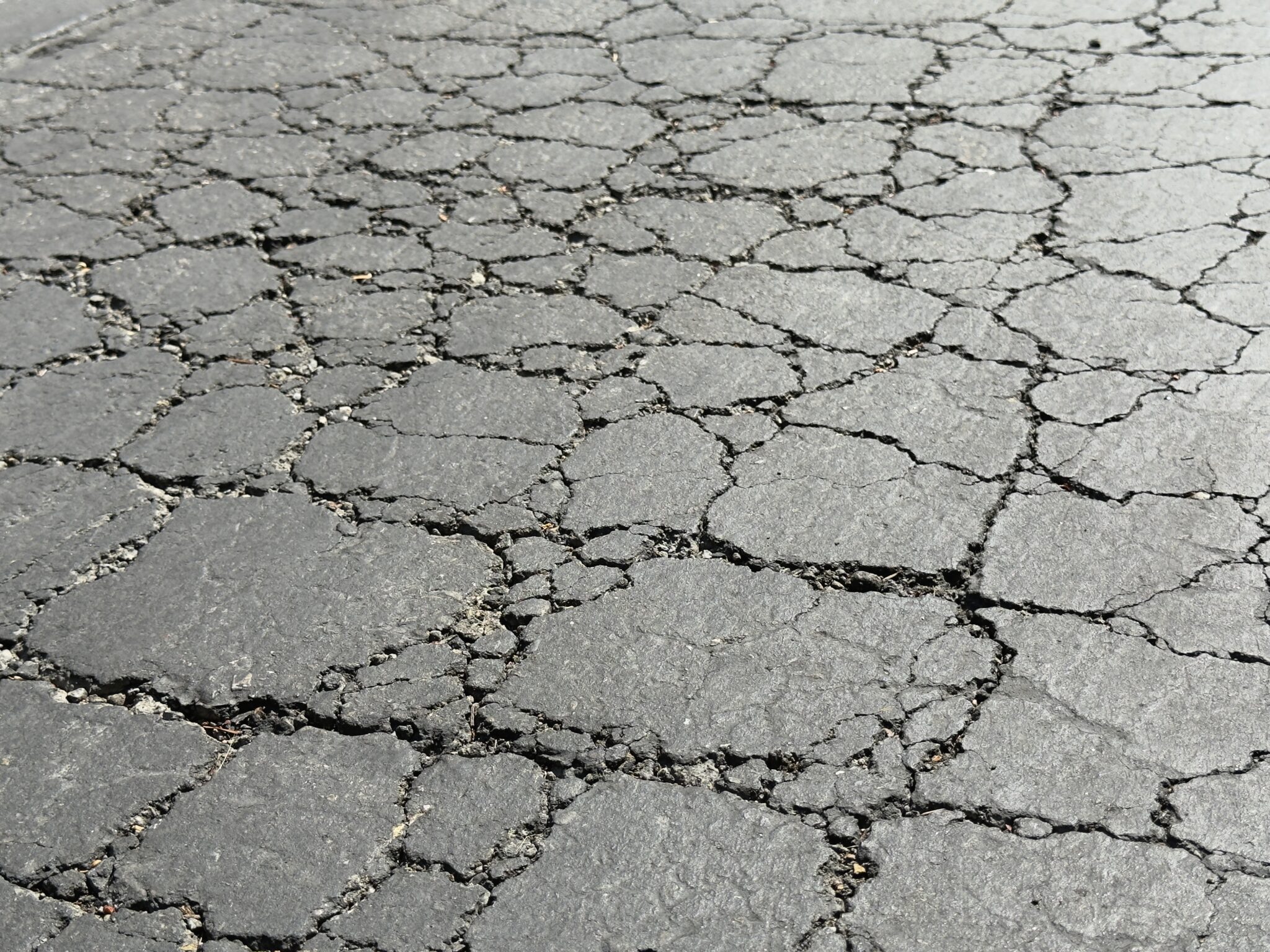
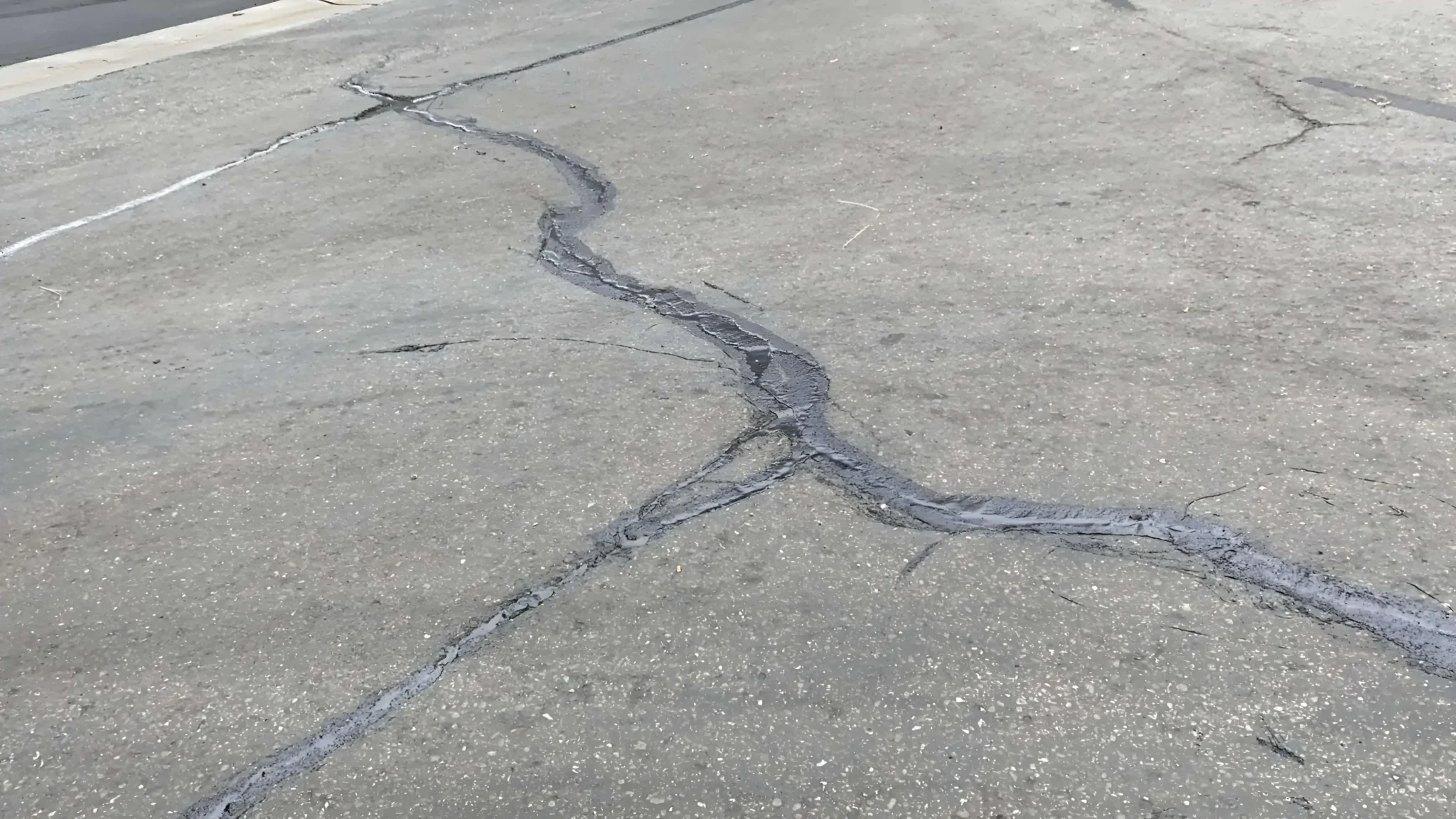
Patch edges reopening in the same wheel path, depressions returning near a utility trench, cracks spreading outward from a repaired section, or loose aggregate reappearing in the same turn lane are not random annoyances. They may show that the zone has moved beyond routine maintenance.
That does not automatically mean replacement is the only answer. It means the decision needs to be reframed. Continued patching, phased repair, resurfacing, reconstruction, or asphalt paving should be compared against the actual behavior of that pavement zone.
For larger managed sites, office park resurfacing may enter the discussion when shared drive aisles, visitor stalls, and tenant-facing routes no longer support the property’s operating standard. The strongest argument for a larger scope is not that the surface looks old. It is that the record shows repeated failure, user impact, and poor return from smaller repairs.
Asset Management Makes Owner Conversations Cleaner
Property managers often have to translate field conditions into budget language. That translation is easier when pavement has been tracked as an asset.
Instead of asking ownership to approve “parking lot work,” the manager can explain that the entrance zone has recurring edge separation, the loading route is failing under repeated turns, the visitor parking area needs striping before lease tours, and the drain-side patch should be reviewed after the next storm. Each request has a location, a history, and a reason.
That is stronger than urgency. It is clearer than a lump-sum complaint list.
A documented pavement plan can also support commercial property value because exterior condition becomes part of the asset story. Buyers, tenants, owners, and boards may not study every repair detail, but they can recognize when a property’s paved areas are being managed with continuity.
We Love Paving supports Northern California property managers by helping connect visible pavement conditions with practical timing: what can be maintained, what should be watched, what may need deeper repair, and what belongs in a future capital plan. For office, retail, HOA, and mixed-use properties, pavement asset management works best when the lot is not treated as one expense, but as a set of zones with different jobs, risks, and remaining service life.