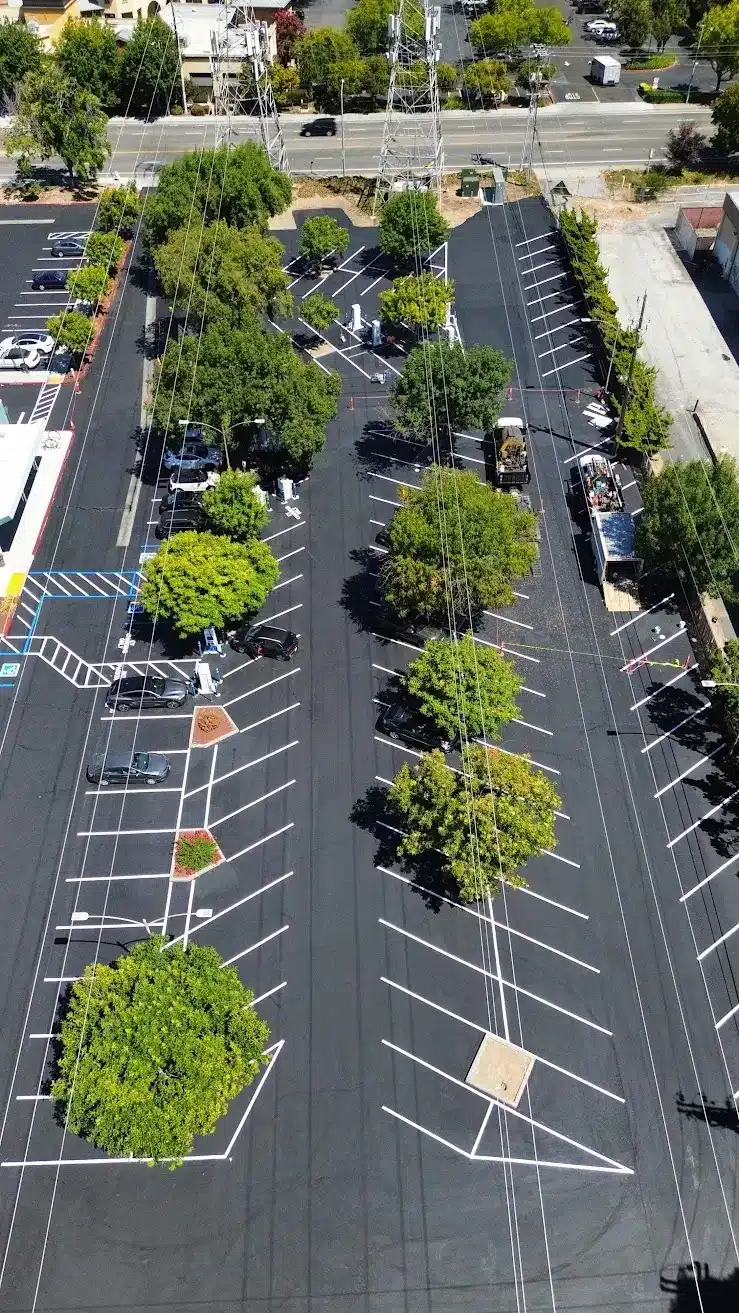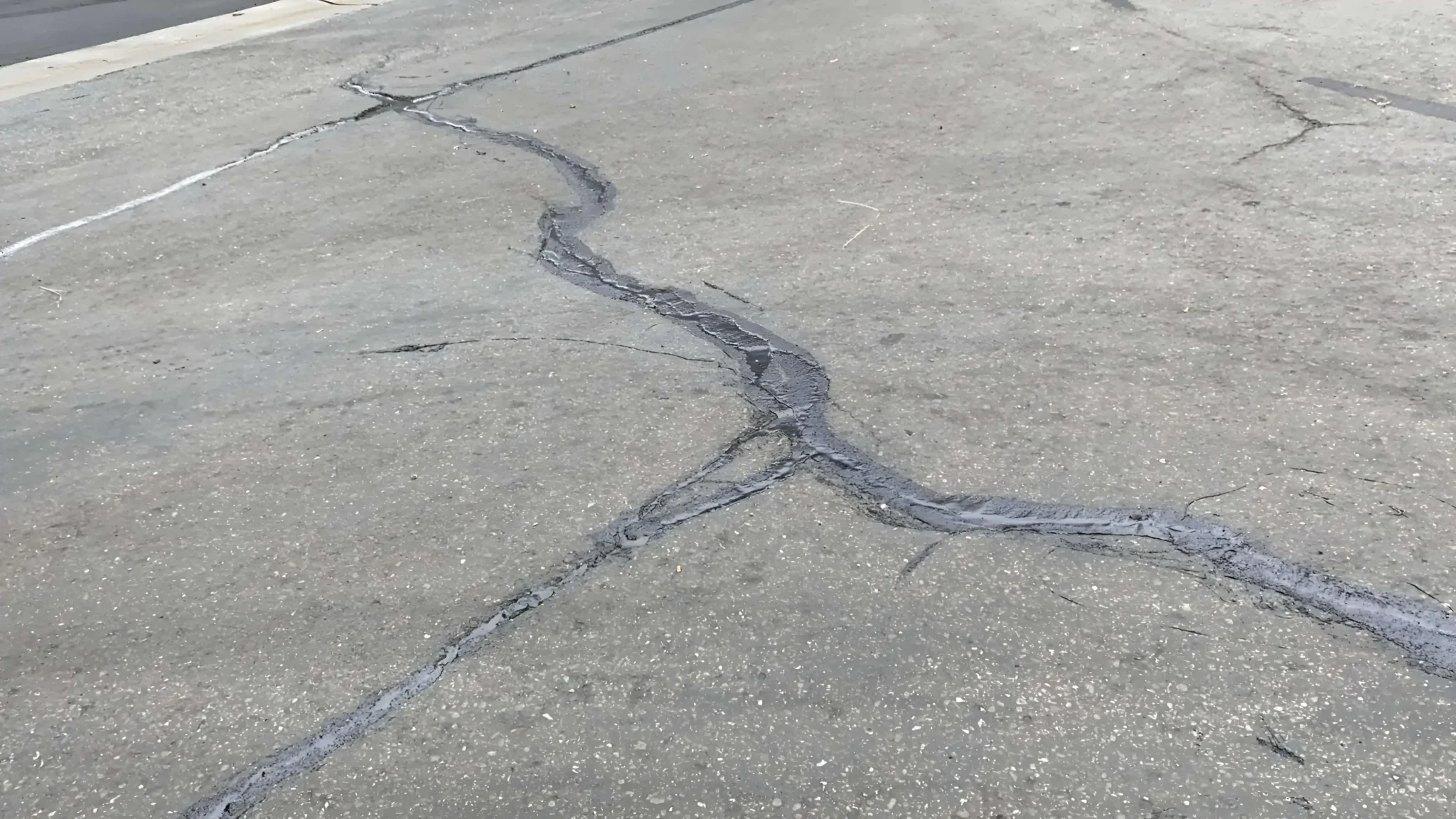
A commercial property rarely has just one pavement problem. A retail lot may have tire scuffing near the drive-through lane, faded arrows near the entrance, cracks spreading from old patch edges, and ponding along a low curb after every storm. None of those conditions automatically means the whole lot needs replacement. Taken together, though, they show why one-off paving decisions often miss the bigger picture.
That is where commercial paving partnerships matter. The value is not simply having a contractor available when a pothole opens. A useful paving partner helps the owner, property manager, HOA board, or facility team understand which pavement issues are cosmetic, which ones are operational, and which ones should influence the next budget cycle.
The strongest partnerships are built around continuity. The same pavement history, site constraints, access needs, tenant concerns, and maintenance priorities stay visible from one project to the next.
A Partnership Starts With How the Property Is Actually Used
A paving plan for a medical office, retail center, apartment community, warehouse yard, and office park should not be treated the same way. The pavement may look similar from the street, but the wear patterns are different.
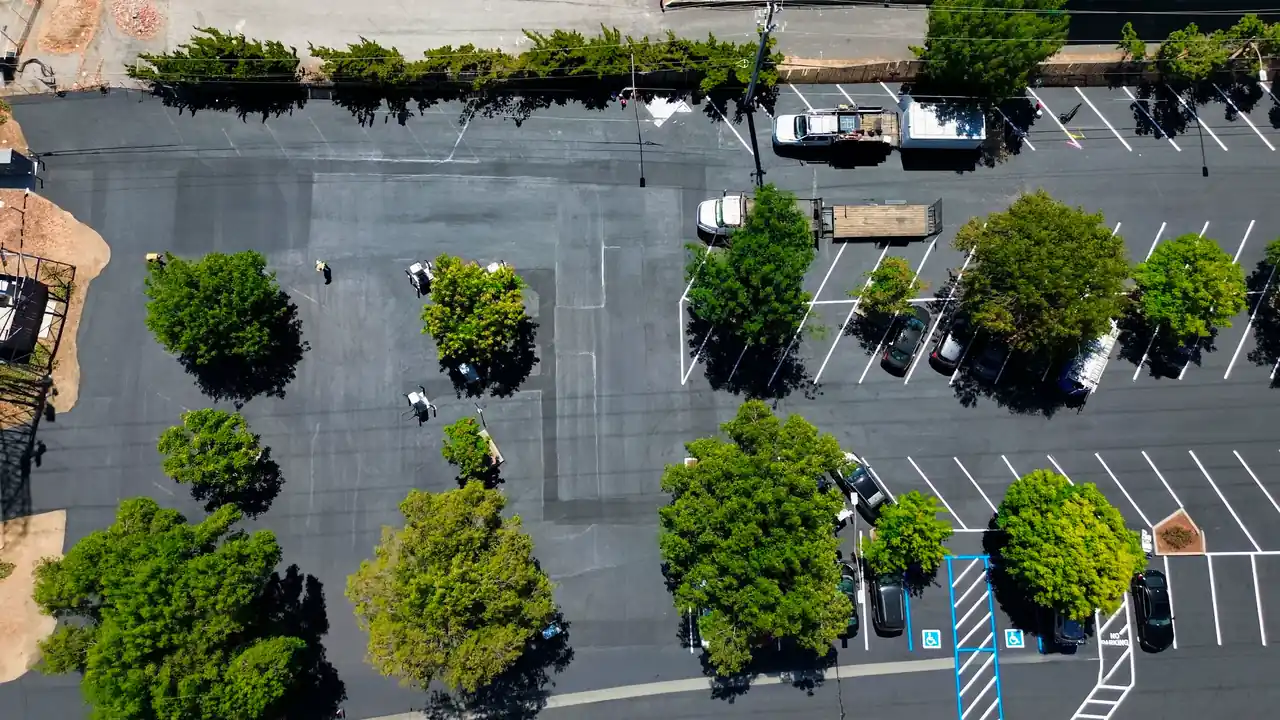
At a shopping center, surface stress often concentrates near entrances, cart return areas, delivery zones, and high-turn stalls. At an industrial property, heavier loads may show up as depressions where trucks turn repeatedly or raveling near loading doors. At an HOA or multifamily property, complaints may start with rough walking paths, uneven transitions, or standing water near parking rows.
A long-term paving partner should ask questions that connect pavement condition to property use:
- Which entrances carry the most traffic?
- Where do tenants, residents, vendors, or visitors complain?
- Are failures repeating in the same locations after prior repairs?
- Which areas cannot be shut down during normal business hours?
- Is the next project meant to preserve the surface, restore access, or prepare for a larger capital improvement?
That type of review prevents the conversation from becoming too narrow. A crack near a catch basin is not just a crack if water is sitting there after every rain. A pothole near a loading area is not just a surface defect if tires keep turning in the same spot under heavy weight. A faded traffic arrow is not just paint if drivers are already cutting across parking aisles.
For teams managing multiple sites, a dedicated property manager paving relationship can also make reporting more consistent from property to property.
The Difference Between a Vendor and a Pavement Partner
A vendor reacts to a work order. A pavement partner helps shape the work order before money is spent.
That distinction matters because many commercial pavement decisions are made under pressure. A tenant complains. A trip concern is reported. A pothole appears near the main entrance. A budget deadline arrives. Without a broader site view, the fastest repair can become the default repair.
A better partnership separates immediate needs from long-term priorities.
| Pavement Decision | Vendor-Style Response | Partnership-Style Response |
|---|---|---|
| Pothole near entrance | Patch the visible opening | Review surrounding cracking, drainage, traffic stress, and whether the area is likely to fail again |
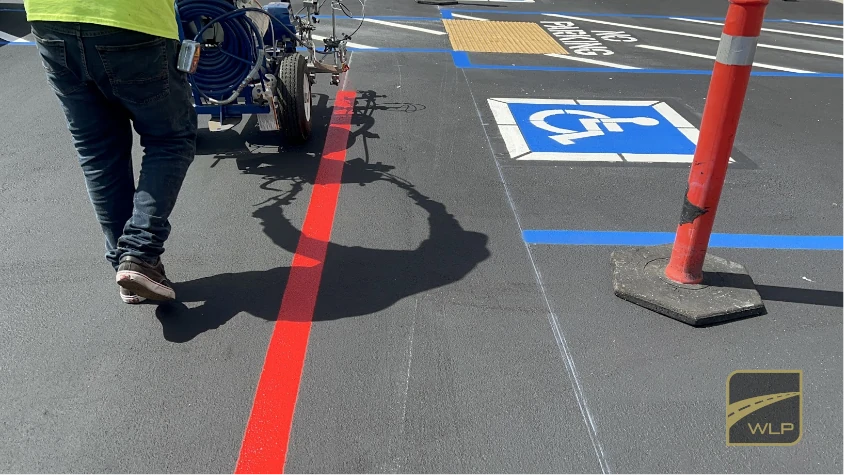
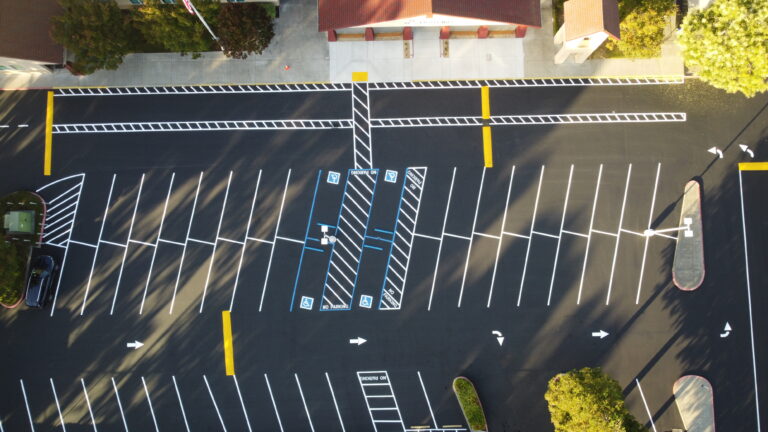
| Faded striping | Repaint existing layout | Check whether traffic flow, stall visibility, and accessible routes still function clearly |
| Surface oxidation | Quote sealcoating only | Confirm whether the surface is still a good candidate for preservation |
| Repeated cracks near drain | Fill cracks again | Evaluate why movement or water is returning to the same area |
| Budget request | Price one scope | Rank work by urgency, disruption, useful life, and operational impact |
This is not about making every project larger. Sometimes the right decision is a small repair, timed correctly. Other times, repeated patching is a sign that the property is paying for the same symptom again and again.
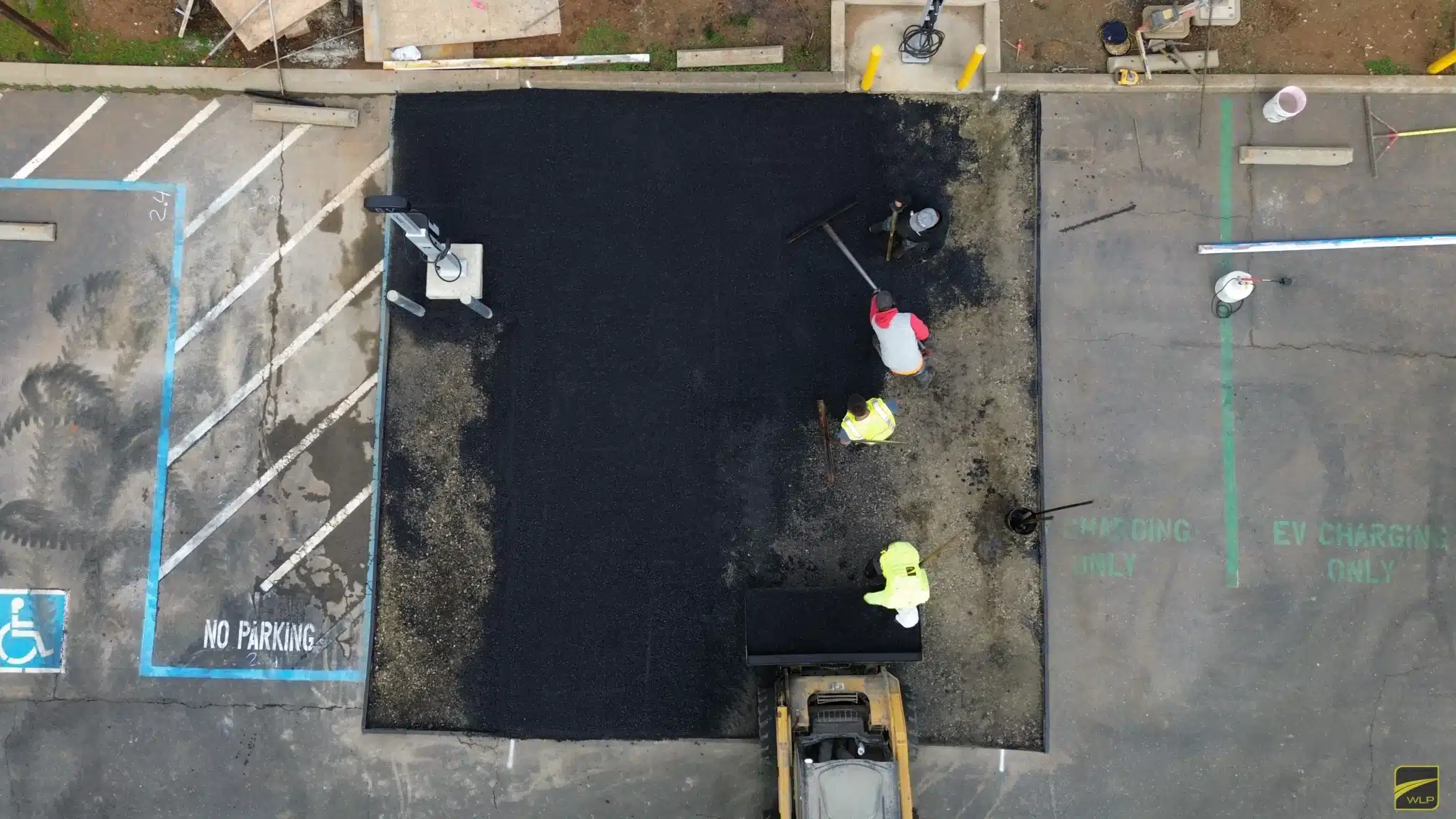
When a site is ready for larger resurfacing or reconstruction planning, commercial parking lot paving belongs in a broader conversation about access, phasing, striping layout, tenant communication, and long-term pavement performance.
Good Partnerships Reduce Surprise Repairs
Commercial paving problems become expensive when they are discovered too late or handled in isolation. A long-term partner helps the owner see patterns before they turn into emergency work.
The most useful site reviews often focus on small signals:
Cracks widening near catch basins may suggest water is reaching vulnerable pavement edges. Loose aggregate near turning areas can indicate surface wear from repeated tire movement. Depressions near dumpster pads, loading zones, or drive lanes may show stress below the surface. A patch that cracks around its perimeter may be telling you the surrounding pavement is moving, not just the repaired area.
These details affect timing. A property may not need major work this quarter, but it may need monitoring before the next rainy season, before lease turnover, or before a high-traffic retail period.
That is why pavement maintenance should be treated as a planning discipline, not a cosmetic task. Sealcoating, crack filling, patching, striping, and resurfacing all have different roles. They should not be sold as interchangeable fixes.
For owners trying to forecast spending, a separate breakdown of asphalt maintenance costs can help frame expectations, but the real number still depends on the site’s condition, traffic, drainage, and repair history.
Communication Is Part of the Work
A paving project can fail operationally even when the asphalt work itself is sound. Poor communication creates blocked entrances, confused tenants, inaccessible parking areas, missed delivery windows, and avoidable complaints.
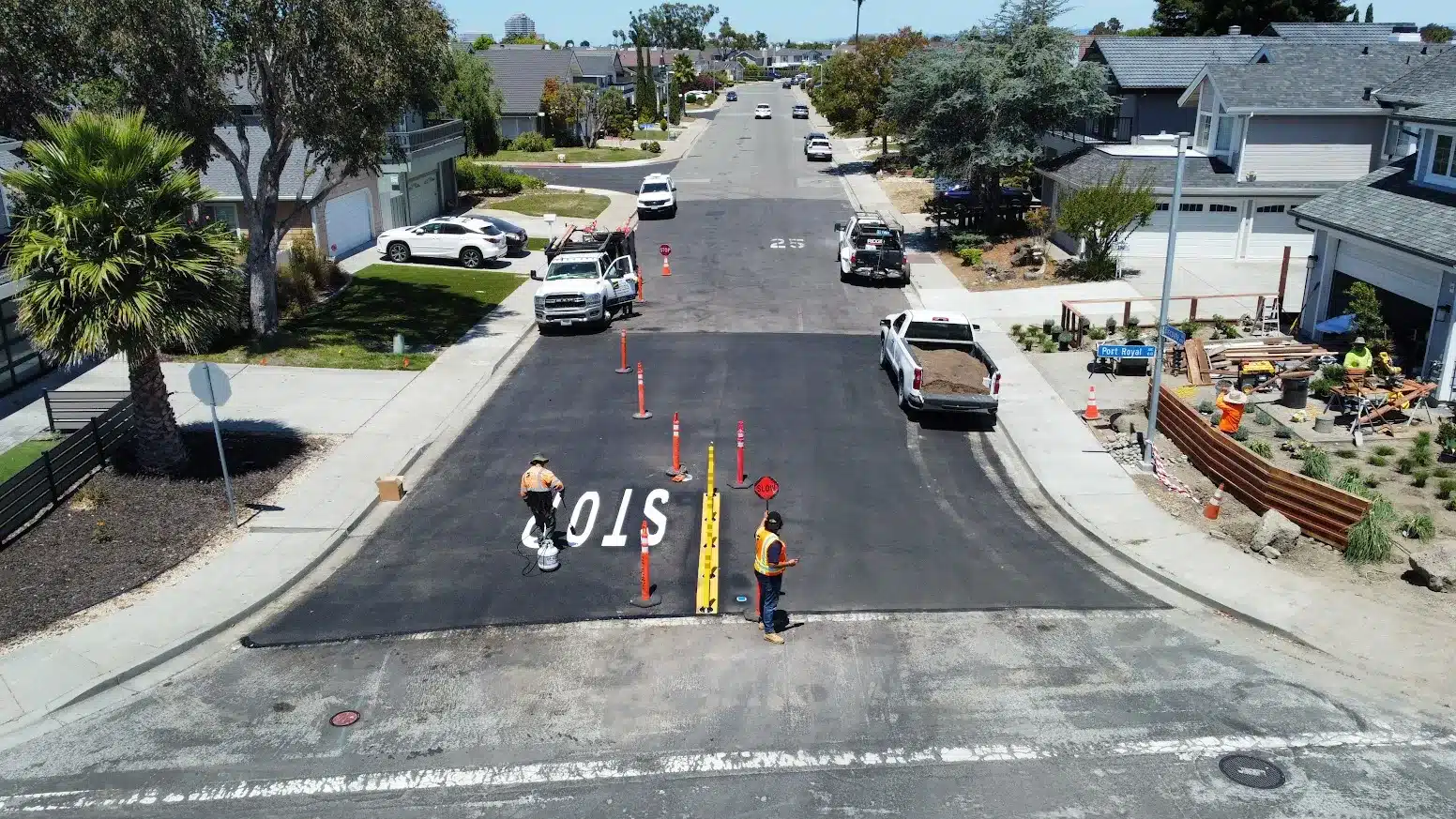
Commercial paving partnerships should include practical coordination before crews arrive. That can mean discussing work hours, phasing, staging areas, pedestrian routes, tenant notifications, drying or curing windows, and which sections of the property must stay open.
For example, a retail center may need work sequenced around peak customer traffic. A medical facility may need patient drop-off access maintained. A warehouse may need loading operations protected during business hours. An apartment community may need resident parking notices well before striping or sealcoating begins.
Better documentation also matters. Photos, maps, project notes, and clear scope explanations help owners compare what was planned, what was completed, and what should be reviewed later. When a property team uses paving technology to improve project visibility, decisions become easier to track across multiple phases or locations.
The owner should not have to rebuild the property history every time a new paving need appears.
When a Partnership Becomes More Valuable Than a Single Project
The clearest benefit of a commercial paving partnership appears after the first job. A contractor who already understands the site can better interpret future changes.
If a patched drive lane starts breaking apart again, the previous repair history matters. If striping fades faster in one section than another, traffic flow and sun exposure may explain the difference. If water keeps collecting near the same curb line, the next conversation should not begin from zero.
A long-term partner can help rank pavement work by business impact:
High-priority work may involve access points, recurring potholes, drainage-sensitive areas, or pavement failures affecting daily use. Medium-priority work may include surface preservation, striping refreshes, and localized repairs that protect the property’s appearance and function. Lower-priority work may be monitored until budget timing, tenant activity, or adjacent improvements make the project more efficient.
This ranking helps avoid two weak decisions: ignoring pavement until it becomes disruptive, or overspending on work that is not yet justified.
It also creates a more defensible maintenance record. When owners track conditions over time, they can explain why some areas were repaired immediately while others were scheduled for later review. That is especially useful for commercial portfolios, HOAs, and managed properties where budget approvals require clear reasoning.
The cost of delayed maintenance is rarely limited to the repair itself. It can show up as rushed scheduling, larger work zones, tenant disruption, repeated complaints, and fewer options when the pavement finally demands attention.
Building a Practical Paving Relationship With We Love Paving
A strong paving partnership should make property decisions clearer, not more complicated. The right conversation starts with what the property is showing: where traffic concentrates, where water sits, where repairs are repeating, which areas affect access, and which improvements can be planned before they become urgent.
We Love Paving works with property owners, managers, HOAs, and commercial teams that need pavement guidance tied to real site conditions. The best results come when paving is treated as part of property operations: documented, prioritized, phased, and reviewed before small defects become expensive surprises.