A visitor forms an opinion before seeing the lobby, reception desk, leasing office, storefront, or tenant suite. The first judgment often happens while turning from the street, looking for an entrance, choosing a parking space, stepping over a worn surface, or trying to understand where vehicles and pedestrians are supposed to move.
That makes pavement part of the property’s introduction. Not because every commercial lot needs to look new, but because the condition of the surface can quietly signal whether the site is organized, watched, aging, underfunded, or actively managed.
For commercial property first impressions, the useful question is not whether the pavement looks perfect. A better test is whether the arrival experience feels controlled. Visitors notice cracked edges near entrances, faded directional markings, rough transitions near ramps, depressions where tires repeatedly turn, standing water along low edges, and patched areas that look abandoned rather than monitored. Each detail affects how people read the property before anyone speaks to them.

The Arrival Sequence: What Visitors Notice First
Most people do not inspect pavement technically. They read it visually and physically.
A customer entering a retail center may notice whether the driveway apron feels rough when the vehicle crosses it. A tenant prospect may notice whether parking stalls look organized or confusing. A delivery driver may notice raveling near a loading area where the surface has begun to shed loose aggregate. A patient arriving at a medical building may notice whether the parking area feels easy to navigate or stressful.
These impressions build in sequence. The first cue is usually access: can the visitor identify the entrance, circulation path, and parking area without hesitation? The next cue is surface condition: does the pavement feel stable, patched, broken, or neglected? The third cue is transition: does the path from car to entrance feel smooth, obvious, and maintained?
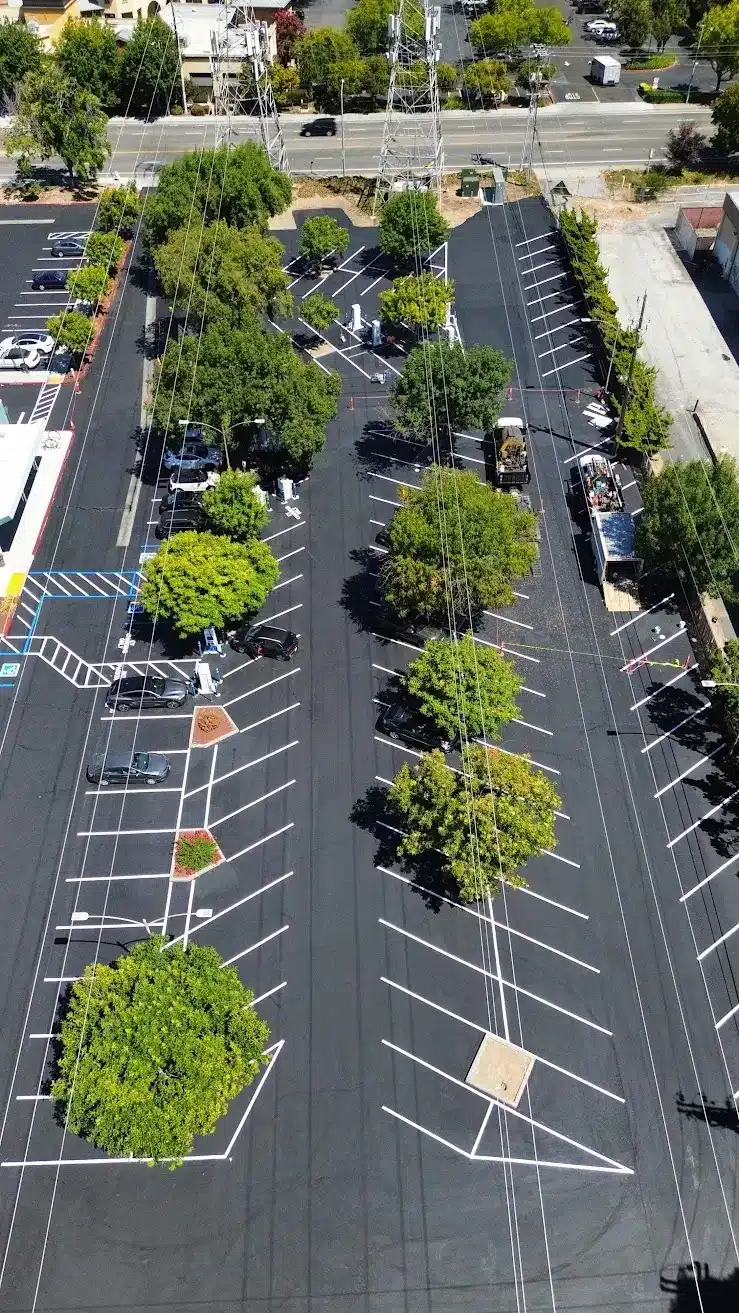
On office campuses, the pavement may be part of a larger tenant-retention story. A clean exterior approach, well-defined parking, and planned surface work can support the same message as landscaping, lighting, and signage. In that context, office park resurfacing is not only about asphalt thickness or surface renewal; it also affects how the property presents itself to people arriving every day.
Four Pavement Cues That Shape Commercial Property First Impressions
The most revealing pavement issues are not always the largest ones. Small defects near high-use areas often send a stronger signal than bigger defects in a remote corner of the lot.
| Pavement Cue | What Visitors May Read Into It | What Owners Should Review |
|---|---|---|
| Broken edges near entrances | The property feels worn before entry | Edge support, traffic turning stress, drainage |
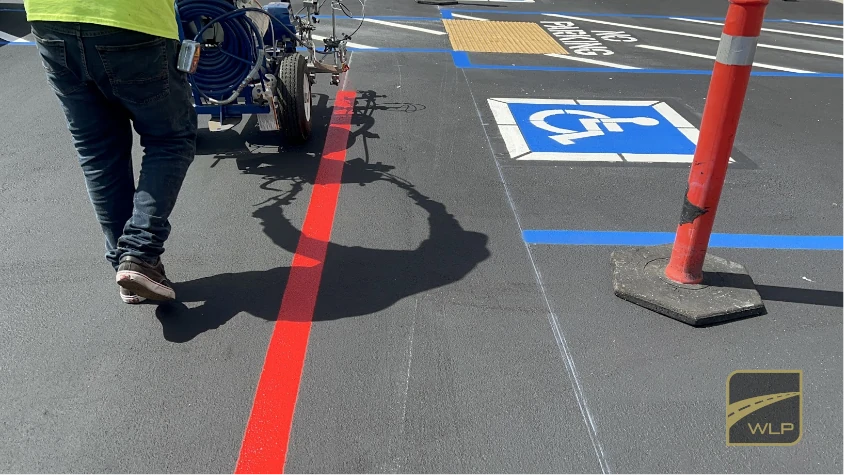
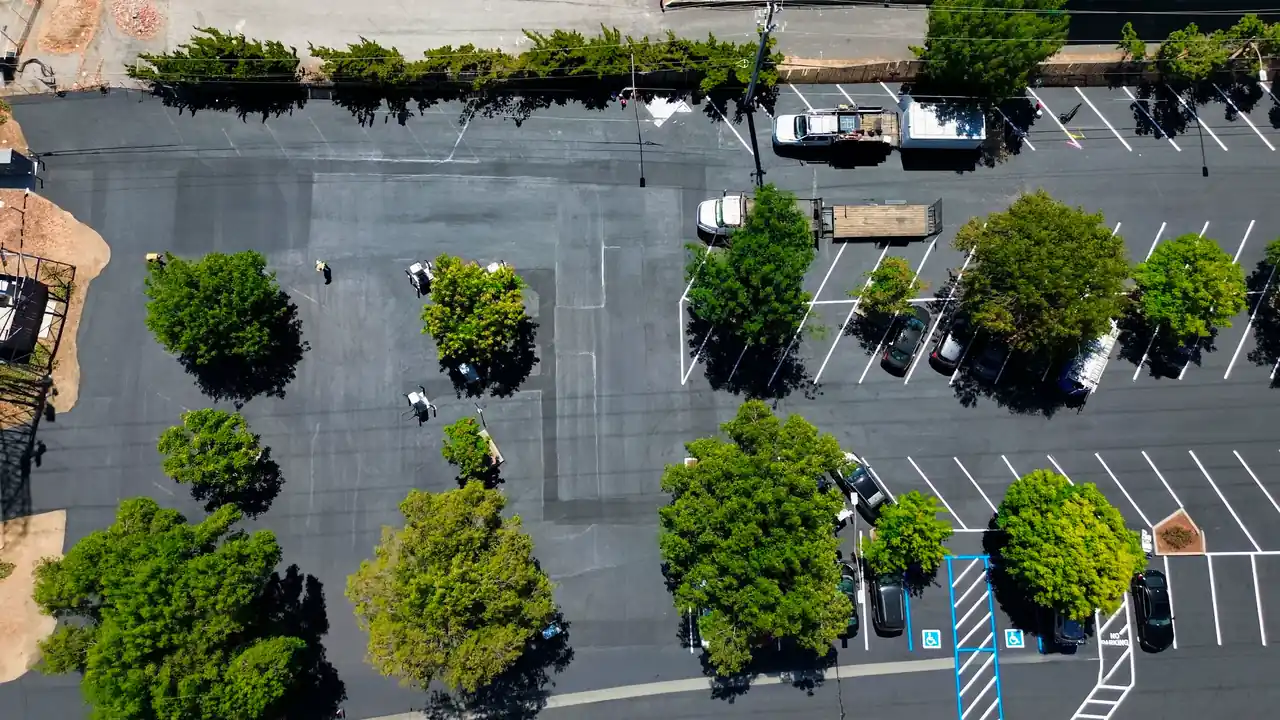
| Faded markings near decision points | The lot feels confusing or loosely managed | Circulation, stall layout, pedestrian movement |
| Standing water near curbs or low spots | Maintenance may be reactive, not planned | Drainage paths, grade, base condition |
| Patch clusters in drive lanes | Repairs may be temporary or inconsistent | Root cause, repair history, timing of larger work |
The point is not that every visible flaw creates a crisis. Some pavement wear is normal. The issue is pattern. A single sealed crack may read as maintenance. Multiple open cracks spreading from old patches near the main entrance can read as neglect. A shallow depression in a remote stall may not affect perception much. The same depression near the front walkway, where carts, pedestrians, or wheelchairs pass, can feel more serious.
This is where paving maintenance matters as a management habit. Routine attention helps distinguish normal aging from visible deterioration that begins shaping how customers, tenants, vendors, and visitors judge the property.
First Impressions Are Also Operational Signals
A commercial parking lot is not just a visual surface. It is part of how the site functions.
When striping fades near a turn aisle, drivers hesitate. When water sits near a curb after rain, pedestrians adjust their route. When surface raveling appears near a loading zone, loose aggregate can track toward entrances. When a patch settles in a drive lane, vehicles slow or swerve around it. None of these conditions alone defines the property, but together they can make the site feel less controlled.
Property managers often think about pavement only when damage becomes obvious. That is too narrow. The better operational view is to ask which pavement conditions affect movement, confidence, and perceived care.
For example, a retail plaza with minor cracking at the far perimeter may not have an urgent perception problem. But the same plaza with broken asphalt at the main driveway, faded arrows near storefront parking, and water pooling where customers step out of cars is presenting friction at the exact places people pay attention.
Healthcare and medical properties make this even more sensitive. Visitors may arrive distracted, stressed, or unfamiliar with the site. At hospital parking lots, pavement condition can influence whether the arrival feels orderly, calm, and understandable. Any accessibility, route, or safety-related concern should be reviewed carefully by qualified professionals; pavement work should never be treated as a substitute for legal or compliance advice.
When Appearance Starts Pointing to Deeper Pavement Issues
Some pavement conditions are mostly cosmetic. Others suggest that the surface may be losing structure, drainage control, or service life.
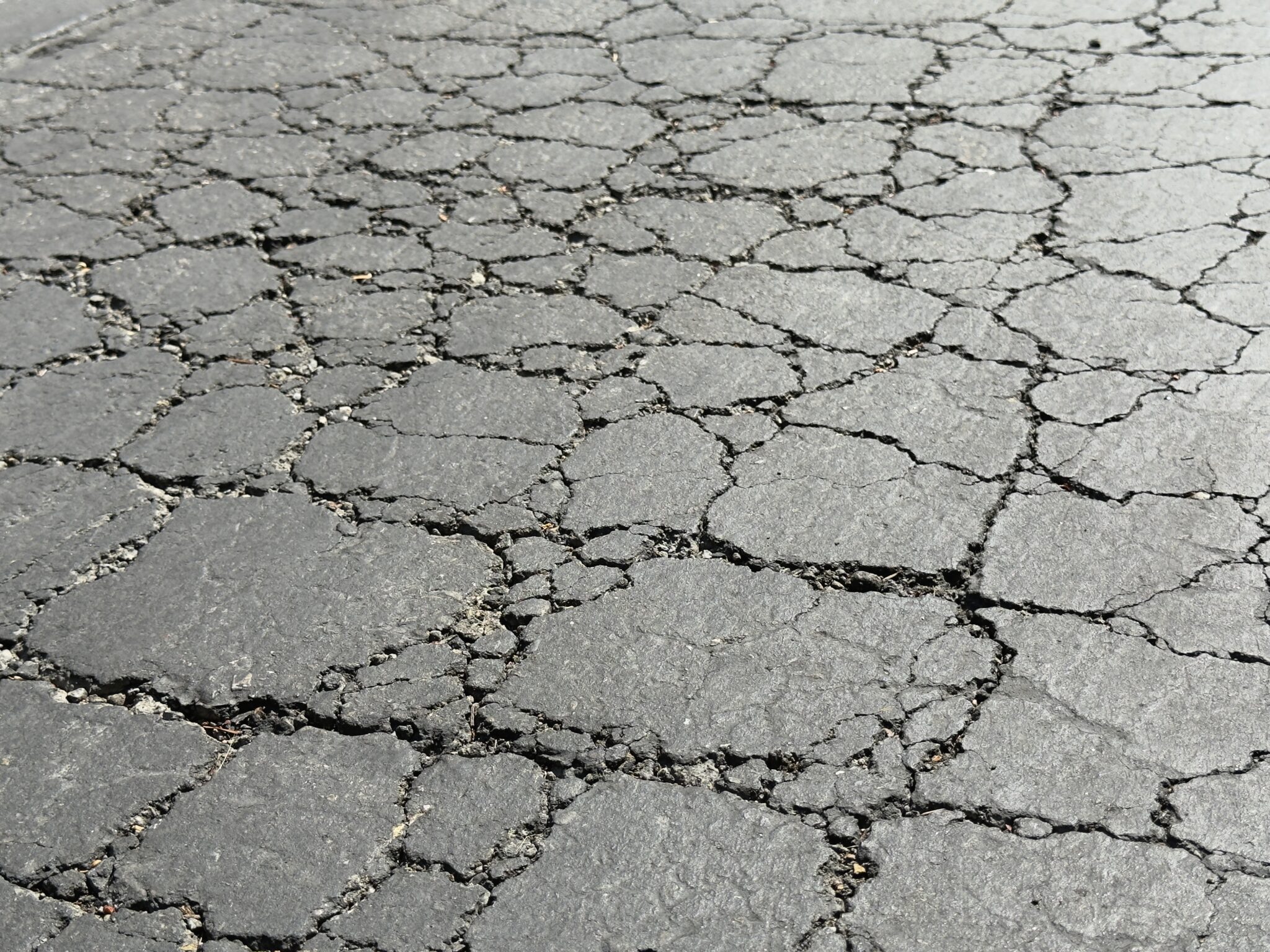
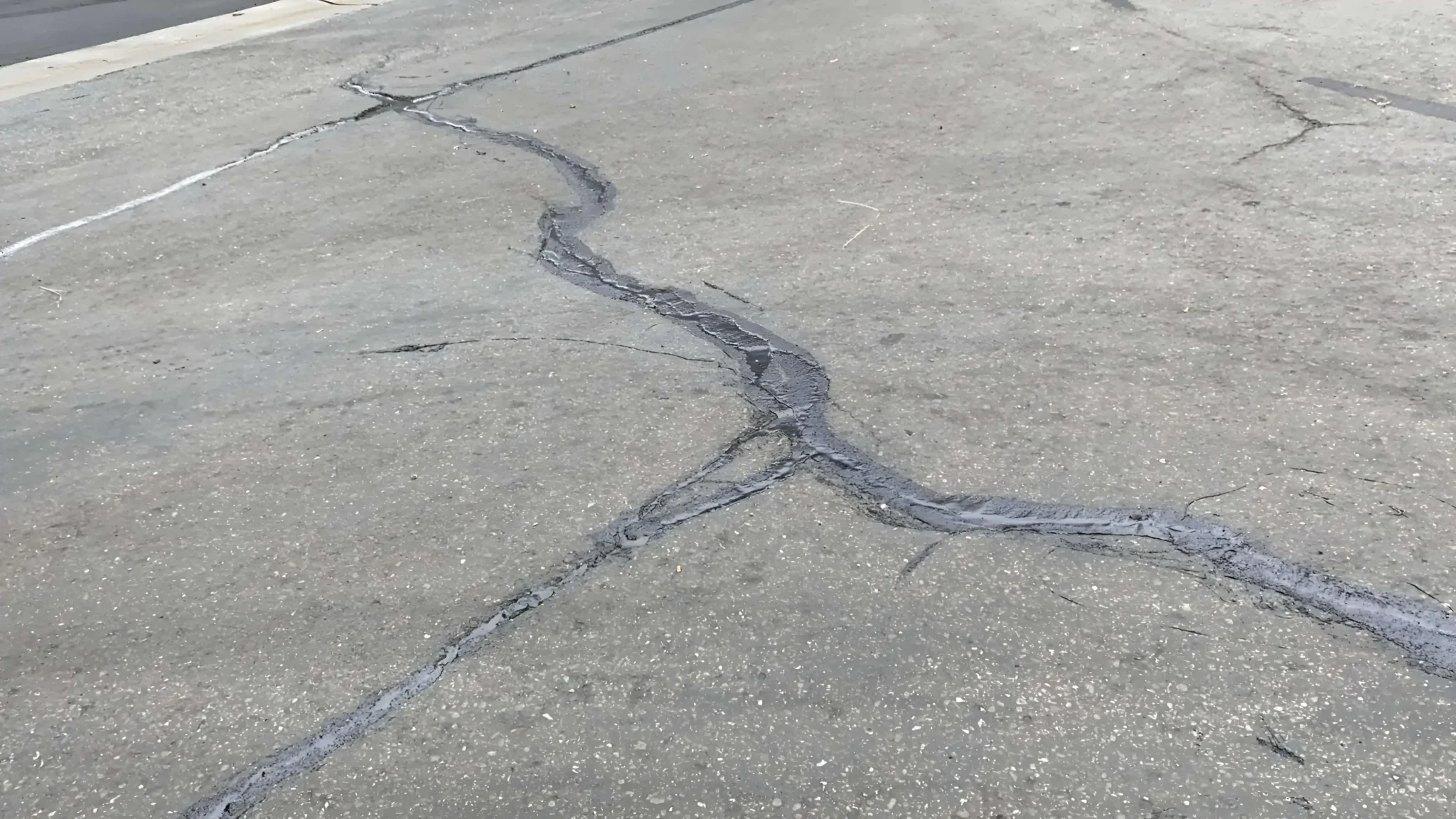
Light surface fading, mild oxidation, and isolated hairline cracks may simply show normal age. They can still affect appearance, but they do not always mean the lot needs major work. More concerning signs include alligator cracking near traffic lanes, depressions where vehicles brake or turn, open cracks near catch basins, crumbling edges along unsupported pavement, and patches that crack again shortly after repair.
Those conditions can affect first impressions because they are visible, but the more important question is why they are happening. A visitor sees a rough patch. A property manager should ask whether the base is moving, water is reaching the subgrade, traffic is concentrated in one turning area, or the surface has passed the point where minor maintenance is enough.
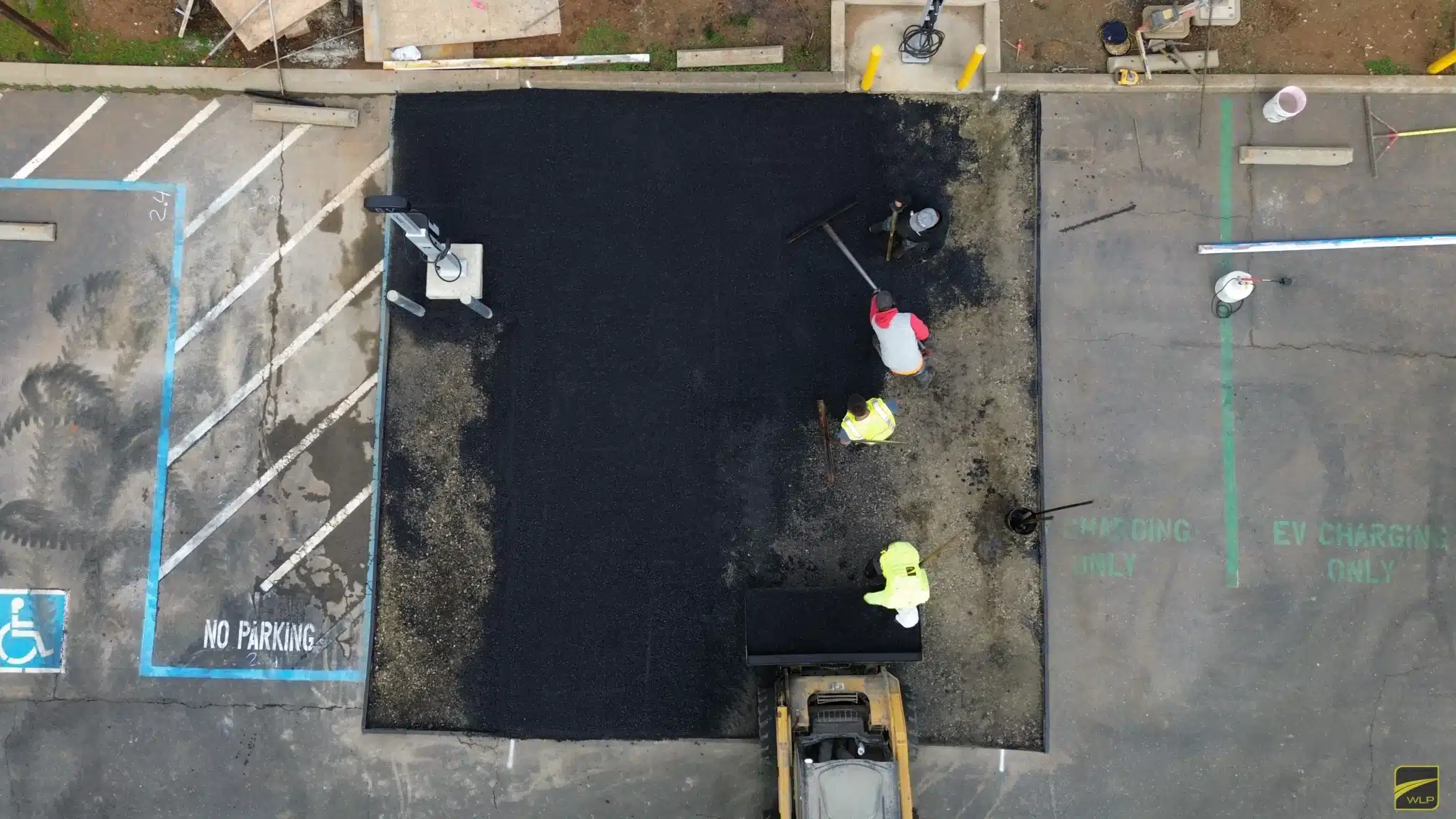
That distinction protects budget decisions. Cosmetic improvement may be appropriate when the surface is stable. Parking lot repair may be more relevant when defects are affecting vehicle movement, pedestrian confidence, or recurring maintenance costs.
The same logic applies to broader asset planning. Pavement condition can influence perceived commercial property value because it shapes how people interpret the property’s maintenance discipline. It does not automatically raise or lower value by a fixed amount, but it can influence expectations, negotiation pressure, tenant confidence, and the perceived quality of ownership.
A Practical Site-Walk Framework for Better First Impressions
A useful first-impression review does not require walking every square foot with the same intensity. Start where people arrive, decide, park, walk, and wait.
Begin at the street entrance. Look for rough transitions, cracked driveway edges, unclear arrows, and surfaces that feel abrupt when vehicles enter. Then move through the primary drive aisles and observe where drivers slow, turn, or hesitate. Pavement distress in those areas matters more because it affects almost every visitor.
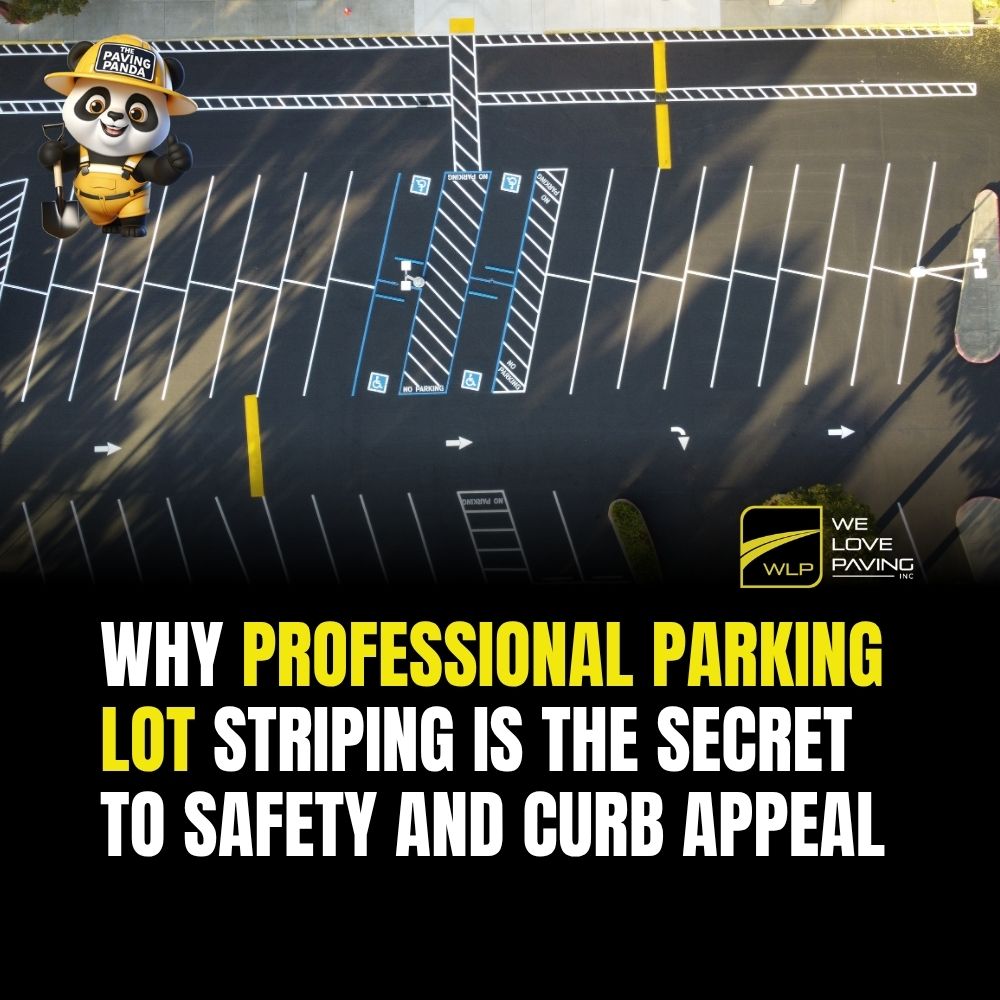
Next, review the parking field closest to the entrance. Look for faded stall lines, patched areas that create uneven surfaces, puddles near pedestrian paths, and cracks that widen near drainage structures. Then walk the route from parking spaces to the front door. The surface does not need to look brand new, but it should feel predictable.
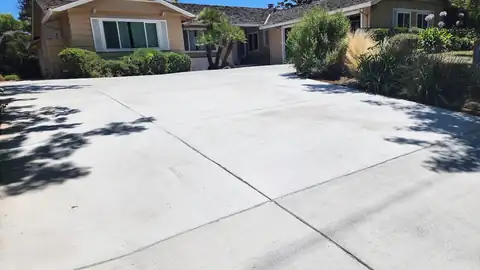
Material choices can also affect long-term presentation. Some commercial areas need flexible asphalt performance under traffic. Others may involve concrete, curbs, sidewalks, or mixed surfaces. A planning discussion around asphalt vs concrete can help owners think beyond immediate appearance and consider traffic, maintenance, cost, and expected use.
This framework prevents overreaction. A commercial property does not need to chase every blemish. It should prioritize the pavement conditions that visitors actually experience and the defects that may indicate deeper deterioration.
Keeping the First Impression Consistent Over Time
The strongest commercial properties do not wait until the lot looks embarrassing. They manage pavement as part of the property’s public-facing condition.
That does not mean constant construction. It means watching high-impact areas, documenting recurring defects, timing maintenance before small issues spread into the arrival path, and separating cosmetic wear from conditions that affect usability. A clean, organized parking lot helps the building feel more credible before a customer, tenant, patient, vendor, or resident reaches the door.
We Love Paving fits into that process when commercial owners need a practical read on what the pavement is communicating and what should be prioritized next. The best pavement plan is not the loudest one or the most aggressive one. It is the plan that protects access, appearance, budget, and long-term property use without pretending every surface flaw deserves the same response.