Choosing between asphalt and concrete is not only a construction decision. For many commercial properties, it becomes a long-term operational decision that affects maintenance planning, traffic performance, appearance, and future repair costs.
Property owners often compare asphalt and concrete based on upfront price alone. The reality is more complicated. Different properties place different demands on pavement surfaces depending on traffic patterns, climate exposure, vehicle weight, tenant activity, and long-term maintenance expectations.
A retail shopping center, industrial facility, apartment community, and medical office may all require very different pavement priorities even if the parking lots appear similar at first glance.
That is why understanding how asphalt and concrete behave in real commercial environments matters far more than comparing material costs by themselves.
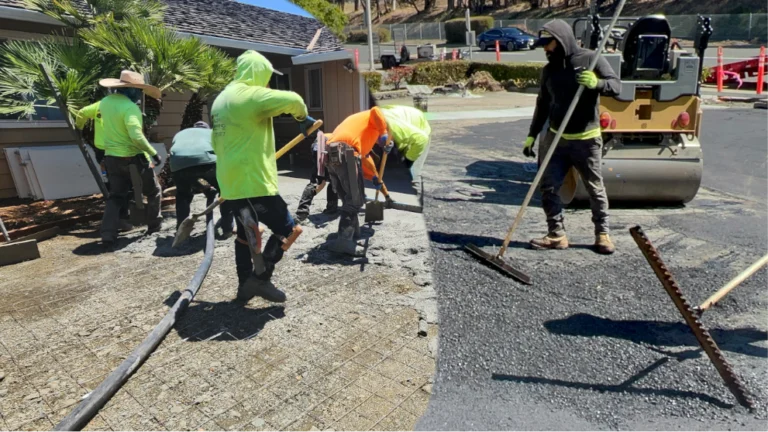
Asphalt Usually Offers More Flexibility for Commercial Traffic
Asphalt is commonly selected for commercial parking lots because it handles movement and repairs more flexibly over time.
Commercial properties experience constant stress from:
delivery traffic,
turning vehicles,
daily parking movement,
and seasonal temperature changes.
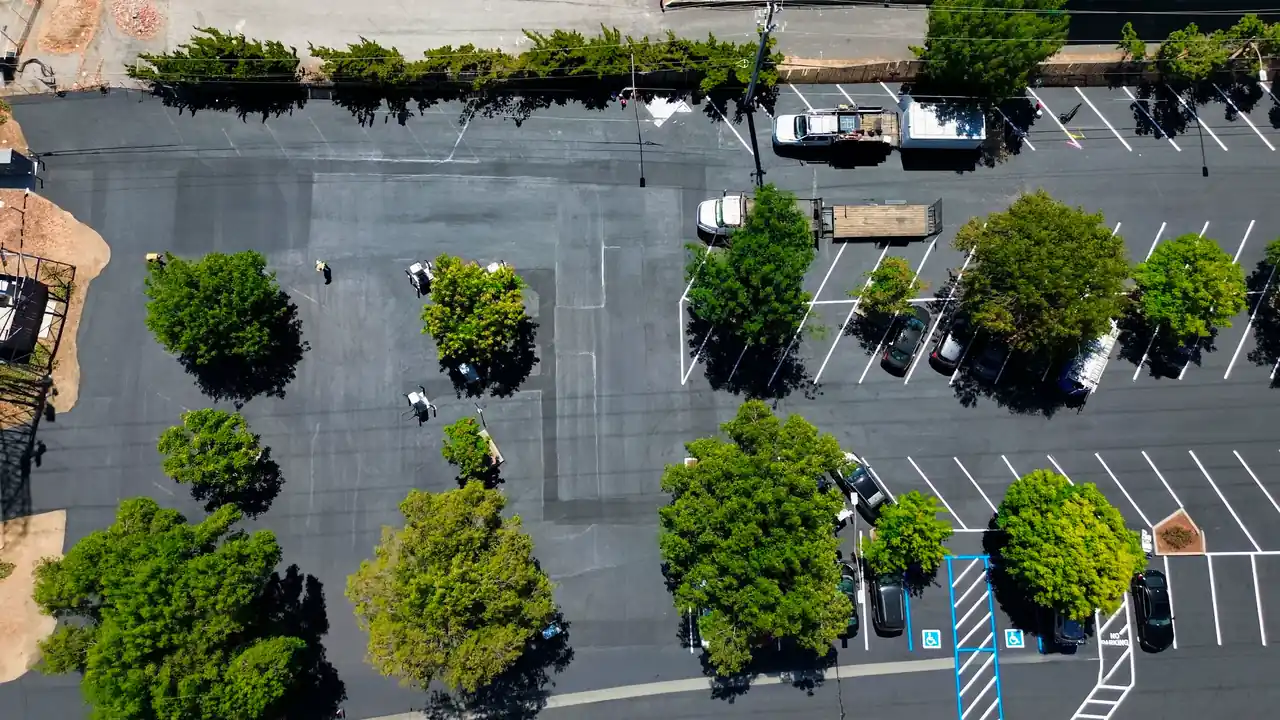
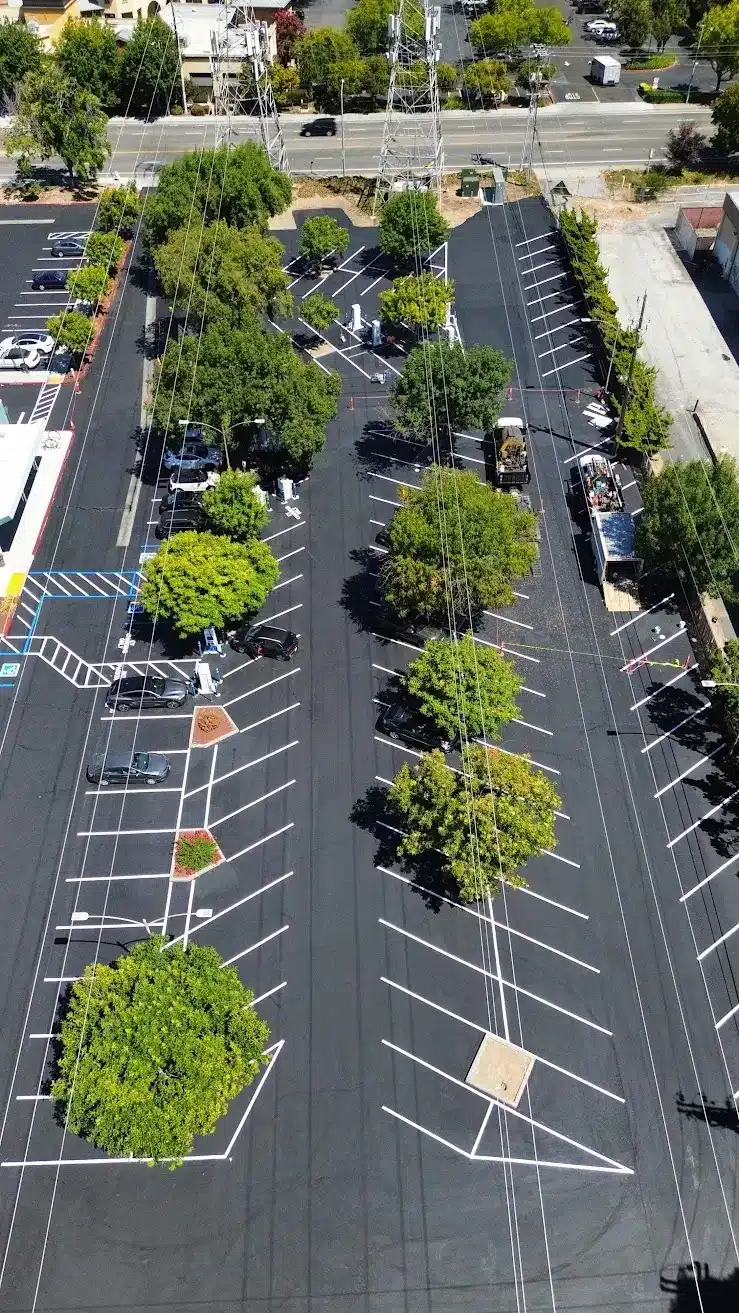
Asphalt surfaces tend to absorb that movement more gradually, which is one reason many retail centers, apartment communities, and office properties prefer asphalt parking areas for large traffic zones.
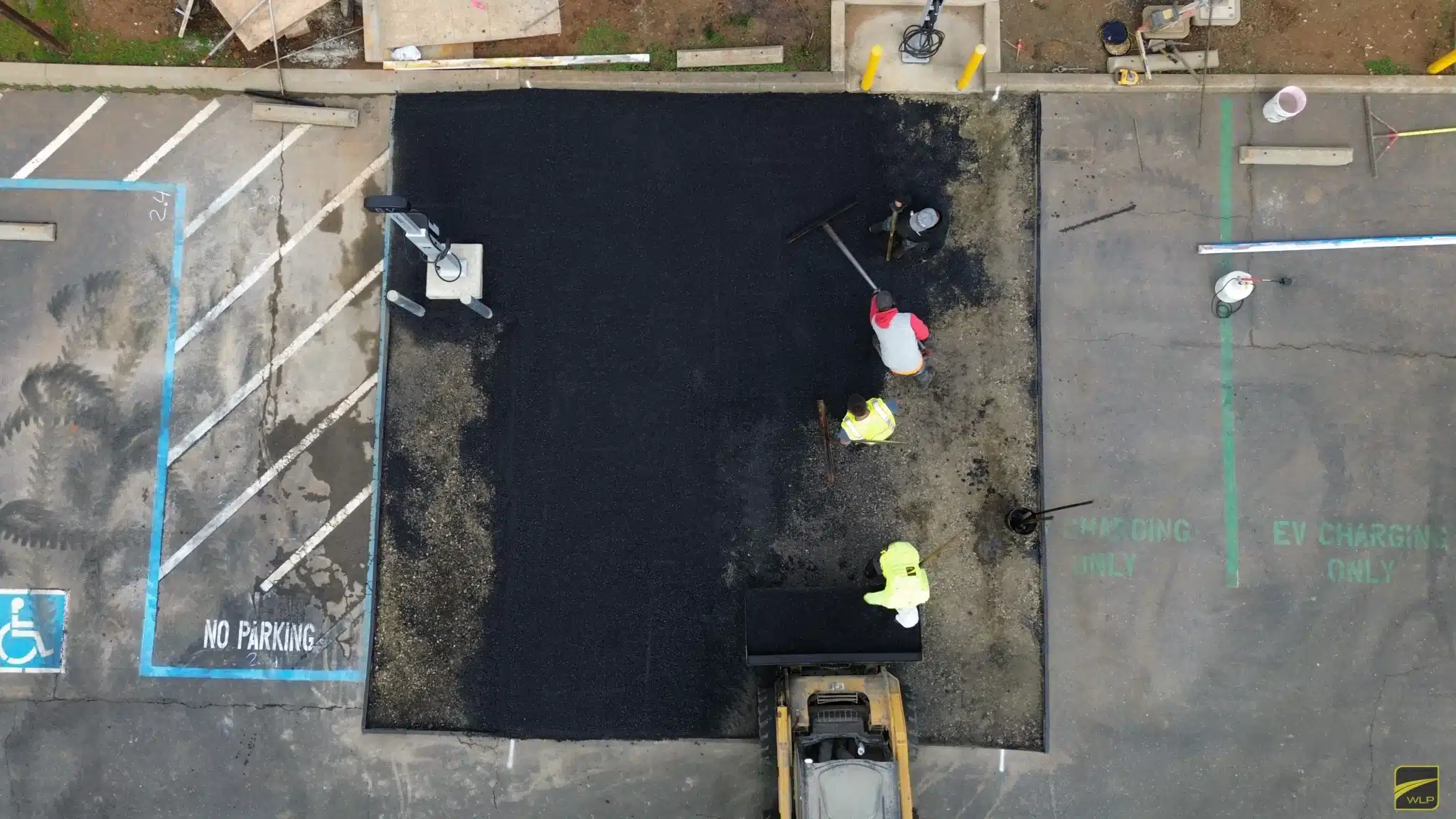
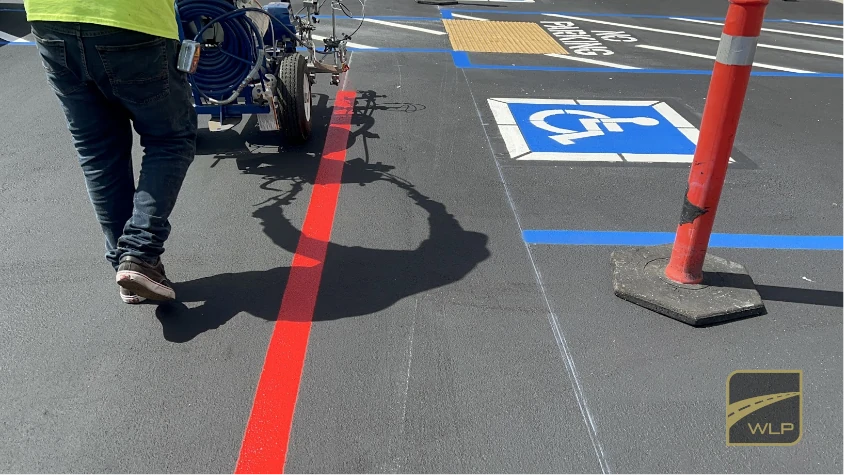
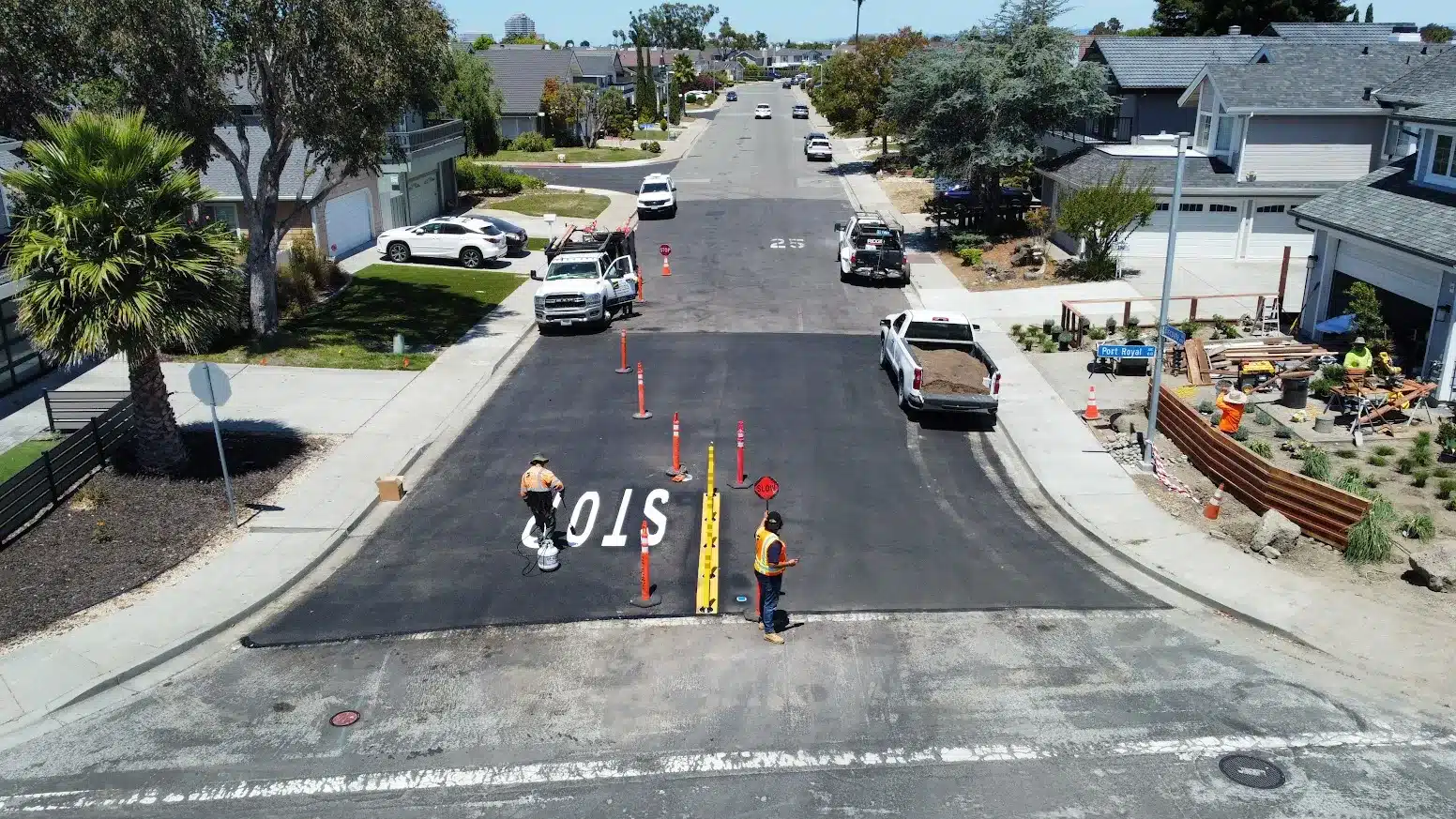
Another advantage is repair flexibility. Surface corrections, patching, restriping, and phased maintenance are often easier to manage operationally without disrupting the entire property at once.
Many property owners also prefer asphalt because parking lots can usually reopen faster after maintenance compared to concrete-heavy repair work.
For commercial sites managing frequent traffic movement, long-term asphalt paving planning often provides more operational flexibility throughout the pavement lifecycle.
Concrete Often Performs Better in High-Load Areas
Concrete performs differently under concentrated weight and repeated heavy-load pressure.
Industrial properties, truck loading zones, dumpster pads, and areas exposed to slow-moving heavy vehicles often use concrete because rigid pavement handles concentrated stress more effectively in certain conditions.
This is particularly important in properties where:
delivery trucks stop repeatedly,
equipment remains stationary for long periods,
or surfaces experience frequent fuel and fluid exposure.
Concrete also tends to maintain a cleaner visual appearance longer in some commercial environments because lighter surfaces reflect heat differently and fade less visibly over time.
The tradeoff is that concrete repairs are usually more noticeable, more disruptive, and often more expensive once significant cracking or slab movement develops.
For some commercial properties, long-term concrete paving planning makes more sense in isolated high-load areas rather than across the entire parking lot.
Maintenance Expectations Are Different for Each Surface
One of the biggest mistakes property owners make is assuming asphalt and concrete fail the same way.
They do not.
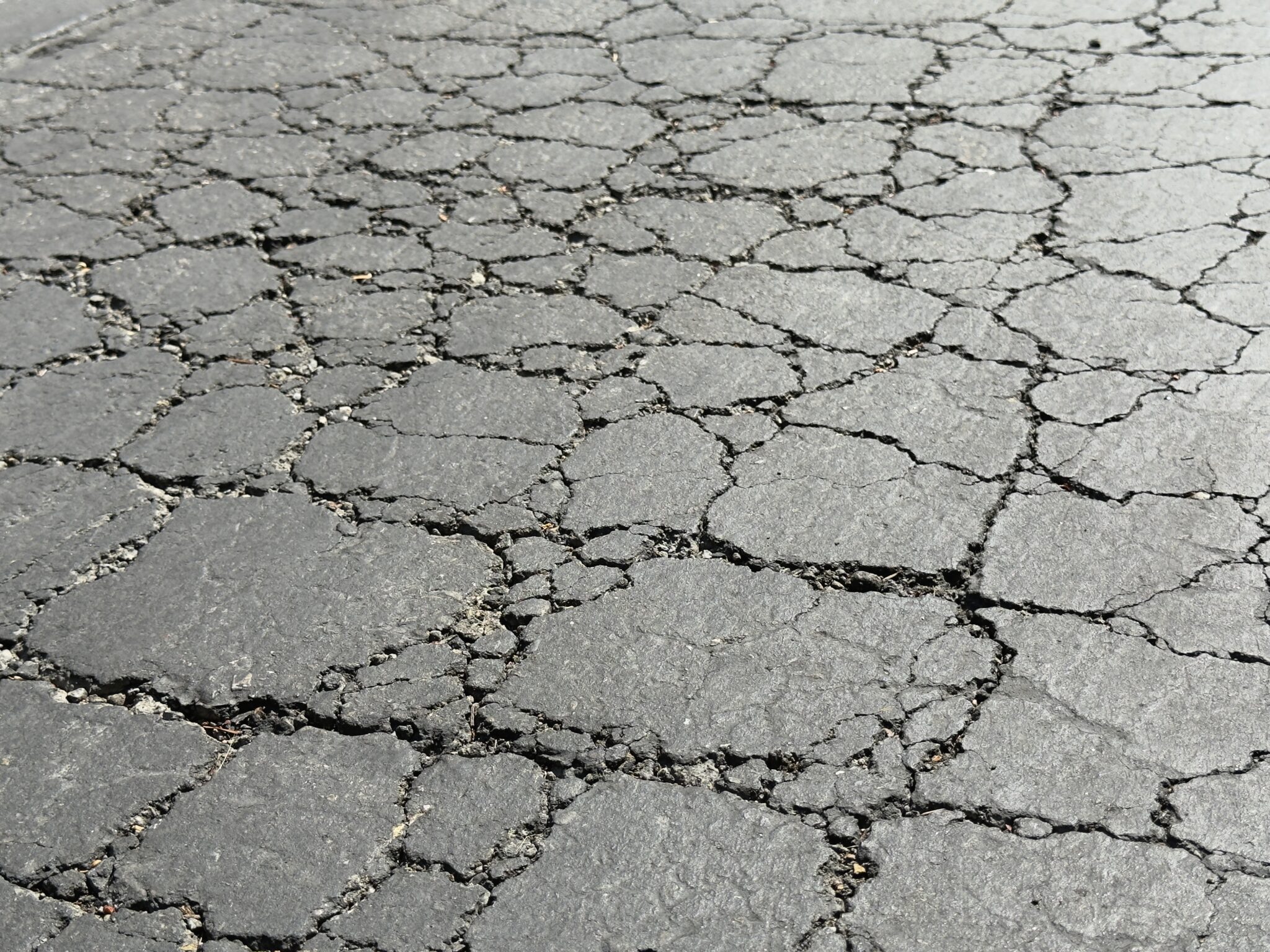
Asphalt gradually shows wear through:
surface fading,
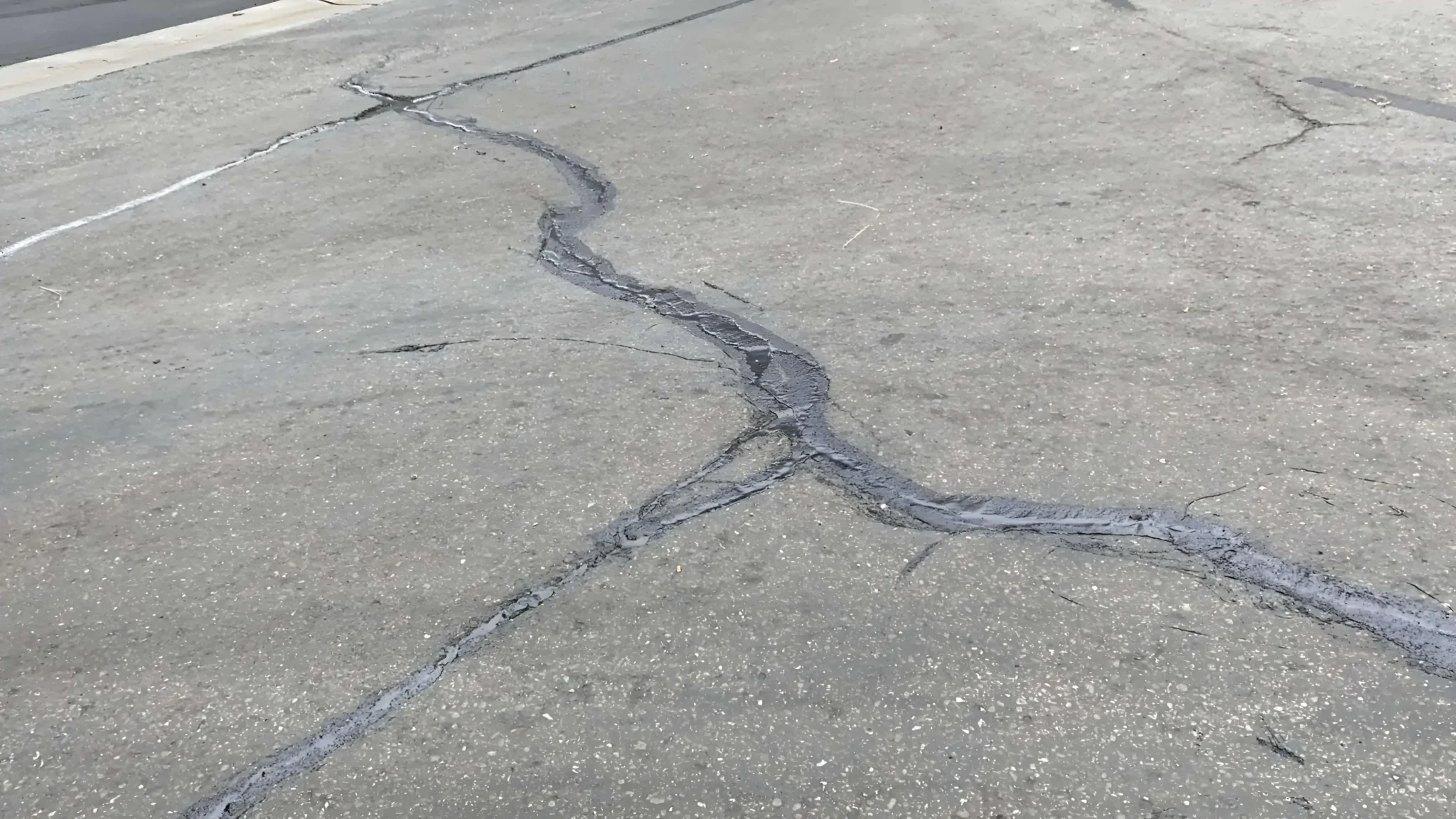
cracking,
rough texture,
and traffic fatigue.
Concrete problems usually appear through:
joint separation,
slab shifting,
surface spalling,
or isolated cracking.
That difference changes how maintenance planning works over time.
| Pavement Type | Common Strength | Common Long-Term Concern |
|---|---|---|
| Asphalt | Flexible traffic performance | Surface aging and cracking |
| Concrete | Heavy-load durability | Slab movement and joint failure |
| Asphalt | Faster repair turnaround | More frequent maintenance cycles |
| Concrete | Cleaner visual appearance | Higher repair disruption |
| Asphalt | Easier phased maintenance | Heat-related surface wear |
Commercial properties that ignore these maintenance differences often end up making repair decisions reactively instead of planning around how the pavement actually performs operationally.
For many sites, recurring pavement wear eventually becomes part of broader paving maintenance planning as traffic conditions and property usage continue evolving over time.
Property Appearance and Tenant Experience Also Matter
Parking lots influence how commercial properties are perceived daily.
Tenants, visitors, customers, and vendors interact with pavement surfaces before entering the building itself. Rough pavement, patch-heavy surfaces, faded striping, or uneven driving areas can affect how professionally the property feels overall.
Some property owners prefer asphalt because darker surfaces visually hide stains and patchwork more effectively. Others prefer concrete because brighter pavement can create a cleaner appearance in pedestrian-heavy environments.
The better option often depends on:
property type,
traffic intensity,
maintenance expectations,
and how the parking lot is used throughout the day.
For example, a retail center prioritizing customer turnover may value fast repair flexibility, while an industrial facility may prioritize rigid heavy-load durability near loading areas.
The Best Pavement Choice Depends on How the Property Operates
There is no universal answer in the asphalt vs concrete commercial property discussion.
The better surface usually depends on:
traffic behavior,
vehicle weight,
maintenance planning,
drainage conditions,
budget expectations,
and long-term operational priorities.
Some commercial properties perform best with mostly asphalt surfaces and isolated concrete reinforcement in high-stress areas. Others benefit from larger concrete installations because of constant heavy-load exposure.
The important decision is not simply choosing a pavement material. It is choosing the surface that best matches how the property actually functions every day.