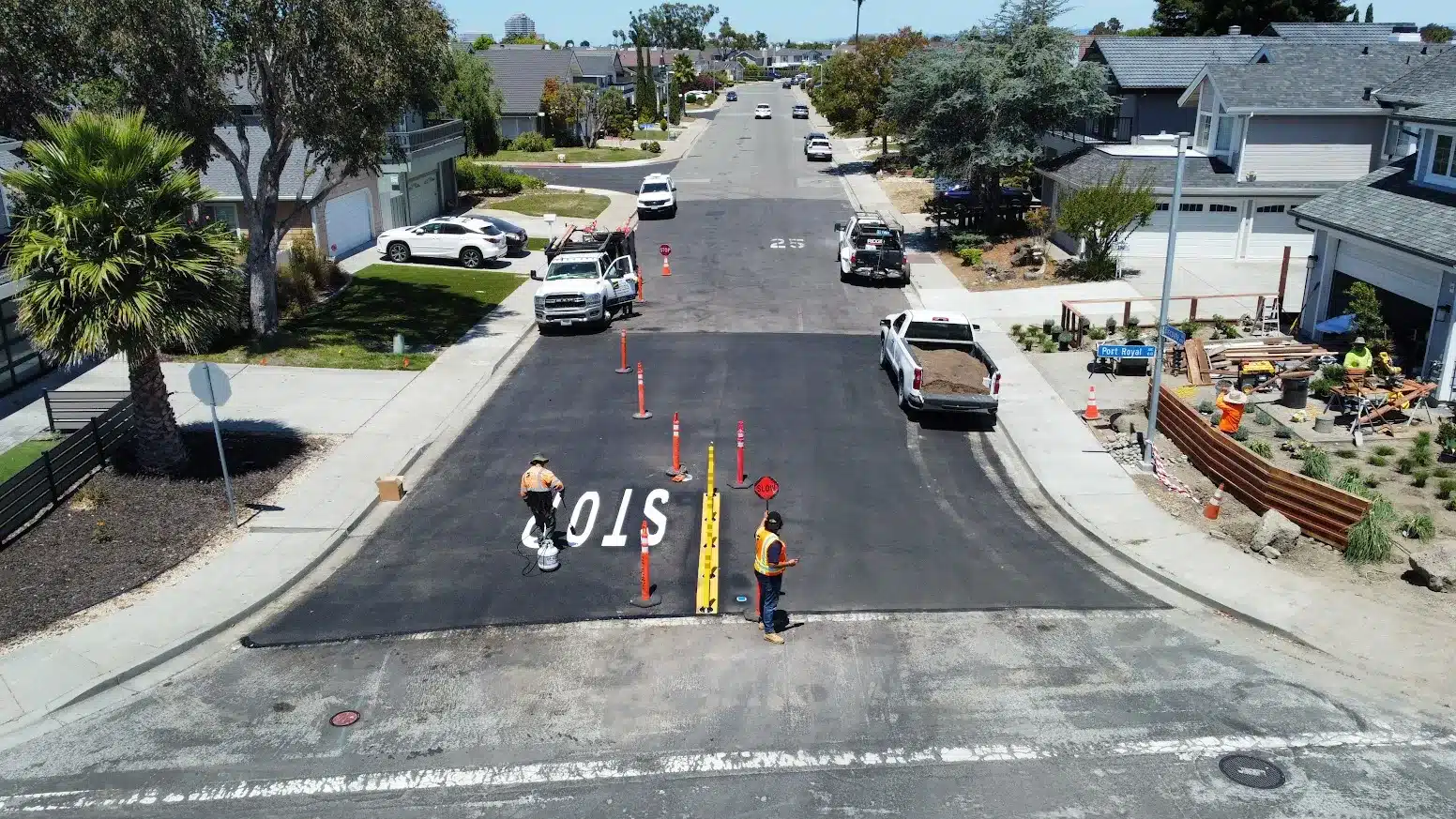
Annual pavement maintenance is not just a calendar reminder.
It is a way to keep parking lots, drive aisles, sidewalks, access routes, and asphalt surfaces from drifting into expensive neglect. Most pavement problems do not become severe overnight. They build slowly through cracks, standing water, surface wear, faded markings, loose edges, broken sidewalks, and small repair areas that property teams keep postponing.
The annual review matters because it creates a decision point before the property is forced into reactive repair.
A well-managed property should not wait for potholes, tenant complaints, visitor frustration, drainage problems, or obvious surface failure before paying attention to pavement. By then, the owner may already have lost the cheapest and least disruptive maintenance window.
For commercial properties, residential communities, office parks, healthcare facilities, hospitality sites, HOAs, and multi-tenant assets, pavement is part of the operating environment. It affects access, curb appeal, tenant experience, service routes, pedestrian movement, maintenance budgets, and how the property is perceived.
The goal of annual pavement maintenance is not to do every repair every year. That would be wasteful. The goal is to inspect the property consistently, separate cosmetic wear from active deterioration, and schedule the right work before small defects become larger projects.
Start the Year With a Property-Wide Pavement Walk
The first annual maintenance step should be a structured site walk.
Not a casual glance from the entrance. Not a quick drive-through. A real walk across the areas that carry traffic, water, pedestrians, deliveries, tenants, customers, residents, and service vehicles.
A property manager should begin at the main entry and follow the pavement the way users actually experience the site. Walk the drive aisles. Look at parking stalls. Check pedestrian routes. Review loading areas, trash enclosure paths, sidewalk transitions, curb lines, drainage points, and previous repair locations.
The mistake is inspecting only the most visible areas.
Pavement often fails first in the places that get overlooked: back-of-house routes, dumpster pads, shaded corners, low drainage areas, service lanes, edges near landscaping, and areas where heavy vehicles turn repeatedly.
A good annual review should identify:
- Cracks that widened since the last inspection
- Potholes or depressions near entrances and drive aisles
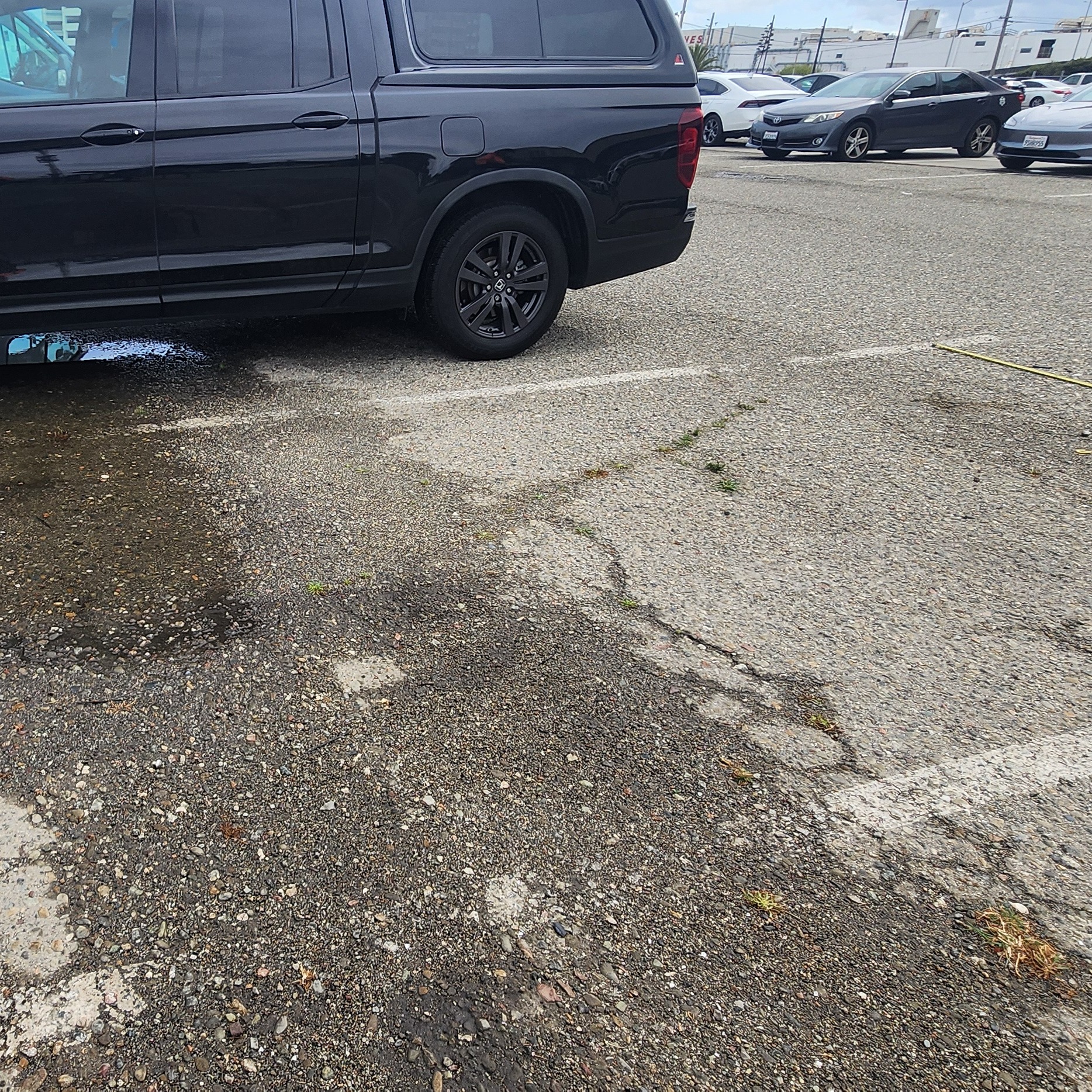
- Standing water after rain
- Broken or uneven sidewalk sections
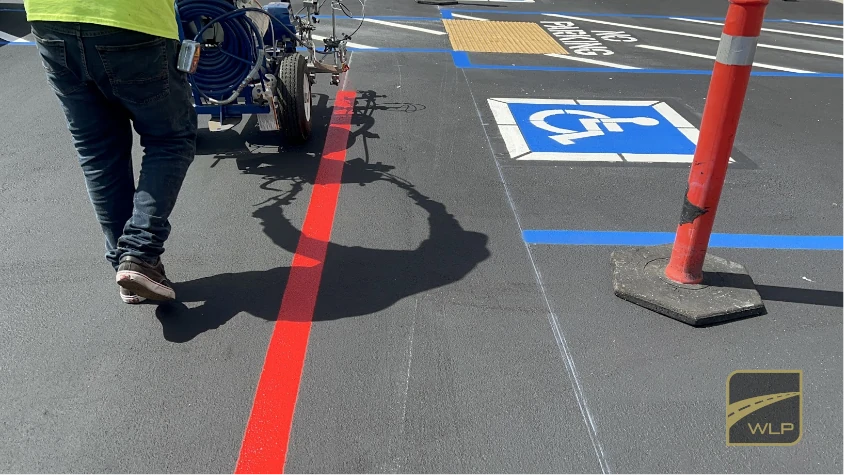
- Faded striping or unclear markings
- Loose asphalt along edges
- Areas where old patches are failing
- Pedestrian routes that feel rough or interrupted
- Drainage paths that carry sediment, debris, or runoff across the lot
For teams responsible for recurring site upkeep, the property manager perspective matters because pavement maintenance is not one isolated repair. It is part of managing the property’s operating condition year after year.
Treat Cracks as Early Information, Not Background Noise
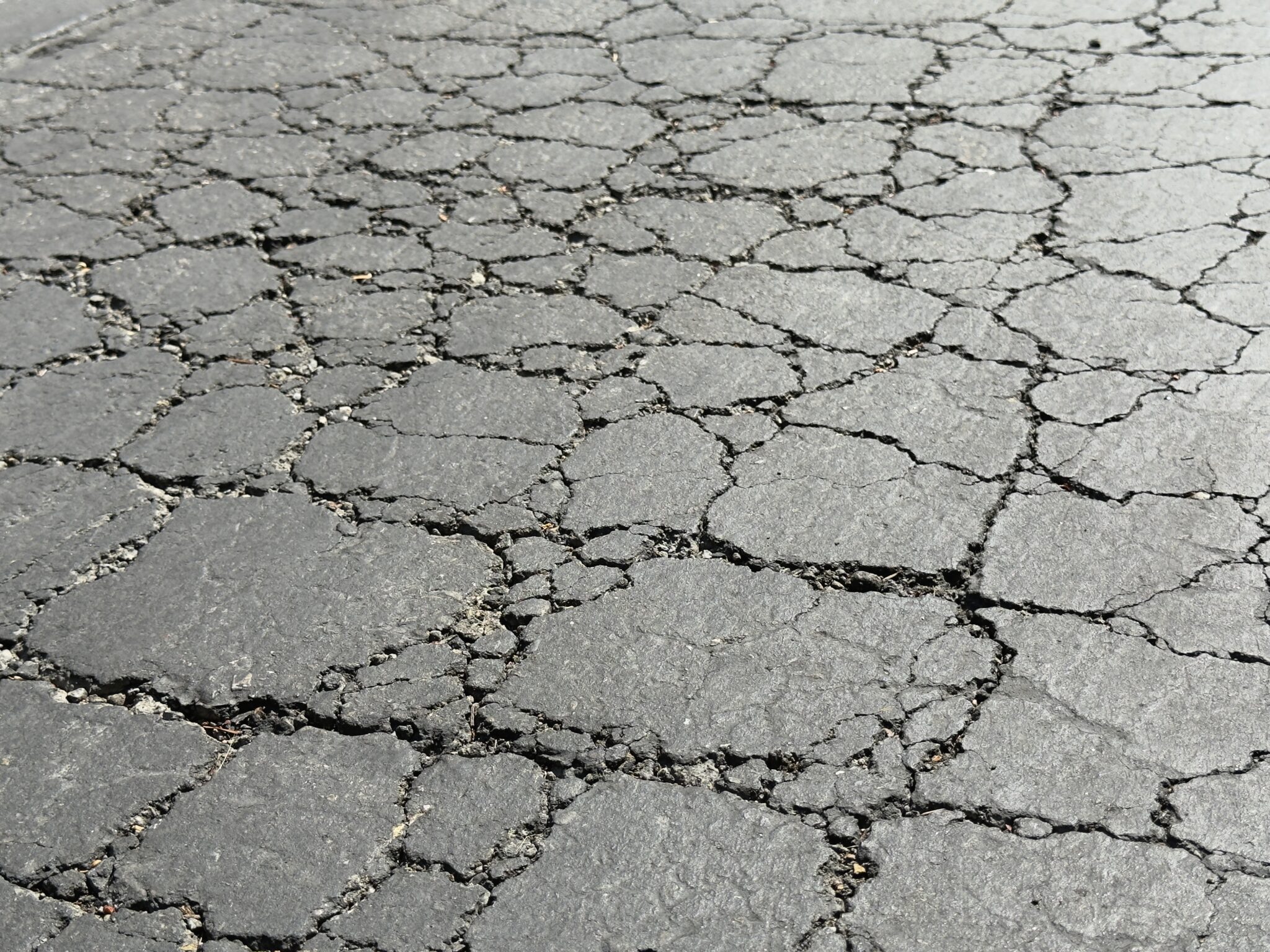
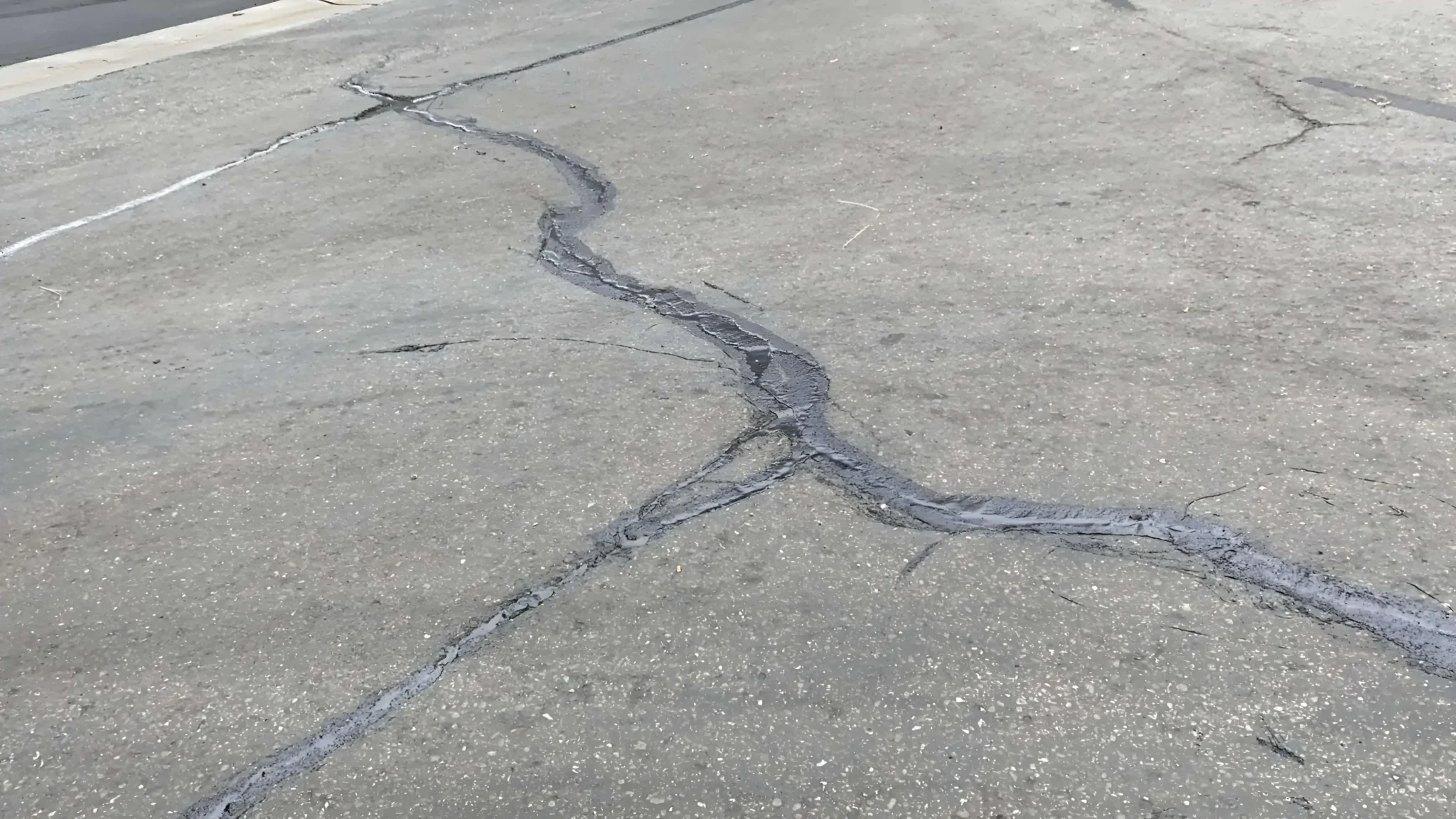
Cracks are one of the clearest signs that annual pavement maintenance is needed.
The problem is that cracks are easy to normalize. They appear slowly, spread quietly, and often look harmless until the surrounding asphalt begins to fail. A property owner may see the same cracks for months and assume nothing has changed. That assumption is weak.
A crack is an opening in the pavement system.
Water can enter. Dirt can collect. Vegetation can grow. Edges can loosen. Traffic can press both sides of the crack until it widens. If the crack sits near drainage, heavy traffic, old patches, or a low area, the risk increases.
An annual maintenance review should document cracks by location and behavior. The question is not only whether cracks exist. The better questions are:
- Are they wider than last year?
- Are they holding water?
- Are they forming connected patterns?
- Are loose stones appearing along the edges?
- Are they near drains, curbs, loading areas, or drive lanes?
- Are they returning near previous repairs?
Cracks in a low-use section may be monitored. Cracks in a main circulation lane or wet area may need earlier attention. Annual pavement maintenance gives owners a disciplined way to make that distinction before the repair category changes from preventive work to larger patching.
Drainage Should Be Reviewed After Rain, Not Only on Dry Days
A dry parking lot can hide problems.
Drainage issues reveal themselves when water is moving across the property. That is why annual pavement maintenance should include observation after rain whenever possible. Standing water, runoff channels, sediment trails, clogged drains, wet cracks, and recurring low spots all tell the property team where the pavement is under stress.
Water is one of the most important forces behind asphalt deterioration.
It enters cracks, weakens edges, collects in low areas, carries debris into drainage systems, and can accelerate surface wear where traffic crosses wet pavement repeatedly. Ignoring drainage because water eventually evaporates is a poor maintenance strategy. The damage may already be happening below the surface.
Property teams should pay special attention to:
- Puddles that return in the same location
- Water flowing across pedestrian paths
- Drains blocked by leaves, trash, or sediment
- Cracks surrounding low spots
- Pavement depressions near curbs or catch basins
- Areas where water moves toward building entrances
- Repeated repair failure near drainage routes
The annual review should not only ask, “Where is the pavement damaged?” It should ask, “What conditions are causing damage to repeat?”
That question prevents the property from paying for the same patch again and again.
Maintenance Priorities Should Match Property Use
Annual pavement maintenance should not be copied from another property.
A medical clinic, office park, resort, HOA, apartment community, retail center, and industrial site all use pavement differently. The high-risk areas are not the same. A medical clinic may prioritize emergency access and patient routes. A resort may focus on guest arrival and driveway presentation. An office park may need staged resurfacing with minimal tenant disruption. A multifamily property may prioritize resident parking and pedestrian routes.
This is where generic maintenance advice becomes too shallow.
The correct annual plan depends on traffic, drainage, tenant expectations, ownership timeline, pavement age, budget, and how much disruption the property can tolerate.
An office property with aging drive lanes may need to think beyond small repairs if the surface is approaching the end of its useful life. In that case, office park resurfacing becomes part of annual planning rather than an emergency decision made after the lot has already declined.
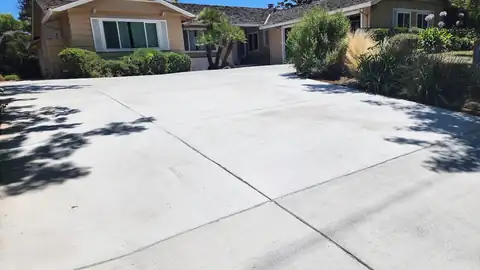
For properties with sidewalks, pedestrian routes, or uneven walking areas, pavement planning should also include adjacent concrete or walkway conditions. Sidewalk repair may not be the same scope as asphalt work, but ignoring it creates a fragmented property maintenance plan.
A strong annual review connects the whole exterior surface system: parking, driving, walking, draining, loading, and accessing the building.
Annual Maintenance Prevents Bad Sequencing
One of the most expensive pavement mistakes is doing the right work in the wrong order.
Property owners may restripe before fixing failed asphalt. They may sealcoat before addressing cracks. They may patch a pothole without reviewing why water keeps collecting there. They may refresh the most visible areas while service routes continue deteriorating in the background.
Bad sequencing wastes money.
Annual pavement maintenance helps create order:
- Inspect the entire site.
- Identify cracks, potholes, drainage issues, edge failures, and faded markings.
- Separate urgent defects from monitor-only conditions.
- Repair unstable areas before surface treatments.
- Schedule sealcoating, resurfacing, or striping only where the surface is ready.
- Document what should be reviewed again next year.
This sequence matters because pavement work is connected. Crack treatment, patching, sealcoating, resurfacing, striping, and drainage review should not be treated as isolated tasks.
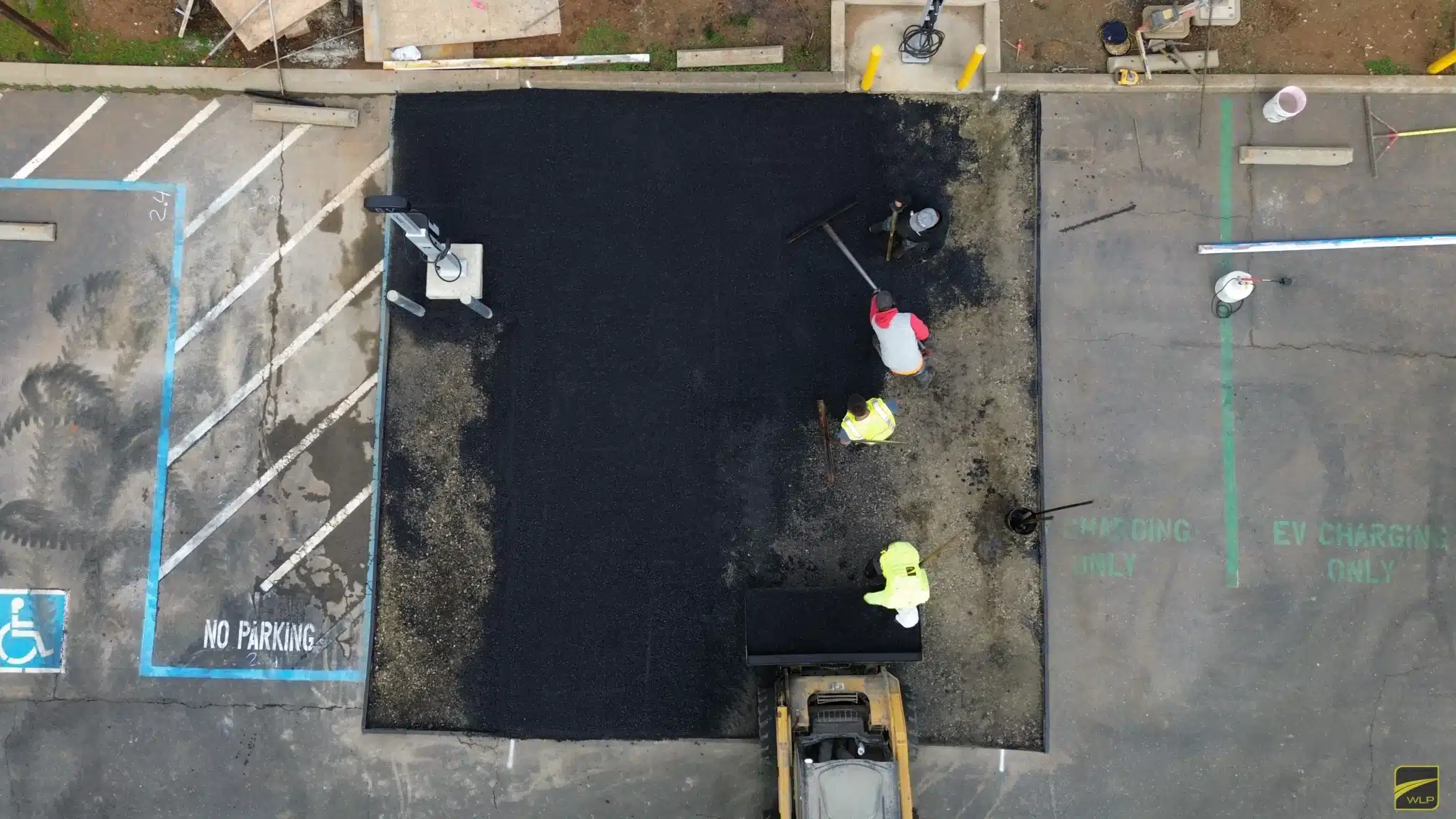
A project like the Sealcoating Newark Project is relevant because sealcoating belongs in the maintenance conversation only when the existing pavement condition supports that treatment. Surface protection should follow inspection and preparation, not replace them.
The same logic applies to larger hospitality or commercial assets. A project such as the Napa Embassy Suites example shows why annual maintenance planning matters for properties where appearance, access, and timing all affect operations.
Warning Signs Should Be Ranked, Not Just Noticed
Annual pavement maintenance fails when every issue is treated the same.
A faded parking stall is not the same as a pothole at the entrance. A hairline crack in a dry corner is not the same as a widening crack near standing water. A rough sidewalk transition near a main entrance deserves different attention than minor asphalt fading in a low-use area.
The site walk should produce a ranking.
The highest-priority areas are usually the ones where deterioration, traffic, water, and user experience overlap. Entrances, drive aisles, pedestrian crossings, accessible parking areas, loading routes, trash enclosure approaches, and building access points should not be treated as ordinary background pavement.
A practical annual ranking might look like this:
- Immediate review: potholes, broken edges, unsafe-looking surface failures, drainage-related deterioration
- Near-term maintenance: active cracks, fading markings, small patch failures, early raveling
- Monitor: stable cracks, cosmetic fading, low-use surface wear
- Plan ahead: resurfacing candidates, repeated failure zones, aging pavement sections
The parking lot warning signs page fits this stage of the process because identifying visible problems is only useful if the owner also decides what to do with that information.
The weak version of annual maintenance is taking notes and doing nothing. The stronger version is ranking the lot by risk, timing, and property impact.
Budgeting Works Better When Pavement Has a Record
Annual maintenance creates better budget decisions because it gives the property a record.
Without a record, owners rely on memory, complaints, and visible failure. That is not asset management. It is guesswork.
A simple pavement record should include photos, dates, locations, observed changes, repair history, drainage notes, and areas to revisit. This does not need to be complicated. It needs to be consistent.
The value appears over time.
If the same crack widened for two years, it should move up the priority list. If one low area keeps holding water, drainage needs attention. If a patch fails repeatedly, the underlying cause may need review. If striping fades faster in one section, traffic or surface wear may be heavier than expected.
Annual pavement maintenance turns isolated observations into trend data.
That helps owners avoid the two worst budgeting errors: underfunding the lot until emergency repair is unavoidable, or overspending on surface work that does not address the real cause of deterioration.
Good budgeting is not about guessing how much asphalt work might cost someday. It is about knowing what the property is already telling you.
Do Not Wait for the Lot to Look Neglected
The most obvious sign that annual pavement maintenance has failed is when the lot already looks neglected.
By then, the owner is reacting to visible decline. Cracks have spread. Striping has faded. Potholes are easy to notice. Edges are breaking. Water patterns are established. Tenants or visitors may already have formed an opinion about the property.
That is not the ideal moment to begin planning.
Annual pavement maintenance is valuable because it happens before the lot becomes a reputational issue. A well-kept parking lot does not have to look brand new. It has to look managed. Users should see clear circulation, stable surfaces, visible markings, reasonable drainage, and evidence that the property is not being ignored.
At We Love Paving, we look at annual pavement maintenance through a practical property-management lens: what changed since the last review, which pavement areas are beginning to fail, where water and traffic are creating stress, and which maintenance decisions can preserve the property before avoidable deterioration becomes expensive.