Commercial property value is not determined only by square footage, location, lease terms, or building condition.
The pavement surrounding the property also sends a signal.
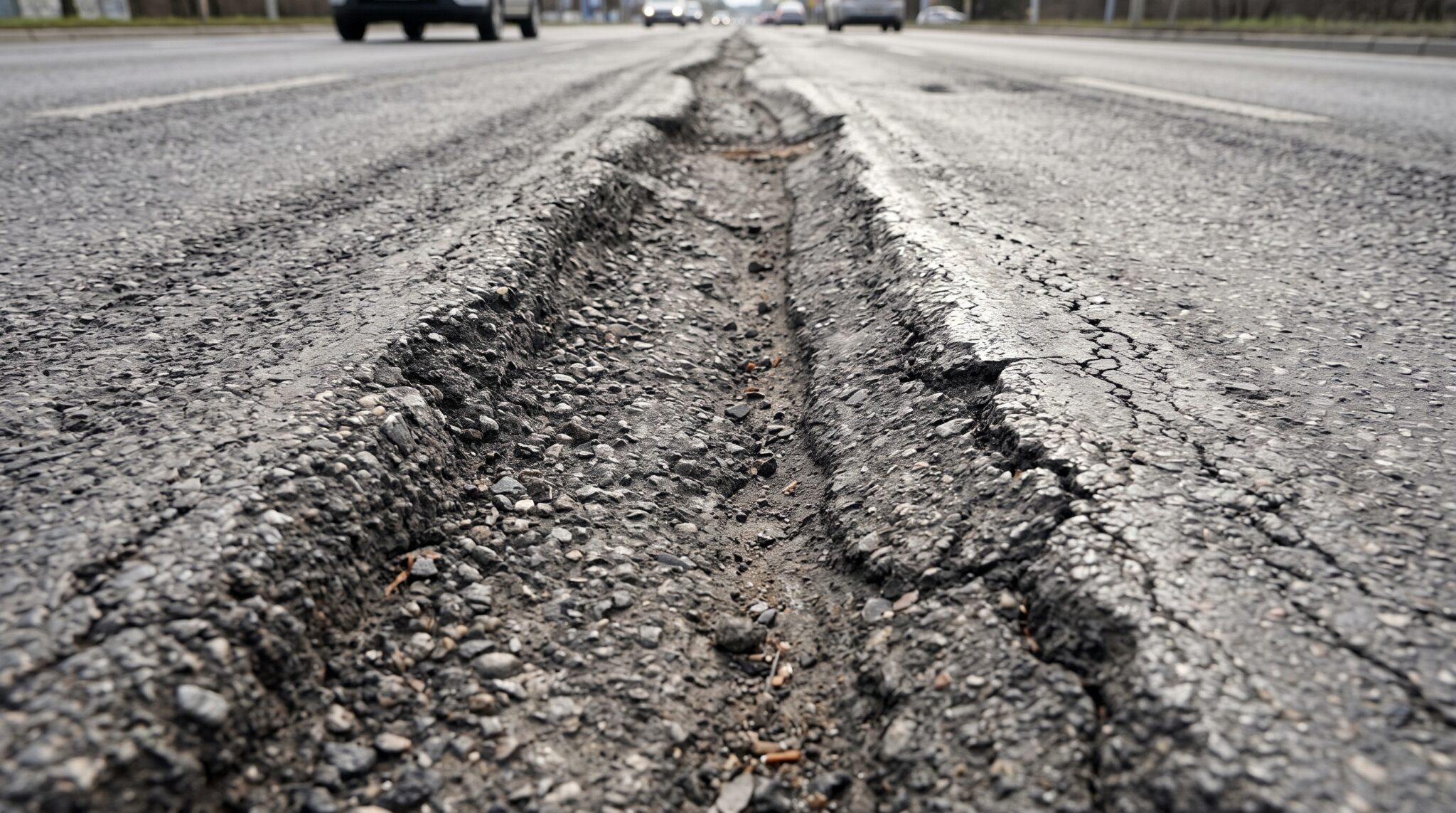
A parking lot with faded striping, broken edges, potholes, standing water, cracked asphalt, and unclear traffic flow tells tenants, customers, inspectors, lenders, and buyers something about the way the asset is managed. It may not appear as a separate line item in every valuation discussion, but it affects perception, maintenance expectations, operating risk, and the confidence people have in the property.
That does not mean new asphalt automatically raises a property’s value by a fixed amount. That would be an unsupported oversimplification. The relationship is more practical: pavement condition influences how the property is judged, how expensive it looks to maintain, how functional it feels, and how much deferred work a buyer or tenant may believe they are inheriting.
For commercial owners, property managers, asset managers, HOAs, retail centers, industrial sites, and multi-tenant properties, the parking lot is not just exterior space. It is part of the asset.

The Parking Lot Shapes the First Valuation Impression
People evaluate commercial properties before they enter the building.
A tenant driving into a retail center notices whether the lot feels organized, clean, and easy to navigate. A buyer touring an industrial property notices heavy-traffic wear, truck damage, drainage issues, and patched areas. A customer visiting a medical office or service business notices potholes, faded markings, rough pedestrian paths, and confusing circulation.
Those impressions affect confidence.
A well-maintained parking lot suggests that the property is being actively managed. A neglected lot suggests deferred maintenance. Even when the building itself is strong, poor pavement can create doubt about what else has been postponed.
This is where commercial property value becomes tied to perception. Not because pavement alone determines value, but because visible exterior conditions influence how people judge the broader asset.
The related discussion on commercial curb appeal focuses on first impressions. This article goes further by looking at how those impressions connect to value, maintenance planning, leasing confidence, and ownership decisions.
Deferred Pavement Maintenance Can Weaken Negotiating Power
Deferred maintenance is rarely neutral.
When a buyer, tenant, investor, or property manager sees pavement problems, they do not only see the current damage. They start estimating what the property may cost them later. Potholes suggest repair expense. Cracks suggest water entry. Faded striping suggests future restriping. Drainage marks suggest ongoing water problems. Broken edges suggest loading or traffic stress.
That mental calculation can affect negotiations.
A buyer may ask for concessions. A tenant may question whether the property is being maintained properly. A lender or advisor may flag visible site conditions during due diligence. An owner may find that a neglected lot creates friction during leasing conversations, especially when the property competes against better-maintained sites nearby.
The problem is not that every crack lowers value directly. The problem is that visible neglect changes the conversation from asset quality to repair liability.
Where pavement deterioration is already visible, parking lot repair can become part of protecting the property’s market position before minor defects start looking like major deferred maintenance.
Commercial Property Value Depends on Usability, Not Just Appearance
A parking lot can look acceptable from a distance and still create operational problems.
For commercial properties, value is tied to how well the site functions. Can customers enter easily? Can tenants receive deliveries? Can pedestrians move through the lot without confusion? Can vehicles turn safely and efficiently? Does water drain away from entrances and drive lanes? Are parking spaces clearly marked? Are loading areas holding up under the traffic they actually receive?
These questions matter because commercial pavement carries use, not just appearance.
A retail center depends on customer access. An industrial building depends on truck movement. A medical office depends on orderly parking and pedestrian visibility. A multifamily or HOA property depends on daily resident circulation. If the pavement undermines any of those functions, the property becomes harder to operate.
That is why value-focused pavement planning should examine more than surface color. Owners should look at how the parking lot supports the business model of the property.
| Pavement Condition | Asset-Level Concern | Why It Matters |
|---|---|---|
| Faded striping | Poor traffic organization | Can make the property feel less managed |
| Potholes | Visible deferred repair | May raise concerns about maintenance costs |
| Standing water | Drainage weakness | Can accelerate pavement deterioration |
| Cracked drive aisles | Water entry and traffic stress | May signal future repair needs |
| Broken edges | Load or turning damage | Can affect access and appearance |
| Patch-heavy areas | Repeated repair history | May invite closer due diligence |
For properties where circulation, stall layout, or visual organization is part of the concern, parking lot striping can support more than aesthetics. Clear markings help the site feel orderly, maintained, and easier to use.
Buyers and Tenants Notice Maintenance Patterns
One isolated pavement issue may not create major concern. A pattern of neglect does.
Commercial property stakeholders tend to notice clusters: faded lines with potholes, potholes with standing water, cracked areas near patched sections, broken curbs near unclear pedestrian routes, or rough pavement near entrances. Those combinations suggest that maintenance has been reactive instead of planned.
That matters because value is partly about confidence.
A buyer wants confidence that the asset has been managed carefully. A tenant wants confidence that the property owner will maintain shared areas. A property manager wants confidence that repairs can be budgeted instead of becoming emergencies. When the lot shows repeated neglect, that confidence weakens.
The article on delaying parking lot maintenance addresses the cost side of waiting. The value side is just as important: delayed maintenance can make the property appear less controlled, less competitive, and more expensive to own.
This does not mean owners should over-improve every lot. That can waste capital. The smarter approach is to correct the conditions that most affect access, appearance, water movement, tenant experience, and repair exposure.
Paving Decisions Should Match the Property’s Investment Strategy
Not every commercial property needs the same pavement investment.
A long-term owner may prioritize lifecycle planning, staged maintenance, and preservation. A seller preparing for disposition may focus on visible defects that could weaken buyer confidence. A property manager may prioritize access, tenant complaints, drainage, striping, and repair scheduling. An investor repositioning a property may consider broader paving upgrades as part of the asset improvement plan.
The mistake is treating pavement as a one-size-fits-all expense.
A small repair may be enough for a stable property with limited defects. A heavily used commercial lot may need more structured maintenance. A property with failing asphalt, drainage problems, or poor traffic flow may require a larger scope. The right decision depends on ownership timeline, pavement condition, tenant expectations, and how the property competes in its market.
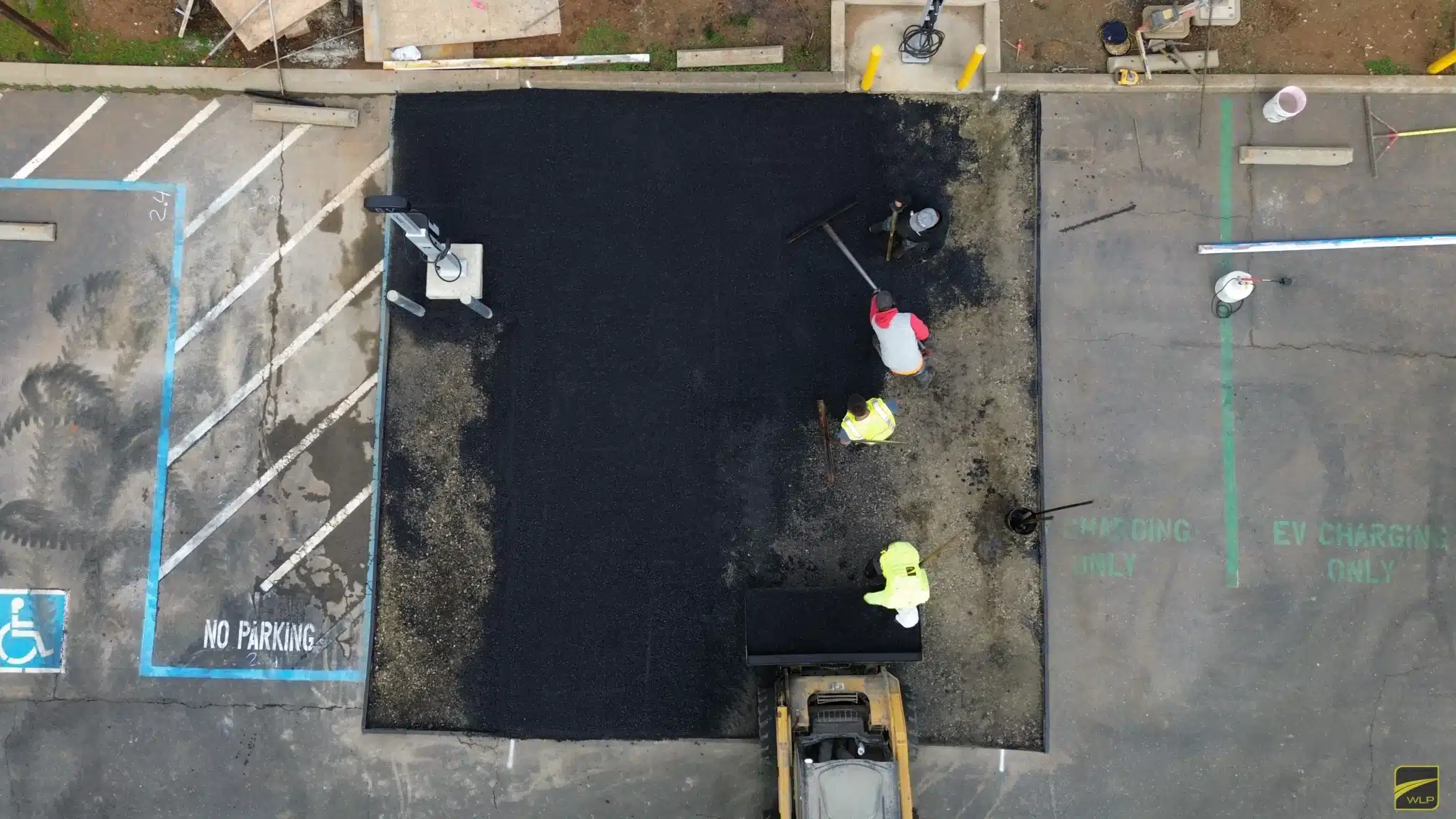
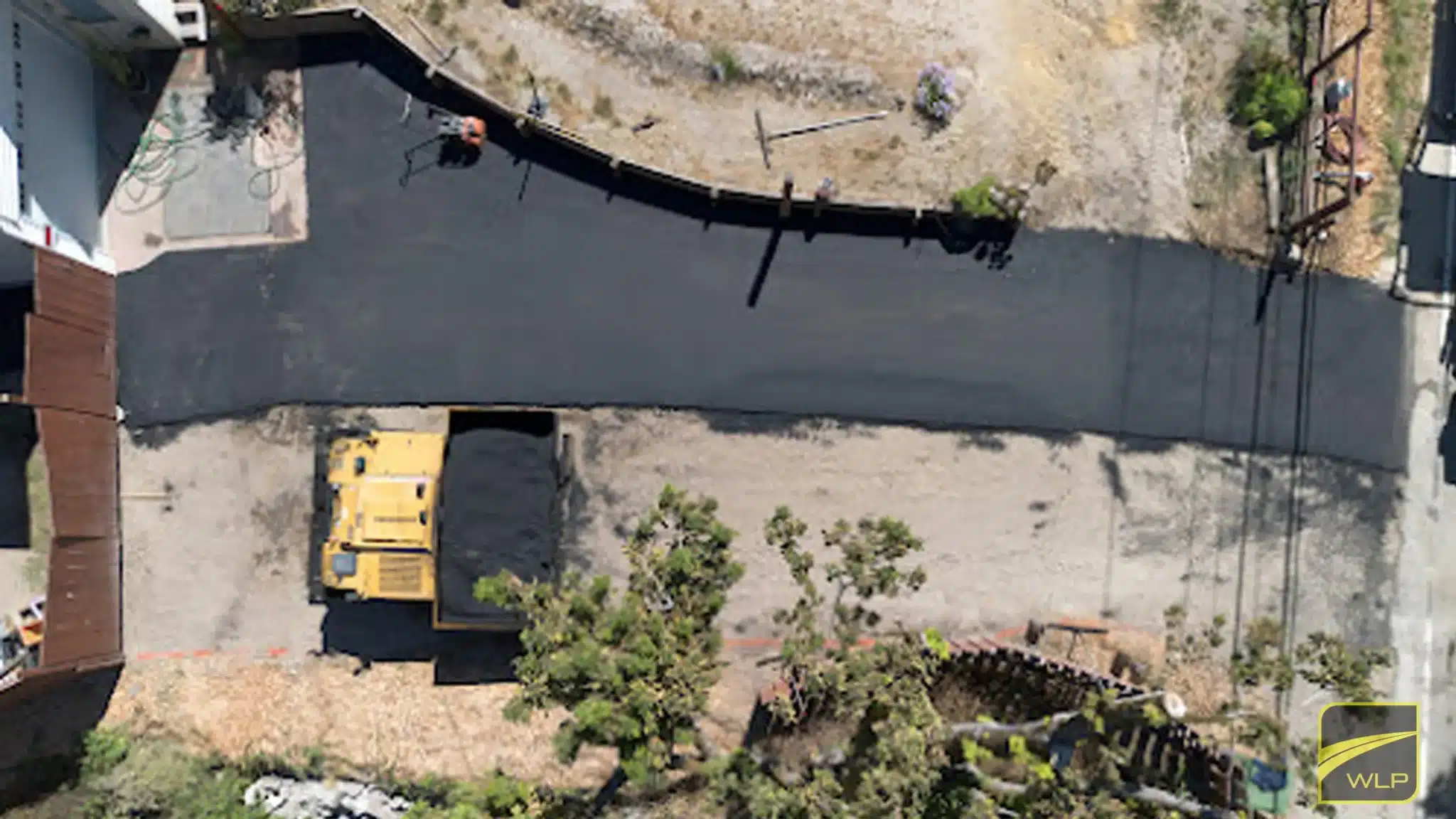
Where a property’s parking lot is beyond routine repair, commercial parking lot paving may belong in a broader asset-improvement discussion rather than a simple maintenance conversation.
That distinction matters. Maintenance protects value. Repair controls deterioration. Repaving or reconstruction may reposition a property when the existing pavement no longer supports the asset.
Striping, Access, and Surface Condition Affect Tenant Experience
Tenants care about pavement because their customers, employees, vendors, and residents use it every day.
A tenant may not discuss asphalt in technical terms, but they notice practical issues: difficult parking, unclear circulation, rough entrances, potholes near storefronts, faded stalls, poor drainage near doors, or pavement conditions that create complaints.
Those issues can affect retention and leasing perception.
A well-kept lot supports the tenant’s business environment. It helps customers arrive with less friction. It supports deliveries. It makes the property feel actively managed. In competitive markets, these details matter because tenants compare total property experience, not just rent and interior space.
This is especially true for retail, medical, office, multifamily, HOA, and service-based properties where the parking lot is part of daily customer or resident interaction.
The strongest property managers do not wait until pavement conditions become tenant complaints. They track visible wear, plan repairs before busy seasons, and document maintenance decisions so ownership understands why the work matters.
For teams managing pavement across multiple sites, the asphalt maintenance playbook is useful as a planning framework, especially when budgets, timing, and site priorities need to be organized before problems become urgent.
Pavement Maintenance Protects the Asset Story
Every commercial property has an asset story.
For some properties, the story is stability: low disruption, consistent tenants, and predictable upkeep. For others, the story is repositioning: upgrades, improved curb appeal, better access, and stronger market presentation. For others, the story is operational efficiency: keeping a busy site functional with minimal downtime.
The pavement should support that story.
A neglected parking lot contradicts a high-quality asset narrative. A clean, stable, well-marked lot supports it. This is not superficial. Exterior conditions are part of how the market reads management quality.
That is why pavement planning should be tied to ownership goals. A property preparing for sale may need a different pavement strategy than a property held for long-term income. A retail center may prioritize customer-facing areas first. An industrial property may prioritize truck lanes, loading zones, and base durability. A multifamily property may prioritize resident access, drainage, and parking organization.
The owner who understands this does not ask, “What is the cheapest way to patch the lot?” The better question is, “What pavement work protects the property’s function, perception, and value position?”
The Value Risk Is Usually in Waiting Too Long
The most expensive pavement decisions are often the ones delayed until there is no good option left.
When pavement problems are addressed early, owners can prioritize, phase, budget, and schedule. When they are ignored, the property may face complaints, emergency repairs, larger scopes, access disruption, and visible deterioration during leasing or sale conversations.
That loss of control is the real risk.
Commercial property value depends on many factors, and pavement is only one of them. But it is one of the most visible. It is also one of the easiest for outsiders to judge quickly. A neglected parking lot does not quietly stay in the background. It becomes part of how the property is evaluated.
At We Love Paving, we look at pavement through a practical asset-management lens: how the lot functions, what visible conditions communicate to tenants and buyers, where deterioration is likely to spread, and which maintenance decisions help protect the property’s long-term position without turning every issue into an unnecessary capital project.