Installing or replacing a vehicle surface is a major investment, but finding the cheapest driveway material can drastically reduce total project expenses without sacrificing daily functionality. Identifying the right surface requires evaluating initial material costs alongside long-term durability and maintenance. By understanding how options like crushed stone, asphalt, and concrete perform under daily load conditions, property owners can make informed budget choices that deliver lasting value.
Plan and Budget Wisely
Before starting, establish a clear budget. Determine how much you can afford and allocate funds for unexpected costs. Research the average costs of driveway paving in Sacramento to set realistic expectations.
Choose the Right Material
Different materials come with varying costs and benefits. Common driveway materials include:
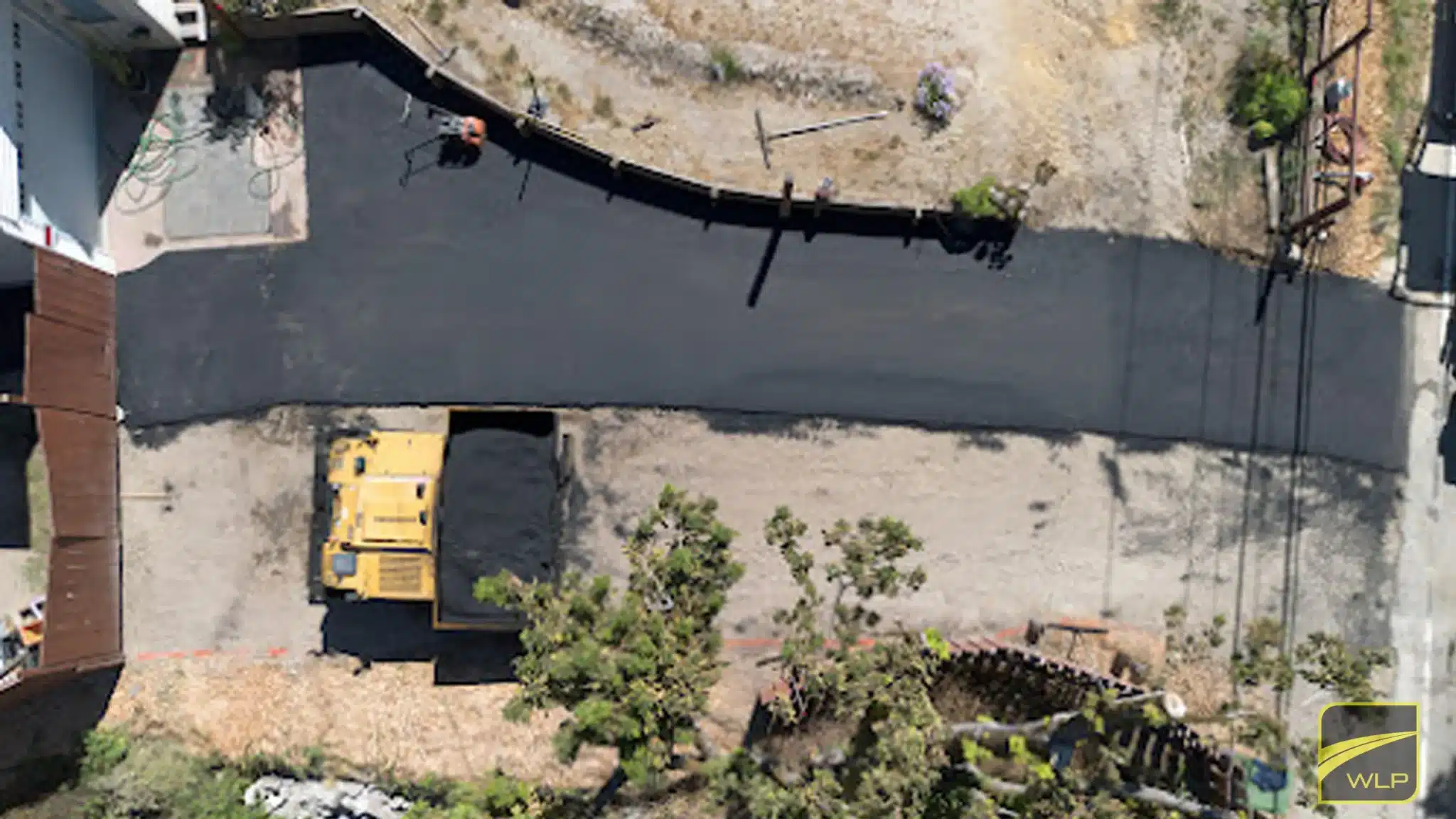
- Asphalt: Generally cheaper than concrete but requires more maintenance.
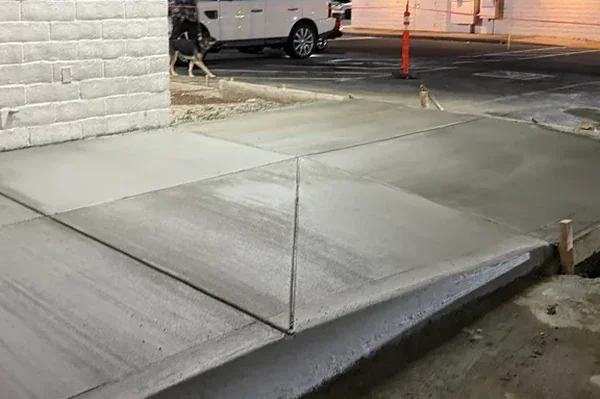
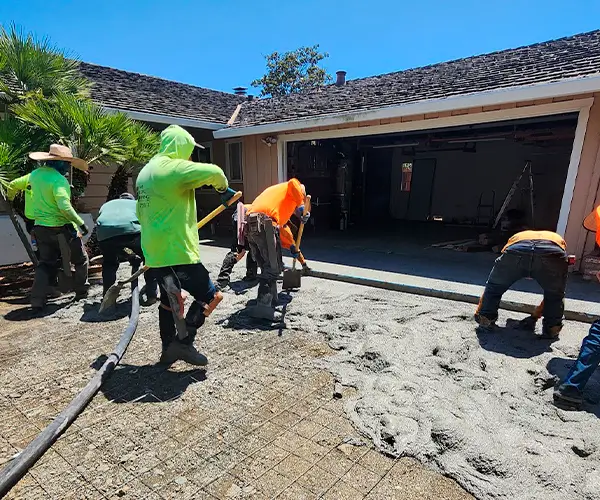
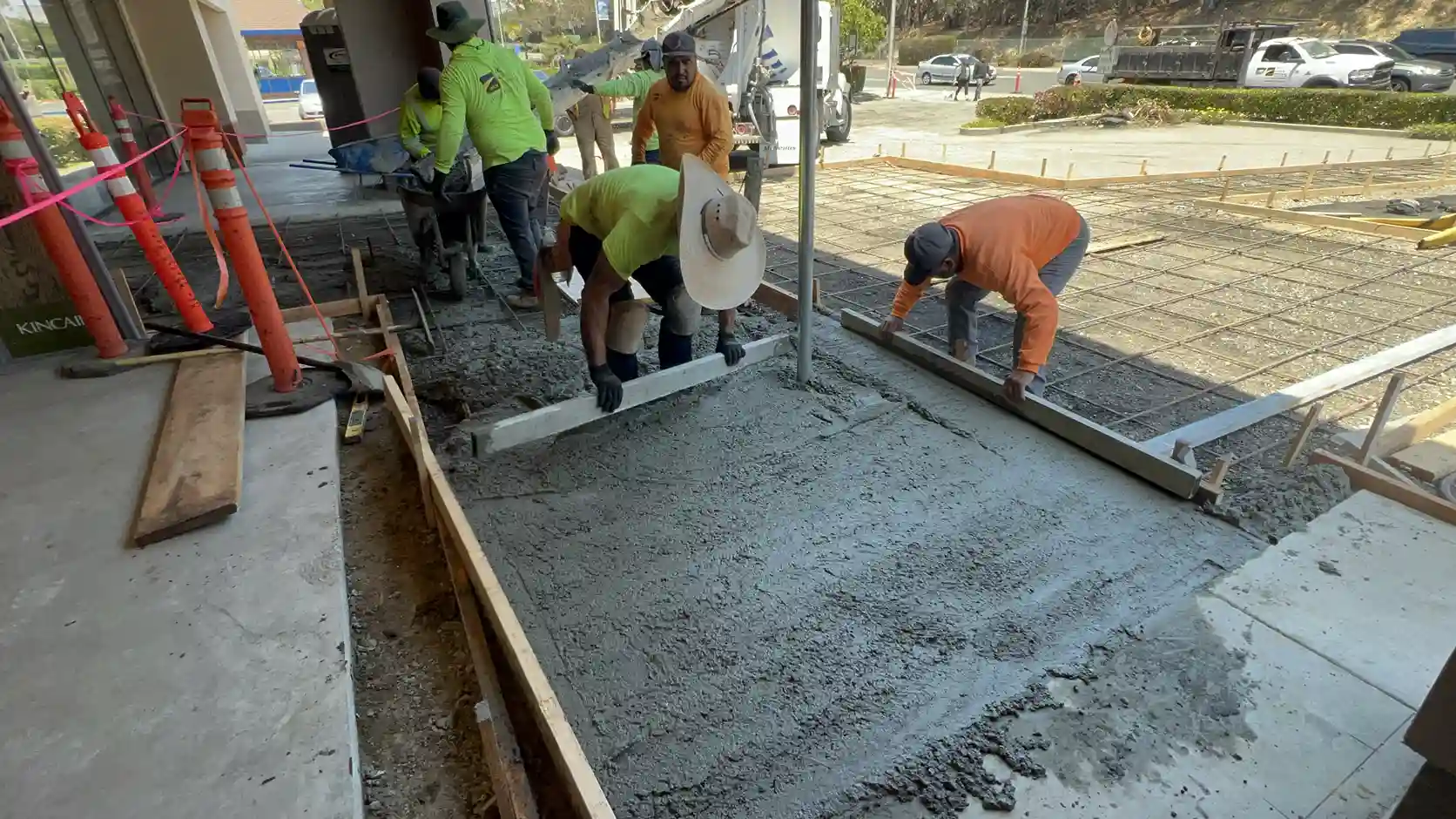
- Concrete: Durable and long-lasting, though more expensive upfront.
- Gravel: The most affordable option but less durable and less aesthetically pleasing.
- Pavers: More expensive but offer a high-end look and easy repairs.
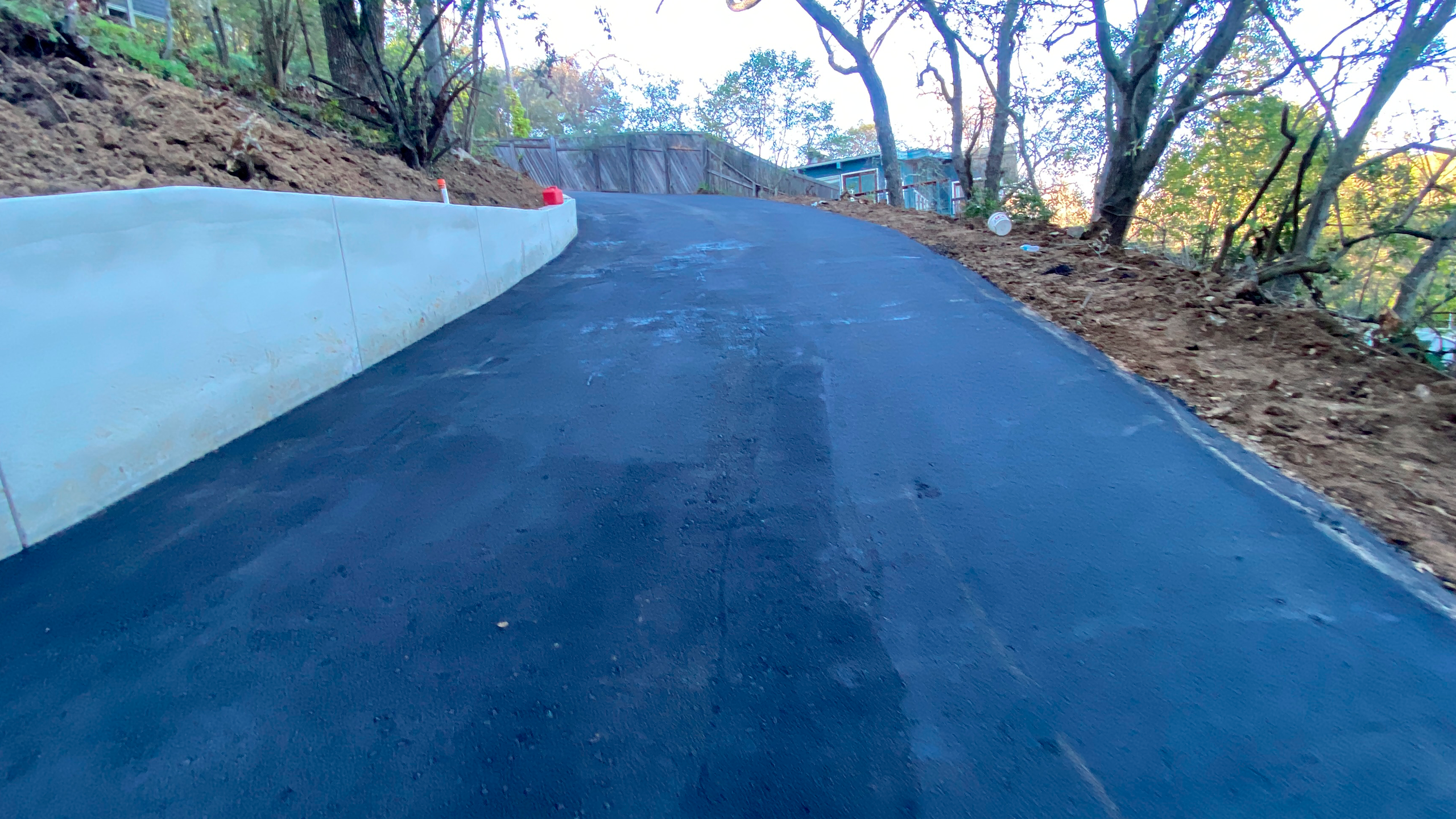
When searching for the cheapest driveway material, crushed gravel and recycled crushed concrete represent the most affordable entry-level options, typically costing between $1.50 and $3.00 per square foot installed. While loose aggregates require periodic raking and weed management, their low upfront price makes them ideal for long driveways or tight budgets. Hot-mix asphalt serves as the most cost-effective solid surface, averaging $4.00 to $7.00 per square foot installed. Asphalt delivers a clean, continuous pavement that easily handles heavy vehicle traffic when supported by a properly compacted aggregate base. Standard poured concrete starts higher at $6.00 to $10.00 per square foot, offering extended longevity with minimal upkeep, while interlocking pavers sit at the top end at $10.00 to $20.00 per square foot.
Driveway Material Cost & Lifespan Comparison
To select the cheapest driveway material for your property, evaluate upfront installation pricing alongside long-term upkeep expenses. Below is a direct breakdown of popular surface materials, average installed costs per square foot, expected service life, and routine maintenance requirements:
| Material Type | Initial Installed Cost | Average Lifespan | Key Upkeep Requirements |
|---|---|---|---|
| Crushed Gravel / Recycled Concrete | $1.50 – $3.00 / sq. ft. | 10 – 15 Years | Periodic Grading & Top-Offs |
| Hot-Mix Asphalt | $4.00 – $7.00 / sq. ft. | 15 – 25 Years | Sealcoating Every 3–5 Years |
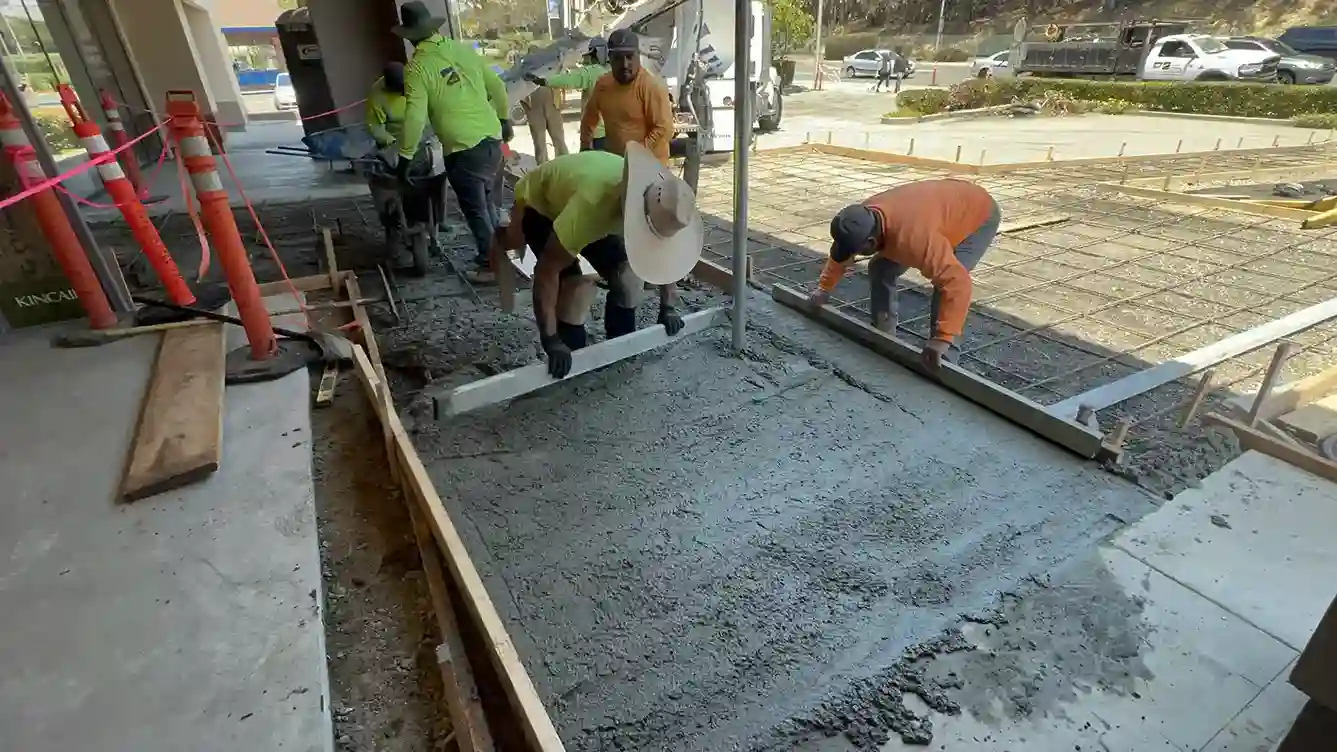
| Standard Poured Concrete | $6.00 – $10.00 / sq. ft. | 25 – 40 Years | Occasional Washing & Joint Sealing |
| Interlocking Concrete Pavers | $10.00 – $20.00 / sq. ft. | 30 – 50+ Years | Joint Sand Replenishment |
DIY Where Possible
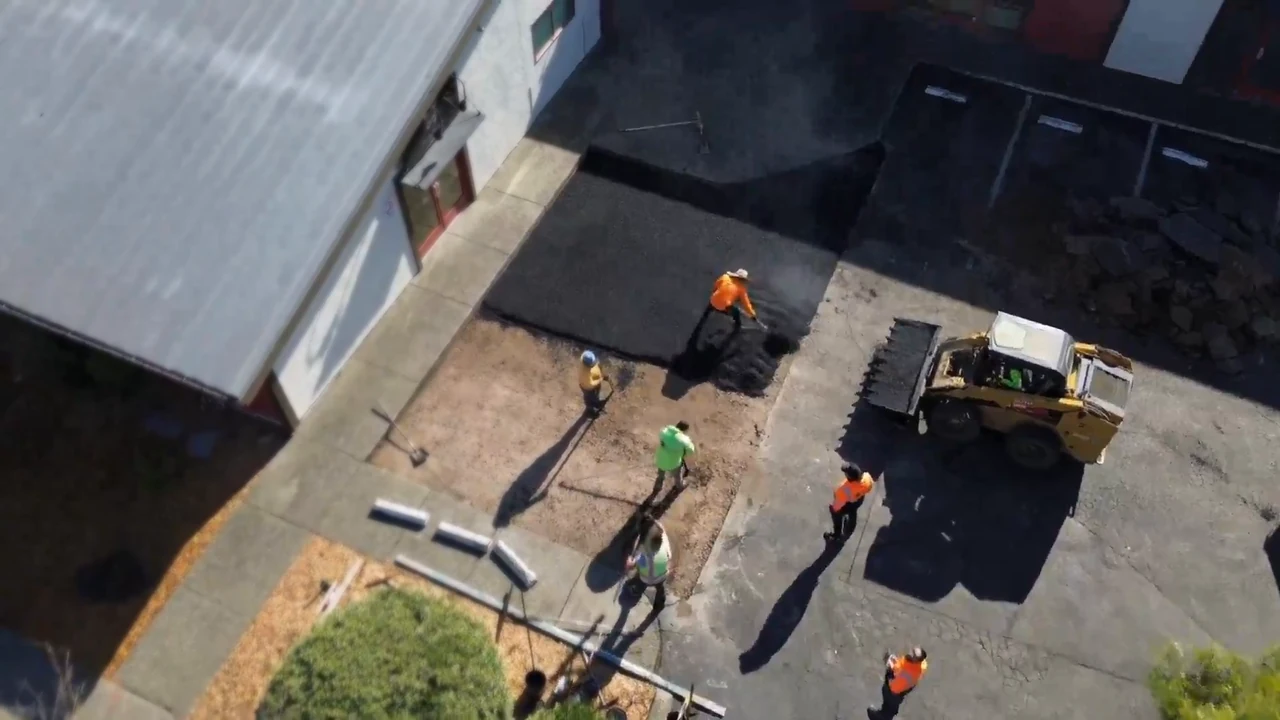
If you have some DIY skills, consider doing parts of the project yourself. Tasks like site preparation, removing old pavement, or even spreading gravel can be done without professional help, reducing labor costs.
Scheduling your driveway project during lower-demand periods can lead to meaningful savings. Off-season work often means better pricing, more contractor availability, and faster turnaround times. Planning ahead is one of the simplest ways to reduce paving costs without compromising quality.
Get Multiple Quotes
Contact several contractors for quotes. This allows you to compare prices and services. Ensure each quote includes a breakdown of materials, labor, and any additional costs. Be wary of quotes that seem too good to be true, as they might cut corners or use subpar materials.
Timing Matters
Paving contractors are usually busier during the spring and summer. Scheduling your project for the off-season (late fall or winter) might get you a discount. However, ensure the weather conditions are suitable for the chosen material.
Prepare the Site Properly
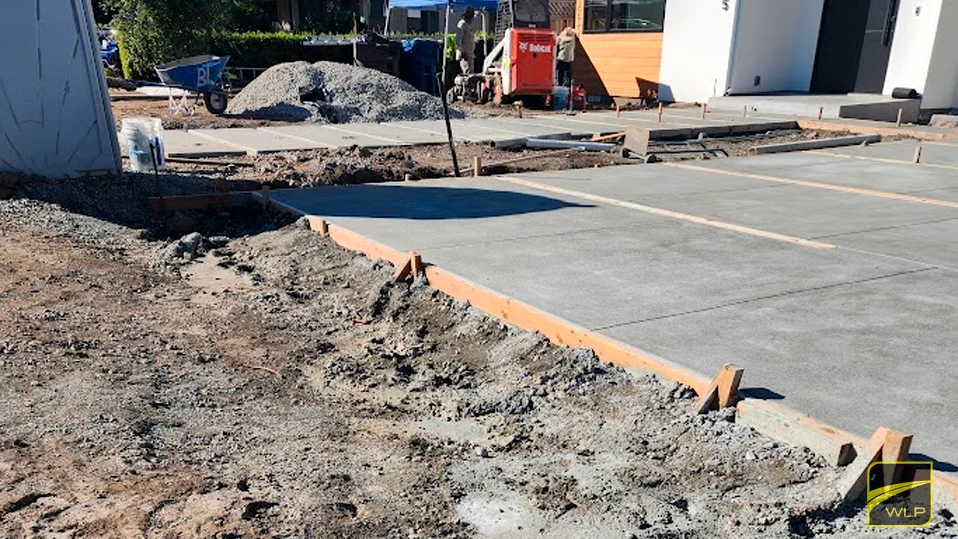
Proper site preparation protects low-cost materials from early deterioration. Installing a dense Class 2 aggregate base beneath loose gravel or asphalt prevents sinking and edge breakdown. Implementing preventive maintenance steps early, such as adding geotextile fabric below loose aggregates and maintaining clean drainage channels, ensures even the most affordable surface maintains its structural integrity for years.
Consider Overlaying
If your existing driveway is in relatively good condition, For existing surfaces with minor cosmetic wear, overlaying is often the most economical alternative to full excavation. Applying a fresh 1.5 to 2-inch hot-mix asphalt layer directly over a stable, cleaned foundation restores appearance and strength at approximately half the price of a total replacement. Consulting specialized driveway paving services ensures surface preparation and edge milling are handled accurately before placing the new cap.
Negotiate
Don’t be afraid to negotiate with contractors. Ask if they can match or beat a competitor’s price or if there are ways to reduce costs without compromising quality.
Maintain Your Driveway
Regular maintenance extends the life of your driveway, saving money in the long run. Seal asphalt driveways every 2-3 years, promptly fill cracks, and clean regularly to prevent damage from oil and other substances.
Look for Local Deals and Discounts
Check local suppliers and contractors for deals, discounts, or promotions. Sometimes, buying materials in bulk or partnering with neighbors for a group discount can reduce costs.
The existing condition of the ground plays a major role in total paving cost. A stable base with proper drainage reduces the need for excavation, reinforcement, or structural corrections. Addressing ground issues before selecting materials can significantly lower overall project expenses.
Permits, Regulations, and Final Project Value
Compliance with municipal building codes and drainage regulations is essential before breaking ground on any surface project. Skipping permit verification or ignoring localized zoning requirements can lead to stop-work orders, administrative fines, or mandatory reconstruction, completely eliminating any initial cost savings. At We Love Paving, our field teams always recommend factoring local permit processing into your initial planning phase to avoid unexpected financial burdens.
When evaluating the cheapest driveway material, separating upfront installation pricing from long-term ownership costs is critical. While low-cost aggregate surfaces require smaller initial outlays, they demand routine maintenance to preserve structural integrity. Conversely, investing in professional subbase preparation and heavy-duty materials like asphalt delivers higher overall durability. True cost-effectiveness balances fair material pricing, precise site preparation, and expert installation from day one.
Upgrading your entryway doesn’t have to exceed your budget. By selecting the right material for your daily vehicle loads, scheduling construction strategically, and committing to basic preventive care, you can achieve an attractive, long-lasting surface. Proper ground preparation and professional execution consistently pay off by extending pavement service life and eliminating premature repair expenses.