Preventive vs corrective maintenance is not a debate where one side always wins.
That is the lazy version of the comparison.
For asphalt pavement, parking lots, drive aisles, HOA roads, commercial properties, apartment communities, and shared access areas, both strategies have a place. Preventive maintenance helps protect pavement before serious deterioration takes over. Corrective maintenance addresses damage that already exists. The real question is not which one sounds better. The real question is which one matches the pavement condition right now.
A property owner who only uses corrective maintenance usually waits too long. Cracks widen. Water enters. Potholes spread. Striping fades. Drainage problems repeat. Repairs become larger, more disruptive, and harder to schedule.
A property owner who tries to use preventive maintenance on pavement that is already failing makes a different mistake. Sealcoating over broken asphalt, filling cracks over unstable base conditions, or restriping a damaged lot may improve appearance temporarily without solving the real problem.
The better approach is practical: know when pavement is still worth preserving and when it needs correction first.
Corrective Maintenance Is Necessary When Damage Has Already Spread
Corrective maintenance is work performed after a pavement problem already exists.
That may include pothole repair, patching, removal and replacement, drainage correction, edge repair, resurfacing, or other work needed to restore damaged areas. Corrective maintenance is not automatically bad. Sometimes it is the only honest answer.
The problem is when owners confuse corrective work with failure.
Corrective maintenance is not the failure. Waiting too long is the failure.
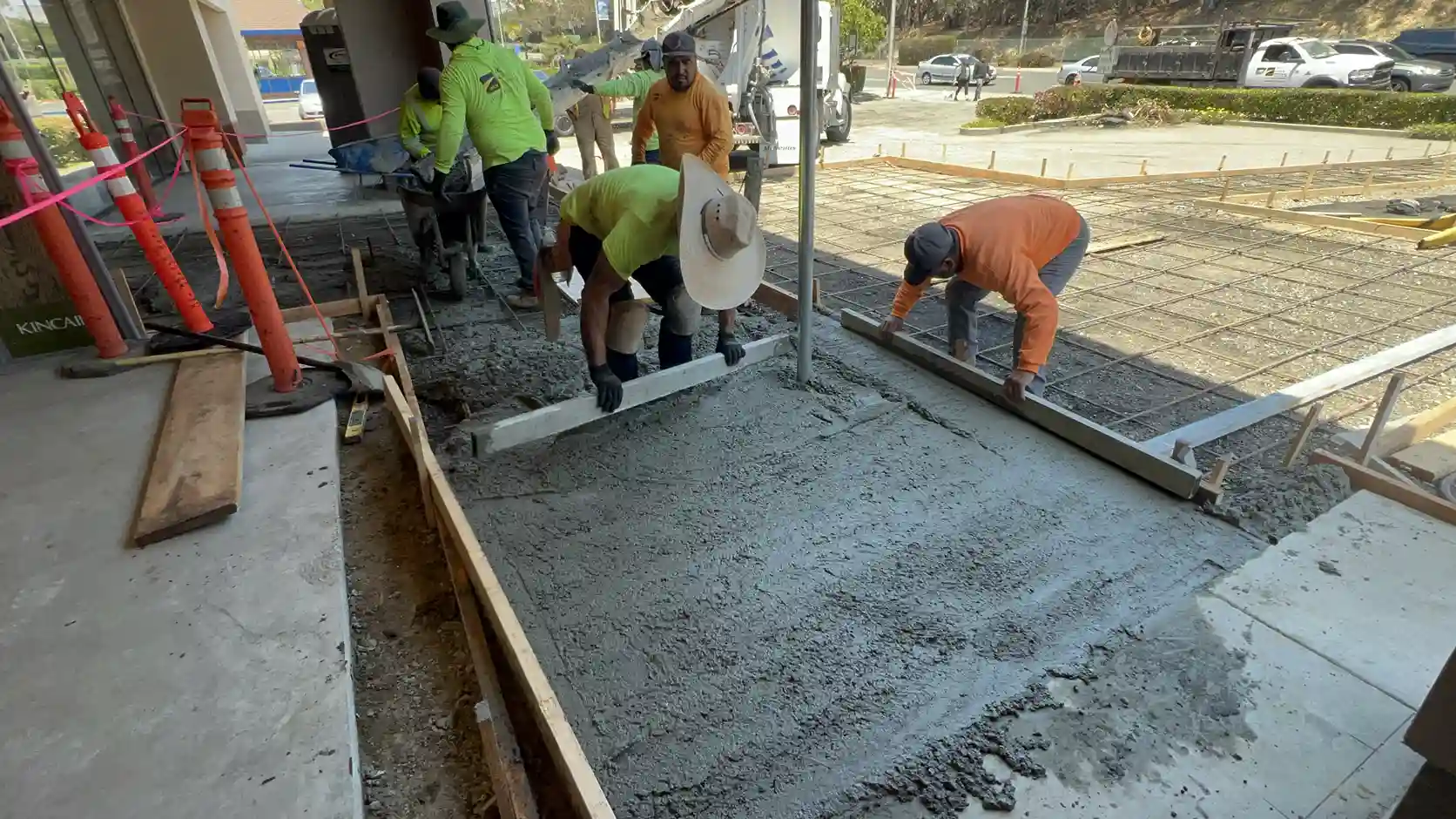
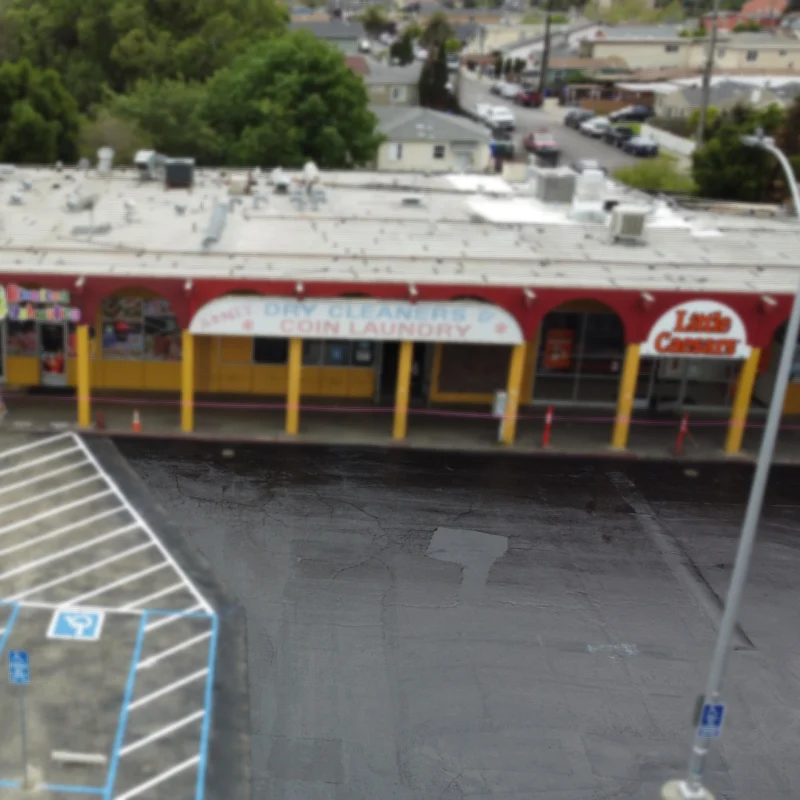
A parking lot with potholes, broken edges, recurring patch failure, widespread cracking, or unstable areas cannot always be solved with preventive treatments. If the pavement is already compromised, preventive work may be premature. The damaged areas need to be corrected before surface protection or striping makes sense.
This is especially true in high-use areas: entrances, drive aisles, loading zones, trash enclosure routes, accessible parking areas, and delivery lanes. These sections carry repeated stress, and small defects can spread faster than owners expect.
When defects have moved beyond early wear, parking lot repair becomes a more realistic conversation than pretending the lot only needs routine upkeep.
The Wrong Choice Usually Comes From Misreading the Pavement
The worst maintenance decisions happen when the property owner chooses the treatment before diagnosing the condition.
That is backwards.
A faded parking lot is not automatically a sealcoating candidate. A cracked lot is not automatically a reconstruction candidate. A pothole is not automatically an isolated patch. A rough surface is not automatically ready for resurfacing. The right choice depends on what is causing the visible condition.
Property teams should ask:
- Is the pavement still structurally stable?
- Are cracks isolated or forming connected patterns?
- Is water collecting in the same areas after rain?
- Are potholes appearing near traffic stress points?
- Are old patches failing again?
- Are surface treatments being considered before repairs?
- Is striping fading on stable pavement or damaged pavement?
- Is the issue cosmetic, functional, or structural?
The distinction matters because preventive maintenance works best before deep failure, while corrective maintenance becomes necessary after the pavement has already deteriorated.
The parking lot warning signs page fits this stage of the decision because the first job is not choosing a service. The first job is reading the lot correctly.
Preventive Maintenance Saves Money Only When It Is Timed Correctly
Preventive maintenance is often described as cheaper than corrective maintenance.
That is mostly true, but incomplete.
Preventive maintenance saves money only when it is applied at the right time. If the pavement is still stable, early maintenance can slow deterioration and reduce larger repairs. If the pavement has already failed, preventive treatment can become wasted spending.
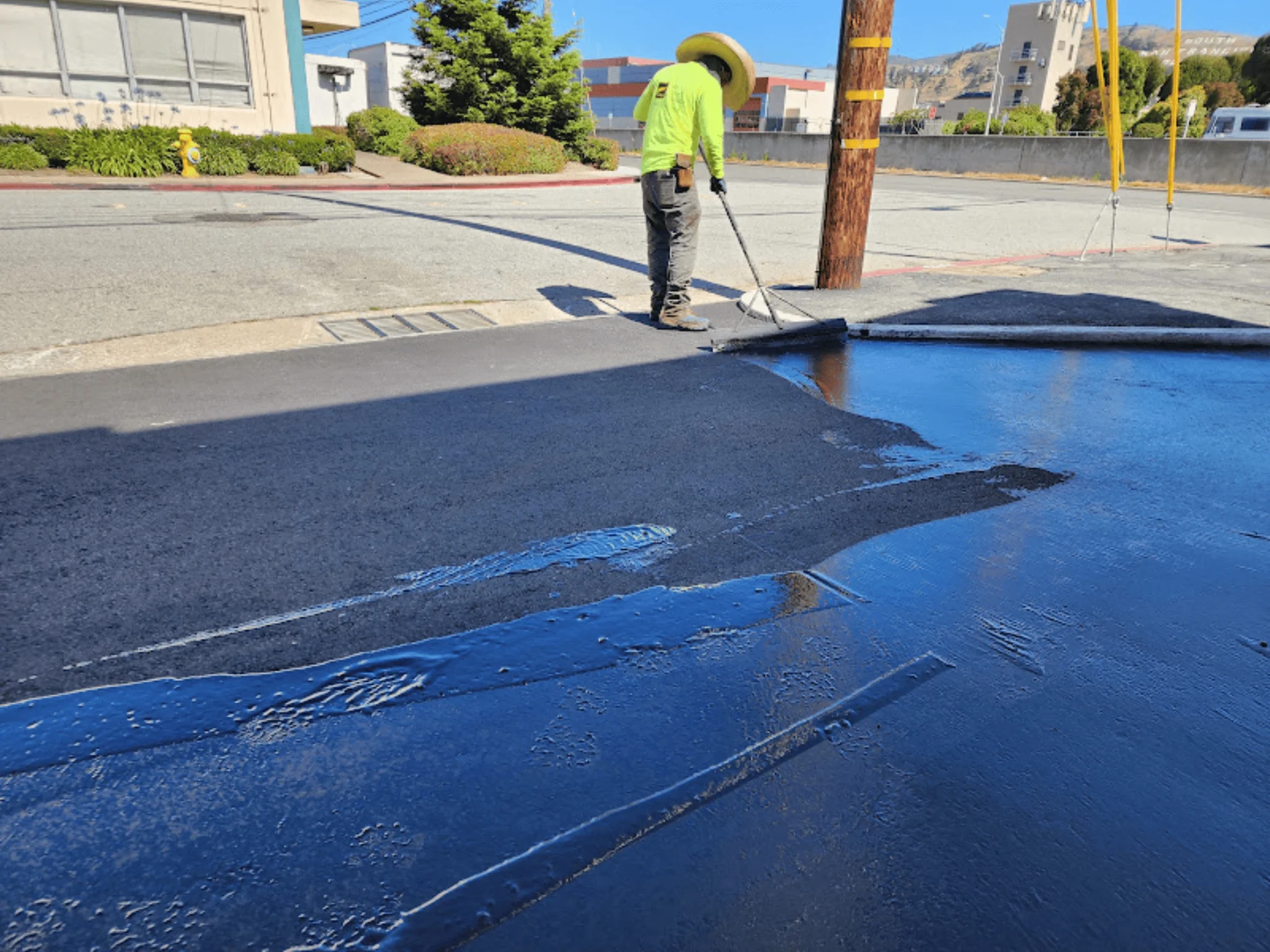
Sealcoating over failing asphalt is not prevention. It is disguise.
Crack filling over unstable base movement may not solve the underlying issue. Restriping over broken pavement may make a lot look organized for a short time, but it does not restore surface integrity. Cleaning and coating a drainage-damaged area does not correct water behavior.
This is why timing matters more than slogans.
Preventive maintenance should be used when the pavement still has enough condition left to preserve. Corrective maintenance should come first when pavement has already moved into failure. After correction, preventive maintenance can return as part of the long-term plan.
A property manager who understands that sequence will usually spend more intelligently than one who always chooses the cheapest visible treatment.
Corrective Maintenance Can Still Be Strategic
Corrective maintenance gets a bad reputation because it is often associated with emergencies.
But corrective maintenance can be strategic when it is planned.
A property owner may know that one section of pavement is failing faster than the rest of the lot. Correcting that section before it spreads can be smarter than continuing small temporary repairs. A drive aisle may need patching before sealcoating. A loading area may need reconstruction while the rest of the property only needs maintenance. A repeated pothole may require a deeper correction instead of another surface patch.
The key is to correct the cause, not only the symptom.
If the pavement keeps failing near a drain, the issue may involve water. If cracks keep returning near a patch, the surrounding structure may need review. If edges keep breaking near heavy vehicle turns, the traffic load may be too much for the existing condition.
Corrective maintenance becomes wasteful when it is repeated without asking why the defect keeps coming back.
For owners managing complex sites, the property manager perspective matters because the decision is not only technical. It involves budgeting, tenant communication, access, scheduling, and long-term property planning.
Crack Treatment Is the Borderline Case Between Both Strategies
Cracks are where preventive vs corrective maintenance often overlaps.
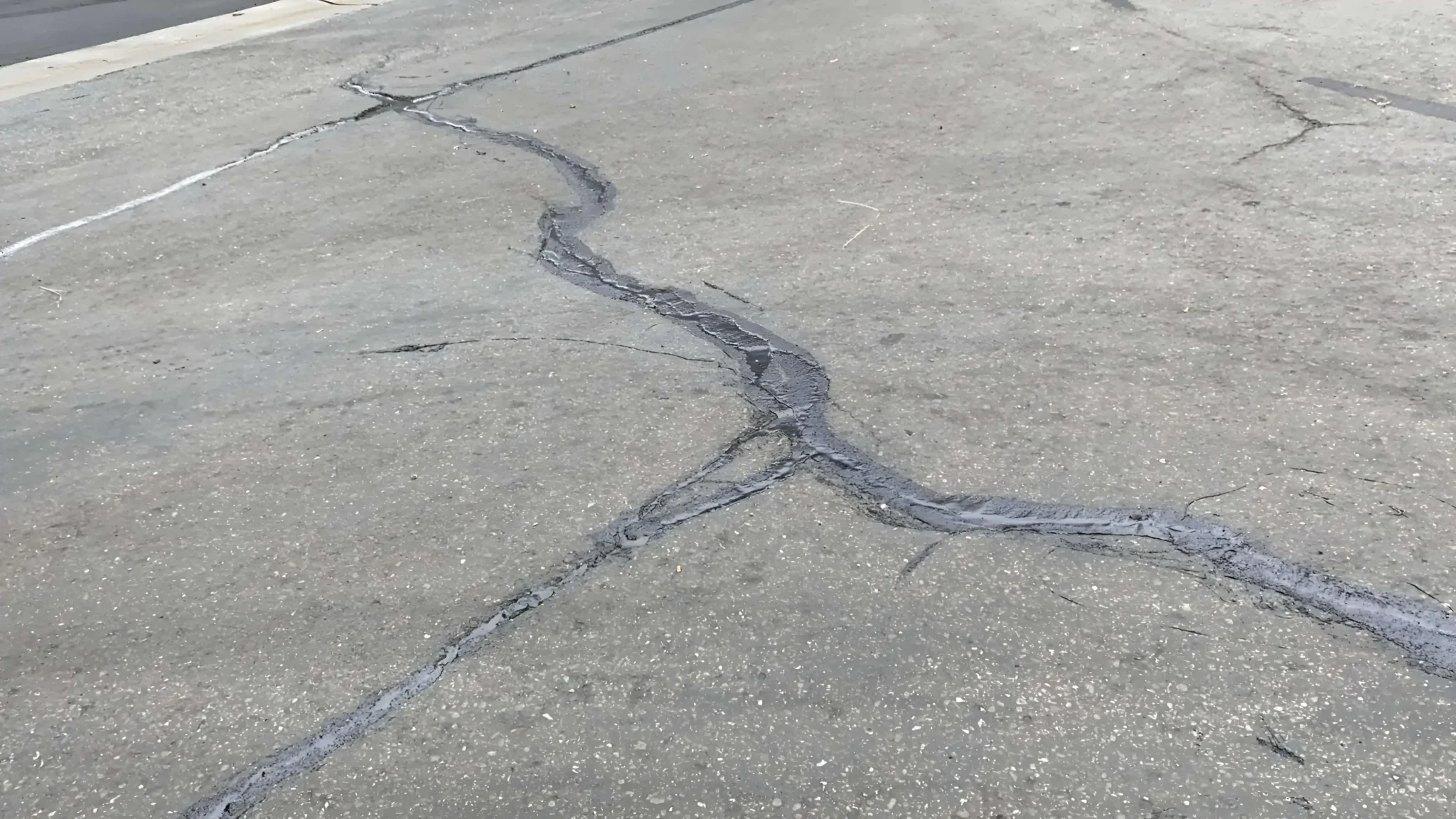
A clean, narrow crack in otherwise stable asphalt may be a preventive maintenance issue. Treating it early can reduce water entry and slow further deterioration. But a crack surrounded by loose pavement, sinking areas, potholes, or repeated failure may be a sign of a larger corrective problem.
This is why crack treatment should not be automatic.
The crack needs context.
Where is it located? Is it widening? Does it hold water? Is it near a drain, curb, patch, or drive aisle? Are the edges stable? Are similar cracks appearing nearby? Has the area failed before?
If the crack is still suitable for treatment, asphalt crack filling may support a preventive approach. If the surrounding pavement is already failing, crack filling alone may not be enough.
The weak assumption is that every crack can be handled the same way. It cannot. Some cracks are early warnings. Others are symptoms of damage already underway.
Replacement Becomes the Question When Correction Is No Longer Enough
There is a point where corrective maintenance stops making sense.
If a parking lot has widespread structural failure, repeated patch breakdown, severe drainage-related deterioration, major surface breakup, or pavement that no longer supports normal use, the owner may need to consider a larger scope. That does not mean replacement is always the answer. It means the property has moved beyond routine maintenance thinking.
At this stage, the question changes.
The owner is no longer asking, “How do we preserve what we have?” The better question becomes, “Is this pavement still worth correcting in pieces, or is a larger replacement plan more rational?”
For commercial properties with extensive failure, commercial pavement replacement may be part of that discussion. The decision should be based on condition, traffic, drainage, budget, disruption, and ownership goals.
This is where preventive maintenance proves its value indirectly. It does not eliminate eventual replacement forever. It helps delay unnecessary replacement by keeping the pavement in a manageable condition longer.
The Better Strategy Is a Maintenance Ladder
Preventive vs corrective maintenance should not be treated as two isolated boxes.
It works better as a ladder.
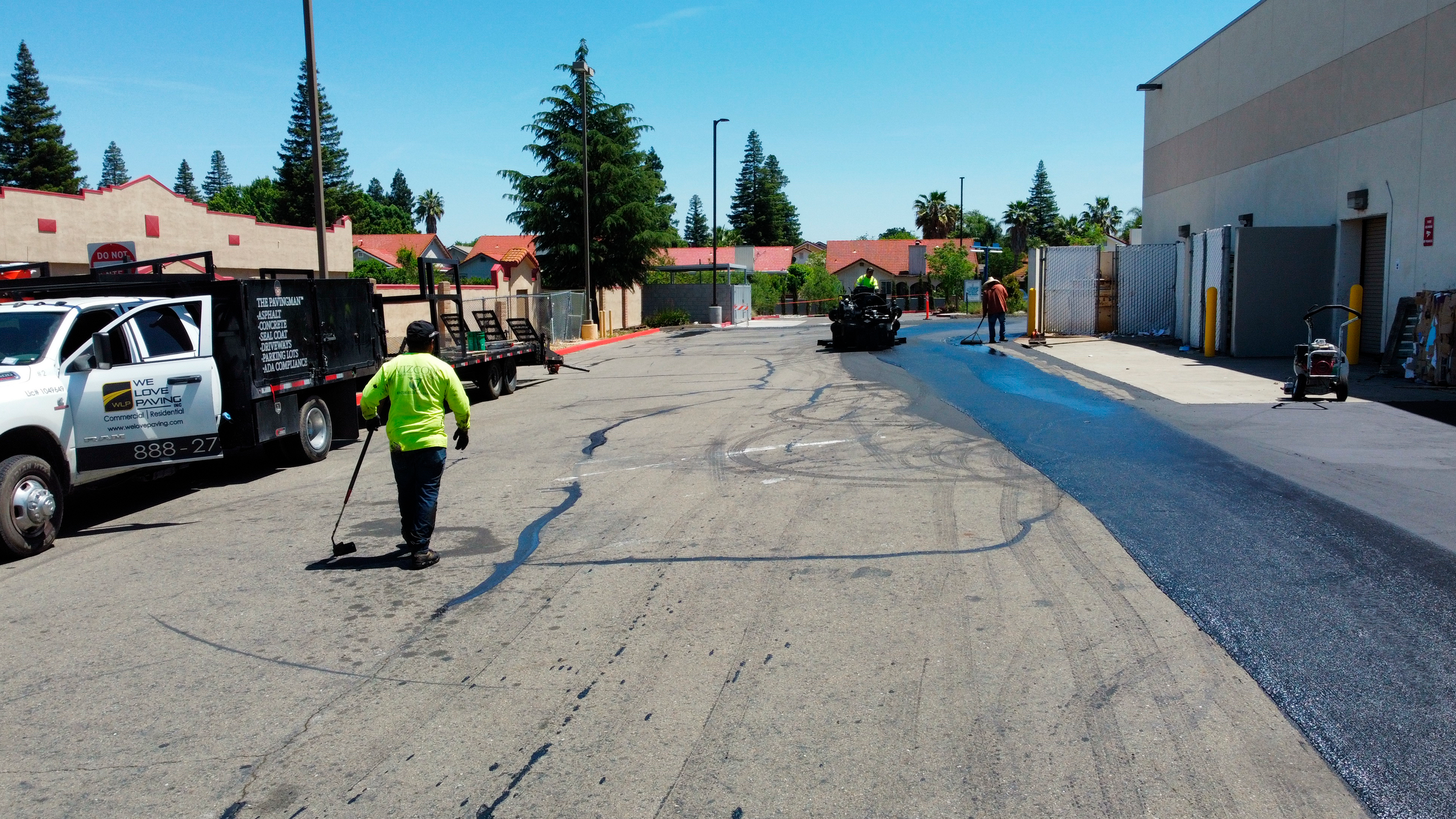
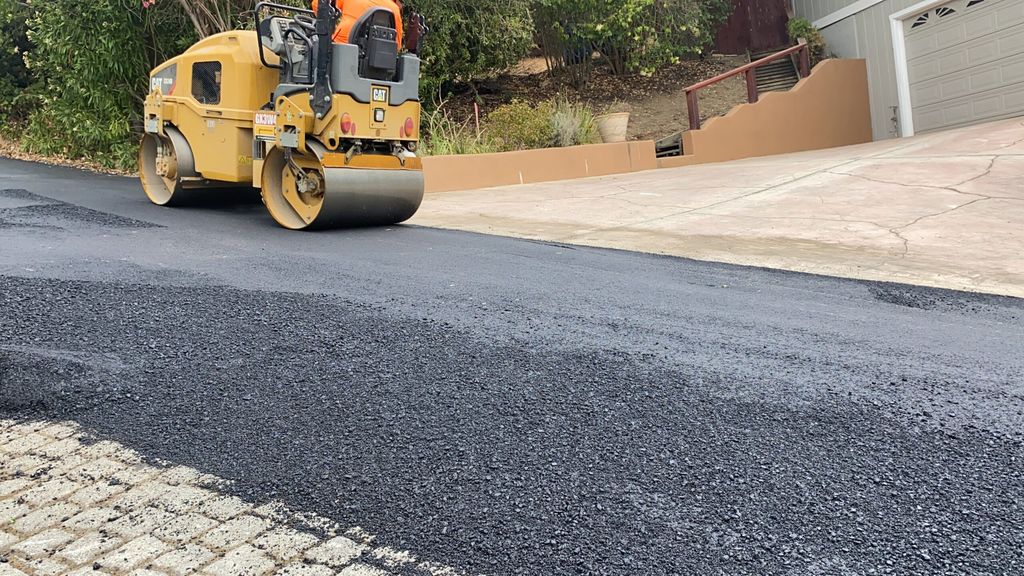
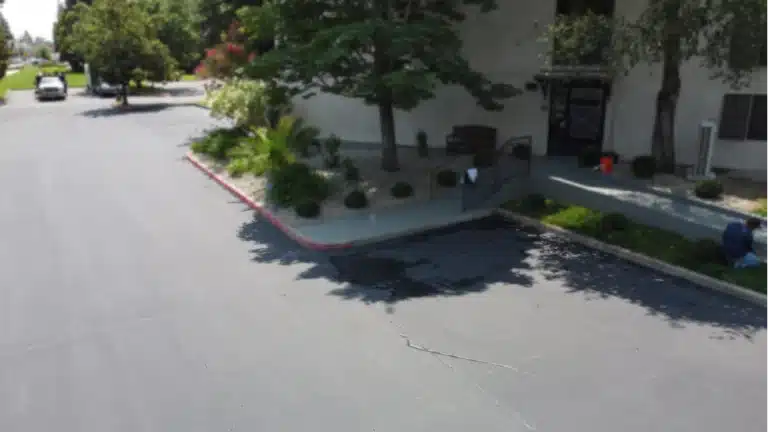
At the bottom, the pavement is stable and needs observation, cleaning, crack review, sealcoating when appropriate, and striping. That is preventive territory.
In the middle, the pavement has localized failures. Some areas need patching, crack correction, drainage attention, or edge repair. That is corrective maintenance combined with preventive planning.
At the top, the pavement has widespread failure. The owner may need resurfacing, reconstruction, or replacement planning. Preventive maintenance no longer solves the main issue until the failed condition is corrected.
This ladder helps property owners avoid two expensive mistakes: underreacting to real failure and overreacting to manageable wear.
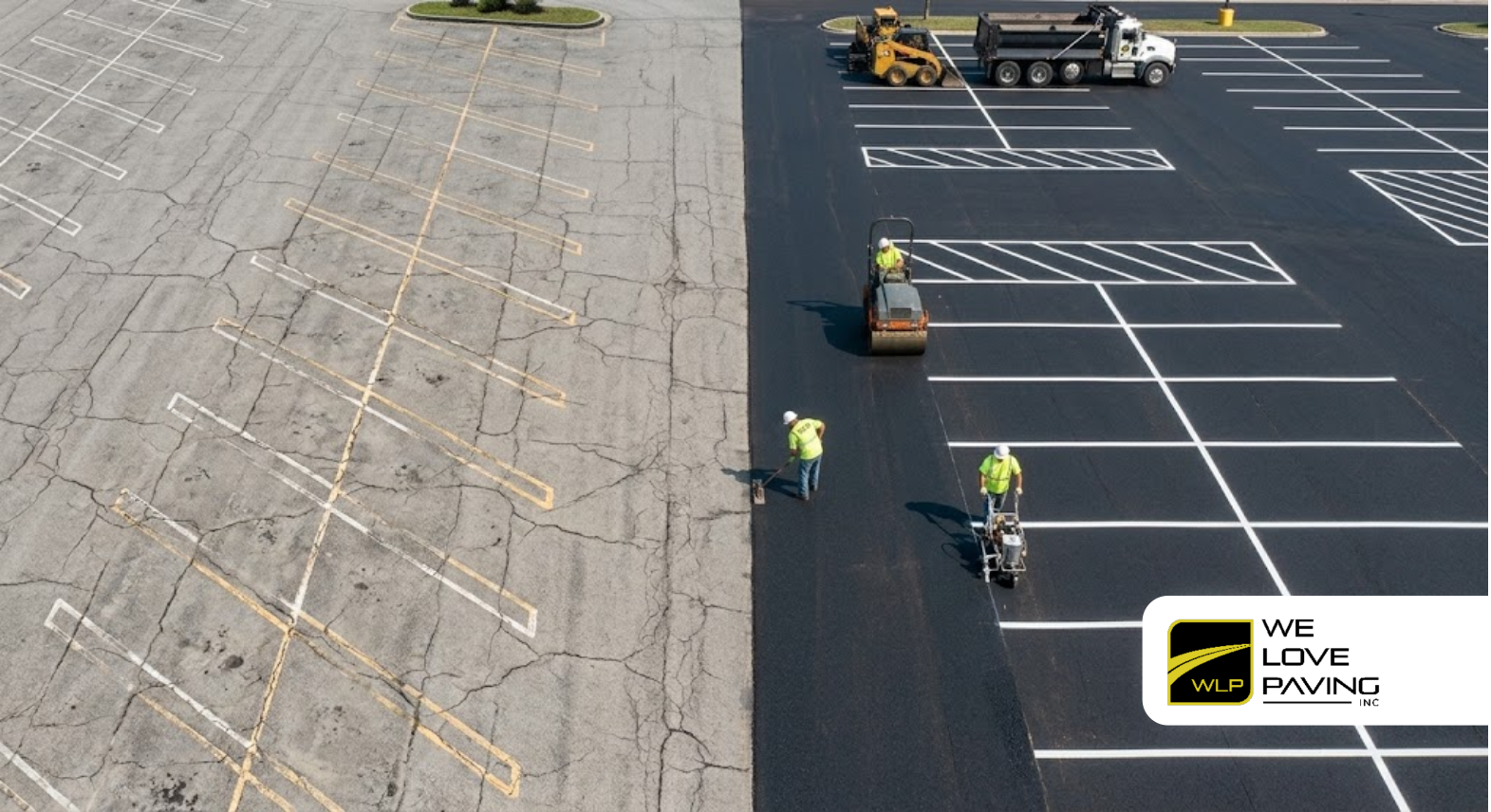
The smartest plan often combines both approaches. Correct what has failed. Prevent the rest from failing sooner than necessary. Then keep reviewing the lot before the next stage becomes unavoidable.
Choose the Strategy Based on Condition, Not Habit
Preventive vs corrective maintenance only makes sense when the pavement is assessed honestly.
If the asphalt is stable, preventive maintenance can save time, reduce disruption, and protect the property from avoidable deterioration. If the asphalt has already failed, corrective maintenance is not optional. It is the responsible next step. If failure is widespread, replacement planning may be more realistic than repeated repairs.
The wrong answer is choosing based on habit.
Some owners always delay until repairs are unavoidable. Others keep applying surface treatments because they are less disruptive than confronting deeper issues. Both approaches can waste money.
At We Love Paving, we look at preventive and corrective maintenance through a practical property-management lens: what condition the pavement is actually in, which areas are still worth preserving, which defects need correction first, and how the maintenance plan can reduce disruption instead of simply reacting to failure.