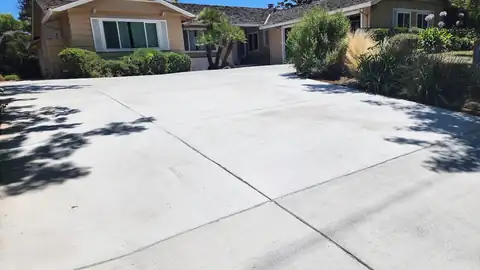
Proper pavement maintenance is essential for maintaining the functionality, safety, and aesthetics of any property. From driveways to parking lots, pavements endure constant stress from traffic, weather conditions, and time. Understanding the most common pavement problems and their solutions can help property owners take timely action, reducing repair costs and prolonging the life of their paved surfaces. Below, we explore five frequent issues and practical methods to address them.
Evaluation Standards: The Pavement Condition Index (PCI) For professional road asset management, a superficial visual inspection is not enough. Experts rely on the Pavement Condition Index (PCI), a numerical standard (based on ASTM D6433) that rates surface condition from 0 to 100. A score below 70 indicates that the pavement has entered an accelerated degradation phase. Identifying distresses under these technical parameters allows for prioritizing interventions before structural damage requires total reconstruction, optimizing the asset’s life cycle and ensuring compliance with road safety regulations.
1. Cracking
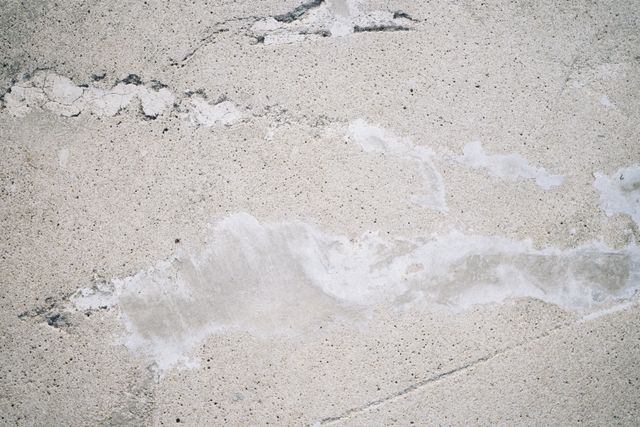
Cracks are perhaps the most noticeable and common issue. They occur due to a variety of factors such as temperature fluctuations, heavy loads, and improper installation. Cracks not only mar the surface but also allow water to seep into the pavement layers, leading to more significant damage over time.
Climate Impact and the Freeze-Thaw Cycle Crack vulnerability depends critically on the geographic context. In regions with extreme thermal variations, the freeze-thaw cycle acts as a catalyst for destruction. Water seeping into fissures expands by 9% when freezing, exerting internal pressure that fractures the asphalt from within. Conversely, in arid climates, UV radiation oxidation degrades bituminous binders, rendering the pavement stiff and brittle. Understanding these environmental factors is vital for selecting sealants that maintain the necessary elasticity according to local thermal conditions.
Solutions:
- Seal Coating: Minor cracks can often be addressed with a seal coat, which adds a protective layer to the surface and prevents water penetration.
- Crack Filling: For larger cracks, a flexible filler material can be applied to seal the gaps and prevent further deterioration.
- Resurfacing: In cases where cracks are widespread, a fresh overlay of asphalt can restore the pavement’s integrity and appearance.
2. Potholes
Potholes are a more severe version of cracks that have been neglected. They form when water infiltrates the surface and erodes the base layers, causing sections of the surface to collapse. Potholes not only damage vehicles but also pose safety risks to pedestrians and drivers.
Solutions:
- Cold Patch Repairs: This quick and cost-effective solution is ideal for small potholes and provides immediate relief, especially in emergency situations.
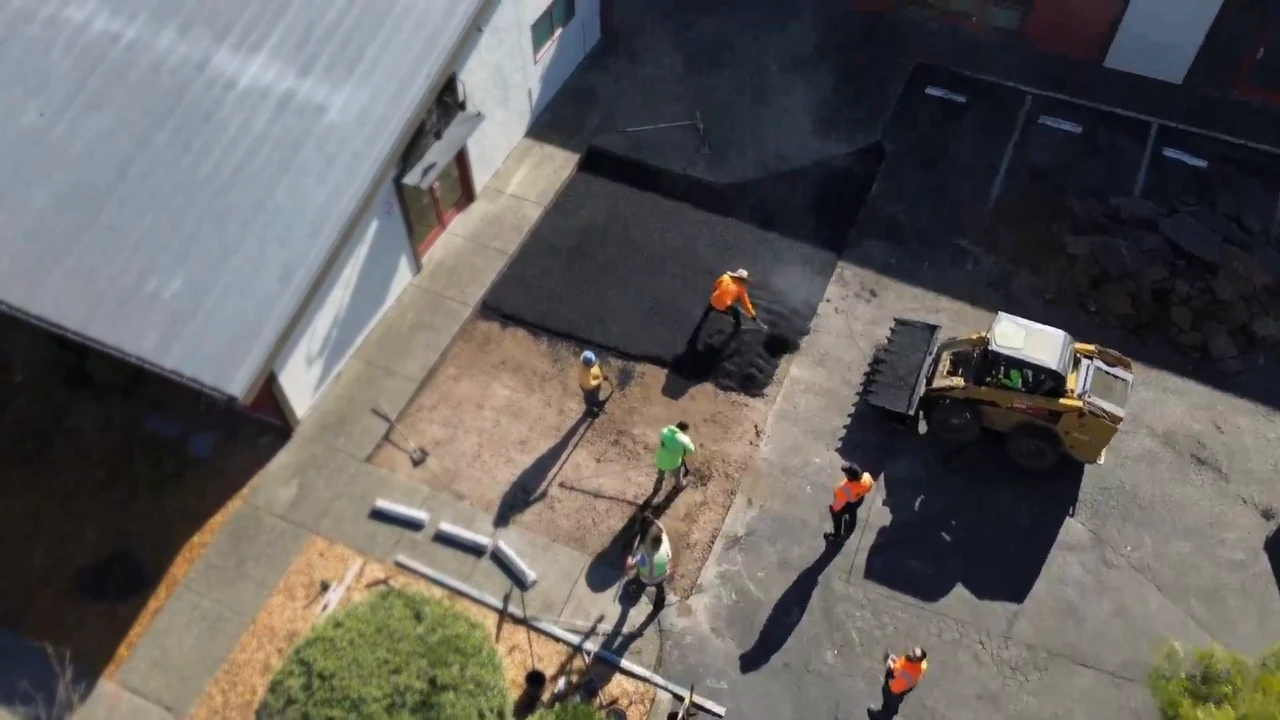
- Hot Mix Asphalt: For a more permanent fix, hot mix asphalt should be used. The damaged area is cleaned, filled, and compacted for a smooth finish.
- Preventive Maintenance: Regularly inspect and repair cracks before they evolve into potholes, saving time and money in the long run.
3. Rutting and Depressions
Rutting refers to grooves or indentations in the pavement caused by repeated traffic loads, while depressions are localized low spots that collect water. These issues not only reduce the pavement’s aesthetic appeal but can also lead to further structural damage if left unaddressed.
Solutions:
- Resurfacing: Adding a new layer of asphalt can level the surface and restore its appearance and functionality.
- Reconstruction: In severe cases, the affected section may need to be completely removed and rebuilt to ensure stability and longevity.
- Load Management: Limiting the weight and frequency of heavy vehicles on the pavement can help prevent rutting.
4. Alligator Cracking
Alligator cracking, also known as fatigue cracking, is a series of interconnected cracks that resemble the scales on an alligator’s back. This problem indicates a failure in the structural layers often due to an unstable base, poor drainage, or overloading.
Structural Failure and the Resilient Modulus Unlike surface cracks, alligator cracking is a symptom of a load-bearing capacity failure. This frequently occurs when the sub-base loses its resilient modulus due to water saturation or deficient compaction during the original installation. When the underlying structure shifts under heavy traffic loads, the asphalt (which is flexible) fatigues until it fractures in this characteristic pattern. Failing to address base instability before repaving guarantees the problem will reappear within 24 months, turning an inexpensive repair into a recurring expense.
Solutions:
- Full-Depth Repairs: The damaged section must be completely excavated, and the base layers stabilized before repaving the surface.
- Drainage Improvements: Proper drainage systems can help prevent water accumulation, which is a significant cause of alligator cracking.
- Strengthening the Base: Reinforcing the pavement base with better materials ensures long-term durability.
5. Fading and Surface Wear
Over time, exposure to UV rays, weather elements, and traffic wear can cause to fade and lose its smooth surface. Faded pavement not only looks unattractive but also becomes more susceptible to cracking and other damage.
Solutions:
- Seal Coating: Regular applications of sealant help protect the surface from UV rays and restore its dark, polished appearance.
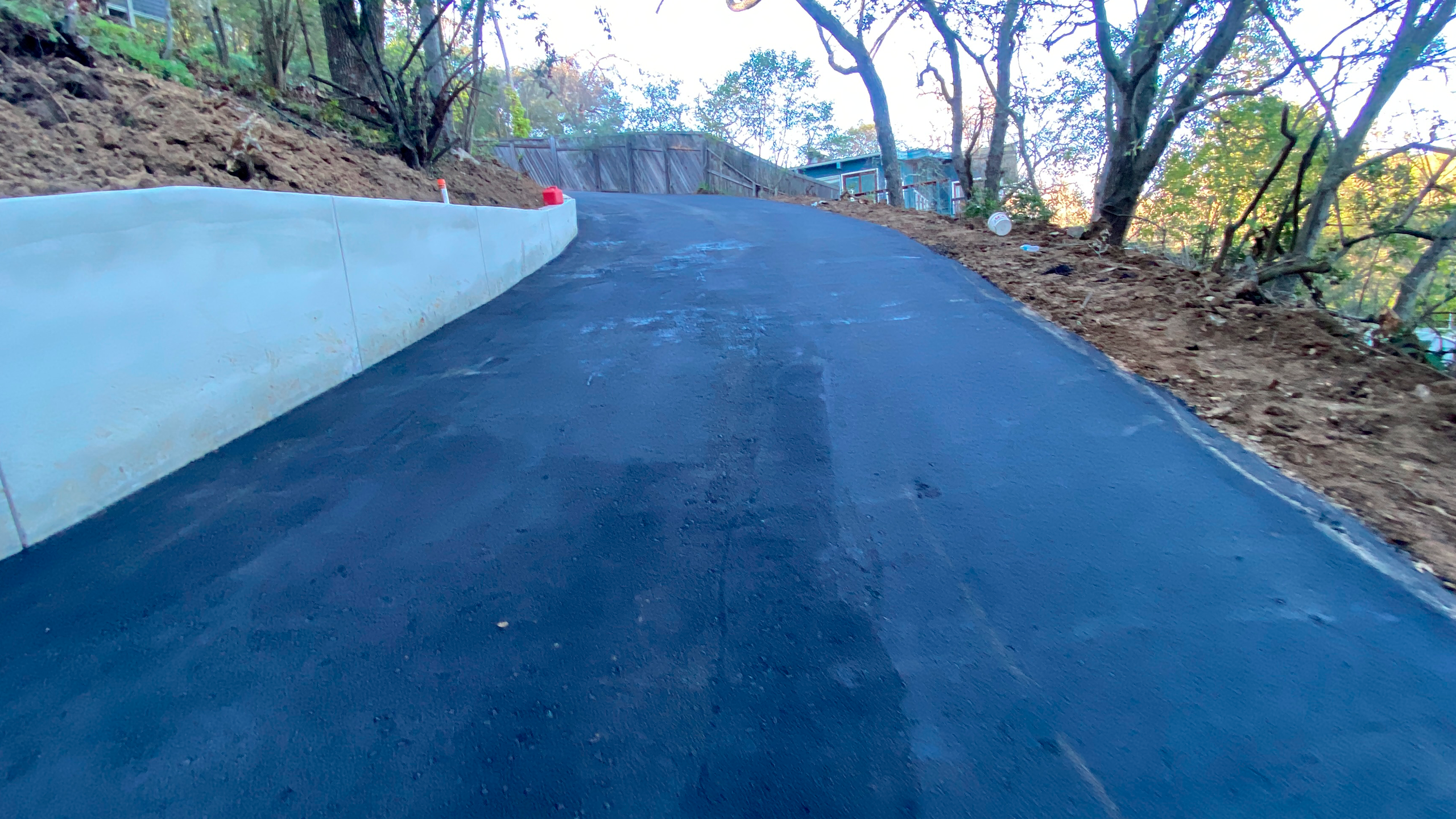
- Resurfacing: When the wear is severe, adding a new layer of asphalt can rejuvenate the pavement and extend its life.
- Routine Cleaning: Keeping the pavement free of debris and oil stains can prevent surface wear from accelerating.
The Importance of Preventive Maintenance
While these problems are common, they are largely preventable with regular maintenance and timely repairs. Here are some tips to ensure your surface stays in top condition:
- Inspect Regularly: Conduct routine inspections to identify minor issues before they escalate.
- Invest in Quality Materials: High-quality asphalt, sealants, and fillers offer better protection and longevity.
- Address Drainage Problems: Proper drainage prevents water damage, which is a leading cause of pavement deterioration.
Return on Investment (ROI) of Preventive Maintenance
Data-driven pavement management demonstrates that proactive maintenance is significantly more cost-effective than reactive rehabilitation. Below is a comparison of the estimated life cycle:
| Strategy | Typical Intervention | Relative Cost | Life Span Extension |
| Preventive | Seal Coating / Crack Filling | $ | 5 – 7 years |
| Corrective | Resurfacing (Overlay) | $$$ | 10 – 15 years |
| Reconstructive | Full-Depth Repair |
$ |
20+ years |
Why Proper Maintenance Matters
Ignoring pavement problems can lead to higher repair costs, safety hazards, and decreased property value. Whether it’s a residential driveway or a commercial parking lot, well-maintained pavement not only enhances curb appeal but also improves functionality and safety.
By addressing issues like cracks, potholes, and fading early, you can prolong the life of your pavement and avoid costly repairs. Proactive maintenance is an investment that pays off in both the short and long term, ensuring your paved surfaces remain durable and visually appealing for years to come.