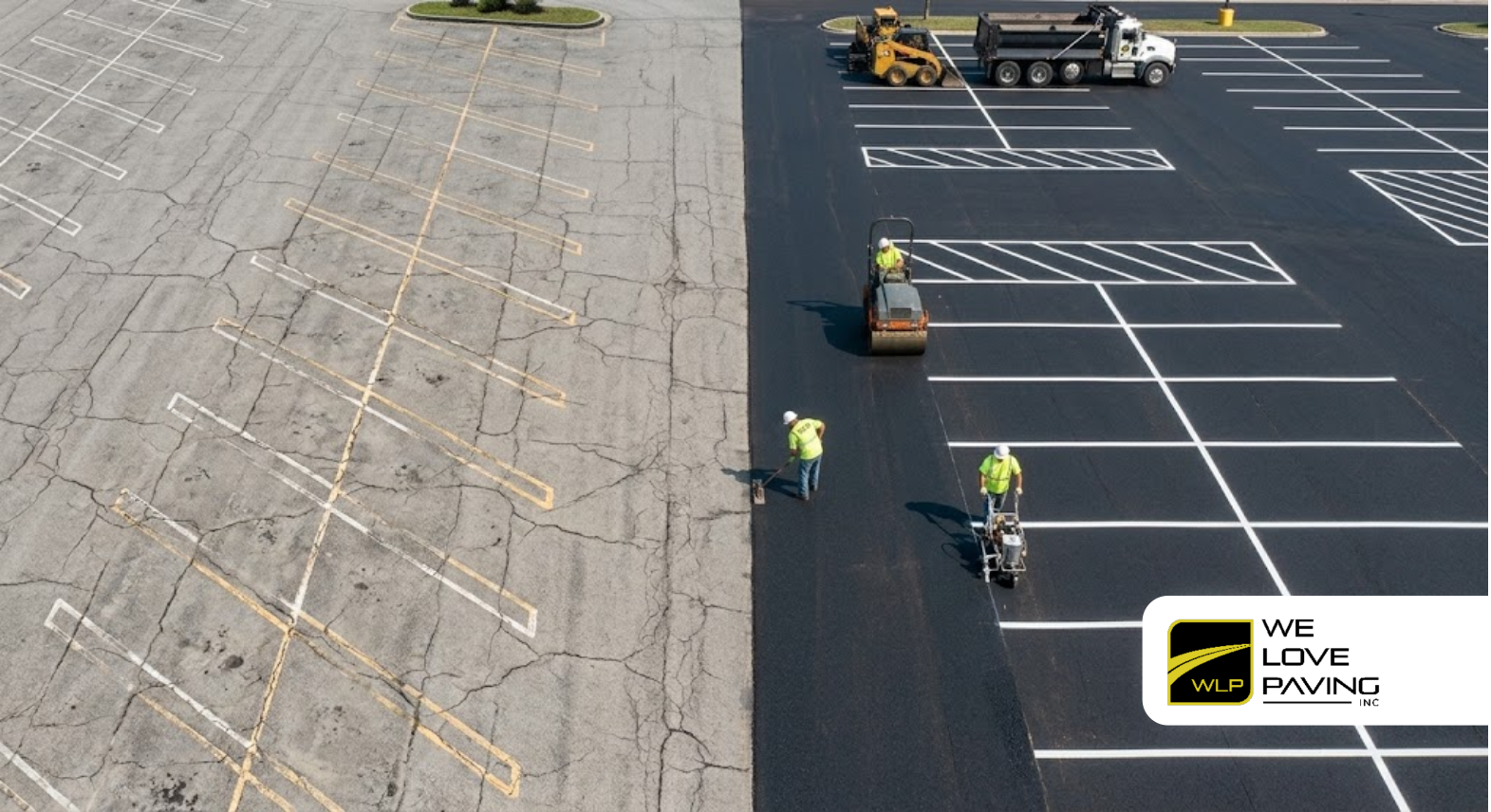
Pavement Density Testing: Why Compaction Is the #1 Factor in Asphalt Longevity

Estimation Tools

Calculate costs in seconds

Fast, accurate estimates that help you close more jobs. Less guesswork, more profit.

It’s Not the Mix — It’s the Density

When it comes to asphalt pavement, most property owners focus on the mix. But the truth is, the quality of your asphalt mix matters far less than how well it’s compacted.
Even the best hot mix asphalt will fail prematurely if it’s not properly densified. That’s why pavement density testing is one of the most critical — and often overlooked — steps in the paving process.

At We Love Paving, we measure success not just by how smooth your parking lot looks on day one, but by how well it holds up ten years later.


Why Compaction Matters

Asphalt starts out as a mix of aggregates, sand, and bitumen binder. Right after paving, the material is hot, flexible, and full of air voids.
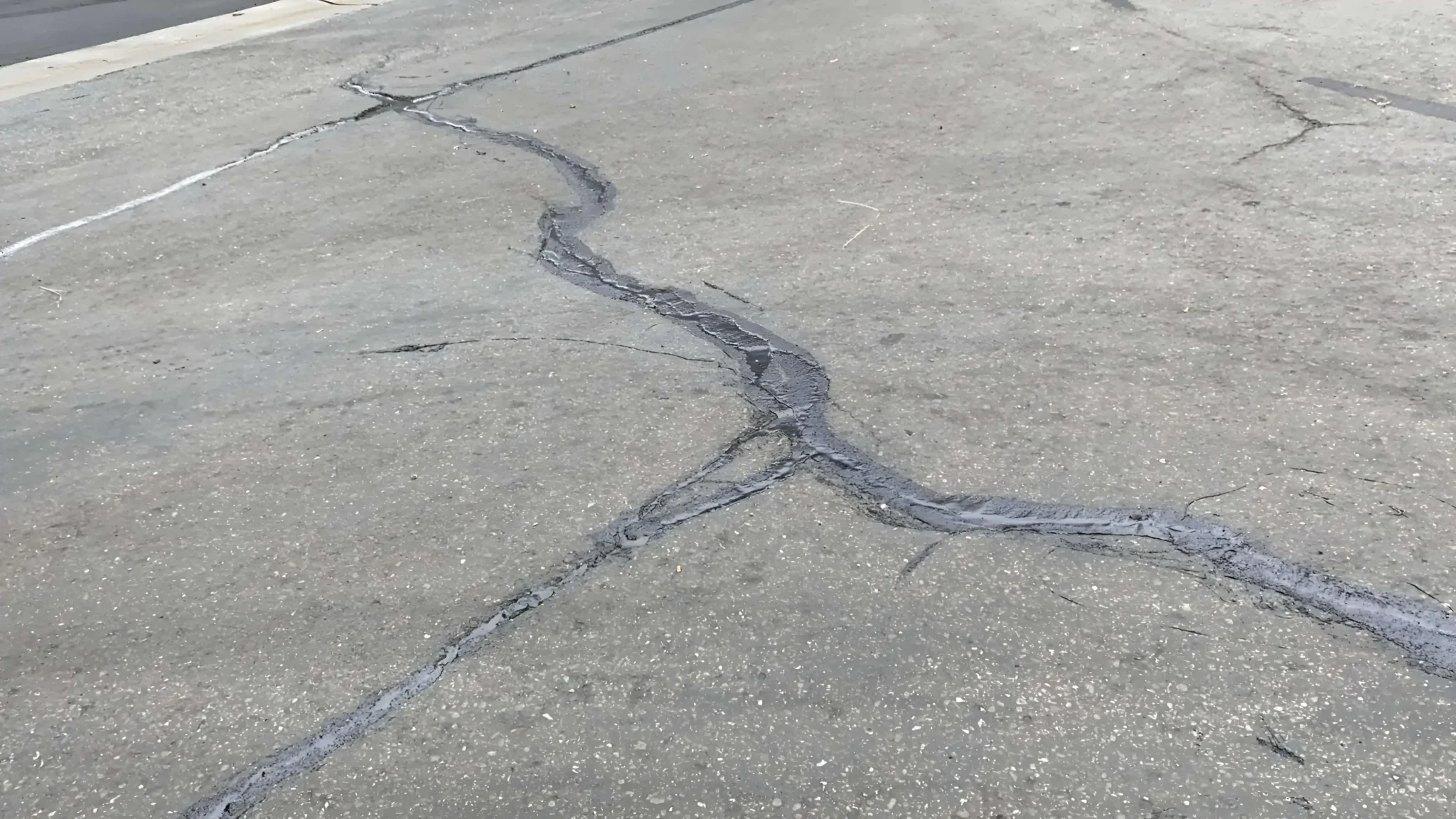
If too many of those voids remain after compaction, water and oxygen can penetrate the surface — leading to:

  • Raveling (loose aggregate separating from the surface)

  • Oxidation and brittleness

  • Cracking and potholes within a few seasons

Proper compaction compresses the mix to the ideal 92–96% of its maximum theoretical density, which locks particles together and limits voids to the optimal 4–8% range.

💡 Think of it like concrete without air pockets — the denser it is, the stronger and longer it lasts.


How Density Is Tested on a Jobsite

Professional paving isn’t guesswork. It’s measurement and verification.
Here are the main methods used to test density in the field:

1. Core Sampling (ASTM D2726)

Small cylindrical samples (typically 4–6 inches in diameter) are drilled and sent to a lab.
Technicians weigh the samples in air and water to calculate density and compare it to the maximum theoretical value.
Pros: Highly accurate
⚠️ Cons: Destructive (leaves small holes to patch)

2. Nuclear Density Gauge (ASTM D2950)

This device emits low-level gamma radiation to measure the density and moisture content without damaging the surface.
It gives instant readings, allowing crews to adjust roller patterns on the fly.
Pros: Fast, non-destructive
⚠️ Cons: Requires certification and calibration

3. Intelligent Compaction (IC)

The latest paving machines use GPS and onboard sensors to monitor compaction in real time.
IC maps out roller passes and identifies areas needing additional coverage — improving consistency and eliminating human error.
Pros: High precision, data-driven
⚠️ Cons: Higher cost and limited availability


The Relationship Between Density and Pavement Life

Every 1% drop in asphalt density can reduce pavement life by up to 10%.
Inadequate compaction leads to micro-voids that absorb water and accelerate oxidation, turning flexible asphalt into brittle material far sooner than expected.
Over the years, that difference adds up to thousands of dollars in repairs or full replacement costs that could’ve been avoided with proper testing.


We Love Paving’s Quality Control Standards

At We Love Paving, we treat every commercial job as if it were a DOT project.
Our process includes:

  • Monitoring mat temperature and rolling patterns throughout paving

  • Conducting nuclear density readings on every project over 10,000 sq ft

  • Documenting average density results for transparency and quality assurance

  • Using vibratory steel and pneumatic rollers to achieve uniform compaction

The result: surfaces that remain smooth, watertight, and structurally sound for decades.


How Business Owners Benefit

For property managers and business owners, proper compaction means:

  • Fewer repairs and lower long-term maintenance costs

  • Improved curb appeal — surfaces stay smooth and dark longer

  • Reduced liability from trip hazards and surface degradation

  • Higher ROI from a pavement that truly lasts


Final Thoughts

Perfect paving isn’t just about appearance — it’s about density.
A parking lot that looks flawless today but lacks proper compaction will begin to fail within a few years.
That’s why We Love Paving invests in density testing, temperature monitoring, and advanced rolling techniques to deliver pavement that’s built to last.


Ready to Test the Strength of Your Pavement?

Get a free on-site evaluation and see if your asphalt meets industry compaction standards.
👉 Contact We Love Paving today for a professional density test and maintenance plan.

Need Immediate Help?

Let's Talk About Your Project

Don't wait until minor damage turns into major expenses. Our team of experts is ready to provide you with guaranteed solutions. Contact us now for direct advice from a professional.

Frequently Asked Questions (FAQ)

Got Questions? Find Your Answers Here!!

Why is pavement critical for property safety and functionality?

Pavement is critical because it defines accessibility, safety, and daily operations. Poor surfaces create accident risks, legal exposure, and negative user experiences, while well-maintained pavement improves traffic flow, compliance, and overall professional perception.

What services are included in a professional paving project?

A professional project includes design, subgrade preparation, installation, repairs, maintenance, and ADA compliance. This integrated approach ensures durability and performance because each stage directly affects structural integrity and long-term lifespan.

Why is technical execution more important than materials in paving?

Technical execution matters most because compaction, drainage, and grading determine performance. Even high-quality materials can fail quickly if the base is poorly prepared or water is not properly managed.

How does pavement affect property value and perception?

Pavement directly affects value because it is the first visual interaction with a property. Clean, well-designed surfaces improve perceived quality, while deteriorated pavement reduces trust and negatively impacts business decisions and user experience.

Why is continuous maintenance essential instead of occasional repairs?

Continuous maintenance is essential because deterioration builds gradually and often goes unnoticed. Early inspections, minor repairs, and routine care prevent structural failures, reduce costs, and can extend pavement lifespan beyond 20 years under proper conditions.

Professional customer review project by We Love Paving in Northern California, California. Verified local construction quality.

Fred / Founder

Fred, Founder and Regional Operations Manager at We Love Paving, comes from a family that values hard work and discipline. Growing up watching his parents work long hours with integrity and dedication, Fred learned early on that quality paving isn’t just about asphalt, it’s about consistency, accountability, and doing the job right.

Share

Posts That Might Interest You

The Cost of Asphalt Cutting Per Linear Foot: What to Expect

The Cost of Asphalt Cutting Per Linear Foot: What to Expect

May 28, 2026

When it comes to construction and repair projects, asphalt cutting is often a necessary task, whether for roadworks, driveways, or other paved surfaces. Understanding the cost involved in asphalt cutting per linear foot can help you budget more accurately for your project. This article will break down the factors affecting these costs and provide a

Parking Lot Maintenance Checklist by Season

Parking Lot Maintenance Checklist by Season

May 27, 2026

A checklist earns its place when it helps a manager make a decision later. For a Northern California retail center, that decision might come after the first winter storm, when water still sits along the curb near the front stalls. For an office property, it might come in late summer, when the exposed drive aisle

Does Asphalt Need to Be Sealed? Read the Surface Before You Decide

Does Asphalt Need to Be Sealed? Read the Surface Before You Decide

May 27, 2026

A parking lot can look ready for sealcoating from the sidewalk and still be a poor candidate up close. The color has faded. The asphalt has turned gray. The owner wants a cleaner surface before tenants complain or customers notice the lot looking tired. Then someone walks the drive aisle and finds a different story:

Pavement Asset Management for Property Managers

Pavement Asset Management for Property Managers

May 27, 2026

A parking lot budget usually becomes uncomfortable long before the asphalt fails completely. The entrance patch is still holding, but the edge is separating again. The back drive aisle looks rough, yet tenants rarely use it. The front visitor stalls are faded enough to draw complaints. A low area near the drain stayed wet after

Next

Estimation Tools

Calculate costs in seconds

Fast, accurate estimates that help you close more jobs. Less guesswork, more profit.