The best time to seal a driveway is not after winter has already exposed every weak spot.
By then, the asphalt may already have open cracks, faded surface protection, loose edges, water intrusion, or small areas beginning to break apart. Sealcoating can still improve surface protection when the pavement is in the right condition, but it works best before moisture and cold weather have a chance to make existing problems worse.
That is why summer is often the strongest window for sealing a driveway.
Warm, dry weather gives homeowners a better chance to inspect the asphalt, clean the surface properly, address cracks, and apply protection before winter rain, snow, ice, and freeze-thaw movement begin stressing the pavement. The goal is not simply to make the driveway look darker. The goal is to protect asphalt while it is still stable enough to benefit from sealing.
A driveway does not need to look destroyed to need attention. Fading, small cracks, rough texture, oil spots, brittle edges, and areas where water sits after rain are all signs that the surface should be reviewed before winter arrives.

Summer Gives Driveway Asphalt a Better Sealing Window
Sealcoating depends on conditions.
The surface needs to be clean, dry, and warm enough for proper application and curing. Summer usually offers longer stretches of suitable weather, more daylight, and fewer interruptions from cold nights or early storms. That makes preparation easier and reduces the risk of rushing the job before conditions change.
This matters because driveway sealing is not just a coating step. It is a sequence.
The asphalt should be inspected first. Loose dirt, debris, oil stains, and vegetation should be removed. Cracks should be evaluated. Soft spots, potholes, and drainage issues should not be ignored. Only then does sealing make sense as a protective surface treatment.
A common homeowner mistake is waiting until fall because the driveway “still looks fine” in summer. The problem is that fall can shorten the working window. Cooler nights, more frequent rain, falling leaves, and damp pavement can make proper preparation harder. By the time winter is close, the decision becomes reactive.
Summer gives homeowners more control.
It allows time to ask the right question: is this driveway ready to be sealed, or does it need repair first?s.
The Best Time to Seal Is Before Cracks Let Water In
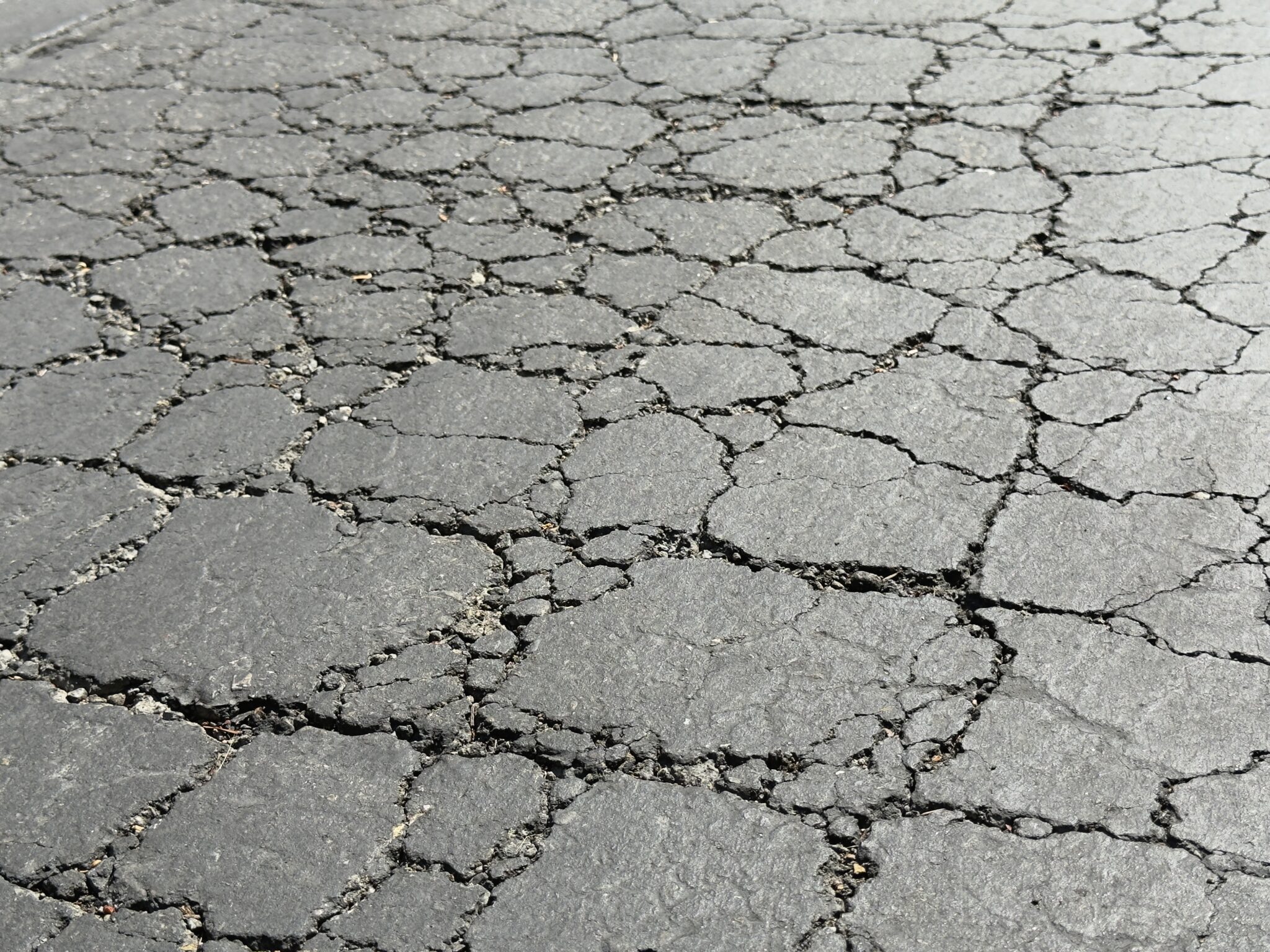
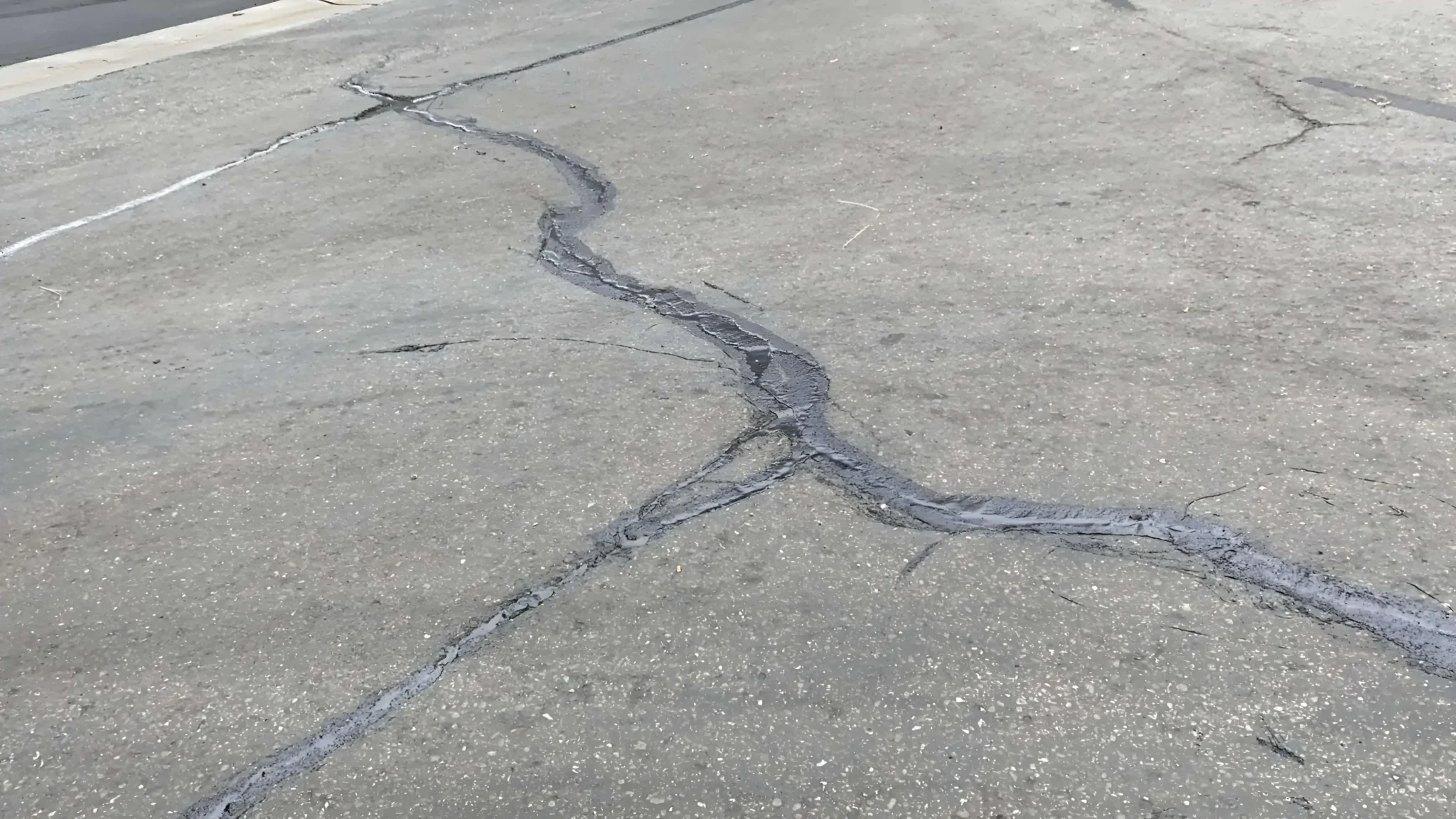
Driveway cracks are not just cosmetic lines.
They are openings where water can enter the pavement. Once water gets into asphalt, seasonal temperature changes and vehicle traffic can make the damage worse. In colder conditions, moisture can expand, widen cracks, loosen surrounding material, and weaken areas that were already aging.
This is where timing becomes important.
A small crack in summer may be manageable. That same crack after months of rain, cold, snow, ice, or repeated moisture exposure can become wider, dirtier, and more difficult to treat. If the edges start crumbling or the surrounding asphalt begins to sink, the issue may move beyond simple sealing.
That is why the best time to seal driveway asphalt is usually after cracks have been reviewed and handled appropriately.
Where cracks are still narrow and the surrounding pavement remains stable, asphalt crack filling may be part of the preparation before sealcoating. Sealing over open cracks without addressing them first can create a cleaner-looking surface while leaving water-entry points active.
Homeowners should pay special attention to cracks near:
- The garage entrance
- The street connection
- Driveway edges
- Low spots where water collects
- Tree roots or landscaped borders
- Areas where tires turn repeatedly
- Older patches or previous repairs
The crack itself matters, but its location matters more. A thin crack near standing water may be more important than a longer crack in a dry, low-stress area.evelops.
Faded Asphalt Is a Warning, but Not the Whole Diagnosis
Many homeowners decide to seal a driveway because it has turned gray.
That is understandable. Fresh asphalt starts dark, then fades as sunlight, weather, traffic, and oxidation wear down the surface. A faded driveway may be a good candidate for sealing if the pavement is still firm, clean, and structurally sound.
But fading alone is not the full diagnosis.
A gray driveway with a stable surface is different from a gray driveway with widespread cracking, loose stones, sinking areas, or potholes. Sealcoating is meant to protect the surface. It is not designed to rebuild failed asphalt, correct poor drainage, or fix deep pavement movement.
| Driveway Condition | What It Usually Means | Better Summer Decision |
|---|---|---|
| Gray but firm surface | Surface aging and oxidation | Sealcoating may be appropriate |
| Small isolated cracks | Early water-entry risk | Treat cracks before sealing |
| Oil stains near parking areas | Surface contamination | Clean and prepare before coating |
| Loose edges | Edge wear or weak support | Evaluate repair before sealing |
| Potholes or soft spots | Deeper pavement failure | Repair first; do not rely on sealer |
| Water pooling after rain | Drainage or slope issue | Review water movement before sealing |
This is the weak point in generic driveway advice: it treats every faded surface as if it only needs a fresh coat.
That is not true.
The article on asphalt driveway maintenance goes deeper into ongoing care, but the key point here is timing. Summer is valuable because it gives homeowners a clearer view of the surface before winter moisture hides or worsens the problem.
Sealcoating Works Best When the Driveway Is Still Stable
Sealcoating is preventive, not restorative.
That distinction matters. If the driveway is still stable, sealing can help protect the surface from UV exposure, water, and everyday wear. If the pavement is already failing, sealcoating may make it look better for a short time, but it will not correct the underlying weakness.
A driveway may be a good candidate for summer sealing if:
- The surface is faded but not breaking apart
- Cracks are limited and manageable
- Water drains off instead of sitting in low areas
- The edges are mostly intact
- There are no major potholes or soft spots
- The driveway has not been sealed too recently
The timing question should not be answered by the calendar alone. The real answer depends on both season and condition.
Summer may be the best season, but only if the pavement is ready.
The guide to sealcoating asphalt protection explains what sealcoating can and cannot do. That distinction is important because homeowners often expect sealer to solve problems that belong to repair, patching, or replacement.
A strong maintenance decision starts with honesty. If the driveway needs crack filling, patching, cleaning, or edge repair, those steps should come before sealing.
Winter Makes Small Driveway Problems More Expensive
Winter does not usually create driveway failure from nothing. It accelerates weaknesses that were already present.
Open cracks take in water. Brittle asphalt becomes more vulnerable to movement. Low spots hold moisture longer. Snow, ice, and deicing materials can add more stress. Vehicles then continue driving over areas that are already weakened.
By spring, the owner may see:
- Cracks that widened during winter
- Edges that started breaking apart
- Small potholes near weak spots
- Rough areas where the surface loosened
- Water damage around low sections
- More visible fading and surface wear
The expensive part is not always the damage itself. It is the lost opportunity to handle the problem while it was still smaller.
A summer maintenance plan gives homeowners time to clean the driveway, address cracks, evaluate questionable areas, and seal the surface before winter begins working into the pavement. Waiting until spring may mean dealing with damage that has already spread.
This same logic applies to shared residential communities, private roads, HOA pavement, and small apartment properties. When pavement serves multiple residents or vehicles, paving maintenance can help organize seasonal priorities before small issues become larger repair projects.
Do Not Seal Too Late, Too Often, or Over the Wrong Problems
The best time to seal a driveway is not automatically “every summer.”
That would be oversimplified advice.
Sealing too often can create buildup and may not provide extra value if the previous coating is still performing. Sealing too late can miss the protective window. Sealing over dirty, cracked, oily, or unstable asphalt can trap problems under a better-looking surface.
A better rule is this: seal when the driveway is ready for protection, not when it is already failing.
Homeowners should avoid sealing if:
- Rain is expected too soon
- The surface is damp or dirty
- Cracks have not been addressed
- Potholes or soft areas are present
- Oil stains remain untreated
- The asphalt is too new to seal
- The driveway was sealed recently and does not need it yet
The right timing depends on pavement age, condition, climate, traffic, and prior maintenance. Summer simply gives the best opportunity to make that decision carefully.
When the driveway shows deeper failure, the question may shift from sealing to repair or resurfacing. The comparison between sealcoating vs repaving helps clarify when a surface treatment is no longer enough
Driveways and Parking Lots Share the Same Seasonal Logic
A residential driveway and a commercial parking lot are not identical, but they follow the same pavement logic.
Both need water to drain properly. Both are affected by UV exposure, surface aging, cracks, oil, and traffic. Both can suffer when moisture enters the pavement before winter. Both benefit when small issues are addressed before they become larger repairs.
The difference is scale.
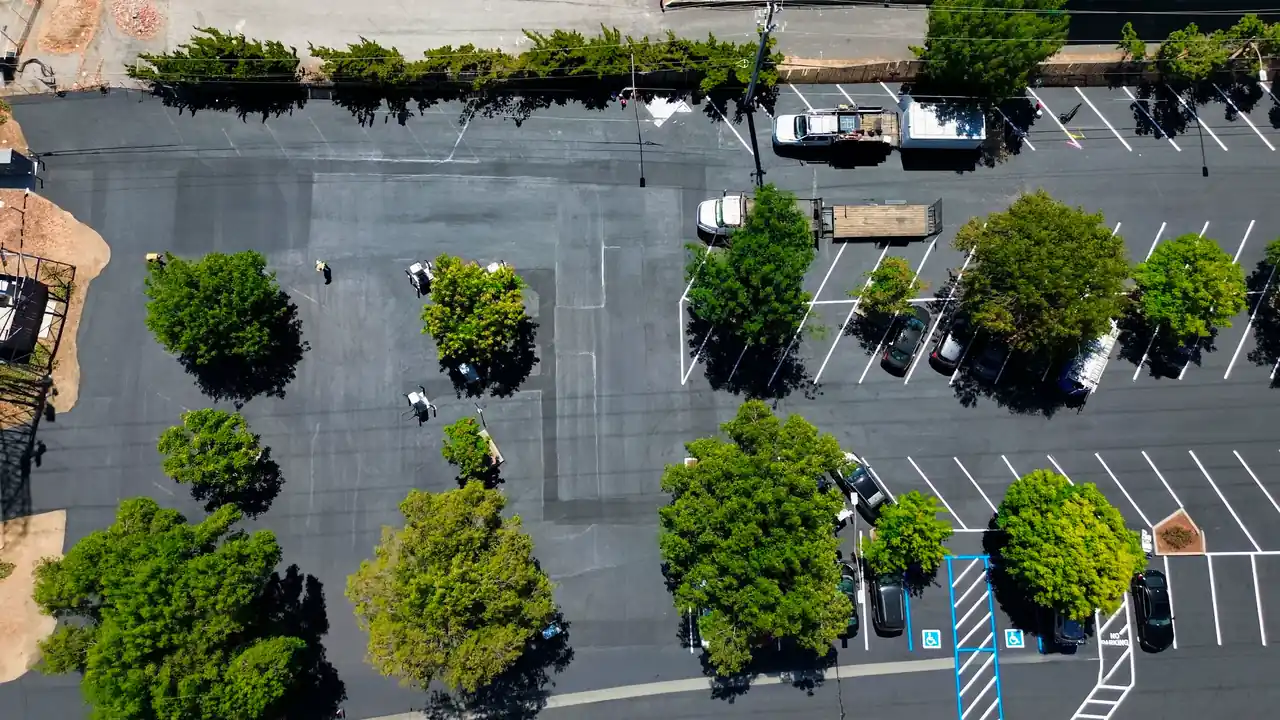
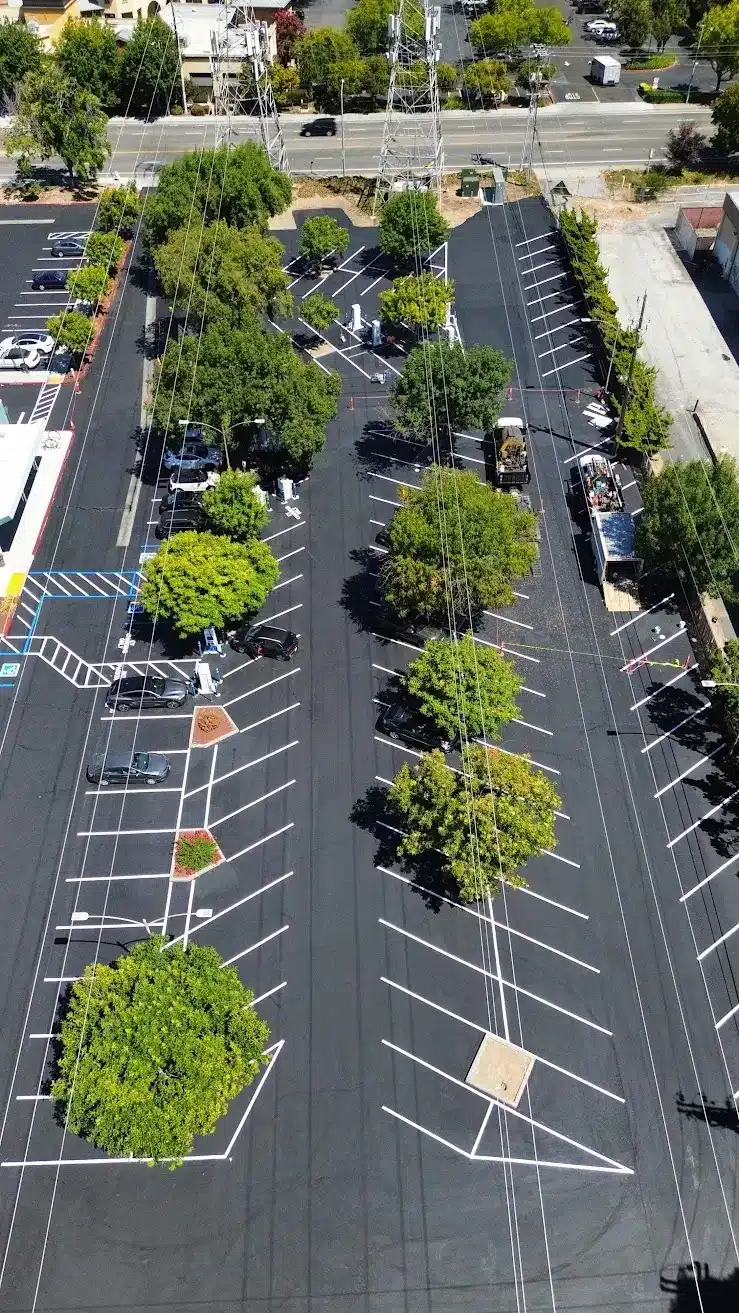
A homeowner may be focused on protecting curb appeal, garage access, and the driveway surface. A property manager may also need to think about tenant access, markings, parking circulation, and maintenance scheduling. The surfaces are different in use, but the seasonal principle is the same: protect stable asphalt before winter stress reaches weak areas.
That is why summer is such a useful maintenance window. It gives owners time to evaluate the asphalt before weather dictates the schedule.
For larger sites where driveway surfaces connect with parking areas or shared access lanes, commercial sealcoating may be part of a broader asphalt protection plan. For a single residential driveway, the same decision should still begin with surface condition, crack control, and proper timing.
Protect the Driveway While the Pavement Can Still Benefit
The best time to seal a driveway is before winter turns manageable wear into visible damage.
Summer is often the practical window because the asphalt is easier to inspect, clean, prepare, and protect. Cracks can be addressed before they collect more water. Faded surfaces can be protected before they become more brittle. Homeowners have more time to plan the work instead of reacting to spring deterioration.
But the honest answer is conditional.
Summer is not a cure-all. Sealcoating helps when the pavement is still stable enough to benefit from surface protection. If the driveway has potholes, soft spots, failing edges, or widespread cracking, those problems should be evaluated before sealer is applied.
At We Love Paving, we look at driveway sealing through a practical maintenance lens: the condition of the asphalt, the way water moves across the surface, whether cracks need attention first, and whether summer timing can help protect the pavement before winter makes small problems harder to control.