Why Northern California Businesses Are at Higher Risk for ADA Lawsuits

We Love Paving services in Sunnyvale. Professional paving contractor serving Sunnyvale and Downtown San Jose areas.
Estimation Tools

Calculate costs in seconds

Fast, accurate estimates that help you close more jobs. Less guesswork, more profit.

Introduction
The Americans with Disabilities Act (ADA) ensures equal access for individuals with disabilities, but non-compliance can lead to costly lawsuits. Northern California businesses are particularly vulnerable due to a combination of legal, structural, and cultural factors. This blog explores why these risks are heightened and how proactive measures, including partnering with paving experts like We Love Paving, can protect your business.

1. California’s Stringent State Laws

California enforces stricter accessibility laws than federal ADA requirements. The Unruh Civil Rights Act allows plaintiffs to claim up to $4,000 in damages per violation, incentivizing litigation. Additionally, the California Construction Accessibility Standards (CASp) mandate rigorous compliance, making businesses without CASp certifications easy targets for lawsuits.

2. Older Infrastructure and Historic Buildings

Northern California’s charm lies in its historic architecture, but older buildings often lack modern accessibility features. Retrofitting these structures to meet ADA standards—such as installing compliant ramps, parking spaces, and smooth pathways—can be challenging and costly. Common paving issues like cracked sidewalks, uneven surfaces, and improper slopes frequently trigger lawsuits.

3. High Litigation Rates

California accounts for over 40% of ADA lawsuits nationwide. Northern California, with bustling cities like San Francisco and Sacramento, sees a high volume of “drive-by” lawsuits. Plaintiffs and law firms often target businesses with minor infractions, such as incorrect parking lot signage or insufficient access aisles, to secure quick settlements.

4. Stricter Local Accessibility Standards

Many Northern California cities adopt accessibility codes exceeding federal requirements. For example, San Francisco mandates specific ramp gradients and sidewalk widths. Businesses unaware of these nuances face higher non-compliance risks.

The Role of Paving in ADA Compliance

Paving is critical to accessibility. Key requirements include:

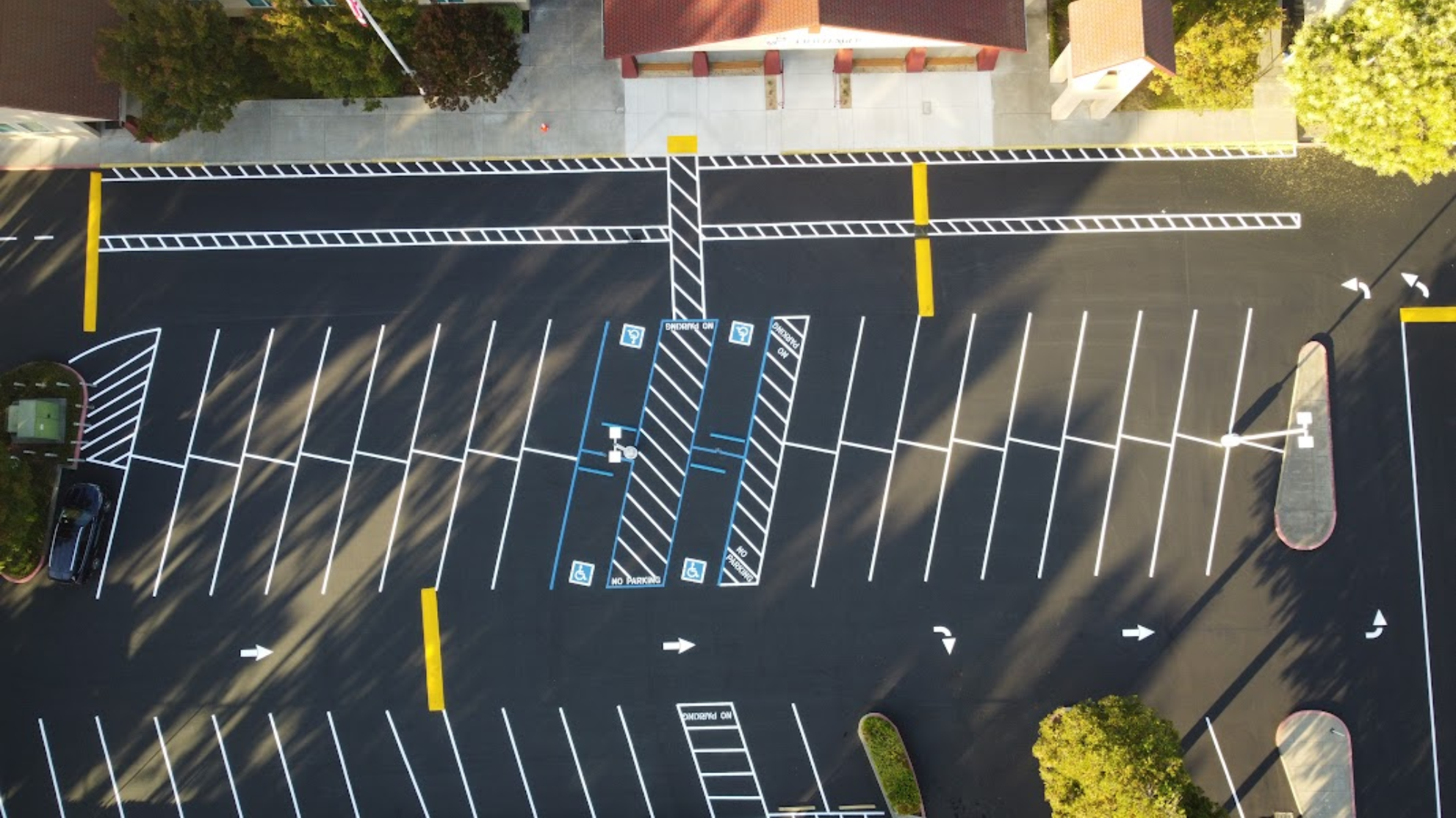
  • Parking Lots: Accessible spaces must be 8 feet wide with a 5-foot access aisle, van-accessible options, and proper signage.

  • Slopes: Ramps and pathways must have a slope ≤1:12 (1 inch of rise per 12 inches length).

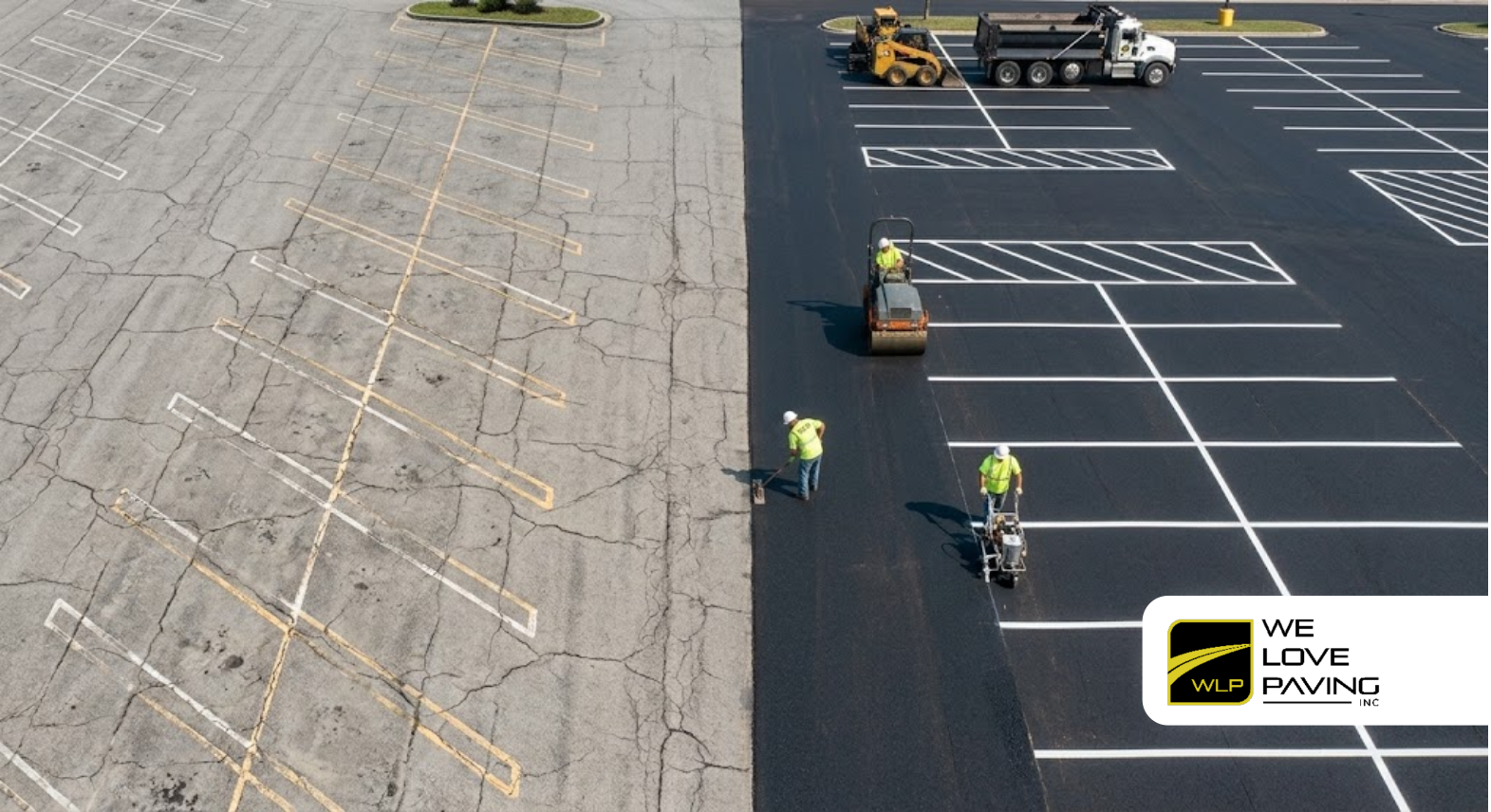
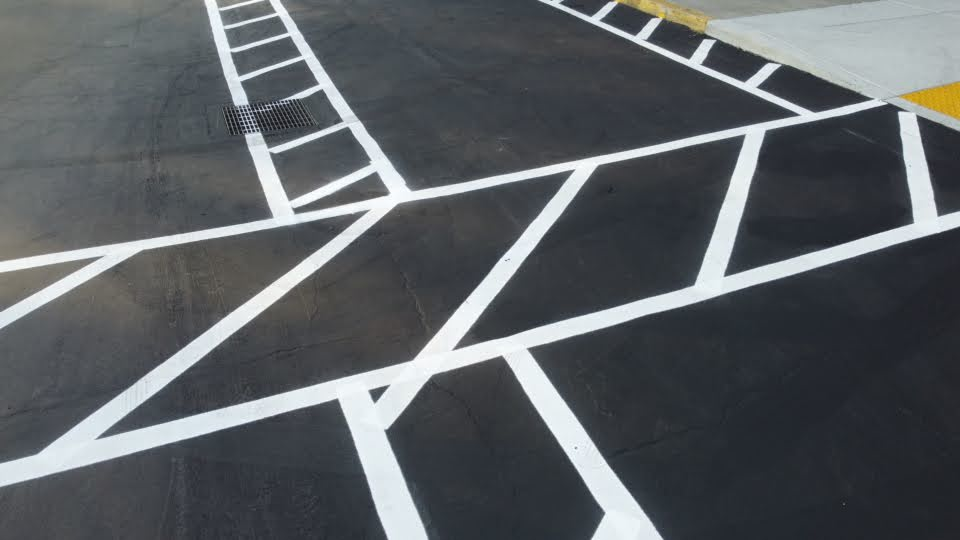
  • Surfaces: Pavement must be smooth, without cracks or potholes that could impede wheelchairs.

How Non-Compliant Paving Leads to Lawsuits

  • Example 1: A Sacramento restaurant faced a $20,000 settlement after a lawsuit cited its steep entrance ramp.

  • Example 2: A retail store in San Francisco was sued for uneven sidewalk cracks, creating tripping hazards.

Solutions for Businesses

  • Regular Audits: Schedule annual accessibility reviews to identify issues like deteriorating pavement or faded parking markings.

  • CASp Inspections: Hire state-certified specialists to assess compliance and provide legal defense tools.

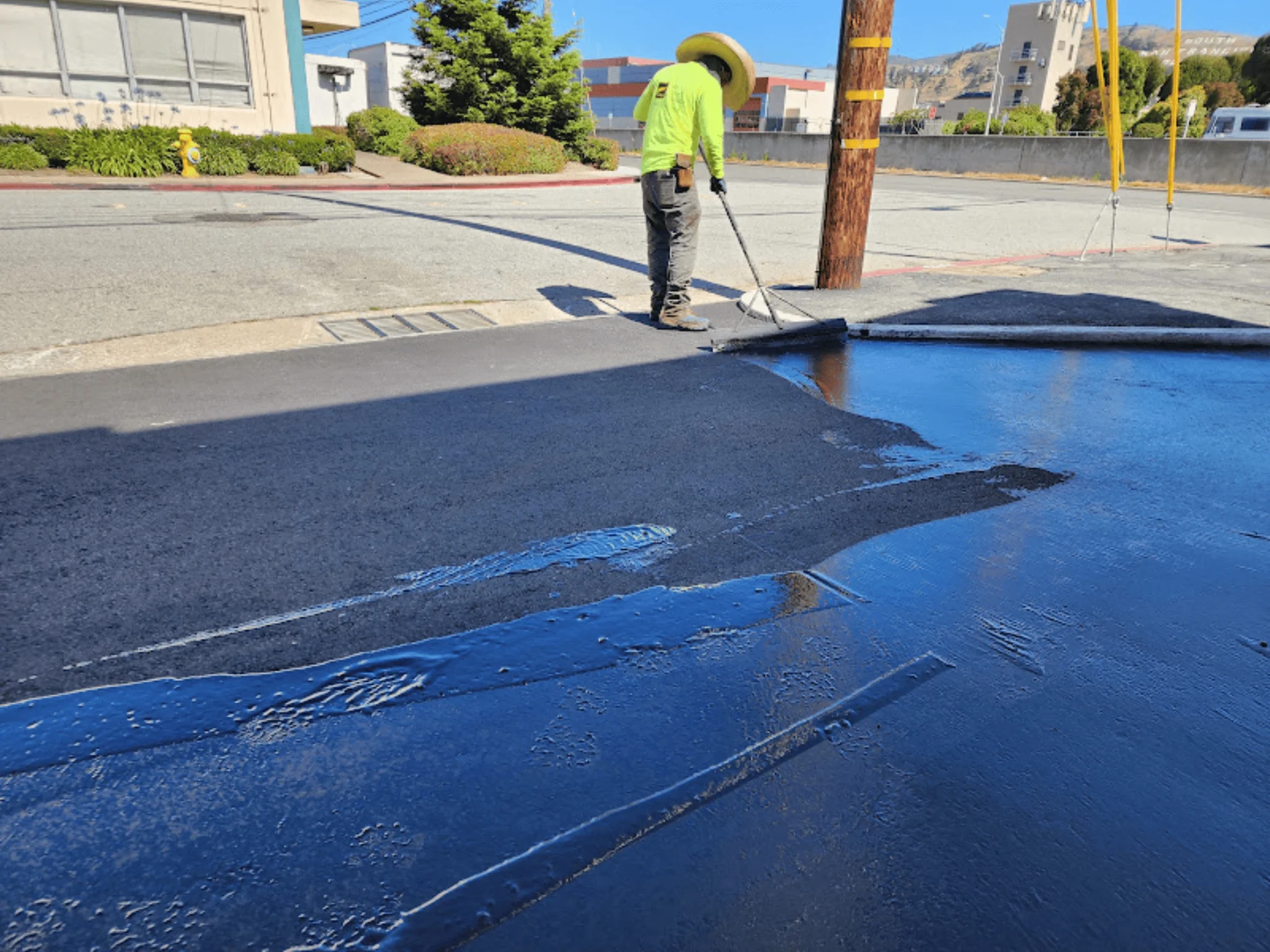
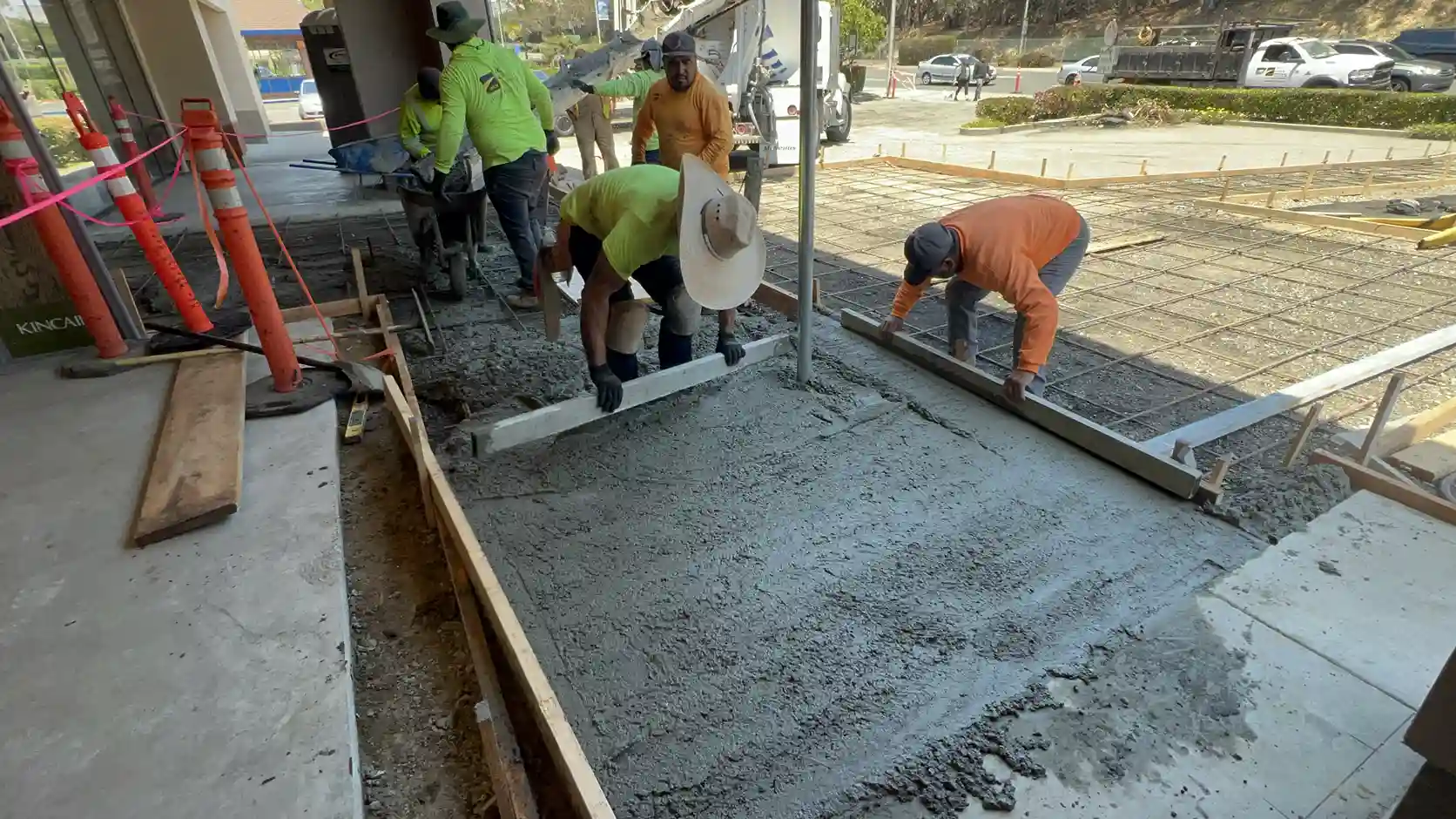
  • Partner with Paving Experts: We Love Paving ensures your parking lots, sidewalks, and ramps meet ADA standards. Our services include resurfacing, ramp installation, and accessible parking design.

Conclusion
Northern California’s unique legal and structural landscape increases ADA lawsuit risks, but proactive steps can mitigate them. Investing in compliant paving not only avoids costly litigation but also fosters inclusivity. Contact We Love Paving today for a free consultation to assess your property’s ADA compliance and safeguard your business.

Need Immediate Help?

Let's Talk About Your Project

Don't wait until minor damage turns into major expenses. Our team of experts is ready to provide you with guaranteed solutions. Contact us now for direct advice from a professional.

Frequently Asked Questions (FAQ)

Got Questions? Find Your Answers Here!!

Why are Northern California businesses at higher risk for ADA lawsuits?

Northern California businesses face elevated risks due to the Unruh Civil Rights Act, which allows plaintiffs to claim $4,000 in damages per violation. Additionally, the region’s historic infrastructure often features slopes exceeding the 1:12 ratio (8.33%), making these properties easy targets for high-volume "drive-by" litigation and costly legal settlements.

What are the specific ADA paving requirements for parking lots?

ADA compliance for parking lots requires accessible spaces to be at least 8 feet wide with a 5-foot access aisle and proper signage. Surfaces must be stable and slip-resistant, with cross slopes not exceeding 2% and no vertical changes or cracks greater than 1/4 inch to ensure unobstructed wheelchair access.

How does a CASp inspection provide legal protection for businesses?

A Certified Access Specialist (CASp) inspection grants a business "qualified defendant" status, offering significant legal benefits in California state courts. By identifying non-compliant issues—like a Sacramento restaurant’s $20,000 settlement over ramp gradients—a CASp report creates a schedule for improvements, effectively deterring predatory lawsuits and reducing potential statutory damages.

What common paving defects frequently trigger ADA litigation?

Common triggers include uneven sidewalk cracks, faded parking lot striping, and non-compliant ramp slopes. In Northern California, cities like San Francisco enforce strict local accessibility codes that exceed federal mandates. Failure to maintain smooth pathways or correct minor potholes often results in lawsuits targeting these easily visible, high-liability infrastructure infractions.

How can proactive paving maintenance mitigate ADA lawsuit risks?

Proactive maintenance through experts like We Love Paving mitigates risk by ensuring all surfaces meet California’s Title 24 and federal ADA standards. Regular asphalt resurfacing, professional ramp installation, and precise restriping prevent the "minor infractions" that plaintiffs exploit, fostering an inclusive environment while safeguarding the business from specialized accessibility litigation.

Professional customer review project by We Love Paving in Northern California, California. Verified local construction quality.

Fred / Founder

Fred, Founder and Regional Operations Manager at We Love Paving, comes from a family that values hard work and discipline. Growing up watching his parents work long hours with integrity and dedication, Fred learned early on that quality paving isn’t just about asphalt, it’s about consistency, accountability, and doing the job right.

Share

Posts That Might Interest You

Signs Your Parking Lot Needs Maintenance Fast

Signs Your Parking Lot Needs Maintenance Fast

May 18, 2026

A parking lot usually tells you when something is starting to go wrong. The problem is that many property owners get used to seeing gradual deterioration and stop noticing the warning signs until the damage becomes expensive. In commercial properties, pavement rarely collapses overnight. What usually happens is slower and less dramatic at first. A

Pavement vs Concrete for Commercial Properties

Pavement vs Concrete for Commercial Properties

May 18, 2026

Choosing between asphalt pavement and concrete is not always straightforward for commercial property owners. Both materials can work well, but the right choice usually depends on how the property operates on a daily basis and how much long-term maintenance the owner is realistically prepared to manage. A busy retail center with constant vehicle turnover will

The Great Debate: Is 2 Inches of Gravel Enough for a Driveway?

The Great Debate: Is 2 Inches of Gravel Enough for a Driveway?

May 16, 2026

When it comes to building a driveway, one of the key decisions homeowners face is determining the appropriate thickness of the gravel base layer. While some may argue that 2 inches of gravel is sufficient to support the weight of vehicles and provide a stable foundation, others advocate for thicker layers to ensure long-term durability

Why Is Parking So Expensive for Property Owners?

Why Is Parking So Expensive for Property Owners?

May 15, 2026

Many commercial property owners underestimate how expensive parking areas become once maintenance, accessibility, and pavement deterioration start overlapping at the same time. At first, parking lot costs usually appear manageable. Small cracks, faded striping, drainage problems, or isolated surface wear may not seem urgent while the property continues operating normally. Over time, however, those smaller

Next

Estimation Tools

Calculate costs in seconds

Fast, accurate estimates that help you close more jobs. Less guesswork, more profit.