What Is the Best Time of Year to Get Paving Work Done?

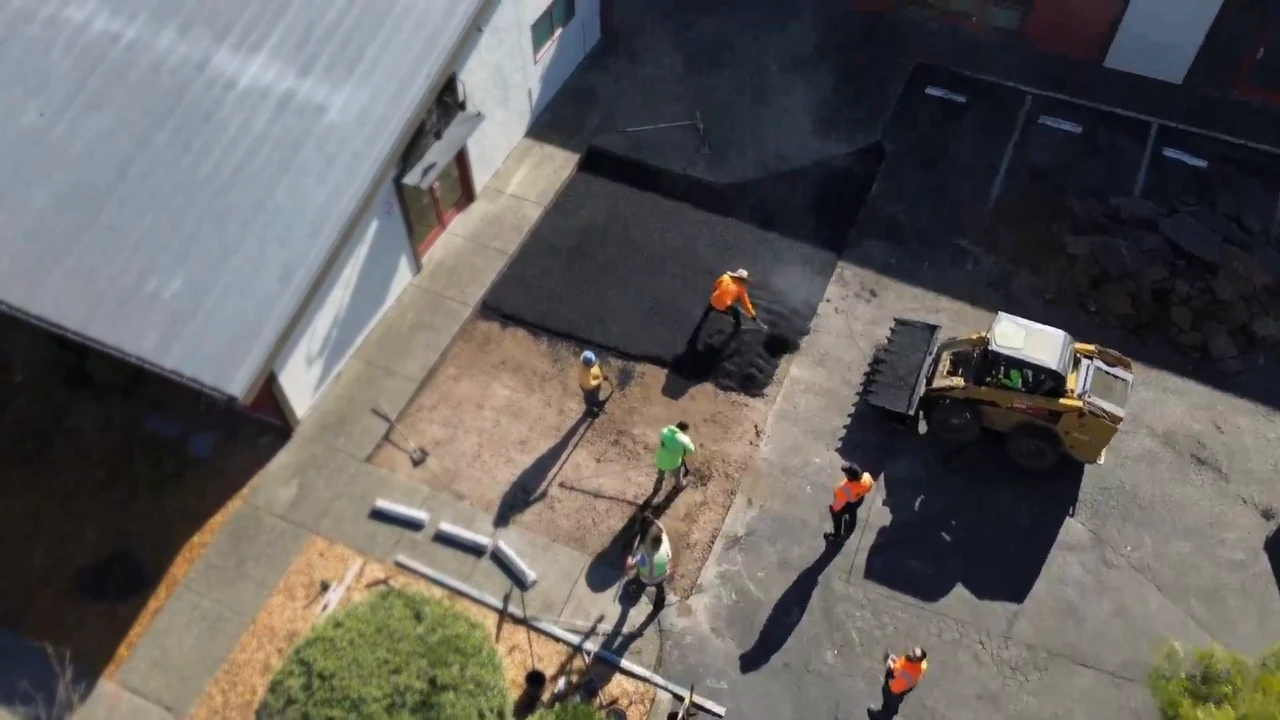
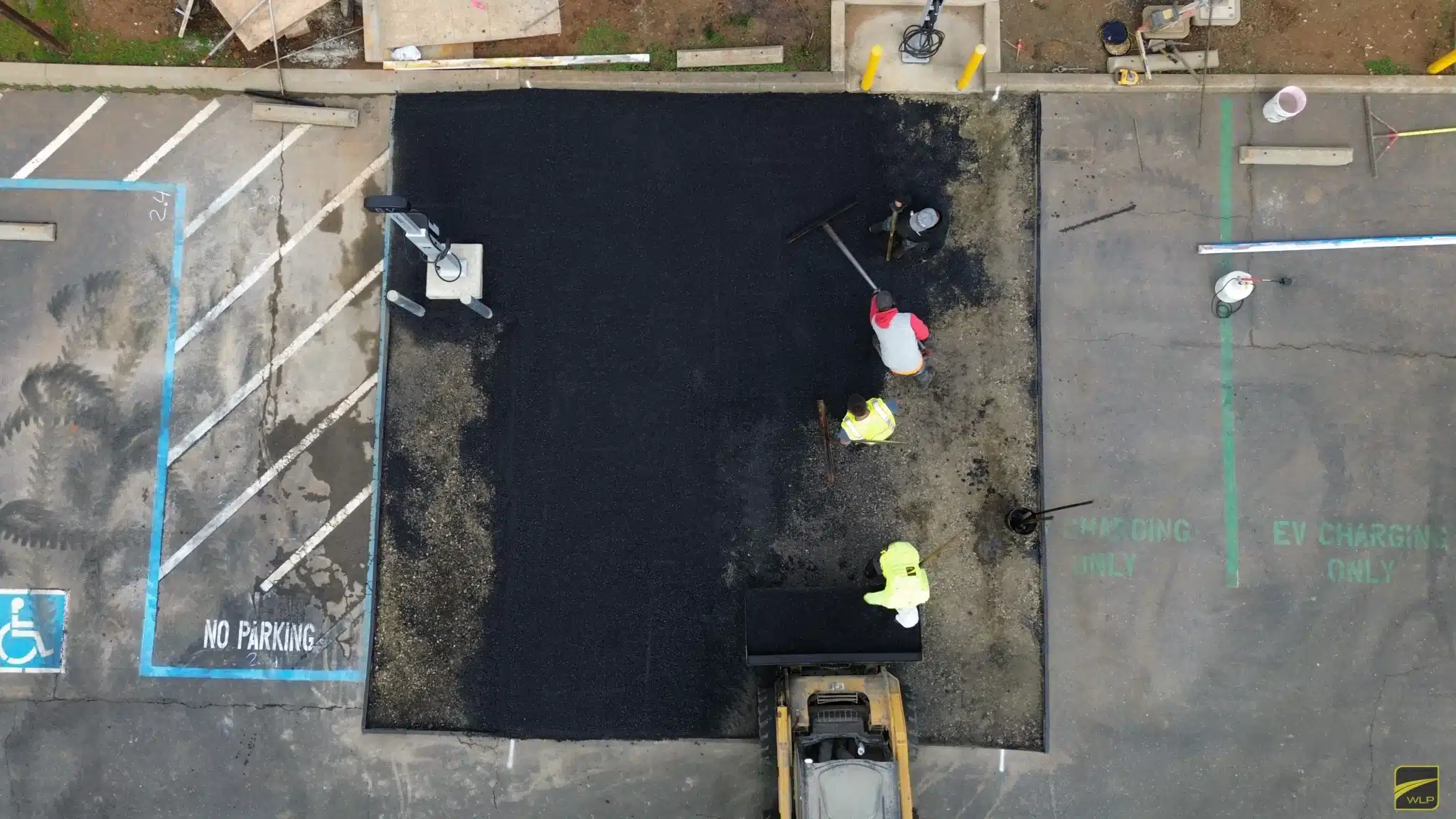
Aerial view of sealcoated asphalt area Project by We Love Paving in Northern California, CA.
Estimation Tools

Calculate costs in seconds

Fast, accurate estimates that help you close more jobs. Less guesswork, more profit.

What’s the Best Time of Year to Start Your Paving Project?

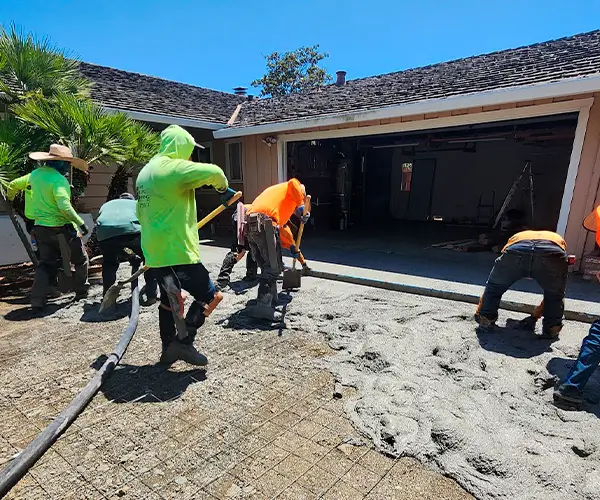
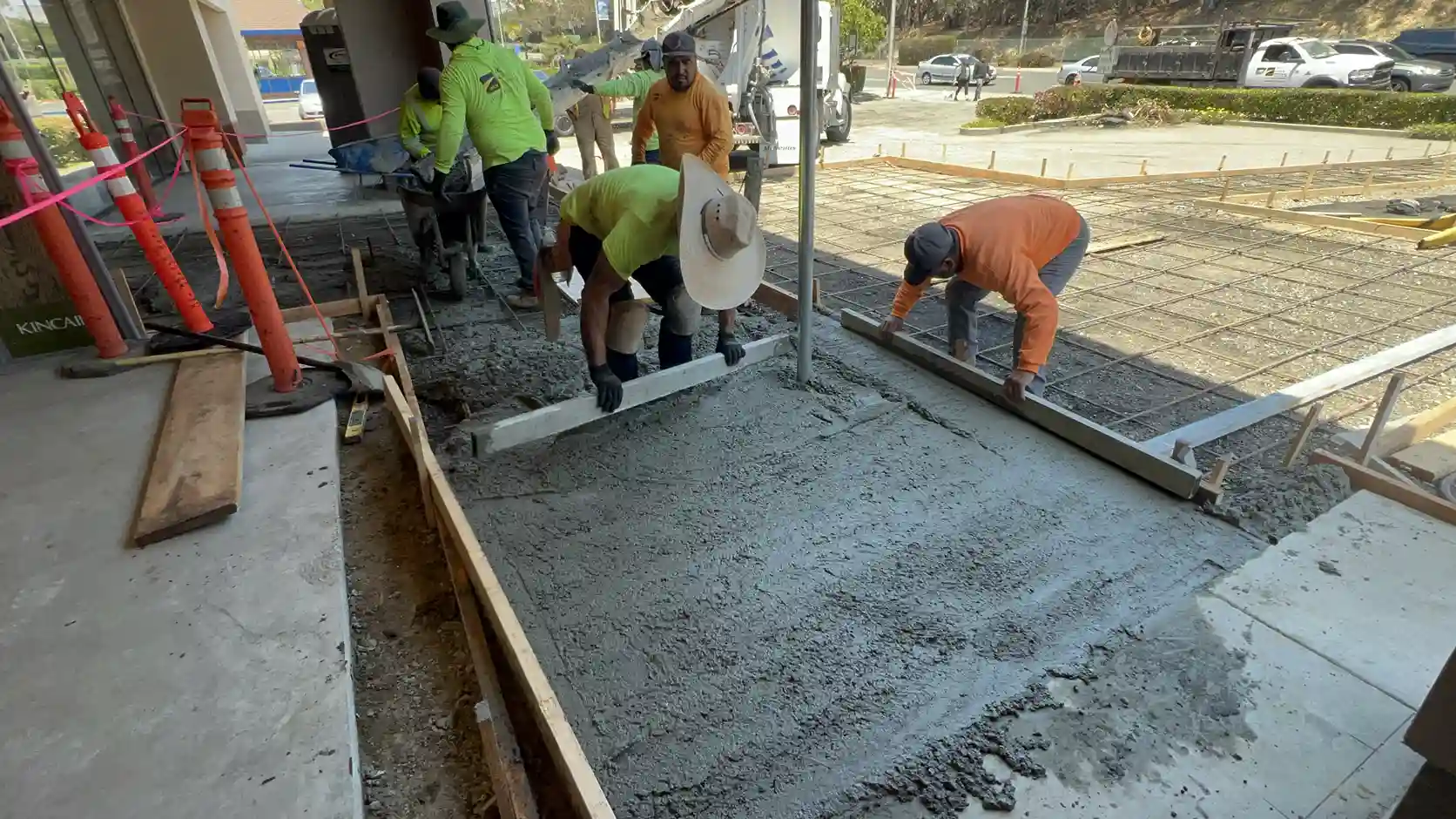
If you’re planning a paving project—whether it’s a driveway, parking lot, or road—it’s crucial to get the timing right. Weather plays a big role in the success and durability of asphalt and concrete work. So, when is the best time to schedule your paving project?

Let’s break it down:


1. Spring (March–May)

Great for Planning
Spring is when most property owners start thinking about repairs after a long winter. It’s a great time to get quotes, book your contractor early, and get on the schedule before the busy season hits.

🚫 Watch Out for Rain
While temperatures start to rise, spring showers can delay paving jobs or impact curing times, especially for concrete.


2. Summer (June–August)

🔥 Peak Paving Season
Warm, dry conditions are ideal for both asphalt and concrete. Materials cure faster, crews work more efficiently, and the final product lasts longer.

🚧 Book Early!
Summer is paving prime time, which means contractors get booked up fast. If you wait too long, you might be pushed to the end of the line.


3. Fall (September–November)

🍂 Still a Solid Option
Fall offers cooler, stable weather that’s still good for paving. It’s also a great time for last-minute repairs before winter hits.

Shorter Days & Time Sensitivity
As temperatures drop, there’s less daylight and more risk of material setting too slowly—especially late in the season.


4. Winter (December–February)

🥶 Not Recommended (in most areas)
Cold weather makes it hard for asphalt to stay hot enough to compact properly, and concrete takes much longer to cure. Only emergency patchwork is typically done in winter.


So, What’s the Verdict?

If you’re looking for the best results with the least amount of headaches, summer is your best bet, followed closely by early fall. But don’t wait until it’s too late—good paving companies book out months in advance.


Ready to pave the way?
At We Love Paving, we help you plan smart and build strong. Contact us now to lock in your spot before the busy season.

Need Immediate Help?

Let's Talk About Your Project

Don't wait until minor damage turns into major expenses. Our team of experts is ready to provide you with guaranteed solutions. Contact us now for direct advice from a professional.

Frequently Asked Questions (FAQ)

Got Questions? Find Your Answers Here!!

What is the best time of year to get paving work done?

The best time for paving is during the summer, specifically from June through August, when consistent temperatures stay above 70°F for optimal asphalt compaction. These thermal conditions ensure the bitumen maintains its viscosity, allowing for a seamless structural finish that prevents premature cracking caused by rapid cooling of the material.

How do spring weather conditions impact asphalt and concrete projects?

Spring weather presents risks due to frequent rainfall and ground moisture, which compromise the sub-base stability required for heavy machinery. For concrete specifically, excess ambient humidity disrupts the water-to-cement ratio, potentially lowering the structural compressive strength below the industry-standard 3,000 PSI, leading to long-term surface scaling or failure.

Why is paving not recommended during the winter months?

Winter paving is ineffective because hot-mix asphalt loses its critical working temperature of 275°F before proper compaction can be achieved, resulting in a porous, brittle surface. Consequently, professional contractors typically limit winter operations to emergency cold-patch repairs, which serve as temporary fillers until sustainable thermal windows return in the spring.

What are the technical risks of scheduling paving in late fall?

Late fall projects face risks from decreasing daylight hours and nocturnal temperatures dropping below 50°F, which significantly accelerate the material's set time. This season is the final window for sealcoating, which requires a minimum of 24 hours of dry, frost-free conditions to ensure the chemical bonding of the protective layer.

Why should property owners book paving contractors months in advance?

Early booking is essential because Tier-1 contractors reach peak capacity between June and September, often leading to scheduling delays that push projects into unfavorable cold weather. Securing a slot three months early guarantees stable material pricing and ensures the installation occurs during the peak thermal window for maximum durability.

Professional customer review project by We Love Paving in Northern California, California. Verified local construction quality.

Fred / Founder

Fred, Founder and Regional Operations Manager at We Love Paving, comes from a family that values hard work and discipline. Growing up watching his parents work long hours with integrity and dedication, Fred learned early on that quality paving isn’t just about asphalt, it’s about consistency, accountability, and doing the job right.

Share

Posts That Might Interest You

The Cost of Asphalt Cutting Per Linear Foot: What to Expect

The Cost of Asphalt Cutting Per Linear Foot: What to Expect

May 28, 2026

When it comes to construction and repair projects, asphalt cutting is often a necessary task, whether for roadworks, driveways, or other paved surfaces. Understanding the cost involved in asphalt cutting per linear foot can help you budget more accurately for your project. This article will break down the factors affecting these costs and provide a

Parking Lot Maintenance Checklist by Season

Parking Lot Maintenance Checklist by Season

May 27, 2026

A checklist earns its place when it helps a manager make a decision later. For a Northern California retail center, that decision might come after the first winter storm, when water still sits along the curb near the front stalls. For an office property, it might come in late summer, when the exposed drive aisle

Does Asphalt Need to Be Sealed? Read the Surface Before You Decide

Does Asphalt Need to Be Sealed? Read the Surface Before You Decide

May 27, 2026

A parking lot can look ready for sealcoating from the sidewalk and still be a poor candidate up close. The color has faded. The asphalt has turned gray. The owner wants a cleaner surface before tenants complain or customers notice the lot looking tired. Then someone walks the drive aisle and finds a different story:

Pavement Asset Management for Property Managers

Pavement Asset Management for Property Managers

May 27, 2026

A parking lot budget usually becomes uncomfortable long before the asphalt fails completely. The entrance patch is still holding, but the edge is separating again. The back drive aisle looks rough, yet tenants rarely use it. The front visitor stalls are faded enough to draw complaints. A low area near the drain stayed wet after

Next

Estimation Tools

Calculate costs in seconds

Fast, accurate estimates that help you close more jobs. Less guesswork, more profit.