The Role of Pavement in Sustainable Urban Development: Eco-Friendly Solutions for Modern Cities

We Love Paving services in Oakland. Professional paving contractor serving Oakland and Silicon Valley areas.
Estimation Tools

Calculate costs in seconds

Fast, accurate estimates that help you close more jobs. Less guesswork, more profit.

In today’s rapidly urbanizing world, the way we build and maintain infrastructure has a profound impact on the environment. Paving solutions, particularly asphalt and concrete, play a significant role in shaping cities, but they can also contribute to sustainability efforts when implemented strategically. This article explores how modern paving techniques can support eco-friendly urban development while ensuring durability, safety, and compliance with regulations like the Americans with Disabilities Act (ADA).

Permeable Pavement: A Smart Solution for Water Management

One of the biggest environmental challenges in urban areas is stormwater runoff, which can lead to flooding, water pollution, and soil erosion. Permeable pavement addresses this issue by allowing water to pass through its surface and be absorbed into the ground. This innovative paving solution reduces strain on drainage systems and helps replenish groundwater supplies.

Benefits of permeable pavement include:

  • Reduced stormwater runoff and improved water quality.

  • Lower risk of flooding in urban areas.

  • Enhanced durability in extreme weather conditions.

Recycled Asphalt and Eco-Friendly Materials: Reducing Carbon Footprint

The paving industry is shifting towards sustainable materials that reduce waste and energy consumption. Recycled asphalt pavement (RAP) is one such innovation that repurposes old asphalt instead of sending it to landfills. Additionally, the use of eco-friendly binders, such as bio-based alternatives, further enhances sustainability.

Advantages of using recycled materials:

  • Decreased reliance on virgin materials, conserving natural resources.

  • Lower greenhouse gas emissions during production.

  • Cost savings for municipalities and businesses.

Heat-Reducing Pavements: Combating the Urban Heat Island Effect

Cities tend to be significantly warmer than their surrounding rural areas due to the heat retention properties of traditional asphalt. This phenomenon, known as the Urban Heat Island (UHI) effect, increases energy consumption, raises cooling costs, and exacerbates climate change.

To mitigate this issue, innovative paving technologies such as cool pavements are being implemented. These solutions use reflective materials to absorb less heat, keeping surfaces cooler and reducing overall city temperatures.

Key benefits of heat-reducing pavements:

  • Lower surface temperatures, improving comfort in urban areas.

  • Reduced energy consumption for air conditioning.

  • Enhanced road longevity by minimizing heat-induced deterioration.

Cost vs. Benefit of Sustainable Pavement Options

While eco-friendly paving solutions often require a higher initial investment, their long-term benefits outweigh the costs. Sustainable pavements require less maintenance, extend the lifespan of roads, and contribute to a healthier urban environment. Municipalities and businesses should consider these factors when making infrastructure investment decisions.

Comparing traditional vs. sustainable pavement:

  • Initial Cost: Sustainable options may be slightly higher but offer long-term savings.

  • Maintenance: Eco-friendly materials tend to last longer and require less upkeep.

  • Environmental Impact: Reduced carbon footprint and lower resource consumption.

ADA Compliance and Sustainability: A Synergistic Approach

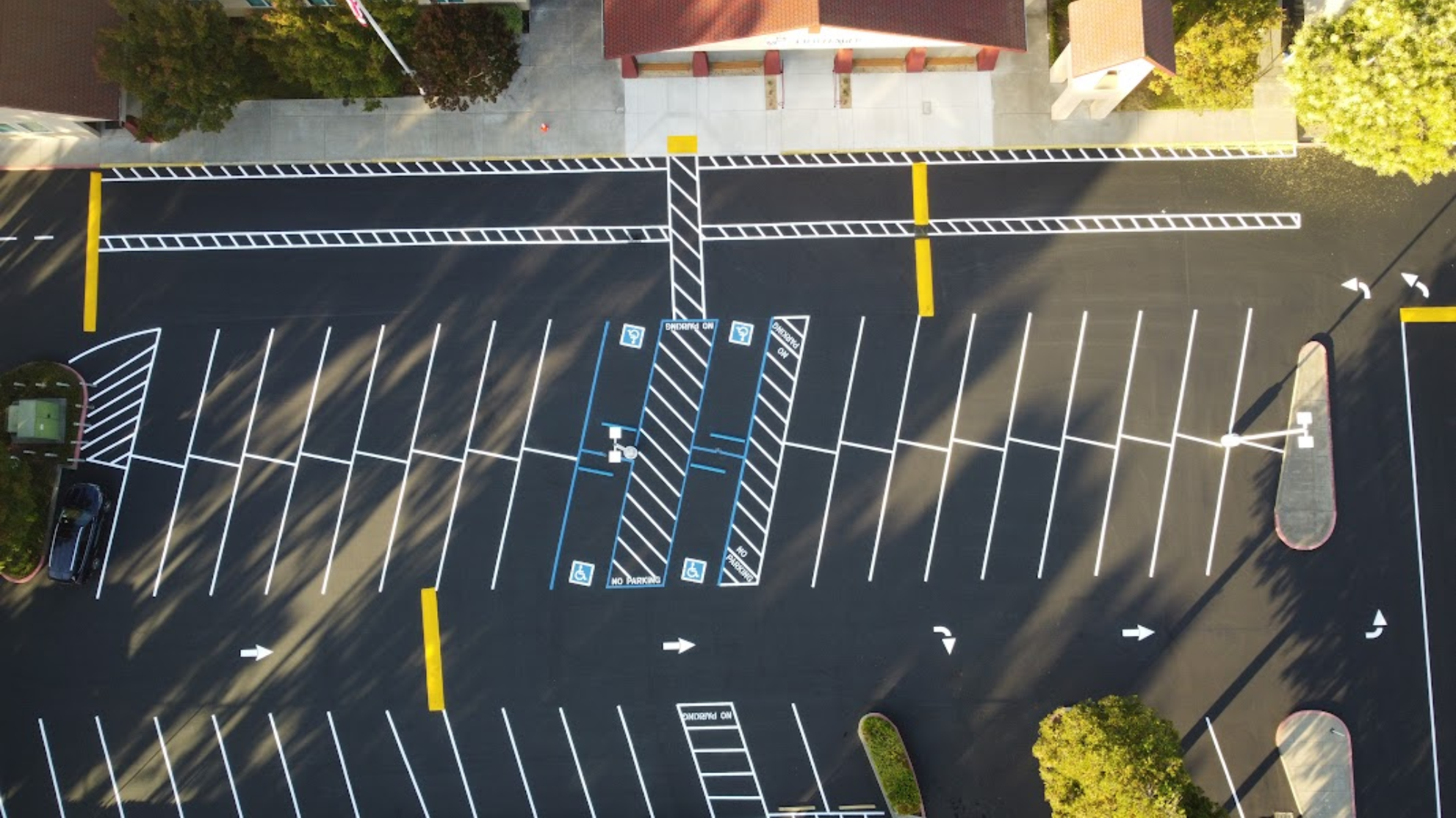
Sustainable paving and accessibility go hand in hand. ADA-compliant walkways and parking lots should prioritize eco-friendly materials while ensuring safe and smooth navigation for all individuals, including those with disabilities.

Best practices for ADA-compliant sustainable paving:

  • Using slip-resistant, recycled materials for sidewalks and pathways.

  • Ensuring proper grading and drainage to prevent water pooling.

  • Integrating durable, long-lasting materials that reduce repair frequency.

Conclusion: Paving the Way for a Greener Future

As cities grow, the demand for sustainable infrastructure becomes increasingly critical. By adopting eco-friendly paving solutions such as permeable pavements, recycled materials, and heat-reducing technologies, urban areas can reduce their environmental footprint while enhancing functionality and accessibility. WE LOVE PAVING is committed to providing innovative, high-quality paving solutions that not only meet industry standards but also contribute to a more sustainable future.

Would you like to explore how sustainable paving can benefit your project? Contact us today to learn more about our eco-friendly paving solutions!

Need Immediate Help?

Let's Talk About Your Project

Don't wait until minor damage turns into major expenses. Our team of experts is ready to provide you with guaranteed solutions. Contact us now for direct advice from a professional.

Frequently Asked Questions (FAQ)

Got Questions? Find Your Answers Here!!

How does permeable pavement reduce urban flooding and water pollution?

Permeable pavement mitigates flooding by allowing rainwater to pass through its surface into the ground, filtering sediments and pollutants through natural processes. This technology reduces stormwater runoff by up to 90%, significantly relieving strain on municipal drainage systems while efficiently recharging local groundwater supplies and improving overall water quality.

What are the benefits of Recycled Asphalt Pavement (RAP) for sustainable infrastructure?

Recycled Asphalt Pavement (RAP) lowers carbon footprints by repurposing existing materials, eliminating landfill waste and reducing the need for virgin binders. Utilizing RAP can decrease material costs for municipalities by up to 30%, while maintaining structural durability and performance levels comparable to traditional, non-recycled asphalt solutions.

Why do cool pavements effectively combat the Urban Heat Island effect?

Cool pavements utilize reflective materials that absorb significantly less solar radiation compared to standard dark asphalt surfaces. This innovative technology mitigates the Urban Heat Island effect by lowering surface temperatures by up to 10°C, which reduces urban energy consumption for air conditioning and extends the lifespan of road infrastructure.

How do the costs and maintenance of eco-friendly paving compare to traditional options?

While eco-friendly paving solutions often require a higher initial investment, they deliver a superior return on investment through reduced repair needs and extended lifecycles. These sustainable materials minimize the frequency of preventive maintenance, effectively offsetting original costs by increasing the operational lifespan of the urban infrastructure.

How does ADA compliance integrate with modern sustainable paving solutions?

Integrating ADA compliance with sustainable paving involves using slip-resistant, recycled materials that ensure smooth, accessible surfaces for individuals with disabilities. Proper grading and precision drainage prevent water pooling, ensuring that eco-friendly walkways meet strict legal accessibility standards while maintaining the long-term integrity of the paving material.

Professional customer review project by We Love Paving in Northern California, California. Verified local construction quality.

Fred / Founder

Fred, Founder and Regional Operations Manager at We Love Paving, comes from a family that values hard work and discipline. Growing up watching his parents work long hours with integrity and dedication, Fred learned early on that quality paving isn’t just about asphalt, it’s about consistency, accountability, and doing the job right.

Share

Posts That Might Interest You

What is Driveway Resurfacing? Expert Technical Guide to Asphalt Overlay and When to Use It

What is Driveway Resurfacing? Expert Technical Guide to Asphalt Overlay and When to Use It

April 15, 2026

THE BENEFITS OF RESURFACING In the world of driveway maintenance and improvement, asphalt resurfacing has emerged as a popular and effective solution. As time passes, even the most durable asphalt driveways can succumb to wear and tear, displaying cracks, potholes, and a worn-out appearance. However, instead of tearing up the entire driveway and starting from

Paving Technical Audit: Cost of Driveway Analysis

Paving Technical Audit: Cost of Driveway Analysis

April 14, 2026

A COMPREHENSIVE GUIDE FOR HOMEOWNERS Paving a driveway is a substantial undertaking for any homeowner. Beyond just enhancing curb appeal, it adds value and utility to the property. However, before diving into such a project, it’s crucial to grasp the diverse factors influencing the overall cost. This guide explores these elements, offering insights to empower

Why is Asphalt So Expensive? A 2026 Audit of Paving Costs and Market Dynamics

Why is Asphalt So Expensive? A 2026 Audit of Paving Costs and Market Dynamics

April 2, 2026

Paving costs have experienced a significant upward trend in recent years, leaving property owners questioning the reasons behind this surge. In this detailed exploration, we delve into the multifaceted factors contributing to the escalating costs of paving in 2026 and beyond. Material Costs and Market Dynamics The cornerstone of any paving project lies in its

What is the Square Foot Price for Asphalt?

What is the Square Foot Price for Asphalt?

April 2, 2026

Asphalt is a popular paving material used for driveways, parking lots, and roads due to its durability, affordability, and ease of installation. However, the cost of asphalt can vary significantly depending on several factors. In this blog post, we will explore the factors that influence the square foot price of asphalt, typical price ranges, and

Next

Estimation Tools

Calculate costs in seconds

Fast, accurate estimates that help you close more jobs. Less guesswork, more profit.