Ensuring Safety in Paving Projects: Best Practices for Contractors and Property Owners

We Love Paving services in San Jose. Professional paving contractor serving San Jose and South Bay areas.
Estimation Tools

Calculate costs in seconds

Fast, accurate estimates that help you close more jobs. Less guesswork, more profit.

Paving projects, whether for roads, parking lots, or sidewalks, require careful planning to ensure durability, efficiency, and most importantly, safety. From preparation to execution, prioritizing safety minimizes risks for workers, pedestrians, and drivers. This article highlights essential safety practices for paving contractors and property owners looking to undertake a project.

Proper Planning and Site Preparation

A successful paving project starts with thorough planning and site assessment. Key steps include:

  • Evaluating the Site: Identify potential hazards, such as underground utilities, uneven terrain, or drainage issues.

  • Establishing a Traffic Management Plan: If paving in a high-traffic area, setting up clear detours and signage is essential to avoid accidents.

  • Weather Considerations: Paving in extreme heat or cold can affect material quality and worker safety.

Worker Safety: Protective Gear and Equipment

Ensuring that all workers follow safety protocols reduces the risk of injuries. Best practices include:

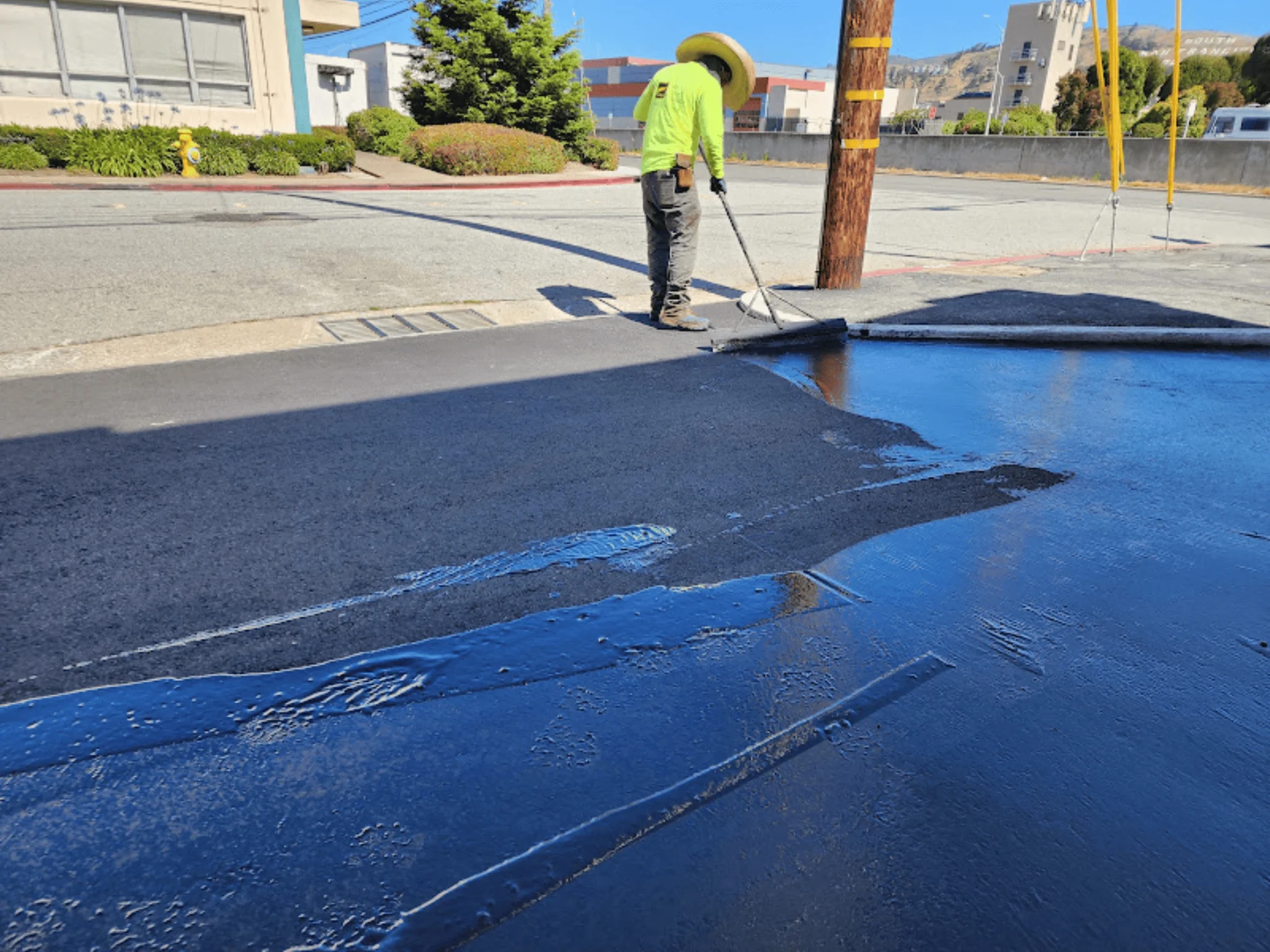
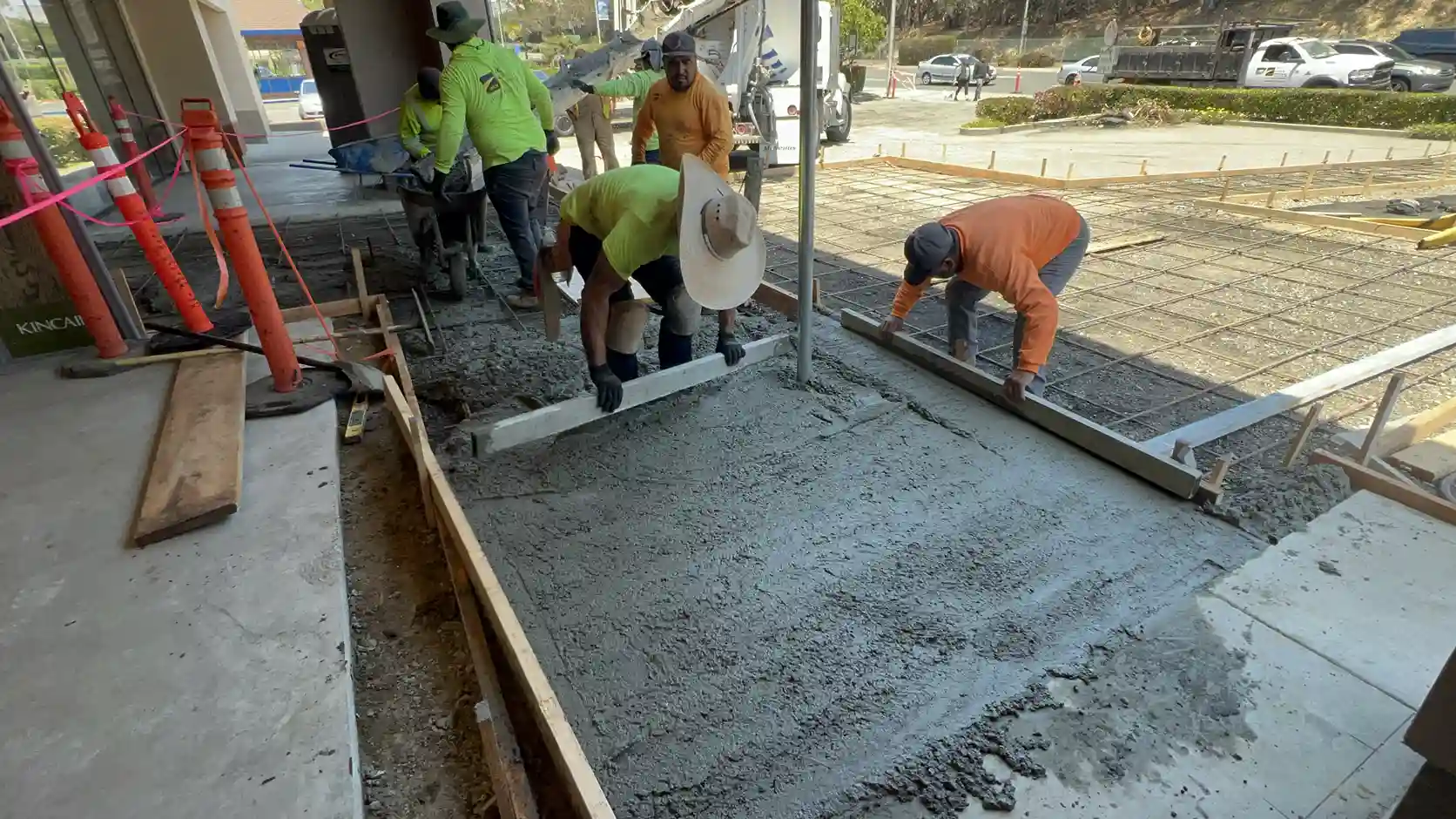
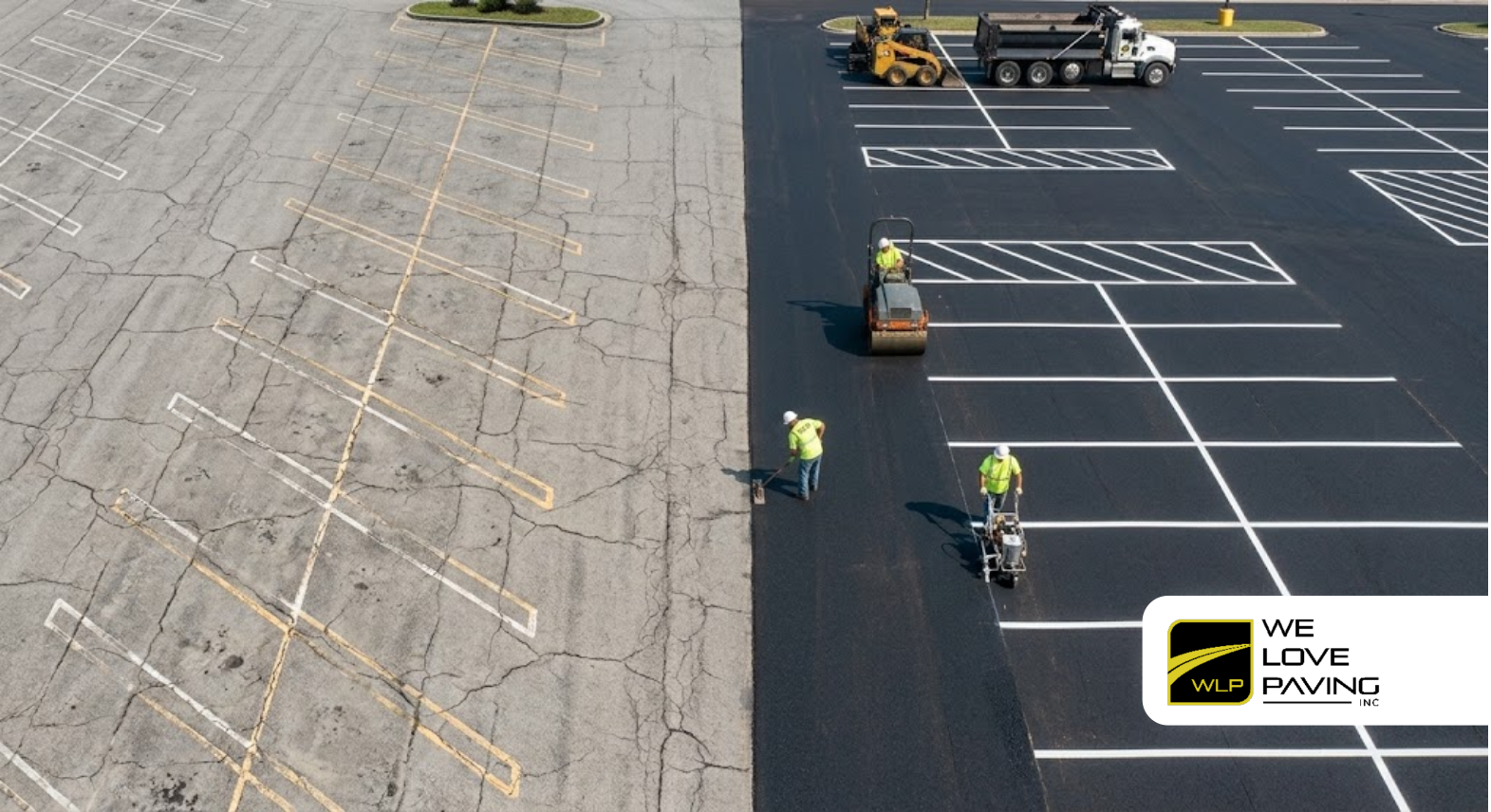
  • Providing Personal Protective Equipment (PPE): Workers should wear high-visibility clothing, gloves, safety boots, and helmets.

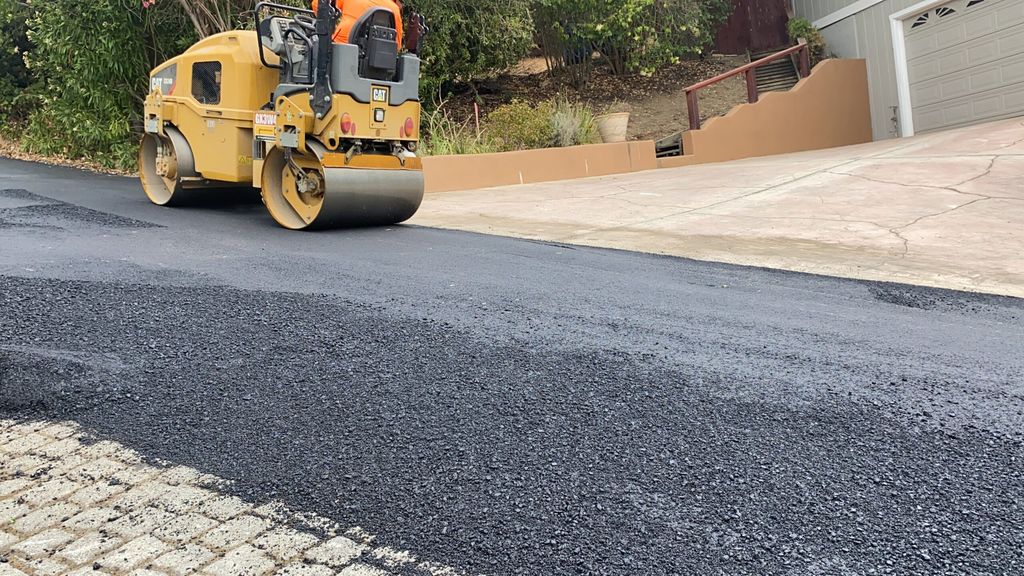
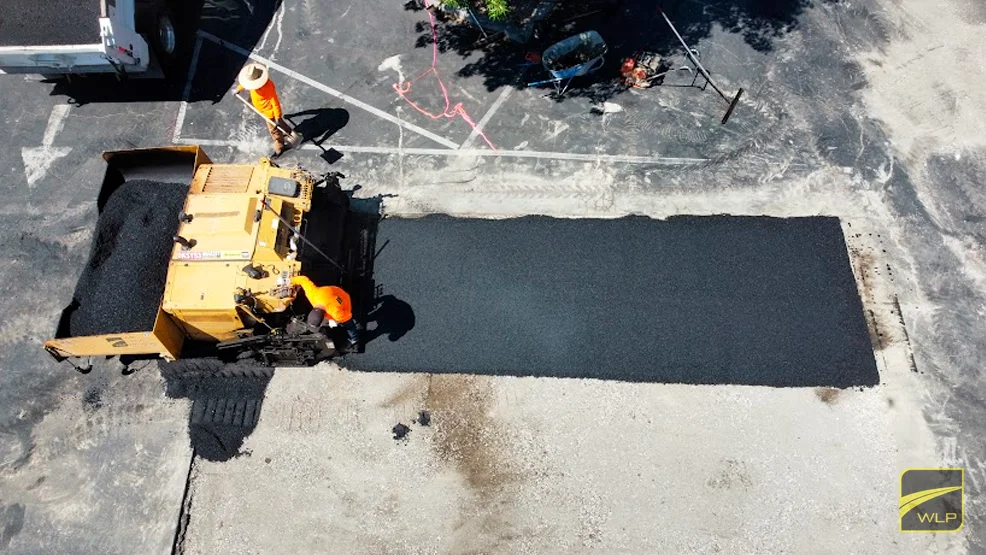
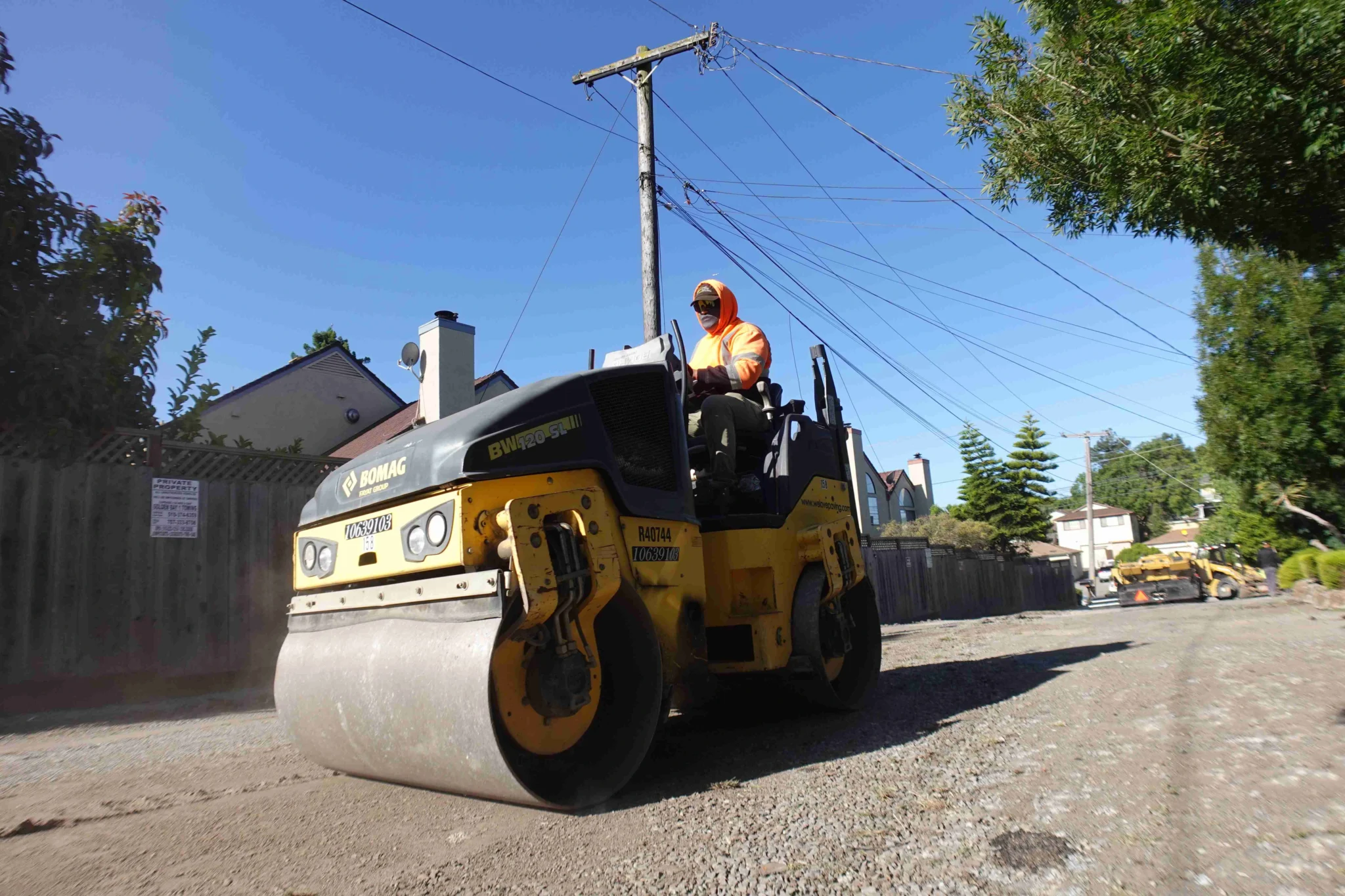
  • Training on Equipment Use: Proper handling of paving machinery, such as rollers and asphalt pavers, minimizes risks.

  • Hydration and Heat Safety: Since paving work often occurs in high temperatures, encouraging frequent hydration and breaks is essential.

Traffic and Pedestrian Safety Measures

Keeping both pedestrians and drivers safe during a paving project requires well-placed barriers and warnings. Key strategies include:

  • Using Traffic Cones and Barriers: Clearly mark work zones to prevent unauthorized access.

  • Posting Adequate Signage: Warning signs should be placed at appropriate distances to alert incoming traffic.

  • Assigning Flaggers: For larger roadwork projects, trained personnel should manage traffic flow to ensure smooth operations.

Proper Material Handling and Application

The way paving materials are handled and applied affects both safety and project longevity. Important considerations include:

  • Temperature Control for Asphalt: Hot asphalt should be kept at the correct temperature to ensure proper application and prevent burns.

  • Adequate Ventilation: Working with paving materials often releases fumes, making proper ventilation crucial for worker health.

  • Correct Storage of Chemicals: Any sealants or additives should be stored according to safety regulations to prevent contamination or hazards.

Post-Project Inspection and Maintenance

Once paving is complete, final safety checks ensure the durability of the work and prevent potential hazards.

  • Checking for Uneven Surfaces: Small imperfections can lead to tripping hazards and should be fixed immediately.

  • Ensuring Proper Drainage: Poor drainage can cause water pooling and lead to surface damage over time.

  • Regular Maintenance Plans: Establishing a schedule for sealing, patching, and repainting road markings prolongs pavement lifespan and enhances safety.

Conclusion: Prioritizing Safety for Quality Paving Projects

Safety in paving projects benefits everyone involved, from contractors to property owners and the general public. By following best practices in planning, worker protection, traffic management, and post-project maintenance, paving companies can deliver high-quality, long-lasting results while minimizing risks.

At WE LOVE PAVING, we are committed to upholding the highest safety standards in every project we undertake. Contact us today to learn more about how we can help with your next paving project while ensuring safety at every step!

Need Immediate Help?

Let's Talk About Your Project

Don't wait until minor damage turns into major expenses. Our team of experts is ready to provide you with guaranteed solutions. Contact us now for direct advice from a professional.

Frequently Asked Questions (FAQ)

Got Questions? Find Your Answers Here!!

How is traffic safety managed during a paving project?

To ensure traffic safety, contractors must implement a comprehensive management plan including reflective signage, high-visibility cones, and certified flaggers for active zones. Physical barriers are essential to prevent accidental incursions into hot asphalt areas, which can reach critical temperatures of 300°F (150°C) during the initial application phase.

What personal protective equipment (PPE) is mandatory for asphalt workers?

Asphalt workers are strictly required to wear Class 2 or 3 high-visibility vests, thermal-resistant gloves, and steel-toe safety boots. It is critical to utilize specific respiratory protection when applying sealants with high VOC (Volatile Organic Compounds) concentrations to prevent immediate respiratory distress and long-term health complications for the crew.

Why is temperature control vital for asphalt paving safety and quality?

Temperature control is vital because asphalt applied below 250°F (120°C) fails to achieve proper compaction, leading to premature structural failures and hazardous potholes. Maintaining the correct thermal range ensures optimal bitumen viscosity, allowing heavy rollers to seal the surface without creating hairline cracks that compromise road safety.

What are the safety risks of poor drainage planning in paving?

Poor drainage planning causes water ponding and hydroplaning risks, drastically reducing the friction coefficient between tires and the pavement surface. Technically, inadequate drainage can reduce a pavement's structural lifespan by over 40%, leading to rapid deterioration and increased liability for property owners due to slippery conditions.

What post-project safety inspections should property owners perform?

Property owners should inspect the finished surface for vertical displacements exceeding 1/4 inch (6mm), as these constitute significant trip hazards under accessibility regulations. Additionally, verifying the retroreflectivity of thermoplastic road markings and ensuring that drainage grates are clear of construction debris is essential for long-term site safety.

Professional customer review project by We Love Paving in Northern California, California. Verified local construction quality.

Fred / Founder

Fred, Founder and Regional Operations Manager at We Love Paving, comes from a family that values hard work and discipline. Growing up watching his parents work long hours with integrity and dedication, Fred learned early on that quality paving isn’t just about asphalt, it’s about consistency, accountability, and doing the job right.

Share

Posts That Might Interest You

What is Driveway Resurfacing? Expert Technical Guide to Asphalt Overlay and When to Use It

What is Driveway Resurfacing? Expert Technical Guide to Asphalt Overlay and When to Use It

April 15, 2026

THE BENEFITS OF RESURFACING In the world of driveway maintenance and improvement, asphalt resurfacing has emerged as a popular and effective solution. As time passes, even the most durable asphalt driveways can succumb to wear and tear, displaying cracks, potholes, and a worn-out appearance. However, instead of tearing up the entire driveway and starting from

Paving Technical Audit: Cost of Driveway Analysis

Paving Technical Audit: Cost of Driveway Analysis

April 14, 2026

A Comprehensive Guide For Homeowners Paving a driveway is a substantial undertaking for any homeowner. Beyond just enhancing curb appeal, it adds value and utility to the property. However, before diving into such a project, it’s crucial to grasp the diverse factors influencing the overall cost. This guide explores these elements, offering insights to empower

Why is Asphalt So Expensive? A 2026 Audit of Paving Costs and Market Dynamics

Why is Asphalt So Expensive? A 2026 Audit of Paving Costs and Market Dynamics

April 2, 2026

Paving costs have experienced a significant upward trend in recent years, leaving property owners questioning the reasons behind this surge. In this detailed exploration, we delve into the multifaceted factors contributing to the escalating costs of paving in 2026 and beyond. Material Costs and Market Dynamics The cornerstone of any paving project lies in its

What is the Square Foot Price for Asphalt?

What is the Square Foot Price for Asphalt?

April 2, 2026

Asphalt is a popular paving material used for driveways, parking lots, and roads due to its durability, affordability, and ease of installation. However, the cost of asphalt can vary significantly depending on several factors. In this blog post, we will explore the factors that influence the square foot price of asphalt, typical price ranges, and

Next

Estimation Tools

Calculate costs in seconds

Fast, accurate estimates that help you close more jobs. Less guesswork, more profit.