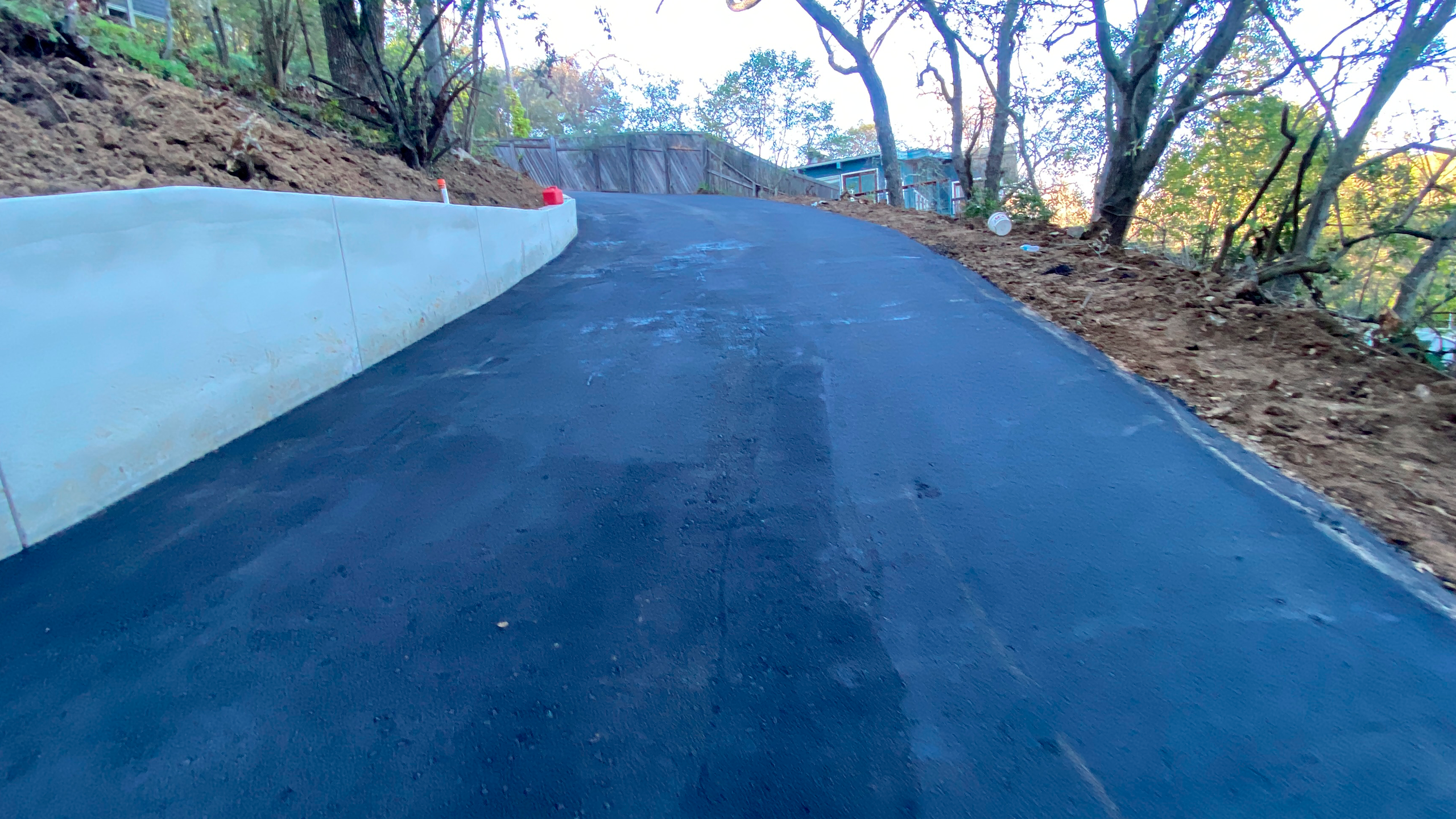
When most people think about asphalt, they picture highways stretching across the landscape. Yet roads are only one part of the story. Asphalt appears in places people use every day without giving much thought to the material beneath their feet or tires.
A property manager inspecting a shopping center parking lot, a school administrator reviewing campus walkways, or a municipality planning a recreational trail may all rely on asphalt for different reasons. Its versatility, durability, and ability to handle varying traffic conditions have made it one of the most widely used construction materials in modern infrastructure.
Because asphalt can serve vehicles, pedestrians, maintenance equipment, and recreational users, it remains one of the most adaptable materials available for property and infrastructure development.
Understanding what is asphalt used for helps explain why it continues to be selected for projects ranging from neighborhood driveways to large commercial developments.
Following the Path of Daily Movement
One useful way to understand asphalt applications is to follow how people and vehicles move through a property.
Pedestrian traffic creates another category of asphalt use. Side paths, walking routes, and recreational trails often benefit from asphalt’s smooth finish. Municipal trail systems frequently use surfaces similar to those found in park trail asphalt projects because they can accommodate walkers, runners, cyclists, and maintenance vehicles while remaining relatively easy to maintain.
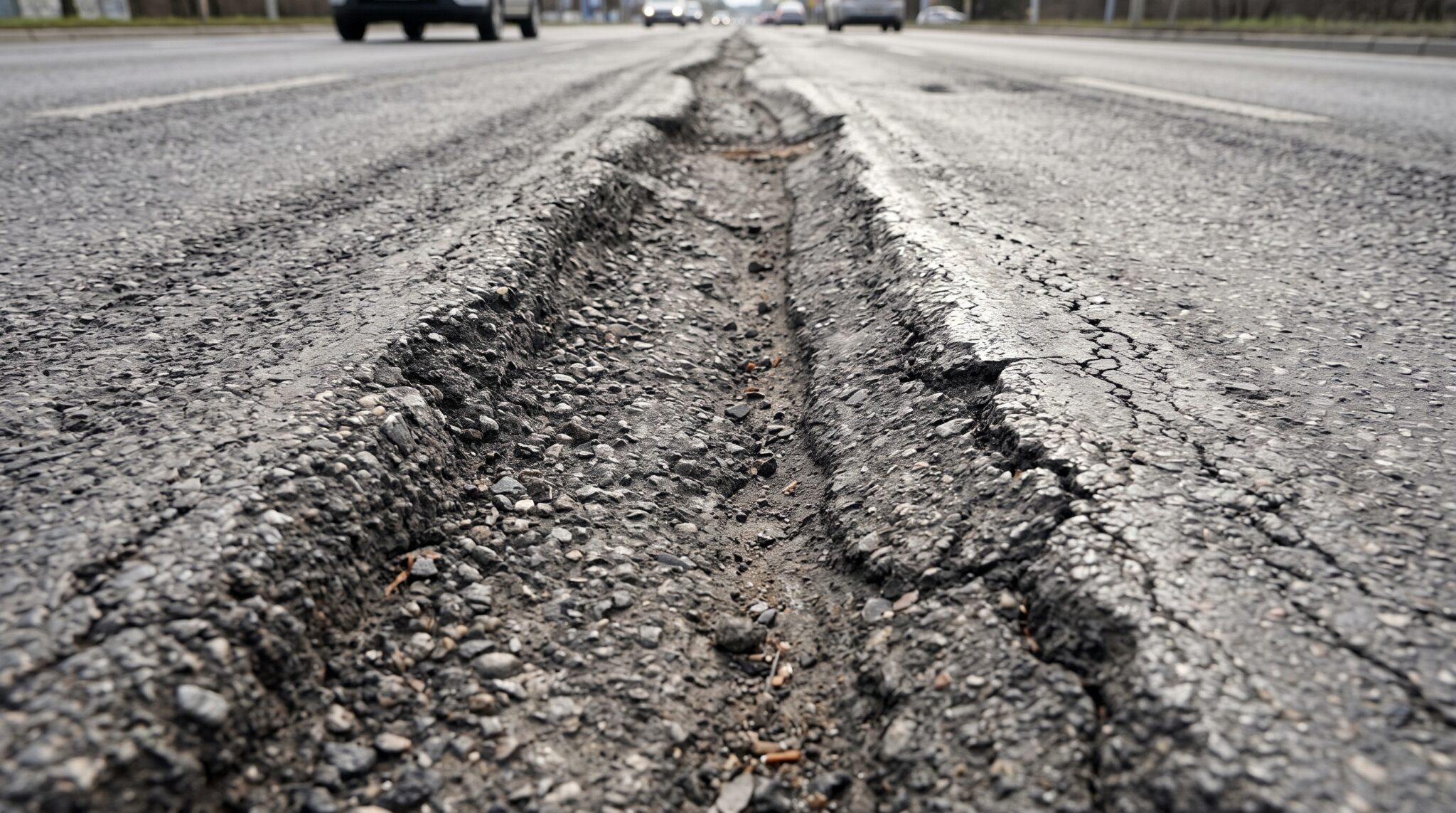
Vehicles typically encounter asphalt first in roadways and parking areas. These surfaces must support repeated traffic loads while remaining relatively smooth and predictable. In commercial settings, turning areas near entrances often experience concentrated stress. Over time, crews may notice slight depressions where delivery trucks repeatedly follow the same path.
Beyond parking areas, asphalt frequently appears in access roads, service lanes, and circulation routes connecting different parts of a property. These surfaces help maintain operational flow while providing a durable driving surface.
Why Asphalt Works Across So Many Property Types
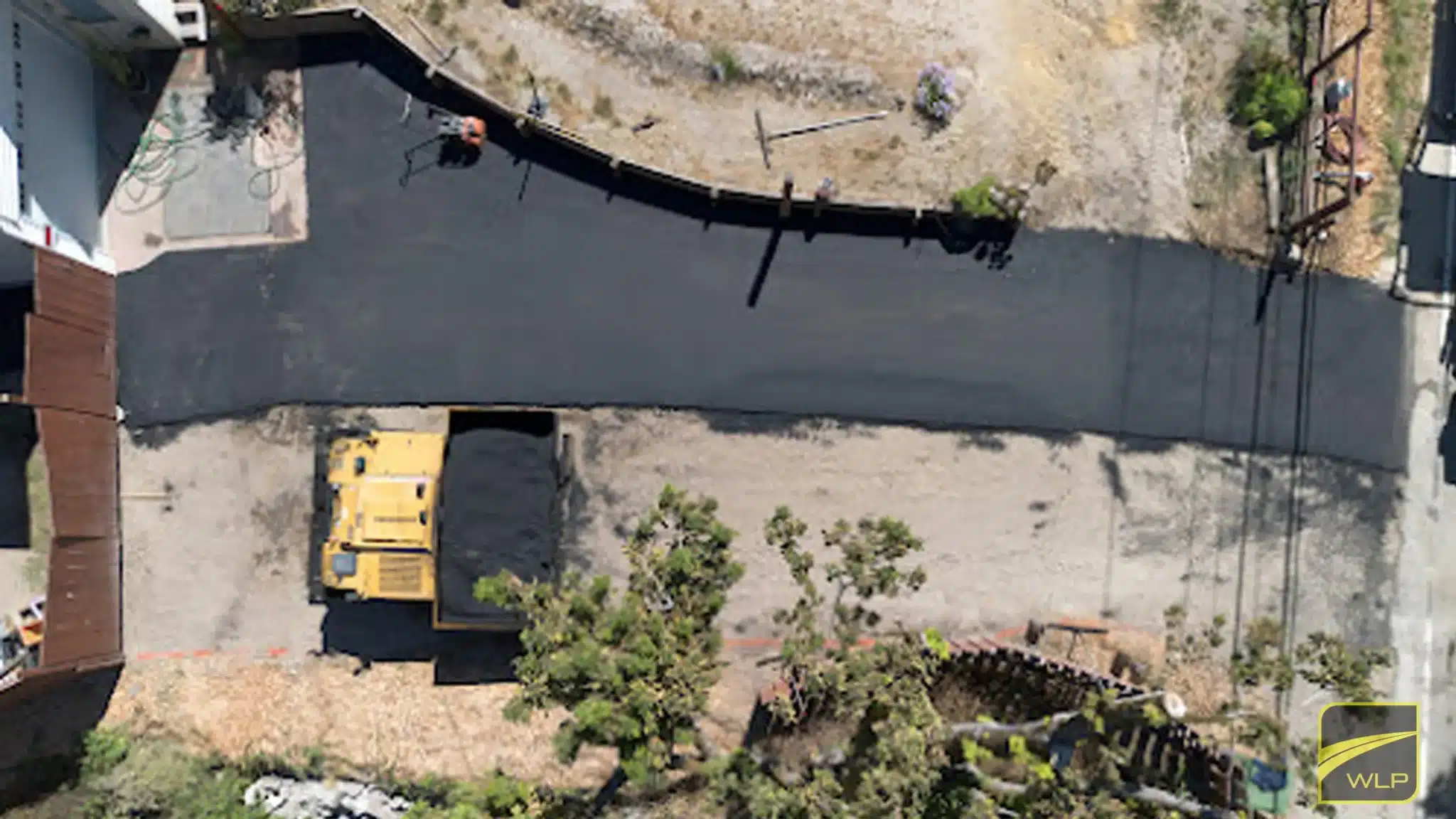
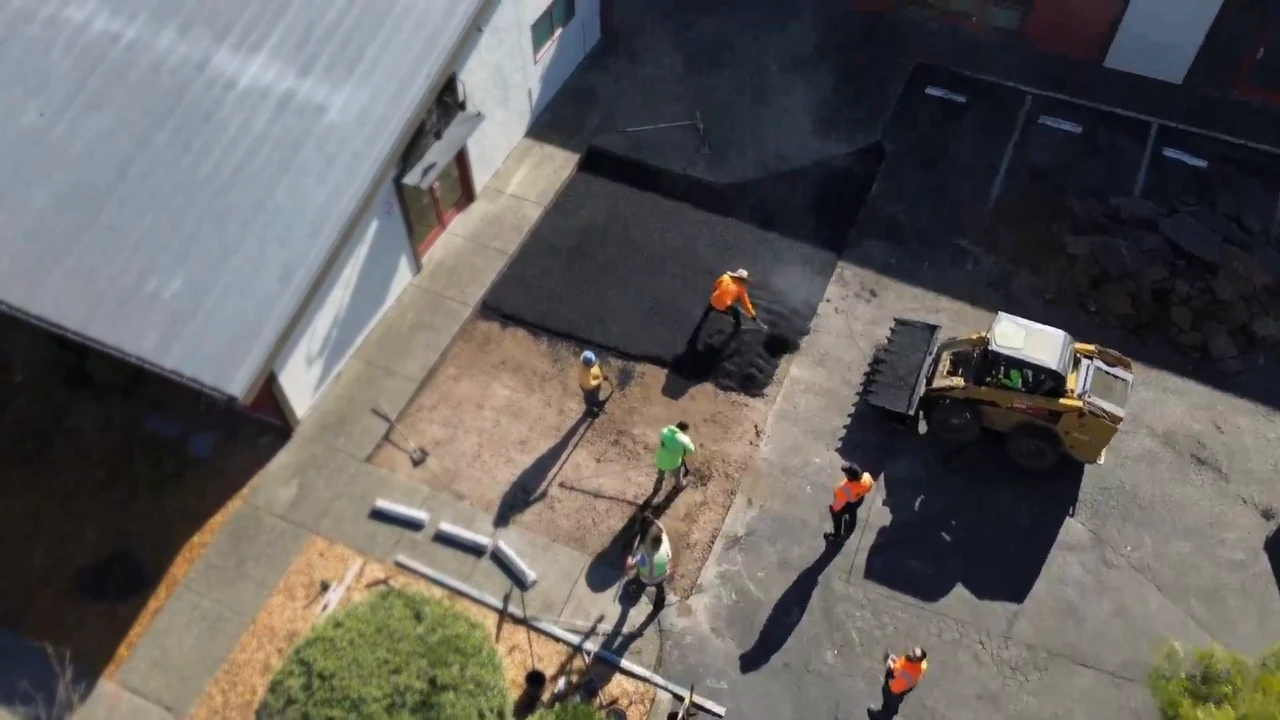
For example, a large asphalt paving project may involve parking areas, drive lanes, pedestrian connections, and loading zones all within the same site.
Different properties have different operational needs, yet asphalt continues to appear across nearly all of them.
| Property Type | Common Asphalt Application | Primary Benefit |
|---|---|---|
| Commercial Centers | Parking lots and access roads | Handles vehicle traffic efficiently |
| Schools and Campuses | Walkways and service roads | Creates smooth circulation routes |
| Industrial Facilities | Loading areas and internal roads | Supports operational movement |
| Municipal Parks | Recreational trails | Comfortable walking and cycling surface |
| Residential Properties | Driveways | Accessible and practical vehicle access |
The flexibility of asphalt allows designers and property owners to adapt the material to a wide range of uses without dramatically changing construction methods.

Where Field Conditions Reveal Asphalt’s Real Value
The practical value of asphalt becomes most visible after years of use.
A pavement crew walking an older commercial property might observe slight surface polishing near stop signs where vehicles repeatedly brake. In another area, tire turning movements may create minor wear patterns near entrance islands. Along the edges of a trail, technicians sometimes notice gradual surface aging where water regularly flows after storms.
These observations highlight an important point: asphalt is designed not only to provide a surface but also to accommodate ongoing use and environmental exposure.
This adaptability explains why asphalt remains common in:
- High-traffic parking lots
- Residential driveways
- Recreational trails
- Airport service roads
- School campuses
- Industrial facilities
When surface wear begins affecting operations, property owners often start noticing issues similar to those discussed in parking lot warning signs, where aging pavement begins influencing how vehicles move through a site.
Modern Infrastructure Is Expanding Asphalt Applications
As infrastructure evolves, asphalt continues finding new uses beyond traditional roads.
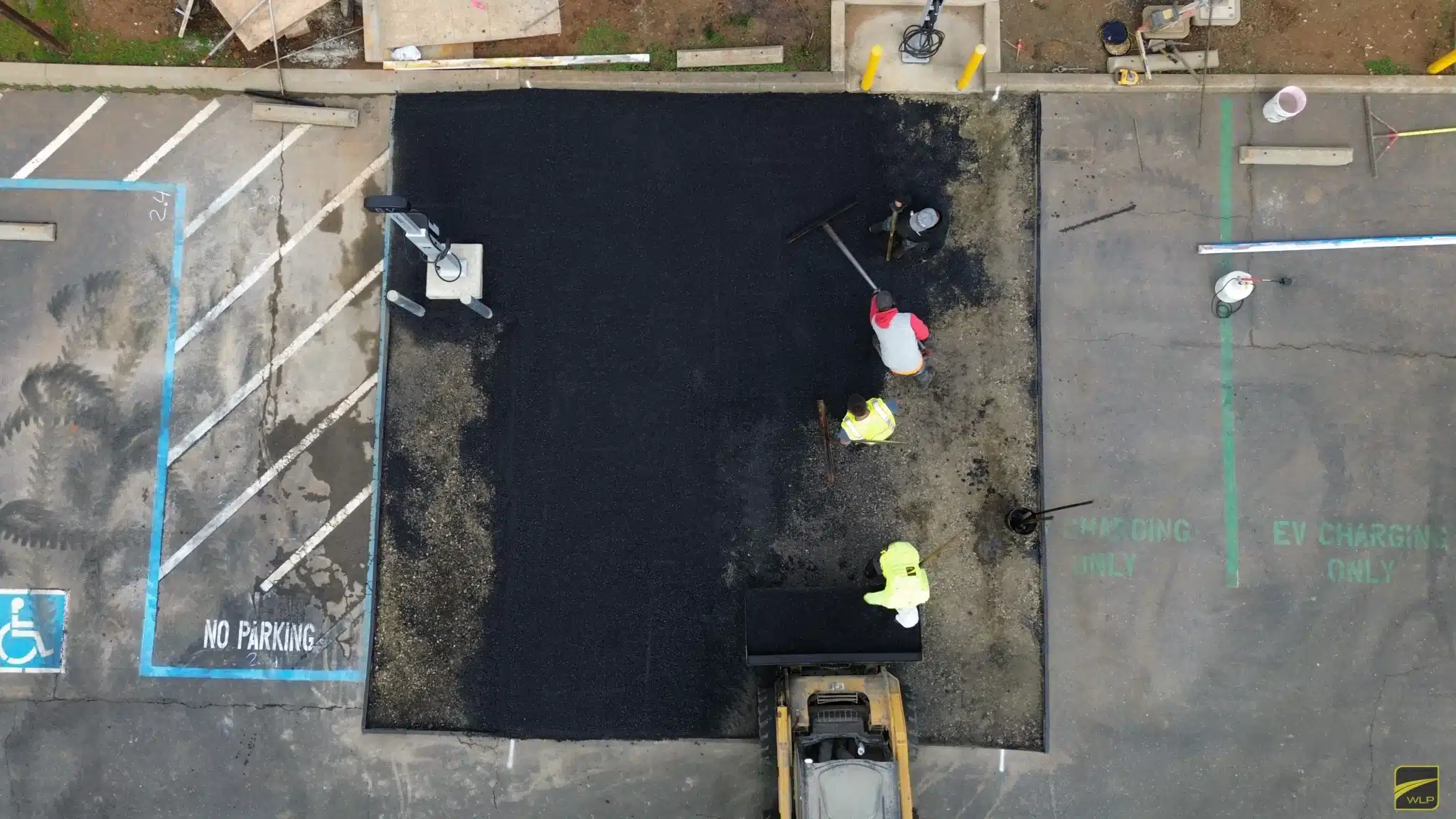
Electric vehicle adoption offers one example. New charging stations frequently require pavement modifications to accommodate equipment, traffic flow adjustments, and accessibility improvements. Projects involving EV charging construction often include pavement work as part of broader site upgrades.
These developments demonstrate that asphalt remains an active part of infrastructure modernization rather than a material limited to traditional road construction.
Asphalt’s Role in Creating Connected Spaces
Perhaps the simplest answer to what is asphalt used for is that it helps connect people to places.
Whether someone is driving into a retail center, walking along a campus path, cycling through a park, or entering a healthcare facility, asphalt often forms the surface that supports that movement.
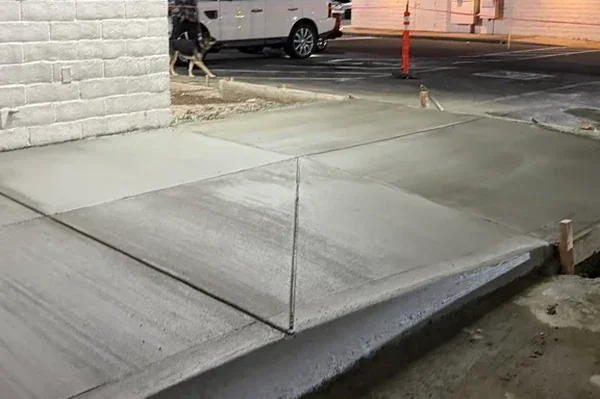
In pedestrian-focused environments, maintaining smooth routes may occasionally require targeted sidewalk repair alongside broader pavement maintenance efforts. The goal is not simply preserving appearance but supporting reliable access throughout the property.
Thinking About Asphalt as a Long-Term Asset
Technology is also influencing how asphalt projects are planned and maintained. Innovations in materials, construction methods, and asset management continue shaping the industry. Discussions around paving technology increasingly focus on extending pavement life while improving long-term maintenance planning.
Rather than viewing asphalt as a single construction product, many property owners benefit from viewing it as part of a long-term operational asset.
Its applications extend well beyond roads. Parking facilities, campus pathways, recreational trails, service lanes, industrial sites, and emerging infrastructure projects all rely on asphalt in different ways.
At We Love Paving, site evaluations often reveal that the most successful pavement systems are those that were designed around how people actually use the property. Understanding where asphalt fits into those daily movement patterns can help property owners make better planning, maintenance, and improvement decisions over the life of the asset.