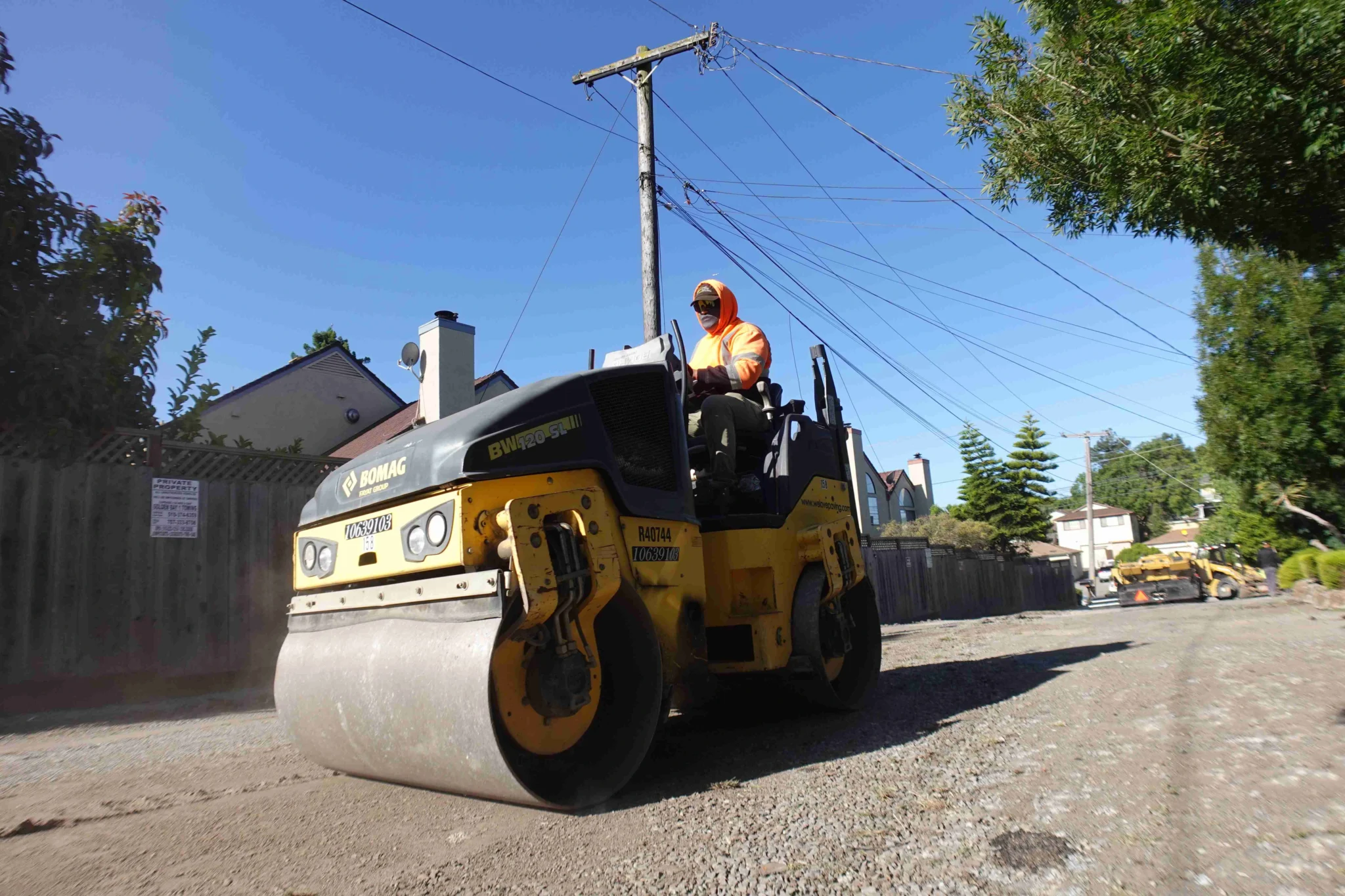
Let’s talk slurry seal. Before you think it’s just another routine maintenance task, this structural application is the ultimate preventive care your commercial or residential property needs.
Engineered as a precise combination of aggregate, water, and asphalt emulsion, modern slurry seal asphalt applications strictly adhere to California Caltrans Section 37-3 specifications. This technical mix acts as a durable protective shield that seals minor imperfections, restores surface texture, and dramatically enhances the driving conditions of aging roadways across Northern California.
What Even Is Slurry Seal?
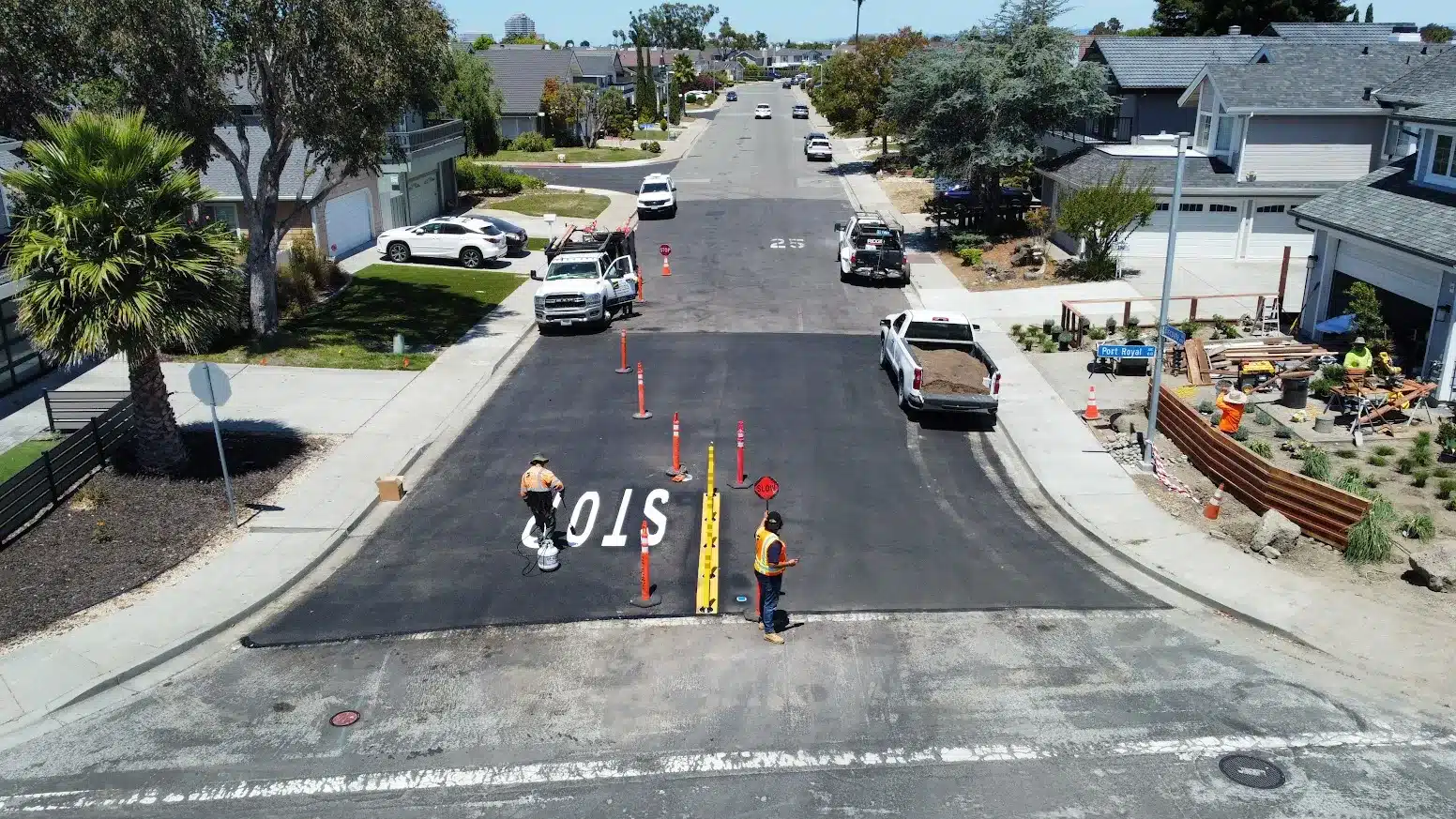
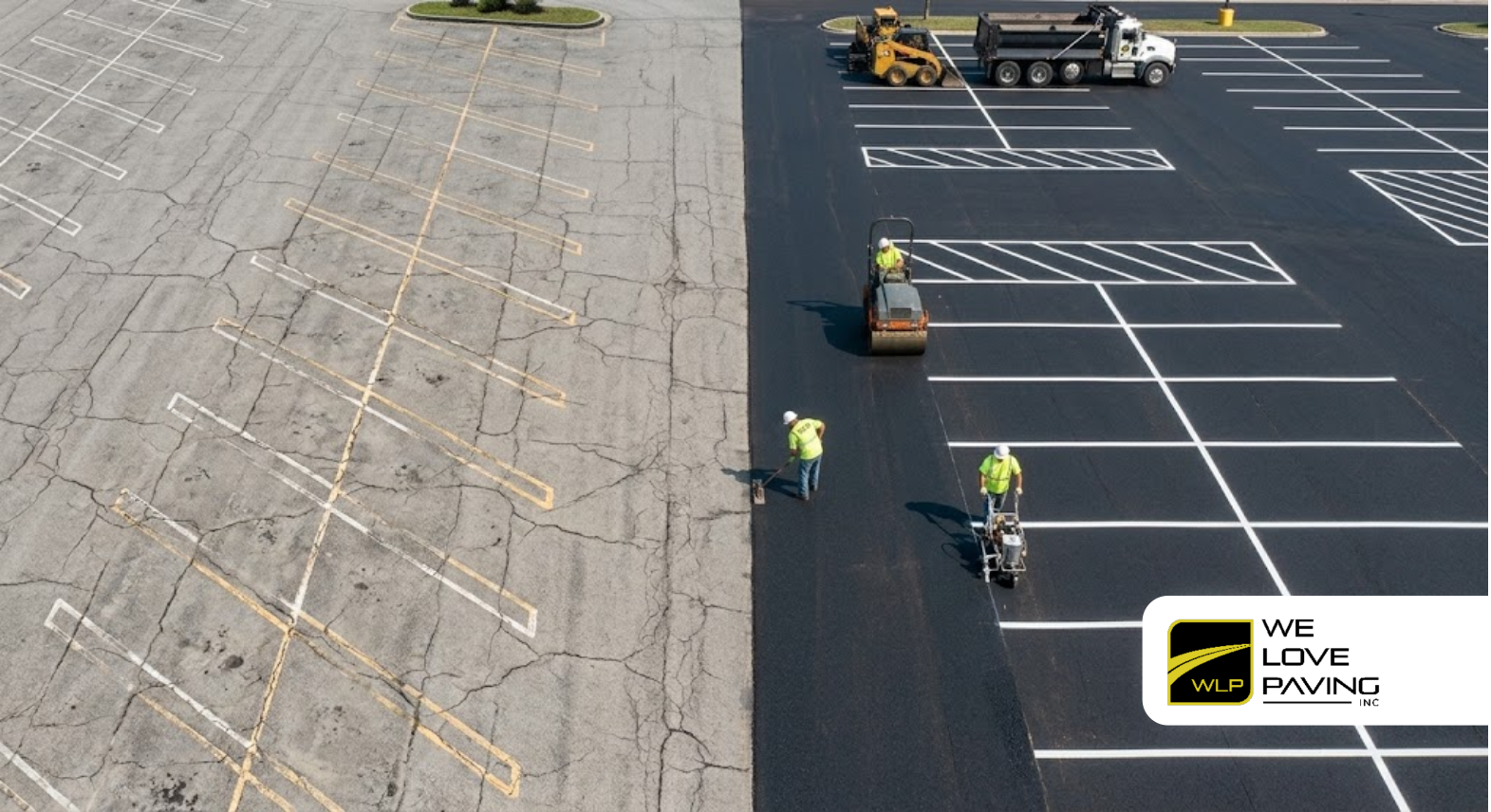
Picture this: Your pavement is looking tired cracks here, fading there, kind of like a driveway midlife crisis. Enter slurry seal, the magical mixture of asphalt emulsion, water, and fine aggregate. It’s basically a face mask for your road, smoothing out imperfections and leaving it looking youthful again. (If only it worked on humans!)
Why Should You Care?
Because a slurry-sealed pavement doesn’t just look good it performs better. It protects against sunburn (yes, roads can get sunburned), prevents water damage, and extends the life of your pavement. Think of it as SPF 50 for your driveway, minus the beach vibes.
A slurry-sealed surface does not just enhance aesthetics; it significantly elevates structural performance. According to guidelines from the Asphalt Institute, sealing vulnerable surfaces prevents severe oxidative damage caused by intense California solar radiation and stops water infiltration from shifting the subbase. Utilizing this treatment is one of the most reliable ways to extend the overall vida del pavimento, safeguarding your asphalt investments from premature failure while providing vital tips para mantener el asfalto comercial en condiciones óptimas de servicio.
Slurry Seal vs. Traditional Sealcoat: Far Beyond Basic “Road Paint”
You might be wondering, “Is this just a fancy term for road paint or a basic sealcoat?” Not at all. While standard sealcoating is great for light, preventative maintenance, slurry seal is a heavier, structural treatment. We use a precise mixture of asphalt emulsion, water, polymer additives, and classified aggregates to create a highly durable wear layer.
- Type I: Fine aggregate designed to penetrate minor surface cracks and provide maximum preventative protection.
- Type II: Medium aggregate, perfect for general resurfacing and correcting moderate weathering on residential streets or Parking Lot Paving.
- Type III: Coarse aggregate formulated for severe surface defects and high-traffic areas requiring maximum skid resistance.
Technical Mix Selection Guidelines
To ensure structural compatibility and performance longevity, selecting the proper aggregate gradation is critical. The following framework outlines the standard specifications utilized by our engineering teams under Caltrans Section 37-3 guidelines:
| Slurry Type | Aggregate Size (Passing) | Primary Application | Traffic Suitability |
|---|---|---|---|
| Type I | Fine (100% passing No. 8 sieve) | Parking garages, taxiways, light residential driveways | Low-volume pedestrian & light vehicular ¹ |
| Type II | Medium (100% passing 1/4″ sieve) | Commercial parking lots, residential streets, arterials | Moderate vehicular & urban transit ¹ |
| Type III | Coarse (100% passing 3/8″ sieve) | Industrial parks, highway shoulders, heavy freight routes | High-volume industrial & heavy transport ¹ |
¹ Specified compliance guidelines structured under California Caltrans Section 37-3 asphalt pavement standards.
You might be wondering how this application differs from standard property management methods. While a sealcoat tradicional is ideal for low-traffic areas experiencing light, aesthetic wear, slurry seal represents a robust, aggregate-dense treatment designed for demanding environments. Industry metrics from the International Slurry Surfacing Association (ISSA) demonstrate that an application executed under correct atmospheric conditions extends the functional pavement lifespan by 8 to 10 years, delivering an exceptionally secure and skid-resistant driving surface.
The Application Process: A Pavement Glow-Up Montage
- Prep the Surface – Clean it up, sweep it out, and make sure your road is ready for its makeover.
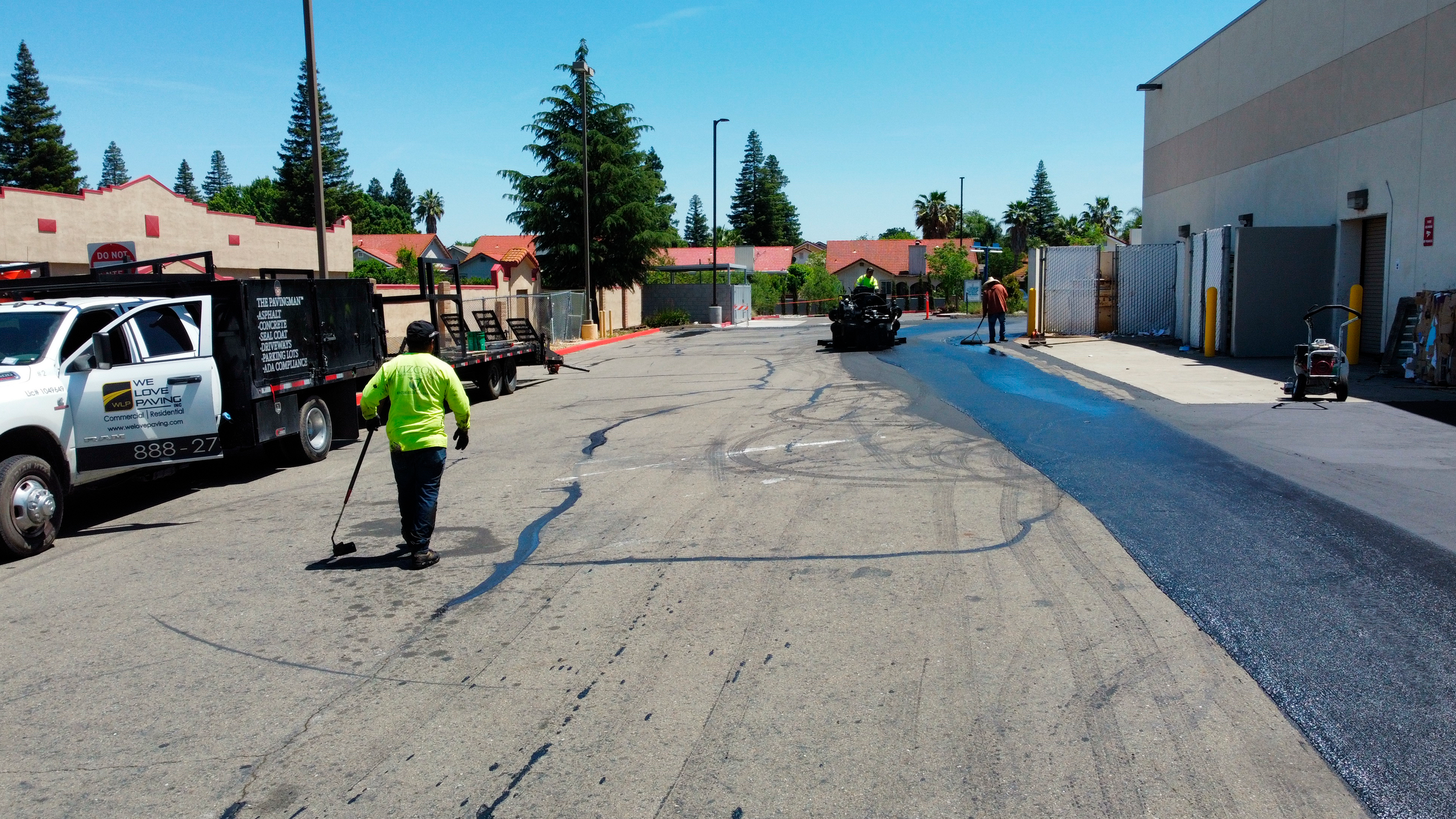
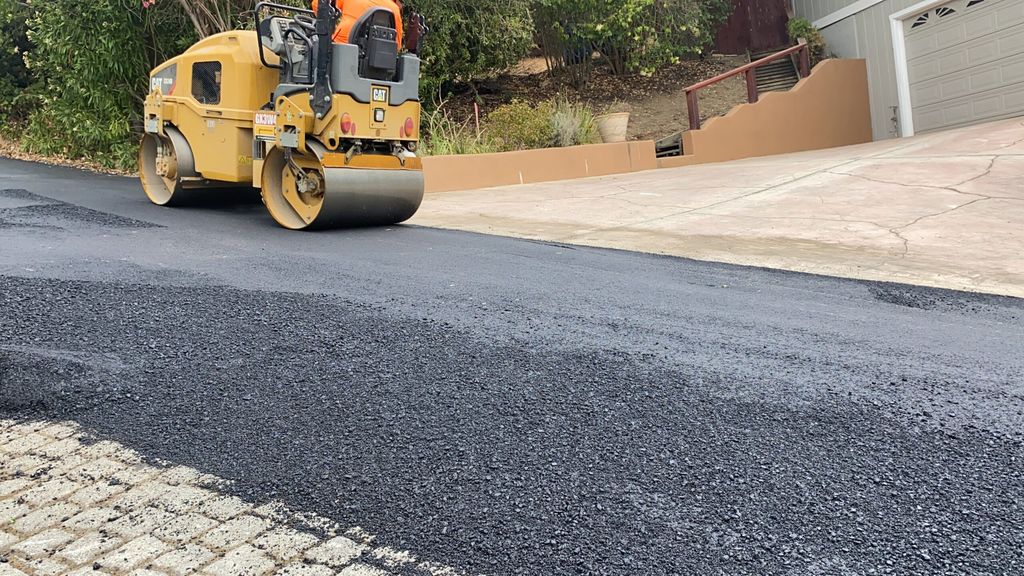
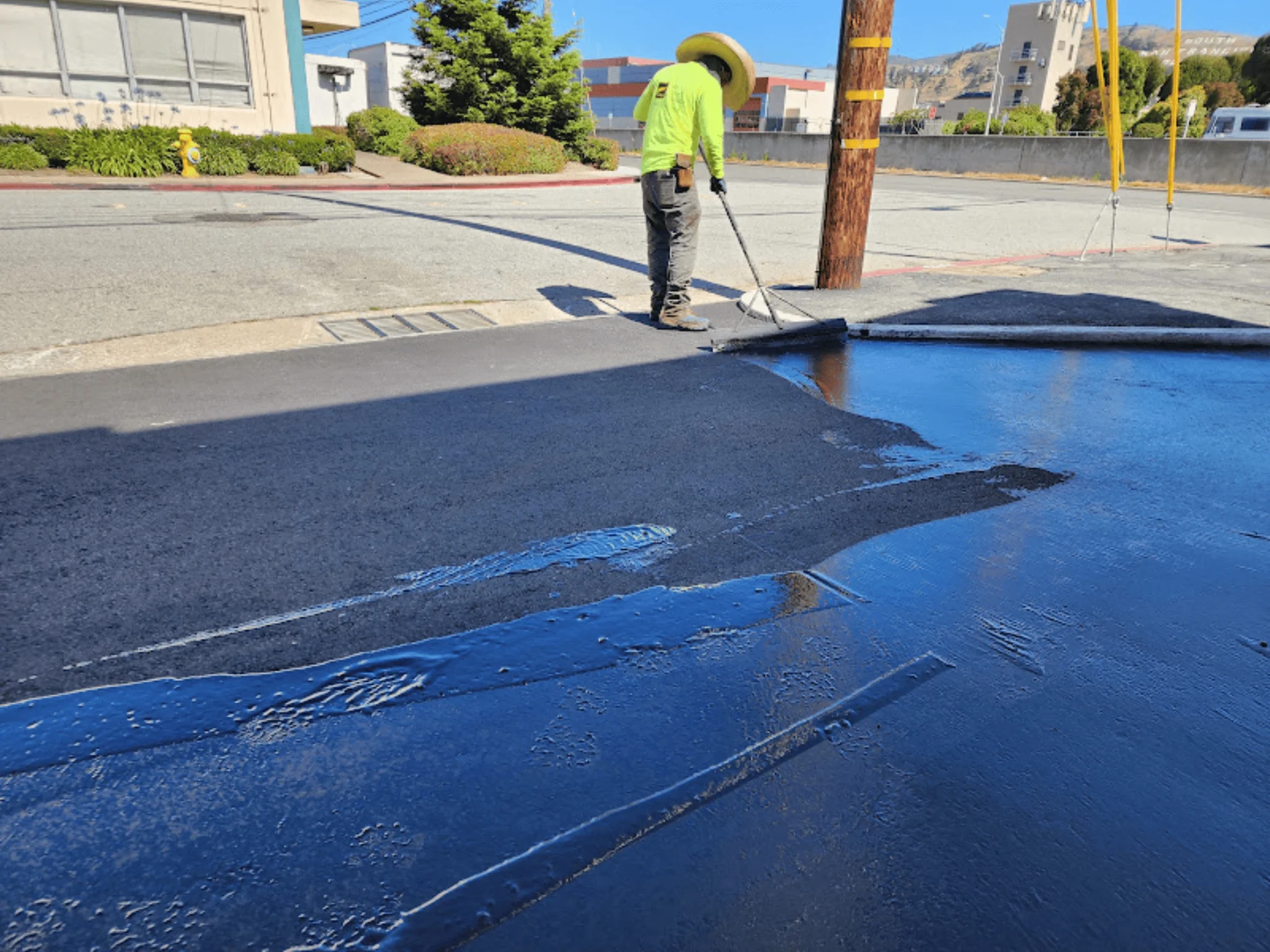
- Slurry Time! – Spread that glorious mix like you’re icing a cake. Except this cake is flat, heavy, and meant to last.
- Let It Cure – Now, we wait. No shortcuts here. Good things take time, and your pavement’s transformation deserves it.
Why Choose WeLovePaving for Your Slurry Seal Needs?
Because we don’t just slap it on and call it a day. We treat your pavement like it’s the red carpet worthy of every ounce of care and precision. Plus, we have fun doing it. (You should see us name our equipment it’s like a daycare for construction nerds.)

Final Thoughts
Slurry seal might not be the flashiest topic, but it’s the unsung hero that keeps your pavement looking and performing its best. So, next time you pull into your driveway, think about giving it a little TLC with a slurry seal treatment. It’s not just maintenance; it’s a makeover your road will thank you for.
Ready to give your pavement the glow-up it deserves? Call We Love Paving today where even your driveway gets the royal treatment.
Technical review and editorial oversight provided by the asphalt pavement engineering team at We Love Paving, specializing in commercial pavement preservation and Caltrans-compliant asphalt maintenance across Northern California.