Top Tips for Maintaining Your Commercial Parking Lot

We Love Paving services in Palo Alto. Professional paving contractor serving Palo Alto and Stanford areas.
Estimation Tools

Calculate costs in seconds

Fast, accurate estimates that help you close more jobs. Less guesswork, more profit.

Your parking lot is more than just a space for vehicles—it’s a key part of your property’s first impression. A well-maintained parking not only enhances curb appeal but also ensures safety and longevity. At WELOVEPAVING, we understand the importance of preserving this asset. Here are our top tips for keeping your commercial parking in excellent condition:

1. Regular Inspections

Frequent inspections are crucial to catch potential issues early. Look for cracks, potholes, fading lines, or drainage problems. Addressing these small problems before they worsen can save you significant costs down the line.

2. Seal Coating

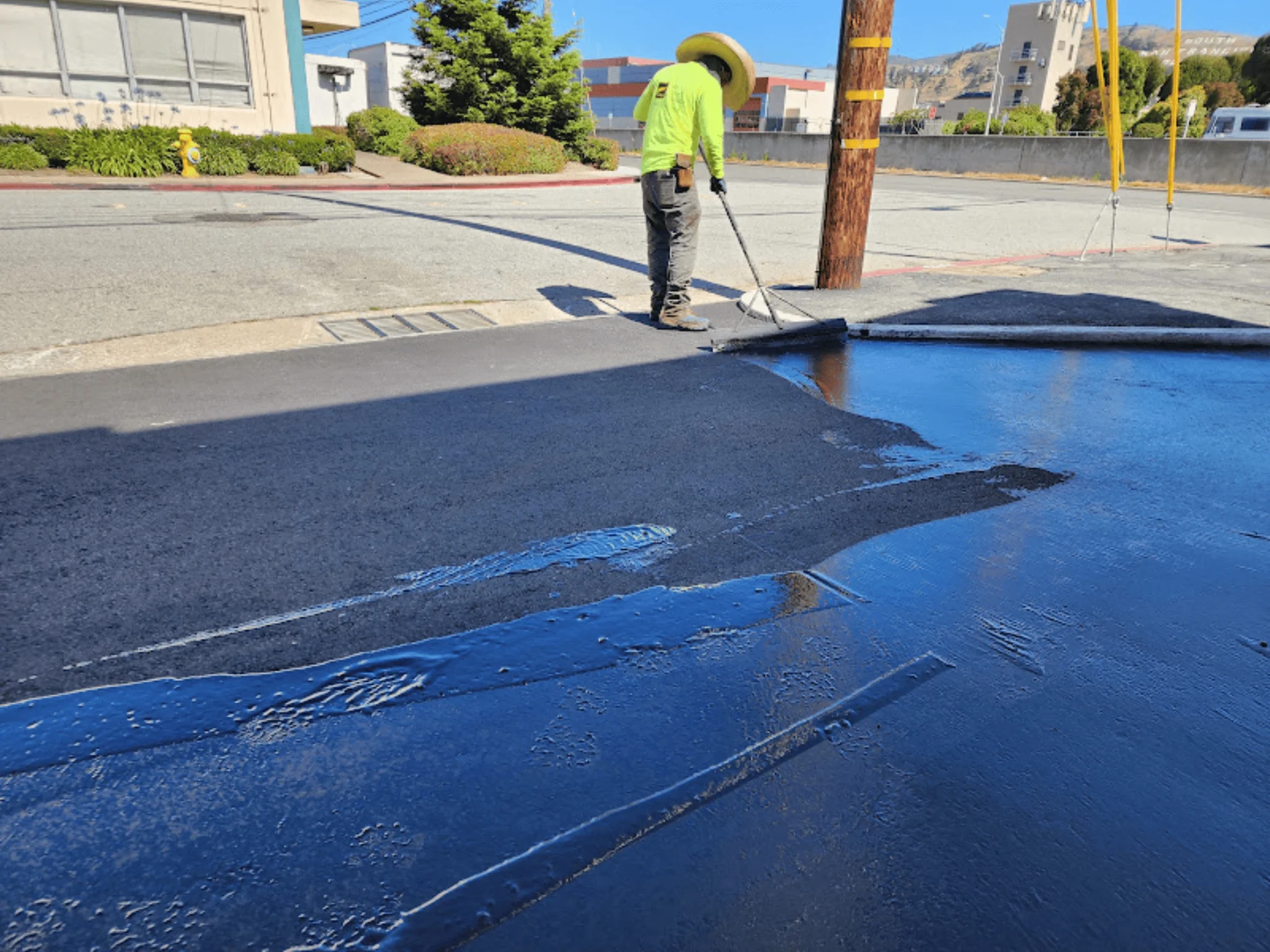
Seal coating is one of the most effective ways to protect your asphalt from weather, chemicals, and general wear. It creates a protective barrier that extends the lifespan of your parking lot while keeping it looking fresh and new.

3. Prompt Repairs

Cracks and potholes don’t just look unsightly—they can also lead to bigger structural issues if left unaddressed. Timely repairs help prevent water infiltration and deterioration, preserving the integrity of your parking.

4. Effective Drainage

Water is one of the biggest culprits in pavement damage. Ensure your parking has a proper drainage system to direct water away from the surface. Standing water can weaken asphalt and lead to cracks, so this step is vital for long-term maintenance.

5. Line Striping

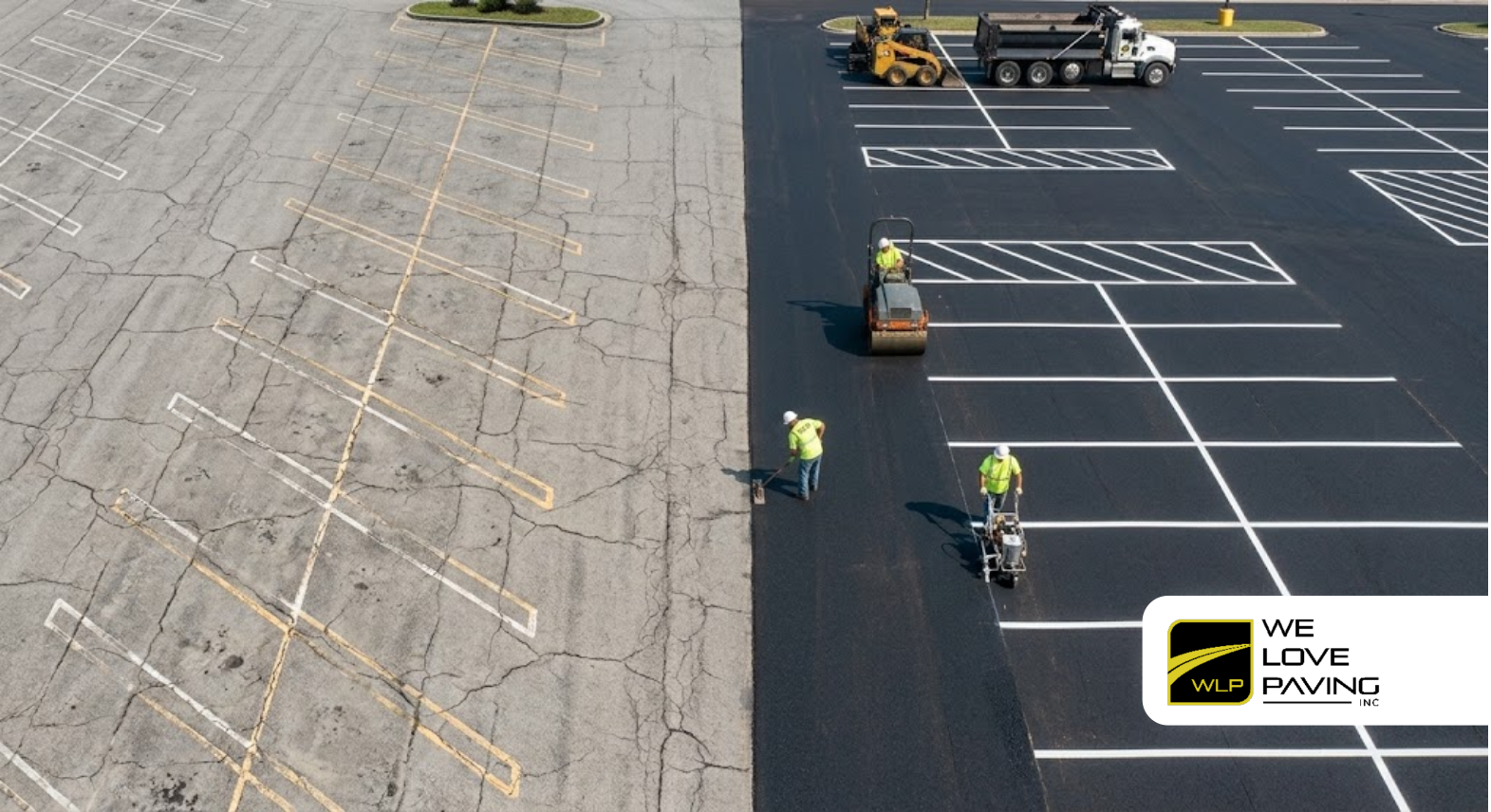
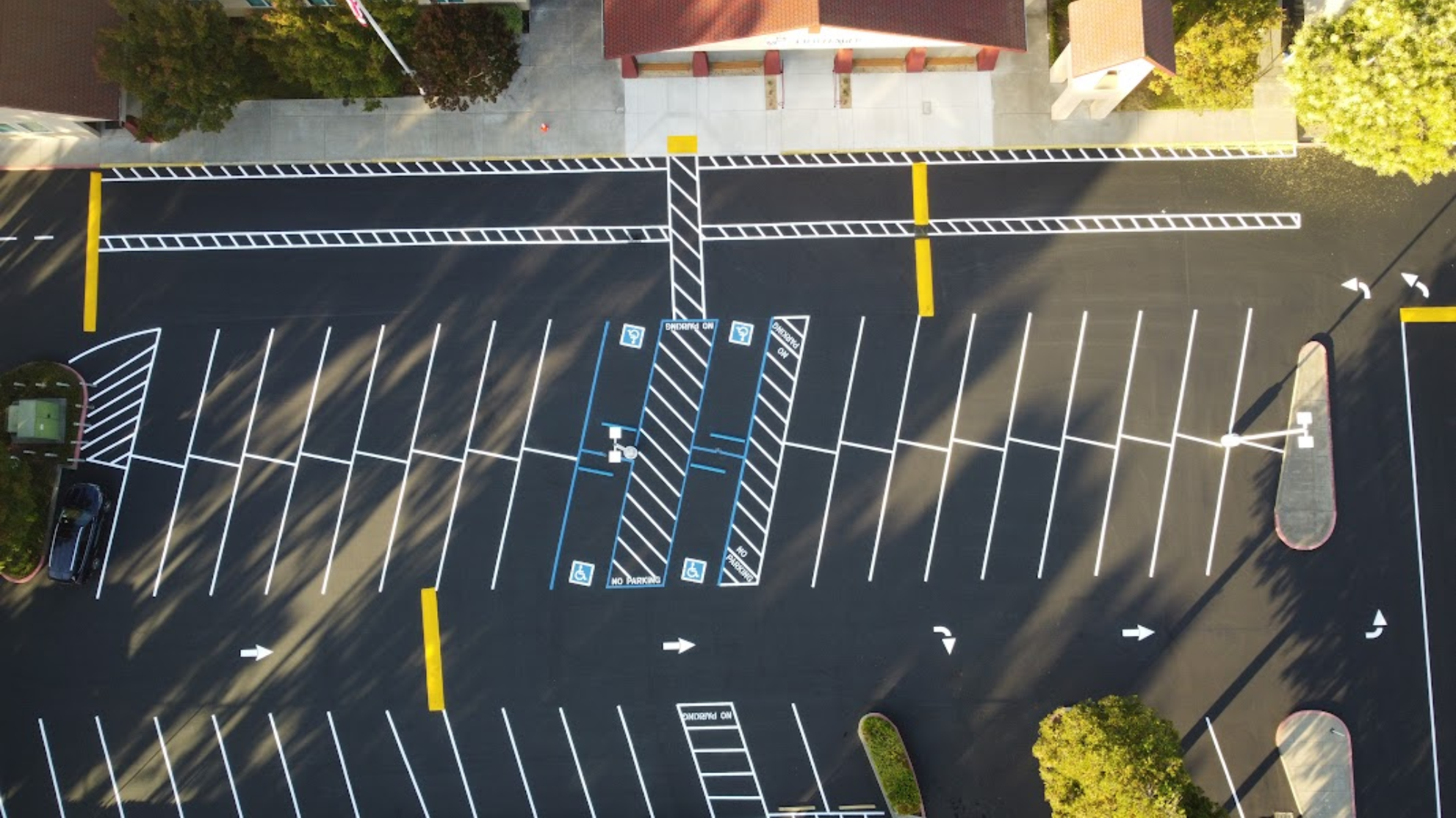
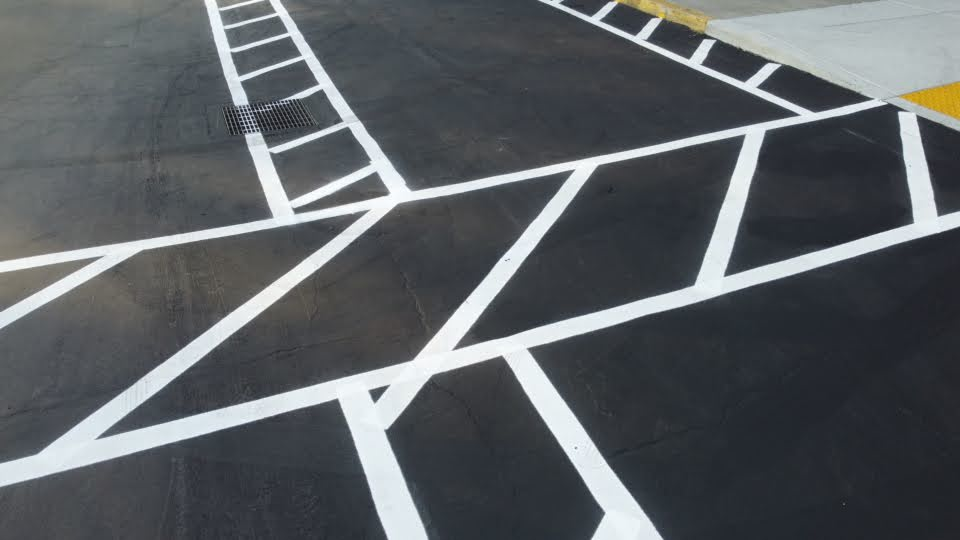
Over time, parking lines can fade due to weather and traffic. Clear, bright line striping is essential for efficient traffic flow, maximizing parking space, and ensuring compliance with safety regulations, including ADA standards.

Beyond aesthetics, correct line striping is a critical legal requirement. Commercial facilities must comply with strict federal regulations, ensuring precise ratios of wheelchair-accessible spaces, 96-inch wide van-accessible aisles, and high-reflectivity blue signage. Our team of ADA striping experts ensures your parking lot is 100% up to code, shielding your business from hefty fines and potential non-compliance lawsuits.

6. Regular Cleaning

Debris, oil, and chemicals can accumulate on your parking lot and cause damage. Regular sweeping and power washing can keep your pavement clean, prevent staining, and reduce the risk of long-term deterioration.

7. Seasonal Maintenance

Extreme weather conditions, such as freezing temperatures or intense heat, can take a toll on your parking lot. During colder months, ensure snow and ice are removed promptly. In summer, monitor for heat-related damage like soft spots or cracks.

To maximize your pavement’s lifespan and withstand severe weather including freeze-thaw cycles, we recommend adhering to a structured timeline:

  • Annually: Perform deep mechanical sweeping, clear drainage catch basins, and apply hot pour crack sealing to prevent winter moisture penetration.
  • Every 2 to 3 Years: Apply a coat of industrial-grade commercial sealcoating to replenish vital pavement binders, and restripe all traffic lines.
  • Every 5 to 10 Years: Schedule structural assessments for infrared patching or surface milling in high-traffic zones.

8. Plan for Resurfacing

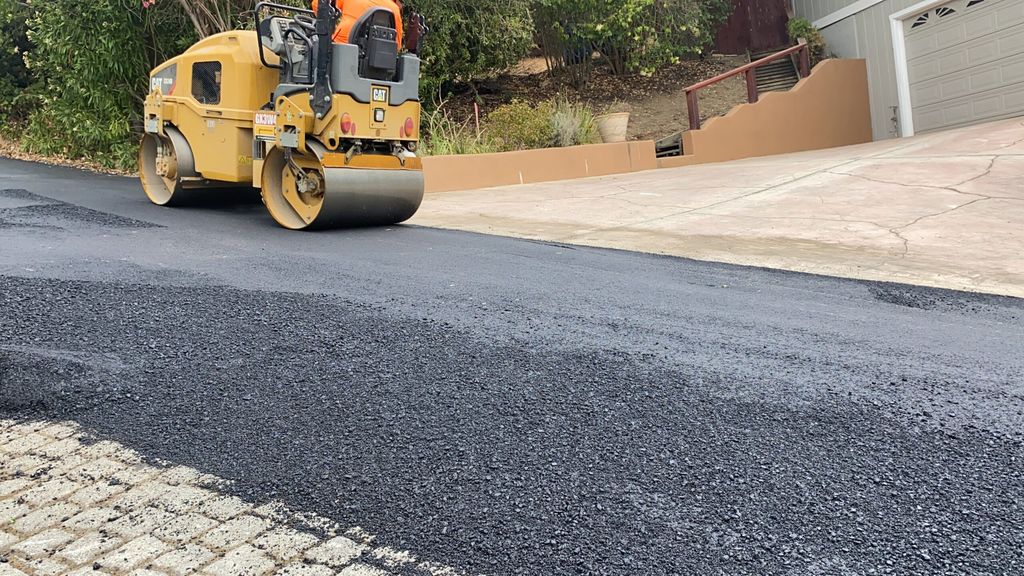
Even with regular maintenance, every parking lot will eventually need resurfacing. Planning for this in advance ensures you can budget accordingly and avoid disruptions to your business operations.

Partner with WELOVEPAVING

Maintaining your parking lot doesn’t have to be a hassle. At WELOVEPAVING, we offer comprehensive maintenance plans tailored to your property’s unique needs. From inspections and repairs to seal coating and line striping, our expert team ensures your parking lot remains safe, functional, and visually appealing.

Contact us today to learn how we can help you preserve your parking lot for years to come!

Need Immediate Help?

Let's Talk About Your Project

Don't wait until minor damage turns into major expenses. Our team of experts is ready to provide you with guaranteed solutions. Contact us now for direct advice from a professional.

Frequently Asked Questions (FAQ)

Got Questions? Find Your Answers Here!!

How often should I sealcoat my parking lot?

We recommend sealcoating your asphalt every 2 to 3 years to maintain a protective barrier against UV rays, water, and oil. This routine prevents the asphalt binder from oxidizing and turning brittle, which is the primary cause of surface raveling. Properties that implement this schedule consistently extend the service life of their pavement by an average of 10 to 15 years compared to neglected lots.

What is the best way to prevent potholes?

The most effective way to prevent potholes is to seal hairline cracks immediately using professional-grade rubberized filler. By stopping water from reaching the gravel subbase, you prevent the freeze-thaw cycles that expand gaps and collapse the surface structure. A crack sealing repair costing $300 today can prevent a full-depth pothole repair that typically costs between $3,000 and $5,000.

How do I handle oil spills on asphalt?

You should clean oil, gas, and chemical spills immediately using a degreaser or absorbent material to prevent the liquid from eating through the asphalt. Since asphalt is petroleum-based, automotive fluids act as a solvent, quickly softening the surface and causing structural "soft spots" that require patching. Prompt removal ensures the sealcoat remains intact and prevents the chemical breakdown of the aggregate bond.

Why is standing water dangerous for pavement?

Standing water is the leading cause of premature pavement failure because it seeps into the subbase, weakening the foundation that supports vehicle weight. When the base becomes saturated, it loses its load-bearing capacity, leading to "alligator cracking" and structural depressions. Ensuring proper drainage and clear catch basins can reduce the risk of subbase erosion by up to 80% during heavy rain seasons.

Is winter maintenance necessary for asphalt?

Yes, winter maintenance is critical and focuses on using rubber-edged snowplows and calcium chloride instead of harsh rock salt to protect the surface. Metal blades can gouge the asphalt, while traditional salt accelerates the erosion of the protective sealcoat layer. Preparing your lot with a pre-winter inspection ensures that no small cracks are left open to expand when moisture freezes inside them.

Professional customer review project by We Love Paving in Northern California, California. Verified local construction quality.

Fred / Founder

Fred, Founder and Regional Operations Manager at We Love Paving, comes from a family that values hard work and discipline. Growing up watching his parents work long hours with integrity and dedication, Fred learned early on that quality paving isn’t just about asphalt, it’s about consistency, accountability, and doing the job right.

Share

Posts That Might Interest You

The Cost of Asphalt Cutting Per Linear Foot: What to Expect

The Cost of Asphalt Cutting Per Linear Foot: What to Expect

May 28, 2026

When it comes to construction and repair projects, asphalt cutting is often a necessary task, whether for roadworks, driveways, or other paved surfaces. Understanding the cost involved in asphalt cutting per linear foot can help you budget more accurately for your project. This article will break down the factors affecting these costs and provide a

Parking Lot Maintenance Checklist by Season

Parking Lot Maintenance Checklist by Season

May 27, 2026

A checklist earns its place when it helps a manager make a decision later. For a Northern California retail center, that decision might come after the first winter storm, when water still sits along the curb near the front stalls. For an office property, it might come in late summer, when the exposed drive aisle

Does Asphalt Need to Be Sealed? Read the Surface Before You Decide

Does Asphalt Need to Be Sealed? Read the Surface Before You Decide

May 27, 2026

A parking lot can look ready for sealcoating from the sidewalk and still be a poor candidate up close. The color has faded. The asphalt has turned gray. The owner wants a cleaner surface before tenants complain or customers notice the lot looking tired. Then someone walks the drive aisle and finds a different story:

Pavement Asset Management for Property Managers

Pavement Asset Management for Property Managers

May 27, 2026

A parking lot budget usually becomes uncomfortable long before the asphalt fails completely. The entrance patch is still holding, but the edge is separating again. The back drive aisle looks rough, yet tenants rarely use it. The front visitor stalls are faded enough to draw complaints. A low area near the drain stayed wet after

Next

Estimation Tools

Calculate costs in seconds

Fast, accurate estimates that help you close more jobs. Less guesswork, more profit.